
Acute megakaryoblastic leukemia is a rare, aggressive blood cancer that starts in very early platelet-forming cells. People with acute megakaryoblastic leukemia often feel very tired, bruise or bleed easily, and have frequent infections. It can affect children and adults, and is more common in young children, including some with Down syndrome. Treatment usually involves intensive chemotherapy, targeted drugs when available, and sometimes a stem cell transplant. The condition can be life-threatening, but outcomes vary and early, specialized care can improve survival.
Overview
Acute megakaryoblastic leukemiaSymptoms
Early symptoms of acute megakaryoblastic leukemia include tiredness, pale skin, fever, and frequent infections. Many also have easy bruising or bleeding (nosebleeds, gum bleeding), bone pain, belly fullness from an enlarged spleen or liver, and shortness of breath.
Outlook and prognosis
Many living with acute megakaryoblastic leukemia face an intense course, but outcomes vary by age, chromosome changes, and how well treatment clears leukemia cells early on. Children, especially with Down syndrome, often respond better than adults. Ongoing specialist care and clinical trials can improve options.
Causes and risk factors
Acute megakaryoblastic leukemia usually stems from acquired DNA changes in marrow cells. Risk is higher in children with Down syndrome and some infants with specific gene fusions. Prior chemo/radiation and certain chemical exposures may increase risk; inherited cases are uncommon.
Genetic influences
Genetics plays a central role in acute megakaryoblastic leukemia. Specific chromosomal changes and gene variants drive the disease, influence age of onset, and shape risk. They also guide prognosis and targeted treatments, especially in children and people with Down syndrome.
Diagnosis
Doctors suspect acute megakaryoblastic leukemia based on blood tests showing abnormal blasts and low counts. Diagnosis of acute megakaryoblastic leukemia is confirmed with a bone marrow exam and flow cytrometry, plus chromosome and genetic tests. Imaging may assess complications.
Treatment and drugs
Treatment for acute megakaryoblastic leukemia usually combines intensive chemotherapy, targeted medicines if a matching mutation is found, and supportive care like transfusions and infection prevention. Many children receive stem cell transplant; adults may be considered case‑by‑case. Clinical trials expand options.
Symptoms
Early symptoms of acute megakaryoblastic leukemia can mimic common illnesses, so they’re easy to miss. Symptoms vary from person to person and can change over time. In everyday life, that often looks like tiredness, easy bruising, or infections that don’t fit your or your child’s usual pattern. If several of these changes show up together or linger, it’s a good idea to contact a healthcare professional.
You may feel wiped out even after a good night's sleep. In acute megakaryoblastic leukemia, low red blood cells can drain your energy. Climbing stairs or carrying groceries can feel harder than usual.
Bruises show up with little or no bump. Small cuts or nosebleeds can take longer to stop in acute megakaryoblastic leukemia. Some notice bleeding from the gums when brushing teeth.
Fevers, sore throats, or coughs can come back more often and linger. Because infection-fighting white cells run low in acute megakaryoblastic leukemia, common bugs can hit harder. Chills or night sweats may accompany these infections.
Skin can look paler than usual, and lips may lose color. You might feel short of breath with light activity because your blood carries less oxygen. Tiredness can be more noticeable late in the day.
How people usually first notice Acute megakaryoblastic leukemia?
Many people first notice acute megakaryoblastic leukemia when a child suddenly seems unusually tired, looks pale, or bruises and bleeds easily from minor bumps or nosebleeds. Fevers, frequent infections, bone pain, or a swollen belly from an enlarged spleen can be early clues, and doctors may also pick up low blood counts on a routine test, prompting urgent evaluation. In some infants, especially those with Down syndrome, these first signs of acute megakaryoblastic leukemia can appear rapidly, leading families to seek care when symptoms escalate over days to weeks.
Types of Acute megakaryoblastic leukemia
Acute megakaryoblastic leukemia (AMKL) has several recognized variants, and each tends to behave a bit differently in day-to-day life and on testing. These variants are defined by age group and specific gene changes found in the leukemia cells, which can influence symptoms, response to treatment, and outlook. Clinicians often describe them in these categories: childhood AMKL with Down syndrome, childhood AMKL without Down syndrome (with specific gene fusions), and adult AMKL. Not everyone will experience every type, but knowing the main types of AMKL can help people understand how symptoms and treatment plans may differ when discussing types of AMKL with their care team.
Down syndrome–related
This type occurs in young children with Down syndrome and often shows fever, bruising, pale skin, and enlarged liver or spleen. It frequently responds well to lower-intensity chemotherapy compared with other types. Doctors also monitor for a preceding transient abnormal myelopoiesis in newborns.
Non–Down syndrome pediatric
This type affects children without Down syndrome and may involve gene fusions such as RBM15::MRTFA or CBFA2T3::GLIS2. Symptoms can include fatigue, frequent infections, bleeding, and sometimes higher risk of organ involvement. Treatment intensity and transplant decisions depend on the specific fusion and risk features.
Adult AMKL
This type appears in adults and may be de novo or evolve from prior bone marrow disorders. People may notice easy bruising, nosebleeds, shortness of breath, and bone pain, and doctors often find fibrosis in the marrow. Outcomes vary, and treatment often includes intensive chemotherapy with consideration of stem cell transplant.
KMT2A-rearranged
This molecular subtype can occur in infants or adults and is linked to KMT2A gene rearrangements. It often presents with high white cell counts and can be more aggressive. Targeted trial options may be discussed alongside standard chemotherapy.
NUP98-rearranged
This variant involves fusions of NUP98 and tends to occur in children. It can be associated with higher-risk features and may need intensified therapy. Clinical trials are often considered when available.
Other fusion-defined
AMKL can also be driven by rarer fusions such as MECOM (EVI1) rearrangements. These cases may have more marrow scarring and a higher relapse risk. Treatment planning is highly individualized based on genetics and response markers.
What genetics can tell you about symptoms
Certain genetic changes shape how acute megakaryoblastic leukemia shows up and how severe it can be. For example, children with Down syndrome often have GATA1 mutations and may present at a younger age, while adults can have KMT2A or MECOM changes linked to more aggressive disease.
Causes and risk factors
In acute megakaryoblastic leukemia (AMKL), blood-forming cells acquire DNA changes that drive abnormal, fast growth. Children with Down syndrome have a much higher risk of AMKL because of the extra copy of chromosome 21 and typical changes that arise in these cells. In infants without Down syndrome, it can be linked to rare chromosome swaps that happen in the leukemia cells. Other risk factors include past chemotherapy or radiation, high benzene exposure, smoking, and some long-standing bone marrow disorders. Having risk factors doesn’t mean you’ll definitely develop the condition.
Environmental and biological risk factors
Acute megakaryoblastic leukemia (AMKL) develops in the bone marrow and affects how platelet-forming cells grow. Some risks are carried inside the body, others come from the world around us. Below are environmental and biological risk factors for acute megakaryoblastic leukemia that research has linked most consistently. These do not predict who will develop AMKL, but they can guide conversations about monitoring after certain exposures or conditions.
AMKL is most often diagnosed in very young children and is rare in adults. This pattern reflects how marrow biology changes across the lifespan. Risk outside these age groups is lower but not zero.
Prior exposure to high-dose ionizing radiation, such as cancer radiotherapy or severe industrial/accidental exposure, can raise the chance of AML subtypes including AMKL. Risk tends to grow with higher cumulative dose and time since exposure. Everyday medical imaging uses much lower doses than cancer radiotherapy.
Some past cancer drugs can injure marrow cells and later increase the risk of AML, including AMKL. Risk depends on the specific medicines and doses used, and often appears years after treatment.
Long-term or high-level contact with benzene, a chemical in some fuels and industrial solvents, is linked to myeloid leukemias. Workplace exposure without proper ventilation or protective measures carries the greatest risk. Regulations that limit airborne levels help reduce exposure.
Genetic risk factors
Acute megakaryoblastic leukemia (AMKL) often has strong genetic roots. Some risk factors are inherited through our genes, while others arise as new changes in the leukemia cells themselves. In children with Down syndrome, an extra copy of chromosome 21 and changes in a gene called GATA1 are key drivers. Understanding genetic risk factors for Acute megakaryoblastic leukemia can help guide testing and family counseling.

Down syndrome: Children with Down syndrome have a much higher chance of AMKL than other children. The extra chromosome 21 creates a background where developing blood cells are more vulnerable to leukemia. This risk is highest in infancy and early childhood.
GATA1 mutations: Shortened changes in the GATA1 gene are almost always present in AMKL linked to Down syndrome. These changes alter how megakaryocyte precursors grow and mature. Doctors can test for GATA1 to help confirm the diagnosis.
Newborn TAM: Some babies with Down syndrome develop a temporary newborn leukemia called transient abnormal myelopoiesis (TAM). Most TAM clears on its own, but a portion later develop AMKL. Tracking GATA1-positive TAM helps spot early risk.
RBM15-MKL1 fusion: A fusion between the RBM15 and MKL1 genes, from a swap between chromosomes 1 and 22, is a known driver in infant AMKL without Down syndrome. It tends to appear in babies younger than 1 year. Finding this fusion can direct treatment planning and genetic counseling.
CBFA2T3-GLIS2 fusion: This gene fusion is seen in some children with AMKL who do not have Down syndrome. It changes how blood stem cells signal and is linked with more aggressive disease. Specialized tests on leukemia cells can detect it.
KMT2A changes: Rearrangements of the KMT2A (also known as MLL) gene occur in a subset of infant AMKL. These changes turn on growth programs in leukemia cells. Their presence can influence risk classification.
NUP98 fusions: Fusions involving the NUP98 gene, such as NUP98-KDM5A, are recurrent in pediatric AMKL. They disrupt normal control of gene activity in developing blood cells. Detection may guide enrollment in precision-medicine studies.
MECOM (EVI1) activation: Rearrangements that activate the MECOM (EVI1) gene, often involving chromosome 3, are found in some AMKL cases. This activation drives megakaryocyte-lineage cells to grow abnormally. It can signal a higher-risk form of the disease.
JAK pathway mutations: Changes that activate JAK/STAT signaling are common in Down syndrome–related AMKL. They work alongside GATA1 mutations and trisomy 21 to promote leukemia growth. Targeted testing of these pathways is part of modern genetic profiling.
Inherited platelet syndromes: Rare families with lifelong low platelets from RUNX1, ANKRD26, or ETV6 gene changes have a higher chance of AML, including the megakaryoblastic type. People in these families may benefit from counseling and, in some cases, genetic testing. Risk is not destiny—it varies widely between individuals.
Bone marrow syndromes: Conditions such as Fanconi anemia or GATA2 deficiency can raise the chance of AML and sometimes Acute megakaryoblastic leukemia. These are inherited conditions that affect how marrow cells repair DNA or mature. Knowing about them can prompt earlier monitoring.
Leukemia-cell mutations: Many gene changes that drive AMKL are somatic, meaning they start in the leukemia cells and are not present in the rest of the body. This means they are usually not passed to children. Doctors may test both blood and a non-blood sample to tell inherited from acquired changes.
Lifestyle risk factors
Acute megakaryoblastic leukemia has few firmly established lifestyle links, but certain habits may influence overall leukemia risk and the body’s ability to tolerate treatment. Below are the lifestyle risk factors for Acute megakaryoblastic leukemia as currently understood, recognizing that evidence specific to this subtype is limited. These factors can also affect complications such as infections, bleeding, and treatment side effects. Discuss any changes with your oncology team.
Smoking is associated with higher risk of several leukemias and can damage bone marrow DNA. While AMKL-specific data are limited, avoiding tobacco may lower overall leukemia risk and improves treatment tolerance.
Chronic heavy drinking suppresses bone marrow and weakens immunity, which can worsen cytopenias and bleeding. Limiting alcohol may modestly reduce leukemia risk and lowers complications during AMKL therapy.
Excess body fat is linked to higher risk and worse outcomes in multiple leukemias. In AMKL, obesity can increase infection risk and complicate chemotherapy dosing and recovery.
Sedentary behavior promotes inflammation and insulin resistance that may raise hematologic cancer risk. Better fitness can improve resilience and reduce treatment complications during AMKL care.
Risk prevention
Acute megakaryoblastic leukemia is rare, and for most people there’s no single cause you can fully control. Even if you can’t remove all risks, prevention can reduce their impact. The focus is on limiting known exposures linked to blood cancers and on early attention to warning signs, especially in higher‑risk groups. Learning the early symptoms of acute megakaryoblastic leukemia—like unusual bruising, frequent infections, or unexplained fatigue—can help you seek care sooner.
Reduce contact with gasoline fumes and industrial solvents that contain benzene. Use proper ventilation and protective gear if you work around fuels, paints, or degreasers.
Ask whether X‑rays or CT scans are truly needed, especially for children. When possible, consider tests with lower or no radiation exposure.
Don’t smoke, and keep your home and car smoke‑free. Secondhand smoke contains chemicals that can harm bone marrow over time.
Follow safety rules if you handle petrochemicals or solvents. Use respirators, gloves, and closed systems to lower inhalation and skin exposure.

Transmission
Acute megakaryoblastic leukemia (AMKL) is not contagious and cannot be spread from person to person. It does not pass through coughing, kissing, sex, or everyday contact, and you cannot “catch” AMKL from someone who has it.
When people ask how Acute megakaryoblastic leukemia is inherited, the short answer is that it usually isn’t—most cases come from new genetic changes that arise in the bone marrow during life. A small number of people are born with conditions that raise risk, such as Down syndrome, or with rare inherited gene changes that predispose to leukemia, but even in these families the condition itself is not directly passed down.
When to test your genes
Test your genes at diagnosis or relapse to guide targeted therapy and clinical trials, since AMKL has distinct subtypes with different treatments. Children with Down syndrome–associated AMKL, adults with therapy‑related AML, or anyone with unusual features should have molecular profiling. Repeat testing if the disease changes, as mutations can evolve.
Diagnosis
Early clues often come from symptoms like unusual bruising, frequent nosebleeds, tiredness, or infections that don’t clear, which prompt a medical workup. Doctors usually begin with basic blood tests and a close look at your medical history to see what fits and what doesn’t. If you’re wondering how Acute megakaryoblastic leukemia is diagnosed, it typically involves several steps that build on each other to confirm the type of leukemia and guide treatment. For children with Down syndrome, the process is similar but tailored to patterns more common in this group.
Your provider asks about bleeding, infections, fatigue, and any prior health issues, then checks for signs like pale skin, bruises, or an enlarged liver or spleen. These details help decide which tests to run first.
A CBC measures red cells, white cells, and platelets and often shows low counts or blasts (immature cells). Abnormal results point to leukemia but don’t confirm the exact type.
A pathologist reviews blood under a microscope to look for blasts and platelet-forming features. This helps suggest AMKL versus other leukemias but needs bone marrow testing to be sure.
A small sample from the hip bone is examined to confirm leukemia and estimate how many blasts are present. This is the key test for diagnosing the specific subtype.
Stages of Acute megakaryoblastic leukemia
Acute megakaryoblastic leukemia does not have defined progression stages. It tends to develop quickly and is grouped by blood and bone marrow findings, chromosome and gene changes, and how it responds to treatment rather than by stage. Different tests may be suggested to help confirm the diagnosis and guide treatment choices. Doctors consider early symptoms of acute megakaryoblastic leukemia—such as tiredness, frequent infections, or easy bruising—then use blood tests, a bone marrow exam, and follow-up checks for measurable residual disease to monitor how treatment is working over time.
Outlook and prognosis
Looking at the long-term picture can be helpful. For many people with Acute megakaryoblastic leukemia (AMKL), the outlook depends on age, overall health, how quickly treatment starts, and specific genetic features of the leukemia cells. Early care can make a real difference, especially when a care team moves quickly from diagnosis to a tailored treatment plan. Children with AMKL linked to Down syndrome often respond very well to therapy and have higher cure rates than other groups. In contrast, adults with AMKL generally face a tougher course, and doctors commonly plan for intensive chemotherapy followed by a stem cell transplant if a donor is available.
Prognosis refers to how a condition tends to change or stabilize over time. In children without Down syndrome and in most adults, AMKL is considered high risk, with a meaningful chance of the leukemia returning without aggressive therapy. Survival has improved over the last decade with better risk testing and transplant strategies, but relapse remains the main challenge. When remission is achieved—meaning no signs of leukemia on tests—ongoing monitoring is crucial because early detection of returning cells can open the door to additional, potentially life‑saving treatments.
Many people ask, “What does this mean for my future?”, and the honest answer is that numbers vary by age group and genetics. Pediatric survival can be favorable in Down syndrome–associated AMKL, while adult AMKL outcomes are more modest and often hinge on transplant eligibility and response to initial treatment. Talk with your doctor about what your personal outlook might look like, including how your specific test results shape risk and the plan if early symptoms of relapse appear. With ongoing care, many people maintain good quality of life during and after treatment, supported by infection prevention, nutrition, and rehab services that help rebuild strength.
Long-term effects
Acute megakaryoblastic leukemia (AMKL) is an aggressive blood cancer, but many children and adults reach remission with modern care. Long-term effects vary widely, and depend on the specific subtype, treatments used, and how the leukemia responds. Outcomes can differ for people with Down syndrome–associated AMKL compared with other forms, and after a stem cell transplant versus chemotherapy alone. Many are first diagnosed after early symptoms of acute megakaryoblastic leukemia like easy bruising, infections, or fatigue, but the long view is shaped more by treatment response and follow-up findings than by how symptoms started.
AMKL can return months or years after remission. The risk is tied to leukemia subtype, depth of first remission, and whether a transplant was needed. Doctors may track these changes over years to see if anything shifts.
Some chemotherapy can weaken the heart muscle over time. This may cause shortness of breath or reduced exercise tolerance years later. Effects can be mild or, rarely, more serious.
Thinking speed, memory, or attention can be affected after intensive therapy. School and work tasks may take more effort, especially when multitasking or under time pressure. Changes can be subtle and vary by age at treatment.
Children treated for AMKL may grow more slowly for a period. Puberty may start earlier or later than expected. Adult height can be slightly lower in some.
How is it to live with Acute megakaryoblastic leukemia?
Living with acute megakaryoblastic leukemia often means moving through intense cycles of hospital care, transfusions, and chemotherapy, with days shaped by fatigue, infection precautions, and frequent lab checks. Daily life can feel paused while you focus on managing symptoms, preventing infections, and staying strong enough for treatment decisions and possible stem cell transplant. For family and friends, roles shift quickly—people become caregivers, coordinators, and cheerleaders—so planning practical support, sharing clear updates, and accepting help can ease the load. Many find strength in small routines, honest conversations with the care team, and connecting with others who’ve walked this path, which can bring steadiness during an unpredictable time.
Treatment and drugs
Acute megakaryoblastic leukemia is treated urgently, with care tailored to your age, overall health, and whether the leukemia started on its own or is linked to conditions like Down syndrome. Treatment plans often combine several approaches, starting with intensive chemotherapy to clear leukemia cells, followed by targeted drugs when certain gene changes are present, and sometimes a stem cell (bone marrow) transplant to lower the risk of the leukemia coming back. Supportive care can make a real difference in how you feel day to day, including transfusions, infection prevention, growth factor support, and careful management of side effects. In children, especially those with Down syndrome, lower-intensity chemotherapy may be effective, while adults more often need intensive regimens and are frequently assessed for transplant. Ask your doctor about the best starting point for you, including clinical trial options that may offer access to newer targeted therapies.
Non-drug treatment
Alongside medicines, non-drug therapies can steady day-to-day life and support treatment for acute megakaryoblastic leukemia. These approaches focus on safety, comfort, strength, and long-term health planning. Some supportive steps can begin even before a firm diagnosis, when early symptoms of acute megakaryoblastic leukemia bring someone to care. Your team will tailor options to age, overall health, and goals, and they may change over time.
A donor’s healthy stem cells can replace damaged marrow after conditioning therapy, offering a chance for long-term control. For some people with acute megakaryoblastic leukemia, this is recommended once remission is reached.
Red blood cell transfusions can ease fatigue and shortness of breath, while platelets reduce bruising and bleeding risk. These supports are adjusted to your counts and symptoms.
A focused procedure can quickly lower very high white blood cell levels to reduce short-term complications. It is a temporary bridge while other treatments take effect.
Targeted radiation can shrink painful or bulky areas, such as bone pain from localized disease. It may also help control spots that threaten function, like pressure on nerves.
Your genes may have an impact on how drugs work for you
Some chemotherapy and targeted drugs for acute megakaryoblastic leukemia work differently depending on inherited and tumor gene changes, which can affect dosing, side effects, and response. Doctors increasingly use genetic testing to guide medicine choice and adjust treatment safely.
Pharmacological treatments
Most people with acute megakaryoblastic leukemia are treated with AML-style drug regimens tailored to age, overall health, and genetic test results. Not everyone responds to the same medication in the same way. Doctors often start with intensive chemotherapy to induce remission, then give further cycles to keep it there. Targeted or lower-intensity options are used when intensive therapy isn’t the best fit or if the leukemia returns.
Cytarabine with an anthracycline (daunorubicin or idarubicin) is commonly used to bring AMKL into remission. Some protocols add etoposide during this phase.
After remission, higher-dose cytarabine helps keep leukemia suppressed. Doses and cycles are adjusted for age and fitness.
This anti-CD33 antibody–drug conjugate can be added to AML-style regimens when cells express CD33. It may deepen remission in some people.
Azacitidine or decitabine are options for those who cannot tolerate intensive chemotherapy. They may also be used as a bridge to transplant or in relapse.
Genetic influences
In most people, the gene changes that drive acute megakaryoblastic leukemia arise in the bone marrow during life rather than being inherited. Children with Down syndrome have a unique genetic background—an extra copy of chromosome 21—and when a specific change in a blood-forming gene occurs on top of that, their risk of this leukemia rises. Having a gene change doesn’t always mean you will develop the condition. Outside of Down syndrome, many cases are linked to acquired “gene fusions,” where two genes become abnormally joined and push immature, platelet-making cells to grow too fast; doctors test for these changes because they can help classify the subtype and predict response to treatment. In adults, acute megakaryoblastic leukemia is rare and often shows several acquired chromosome changes, so molecular testing becomes an important part of planning care. Only a small minority of people have an inherited tendency to blood cancers that could raise risk for this leukemia, and this is something a genetics specialist can review if family history raises questions. Genetic testing for acute megakaryoblastic leukemia can help confirm the diagnosis and guide treatment choices.
Is Acute megakaryoblastic leukemia genetic?
Genetics plays a central role in acute megakaryoblastic leukemia. Specific chromosomal changes and gene variants drive the disease, influence age of onset, and shape risk. They also guide prognosis and targeted treatments, especially in children and people with Down syndrome.
Pharmacogenetics—how genetics influence drug effects
Genetic findings in both the leukemia cells and, in some cases, your own DNA often guide how doctors choose and dose medicines. In acute megakaryoblastic leukemia, certain chromosome changes in the cancer can predict how well standard chemotherapy will work and whether adding a targeted drug or planning a stem cell transplant makes sense. Children with Down syndrome–related AMKL tend to be very sensitive to a standard leukemia drug called cytarabine, so teams often use lower doses to reduce side effects while still aiming for strong results. Some inherited differences also influence how the body handles certain chemotherapy drugs that can affect the heart (anthracyclines), so doctors may choose drug types and doses carefully and plan extra heart monitoring when risks seem higher. Alongside medical history and blood counts, genetic testing can help match therapy intensity to risk and, in select cases, point to a targeted option. While pharmacogenetic testing for drug processing is not yet routine in AMKL, genetic testing for acute megakaryoblastic leukemia is central to tailoring care and avoiding unnecessary toxicity.
Interactions with other conditions
Day to day, other health conditions can shape how acute megakaryoblastic leukemia is diagnosed and treated—for example, when someone with Down syndrome also has AMKL, congenital heart disease or thyroid issues may influence chemotherapy choices and monitoring. Doctors call it a “comorbidity” when two conditions occur together. In newborns with Down syndrome, a short‑term blood disorder called transient abnormal myelopoiesis can precede AMKL, and infections from another illness can blur early symptoms of acute megakaryoblastic leukemia. In adults, AMKL may arise after other bone marrow problems like myelodysplastic syndromes or after prior chemotherapy or radiation for a different cancer, which can complicate drug selection and timing. During treatment, coexisting infections, liver disease, or kidney problems can raise bleeding risks and increase side effects, so transfusions, antibiotics, and dose adjustments are often planned carefully. Care is typically coordinated among hematology, cardiology, infectious disease, and other specialists to keep treatment effective while protecting overall health.
How genes can cause diseases
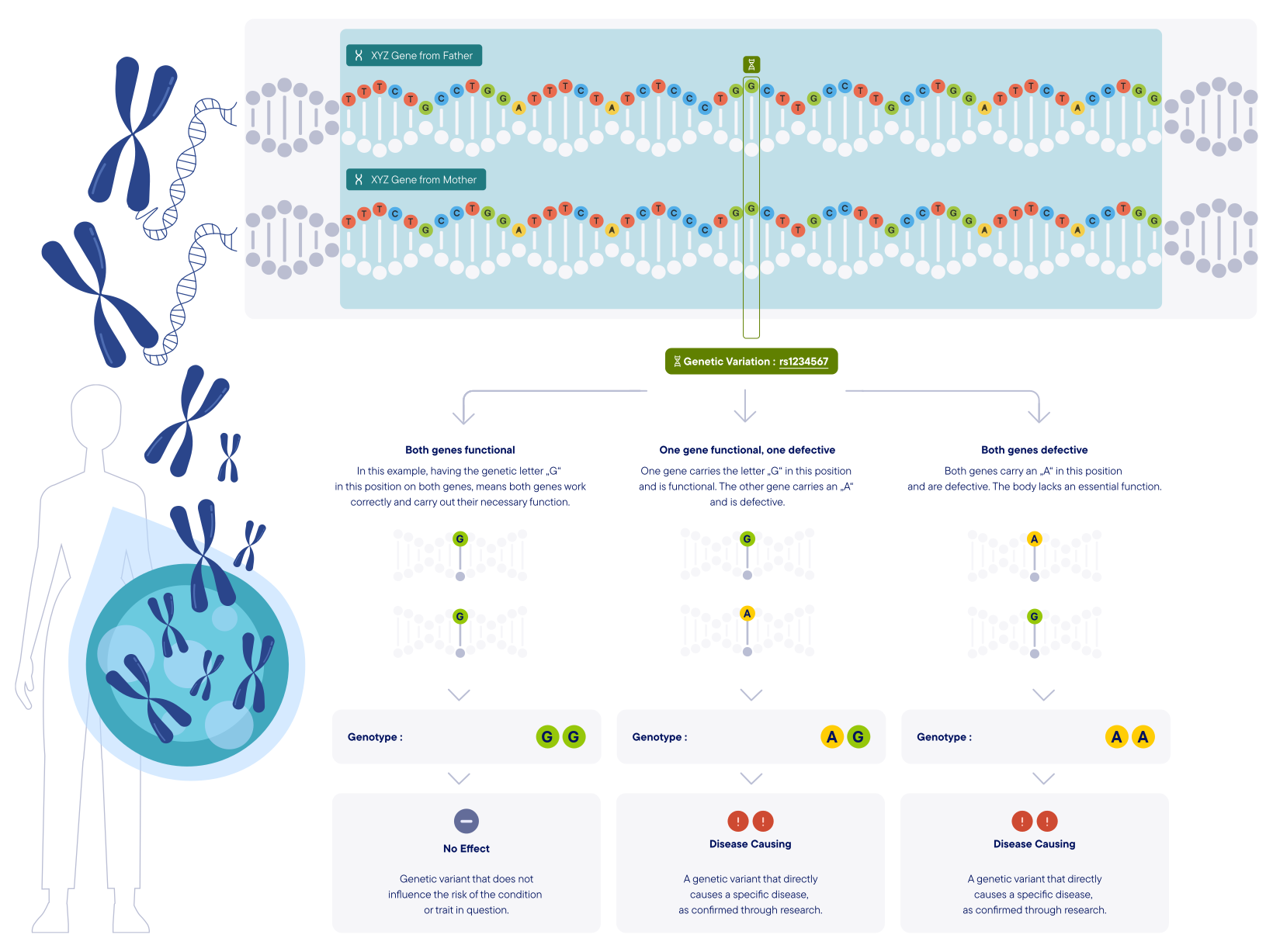
Humans have more than 20,000 genes, each carrying out one or a few specific functions in the body. One gene instructs the body to digest lactose from milk, another tells the body how to build strong bones and another prevents the body's cells from beginning to multiply uncontrollably and developing into cancer. As all of these genes combined are the building instructions for our body, a defect in one of these genes can have severe health consequences.
Through decades of genetic research, we know the genetic code of any healthy/functional human gene. We have also identified that in certain positions on a gene, some individuals may have a different genetic letter from the one you have. We call these hotspots "Genetic Variations" or "Variants" in short. In many cases, studies have been able to show that having the genetic letter "G" in the position makes you healthy, but having the letter "A" in the same position disrupts the gene function and causes a disease. Genopedia allows you to view these variants in genes and summarizes all that we know from scientific research, which genetic letters (Genotype) have good or bad consequences on your health or on your traits.
History
Throughout history, people have described sudden illnesses with bruising, nosebleeds, and overwhelming fatigue, long before the blood and bone marrow were understood. Families and communities once noticed patterns of children who became pale and developed frequent infections, with doctors observing enlarged spleens and unexplained bleeding—signs we now recognize as possible early symptoms of acute megakaryoblastic leukemia. Early healers could only watch and record what they saw; there were no tests to look inside the marrow where the problem begins.
First described in the medical literature as a rare, aggressive form of childhood leukemia, acute megakaryoblastic leukemia (AMKL) was initially defined by what doctors could see under a basic microscope: very abnormal platelet‑forming cells crowding out healthy blood cells. As staining techniques improved in the mid‑20th century, pathologists started to separate leukemias by cell type. Over time, descriptions became more precise, distinguishing AMKL from other acute myeloid leukemias based on how the blasts looked and reacted to particular stains.
With each decade, tools advanced. Flow cytometry, cytogenetics, and later molecular testing allowed clinicians to confirm AMKL using markers on the cell surface and characteristic chromosome changes. These steps shifted the diagnosis from “this looks like megakaryocyte leukemia” to “this is AMKL with specific features,” which helped guide care and clinical trials.
In recent decades, knowledge has built on a long tradition of observation. Doctors noticed that AMKL behaves differently depending on age and genetic background. Infants and young children with Down syndrome, for example, were found to have a unique, transient pre‑leukemia phase and distinct gene changes that influence treatment response. At the same time, adults with AMKL were shown to have a different pattern of genetic alterations and often a tougher course, prompting separate research efforts. These historical differences highlight why the condition is now classified not as a single entity but as several related subtypes.
Treatment history reflects these shifts. Early chemotherapy regimens were borrowed from other leukemias with mixed results. As studies accumulated, protocols were adapted to the biology of AMKL, and stem cell transplantation became an option for some, especially when standard therapy was unlikely to work. Supportive care also improved—better infection control, blood products, and platelet support—making intensive treatment safer than it once was.
Advances in genetics continued to reshape understanding. Recurrent gene fusions and mutations were identified, some acting like a dimmer switch turned too high, driving uncontrolled growth of megakaryoblasts. Knowing these changes has opened the door to targeted and risk‑adapted approaches in clinical trials. Despite evolving definitions, the thread running through the history of acute megakaryoblastic leukemia is steady progress: clearer diagnosis, more tailored treatment, and better supportive care informed by what generations of clinicians and researchers have learned.