
Acute interstitial pneumonia is a rare, rapidly progressive lung condition that causes sudden shortness of breath and low oxygen. People with acute interstitial pneumonia often develop cough, fever, and fast breathing over days to weeks. It affects adults more often, and many need hospital care with oxygen or a ventilator. Mortality can be high, but early intensive support and lung-protective ventilation can help. Treatment focuses on supportive care, and doctors may use corticosteroids while monitoring closely.
Overview
Acute interstitial pneumoniaSymptoms
Early symptoms of acute interstitial pneumonia are fever, dry cough, and rapidly worsening shortness of breath, often after a flu-like illness. Many feel extreme fatigue and chest tightness. Severe cases can quickly lead to low oxygen and respiratory failure.
Outlook and prognosis
Many living with acute interstitial pneumonia become very unwell quickly and need intensive hospital care. Recovery can happen, but breathing may remain limited and oxygen support might continue for weeks to months. Early critical-care treatment and lung-protective ventilation improve survival.
Causes and risk factors
The exact cause of acute interstitial pneumonia is unknown. Risk appears linked to a recent viral-like respiratory infection, middle to older age, and possible immune dysregulation; there are no consistent lifestyle, environmental, or genetic risk factors identified.
Genetic influences
Genetics play a limited role in acute interstitial pneumonia; most cases appear sporadic without a clear inherited pattern. Rarely, variants in surfactant or telomere-related genes may raise susceptibility. Family history of idiopathic pulmonary fibrosis can modestly increase risk.
Diagnosis
Doctors diagnose acute interstitial pneumonia using sudden breathing failure, high‑resolution chest CT, and tests to rule out infection or heart problems. Bronchoscopy with fluid sampling is common. When safe, a lung biopsy may confirm the diagnosis.
Treatment and drugs
Treatment for acute interstitial pneumonia focuses on breathing support and calming the lung inflammation. Care often includes oxygen, ventilatory support if needed, corticosteroids, and close monitoring in an intensive care unit. Doctors also treat infections, manage fluids carefully, and prevent blood clots.
Symptoms
Acute interstitial pneumonia causes sudden, rapidly worsening breathing problems that can progress over days to weeks. Early symptoms of acute interstitial pneumonia often resemble a bad cold or flu—fever, dry cough, and fatigue—then shift to breathlessness that makes walking across a room feel hard. Early on, this might look like a stubborn chest infection, but shortness of breath typically intensifies quickly, and oxygen levels can drop.
Shortness of breath that worsens over a few days. It may start with activity and then appear even at rest. Many with acute interstitial pneumonia feel an intense air hunger or struggle to finish sentences.
A persistent, dry cough without much mucus. The cough can be exhausting and may not improve with common cold remedies.
Fever often in the 38 to 39°C (100.4 to 102.2°F) range, sometimes with chills. This can come before or along with breathing problems.
A feeling of tightness or aching across the chest. Pain is usually dull or pressure-like rather than sharp, but any chest pain deserves urgent care.
How people usually first notice Acute interstitial pneumonia?
Acute interstitial pneumonia often announces itself suddenly, with a quick escalation from a bad “flu-like” feeling to severe shortness of breath over days to about a week; many notice rapid breathing, dry cough, fever or chills, and an overwhelming fatigue that doesn’t match a typical cold. People usually seek urgent care when simple activities—walking across a room, climbing a few steps—leave them breathless, or when their lips or fingertips look bluish from low oxygen. In clinics and emergency rooms, doctors often first suspect AIP when they find low oxygen levels, fast breathing, crackling sounds in the lungs on exam, and new widespread haziness on a chest X-ray or CT scan.
Types of Acute interstitial pneumonia
Acute interstitial pneumonia is a fast-moving lung condition that can make everyday breathing tasks feel suddenly hard. People may go from a mild cough to severe shortness of breath over days to weeks, sometimes after a flu-like illness. Doctors recognize patterns within this condition based on how it starts, how quickly it worsens, and what scans and lung tissue show. Here are the main types to know about:
Classic fulminant
Symptoms escalate quickly with high fever, deep cough, and rapidly worsening breathlessness. Oxygen levels drop, often needing hospital care and a ventilator.
Subacute course
Symptoms build over one to three weeks with a stubborn cough and fatigue before breathing worsens. People may still be active at first, then notice climbing stairs becomes hard.
Post-viral onset
A flu-like illness, fatigue, and muscle aches come first, followed by fast-rising shortness of breath. Chest imaging shows widespread inflammation soon after the viral symptoms ease.
Diffuse alveolar damage
In medical terms, these are called diffuse alveolar damage, which describe the hallmark lung injury seen on biopsy and often on CT scans. This pattern links to severe oxygen needs and intensive care.
Refractory hypoxemia
Even high-flow oxygen may not correct low blood oxygen. This type often overlaps with advanced respiratory failure and may require mechanical ventilation.
Relapsing episodes
A small number have recurring flares after partial recovery, with new bouts of cough and breathlessness. Keeping track of types of acute interstitial pneumonia can help guide follow-up and monitoring.
What genetics can tell you about symptoms
Certain gene variants that affect lung repair and immune signaling, like those in surfactant-processing or TGF-beta pathways, may heighten inflammation and scarring in acute interstitial pneumonia. This can connect to rapid shortness of breath, low oxygen, and widespread lung damage.
Causes and risk factors
In acute interstitial pneumonia, the exact cause is unknown, and it can start suddenly in someone who was recently well. A viral-like illness or recent infection sometimes comes just before the early symptoms of acute interstitial pneumonia. Researchers are still learning how these pieces fit together. Clear lifestyle risks or inherited causes have not been proven, and most people do not have a family link. Older age and existing lung or immune problems may raise vulnerability, and strong lung irritants like heavy smoke or chemical fumes may make things worse.
Environmental and biological risk factors
Acute interstitial pneumonia is rare and tends to strike quickly, sometimes after a flu-like infection. Early symptoms of acute interstitial pneumonia can feel like a bad cold for a short time, then breathing can worsen rapidly. Doctors often group risks into internal (biological) and external (environmental). Below are the environmental and biological factors that may play a role.
Many people notice a flu-like infection shortly before symptoms begin. Respiratory viruses can trigger sudden, widespread inflammation in the air sacs. This short lead-in can make the condition seem to appear suddenly.
Acute interstitial pneumonia is reported more often in adults past midlife. Age-related changes in immunity and lung repair may heighten vulnerability. It can still occur at any age.
In some, the body’s defense system reacts too strongly in the lungs, damaging delicate air sacs. This amplified response is a biological risk that can worsen the course. Two people with the same exposure can react very differently—biology shapes the response.
Genetic risk factors
Genetic links to acute interstitial pneumonia (AIP) are limited. Most cases appear sporadic, with no single gene known to drive the condition; genetic risk factors for acute interstitial pneumonia are not well defined. Some rare inherited lung disorders can mimic or overlap with its pattern of lung injury. Risk is not destiny—it varies widely between individuals.

No known inheritance: Most cases occur without a family pattern. No single gene has been shown to cause AIP. Research to date has not found a consistent genetic signature.
Surfactant gene variants: Rare changes in surfactant protein genes (for example SFTPC or ABCA3) can cause severe lung injury that looks like AIP. These conditions may appear in infants or adults and sometimes mimic AIP. They are uncommon and do not explain most AIP cases.
Telomere gene variants: Inherited changes in telomere-maintenance genes (like TERT or TERC) raise risk for interstitial lung disease. Acute flares in these disorders can show the same lung damage pattern seen in AIP. They are rare and not a proven cause of AIP itself.
Family history: A family history of interstitial lung disease suggests inherited risk in some lung conditions. For AIP, clear familial clustering is not seen. Family history does not reliably predict AIP.
Lifestyle risk factors
Although no single habit is known to directly cause this illness, certain day-to-day behaviors can prime the lungs for injury or make episodes more severe. Evidence for lifestyle risk factors for Acute interstitial pneumonia is limited, but habits that inflame airways, impair immune function, or reduce respiratory reserve can influence susceptibility, severity, and recovery. The elements below focus on modifiable behaviors such as smoking, alcohol use, fitness, sleep, diet, and care-seeking.
Smoke-driven airway inflammation and impaired alveolar repair can increase susceptibility to explosive lung injury patterns. It also worsens oxygen exchange during an acute episode and raises complication risk.
Aerosols and combustion products can injure the alveolar lining and surfactant, priming lungs for diffuse damage. Continuing use during a viral-like prodrome may accelerate respiratory decline if AIP develops.
Chronic alcohol weakens alveolar immune defenses and fluid clearance, increasing risk and severity of ARDS-like lung injury. It is linked to longer ventilation and infections if acute interstitial pneumonia occurs.
Low cardiorespiratory fitness reduces respiratory reserve and diaphragm strength, intensifying breathlessness and ICU needs during severe lung injury. Better conditioning beforehand may support recovery after the acute phase.
Risk prevention
Because acute interstitial pneumonia often appears suddenly without a clear trigger, true prevention is limited. Prevention is about lowering risk, not eliminating it completely. Strong lung health, staying up to date on vaccines, and quick attention to respiratory infections may help reduce the chance of severe lung injury.
Get seasonal flu, COVID-19, and pneumonia vaccines as recommended for your age and health. These shots lower the risk that an infection spirals into severe lung inflammation linked to acute interstitial pneumonia.
Avoid smoking and vaping, and steer clear of secondhand smoke. Cleaner air lowers irritation in the airways, which may help protect against the intense lung injury seen in acute interstitial pneumonia.
Treat colds, flu, and other chest infections early, and rest while you recover. If breathing gets worse, fever spikes, or your oxygen level drops, seek urgent care to prevent a serious decline.
Use proper masks or respirators, follow ventilation rules, and limit exposure to dusts, fumes, and chemicals at work. Reducing inhaled irritants supports overall lung health and may lower the chance of severe inflammation.

Transmission
Acute interstitial pneumonia is not contagious. It does not spread from person to person through coughing, touch, food or water, blood, or sex. The cause is unclear; while it may follow a flu-like illness in some, no specific infection has been shown to cause it, and standard tests often find no germ.
It is also not known to be inherited; questions about how acute interstitial pneumonia is inherited or the genetic transmission of acute interstitial pneumonia arise, but current evidence does not show a clear hereditary pattern. Family members and close contacts do not need special precautions beyond routine hygiene.
When to test your genes
Acute interstitial pneumonia is not inherited, so routine genetic testing isn’t recommended. Consider testing only if you or close relatives have early, recurrent, or unexplained interstitial lung disease, or features suggesting a familial lung or telomere disorder. A genetics consult can judge whether panel testing could guide monitoring, transplant timing, or medication choices.
Diagnosis
People with acute interstitial pneumonia usually arrive urgently because breathing worsens over days to weeks, often after a flu-like illness or dry cough. Doctors move quickly because the diagnosis of acute interstitial pneumonia can be challenging and other conditions can look similar. Tests may feel repetitive, but each one helps rule out different causes. The goal is to spot the pattern and start the right treatment as soon as possible.
Doctors ask when symptoms started, what makes breathing harder, and any recent infections or exposures. A detailed family and health history can help distinguish sudden lung inflammation from other lung or heart problems. This step guides which tests are needed first.
Clinicians listen for crackling sounds in the lungs and check for fast breathing or blue-tinged lips. They also look for swelling in the legs or neck veins that could suggest heart-related causes instead of acute interstitial pneumonia.
A finger sensor checks oxygen saturation right away. Blood gas testing from an artery shows how well oxygen is moving into the blood and how much carbon dioxide is being cleared.
X-rays can reveal new, widespread hazy areas in both lungs. These changes raise concern for acute interstitial pneumonia but can also occur with pneumonia from infection or heart failure, so more tests are needed.
Stages of Acute interstitial pneumonia
Acute interstitial pneumonia is usually described in phases that reflect how the lungs change over days to weeks, rather than long-term stages. These phases are based on what’s happening in the air sacs—first injury and swelling, then attempted healing, and sometimes lasting scar tissue. Early symptoms of acute interstitial pneumonia can mimic the flu, with fever, dry cough, and fast-rising shortness of breath. Different tests may be suggested to help show which phase the lungs are in.
Acute/exudative phase
Breathing worsens quickly, with severe shortness of breath and low oxygen levels. Lung imaging often shows widespread hazy areas consistent with fluid and inflammation.
Organizing phase
The body starts to lay down temporary repair tissue as inflammation shifts toward healing. In acute interstitial pneumonia, breathing may still be very difficult and intensive support is often needed.
Fibrotic phase
Lasting scar tissue can form, stiffening the lungs and limiting oxygen transfer. Recovery is harder in this phase, and some survivors need long-term oxygen or rehab.
Outlook and prognosis
Breathing trouble can come on suddenly with acute interstitial pneumonia, often over days, and can escalate to severe shortness of breath that feels scary and exhausting. Even though it can feel overwhelming, hospital care with high-flow oxygen, noninvasive support, or a ventilator is common and often needed early. Doctors call this the prognosis—a medical word for likely outcomes. Because the lungs can become inflamed and stiff very quickly, the condition is considered medical and respiratory critical care, and people are typically treated in an intensive care unit.
Here’s what research and experience suggest about the future. Mortality is high compared with many other lung conditions: published reports describe death rates that can range from about one-third to more than half of hospitalized cases, especially when mechanical ventilation is required. Outcomes are generally better when early symptoms of acute interstitial pneumonia—such as a rapidly worsening cough, fever, and fast breathing—lead to prompt evaluation and treatment. Some people recover enough to come off the ventilator within days to weeks, while others need longer support and rehabilitation.
For those who survive the initial illness, recovery can be slow. Lung scarring may persist, leaving reduced stamina, breathlessness on exertion, or a lingering dry cough; pulmonary rehab and careful follow-up can help people regain function over months. Everyone’s journey looks a little different. With ongoing care, many people maintain a good quality of life, though a smaller group may have lasting limitations or need long-term oxygen. Talk with your doctor about what your personal outlook might look like, including your baseline health, response to treatment, and any imaging or lung test results that can refine your individual prognosis.
Long-term effects
Acute interstitial pneumonia moves fast and often requires intensive care. Because early symptoms of acute interstitial pneumonia can escalate quickly, many survivors recall a sudden downturn followed by a slow, uneven recovery. Long-term effects vary widely, and some people regain much of their breathing while others live with ongoing limits. For those who survive, lasting changes in lung function and stamina are common.
Lasting scarring in the air sacs can stiffen the lungs. This can leave a restrictive pattern on breathing tests and lower oxygen levels.
Many live with shortness of breath on hills or stairs. A dry cough may linger during colds or exertion.
Walking distance and stamina often stay below pre-illness levels. Recovery may plateau months after hospital discharge.
Some need home oxygen, especially during activity or sleep. Needs can lessen over time but may persist in those with more scarring.
How is it to live with Acute interstitial pneumonia?
Living with acute interstitial pneumonia is often abrupt and overwhelming; breathing can feel hard even at rest, and simple tasks like walking to the bathroom or speaking in full sentences may leave you winded. Hospital care is usually needed, with oxygen, close monitoring, and support that can limit independence for a time, so many rely on family or friends for help with daily needs and decisions. Loved ones may feel scared by the sudden change and the uncertainty, but clear communication with the medical team and focusing on comfort, rest, and small, achievable goals can help everyone navigate the days together.
Treatment and drugs
Acute interstitial pneumonia is treated in the hospital, often in an intensive care unit, because breathing can worsen quickly and may require oxygen therapy or a ventilator to support the lungs while they heal. Doctors typically start high-dose corticosteroids to calm the widespread lung inflammation; some centers add other immune-suppressing medicines if there’s little response, though evidence is limited. Care focuses on supportive measures such as careful fluids, blood thinners to prevent clots, treatment of any suspected infections with antibiotics while tests are pending, and gentle ventilator strategies to protect fragile lungs. Finding the right therapy can take some time, and responses vary from person to person, so the team will monitor you closely and adjust treatment as needed. Ask your doctor about the best starting point for you and what signs would prompt changes in your care.
Non-drug treatment
Acute interstitial pneumonia can progress quickly, so supportive, non-drug care focuses on helping you breathe, protecting the lungs from further strain, and guiding recovery after the ICU. Alongside medicines, non-drug therapies can stabilize breathing, reduce complications, and support strength while the lungs heal. Because early symptoms of acute interstitial pneumonia can look like a severe flu or pneumonia, hospital care usually begins with oxygen and close monitoring. As you stabilize, teams add rehabilitation and practical supports to help you regain day-to-day function.
Increases oxygen levels to ease shortness of breath and protect organs. Delivered by nasal cannula or face mask in the hospital.
Provides warmed, humidified oxygen at high flow rates to reduce the work of breathing. Can keep oxygen levels safer and may avoid escalation.
Uses a snug mask to assist breathing without a breathing tube. Helps rest breathing muscles and can be a bridge if the lungs worsen.
A breathing machine through a tube supports oxygen and carbon dioxide removal when needed. Lung-protective settings with low breath sizes help limit further lung injury.
Your genes may have an impact on how drugs work for you
Even when two people receive the same treatment for acute interstitial pneumonia, their bodies can process medicines differently because of genetic differences in drug‑metabolizing enzymes and transporters. These differences can affect dose needs, side effects, and how well the drugs work.
Pharmacological treatments
Acute interstitial pneumonia progresses fast and often needs ICU care, so drug treatment focuses on stabilizing breathing and treating possible triggers. Because early symptoms of acute interstitial pneumonia can look like a severe flu, doctors often start medicines that cover infection while tests are pending. High-dose corticosteroids are commonly tried, although evidence for benefit is limited. Not everyone responds to the same medication in the same way.
Methylprednisolone given by IV is often started early, then sometimes transitioned to oral prednisone. Benefits are uncertain, so teams watch closely for improvement and side effects.
Drugs like piperacillin–tazobactam or cefepime plus vancomycin are used at first to cover severe bacterial infections. If infection is ruled out, antibiotics are usually stopped to avoid unnecessary exposure.
Oseltamivir may be started quickly if influenza is suspected or confirmed. Early dosing is most helpful, especially during flu season or known exposure.
In severe cases not improving, specialists may consider cyclophosphamide alongside steroids. This approach has limited evidence and meaningful risks, so it’s reserved for select ICU situations.
Genetic influences
Most people diagnosed with acute interstitial pneumonia do not have a known inherited cause. Family history is one of the strongest clues to a genetic influence. When people ask, “Is acute interstitial pneumonia hereditary?”, the short answer is that it usually isn’t, though rare families with interstitial lung disease suggest that certain gene changes can raise susceptibility. These changes often involve how the lungs handle surfactant—the slippery substance that keeps the air sacs open—or how lung cells keep their genetic material stable over time, which can make the lungs more vulnerable to sudden injury. Even if someone carries such a change, it does not mean they will develop AIP, and other factors like infections or environmental exposures may also play a role. Genetic testing for acute interstitial pneumonia is not routinely recommended, but it may be considered when disease starts at a young age, when several relatives have interstitial lung disease, or when features suggest a broader inherited condition; a conversation with a pulmonologist or genetic counselor can help tailor this decision.
Is Acute interstitial pneumonia genetic?
Genetics play a limited role in acute interstitial pneumonia; most cases appear sporadic without a clear inherited pattern. Rarely, variants in surfactant or telomere-related genes may raise susceptibility. Family history of idiopathic pulmonary fibrosis can modestly increase risk.
Pharmacogenetics—how genetics influence drug effects
In acute interstitial pneumonia, treatment moves quickly: oxygen support and, often, a trial of high-dose steroids. Right now, no proven genetic test can predict who will benefit from steroids or set the dose. Genetics is only one factor in how medicines work, and doctors still rely mainly on your illness severity, scans, and lab results.
Genetic information may still help with some of the supportive drugs used during care. One example is a mitochondrial gene change that greatly raises the risk of permanent hearing loss from certain ICU antibiotics like gentamicin; if this result is known beforehand, teams can choose different antibiotics when infection is suspected. Differences in genes that process pain medicines such as codeine or tramadol can also affect pain control or side effects, so clinicians adjust choices if prior results are available. Pharmacogenetic testing for acute interstitial pneumonia is not routine, but sharing any past genetic reports or unusual drug reactions can help tailor safer treatment.
Interactions with other conditions
Day to day, people with acute interstitial pneumonia often face added strain when another illness is in the mix, especially a lung infection or heart problem that also causes breathlessness. Doctors call it a “comorbidity” when two conditions occur together. Viral or bacterial infections can overlap with acute interstitial pneumonia and make inflammation in the lungs worse, which may blur the picture because early symptoms of acute interstitial pneumonia can look like a bad viral illness. Conditions like heart failure, pulmonary embolism, or severe asthma can also mimic or intensify breathing trouble, so teams usually test for these and treat them at the same time. If high-dose steroids or other immune-suppressing medicines are used, the risk of secondary infections goes up, particularly while in the ICU or on a ventilator. Diabetes, kidney disease, and obesity may raise the chance of complications during critical illness, but with coordinated care focused on infection control, careful ventilation, and support for other organs, many people live through the acute phase and recover function over time.
How genes can cause diseases
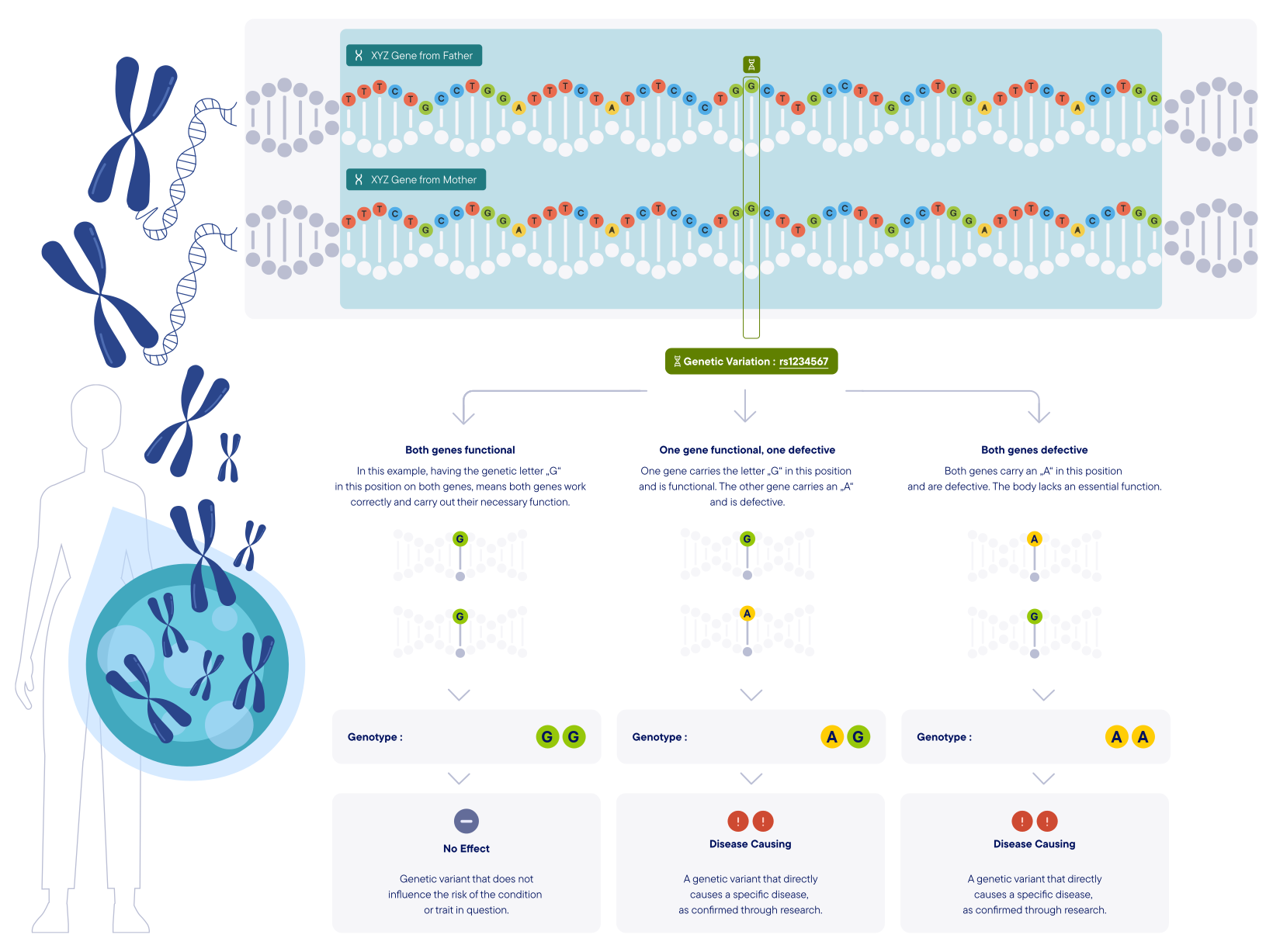
Humans have more than 20,000 genes, each carrying out one or a few specific functions in the body. One gene instructs the body to digest lactose from milk, another tells the body how to build strong bones and another prevents the body's cells from beginning to multiply uncontrollably and developing into cancer. As all of these genes combined are the building instructions for our body, a defect in one of these genes can have severe health consequences.
Through decades of genetic research, we know the genetic code of any healthy/functional human gene. We have also identified that in certain positions on a gene, some individuals may have a different genetic letter from the one you have. We call these hotspots "Genetic Variations" or "Variants" in short. In many cases, studies have been able to show that having the genetic letter "G" in the position makes you healthy, but having the letter "A" in the same position disrupts the gene function and causes a disease. Genopedia allows you to view these variants in genes and summarizes all that we know from scientific research, which genetic letters (Genotype) have good or bad consequences on your health or on your traits.
History
Community stories often described the condition as a sudden, devastating “lung illness” that left people short of breath within days, without a clear trigger. Families recalled someone who caught what seemed like a bad cold and then rapidly needed help to breathe. Before imaging and intensive care, many such episodes were grouped under severe pneumonia or “acute lung failure,” and the precise pattern went unrecognized.
First described in the medical literature as a distinct entity in the 1990s, acute interstitial pneumonia gained definition when lung biopsies and high-resolution scans showed a characteristic diffuse injury in otherwise healthy lungs. Earlier cases were likely hidden within broader labels like acute respiratory distress syndrome (ARDS). Pathologists began to notice a recurring picture—widespread damage to the tiny air sacs—appearing without a known cause such as infection, trauma, or inhaled toxins.
From early theories to modern research, the story of acute interstitial pneumonia has been one of careful separation from look-alike conditions. As clinicians compared notes, they recognized the abrupt timeline, the lack of a clear trigger, and the striking imaging features. This helped differentiate it from chronic interstitial lung diseases that evolve over years, and from infectious pneumonias that track with a specific microbe. The term “Hamman-Rich syndrome,” used in older reports for a rapidly progressive lung scarring illness, overlaps historically, but definitions tightened as pathology criteria and clinical criteria aligned.
In recent decades, awareness has grown that acute interstitial pneumonia can affect adults of many ages, often without prior lung problems. Intensive care advances, including protective ventilation and careful fluid management, improved survival for some, which allowed more thorough study of early symptoms of acute interstitial pneumonia and recovery patterns. Still, because its course can mirror ARDS, many cases were—and sometimes still are—first labeled under that broader umbrella before further testing clarifies the diagnosis.
Advances in imaging, pathology, and standardized language have shaped today’s understanding. High-resolution CT scanning made the pattern visible in life, not just at autopsy, while international lung societies refined criteria that many hospitals now use. Despite evolving definitions, the core idea has remained: a sudden, severe injury to the lung’s delicate support tissue, arising without an obvious external cause.
Looking back helps explain why older records seem inconsistent. Not every early description was complete, yet together they built the foundation of today’s knowledge. Modern studies continue to explore why some people experience this abrupt lung injury and others do not, aiming to catch it earlier, guide treatment choices, and, over time, reduce how often acute interstitial pneumonia takes people and their families by surprise.