
Acute graft versus host disease is a complication after an allogeneic stem cell or bone marrow transplant. It happens when donor immune cells attack the skin, liver, and gut. People with acute graft versus host disease may have rash, itching, yellowing of the eyes, nausea, vomiting, diarrhea, or abdominal pain. It usually starts within the first 100 days after transplant and can range from mild to life threatening. Treatment often includes steroids and immune-suppressing medicines, and close monitoring in a transplant center.
Overview
Acute graft versus host diseaseSymptoms
Early symptoms of Acute graft versus host disease often include a new, itchy skin rash or redness, fever, and feeling unwell. Many also develop nausea, belly cramps, or watery diarrhea, and some notice yellowing of the eyes or dark urine.
Outlook and prognosis
Acute graft-versus-host disease (aGVHD) can range from mild skin or gut symptoms that settle with treatment to severe illness needing intensive care. Early diagnosis and prompt steroids or other immune therapy improve outcomes. Overall survival depends on severity, organ involvement, infection risk, and response to treatment.
Causes and risk factors
Acute graft-versus-host disease occurs when donor immune cells attack recipient tissues after allogeneic transplant. Risk rises with HLA mismatch, unrelated or female-to-male donors, older age, peripheral-blood grafts, intense conditioning, CMV mismatch, limited prophylaxis, and antibiotic‑altered microbiome. Lifestyle factors matter little.
Genetic influences
Genetics plays a meaningful role in acute graft versus host disease. Differences between donor and recipient HLA genes strongly influence risk and severity, and closer HLA matching lowers risk. Other genetic variations, including immune-response genes, may affect outcomes and treatment response.
Diagnosis
Diagnosis of acute graft versus host disease after transplant relies on recognizing early symptoms of acute graft versus host disease, exam findings, labs, and staging. Skin or gut biopsy often confirms. Doctors also rule out infections and medication reactions.
Treatment and drugs
Acute graft versus host disease is managed by calming the donor immune response while protecting you from infection. Care often includes steroids, other immune‑modulating medicines, skin and gut support, and infection prevention. Severe cases may need targeted biologic therapies or photopheresis.
Symptoms
After a donor stem cell transplant, new skin rashes, stomach upset, or yellowing of the eyes can interrupt everyday routines. Early symptoms of acute graft versus host disease often show up in the skin and gut. Symptoms vary from person to person and can change over time. Let your transplant team know about new changes even if they seem small, since treatment works best when started early.
Red, patchy, or sunburn-like rash can appear on the face, palms, soles, or trunk. In acute graft versus host disease, it often starts on the palms, soles, ears, or face and can spread. Severe rashes can blister or peel.
Frequent, watery stools are common when the gut is involved. Cramping and urgency can make it hard to leave the house or sleep. You can become dehydrated if fluids are not replaced.
Achy or cramping pain may come in waves, often around bowel movements. Pain can range from mild discomfort to sharp cramps that stop you in your tracks. Tell your transplant team if pain is severe or new.
Ongoing nausea or throwing up can make it hard to keep food and fluids down. This can lead to dehydration and weight loss if it continues. Medicines can help settle the stomach.
How people usually first notice Acute graft versus host disease?
People usually first notice acute graft-versus-host disease (aGVHD) within the first few weeks after an allogeneic stem cell or bone marrow transplant, when new donor immune cells become active. The first signs of acute graft versus host disease often include a new, itchy rash that may start on the palms, soles, face, or trunk; persistent diarrhea or abdominal cramping; and yellowing of the eyes or skin from liver irritation. Doctors typically recognize how aGVHD is first noticed by this triad—skin changes, gastrointestinal symptoms, and signs of liver inflammation—prompting quick evaluation and treatment.
Types of Acute graft versus host disease
Acute graft-versus-host disease (aGVHD) can affect the skin, gut, and liver, and symptoms often show up within the first 100 days after a stem cell transplant. Daily life often makes the differences between symptom types clearer. Some people notice a spreading, itchy rash first, while others develop cramping belly pain or yellowing of the eyes depending on which organs are involved. When people ask about types of aGVHD, they’re usually referring to the main organ systems it targets rather than completely different variants, so understanding these types of acute graft-versus-host disease can help you spot early symptoms of aGVHD.
Skin-predominant
A red, patchy, or sunburn-like rash often starts on the face, palms, or soles and can spread across the body. It may itch or feel tender, and in more severe cases the skin can blister or peel. Sun sensitivity and warmth can make discomfort worse.
Gut-predominant
Cramping belly pain, nausea, and watery diarrhea are common, sometimes with blood or mucus. People may also lose their appetite and drop weight quickly. Severe cases can lead to dehydration and electrolyte imbalance.
Liver-predominant
Yellowing of the eyes or skin (jaundice) and dark urine can appear as bile flow is affected. Blood tests show rising liver enzymes even before symptoms are obvious. Some feel right‑upper belly discomfort or fatigue.
Overlap/multiorgan
More than one organ is affected at the same time, such as rash with diarrhea or jaundice. Symptoms can add up, making people feel generally unwell and weak. Close monitoring helps track which organs are flaring.
What genetics can tell you about symptoms
Certain genetic differences in donor and recipient immune genes, like HLA mismatches, raise the chance of acute graft-versus-host disease and can make skin rashes, gut cramps or diarrhea, and liver issues more severe. Variants in inflammatory genes can also heighten fever, fatigue, and organ inflammation.
Causes and risk factors
Acute graft-versus-host disease starts when donor immune cells attack your tissues after a donor stem cell or bone marrow transplant.
HLA mismatches, an unrelated donor, or female-to-male donation can raise the risk of acute graft-versus-host disease after transplant.
Intense pre-transplant treatment, total body irradiation, and older age can increase risk.
Infections, CMV mismatch, and damage to the gut or skin also add risk.
Simple lifestyle choices can sometimes lower overall risk.
Environmental and biological risk factors
Acute graft-versus-host disease (acute GVHD) happens after an allogeneic stem cell transplant when donor immune cells attack the recipient’s tissues. Knowing what raises the chance of acute GVHD can guide planning and help you and your team watch for early symptoms of acute graft-versus-host disease. That said, biology and environment work hand in hand. The factors below focus on the body’s internal setup and the transplant environment, not everyday habits.
Greater differences in tissue markers (HLA) between donor and recipient raise the chance of acute GVHD. Closer matching lowers the immune alarm that triggers attacks on skin, gut, and liver.
Receiving cells from an unrelated donor carries more risk than a fully matched sibling donor. The immune system is more likely to see tissues as foreign.
A female donor to a male recipient, especially if the donor has been pregnant before, increases risk. Immune memory can make donor cells more reactive.
Older donors may provide immune cells that react more strongly, raising GVHD risk. When feasible, younger matched donors can reduce this risk.
Genetic risk factors
Genetic differences between a donor and the person receiving a transplant are the main drivers of acute graft versus host disease. The most important are mismatches in immune markers called HLA, but other gene differences can raise or lower risk by shaping how strongly donor immune cells react. Risk is not destiny—it varies widely between individuals. Understanding the genetic risk factors for acute graft versus host disease can help with donor selection and tailoring prevention.

HLA mismatching: Differences between donor and recipient in human leukocyte antigens (HLA) are the strongest genetic trigger for acute graft versus host disease. Closer matching at HLA-A, -B, -C, -DRB1, and -DQB1 lowers risk. Even one mismatch can raise the chance of the condition.
HLA-DP mismatches: Non-permissive HLA-DP differences are tied to more acute graft versus host disease. Variants that make HLA-DP molecules more highly expressed can add risk when mismatched. Choosing permissive HLA-DP pairings may reduce complications.
Minor antigens: Small genetic differences outside HLA, called minor histocompatibility antigens, can trigger donor T cells even when the main HLA match is perfect. These include antigens encoded on the Y chromosome, which can matter in female-to-male pairings. More mismatched minor antigens typically mean a higher risk of acute graft versus host disease.
KIR–HLA pairing: Natural killer cell receptors (KIR) on donor cells interact with HLA ligands in the recipient. Certain combinations can heighten immune activation and raise risk, while others may be protective. Some centers consider KIR–HLA pairing when choosing among several suitable donors.
NOD2 variants: Changes in the NOD2/CARD15 gene in the donor, the recipient, or both have been linked to higher rates in some cohorts. This gene helps immune cells sense bacterial signals in the gut, a key site where reactions often begin. Associations can vary by transplant approach and study.
Cytokine genes: Inherited differences in genes that control immune signals, such as TNF, IL-10, and IL-6, can tilt responses toward more inflammation. A stronger inflammatory drive has been associated with more severe reactions after transplant. Effects can come from the donor, the recipient, or both.
Drug-metabolism genes: Variants in genes like CYP3A5 or ABCB1 can change how the body processes tacrolimus, a medicine used to prevent graft complications. If levels run low early after transplant, risk can rise unless doses are adjusted. Some centers use genotype-guided dosing to keep protection steady.
Lifestyle risk factors
After transplant, everyday habits can tilt the immune system toward calm or inflammation, influencing whether acute graft versus host disease flares and how severe it becomes. While medical factors drive most of the risk, modifiable routines around diet, activity, skin care, and sun can still matter. The items below highlight lifestyle risk factors for acute graft versus host disease and practical ways to reduce them. Always align changes with your transplant team’s guidance and your current counts, gut tolerance, and skin status.
Ultraviolet light activates skin immune responses that can trigger or worsen cutaneous flares. Consistent shade, protective clothing, and broad‑spectrum sunscreen may reduce skin aGVHD activity.
Inadequate plant fiber can reduce gut microbial diversity linked to higher risk and severity of gut aGVHD. As tolerated, fiber‑rich foods may support a more protective microbiome.
High sugar and saturated‑fat diets can impair gut barrier function and promote pro‑inflammatory microbes. Choosing minimally processed foods may help lower gut inflammation related to aGVHD.
Alcohol injures the intestinal lining and stresses the liver, potentially amplifying gut and hepatic aGVHD. Avoiding alcohol can reduce inflammatory signaling and liver strain post‑transplant.
Risk prevention
Acute graft versus host disease risk can be lowered, but not fully eliminated, by careful steps before, during, and after a stem cell transplant. Your transplant team usually plans multiple layers of protection, starting with donor selection and continuing with medicines and close follow-up. Prevention is about lowering risk, not eliminating it completely. Knowing what raises risk—and acting early if warning signs appear—can make a meaningful difference.
A closely matched donor lowers the chance of acute graft versus host disease. Ask your team how well the donor is matched and what that means for your risk.
Take anti-rejection and immune-suppressing medicines exactly as prescribed. Keep all blood tests to check drug levels, and avoid new drugs or supplements unless your team approves.
Using bone marrow rather than peripheral blood can reduce skin and gut GVHD in some situations. Your team will balance this with other factors like disease control and donor availability.
Techniques such as T‑cell depletion or post‑transplant cyclophosphamide can lower GVHD risk. These choices depend on center experience, donor type, and your underlying condition.

Transmission
Acute graft-versus-host disease (aGVHD) is not contagious—you cannot catch it from someone or pass it to family, friends, or caregivers. It only develops when immune cells from a donor enter the body during an allogeneic bone marrow or blood stem cell transplant (and rarely certain organ transplants) and react against the recipient’s tissues; this is how acute graft-versus-host disease is transmitted. The chance of aGVHD depends on how closely the donor and recipient are matched and whether preventive immune-suppressing medicines are used, not on exposure in the community. Routine contact, sharing a home, food, or air pose no risk.
When to test your genes
Consider genetic testing before an allogeneic stem cell or bone marrow transplant, since donor–recipient HLA matching and certain immune gene variants can influence acute graft-versus-host disease risk and guide prevention. Re-test or extend testing if a prior panel was limited or technology has improved. Discuss results with your transplant team to tailor prophylaxis.
Diagnosis
Acute graft versus host disease (aGVHD) is usually suspected after an allogeneic stem cell transplant when new rashes, persistent diarrhea, or jaundice appear. These symptoms can make daily routines harder, from managing meals to keeping up with skin care. Doctors usually begin with your story and a careful exam, then use tests to confirm the cause and gauge severity. Understanding how acute graft versus host disease is diagnosed can help you know what to expect and why each step matters.
Clinicians look at when symptoms start after transplant, most often within the first 100 days though later onset can occur. A combination of skin rash, watery diarrhea, belly cramps, or yellowing of the eyes raises suspicion. Recent medication changes and the day-by-day course help sort out other causes.
A head-to-toe skin exam checks for a widespread, red, sometimes itchy rash and skin tenderness. The exam also looks for signs of dehydration, abdominal pain, and jaundice. Visible findings guide which tests are needed next.
Liver enzymes and bilirubin are checked to assess liver involvement, along with a complete blood count and electrolytes. Abnormal results can support aGVHD affecting the liver. Repeat testing helps track how severe it is over time.
Stool tests for C. difficile, bacterial cultures, and viral PCRs such as CMV or adenovirus look for treatable infections. Infections can mimic aGVHD in the gut or liver and must be excluded before confirming a diagnosis. Tests may feel repetitive, but each one helps rule out different causes.
Stages of Acute graft versus host disease
Acute graft-versus-host disease is staged by how much the skin, gut, and liver are affected after a transplant. Early symptoms of acute graft-versus-host disease often appear within the first few weeks after transplant. Different tests may be suggested to help confirm which organs are involved and how severe it is. Doctors combine what they see and measure into an overall grade from I (mild) to IV (life-threatening).
Grade I
Mild: A patchy, itchy red rash affects a smaller area of skin. Belly or liver symptoms are minimal or absent. Daily activities are usually still manageable.
Grade II
Moderate: Rash covers more of the body and may feel sore or tight. Diarrhea, belly cramps, or nausea may start, and eyes or skin may look slightly yellow. This is often when symptoms of acute graft-versus-host disease become more noticeable.
Grade III
Severe: Diarrhea becomes heavy and painful, sometimes with blood, and belly pain can be intense. The rash can blister or involve most of the body, and liver tests are clearly abnormal with visible jaundice. Hospital care is often needed to prevent dehydration and manage complications.
Grade IV
Life-threatening: Skin involvement is widespread with severe damage, the gut is profoundly affected with relentless diarrhea and cramping, and liver injury is marked with deep jaundice. Acute graft-versus-host disease at this stage requires urgent, intensive treatment. Close monitoring and rapid adjustments in therapy are essential.
Outlook and prognosis
Looking at the long-term picture can be helpful. For many people with acute graft versus host disease, the outlook depends on how quickly it’s recognized, which organs are involved, and how well symptoms respond to first-line treatment like steroids. Skin-only aGVHD that improves with treatment tends to have a good short-term prognosis, while significant gut or liver involvement can be more serious and may require additional therapies. Early symptoms of acute graft versus host disease—such as a new, itchy rash, persistent diarrhea, or yellowing of the eyes—should prompt a call to the transplant team, since faster care is linked to better outcomes.
Prognosis refers to how a condition tends to change or stabilize over time. Mild to moderate aGVHD often improves over weeks to months, though some people experience flare-ups or a transition into chronic GVHD, which brings longer-term issues. Severe aGVHD can affect survival, especially if infections occur or if the disease does not respond to steroids; in these cases, newer targeted treatments and careful infection prevention have improved outcomes compared with a decade ago. Mortality risk varies widely by severity, age, donor match, and complications, but transplant centers now see more people recovering from aGVHD and returning to everyday routines.
With the right support, the future can be more manageable than it feels at first. After the initial phase, many living with acute graft versus host disease taper medicines gradually, rebuild stamina, and work with nutrition, skin, and rehab teams to prevent setbacks. Families often want to know how life will change, and the answer is that follow-up is frequent at first, then spaces out as things stabilize. Talk with your doctor about what your personal outlook might look like, including warning signs to watch for and how your plan would adjust if symptoms return.
Long-term effects
Acute graft-versus-host disease can leave effects that last months to years, even after the acute phase settles. Long-term effects vary widely, and they don’t look the same for everyone. The most common long-term issues involve skin, liver, gut, and the immune system, and some people later develop chronic graft-versus-host disease. Early symptoms of acute graft versus host disease may fade, but severe or widespread disease raises the chance of ongoing problems.
After acute graft-versus-host disease, the chance of developing chronic graft-versus-host disease is higher, especially if the acute phase was severe. This can bring new or continuing symptoms that unfold over months to years.
Severe skin involvement can leave areas of darker or lighter color and fine scarring. Some may notice tightness or reduced stretch in patches of skin.
The liver may stay inflamed, with long-term elevation of liver tests or itchy jaundice. Over time, a small number develop lasting bile flow problems or scarring.
Ongoing gut sensitivity can lead to cramps, loose stools, or urgency after meals. Some people have trouble absorbing nutrients, which can cause weight loss or vitamin deficits.
How is it to live with Acute graft versus host disease?
Living with acute graft-versus-host disease can feel like recovering from a marathon while the ground keeps shifting under your feet—energy comes and goes, skin may itch or burn, the gut can be unsettled, and clinic visits become part of the weekly rhythm. Daily life often revolves around medications, strict infection precautions, and watching for small changes that might signal a flare, which can make planning work, school, or caregiving unpredictable. People around you—family, friends, coworkers—may take on extra roles, from helping with meals and rides to limiting sick contacts, and they may need reassurance that careful routines protect you while life gradually stabilizes. Many find that clear communication with the care team, flexible schedules, and small, reliable routines make the uncertainty more manageable.
Treatment and drugs
Acute graft-versus-host disease (aGVHD) is treated by calming the donor immune cells that are attacking the body while protecting you from infection. First-line treatment is usually corticosteroids such as prednisone or methylprednisolone, often started quickly and adjusted based on how your skin, gut, and liver respond; a doctor may adjust your dose to balance benefits and side effects. If steroids don’t work well or can’t be tapered, options may include medicines that target immune pathways (such as calcineurin inhibitors like tacrolimus or cyclosporine, JAK inhibitors like ruxolitinib), antibodies that dampen T-cell activity, or extracorporeal photopheresis in select cases. Alongside medication, infection prevention, careful skin and gut care, nutrition support, and monitoring of fluids and electrolytes are key parts of treatment, and some people may need antibiotics, antivirals, or antifungals as protection. Not every treatment works the same way for every person, so your transplant team will individualize your plan and adjust it as your aGVHD improves or changes.
Non-drug treatment
Alongside medicines, non-drug therapies can ease discomfort, lower infection risk, and help you stay strong during treatment for Acute graft versus host disease. Day to day, this care focuses on soothing skin and gut symptoms, protecting your liver, and maintaining nutrition and mobility. Plans are tailored to how severe your symptoms are and which organs are involved. You may need to try more than one strategy until you find what fits your needs best.
Use gentle, fragrance-free cleansers and thick moisturizers to calm dryness and peeling. Cool compresses and loose, breathable clothing can reduce burning and irritation. Avoid scrubbing or hot water, which can worsen tender skin.
Broad-spectrum sunscreen, hats, and shade help protect inflamed skin. UV exposure can aggravate rashes during Acute graft versus host disease. Reapply sunscreen every 2 hours, and after sweating or swimming.
Lukewarm baths with colloidal oatmeal or baking soda can reduce itch. Keeping nails short and using cold packs on hot spots may curb scratching. A humidifier can help if indoor air is dry.
Non-adherent dressings and gentle saline rinses can protect open or weeping areas. Keeping skin clean and dry lowers infection risk. Ask your team to show you how to change dressings safely at home.
Your genes may have an impact on how drugs work for you
Two people can receive the same medicines for acute graft-versus-host disease yet respond differently because gene differences affect drug processing, targets, and side‑effect risk. Pharmacogenetic testing, when available, can guide dosing or drug choice to improve safety and effectiveness.
Pharmacological treatments
Treatment for acute graft versus host disease aims to quickly quiet the donor immune attack and protect the skin, gut, and liver. When early symptoms of acute graft versus host disease appear, doctors often start medicines right away. First-line medications are those doctors usually try first, based on their track record and safety. Specific choices depend on which organs are involved and how severe it is, with plans adjusted to balance control and side effects.
Prednisone or methylprednisolone are the usual first step for moderate to severe cases. They work fast to reduce inflammation in skin, gut, and liver. Side effects can include high blood sugar, mood changes, and infection risk.
Steroid creams or ointments can help limited skin involvement. They reduce redness and itching with fewer whole‑body effects. Your team may target only the affected areas.
This JAK inhibitor is approved for steroid‑refractory acute GVHD. It can improve skin, gut, and liver symptoms when steroids are not enough. Monitoring for low blood counts and infection is important.
Tacrolimus or cyclosporine help calm overactive T‑cells. They are often continued or adjusted during treatment, sometimes alongside steroids. Blood level checks help avoid kidney problems and other side effects.
Genetic influences
Your and your donor’s genetic “tissue type” plays a major role in how the immune system behaves after a stem cell or bone marrow transplant. These tissue-type markers—known as HLA genes—work like an ID badge; the closer the match between you and your donor, the lower the chance and severity of acute graft versus host disease. Even with a full HLA match, smaller genetic differences (often called minor antigens) can still trigger an immune reaction. Variants in immune signaling genes in either the donor or the recipient may raise or lower the genetic risk for acute graft versus host disease, and differences in genes that affect how your body processes anti-rejection medicines can change risk by altering drug levels. DNA testing can sometimes identify these changes. Together, these insights help transplant teams choose the best available donor and tailor prevention strategies to reduce the likelihood and impact of acute graft versus host disease.
Is Acute graft versus host disease genetic?
Genetics plays a meaningful role in acute graft versus host disease. Differences between donor and recipient HLA genes strongly influence risk and severity, and closer HLA matching lowers risk. Other genetic variations, including immune-response genes, may affect outcomes and treatment response.
Pharmacogenetics—how genetics influence drug effects
Before and after transplant, donor–recipient genetic matching helps shape the plan for preventing and treating Acute graft versus host disease, including which drug combinations to use and how closely to monitor. Genetic testing can sometimes identify how your body processes medicines like tacrolimus or cyclosporine, helping doctors choose a safer starting dose and how closely to monitor levels. Some people break down these drugs quickly and may need higher doses to reach a target level, while others process them more slowly and face a higher risk of side effects at standard doses. Steroids remain the first treatment, but clear, routine genetic tests that predict steroid response aren’t established; for second‑line options like ruxolitinib, genetics may influence drug levels, yet day‑to‑day dosing is guided more by clinical response and known drug interactions. For other medicines sometimes used around aGVHD care, such as sirolimus or mycophenolate, gene differences that affect liver enzymes and drug transporters can change exposure, though testing for these isn’t standard everywhere. In practice, pharmacogenetics complements blood‑level checks (where applicable), your symptoms, and lab findings so the team can tailor therapy as safely and effectively as possible.
Interactions with other conditions
Infections often overlap with acute graft versus host disease, and this can blur the picture: diarrhea from C. difficile or CMV can look like gut involvement, and viral reactivations can flare skin or liver symptoms. Doctors call it a “comorbidity” when two conditions occur together. Immunosuppressive medicines used for acute graft versus host disease raise the risk of bacterial, fungal, and viral infections, and those infections can in turn make organ irritation worse or slow recovery. Preexisting liver conditions such as hepatitis B or C and fatty liver can heighten jaundice and lab abnormalities during acute graft versus host disease, and treating both safely may require careful adjustment of antivirals and immune-suppressing drugs. Early symptoms of acute graft versus host disease can also resemble medication side effects or a drug rash, so teams often test for other causes at the same time. Talk with your doctor about how your conditions may influence each other.
How genes can cause diseases
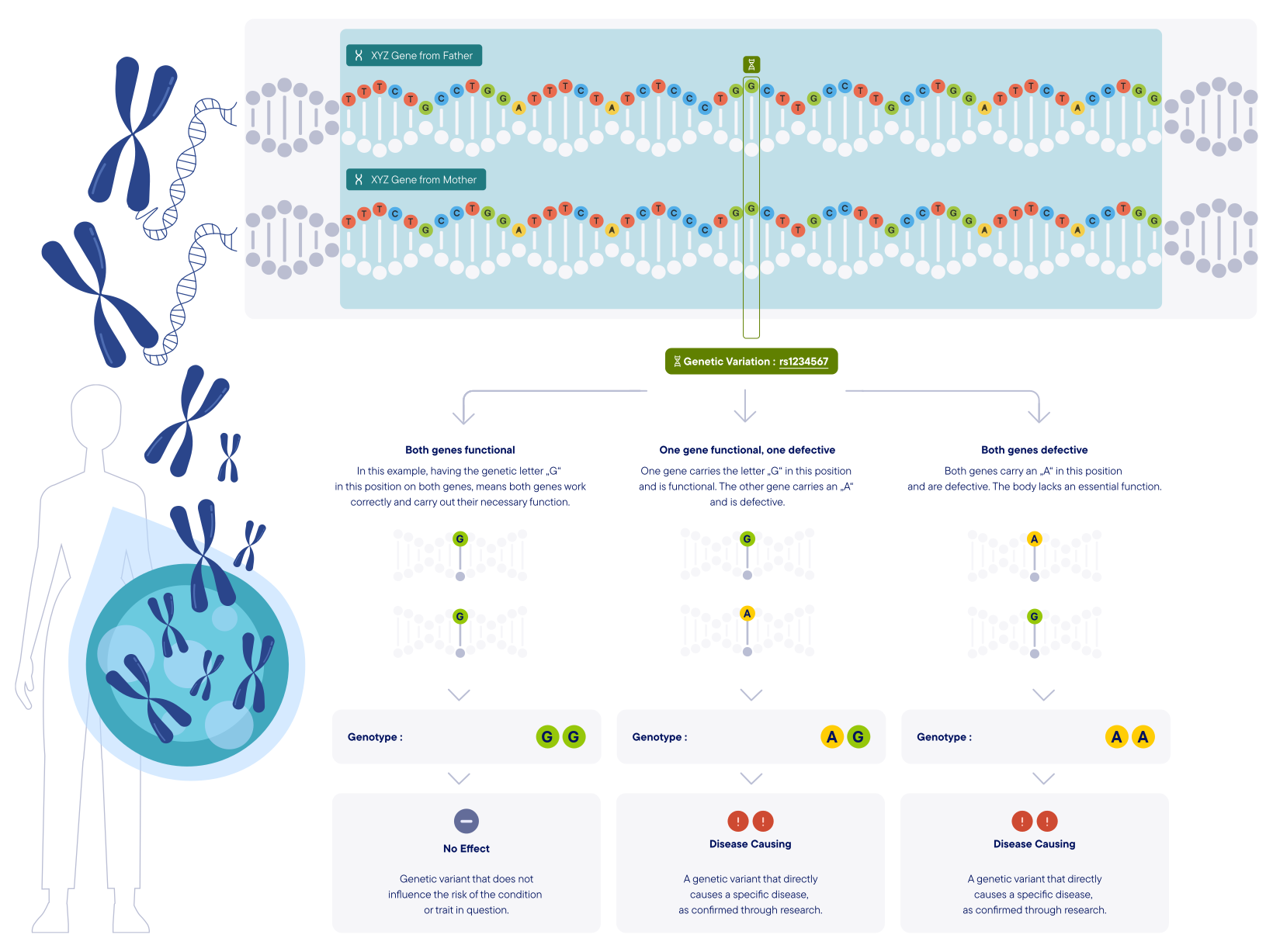
Humans have more than 20,000 genes, each carrying out one or a few specific functions in the body. One gene instructs the body to digest lactose from milk, another tells the body how to build strong bones and another prevents the body's cells from beginning to multiply uncontrollably and developing into cancer. As all of these genes combined are the building instructions for our body, a defect in one of these genes can have severe health consequences.
Through decades of genetic research, we know the genetic code of any healthy/functional human gene. We have also identified that in certain positions on a gene, some individuals may have a different genetic letter from the one you have. We call these hotspots "Genetic Variations" or "Variants" in short. In many cases, studies have been able to show that having the genetic letter "G" in the position makes you healthy, but having the letter "A" in the same position disrupts the gene function and causes a disease. Genopedia allows you to view these variants in genes and summarizes all that we know from scientific research, which genetic letters (Genotype) have good or bad consequences on your health or on your traits.
History
Families and clinicians first noticed that some people recovering from bone marrow transplants developed sudden skin rashes, stomach upset, and liver problems that weren’t explained by infection or the medicines themselves. In hospital wards, patterns emerged: a transplant would seem successful, blood counts would rise, then a few weeks later a bright, itchy rash or watery diarrhea would appear. These early bedside observations helped carve out a distinct pattern that later became known medically as acute graft-versus-host disease (acute GVHD).
First described in the medical literature as a complication seen in animal transplant experiments in the mid‑20th century, acute GVHD moved from lab notes to clinical reality as human transplantation became possible. In the 1960s and 1970s, as doctors began performing allogeneic transplants—using a donor’s cells—reports detailed a syndrome unfolding within the first 100 days: skin involvement first, then gut and liver in many cases. Initially understood only through symptoms, later studies tied these changes to donor immune cells reacting to the recipient’s tissues.
As transplant centers grew, clinicians refined how they recognized and graded acute GVHD. Staging systems emerged to describe how much of the skin was involved, how severe the diarrhea became, and how high liver enzymes rose. With each decade, supportive care, infection control, and better donor matching improved survival, allowing clearer study of what was truly due to acute GVHD versus other post‑transplant problems.
Advances in genetics added another layer. Doctors learned that closer matching of tissue types (HLA) between donor and recipient lowered the risk, and that certain mismatches raised it. From early theories to modern research, the story of acute GVHD has also included prevention: medicines given right after transplant, and later approaches such as depleting specific immune cells, changed how often early symptoms of acute GVHD appeared and how severe they became.
Over time, descriptions became more precise about timing. Clinicians distinguished “acute” changes that typically start in the first weeks after transplant from “chronic” features that can appear later and look different. Even so, they recognized that some people show overlap patterns, and that the pace and organs involved can vary by the type of donor, conditioning treatment, and age.
Today’s understanding blends decades of bedside observation with immunology. Early reports focused on what could be seen and felt—rash, nausea, abdominal cramping, jaundice—while modern work explains the cellular signals that drive those symptoms. Despite evolving definitions, the goal has stayed the same: recognize acute GVHD early, treat it promptly, and prevent it when possible, so more people can benefit from life‑saving transplants with fewer complications.