
Acute female pelvic peritonitis is a sudden, serious infection and inflammation of the lining of the pelvic cavity. People with acute female pelvic peritonitis often have severe lower belly pain, fever, nausea, and tenderness a doctor can feel. It usually develops quickly after a pelvic infection, childbirth, miscarriage, abortion, or pelvic surgery, and it needs urgent care. Treatment often includes IV antibiotics, fluids, pain control, and sometimes surgery to drain pus or fix a source like a ruptured appendix or abscess. The condition can be life-threatening without prompt treatment, but many recover well with early care.
Overview
Acute female pelvic peritonitisSymptoms
Acute female pelvic peritonitis causes sudden, severe lower abdominal pain that worsens with movement, with marked tenderness and bloating. Early symptoms of acute female pelvic peritonitis include fever, nausea or vomiting, fast heartbeat, and sometimes painful urination or unusual discharge.
Outlook and prognosis
Most people with acute female pelvic peritonitis improve with prompt antibiotics, fluid support, and—when needed—drainage or surgery. Delays raise risks of sepsis, abscesses, and fertility problems. After recovery, follow-up helps prevent recurrence and address future pregnancy plans.
Causes and risk factors
Acute female pelvic peritonitis usually follows infection spreading from the uterus or tubes after chlamydia/gonorrhea, miscarriage, childbirth, pelvic procedures, or appendicitis. Risk increases with unprotected sex, prior PID, recent IUD insertion, diabetes, or immunosuppression; no known genetic predisposition.
Genetic influences
Genetics play little direct role in acute female pelvic peritonitis, which usually stems from infection spreading within the pelvis. Variations that weaken immune responses may slightly affect severity or recovery. Underlying anatomical factors and exposures matter far more than inherited risk.
Diagnosis
Clinicians diagnose acute female pelvic peritonitis from sudden pelvic/abdominal pain and exam findings, supported by blood tests and vaginal/cervical cultures. Pelvic ultrasound or CT helps find the source; pregnancy testing is routine. Diagnosis of acute female pelvic peritonitis is clinical.
Treatment and drugs
Acute female pelvic peritonitis is treated promptly with hospital care, broad‑spectrum IV antibiotics, fluids, and pain control. Many also need surgical drainage or removal of an infection source, such as an abscess, ruptured appendix, or infected IUD. Close follow‑up checks healing and future fertility.
Symptoms
Sudden, intense pain low in the belly that worsens with movement can quickly disrupt daily life. In acute female pelvic peritonitis, infection and inflammation inside the pelvis irritate the lining of the abdomen, making even small motions—standing up, coughing, riding in a car—hurt. Early symptoms of acute female pelvic peritonitis often include fever, nausea, and spreading pain that can intensify over hours. Symptoms vary from person to person and can change over time.
Sudden, sharp pain in the lower belly or pelvis is common. In acute female pelvic peritonitis, movement, coughing, or riding in a car may make it spike. Pain can spread across the whole abdomen.
Your belly may feel rigid or extremely tender to touch. Even gentle pressure or releasing a pressed hand can hurt. You may instinctively guard the area.
A temperature of 38°C (100.4°F) or higher is frequent. In acute female pelvic peritonitis, shaking chills and sweats can come on quickly. You may feel flushed or clammy.
Nausea, vomiting, and a reduced appetite are common. Keeping fluids down may be hard. Dehydration can add to weakness.
How people usually first notice Acute female pelvic peritonitis?
People often first notice acute female pelvic peritonitis when sudden, severe lower abdominal or pelvic pain hits, often with fever, chills, nausea, or vomiting, and moving or coughing makes the pain sharply worse. Many also feel very unwell and tender across the lower belly, sometimes after a recent pelvic infection, miscarriage, childbirth, abortion, IUD insertion, or gynecologic procedure—these clues help doctors recognize the first signs of acute female pelvic peritonitis. If these symptoms appear, especially with a high fever or worsening pain, it’s an emergency and needs urgent medical care.
Types of Acute female pelvic peritonitis
Acute female pelvic peritonitis can show up in a few recognizable ways depending on what set it off and how far the inflammation spreads. Some types show up in daily routines—like eating, sleeping, or energy levels. Doctors sometimes classify symptoms as localized versus widespread to guide treatment and watch for complications. Not everyone will experience every type, but knowing the main types of acute female pelvic peritonitis can help you and your care team act quickly.
Post‑surgical onset
Symptoms start soon after a pelvic or abdominal procedure. Pain often centers low in the belly with fever and a tender abdomen. Nausea, bloating, and reduced bowel movements can follow.
Postpartum onset
Pain and fever develop days after delivery, sometimes with foul‑smelling discharge. Belly tenderness may spread beyond the pelvis as inflammation extends. Fatigue and chills are common.
IUD‑associated
Cramping and lower belly pain begin after recent insertion or with a long‑standing device. Fever and pelvic tenderness may follow, especially if infection ascends. Some may notice abnormal bleeding.
PID‑related
Pain builds from a prior pelvic infection with increased discharge or bleeding. Fever, deep pelvic tenderness, and pain with movement are common. For many, certain types stand out more than others.
Localized pelvic
Pain is focused low and to one side, with guarding over the pelvis. Fever can be moderate, and bowel movements may be painful. Symptoms may ease when lying still and worsen with walking or coughing.
Generalized spread
Pain becomes sharp across the whole abdomen with marked tenderness. High fever, chills, and a rigid belly suggest the inflammation has spread beyond the pelvis. This pattern needs urgent care.
Abscess‑forming
Pain is persistent and often throbbing, sometimes with a palpable tender mass. Fever may wax and wane as the body walls off infection. Early symptoms of acute female pelvic peritonitis can gradually shift into this pattern.
Bowel‑involvement
Belly swelling, nausea, and reduced passing of gas or stools appear as nearby intestines react. Cramping and diffuse tenderness increase with eating. Vomiting may occur if bowel movement slows significantly.
Urinary‑involvement
Burning or frequency when urinating appears alongside pelvic pain. Fever and suprapubic tenderness suggest nearby inflammation. Some notice urgency and small urine volumes.
Sepsis‑associated
Fever, fast heartbeat, rapid breathing, or confusion signal body‑wide response. Pain can be severe but sometimes becomes less obvious as overall sickness worsens. This type requires emergency evaluation and treatment.
What genetics can tell you about symptoms
Certain genetic variations in immune-response genes can heighten inflammation, so people with these changes may develop more severe pain, fever, and abdominal tenderness during acute female pelvic peritonitis. Variants affecting clotting or tissue repair can raise risks of abscesses, sepsis, or slower recovery.
Causes and risk factors
It often starts when bacteria from a pelvic infection travel into the belly.
Acute female pelvic peritonitis can also follow a burst appendix or a bowel leak, and it is not usually inherited.
Risk is higher with unprotected sex or multiple partners, and with STIs like chlamydia or gonorrhea.
Recent childbirth, miscarriage or abortion, a new IUD in the first few weeks, and pelvic procedures or surgery also raise risk, especially when immunity is low.
Some risks are modifiable (things you can change), others are non-modifiable (things you can’t), and delays in noticing early symptoms of acute female pelvic peritonitis can worsen outcomes.
Environmental and biological risk factors
Acute female pelvic peritonitis is a sudden, serious infection of the lining of the pelvis that usually develops when bacteria spread from the reproductive organs or nearby abdomen. Doctors often group risks into internal (biological) and external (environmental). Understanding environmental and biological risk factors for acute female pelvic peritonitis can help you and your care team act quickly when something raises concern. Many risks relate to infections, recent procedures, or changes that let bacteria move upward.
Infections in the cervix, uterus, or fallopian tubes can spread into the pelvic lining. When not treated promptly, they can trigger sudden, severe inflammation. This is a leading trigger of acute female pelvic peritonitis.
Procedures such as dilation and curettage, hysteroscopy, abortion care, or egg retrieval can introduce bacteria into the uterus. The risk is highest around the time of the procedure, especially if an infection was present beforehand. In some cases, this can lead to acute female pelvic peritonitis.
IUD insertion slightly raises the short-term risk of infection if bacteria are already present in the cervix. Close follow-up after placement helps catch early signs of trouble. Rarely, infection around an IUD can contribute to acute female pelvic peritonitis.
Infection of the uterus after childbirth or miscarriage can spread through the fallopian tubes or directly into the pelvic cavity. The chance is higher after prolonged labor or cesarean birth.
Genetic risk factors
Genetics rarely plays a direct role in acute female pelvic peritonitis; most cases are not inherited. Risk is not destiny—it varies widely between individuals. Still, certain rare inherited traits can lower immune defenses or change pelvic anatomy, raising vulnerability if an infection occurs. Early symptoms of acute female pelvic peritonitis often look the same whether or not a genetic factor is present.

No primary genetic cause: Most cases occur because of an acute infection rather than inherited changes. Family history usually does not raise the chance of acute female pelvic peritonitis.
Primary immunodeficiency: Inherited problems with antibodies, complement proteins, or white blood cell function can weaken defenses against pelvic bacteria. This can increase the risk of severe infection spreading to the peritoneum. These conditions are uncommon and often recognized earlier in life.
Ciliary motility disorders: Genetic conditions like primary ciliary dyskinesia can slow the tiny hair-like cilia in the fallopian tubes. Reduced clearance may allow infection to persist and spread into the pelvis. This is rare but more likely when lifelong sinus or lung issues from cilia problems are present.
Congenital tract anomalies: Some people are born with reproductive tract differences that block normal drainage. Certain patterns can be genetic and may increase the chance of pelvic infection and secondary peritonitis. Examples include obstructive outflow differences identified in adolescence.
Connective tissue fragility: Rare inherited disorders, such as vascular Ehlers-Danlos syndrome, can predispose to organ rupture. A perforation in the uterus, fallopian tube, or nearby bowel can trigger acute female pelvic peritonitis. These conditions are very uncommon.
Lifestyle risk factors
Acute female pelvic peritonitis is often preceded by infections that travel upward from the lower genital tract, so day-to-day behaviors that influence infection risk matter. Below are lifestyle risk factors for acute female pelvic peritonitis and practical ways they affect progression from lower tract infection to severe pelvic inflammation. Diet, sleep, and activity mainly act through immune function and recovery rather than causing the condition directly.
Sex without condoms or with multiple partners raises the chance of STIs that can progress to PID and then peritonitis. Consistent barrier protection and mutual testing reduce ascending infection risk.
Douching and intravaginal cleansers disrupt the vaginal microbiome and can push bacteria upward toward the uterus and tubes. Avoiding douching helps prevent PID that can lead to peritonitis.
Tobacco smoke impairs local cervical immunity and is linked to bacterial vaginosis and PID. Quitting reduces infections that can spread into the pelvis and inflame the peritoneum.
Waiting to seek care for pelvic pain, unusual discharge, fever, or known STI exposure allows infection to ascend. Early testing and treatment lower the chance of progression to pelvic peritonitis.
Risk prevention
Acute female pelvic peritonitis is usually preventable because most cases start with infections that travel upward from the vagina or cervix or follow a procedure. Day to day, this means lowering the chance of pelvic infections and acting quickly if concerning symptoms appear. Prevention works best when combined with regular check-ups. Choices around sex, contraception, and post-procedure care make a real difference.
Using condoms or internal condoms every time and limiting new partners lowers sexually transmitted infections (STIs) that can spread upward. This directly reduces the risk of acute female pelvic peritonitis.
Routine testing when sexually active with new or multiple partners helps catch chlamydia and gonorrhea early. Early treatment prevents spread into the uterus, tubes, and peritoneum.
If you or a partner test positive, start the full course of antibiotics and avoid sex until cleared. Swift treatment helps prevent pelvic infection and lowers the chance of acute female pelvic peritonitis.
Before IUD placement or uterine procedures, ask about STI testing and sterile technique. In higher-risk situations, short preventive antibiotics may be used to lower infection spread that could lead to pelvic peritonitis.

Transmission
Acute female pelvic peritonitis isn’t something you can catch from someone else; it isn’t contagious. It usually develops when bacteria already inside the body move into the pelvic cavity—most often spreading up from the vagina and uterus with severe pelvic inflammatory disease (sometimes linked to sexually transmitted infections like chlamydia or gonorrhea), or spilling in from a burst appendix or a perforated bowel. It can also follow childbirth, miscarriage, abortion, or pelvic procedures, including surgery or intrauterine device (IUD) placement, when germs accidentally enter deeper tissues. So when people ask how acute female pelvic peritonitis is transmitted, the key point is internal spread of bacteria rather than person-to-person transmission; treating the source infection and practicing safer sex can lower risk.
When to test your genes
Acute female pelvic peritonitis is not genetic; gene testing isn’t part of urgent care. Seek immediate medical care for sudden severe pelvic or abdominal pain, fever, or bloating. Consider genetic testing only if you have a strong family history of conditions that increase pelvic infection risk (like immune deficiencies) after recovery, guided by your clinician.
Diagnosis
Acute female pelvic peritonitis is usually identified quickly because symptoms tend to come on fast and feel intense. Understanding how acute female pelvic peritonitis is diagnosed can help you know what to expect in urgent care or the emergency department. Finding out the cause is the first step toward treatment.
Doctors ask about sudden lower belly pain, fever, nausea, and vaginal discharge. They also review recent events like childbirth, miscarriage, abortion, IUD placement, pelvic procedures, or new sexual partners. This helps separate it from conditions like appendicitis or ectopic pregnancy.
Clinicians check temperature, heart rate, blood pressure, and breathing. These numbers show how sick someone is and whether sepsis or shock may be developing. Worsening vital signs can trigger urgent treatment and monitoring.
The belly is gently pressed to find areas of severe tenderness, guarding, or rebound pain. These are classic signs of peritoneal irritation. Reduced bowel sounds can also suggest inflammation inside the abdomen.
A speculum and bimanual exam look for cervical motion tenderness, adnexal tenderness, and pus-like discharge. These findings point toward infection spreading from the reproductive organs. Swabs for lab testing are often taken at the same time.
Stages of Acute female pelvic peritonitis
Acute female pelvic peritonitis does not have defined progression stages. It tends to start suddenly and can worsen over hours to days, with the course depending on the cause (for example, a pelvic infection or a ruptured organ), so it isn’t tracked in stepwise stages. Doctors consider early symptoms of acute female pelvic peritonitis—severe lower belly pain, fever, and marked tenderness—along with a physical exam, blood tests, and imaging such as ultrasound or CT to diagnose it and identify the source. Different tests may be suggested to help confirm what’s going on and guide urgent treatment, and monitoring often includes vital signs and repeat exams.
Outlook and prognosis
Looking at the long-term picture can be helpful. Acute female pelvic peritonitis is a medical emergency, but many people recover well when treatment starts quickly. Early care can make a real difference, especially when antibiotics, fluids, and timely surgery (if needed) are used to control the infection and clear any abscesses. Recovery time varies: some feel stronger within a couple of weeks, while others need several months to regain stamina after a hospital stay.
Doctors call this the prognosis—a medical word for likely outcomes. Without prompt treatment, the infection can spread through the abdomen and bloodstream, raising the risk of sepsis, organ failure, infertility from scarring, and, in severe cases, death. With modern care in Europe and the United States, mortality is low, but it increases with delayed treatment, a ruptured appendix or tubo-ovarian abscess, pregnancy, diabetes, or a weakened immune system. Early symptoms of acute female pelvic peritonitis—such as sudden severe lower belly pain, fever, nausea, or pain that worsens with movement—should be treated as urgent.
Everyone’s journey looks a little different. After discharge, people with acute female pelvic peritonitis may need follow-up scans, pelvic exams, and sometimes fertility counseling to check for tubal scarring. Most return to regular activities gradually; light movement helps, but heavy lifting and sexual activity usually wait until a clinician confirms healing. Talk with your doctor about what your personal outlook might look like.
Long-term effects
Acute female pelvic peritonitis can leave lasting effects even after the initial infection clears. Long-term effects vary widely and depend on how quickly treatment began and whether abscesses or scarring developed. For many, this can mean ongoing pain, fertility concerns, or digestive discomfort tied to scar tissue. People often ask about the long-term effects of acute female pelvic peritonitis; here’s a concise look at what may persist over time.
Ongoing lower belly or pelvic aching may flare with periods, activity, or after sitting long hours. This often links to scar tissue and nerve sensitivity that remain after infection.
Scarring in the fallopian tubes can make it harder to conceive. Some people experience subfertility or need assisted reproductive options after acute female pelvic peritonitis.
Damage to the tubes can make a fertilized egg implant outside the uterus. This raises the lifetime risk of ectopic pregnancy and needs prompt medical care if suspected.
Internal scar bands (adhesions) can tether pelvic organs and nearby bowel. This may cause crampy pain, bloating, or, rarely, bowel obstruction that requires urgent care.
How is it to live with Acute female pelvic peritonitis?
Living with acute female pelvic peritonitis is intense and urgent rather than a long, gradual experience; severe lower abdominal pain, fever, and profound tenderness can make it hard to stand upright, take deep breaths, or tolerate touch, and even short trips to the bathroom can feel overwhelming. Hospital care, IV antibiotics, possible surgery, and close monitoring often mean work, childcare, and household plans are suddenly paused, with family or friends stepping in for support and reassurance. Recovery can bring fatigue, soreness, and temporary limits on lifting, sexual activity, or strenuous exercise, so pacing, pain control, and follow‑up appointments matter for getting back to normal safely. For partners and loved ones, recognizing that this is a medical emergency—not “just cramps” or a stomach bug—helps them respond quickly, offer practical help, and reduce stress during and after treatment.
Treatment and drugs
Acute female pelvic peritonitis is a medical emergency, so treatment starts in the hospital with close monitoring, IV fluids, and pain control while doctors identify and treat the source of infection. Broad‑spectrum antibiotics are started right away through a vein, then narrowed once lab results and cultures point to the specific bacteria; a doctor may adjust your dose to balance benefits and side effects. If there’s a burst appendix, a tubo‑ovarian abscess, a perforated bowel, or infected fluid that won’t clear with antibiotics alone, surgery or a drainage procedure is often needed to remove or drain the source and wash out the pelvis. Alongside medical treatment, lifestyle choices play a role: rest, gradual return to activity, and completing the full antibiotic course help recovery and reduce complications. Supportive care can make a real difference in how you feel day to day, and follow‑up visits check healing, address fertility concerns, and update contraception or STI prevention as needed.
Non-drug treatment
Acute female pelvic peritonitis is a medical emergency, and care usually happens in the hospital. Alongside medicines, non-drug therapies help stabilize you, control the source of infection, and protect organs while healing begins. Recognizing early symptoms of acute female pelvic peritonitis and getting urgent care can reduce the risk of complications. Your team will tailor these steps to the cause, your overall health, and how severe things are when you arrive.
Surgeons remove or repair the source of infection, such as a ruptured appendix, damaged fallopian tube, or bowel leak. This lowers the bacterial load and helps the antibiotics work more effectively.
A minimally invasive camera-guided procedure rinses the pelvis with sterile fluid to clear infected material. It can reduce inflammation and speed recovery when the situation is suitable.
Radiology-guided drainage uses a thin tube placed through the skin to empty a pelvic abscess. Removing pus relieves pressure and helps the infection resolve.
If an intrauterine device is involved in the infection, removing it eliminates a potential source. This step is quick and often done at the bedside or in a procedure room.
Your genes may have an impact on how drugs work for you
In acute female pelvic peritonitis, genes can affect how your liver enzymes process antibiotics and pain medicines, changing how quickly drugs are cleared and how strong their effects feel. Certain inherited variants also raise risk for side effects, so personalized dosing may be recommended.
Pharmacological treatments
Treatment focuses on fast, broad infection control and symptom relief so you can stabilize and start recovering. Recognizing early symptoms of acute female pelvic peritonitis can speed antibiotic treatment and lower the risk of complications. Not everyone responds to the same medication in the same way. Doctors often start with intravenous (IV) antibiotics, then switch to pills once fever, pain, and lab markers begin to improve.
This common IV-plus-oral combination covers gonorrhea, chlamydia, and anaerobic gut bacteria that can drive acute female pelvic peritonitis. Doxycycline is usually paired with metronidazole to protect against anaerobes.
These IV cephalosporins with doxycycline provide broad pelvic and abdominal coverage. They are often used early when hospital care is needed.
This IV pair is an alternative when severe infection is suspected or beta-lactam allergy limits choices. It covers anaerobes and many gram-negative organisms linked to pelvic peritonitis.
In very ill patients or when bowel involvement is likely, these IV agents offer single-drug broad coverage. Options include piperacillin–tazobactam, ertapenem, or meropenem.
Genetic influences
Most cases happen when an infection spreads from the reproductive organs or nearby bowel into the abdominal lining, so acute female pelvic peritonitis is not usually an inherited condition. Genetics is only one piece of the puzzle, but it may influence how strongly the immune system responds, the risk of severe inflammation, and how quickly tissues recover. Common differences in immune response genes can make some people more prone to serious infection or scarring (adhesions) after inflammation, while others clear the infection sooner. Family history by itself is not a strong predictor, though shared factors—such as anatomy, prior infections, or access to care—can cluster in relatives. Because of this, genetic testing is not part of routine care; treatment focuses on identifying and controlling the infection and preventing complications. Your genes do not change the early symptoms of acute female pelvic peritonitis, so urgent signs like sudden severe lower belly pain, fever, or feeling very unwell should be checked promptly.
Is Acute female pelvic peritonitis genetic?
Genetics play little direct role in acute female pelvic peritonitis, which usually stems from infection spreading within the pelvis. Variations that weaken immune responses may slightly affect severity or recovery. Underlying anatomical factors and exposures matter far more than inherited risk.
Pharmacogenetics—how genetics influence drug effects
Treatment for Acute female pelvic peritonitis relies on fast, effective antibiotics, and genetics can sometimes influence which drugs are safest or most likely to work as intended. A rare inherited change in the cell’s energy genes can make certain hospital antibiotics (such as aminoglycosides) risky for hearing, so your team may choose different medicines if there’s any concern. Differences in how your liver enzymes work can also affect common pain relievers like codeine or tramadol, with some people getting little relief and others at risk of stronger side effects. If surgery is needed to control the infection, known medical risks like malignant hyperthermia or an inherited lack of a muscle‑relaxing enzyme can change which anesthetics are used and how they’re dosed. Genetics is only one factor, though—kidney and liver function, other medicines, pregnancy or breastfeeding, and the exact germ causing the infection also guide choices. If you’re curious about pharmacogenetic testing for acute female pelvic peritonitis, ask your care team whether any drug–gene information could meaningfully affect the antibiotics, pain medicines, or anesthesia planned for you.
Interactions with other conditions
When a severe pelvic infection happens alongside another illness, symptoms can be more intense and harder to sort out. Acute female pelvic peritonitis often intersects with sexually transmitted infections such as chlamydia or gonorrhea and with pelvic inflammatory disease, and each can make the other worse. It can also occur alongside or hide signs of appendicitis, diverticulitis, or a ruptured ovarian cyst, so overlapping pain and fever may delay the right diagnosis. In pregnancy or after childbirth or gynecologic procedures, pelvic or uterine infections may spread more quickly; people living with diabetes, HIV, or those taking immune‑suppressing medicines may face higher risk of severe infection and slower recovery. Doctors call it a “comorbidity” when two conditions occur together, and recognizing these pairings helps guide antibiotic choices and whether surgery is needed. If you live with recurrent urinary or vaginal infections, inflammatory bowel disease, or endometriosis, flare‑ups can mimic early symptoms of acute female pelvic peritonitis, so coordinated care between your gynecology and primary or emergency teams is important.
How genes can cause diseases
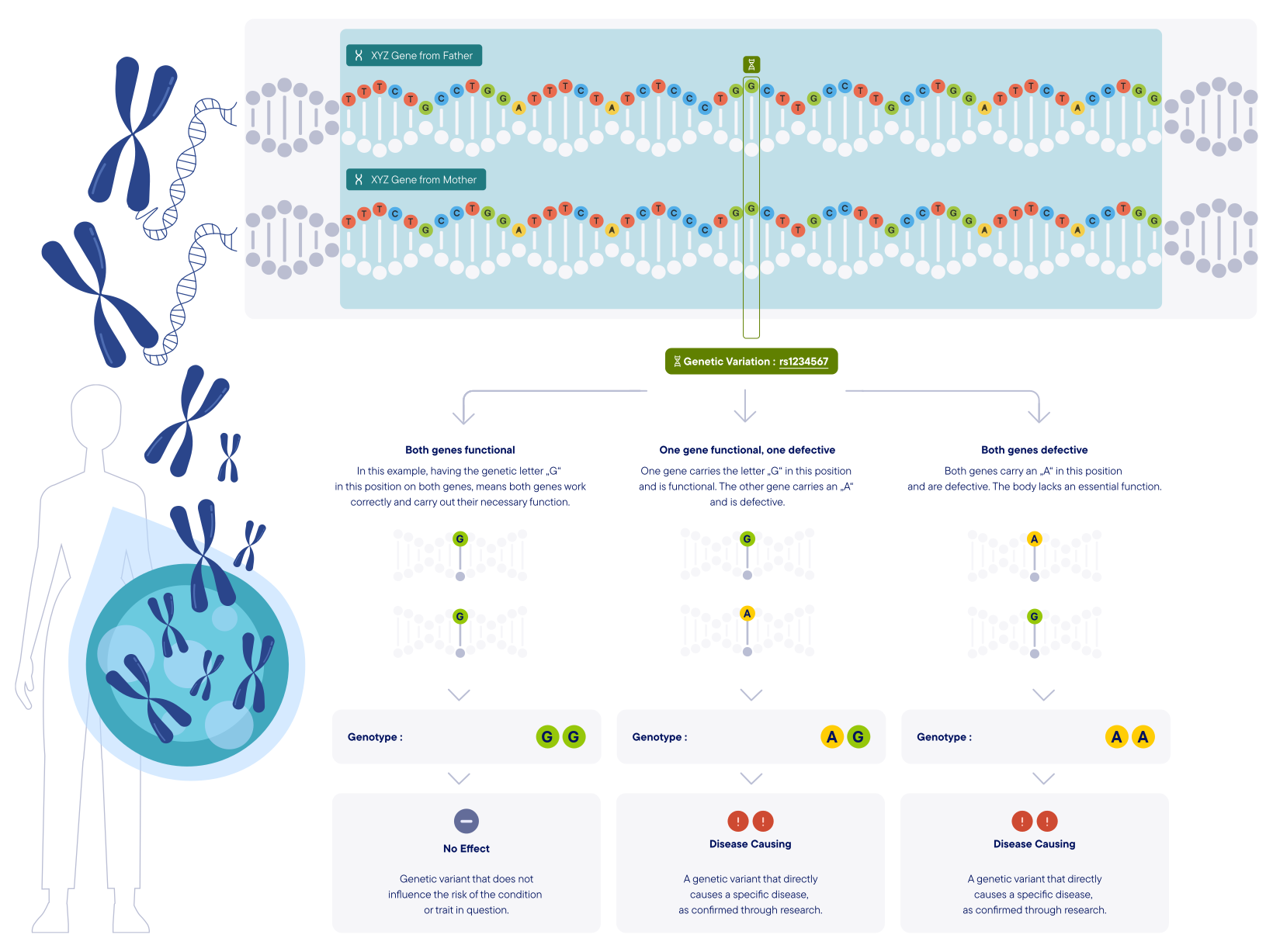
Humans have more than 20,000 genes, each carrying out one or a few specific functions in the body. One gene instructs the body to digest lactose from milk, another tells the body how to build strong bones and another prevents the body's cells from beginning to multiply uncontrollably and developing into cancer. As all of these genes combined are the building instructions for our body, a defect in one of these genes can have severe health consequences.
Through decades of genetic research, we know the genetic code of any healthy/functional human gene. We have also identified that in certain positions on a gene, some individuals may have a different genetic letter from the one you have. We call these hotspots "Genetic Variations" or "Variants" in short. In many cases, studies have been able to show that having the genetic letter "G" in the position makes you healthy, but having the letter "A" in the same position disrupts the gene function and causes a disease. Genopedia allows you to view these variants in genes and summarizes all that we know from scientific research, which genetic letters (Genotype) have good or bad consequences on your health or on your traits.
History
Throughout history, people have described sudden pelvic pain with fever in young women that kept them bedridden for days. Midwives and surgeons noted tender abdomens, fast heartbeats, and a “guarding” posture, especially after difficult childbirth, miscarriage, or pelvic procedures. Some stories mentioned pain starting after untreated sexually transmitted infections. Before modern tools, many with acute female pelvic peritonitis were treated with bed rest, poultices, and opiates, with outcomes that varied widely.
First described in the medical literature as “childbed fever” and later as pelvic inflammation, early accounts blurred together infections of the uterus, tubes, and the thin lining of the abdomen. The rise of autopsies in the 18th and 19th centuries linked this condition to pus in the pelvis, inflamed fallopian tubes, and sometimes a burst appendix or bowel injury. With the introduction of handwashing, sterilization, and safer surgical techniques, deaths fell, and doctors began to separate pelvic peritonitis from other abdominal emergencies.
From early theories to modern research, the story of acute female pelvic peritonitis shows how diagnosis shifted with new technology. The invention of antibiotics in the 20th century changed care dramatically; many people recovered without surgery that once seemed inevitable. Later, laparoscopy allowed doctors to look directly inside the abdomen, drain infected fluid, and confirm what older texts could only guess. Ultrasound and pregnancy testing helped distinguish early ectopic pregnancy, ruptured ovarian cysts, and pelvic inflammatory disease—all different paths that can lead to peritonitis.
In recent decades, knowledge has built on a long tradition of observation. Clinicians recognized that sexually transmitted bacteria, especially when infections go untreated, can travel from the cervix to the uterus and fallopian tubes, then spill into the pelvis and inflame the peritoneum. At the same time, device-related infections, complications after pelvic surgery, and postpartum infections were mapped out more clearly, showing why risks differ by age, sexual health, and recent procedures or childbirth.
Understanding the history of acute female pelvic peritonitis also explains changes in treatment. Earlier eras leaned on broad surgeries; today, quick antibiotics, targeted cultures, and minimally invasive drainage are common, with surgery reserved for abscesses, a ruptured organ, or spreading infection. Not every early description was complete, yet together they built the foundation of today’s knowledge. Looking back helps explain why prompt care is stressed now: the faster the infection is identified and treated, the lower the chance of serious complications.