
Acute ethmoiditis is a sudden infection of the small air cells between the eyes. People with acute ethmoiditis often have nasal congestion, pain or pressure around the inner corners of the eyes, fever, and a blocked or runny nose. It usually affects children more than adults and tends to last days to a few weeks with proper care. Treatment for acute ethmoiditis often includes antibiotics, pain relief, nasal saline, and sometimes decongestants; surgery is rare but may be needed for complications. Serious problems are uncommon with early treatment, but swelling around the eye or vision changes need urgent care.
Overview
Acute ethmoiditisSymptoms
Acute ethmoiditis typically causes deep pressure between the eyes, nasal blockage, and thick, colored discharge. Many also have fever, headache, reduced smell, and pain that worsens when bending forward. Eyelid swelling or vision changes need urgent care.
Outlook and prognosis
Most people with acute ethmoiditis improve quickly with prompt antibiotics, nasal care, and rest. Symptoms usually ease within days, with full recovery in 1–3 weeks. Quick treatment lowers the small risk of complications like orbital infection or sinus clots.
Causes and risk factors
Acute ethmoiditis usually follows a viral cold that becomes bacterial, involving common respiratory germs. Risks include recent upper-respiratory infection, allergies, nasal blockage, smoke or pollution exposure, daycare crowding, and swimming. Children, immune compromise, cystic fibrosis, or ciliary disorders raise risk.
Genetic influences
Genetics plays a minor role in acute ethmoiditis. It’s usually triggered by infections and local factors like nasal anatomy or allergies. Still, inherited traits that affect immune responses or sinus structure can slightly raise risk or influence how often it recurs.
Diagnosis
Diagnosis of acute ethmoiditis is based on your symptoms and a nasal exam. Doctors may use nasal endoscopy and, if needed, a CT scan to confirm sinus inflammation or rule out complications. Cultures or blood tests are uncommon.
Treatment and drugs
Treatment for acute ethmoiditis focuses on clearing the sinus infection, easing pressure, and preventing complications. Doctors often use targeted antibiotics, nasal steroid sprays, saline rinses, and pain relief; severe cases may need brief hospital care or endoscopic sinus surgery if symptoms don’t improve.
Symptoms
Acute ethmoiditis can make the area between your eyes feel full and sore, and a blocked nose can slow you down at work or school. You might notice small changes at first—pressure when you bend, a dull headache, or thicker mucus. Early symptoms of acute ethmoiditis often follow a cold and include facial pressure, nasal blockage, and postnasal drip. These symptoms usually build over a day or two and can range from mild to quite uncomfortable.
A heavy, aching pressure builds between the eyes and along the bridge of the nose. It can worsen when you bend forward or press on the area. In acute ethmoiditis, this discomfort tends to be sharp and focused between the eyes.
A deep, dull headache settles around the eyes or forehead. It may feel worse in the morning or when lying down.
It can be hard to breathe through your nose, with one or both sides feeling blocked. Nasal congestion is common with acute ethmoiditis. You may find yourself breathing through your mouth more than usual.
Mucus may turn thick and yellow or green. Drainage can trickle down the throat and leave a bad taste or bad breath. This back-of-the-throat drainage is often called postnasal drip.
How people usually first notice Acute ethmoiditis?
Acute ethmoiditis often shows up after a cold or sinus infection when pain and pressure build between the eyes and along the bridge of the nose, sometimes with a deep ache that worsens when you bend forward. People may first notice a blocked or runny nose with thick discharge, fever, and tenderness at the inner corners of the eyes; in children, swelling around one or both eyelids can appear quickly. If swelling, redness, or pain around the eyes spreads or vision changes, those are first signs of acute ethmoiditis that need urgent medical care.
Types of Acute ethmoiditis
Acute ethmoiditis is an infection in the small air cells between the eyes that can swell quickly and make everyday things—like bending over, reading, or getting through a workday—feel harder. Clinicians often describe them in these categories: symptoms in the nose/face, around the eyes, and whole‑body signs of infection. Not everyone will experience every type, and early symptoms of acute ethmoiditis can look a lot like a common cold at first. Daily life often makes the differences between symptom types clearer.
Nasal/face symptoms
Pressure or pain between the eyes, across the bridge of the nose, or in the cheeks. A blocked nose with thick discharge that may be yellow‑green is common. Smell can be dulled and pain can worsen when leaning forward.
Eye‑area symptoms
Tenderness around the inner corners of the eyes and swelling of the eyelids can develop. Light sensitivity or pain with eye movement may appear. Vision is usually normal but any double vision or vision changes need urgent care.
Whole‑body signs
Fever, fatigue, and a general unwell feeling can occur. Headache is common and may throb behind the eyes. Appetite can drop and sleep may be disrupted.
Post‑viral pattern
Symptoms may start after a cold or flu seems to improve, then suddenly worsen. Congestion returns with sharper facial pain and thicker discharge. Fever may develop again after a few better days.
Bacterial flare
Symptoms are more severe and last longer than a typical viral cold. Facial pain and tenderness are pronounced, and fever is more likely. Thick discharge and worsening pain after 3–5 days suggest a bacterial cause.
Pediatric presentation
Children may show more eyelid swelling and tenderness near the nose. Irritability, poor appetite, or nighttime cough can stand out. High fever may come on quickly with eye‑area symptoms.
What genetics can tell you about symptoms
Certain variants in immune system genes can make infections spread quickly in the ethmoid sinuses, causing sudden facial pain, pressure between the eyes, fever, and nasal congestion. Genes affecting mucus clearance can add thick discharge, reduced smell, and worsening swelling.
Causes and risk factors
Most cases start after a viral cold that blocks drainage in the ethmoid sinuses.
Bacteria can then grow, especially with nasal allergies or swollen adenoids, and a weakened immune system makes this more likely.
Genetic conditions that thicken mucus or slow its movement, such as cystic fibrosis or primary ciliary dyskinesia, raise the chance of acute ethmoiditis.
Early symptoms of acute ethmoiditis often follow a recent cold, and daycare crowding and secondhand smoke raise exposure to germs.
Some risks are modifiable (things you can change), others are non-modifiable (things you can’t).
Environmental and biological risk factors
Acute ethmoiditis is a sudden infection of the small air cells between the eyes, often after a head cold. Some risks are carried inside the body, others come from the world around us. Knowing the environmental and biological factors that raise your chance of acute ethmoiditis can help you reduce exposures where possible, and this information doesn’t replace noticing early symptoms of acute ethmoiditis.
A recent cold or flu swells the nasal lining and narrows drainage pathways. Trapped mucus lets germs grow and can lead to acute ethmoiditis.
Seasonal or indoor allergies can inflame the nose and block airflow. This blockage makes it easier for bacteria to cause acute ethmoiditis.
In children, big adenoids can block the back of the nose. Poor drainage and lingering mucus raise the risk of infection in the ethmoid sinuses.
A deviated septum or naturally narrow drainage openings can reduce airflow and mucus clearance. When mucus can’t drain, infection in the ethmoid area becomes more likely.
Genetic risk factors
A few inherited traits can raise the chance of sinus infections that involve the ethmoid area, especially in children. Some risk factors are inherited through our genes. Genetic factors do not change early symptoms of acute ethmoiditis, but they can make infections more frequent or harder to clear. These influences mainly affect how mucus moves, how the nose and sinuses are shaped, or how the immune system responds.

Cystic fibrosis: Thick, sticky mucus and less water in nasal secretions make drainage difficult. This blockage lets bacteria grow and raises the risk of acute ethmoiditis. People with cystic fibrosis often have recurrent sinus infections.
Primary ciliary dyskinesia: Tiny hair-like cilia that move mucus are slow or uncoordinated from birth. Poor clearance lets germs linger near the ethmoid sinuses, increasing the chance of acute ethmoiditis. Some people experience frequent ear, nose, and chest infections.
Inborn immune deficiencies: Inherited problems with antibodies or white blood cell function make it harder to fight sinus germs. When defenses are low, infections can start faster and last longer in the ethmoid area. Examples include low IgA levels or chronic granulomatous disease.
Genetic craniofacial syndromes: Conditions that change midface growth or the nasal passages can narrow sinus outflow tracts. This crowding makes mucus stagnate and can set the stage for acute ethmoiditis. Examples include Down syndrome and some craniosynostosis syndromes.
Atopic tendency: A family tendency to allergies or asthma has genetic roots and can keep the nasal lining swollen. Swelling narrows sinus openings and traps mucus, which may lead to sinus infections. Not everyone with strong atopy develops frequent sinus problems.
Lifestyle risk factors
Certain daily habits can weaken nasal defenses and block ethmoid sinus drainage, increasing infection risk and symptom severity. Addressing lifestyle risk factors for acute ethmoiditis can reduce episodes and speed recovery. Small, practical changes in hydration, sleep, and nasal care can make a measurable difference.
Tobacco and vapor irritate and paralyze nasal cilia, slowing mucus clearance from the ethmoid sinuses. This stagnation makes bacterial infection more likely and can worsen pain and pressure.
Low fluid intake and alcohol thicken mucus and dry the nasal lining. Thicker secretions are harder to clear from the ethmoid cells, increasing the likelihood of blockage and infection.
Short or disrupted sleep and chronic stress blunt immune responses in the nasal passages. Weakened local immunity can let infections take hold in the ethmoid sinuses more easily.
Vigorous workouts in cold, dry air can inflame nasal mucosa and reduce ciliary function. Temporary swelling and slowed clearance raise the chance of ethmoid sinus blockage during or after exertion.
Risk prevention
You can lower your chances of acute ethmoiditis by cutting down on colds, calming nasal allergies, and keeping nasal passages moist and clear. Prevention can mean both medical steps, like vaccines, and lifestyle steps, like exercise. For many, this comes down to steady everyday habits plus timely care when a respiratory infection starts. Spotting problems early and acting quickly can reduce the odds that a simple cold turns into a sinus infection.
Wash hands often and avoid close contact with people who have active colds. Fewer upper‑respiratory infections means a lower chance of acute ethmoiditis.
Stay up to date on flu and COVID-19 vaccines, which can reduce infections that set off sinus problems. This helps prevent acute ethmoiditis triggered by viral illnesses.
Use prescribed or over‑the‑counter allergy treatments to keep nasal swelling down during pollen seasons or dust exposure. Controlling allergies lowers the risk that blocked passages will lead to acute ethmoiditis.
Rinse your nose with sterile saline to wash out mucus and irritants. This supports natural drainage and can reduce the likelihood of a sinus infection.

Transmission
Acute ethmoiditis isn’t something you catch directly; it’s an infection of the ethmoid sinuses, the small air pockets between the eyes, that often develops after a cold or another upper respiratory illness. The viruses—and sometimes bacteria—that can lead to acute ethmoiditis spread between people in droplets when someone coughs or sneezes, through close contact, or by touching a contaminated surface and then touching your nose or eyes. In practical terms, how contagious is acute ethmoiditis? The condition itself isn’t contagious, but the cold or flu viruses behind it are most infectious during the first few days of symptoms. Careful handwashing, covering coughs, not sharing drinks, and staying home when you’re sick can lower the chance these germs spread and, in turn, reduce the risk of acute ethmoiditis developing after a cold.
When to test your genes
Acute ethmoiditis is usually diagnosed clinically and with imaging, so most people don’t need genetic testing. Consider testing only if you have unusually frequent, severe, or early-onset sinus infections, a family history of primary ciliary dyskinesia or cystic fibrosis, or poor response to standard care. In those cases, genetics can guide tailored treatment and prevention.
Diagnosis
Acute ethmoiditis can come on quickly with pressure between the eyes, a stuffy or blocked nose, and sometimes swelling around the eyelids that makes daily tasks uncomfortable. Doctors usually begin with your symptoms and a focused exam of the nose and eyes. Understanding the diagnosis of acute ethmoiditis helps explain why some tests are needed. Imaging or specialized exams are used mainly if symptoms are severe, unusual, or not improving.
Clinicians ask about pain or pressure between the eyes, nasal blockage, fever, and changes in smell. They also review how long symptoms have lasted and whether they are worsening after a viral cold.
The nose and face are checked for tenderness near the inner corners of the eyes and over the bridge. Eyelid swelling, redness, or pain with eye movement are urgent clues that the infection may be spreading.
A thin, lighted scope lets the provider see drainage and swelling where the ethmoid spaces open. Pus or inflamed tissue supports the diagnosis, and a sample can be taken to guide antibiotics.
Non-contrast CT can show blocked ethmoid cells, air-fluid levels, and areas of spread. It is used for severe symptoms, complications, or when treatment fails to help.
Stages of Acute ethmoiditis
Acute ethmoiditis does not have defined progression stages. It’s a short-term infection of the ethmoid sinuses that tends to start suddenly, so it’s followed by how symptoms change rather than by set phases; early symptoms of acute ethmoiditis often include nasal congestion, pressure or pain between the eyes, and fever. Doctors usually start with a conversation about your symptoms and a gentle exam of the nose and eyes, and if needed they may order tests to confirm the cause or check for complications, such as blood work or a CT scan when there’s eye swelling or severe pain.
Outlook and prognosis
Daily routines often adapt when acute ethmoiditis flares, since facial pressure, a blocked nose, and fatigue can make work or school tougher for a few days. The outlook is generally very good with prompt treatment, usually with antibiotics, nasal saline, and rest. Many people find that symptoms start to ease within 48–72 hours, and a full recovery often follows in one to two weeks. Doctors call this the prognosis—a medical word for likely outcomes.
The most important factor is catching early symptoms of acute ethmoiditis, like worsening pain between the eyes, fever, or swelling around the eyelids, before complications develop. Serious problems are uncommon but can include spread to the eye socket or, rarely, the brain; these risks are higher in children and in people with weak immune systems. When infections do spread, hospital care with IV antibiotics—and sometimes surgery—is needed, and while most recover well, the chance of lasting vision or neurologic issues rises the longer treatment is delayed. Mortality is rare in high-resource settings, but delays in care can increase the risk of severe outcomes.
Looking at the long-term picture can be helpful. Most people do not have repeated bouts, but those with allergies, nasal polyps, or frequent colds may face recurrences and benefit from prevention plans like allergy control or nasal steroid sprays. With ongoing care, many people maintain normal daily activities and avoid complications. Talk with your doctor about what your personal outlook might look like.
Long-term effects
Acute ethmoiditis usually clears with the right care, and many people have no lasting problems. When effects linger or complications occurred during the infection, they tend to involve the nose, sinuses, or nearby areas like the eyes. Long-term effects vary widely, and serious complications are uncommon in otherwise healthy people. Here’s what doctors and research know about how the condition can affect the long run.
Some people experience repeat bouts of sinus infection after an initial episode. This can mean cycles of nasal stuffiness, pressure between the eyes, and facial discomfort.
Ongoing swelling in the ethmoid area can leave lasting nasal blockage and postnasal drip. For many, this can dull everyday smells and make breathing through the nose harder.
After severe episodes, even when early symptoms of acute ethmoiditis settle, some notice reduced smell or taste. This may slowly improve, but it can persist for months in a minority.
If the infection spread to the eye socket in the past, rare lasting issues like double vision or decreased vision can remain. Most people recover fully when complications are treated promptly.
How is it to live with Acute ethmoiditis?
Living with acute ethmoiditis can feel like carrying a deep, throbbing pressure between the eyes and at the bridge of the nose, often worse when you bend forward or try to sleep. Many deal with a blocked or runny nose, reduced smell, and fatigue that makes work, school, and caregiving harder for a few days; children may be more irritable or clingy, and caregivers often notice swelling around the eyes or tenderness. Most people improve quickly with the right care, and simple supports—rest, hydration, warm compresses, and a quiet room—lighten the load for you and those around you while recovery takes its course.
Treatment and drugs
Acute ethmoiditis is treated promptly to clear the infection, reduce swelling around the sinuses and eyes, and prevent complications. Doctors usually start with antibiotics that target common sinus bacteria, plus pain relievers like acetaminophen or ibuprofen and saline nasal rinses; a short course of nasal steroid spray may help open the passages. If symptoms are severe, worsen after 48–72 hours, or there are red flags like eye swelling, vision changes, high fever, or severe headache, hospital care with IV antibiotics and close monitoring is often recommended. In rare cases with trapped pus or blocked drainage, an ear, nose, and throat surgeon may perform a minimally invasive procedure to drain the ethmoid sinus and relieve pressure. Not every treatment works the same way for every person, so your doctor may adjust the plan based on your age, allergy history, and how you respond in the first few days.
Non-drug treatment
Acute ethmoiditis can make the area between your eyes feel tender and stuffed, with pressure that worsens when you lean forward. Alongside medicines, non-drug therapies can ease swelling, open nasal passages, and help you feel more comfortable while your body heals. These steps can also calm early symptoms of acute ethmoiditis, like facial pressure, blocked nose, and a dull headache. If symptoms change quickly or affect vision, seek medical care promptly.
Rinsing with sterile saline helps wash out thick mucus and irritants. Use boiled-and-cooled, distilled, or sterile water to mix saline, and clean the device after each use. For children, sprays may be easier than full irrigations.
Using a cool-mist humidifier adds moisture so mucus stays thinner and moves more easily. Clean the tank daily to prevent mold or germs. Warm showers can offer short-term steam without leaning over a bowl of hot water.
A warm, damp cloth over the bridge of the nose and inner corners of the eyes can reduce pressure and soothe pain. Apply for 10–15 minutes several times a day, making sure the compress is warm, not hot. Stop if skin becomes irritated.
Rest with your head raised on extra pillows or elevate the head of the bed by 10–15 cm (4–6 in). This can improve sinus drainage and reduce nighttime pressure. Avoid lying flat for long periods when congested.
Your genes may have an impact on how drugs work for you
Some people process antibiotics and pain relievers differently because of gene variants that affect liver enzymes, so the same dose can work faster, slower, or cause more side effects. Pharmacogenetic testing isn’t routine for acute ethmoiditis, but genetics can guide dosing when issues arise.
Pharmacological treatments
Treatment for acute ethmoiditis focuses on easing swelling and pain, clearing the nasal passages, and using antibiotics when a bacterial infection is likely. First-line medications are those doctors usually try first, based on safety and how well they work. Antibiotics are used when early symptoms of acute ethmoiditis suggest bacteria are involved or if symptoms last or worsen. Supportive medicines can make breathing easier and reduce pressure while antibiotics take effect.
Amoxicillin–clavulanate is commonly started when bacterial acute ethmoiditis is suspected. It targets the typical germs that infect the sinuses. A usual course is about 5–10 days, adjusted by your doctor based on recovery.
Doxycycline is an option for many adults with penicillin allergy. Levofloxacin or moxifloxacin may be used if other choices aren’t suitable, balancing benefits and side effects.
Cefdinir or cefuroxime may be used if you don’t have a severe, immediate penicillin allergy. These can be options when acute ethmoiditis doesn’t improve with first choices.
Fluticasone or mometasone can shrink lining swelling and help pressure and blockage. They work in the nose and sinuses and can be used alongside antibiotics.
Genetic influences
Most cases of acute ethmoiditis are sparked by a cold or allergies, not by inherited factors. Genetics is only one piece of the puzzle, but it can influence how well your sinuses drain and how effectively your body clears germs. Sinus and facial anatomy can run in families; if the drainage passages in the ethmoid area are naturally narrow, infections can take hold more easily. Rare genetic conditions such as cystic fibrosis or primary ciliary dyskinesia can make mucus thicker or harder to move, increasing the chance of infections and sometimes making them more frequent or severe. Some inherited immune problems also lower defenses against common cold viruses and bacteria. For most people, genetic risk for acute ethmoiditis is low, and everyday triggers and exposures usually play the bigger role. Genetic testing isn’t usually needed, but doctors may consider it—or refer you to a specialist—if there are repeated sinus infections from childhood, very thick mucus, ear or lung problems, or a family history suggesting cystic fibrosis, ciliary disorders, or an immune deficiency.
Is Acute ethmoiditis genetic?
Genetics plays a minor role in acute ethmoiditis. It’s usually triggered by infections and local factors like nasal anatomy or allergies. Still, inherited traits that affect immune responses or sinus structure can slightly raise risk or influence how often it recurs.
Pharmacogenetics—how genetics influence drug effects
For Acute ethmoiditis, treatment usually involves antibiotics for the infection, pain relievers, and sometimes nasal steroids or decongestants, and your genes can influence how your body handles some of these medicines. Pharmacogenetics is the study of how genes affect your response to drugs, and in this setting it mainly matters for pain relievers and certain less commonly used antibiotics. Differences in a common liver‑enzyme gene (often called CYP2D6) can make codeine or tramadol, if prescribed for pain, either too weak to help or, rarely, too strong, which can raise the risk of side effects like excessive sleepiness or slowed breathing. Variations in other enzymes may also change how you process ibuprofen and similar anti‑inflammatory pills, which can affect both pain control and the chance of stomach or kidney problems. When doctors choose antibiotics for acute ethmoiditis, they focus on the likely bacteria and your allergy history; genetics seldom drives that choice, though a known trait called G6PD deficiency matters because certain antibiotics can trigger red‑blood‑cell breakdown in people with this condition. Rare inherited heart‑rhythm conditions can raise the risk of rhythm problems with specific antibiotics that affect the heart’s electrical cycle (QT interval) or with some decongestants, so your care team considers your personal and family history before prescribing. Pharmacogenetic testing isn’t routine for acute ethmoiditis, but if you’ve had unusual reactions to pain medicines or antibiotics, share that with your doctor so they can tailor treatment safely.
Interactions with other conditions
Colds and other viral respiratory infections can set the stage for acute ethmoiditis by swelling the nasal passages and blocking normal drainage, so symptoms often worsen when you’re already sick. Doctors call it a “comorbidity” when two conditions occur together. Allergic rhinitis and asthma commonly overlap with acute ethmoiditis; ongoing nasal inflammation makes infections more likely and can prolong recovery. We also see higher risks and more severe courses in people with weaker immune defenses, such as those living with diabetes, on chemotherapy, or with HIV, so careful follow-up matters. Conditions that thicken or trap mucus—like cystic fibrosis, primary ciliary dyskinesia, or chronic sinusitis with nasal polyps—can lead to repeat bouts of acute ethmoiditis and tougher-to-clear infections. Early symptoms of acute ethmoiditis can blur with allergy flares or a bad cold, so coordinating care between your primary clinician, an ear–nose–throat specialist, and (when needed) an allergy or lung specialist can help pinpoint what’s driving your symptoms.
How genes can cause diseases
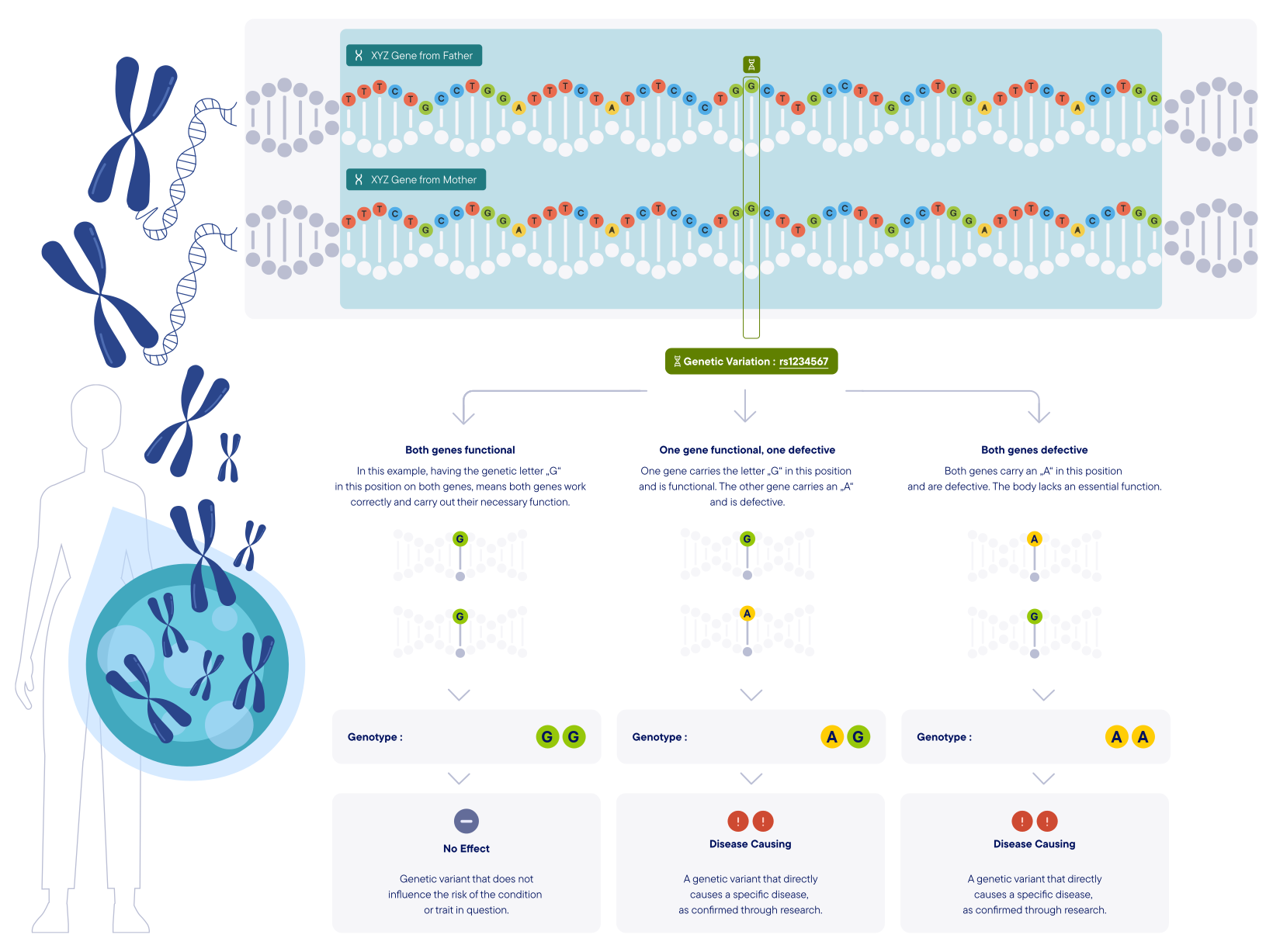
Humans have more than 20,000 genes, each carrying out one or a few specific functions in the body. One gene instructs the body to digest lactose from milk, another tells the body how to build strong bones and another prevents the body's cells from beginning to multiply uncontrollably and developing into cancer. As all of these genes combined are the building instructions for our body, a defect in one of these genes can have severe health consequences.
Through decades of genetic research, we know the genetic code of any healthy/functional human gene. We have also identified that in certain positions on a gene, some individuals may have a different genetic letter from the one you have. We call these hotspots "Genetic Variations" or "Variants" in short. In many cases, studies have been able to show that having the genetic letter "G" in the position makes you healthy, but having the letter "A" in the same position disrupts the gene function and causes a disease. Genopedia allows you to view these variants in genes and summarizes all that we know from scientific research, which genetic letters (Genotype) have good or bad consequences on your health or on your traits.
History
Throughout history, people have described sudden bouts of deep nasal pain, pressure between the eyes, and fever that set in after a bad cold—episodes that today match what we call acute ethmoiditis. In day-to-day terms, someone would catch a winter virus, feel a blocked nose, then a few days later develop sharper pain at the bridge of the nose or around the inner corners of the eyes. Caregivers noticed that children were hit hard and that symptoms could escalate quickly. Before antibiotics, these events sometimes led to swelling around the eye or serious illness, which made them especially feared.
First described in the medical literature as infections of the “ethmoidal cells” near the nose and eyes, acute ethmoiditis was initially identified by its location and striking eye-related features. Surgeons and pathologists in the 19th and early 20th centuries mapped the small air spaces of the ethmoid bone and connected specific patterns of facial pain, fever, and orbital swelling to infection there. With limited imaging, doctors relied on careful exam findings, such as tenderness along the nasal bridge and early eyelid puffiness, to distinguish acute ethmoiditis from other sinus problems.
As medical science evolved, X‑rays offered the first glimpses of clouded sinuses, but detail was limited. The arrival of antibiotics in the mid‑20th century changed outcomes dramatically, turning a once-dangerous infection into one that was usually manageable when treated early. Later, CT scans and nasal endoscopy allowed clinicians to see the ethmoid passages clearly, confirm inflammation, and pick up complications sooner. This technology refined how acute ethmoiditis was diagnosed, separating it from maxillary or frontal sinus infections and guiding more precise treatment.
In children, a classic history emerged: a cold followed by fever, nasal discharge, and rapid eyelid swelling—signs that pointed to the ethmoid sinuses because of their close relationship to the eye socket. Pediatric case series in Europe and the United States shaped today’s practice by showing which symptoms required urgent imaging and antibiotics. Over time, descriptions became more consistent, and standardized terms, including “acute sinusitis” with ethmoid involvement, appeared in guidelines.
In recent decades, knowledge has built on a long tradition of observation. Clinicians recognized that viruses often start the process, with bacteria taking hold in swollen, blocked ethmoid passages. Awareness grew that timely care prevents complications, while most mild cases resolve with supportive treatment and, when needed, targeted antibiotics. Today’s history of acute ethmoiditis is one of sharper diagnosis, safer treatment, and better outcomes, especially for children, grounded in centuries of bedside observations refined by modern imaging and evidence-based care.