
Acute endometritis is a sudden bacterial infection of the lining of the uterus that causes pain, fever, and abnormal bleeding or discharge. It often follows childbirth, miscarriage, abortion, or procedures inside the uterus, and it can also occur with sexually transmitted infections. People with acute endometritis usually feel pelvic pain and fever, and doctors may see a tender uterus and signs of infection. Most cases improve quickly with antibiotics and pain relief, and severe cases may need a short hospital stay for IV treatment. Death is rare with prompt care, but untreated infection can spread, so early treatment matters.
Overview
Acute endometritisSymptoms
Acute endometritis often brings sudden lower abdominal or pelvic pain, fever, and foul-smelling vaginal discharge. Many notice abnormal bleeding or spotting, tender uterus, and pain with sex. Early symptoms of acute endometritis can include chills, fatigue, and generally feeling unwell.
Outlook and prognosis
Most people with acute endometritis improve quickly with prompt antibiotics and rest, often feeling better within a few days. Follow-up is important to be sure the infection has cleared and to protect future fertility. Delays in treatment can raise risks of abscess or spread.
Causes and risk factors
Acute endometritis usually follows an ascending infection after childbirth, miscarriage/abortion, cesarean, or uterine procedures; STIs like chlamydia or gonorrhea are common sources. Risk increases with IUD use, prolonged labor, ruptured membranes, and immunosuppression; no known inherited genetic risk.
Genetic influences
Genetics play a modest role in acute endometritis; it’s usually triggered by infection after childbirth, miscarriage, procedures, or STI exposure. Variations affecting immune response or vaginal microbiome may slightly change risk and recovery. Family history rarely drives prevention or treatment choices.
Diagnosis
Acute endometritis is diagnosed by your history and pelvic exam, plus tests. Doctors may order a pregnancy test, swabs for STIs, bloodwork, and pelvic ultrasound; diagnosis of acute endometritis is sometimes confirmed with endometrial sampling if the picture is unclear.
Treatment and drugs
Acute endometritis is managed promptly to relieve pain, control infection, and protect fertility. Doctors typically prescribe broad‑spectrum antibiotics, sometimes given first by vein then by mouth; partners may be treated if a sexually transmitted infection is suspected. Pain relief, rest, and follow‑up to confirm recovery are important.
Symptoms
Sudden pelvic pain, fever, and a change in vaginal discharge can make daily routines hard. Early on, this might look like mild cramping and light spotting, but symptoms can escalate over hours to days. Acute endometritis is an infection of the womb lining, and early symptoms of acute endometritis often appear soon after childbirth, miscarriage, abortion, or a gynecologic procedure. If symptoms are severe—such as a high fever or intense pain—urgent care is important.
Cramping or aching low in the belly or pelvis that may be constant or come in waves. It can worsen with movement or when pressing on the lower abdomen.
A temperature of 38°C (100.4°F) or higher, often with chills and sweats. With acute endometritis, fever can develop quickly over a few hours.
Vaginal discharge that is heavier than usual, yellow or green, or has a strong, unpleasant smell. In acute endometritis, post-birth discharge may turn foul-smelling or change suddenly.
Spotting between periods, heavier bleeding than expected, or bleeding after sex. This can also mean bleeding lasts longer than usual after childbirth or a procedure.
How people usually first notice Acute endometritis?
Acute endometritis is usually noticed after a recent childbirth, miscarriage, abortion, or a gynecologic procedure when pelvic pain and new or worsening lower abdominal cramps appear alongside fever or chills. Many also report unusually heavy, foul‑smelling vaginal bleeding or discharge, sometimes with tenderness in the uterus that a clinician feels during an exam. If you notice these first signs of acute endometritis—especially fever over 38°C (100.4°F) with pelvic pain—seeking prompt care matters because early antibiotics can quickly resolve infection and prevent complications.
Types of Acute endometritis
Acute endometritis can look different from one person to the next, depending on what triggered the inflammation and how quickly it’s treated. Doctors often talk about types of acute endometritis based on the cause, such as after childbirth, after a procedure, or following an untreated infection. This helps explain why symptoms can vary from fever and pelvic pain to heavier bleeding or foul-smelling discharge. When people search for types of acute endometritis, they’re usually asking how these causes track with different symptom patterns and severity.
Postpartum type
This starts after childbirth, usually within the first week or two. Fever, lower belly pain, and foul-smelling discharge are common, and bleeding can be heavier than expected.
Post-procedure type
This follows events like miscarriage management, abortion, or uterine procedures (for example, dilation and curettage or IUD placement). Cramping, pelvic tenderness, and abnormal bleeding are typical, and fever may develop.
Sexually transmitted type
This is linked to infections such as chlamydia or gonorrhea that travel upward from the cervix into the uterus. People may have pelvic pain, pain with sex, and irregular bleeding, with or without fever.
Polymicrobial type
This involves a mix of bacteria from the vaginal tract, often in the setting of retained tissue or a disrupted cervical barrier. Symptoms can be more intense, with higher fevers, stronger pain, and more pronounced discharge.
Severe or complicated
This refers to acute endometritis with spread beyond the uterus, such as into the pelvis or bloodstream. Symptoms may escalate quickly with high fever, severe pain, and feeling generally unwell.
What genetics can tell you about symptoms
Some people with inherited immune-response differences, like certain HLA types, may have stronger inflammation, leading to heavier bleeding, pelvic pain, fever, and foul discharge during acute endometritis. Variants affecting clotting or tissue repair can worsen cramping and prolong recovery after infection.
Causes and risk factors
Acute endometritis usually happens when bacteria enter the uterus after childbirth, miscarriage, abortion, or a uterine procedure.
Risk factors for acute endometritis include a cesarean birth, long labor or a long time after the water breaks, retained tissue, and repeated vaginal exams.
Sexually transmitted infections, bacterial vaginosis, an intrauterine device, smoking, and having multiple partners can raise risk.
Diabetes, a weakened immune system, and limited access to clean delivery settings add risk, and there are no known inherited risks.
Doctors distinguish between risk factors you can change and those you can’t.
Environmental and biological risk factors
Acute endometritis is an infection of the uterine lining that most often follows childbirth, miscarriage, abortion, or a procedure inside the uterus. Doctors often group risks into internal (biological) and external (environmental). Below are environmental and biological risk factors for acute endometritis and why they matter in day-to-day care.
Surgical birth increases the chance that bacteria reach the uterine lining. Even with antibiotics, this can still lead to acute endometritis in some cases.
Long labors increase the number of vaginal exams and time the cervix stays open. More exposure raises infection risk for the uterine lining.
When the water has been broken for more than about 18 hours, bacteria have more time to ascend. This is a well-known risk for acute endometritis after delivery.
Devices like scalp electrodes or pressure catheters enter the uterus during labor. They can create small entry points for bacteria and raise infection risk.
Genetic risk factors
Acute endometritis is not considered a genetic condition, and no single gene is known to cause it. Still, inherited differences in how the immune system recognizes and clears bacteria can influence who is more susceptible when germs reach the uterine lining. Carrying a genetic change doesn’t guarantee the condition will appear. Knowing the early symptoms of Acute endometritis is still important for timely care, regardless of genetic background.

Inherited immune deficiencies: Being born with problems in antibody production or white blood cell function can make infections more likely in many parts of the body, including the uterus. These rare conditions raise susceptibility but do not directly cause Acute endometritis.
Innate immunity genes: Small differences in genes that sense microbes and switch on fast, first-line defenses can change how strongly the uterine lining responds. Research links some variants with higher or lower chances of pelvic infections, though findings are not yet consistent.
Complement system genes: Changes in genes that help tag bacteria for removal can make infections harder to clear. This may slightly increase susceptibility to Acute endometritis, with effects that are usually modest.
Inflammation signaling genes: Variants in pathways that control inflammatory signals can shape how intense and prolonged inflammation becomes in the endometrium. Some studies connect these differences to the severity or persistence of uterine inflammation.
HLA types: Certain patterns in genes that present bacterial proteins to immune cells can influence immune recognition. Associations with upper genital tract inflammation have been reported, but data specific to Acute endometritis remain limited.
Lifestyle risk factors
Certain habits can raise the chance of a uterine infection after childbirth, miscarriage, abortion, or other gynecologic procedures. The lifestyle risk factors for Acute endometritis relate mainly to how bacteria can be introduced or allowed to spread to the uterus. Small changes in sexual health, hygiene, and recovery routines can meaningfully lower risk.
Unprotected sex or multiple partners increases exposure to chlamydia and gonorrhea that can ascend and trigger acute endometritis, especially after delivery or procedures. Condoms and regular STI testing lower this risk.
Douching and harsh intravaginal cleansers disrupt protective lactobacilli and can push bacteria upward toward the uterus. Avoiding these practices helps prevent endometritis.
Resuming intercourse, tampon use, or swimming before your clinician clears you can introduce bacteria while the cervix is still open. Following pelvic-rest and follow-up instructions reduces infection risk.
Inserting tampons, menstrual cups, or vaginal medications with unwashed hands or unclean devices can seed bacteria that ascend to the endometrium. Handwashing and proper device cleaning are protective.
Risk prevention
Acute endometritis risk drops with safer sex practices and careful obstetric/gynecologic care, especially around birth, miscarriage, abortion, and uterine procedures. Knowing the early symptoms of acute endometritis—fever, pelvic pain, and foul-smelling discharge—helps you seek care quickly. Prevention works best when combined with regular check-ups. Hospitals and clinics also reduce risk by using antibiotics at the right times and following strict sterile technique.
Using condoms with every partner lowers the chance of sexually transmitted infections that can trigger acute endometritis. Combine this with regular STI testing if you have new or multiple partners.
Get tested promptly if you have a new partner, symptoms, or known exposure. Fast treatment of chlamydia or gonorrhea reduces the bacteria that can spread to the uterus.
Before an IUD, D&C, or hysteroscopy, ask about screening and treatment for STIs if needed. Treating infections first and using sterile technique helps prevent bacteria from entering the uterus.
A single preventive antibiotic dose before a C-section lowers infection risk, including uterine infection. This is standard practice in many hospitals.

Transmission
Acute endometritis usually develops when bacteria from the vagina or cervix travel up into the uterus, most often after childbirth, miscarriage, abortion, or a procedure inside the uterus (such as placing an IUD or a D&C). Sexually transmitted infections like chlamydia or gonorrhea can be passed during sex and may then lead to acute endometritis if the bacteria move upward into the uterus. People often ask how acute endometritis spreads; it isn’t contagious through casual contact, and you can’t catch it from the air, toilets, towels, or swimming pools. Aside from sexual transmission of STIs, acute endometritis itself is not passed from one person to another—the risk comes from bacteria entering the uterus, especially when the cervix is open after birth or a procedure.
When to test your genes
Acute endometritis is usually diagnosed clinically, so most people don’t need genetic testing. Consider genetic evaluation if you have recurrent or severe pelvic infections, fertility problems, or repeated pregnancy complications, especially with a strong family history of immune or clotting disorders. Testing can guide prevention and treatment plans tailored to your risks.
Diagnosis
Acute endometritis is usually suspected when new pelvic pain, fever, and unusual vaginal discharge show up after childbirth, a miscarriage, or a recent uterine procedure. Doctors usually begin by asking about recent events that could raise the risk and by examining the pelvis for tenderness. You may hear your clinician explain how Acute endometritis is diagnosed step by step so you know what to expect. Understanding how Acute endometritis is diagnosed can help you follow the plan and start treatment promptly.
Your clinician asks about recent childbirth, miscarriage, abortion, IUD placement, or uterine procedures. This helps link symptoms to a likely trigger. Timing and sexual history also guide which tests are needed.
The doctor checks for uterine and cervical tenderness and looks for abnormal discharge or bleeding. These exam findings, together with symptoms, often point to endometritis. They also help rule out other pelvic causes.
Temperature, pulse, and blood pressure are checked for signs of infection. Fever at or above 38°C (100.4°F) supports the diagnosis when paired with pelvic findings. Fast heart rate or low blood pressure may signal a more serious infection.
A urine or blood test checks for pregnancy. This helps rule out conditions like ectopic pregnancy or miscarriage that can mimic symptoms. It also shapes safe imaging and treatment choices.
Stages of Acute endometritis
Acute endometritis does not have defined progression stages. Because it’s an acute uterine infection, early symptoms of acute endometritis often come on quickly and either improve with prompt antibiotics or, if treatment is delayed, can spread to nearby pelvic tissues rather than moving through set stages. Different tests may be suggested to help confirm acute endometritis and rule out related problems, such as a pelvic exam, blood work, vaginal or cervical swabs, and pelvic ultrasound. Doctors also consider recent childbirth or uterine procedures and monitor that fever, pain, and discharge steadily improve after starting care.
Outlook and prognosis
Looking at the long-term picture can be helpful. For most people with acute endometritis, symptoms improve quickly once the right antibiotic is started—often within a few days—and full recovery is the rule. Early care can make a real difference, especially if treatment begins soon after early symptoms of acute endometritis like pelvic pain, fever, or unusual discharge. When treatment is delayed or the infection is severe, there’s a higher chance of short-term complications such as abscesses or spread to nearby tissues, which may require hospital care or a procedure to drain infection.
Doctors call this the prognosis—a medical word for likely outcomes. The long-term outlook after a promptly treated episode of acute endometritis is generally excellent, with low risk of lasting problems. If the infection is linked to an untreated sexually transmitted infection or if repeated episodes occur, some may face increased risk of fertility issues or future pregnancy complications, though this is uncommon with timely care. Death from acute endometritis is very rare in high-resource settings, but severe sepsis can occur if infection spreads, highlighting the importance of early treatment and follow-up.
The future may look uncertain now, but most people return to normal routines without limitations once antibiotics are completed and symptoms resolve. Keep regular appointments—small adjustments can improve long-term health, and your clinician may recommend a follow-up exam or testing to be sure the infection has cleared. Talk with your doctor about what your personal outlook might look like, including steps to reduce recurrence—like STI testing for you and partners when relevant, safe-sex practices, and timely care for new pelvic symptoms. Understanding the prognosis can guide planning and help you feel more confident about recovery and next steps.
Long-term effects
Acute endometritis is an infection of the uterine lining. With quick, appropriate antibiotics, most people heal without lasting problems. Long-term effects vary widely and tend to arise mainly when treatment is delayed, the infection is severe, or it occurs along with pelvic inflammatory disease. People treated promptly after early symptoms of acute endometritis—such as fever, pelvic pain, or foul discharge—often return to their usual health and fertility.
Scarring inside the uterus or fallopian tubes after acute endometritis or related pelvic infection can make conception harder. Some may experience subfertility or need fertility evaluation. Early, complete treatment lowers this risk.
Damage to the fallopian tubes from infection can raise the chance a pregnancy implants outside the uterus. This is more often linked to pelvic inflammatory disease that includes the uterine lining. Prompt care may reduce later risk.
Persistent inflammation or scarring can lead to ongoing pelvic discomfort. Pain may feel worse with periods or during sex. Exams and scans can be normal even when pain continues.
After acute endometritis, some notice lighter periods, missed periods, or new spotting. These changes can reflect irritation or scarring of the uterine lining. Cramps may become more frequent or intense.
How is it to live with Acute endometritis?
Living with acute endometritis can feel like your body suddenly slams the brakes—sharp lower‑abdominal pain, fever, and heavy or foul‑smelling discharge make everyday tasks, work, and intimacy hard to manage. Short-term, you may need rest, antibiotics, and follow-up visits, which can shift routines for partners, family, or caregivers who often help with childcare, rides, or household tasks. Many also navigate worry about fertility or future pregnancies, but prompt treatment usually clears the infection and lowers the chance of complications. Open communication with loved ones and your care team can ease the stress, protect sexual partners through temporary abstinence or condoms, and help you recover safely.
Treatment and drugs
Treatment for acute endometritis focuses on quickly clearing the infection and easing pain, because delaying care can raise the risk of complications. Doctors usually prescribe broad‑spectrum antibiotics that cover the most likely bacteria; this often means taking two medicines together, sometimes starting with an injection or IV in the hospital and then switching to pills for a total course of about 10–14 days. Pain relief with anti‑inflammatory medicines, rest, and fluids can help you feel better while the antibiotics work, and your doctor will check that any intrauterine device (IUD) is safely managed during treatment. If symptoms don’t improve within 48–72 hours, you may need a recheck, a different antibiotic plan, or short hospital care for IV therapy; side effects vary, and many are manageable. Ask your doctor about the best starting point for you, and finish the full antibiotic course even if you feel better to lower the chance of the infection returning.
Non-drug treatment
Non-drug care helps you feel better and recover while antibiotics clear the infection from acute endometritis. Alongside medicines, non-drug therapies can ease pain, reduce strain on the uterus, and address triggers like retained tissue or a device. Knowing the early symptoms of acute endometritis—fever, pelvic pain, unusual discharge—can help you seek care promptly so these measures start sooner. These steps are tailored to the cause, whether after birth, after a procedure, or following an IUD placement.
If retained placenta or tissue is suspected, a brief procedure to remove it can help the uterus heal. This source control can reduce bleeding and ongoing inflammation.
If an IUD is linked to the infection, removing it may be recommended. This can speed recovery and lower the chance of acute endometritis returning.
Avoid sex, tampons, and douching until your clinician says it’s safe. This lowers the risk of reintroducing bacteria and lets acute endometritis heal without irritation.
Prioritize sleep and drink plenty of water or oral rehydration fluids. Caring for your health doesn’t always mean pushing through fatigue; letting your body recover is part of treatment.
Your genes may have an impact on how drugs work for you
Medicines for acute endometritis can work differently based on your genes, which influence how fast your liver enzymes break down antibiotics and pain relievers. In practice, clinicians may adjust drug choice or dose and monitor closely if a pharmacogenetic issue is suspected.
Pharmacological treatments
Treatment for acute endometritis focuses on starting antibiotics quickly to stop the infection and prevent complications. Doctors usually begin broad coverage, then narrow the plan once cultures or clinical response point to the likely bacteria. Not everyone responds to the same medication in the same way. In many hospitals, doctors start first-line antibiotics for acute endometritis right away, then switch to pills at home once fever and pain settle.
Often used in the hospital for postpartum cases to cover a wide range of bacteria, including anaerobes. Many improve within 48–72 hours and then switch to oral antibiotics to complete treatment.
If enterococcal coverage is a concern or recovery is slow, ampicillin may be added to clindamycin and gentamicin. This broadens coverage against bacteria that can live in the gut and genital tract.
This single IV medicine can replace multi-drug regimens in some cases. It covers many aerobic and anaerobic bacteria and is commonly used until fever and pain resolve.
For mild, non-postpartum cases linked to pelvic infection, doctors may use ceftriaxone plus doxycycline and metronidazole. This combination targets likely sexually transmitted and anaerobic bacteria.
Genetic influences
People often ask whether acute endometritis is hereditary; in general, it isn’t. It’s natural to ask whether family history plays a role. Acute endometritis is most often triggered by bacteria entering the uterus after childbirth, a miscarriage, an abortion, or procedures that involve the uterus, or from an untreated sexually transmitted infection—so genes aren’t the main driver. Still, inherited differences in how the immune system and inflammation pathways work may influence how strongly someone’s body responds to bacteria, which could slightly affect susceptibility or severity, but there’s no standard or recommended genetic testing for acute endometritis. Family clustering is uncommon; when it happens, it’s usually due to shared exposures, access to care, or timing rather than a shared gene. Genetics doesn’t change the early symptoms of acute endometritis—such as fever, pelvic or lower‑abdominal pain, and unusual or foul‑smelling discharge—so anyone with signs should seek prompt care regardless of family history.
Is Acute endometritis genetic?
Genetics play a modest role in acute endometritis; it’s usually triggered by infection after childbirth, miscarriage, procedures, or STI exposure. Variations affecting immune response or vaginal microbiome may slightly change risk and recovery. Family history rarely drives prevention or treatment choices.
Pharmacogenetics—how genetics influence drug effects
When treating acute endometritis, antibiotics are started promptly, and most people won’t need genetic testing to choose the first-line medicines. Still, genes can influence how your body handles some drugs used during care. A rare genetic change can make aminoglycoside antibiotics such as gentamicin trigger sudden, sometimes permanent hearing loss; if there’s a personal or family history of this reaction, doctors may avoid these drugs and pick another regimen. Genetic testing can sometimes identify how your body may process an aminoglycoside or a pain reliever like codeine or tramadol, which depend on a liver enzyme to work; some people break them down too fast or too slowly, leading to weak pain control or stronger side effects. This matters after childbirth in particular, when pain relief and breastfeeding need careful planning. Most antibiotics commonly used for acute endometritis, including clindamycin, ceftriaxone, doxycycline, and metronidazole, aren’t guided by routine pharmacogenetic markers yet, so decisions focus on infection severity, allergies, and kidney or liver health. In short, genetics can fine‑tune antibiotic treatment for acute endometritis in select situations, but care should not be delayed while waiting for test results.
Interactions with other conditions
People living with acute endometritis often have other pelvic infections at the same time, including pelvic inflammatory disease, cervicitis, or sexually transmitted infections like chlamydia or gonorrhea, which can trigger the uterine infection or make it harder to clear. Bacterial vaginosis and shifts in the vaginal microbiome may raise the risk of acute endometritis and can make discharge and pelvic pain more pronounced. After childbirth or a uterine procedure, coexisting wound or urinary infections can increase inflammation and raise the chance the infection spreads beyond the uterus, so doctors watch closely for fever and rising pain. Because early symptoms of acute endometritis can overlap with a urinary tract infection or even appendicitis, having another condition at the same time can make it tougher to pinpoint the cause of pelvic pain. People with diabetes or a weakened immune system may experience more severe infection and a slower recovery, and they often need prompt, broad antibiotic coverage. Ask if any medications for one condition might interfere with treatment for another.
How genes can cause diseases
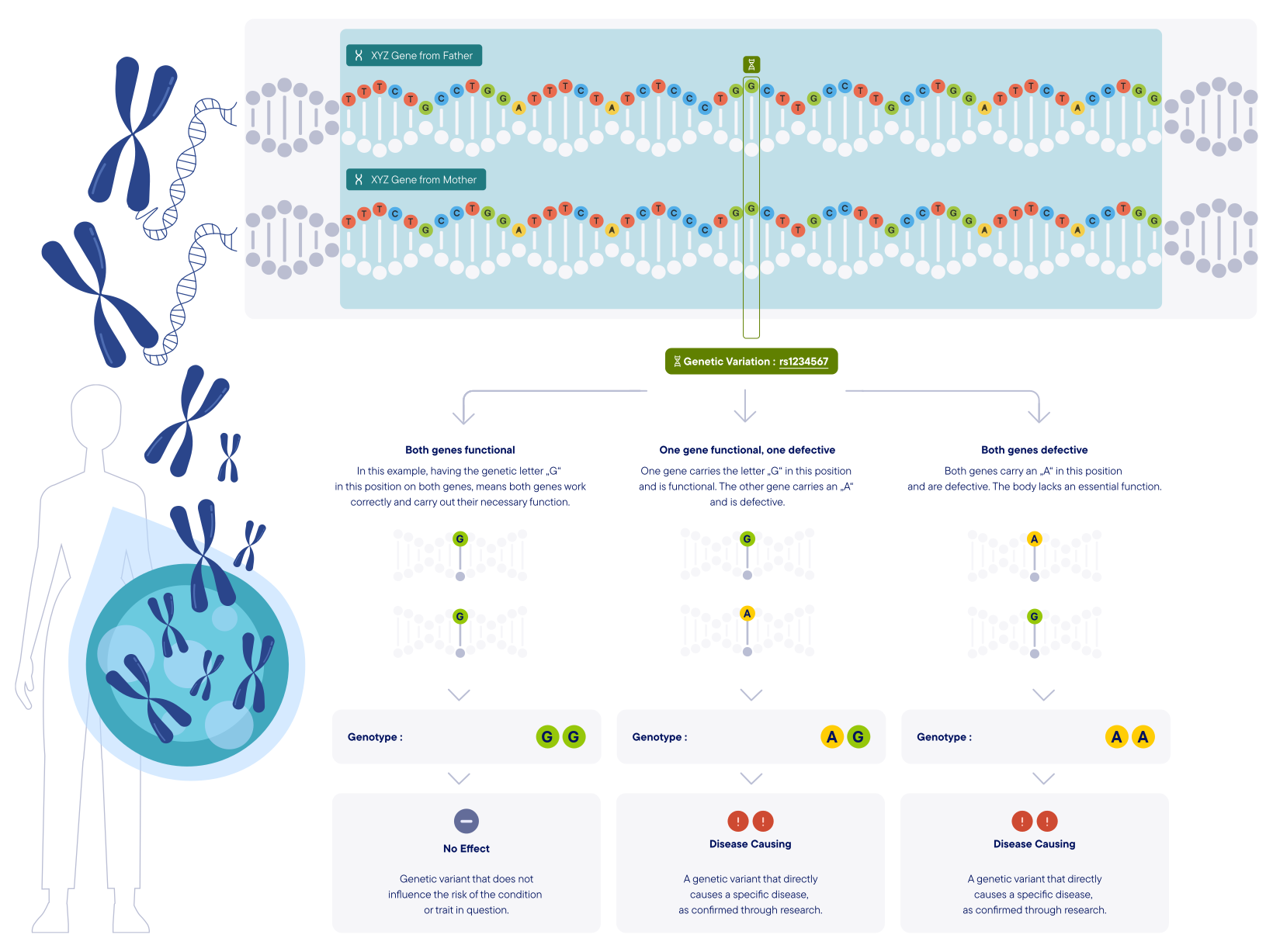
Humans have more than 20,000 genes, each carrying out one or a few specific functions in the body. One gene instructs the body to digest lactose from milk, another tells the body how to build strong bones and another prevents the body's cells from beginning to multiply uncontrollably and developing into cancer. As all of these genes combined are the building instructions for our body, a defect in one of these genes can have severe health consequences.
Through decades of genetic research, we know the genetic code of any healthy/functional human gene. We have also identified that in certain positions on a gene, some individuals may have a different genetic letter from the one you have. We call these hotspots "Genetic Variations" or "Variants" in short. In many cases, studies have been able to show that having the genetic letter "G" in the position makes you healthy, but having the letter "A" in the same position disrupts the gene function and causes a disease. Genopedia allows you to view these variants in genes and summarizes all that we know from scientific research, which genetic letters (Genotype) have good or bad consequences on your health or on your traits.
History
Families and communities once noticed patterns: after childbirth or a miscarriage, some women became feverish and unwell, while others recovered quickly. Midwives and doctors recorded fevers, lower belly pain, and foul-smelling discharge in the days after delivery, long before anyone knew about microbes or inflammation of the uterine lining. Community stories often described the condition as a sudden “childbed fever” that could spread through a maternity ward, especially in crowded hospitals.
From early theories to modern research, the story of acute endometritis traces a shift from observation to clear cause. In the 19th century, the idea that handwashing could prevent postpartum infection changed practice and saved lives. Over time, descriptions became more precise: doctors recognized that when bacteria enter the uterus—after birth, a miscarriage, an abortion, an intrauterine procedure, or when the cervix is open—the lining can become infected quickly. Early symptoms of acute endometritis, like fever, pelvic pain, and unusual discharge, were linked to what clinicians could see on exam and later to lab cultures showing the germs involved.
First described in the medical literature as part of “puerperal fever,” acute endometritis was once considered a single postpartum illness. As medical science evolved, it became clear that similar infections can occur outside childbirth, for example after the placement of an intrauterine device (IUD) or following certain procedures. Not every early description was complete, yet together they built the foundation of today’s knowledge.
In recent decades, awareness has grown that prompt antibiotics and careful infection control greatly reduce complications from acute endometritis. Safer delivery practices, sterile technique in operating rooms, and the routine use of preventive antibiotics for cesarean birth have reshaped outcomes. Studies mapped how different bacteria—often a mix from the vagina or bowel—behave in the uterus and how quickly treatment should start to protect fertility and prevent the infection from spreading.
Today, the history of acute endometritis guides practical steps: washing hands and using sterile instruments, screening for sexually transmitted infections when relevant, and recognizing warning signs early. Knowing the condition’s history reminds us why fever after childbirth or a procedure is never brushed off. It also explains why modern care plans are so focused on prevention, early diagnosis, and timely treatment, which together have turned a once-devastating postpartum threat into a condition that is usually controlled quickly.