
Acute disseminated encephalomyelitis without anti-MOG antibodies is a sudden, immune-related inflammation of the brain and spinal cord. People with this condition often develop headache, fever, confusion, weakness, balance problems, or vision changes over hours to days. It usually follows a viral illness or, less often, a vaccination, and most recover over weeks to months with treatment. Doctors typically use high-dose steroids first, and may add IVIG or plasma exchange if needed. Most people, including children and young adults who are most often affected, survive and do well, though a small number have lasting neurologic problems.
Overview
Acute disseminated encephalomyelitis without anti-mog antibodiesSymptoms
Acute disseminated encephalomyelitis without anti-MOG antibodies often starts abruptly after a recent infection. Symptoms can include fever, severe headache, confusion or sleepiness, vision changes, seizures, and weakness, numbness, or trouble walking and balance. Children may be hit harder than adults.
Outlook and prognosis
Most people with acute disseminated encephalomyelitis without anti‑MOG antibodies improve over weeks to months, often with meaningful recovery. A smaller group has lingering issues like fatigue, slowed thinking, or balance changes. Recurrence is uncommon but can happen; close follow‑up helps.
Causes and risk factors
Risk factors for acute disseminated encephalomyelitis without anti‑MOG antibodies include a recent viral or bacterial infection and, rarely, vaccination; it’s more common in children. The trigger is an immune misfire; genetic influences are unclear, and lifestyle factors aren’t established.
Genetic influences
Genetics plays a limited, not well-defined role in acute disseminated encephalomyelitis without anti‑MOG antibodies. Most cases follow an immune trigger, such as an infection or vaccination, rather than inherited risk. No consistent genetic variants are proven to drive susceptibility.
Diagnosis
Diagnosis of Acute disseminated encephalomyelitis without anti‑MOG antibodies relies on sudden neurologic symptoms, MRI showing widespread demyelination, and spinal‑fluid studies. Blood tests document negative MOG‑IgG and help exclude mimics such as multiple sclerosis or NMOSD.
Treatment and drugs
Acute disseminated encephalomyelitis without anti-MOG antibodies is usually treated promptly with high-dose corticosteroids to calm brain and spinal cord inflammation. If recovery is slow or symptoms recur, doctors may use IVIG or plasma exchange. Rehabilitation—physical, occupational, and cognitive therapy—supports day-to-day function.
Symptoms
Sudden neurologic changes can disrupt school, work, or play, making it hard to think clearly, see well, or keep your balance. Early symptoms of Acute disseminated encephalomyelitis without anti-mog antibodies often start over hours to a couple of days with fever, headache, unusual sleepiness, and new nerve-related problems. Symptoms vary from person to person and can change over time. Because this condition is acute, getting timely medical care matters if new neurologic symptoms appear.
A sudden fever with a throbbing headache is common at the start. These can come with feeling generally unwell and sensitivity to light.
Thinking may slow, with trouble focusing, irritability, or unusual sleepiness. Clinicians call this encephalopathy, which means a change in awareness or thinking. Loved ones often notice the changes first.
Sudden weakness in an arm or leg can make lifting, writing, or climbing stairs hard. In Acute disseminated encephalomyelitis without anti-mog antibodies, this can affect one side or both. Muscles may feel heavy or limp.
Unsteady walking, clumsiness, or a wide-based gait can appear. Simple tasks like buttoning a shirt or reaching for a glass may take more effort. Shaking can show up when you try to reach for something.
How people usually first notice Acute disseminated encephalomyelitis without anti-mog antibodies?
People often first notice acute disseminated encephalomyelitis (ADEM) without anti‑MOG antibodies after a recent infection or, less often, a vaccination, when sudden neurologic symptoms develop over hours to days—high fever, severe headache, confusion or sleepiness, unsteady walking, vision changes, or new weakness or numbness on one side of the body. In children and young adults, families may see abrupt behavior changes, seizures, or trouble speaking, prompting an urgent evaluation; doctors typically recognize the pattern with a neurologic exam and brain MRI showing widespread inflammation. These first signs of acute disseminated encephalomyelitis without anti‑MOG antibodies usually appear as a single, rapidly evolving episode rather than slowly progressive symptoms.
Types of Acute disseminated encephalomyelitis without anti-mog antibodies
Acute disseminated encephalomyelitis (ADEM) without anti‑MOG antibodies is usually described by clinical patterns rather than distinct genetic variants. Clinicians often describe them in these categories: the classic, single‑episode form; cases with a short relapse within months (sometimes called multiphasic or recurrent); and a severe fulminant form. Not everyone will experience every type. Understanding these types of ADEM can help make sense of early symptoms of ADEM and what to watch for over time.
Monophasic ADEM
One sudden episode of brain and spinal cord inflammation after a trigger like a viral illness or vaccine. Symptoms can include fever, headache, confusion, weakness, and vision changes that build over hours to days. Most people improve over weeks with treatment and rehab.
Multiphasic ADEM
A new inflammatory episode appears after partial recovery, usually within 3 months but sometimes up to 6–12 months. The second wave brings new symptoms or new MRI spots rather than just a flare of the old ones. Doctors monitor closely to be sure it is not evolving into another condition like multiple sclerosis.
Recurrent ADEM
Symptoms return but mirror the first episode rather than introducing new areas of involvement. People may notice similar problems—such as the same side weakness or similar vision issues—and MRI shows lesions in the same locations. This pattern is uncommon and needs careful follow‑up.
Fulminant ADEM
A rare, very severe form that escalates quickly with deep confusion, seizures, or coma. People may need intensive care, high‑dose steroids, plasma exchange, or IVIG to stabilize the immune attack. Recovery can be slower and may leave lasting difficulties.
Spinal‑predominant ADEM
Inflammation mainly affects the spinal cord, leading to limb weakness, numbness, or bladder issues. Walking can suddenly feel unsteady, and legs may feel heavy or weak. MRI focuses on the cord to guide treatment.
Brainstem‑predominant ADEM
Symptoms center on the brainstem with double vision, facial weakness, swallowing trouble, or balance problems. Nausea and dizziness can stand out more than headache or fever. MRI highlights lesions in the brainstem to confirm the pattern.
What genetics can tell you about symptoms
Some people with variants in immune-regulating genes like HLA or IL-2RA may have more abrupt fevers, severe headaches, and confusion when ADEM flares, because these changes can prime the immune system to overreact. Variants in myelin-repair genes may link to worse limb weakness or slower recovery.
Causes and risk factors
Acute disseminated encephalomyelitis without anti‑MOG antibodies often follows an infection, when the immune system misfires and inflames the brain and spinal cord. Less often, it can happen after a vaccination or another immune stress, but this is rare. In this anti‑MOG negative form, that antibody is absent, so other immune targets are likely involved. Common risk factors for acute disseminated encephalomyelitis without anti‑MOG antibodies include a recent viral or bacterial illness and younger age, while clear genetic or lifestyle risks are not well defined. Having risk factors doesn’t mean you’ll definitely develop the condition.
Environmental and biological risk factors
Understanding what raises risk for acute disseminated encephalomyelitis without anti-MOG antibodies can help you notice patterns around infections and timing. Doctors often group risks into internal (biological) and external (environmental). These factors can raise the odds but do not guarantee the condition, and many people with similar exposures stay well. Below are key environmental and biological risk factors for acute disseminated encephalomyelitis.
A viral or bacterial illness in the prior few weeks can spark an immune overreaction that targets the nerve coating (myelin) in the brain and spinal cord. This is the most common environmental link for acute disseminated encephalomyelitis without anti-MOG antibodies. Most people recover from colds or stomach bugs without any nervous system issues.
Children, especially those in primary school years, develop acute disseminated encephalomyelitis more often than adults. Immune systems that are still maturing may be more prone to a short-lived misdirection after an infection.
Slightly more males develop acute disseminated encephalomyelitis than females in many reports. The difference is small, and most boys never develop the condition even after common infections.
Acute disseminated encephalomyelitis tends to appear more often in late winter and early spring, when respiratory viruses circulate widely. More frequent infections in these seasons may help explain the timing.
Genetic risk factors
Most people with ADEM without anti-MOG antibodies do not have a single inherited cause. The genetic risk factors for acute disseminated encephalomyelitis seem to involve small differences in immune system genes that can nudge the body toward inflammation. Risk is not destiny—it varies widely between individuals. Research is still mapping these patterns, and no routine genetic test can diagnose or predict this condition.

Single-gene cause: No single gene has been shown to cause ADEM without anti-MOG antibodies. Familial cases are exceptionally rare.
HLA class II variation: Differences in HLA immune markers may shape how the body presents myelin-related proteins to the immune system. Small studies suggest certain HLA patterns could raise or lower risk in ADEM without anti-MOG antibodies.
Polygenic immune load: Many common gene variants each add a tiny effect. Together they may tip the immune system toward a brief attack in ADEM without anti-MOG antibodies. These scores remain research tools rather than clinical tests.
Family autoimmunity: Having close relatives with autoimmune conditions can signal shared inherited susceptibility. This does not mean ADEM itself runs in families.
Sex-chromosome effects: Genes on the X chromosome help regulate immune responses. These differences may contribute to the slight sex patterns seen in ADEM, but they are not a direct cause.
Ancestry-linked genes: HLA and other immune gene frequencies vary across ancestries. This can shift population-level risk patterns without predicting an individual person’s chances.
Rare immune defects: Uncommon variants that disrupt immune regulation can heighten vulnerability to autoimmune attacks on brain myelin. These conditions are rare and do not explain most cases of ADEM without anti-MOG antibodies.
Antibody-status differences: People with ADEM without anti-MOG antibodies may have a different genetic backdrop than those with MOG-positive disease. Evidence so far is limited, and no specific genes clearly separate these groups yet.
Lifestyle risk factors
Lifestyle habits do not cause this condition, but they can influence symptom severity, recovery speed, and the risk of complications. This section focuses on how lifestyle affects Acute disseminated encephalomyelitis without anti-mog antibodies by shaping immune balance, energy levels, and neurologic rehabilitation. Small, targeted changes can support medical treatment and improve function during and after the acute phase.
Short or irregular sleep can disrupt immune regulation and worsen fatigue and cognitive slowing. Consistent, sufficient sleep may support recovery and reduce symptom flare-ups.
Highly processed, low-nutrient diets may promote systemic inflammation and slow neural repair. A nutrient-dense pattern with adequate protein and omega-3s can support remyelination and energy.
Prolonged inactivity after the acute phase can worsen deconditioning, stiffness, and fatigue. Gradual, supervised activity can improve balance, endurance, and neuroplastic recovery.
Pushing too hard during acute recovery can intensify headaches, fatigue, and neurologic symptoms. Pacing and planned rest help prevent setbacks while strength returns.
Risk prevention
Acute disseminated encephalomyelitis without anti‑MOG antibodies is rare and often follows an infection, so there’s no guaranteed way to prevent it completely. You can lower risk by reducing common infections and keeping up with routine healthcare. Prevention can mean both medical steps, like vaccines, and lifestyle steps, like exercise. If you’ve had ADEM before, a plan with your neurology team can also help reduce the chance of a recurrence after future illnesses.
Staying up to date with recommended vaccines (like flu, COVID‑19, measles, and varicella) lowers infections linked to post‑infection nerve inflammation. This can reduce the chance of triggering acute disseminated encephalomyelitis.
Wash hands often, especially after public transport, school, or work, and before eating. During outbreaks, consider masks in crowded indoor spaces and avoid close contact with people who are ill.
See a clinician early for significant fever, new rash, bad sore throat, or chest symptoms that don’t improve. Treating infections promptly may lower immune overreactions that can precede ADEM.
Before travel, review needed vaccines and medicines, and use food, water, and mosquito protections. This helps prevent infections that, in rare cases, can be followed by acute disseminated encephalomyelitis.

Transmission
Acute disseminated encephalomyelitis without anti‑MOG antibodies is not contagious and does not spread from person to person. In practical terms, there is no person‑to‑person transmission of acute disseminated encephalomyelitis without anti‑MOG antibodies; it usually appears after a recent viral or bacterial illness, or rarely after a vaccination, when the immune system misfires. People with ADEM without anti‑MOG antibodies do not put family, classmates, or coworkers at risk through casual contact, coughing, or shared items. It also does not run in families, and there is no known genetic transmission.
When to test your genes
Acute disseminated encephalomyelitis (ADEM) without anti‑MOG antibodies is not typically a genetic disorder, so routine genetic testing isn’t recommended. Consider testing only if there’s a strong family history of similar demyelinating diseases or unusual, recurrent episodes. In those cases, a neurology–genetics consult can guide targeted testing.
Diagnosis
Acute disseminated encephalomyelitis without anti-mog antibodies is usually diagnosed during an acute spell of brain and nerve inflammation, often after a recent infection. People may notice sudden confusion, balance problems, or weakness that makes everyday tasks hard, prompting urgent medical checks. Doctors put the pieces together using symptoms, scans, and lab tests to rule out infections and other conditions that can look similar. Early and accurate diagnosis can help you plan ahead with confidence.
Doctors review recent illnesses, vaccines, and the time course of symptoms, then perform a detailed neurologic exam. Patterns like sudden confusion with weakness or coordination trouble raise concern for ADEM.
MRI looks for multiple large spots of inflammation in the brain’s white matter and sometimes deep gray areas. These areas often appear in both hemispheres and may enhance with contrast, supporting the diagnosis.
A spinal tap checks the fluid around the brain and spinal cord for signs of inflammation and to exclude infections. Mildly elevated white cells or protein can appear; typical multiple sclerosis markers are often absent or temporary.
Blood and spinal fluid tests look for viruses and bacteria that can mimic ADEM, such as encephalitis. Ruling these out is essential before confirming the diagnosis.
Stages of Acute disseminated encephalomyelitis without anti-mog antibodies
Acute disseminated encephalomyelitis without anti-mog antibodies does not have defined progression stages. It usually happens as a single, sudden episode that peaks over a few days and then gradually improves over weeks to months; early symptoms of Acute disseminated encephalomyelitis without anti-mog antibodies can include headache, fever, confusion, weakness, balance changes, or vision problems. Doctors usually start with a conversation about your symptoms and timing, then do a neurological exam. MRI brain and spine scans, a spinal fluid test (lumbar puncture), and blood tests are used to confirm inflammation and rule out look-alike conditions; testing for MOG antibodies will be negative in this form.
Outlook and prognosis
Looking at the long-term picture can be helpful. For many people with acute disseminated encephalomyelitis without anti-MOG antibodies, the first weeks are the toughest, with sudden neurologic symptoms that usually improve over days to months as inflammation settles. Many people find that symptoms like fatigue, slower thinking, or mild weakness linger for a while, then continue to ease with rest and rehabilitation. Severe relapses are uncommon in this group compared with MOG-positive cases, but they can happen, so close follow-up is important in the first year.
Doctors call this the prognosis—a medical word for likely outcomes. Most adults and children recover well after a single attack, and long-term disability is usually mild when treatment starts quickly. The risk of death is low, especially with timely steroids and supportive care in the hospital. When recovery plateaus, the most common lasting issues are reduced stamina, attention or memory slips, and balance problems; early symptoms of acute disseminated encephalomyelitis without anti-MOG antibodies don’t always predict these later effects.
Everyone’s journey looks a little different. Some people return to school or work within weeks, while others need months of therapy before everyday tasks feel smooth again. If new symptoms appear later, your team may reassess to be sure this isn’t a different condition, such as multiple sclerosis, because that would change the long-term plan. Talk with your doctor about what your personal outlook might look like, including warning signs to watch for and how to pace recovery so gains stick.
Long-term effects
After recovery, many people get back to school, work, and family life, though some notice lingering changes in energy, focus, or movement. Long-term effects vary widely, and some fade over months while others stick around at a low level. With Acute disseminated encephalomyelitis without anti-mog antibodies, the illness is usually a single attack, but a small portion later develop new neurologic events that can resemble multiple sclerosis. Follow-up over time helps catch and address any lasting issues early.
Some people notice slower recall or trouble keeping track of details. This can make multitasking or learning new steps at work or school take extra effort. Many improve over months, but subtle gaps can linger.
Concentration may tire quickly, and processing information can feel slower. Background noise or long meetings can be draining. Short breaks and pacing often help.
Deep, brain-driven fatigue can outlast other recovery. A normal day may feel heavier than before ADEM. Energy often improves gradually but can fluctuate.
Mild unsteadiness or clumsiness can persist, especially when tired. Busy environments or uneven ground may make this more noticeable. Targeted rehab can lessen these effects.
How is it to live with Acute disseminated encephalomyelitis without anti-mog antibodies?
Living with acute disseminated encephalomyelitis (ADEM) without anti-MOG antibodies is often an intense, short chapter rather than a long story. Many face a sudden storm of symptoms—headache, confusion, weakness, balance problems, or vision changes—followed by hospitalization, steroids, and focused rehabilitation, with gradual recovery over weeks to months. Day to day, fatigue, slower processing, or mood changes can linger for a while, so pacing, sleep, and follow-up with neurology and therapy teams help people regain confidence. For family and friends, the sudden onset can be frightening, but their practical support—rides, reminders, patience during conversations, and celebrating small gains—often makes recovery feel steadier and less isolating.
Treatment and drugs
Treatment for Acute disseminated encephalomyelitis without anti‑MOG antibodies focuses on calming the immune flare in the brain and spinal cord, easing symptoms, and preventing complications. First-line care usually involves high-dose corticosteroids given by vein for several days, then a short taper by mouth; a doctor may adjust your dose to balance benefits and side effects. If symptoms don’t improve enough, doctors may use intravenous immune globulin (IVIG) or plasma exchange to further quiet the immune response, and in rare, severe cases, other immune-suppressing medicines are considered. Alongside medical treatment, lifestyle choices play a role, including rest, hydration, and early rehabilitation such as physical, occupational, or speech therapy to support recovery. Although living with Acute disseminated encephalomyelitis without anti‑MOG antibodies can feel overwhelming, many people improve substantially over weeks to months and recover well with timely care.
Non-drug treatment
After the hospital stay, many people notice weakness, balance trouble, or thinking and mood changes that disrupt school, work, and daily life. Alongside medicines, non-drug therapies can speed recovery and help prevent complications. A tailored rehab plan for acute disseminated encephalomyelitis without anti-mog antibodies often combines physical, cognitive, and emotional support. The focus is on regaining independence, managing fatigue, and getting back to safe routines at your own pace.
Targeted exercises rebuild strength, balance, and walking confidence. Therapists also work on flexibility and safe transfers to reduce falls.
Training helps with daily activities like dressing, bathing, and writing. Home and equipment adaptations make tasks simpler and safer.
Therapy supports speech clarity, understanding, and attention. Swallowing strategies can improve safety with meals and drinks.
Structured tasks rebuild attention, memory, and planning. Therapists teach practical workarounds like checklists and timed breaks.
Your genes may have an impact on how drugs work for you
Genes can change how your body processes immune therapies and steroids for acute disseminated encephalomyelitis without anti-MOG antibodies, affecting dose needs and side effects. Pharmacogenetic testing sometimes helps tailor treatment, but clinical response and safety monitoring remain most important.
Pharmacological treatments
Treatment aims to calm the immune attack quickly, limit nerve damage, and help symptoms ease as the brain and spinal cord heal. First-line medications are those doctors usually try first, based on safety and how well they work in most people. Treatment typically starts promptly, often before early symptoms of acute disseminated encephalomyelitis without anti-mog antibodies have fully settled. Most medicines are given short-term, with careful follow-up to watch recovery and prevent rebound inflammation.
High-dose intravenous steroids are the standard first step to reduce inflammation fast. They’re usually given for 3–5 days in the hospital with close monitoring. This is the core treatment for acute disseminated encephalomyelitis without anti-mog antibodies.
After IV steroids, an oral steroid taper helps prevent symptoms from flaring back. Your doctor will lower the dose over weeks to balance healing and side effects.
IVIG can be used if steroids don’t help enough or aren’t tolerated. It supplies pooled antibodies that can quiet harmful immune activity. It’s given over several days, sometimes repeated based on response.
In severe, steroid- and IVIG-refractory cases, rituximab may be considered to target overactive B cells. It’s infused in a clinic and requires lab monitoring. This is reserved for selected people with relapsing or fulminant disease patterns.
Genetic influences
In acute disseminated encephalomyelitis without anti-MOG antibodies, most evidence points to a short-lived immune misfire after an infection, not something that is inherited. It’s natural to ask whether family history plays a role. To date, no single gene or predictable inheritance pattern has been linked to this condition, though subtle differences in immune-related genes may influence who is more susceptible after a trigger. Having relatives with autoimmune conditions can signal a general immune tendency, but acute disseminated encephalomyelitis without anti-mog antibodies rarely appears repeatedly within the same family. Because of this, genetic testing is not routinely recommended and cannot predict early symptoms of acute disseminated encephalomyelitis without anti-mog antibodies. If ADEM occurs very early in life or alongside unusual infections or other immune problems, doctors may sometimes look for rare inherited immune disorders, but for most people genetics play a minor role.
Is Acute disseminated encephalomyelitis without anti-mog antibodies genetic?
Genetics plays a limited, not well-defined role in acute disseminated encephalomyelitis without anti‑MOG antibodies. Most cases follow an immune trigger, such as an infection or vaccination, rather than inherited risk. No consistent genetic variants are proven to drive susceptibility.
Pharmacogenetics—how genetics influence drug effects
Treatment for acute disseminated encephalomyelitis without anti-mog antibodies usually relies on high-dose steroids, with intravenous immune globulin (IVIG) or plasma exchange added if recovery slows. Not every difference in response is genetic, but certain inherited differences can influence how safely or effectively some of these medicines work. There isn’t a validated pharmacogenetic test to set steroid doses among medications used to treat acute disseminated encephalomyelitis without anti-mog antibodies; doctors adjust based on weight, severity, and how you respond over days. Genes that affect pain medicines can matter too: if codeine or tramadol are prescribed, differences in the CYP2D6 gene can make these drugs too strong, not strong enough, or risky. If seizures occur and carbamazepine or oxcarbazepine are considered, HLA-B*15:02 testing is often recommended for people with certain Asian ancestries to lower the chance of a rare but serious skin reaction. In the uncommon situation where longer-term immune-suppressing therapy like azathioprine is used, TPMT and NUDT15 testing can guide safe dosing, and before IVIG, checking IgA levels helps reduce infusion reactions in those with inherited IgA deficiency.
Interactions with other conditions
Infections matter here: a cold, flu, or stomach bug before or during recovery can blur the picture, since fever and fatigue may overlap with brain and nerve symptoms. Doctors call it a “comorbidity” when two conditions occur together. Early symptoms of Acute disseminated encephalomyelitis without anti-mog antibodies can look a lot like a tough infection or even meningitis, so having another illness at the same time can delay diagnosis or make a flare seem worse. Acute disseminated encephalomyelitis without anti-mog antibodies can also intersect with other immune conditions; while this is uncommon, thyroid disease or lupus may coexist and may raise the chance of future immune activity in the brain or spinal cord. Some people are later found to have multiple sclerosis or a related condition instead; in anti-MOG–negative cases, clinicians keep an eye on new episodes that point to a different long-term disease. Treatments such as high-dose steroids or other immune-suppressing medicines can increase infection risk, so vaccine timing and infection prevention should be discussed with your care team.
How genes can cause diseases
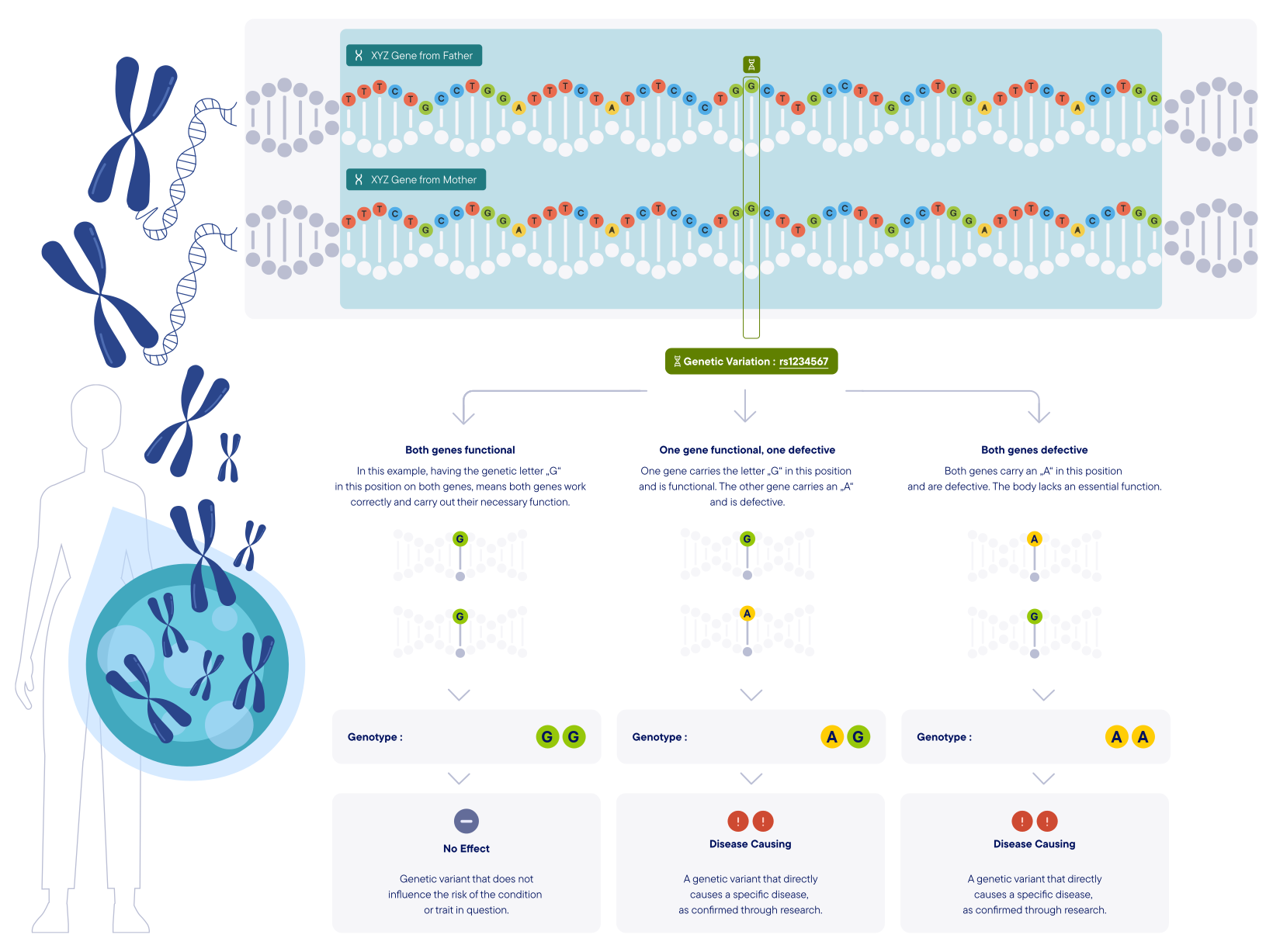
Humans have more than 20,000 genes, each carrying out one or a few specific functions in the body. One gene instructs the body to digest lactose from milk, another tells the body how to build strong bones and another prevents the body's cells from beginning to multiply uncontrollably and developing into cancer. As all of these genes combined are the building instructions for our body, a defect in one of these genes can have severe health consequences.
Through decades of genetic research, we know the genetic code of any healthy/functional human gene. We have also identified that in certain positions on a gene, some individuals may have a different genetic letter from the one you have. We call these hotspots "Genetic Variations" or "Variants" in short. In many cases, studies have been able to show that having the genetic letter "G" in the position makes you healthy, but having the letter "A" in the same position disrupts the gene function and causes a disease. Genopedia allows you to view these variants in genes and summarizes all that we know from scientific research, which genetic letters (Genotype) have good or bad consequences on your health or on your traits.
History
Throughout history, people have described sudden illnesses that began after a fever or rash and left someone confused, weak, or with vision changes that slowly improved over weeks. Families and communities once noticed patterns: a child might be recovering from a cold or measles, then a week later become unusually sleepy and unsteady, sometimes needing hospital care, and eventually getting better with time and rest. Today, we recognize one of these post-infection brain inflammations as acute disseminated encephalomyelitis without anti‑MOG antibodies, often shortened to ADEM without MOG.
First described in the medical literature as a post‑infectious “encephalitis,” ADEM was initially grouped with other brain and spinal cord inflammations because all caused sudden neurologic symptoms. Early doctors connected it to recent infections or vaccinations, noting that symptoms tended to come all at once and then resolve, which set it apart from conditions like multiple sclerosis that typically relapse over time. As medical science evolved, careful follow‑up showed that many, especially children, had a single episode and recovered well, strengthening the idea that ADEM was a distinct, mostly one‑time event.
With modern imaging, patterns on brain MRI helped clinicians separate ADEM from look‑alike disorders. Later, blood tests identified antibodies against a myelin‑related protein called MOG in some people with ADEM‑like illness. This discovery split what was once one bucket into subgroups. ADEM without anti‑MOG antibodies refers to those who have the clinical picture and MRI features of ADEM but test negative for MOG antibodies. Despite evolving definitions, the core story stayed consistent: a brief delay after an infection, followed by widespread inflammation in the brain and sometimes the spinal cord, then gradual improvement.
In recent decades, awareness has grown that ADEM without MOG occurs across ages but is most common in school‑age children and adolescents. Outbreaks after certain infections once led to worries about long‑term harm, yet long‑term studies showed that most people recovered significantly, often returning to school or work with little to no lasting disability. Medical classifications changed as researchers tracked outcomes and refined criteria, aiming to distinguish a one‑time inflammatory surge from conditions that relapse or require different treatments.
Current studies build on a long tradition of observation, asking why some develop ADEM without MOG after common infections while most do not. The leading idea is an immune misfire that briefly targets myelin, the protective coating on nerves, in a pattern more like a sudden storm than a slow, repeating cycle. Understanding this history—how ADEM was noticed, named, and narrowed—explains why doctors order both MRI and antibody tests, and why a negative MOG test helps confirm the diagnosis of acute disseminated encephalomyelitis without anti‑mog antibodies while guiding treatment and follow‑up.