
Acute disseminated encephalomyelitis with anti‑MOG antibodies is an inflammatory attack on the brain and spinal cord that often follows an infection or, less often, a vaccine. People with this condition can have sudden headaches, fever, confusion, weakness, vision loss, or trouble with balance. Many improve with prompt treatment, and doctors often use high‑dose steroids first and may add IVIG or plasma exchange if needed. Relapses can occur, and some need longer‑term medicines to prevent new attacks. Not everyone will have the same experience, and most people—children more often than adults—recover well with timely care.
Overview
Acute disseminated encephalomyelitis with anti-mog antibodiesSymptoms
Acute disseminated encephalomyelitis with anti‑MOG antibodies often begins abruptly with fever, severe headache, confusion, or marked sleepiness. Early symptoms can also include eye pain or vision loss, limb weakness or numbness, unsteady walking, and seizures.
Outlook and prognosis
Many with acute disseminated encephalomyelitis with anti‑MOG antibodies improve substantially over weeks to months, especially with prompt treatment. Some experience relapses; ongoing follow‑up helps guide prevention and recovery. Most regain independence, though mild attention, mood, or movement changes can persist.
Causes and risk factors
Acute disseminated encephalomyelitis with anti‑MOG antibodies usually follows a recent infection, and rarely a vaccination, when the immune system misfires against myelin. Risk is higher in children; genetics play little role, with environment and immune triggers dominating.
Genetic influences
Genetics play a limited role in acute disseminated encephalomyelitis with anti-MOG antibodies. Most cases are not inherited and often follow infections or, rarely, vaccinations. Known genetic variations don’t reliably predict risk, severity, or outcomes.
Diagnosis
Doctors diagnose acute disseminated encephalomyelitis with anti‑MOG antibodies using the clinical picture and MRI, plus blood tests for MOG‑IgG with a cell‑based assay. Spinal fluid studies help exclude infection. If results are unclear, repeat testing and follow‑up imaging guide diagnosis.
Treatment and drugs
Treatment focuses on calming brain and spinal cord inflammation and preventing relapses. Many with acute disseminated encephalomyelitis with anti-MOG antibodies improve with high-dose steroids, sometimes followed by IVIG or plasma exchange; relapsing courses may need longer immune therapy.
Symptoms
Acute disseminated encephalomyelitis with anti-mog antibodies is a sudden inflammatory attack on the brain, optic nerves, and spinal cord that can disrupt daily routines quickly. The early symptoms of Acute disseminated encephalomyelitis with anti-mog antibodies can include headache, fever, tiredness, and a rapid shift into confusion or sleepiness. Symptoms vary from person to person and can change over time. For many, this evolves over hours to days into vision changes, limb weakness, balance problems, or seizures that need prompt medical attention.
Headache, fever, and feeling generally unwell can appear early. These often come before more obvious nerve symptoms begin.
Confusion, irritability, or unusual sleepiness can come on quickly. This reflects swelling and inflammation in the brain. Loved ones often notice the changes first.
Blurred or dim vision, eye pain, or loss of color vision can occur. This can affect one or both eyes and may worsen with eye movement. In Acute disseminated encephalomyelitis with anti-mog antibodies, optic neuritis is common.
Sudden weakness in an arm, a leg, or both legs can develop. You might find it hard to grip objects, stand from a chair, or climb stairs. In Acute disseminated encephalomyelitis with anti-mog antibodies, weakness can involve both legs if the spinal cord is inflamed.
How people usually first notice Acute disseminated encephalomyelitis with anti-mog antibodies?
Many first notice something is wrong after a recent infection or vaccination when, over a day or two, sudden neurologic symptoms appear—intense headache, fever, profound fatigue, confusion or sleepiness, and new problems with balance, vision, or limb weakness. In children especially, seizures or rapid changes in behavior or alertness can be early red flags that prompt an urgent hospital visit. Doctors often suspect ADEM and later confirm anti‑MOG antibody involvement with MRI brain/spine scans and blood tests, so the “first signs of acute disseminated encephalomyelitis with anti‑MOG antibodies” are typically these abrupt, widespread neurologic changes following a trigger.
Types of Acute disseminated encephalomyelitis with anti-mog antibodies
Acute disseminated encephalomyelitis with anti‑MOG antibodies (often shortened to MOGAD-ADEM) can show up in a few recognizable ways, especially in children but also in adults. Daily life often makes the differences between symptom types clearer: some people have sudden fatigue, confusion, or trouble walking after a recent infection, while others mainly notice vision changes or bladder issues. Clinicians often describe them in these categories: brain-centered attacks like classic ADEM, optic nerve inflammation (optic neuritis), spinal cord inflammation (myelitis), or combinations of these. Not everyone will experience every type, and the balance of symptoms can shift over time.
Classic ADEM pattern
This type centers on brain inflammation with headaches, fever, confusion, sleepiness, and sometimes seizures. People may have weakness or trouble with balance that builds over hours to days. Early symptoms of acute disseminated encephalomyelitis with anti‑MOG antibodies often follow a recent viral illness or vaccination.
Optic neuritis
This involves inflammation of the nerve to the eye, causing blurred or dim vision and pain with eye movement. One or both eyes can be affected, and color vision may look washed out. Recovery can be strong, but some have lingering patchy blind spots.
Transverse myelitis
This affects the spinal cord, leading to leg or arm weakness, numbness, and a tight “band-like” sensation across the chest or abdomen. Bladder or bowel urgency and constipation can occur, and walking may feel heavy or unsteady. Symptoms often spread over 24–72 hours.
ADEM with optic neuritis
Brain symptoms occur together with vision loss, blending features of both patterns. Fatigue, confusion, and unsteady gait may coincide with eye pain and blurred sight. Types of acute disseminated encephalomyelitis with anti‑MOG antibodies can overlap like this.
Recurrent or multiphasic
Some experience new attacks months to years later that repeat a prior pattern or switch to another, such as a later optic neuritis after an ADEM episode. Between attacks, many return close to baseline, though fatigue or mild weakness can persist. Preventive treatment may be considered if relapses occur.
What genetics can tell you about symptoms
Some people with ADEM who have anti-MOG antibodies often develop sudden headaches, fever, confusion, weakness, or vision changes, because these antibodies mistakenly target myelin, the protective coating on nerves. This immune attack can trigger optic neuritis, seizures, and rapid balance or coordination problems.
Causes and risk factors
Common causes of acute disseminated encephalomyelitis with anti‑MOG antibodies include a recent viral or bacterial infection, and rarely a vaccine.
In this condition, the immune system mistakenly targets a myelin protein called MOG.
Risk is higher in children, and it often appears after fevers, colds, or flu-like illnesses.
Having risk factors doesn’t mean you’ll definitely develop the condition.
There is no clear inherited cause, and lifestyle changes have limited impact beyond lowering exposure to infections.
Environmental and biological risk factors
Risk for ADEM with anti‑MOG antibodies often reflects what the immune system has faced recently. Doctors often group risks into internal (biological) and external (environmental). Questions about early symptoms of acute disseminated encephalomyelitis with anti-mog antibodies often come up, but here we focus on what raises the chance that it appears or returns. Below are the environmental exposures and body-based factors most often linked with this condition.
Many cases begin 1–4 weeks after a cold, flu, or other infection. Germs can rev up the immune system so it mistakenly targets the myelin that insulates nerves. This post-infection timing is especially common in children.
A very small number of cases occur shortly after vaccination. This appears to be a rare immune reaction, and overall vaccines prevent infections that carry a higher risk of ADEM.
ADEM with anti‑MOG antibodies is reported more often when respiratory viruses circulate widely. Increased community virus exposure likely raises the chance of a triggering infection.
Children, especially those under about 10 years, are more likely to develop ADEM with anti‑MOG antibodies. Their immune systems are still maturing, which may make post‑infection misfires more likely.
Genetic risk factors
Most people with acute disseminated encephalomyelitis with anti-MOG antibodies do not have a clear inherited cause. So far, no single gene explains who develops these antibodies, and most cases happen sporadically rather than running in families. Researchers are still mapping genetic risk factors for acute disseminated encephalomyelitis with anti-MOG antibodies, and early findings suggest only modest, non-specific immune-related influences. Risk is not destiny—it varies widely between individuals.

No single-gene cause: There is no known inherited mutation that directly causes this condition. It does not follow a predictable pattern of inheritance in families.
HLA immune genes: Differences in HLA (immune system) genes can shape how the body presents proteins to the immune system. Studies in this disease have not found a consistent HLA type across groups, suggesting any effect is small.
Family autoimmunity: Some families have multiple autoimmune conditions, which hints at a shared, low-level genetic tendency. In ADEM with anti-MOG antibodies, this pattern is not strong and does not reliably predict risk.
Many small effects: Common genetic differences across the immune system may add up to a slight increase in susceptibility. There is currently no genetic test that can predict who will develop anti-MOG antibodies.
MOG gene changes: The antibodies target the normal MOG protein, but changes in the MOG gene itself are not known to cause this condition. Finding a variant in the MOG gene has not been shown to raise risk.
Lifestyle risk factors
Daily habits can influence inflammation, recovery, fatigue, and relapse risk in this autoimmune demyelinating disorder. Evidence is still emerging, but several modifiable behaviors are linked to symptom severity and day‑to‑day function. Below are practical ways lifestyle choices may shape pain, vision, mobility, and cognition—i.e., how lifestyle affects Acute disseminated encephalomyelitis with anti-mog antibodies.
Regular, gentle-to-moderate exercise can reduce fatigue and improve walking, balance, and mood. Tailored programs also support neuroplasticity during recovery from relapses.
Short or fragmented sleep can amplify pain, fatigue, and brain fog. A consistent 7–9 hour schedule supports immune regulation and steadier neurologic function.
Persistent high stress may heighten inflammatory signaling and worsen symptom flares. Stress-reduction practices can stabilize energy, mood, and coping during recovery.
Diets rich in vegetables, fruits, legumes, whole grains, nuts, and omega‑3 fats may lower systemic inflammation. Highly processed, sugary foods can worsen fatigue and weight gain that strain mobility.
Risk prevention
Acute disseminated encephalomyelitis with anti‑MOG antibodies (often called MOGAD when it relapses) is usually triggered by an infection, so true prevention isn’t always possible. Prevention is about lowering risk, not eliminating it completely. Practical steps focus on avoiding infections, spotting early symptoms quickly, and staying on top of follow‑up care to reduce flares and long‑term problems. Your care team can tailor these steps to your age, health, and relapse history.
Wash hands often and avoid close contact with people who are sick. Treat colds, flu, or other infections promptly to lower the chance of immune flare‑ups that can precede acute disseminated encephalomyelitis.
Staying up to date with standard vaccines reduces infections that can trigger immune attacks. If you recently had ADEM with anti‑MOG antibodies, ask your neurologist about timing before getting any shots.
Seek urgent care if new neurological symptoms appear, such as sudden confusion, severe headache, weakness, or vision loss. Catching early symptoms of acute disseminated encephalomyelitis allows faster treatment that may limit inflammation and complications.
Schedule regular visits and imaging as advised to watch for relapse. Screenings and check-ups are part of prevention too.

Transmission
Acute disseminated encephalomyelitis with anti-MOG antibodies is not contagious. It doesn’t spread through coughing, touch, sex, or blood, and there’s no person-to-person transmission or known inheritance.
Many cases follow a recent viral illness or, less often, a vaccination, when the immune system misfires and targets the brain and spinal cord’s covering. That trigger comes from your own immune response—not from carrying an active infection others can catch—so family, classmates, and coworkers are not at risk.
When to test your genes
Consider genetic testing if you have a strong family history of demyelinating or autoimmune neurologic disease, unusually early or recurrent episodes, or features that don’t fit typical ADEM. While ADEM with anti-MOG antibodies is usually not genetic, testing can clarify overlapping syndromes and guide surveillance. Discuss timing with a neurologist or genetic counselor.
Diagnosis
People with Acute disseminated encephalomyelitis with anti-mog antibodies often notice sudden changes that disrupt daily life, like a severe headache, confusion, unsteady walking, or blurred vision that develops over hours to days. These symptoms typically follow a recent infection, and in children can include sleepiness or behavior changes. Doctors usually begin by listening to your story and doing a focused neurologic exam, then use tests to confirm the cause and rule out look-alike conditions. The goal is a clear, timely diagnosis so treatment can start quickly.
Clinicians look for a rapid timeline after a recent infection or vaccination and for symptoms such as confusion, weakness, balance trouble, or vision loss. On exam, they note multiple neurologic signs, and in children, encephalopathy can be a key feature. This pattern raises suspicion for ADEM with anti‑MOG antibodies.
MRI typically shows large, patchy areas of inflammation in the brain’s white matter and sometimes the spinal cord. Contrast dye may highlight active spots, helping distinguish this condition from multiple sclerosis. Imaging also helps identify complications that need urgent treatment.
A spinal tap checks the fluid around the brain and spinal cord for cell counts, protein, and markers like oligoclonal bands. In ADEM, cells and protein may be mildly elevated, while oligoclonal bands are often absent compared with multiple sclerosis. CSF testing also helps rule out infections.
A blood test using a live cell–based assay looks for MOG-IgG antibodies. A positive result at onset strongly supports the diagnosis of Acute disseminated encephalomyelitis with anti-mog antibodies. Repeat testing later can show whether antibodies persist or clear after recovery.
Stages of Acute disseminated encephalomyelitis with anti-mog antibodies
Acute disseminated encephalomyelitis with anti-MOG antibodies does not have defined progression stages. It typically starts as a sudden inflammatory attack of the brain and spinal cord, followed by improvement over weeks to months; some people may have later relapses, but these are separate episodes rather than a stepwise progression. Early symptoms of acute disseminated encephalomyelitis with anti-MOG antibodies can include headache, fever, confusion, weakness, unsteadiness, or vision changes, and doctors pair this history with a neurological exam and MRI scans to look for areas of inflammation. Different tests may be suggested to help confirm the diagnosis, such as a blood test for MOG antibodies and sometimes a lumbar puncture to check spinal fluid, with follow-up MRI to monitor recovery.
Outlook and prognosis
Looking ahead can feel daunting, but many people with acute disseminated encephalomyelitis with anti‑MOG antibodies recover well over weeks to months, especially with timely treatment like steroids, IVIG, or plasma exchange. Doctors call this the prognosis—a medical word for likely outcomes. In the short term, hospital care focuses on reducing brain and spinal cord inflammation and preventing complications such as severe weakness, vision loss, or bladder issues. Early care can make a real difference, and many children—and a good number of adults—regain most or all of their function, returning to school, work, and daily routines.
Over the longer term, the outlook is not the same for everyone, but about half or more will have a single attack and not relapse, while others may have new episodes months or years later. When doctors talk about “remission,” they mean symptoms have eased or disappeared for a while, which is common between attacks. Relapses, if they happen, often involve optic neuritis (eye pain and vision changes) or new neurologic symptoms; early symptoms of acute disseminated encephalomyelitis with anti‑MOG antibodies that return should prompt quick medical review. Maintenance treatments may be considered after a relapse to reduce future attacks, and most people with ongoing care maintain good day‑to‑day function.
Death from acute disseminated encephalomyelitis with anti‑MOG antibodies is uncommon with modern care, and long‑term disability is less frequent than in conditions like multiple sclerosis. Some may notice mild lasting issues—fatigue, slower processing speed, or mood changes—even after physical strength comes back, so rehab and cognitive support can help. Talk with your doctor about what your personal outlook might look like. Knowing what to expect can ease some of the worry and helps you and your care team plan follow-up scans, eye checks, and preventive steps tailored to your pattern of recovery.
Long-term effects
Acute disseminated encephalomyelitis with anti-MOG antibodies can leave some people with lasting changes in thinking, energy, or movement that show up in everyday tasks like school, work, or driving. Long-term effects vary widely and can improve over months to years. Here’s what doctors and research know about how the condition may affect the long run, including common long-term effects of acute disseminated encephalomyelitis with anti-MOG antibodies. Many, especially children, recover well, though a smaller group may notice ongoing issues or relapses.
Trouble with attention, processing speed, or memory can linger after recovery. You might find multitasking or keeping up with fast conversations harder than before.
Deep tiredness can persist even after normal sleep. In anti-MOG ADEM, this may limit school or work endurance more than expected.
Mild weakness, clumsiness, or slower coordination can remain. Walking long distances or fine motor tasks may take extra effort.
Blurred vision, color dullness, or light sensitivity can follow prior optic nerve swelling. In MOG antibody-associated ADEM, most vision improves, but subtle differences may continue.
How is it to live with Acute disseminated encephalomyelitis with anti-mog antibodies?
Living with acute disseminated encephalomyelitis (ADEM) with anti-MOG antibodies can feel unpredictable at first, with sudden neurologic symptoms like weakness, balance problems, vision changes, or fatigue disrupting school, work, and daily routines. Many improve substantially with treatment over weeks to months, though recovery can be uneven, and some people notice lingering fatigue, slowed thinking, or mood changes that make pacing, rehabilitation, and follow-up care important. Families, friends, and coworkers often play a key role—helping with appointments, transportation, or childcare—and benefit from clear guidance on what to expect and how to support rest and gradual return to activities. For many, understanding that relapses can occur but are usually manageable with prompt care helps reduce fear and keep life plans moving forward.
Treatment and drugs
Treatment for acute disseminated encephalomyelitis with anti‑MOG antibodies (often shortened to MOGAD-ADEM) focuses on calming the immune attack quickly and preventing relapses. In the hospital, doctors usually start high‑dose corticosteroids given through a vein for a few days, then switch to a tapering course by mouth; if recovery is incomplete, intravenous immune globulin (IVIG) or plasma exchange may be added to help clear harmful antibodies. Supportive care can make a real difference in how you feel day to day, including careful hydration, fever control, and early physical and occupational therapy to rebuild strength and balance. To lower the chance of future attacks in people with relapsing MOG‑antibody disease, specialists may recommend longer‑term preventive medicines such as low‑dose oral steroids, mycophenolate, azathioprine, rituximab, or monthly IVIG, with regular check‑ins to fine‑tune the plan. Ask your doctor about the best starting point for you, since dosing and duration often depend on age, symptom severity, recovery on MRI, and how you responded to early treatment.
Non-drug treatment
Recovery from Acute disseminated encephalomyelitis with anti-mog antibodies often focuses on rebuilding strength, balance, thinking skills, and confidence after the initial inflammation settles. Alongside medicines, non-drug therapies can speed functional recovery and lower the risk of lasting problems. Plans are tailored, since symptoms and pace of healing vary from person to person. Your team may combine several approaches and adjust them as you regain skills.
Targeted exercises rebuild strength, balance, and coordination after a relapse. Therapists progress activities from basic movements to more complex walking and endurance tasks.
Practical training helps with dressing, cooking, and school or work tasks. Adaptive strategies and tools reduce effort while you recover from Acute disseminated encephalomyelitis with anti-mog antibodies.
Speech-language specialists address slurred speech, word-finding, or swallowing difficulties. Therapy can improve clarity, safety with meals, and confidence in conversation.
Structured tasks rebuild attention, memory, and processing speed that may dip after inflammation. Therapists teach compensatory strategies like note systems and pacing.
Your genes may have an impact on how drugs work for you
Genes can affect how your body breaks down certain ADEM treatments, like steroids or immunotherapies, changing how strong or long their effects last. Because of this, doctors may adjust doses or choose alternatives to balance benefit and side effects.
Pharmacological treatments
Treatment for acute disseminated encephalomyelitis with anti-MOG antibodies aims to quickly calm inflammation, speed recovery, and lower the chance of future attacks. Sometimes medicines are taken short-term (acute treatment), while others are used long-term (maintenance therapy). Doctors choose based on how severe the attack is, how you respond to the first medicine, and whether you’ve had relapses. Getting prompt care can matter; people sometimes ask about early symptoms of acute disseminated encephalomyelitis with anti-MOG antibodies when deciding to seek urgent evaluation.
High-dose IV methylprednisolone is usually given first to quiet the immune flare and reduce brain and spinal cord swelling. Treatment typically lasts a few days in the hospital and often leads to faster symptom improvement.
A gradual prednisone taper may follow IV steroids to prevent rebound inflammation. The dose is lowered stepwise over weeks while monitoring sleep, mood, and blood sugar.
Intravenous immunoglobulin can be added if recovery with steroids is incomplete or if steroids aren’t suitable. It works by balancing the immune response and is given over several days.
Plasma exchange (PLEX) removes circulating antibodies, including anti-MOG, and can help in severe or steroid-resistant attacks. It is done in the hospital over several sessions.
Genetic influences
People sometimes ask whether Acute disseminated encephalomyelitis with anti-mog antibodies is hereditary. Having a genetic risk is not the same as having the disease itself. Current research points to ADEM with anti-MOG antibodies as mostly an immune response—often after an infection—rather than something passed down in a simple pattern. No single gene has been shown to cause it, and family clusters are uncommon; some immune-system genes may slightly influence susceptibility, but they don’t reliably predict who will become ill. Because of this, routine genetic testing isn’t used to diagnose or estimate risk for anti-MOG–related ADEM. If several relatives live with autoimmune or demyelinating conditions, it’s still worth sharing that history with your clinician, though today’s care focuses more on antibody testing and clinical features than on inherited risk.
Is Acute disseminated encephalomyelitis with anti-mog antibodies genetic?
Genetics play a limited role in acute disseminated encephalomyelitis with anti-MOG antibodies. Most cases are not inherited and often follow infections or, rarely, vaccinations. Known genetic variations don’t reliably predict risk, severity, or outcomes.
Pharmacogenetics—how genetics influence drug effects
People with Acute disseminated encephalomyelitis with anti‑MOG antibodies are commonly treated with high‑dose steroids, intravenous immunoglobulin (IVIG), or, if relapses occur, longer‑term immune‑suppressing medicines. Genes can influence how quickly you process certain drugs used in this condition, particularly azathioprine, which some doctors use to help prevent future flare‑ups. Differences in two genes, called TPMT and NUDT15, can make azathioprine build up to higher levels, raising the risk of very low blood counts and infections; a simple blood or saliva test can guide dosing or suggest a different option. For steroids, IVIG, rituximab, mycophenolate, or plasma exchange, there isn’t a widely used genetic test to steer treatment right now, so choices are based on your symptoms, response, and side‑effect history. Pharmacogenetic testing in Acute disseminated encephalomyelitis with anti‑MOG antibodies isn’t routine, but checking TPMT/NUDT15 before starting azathioprine is standard in many clinics. Many factors beyond genetics—such as age, other medicines, and timing of therapy—also shape how well treatment works and the chance of side effects.
Interactions with other conditions
Colds, flu, or other infections sometimes come just before a flare, and some people notice neurological symptoms worsen again if they get sick while recovering. Doctors call it a “comorbidity” when two conditions occur together. In Acute disseminated encephalomyelitis with anti-mog antibodies, other autoimmune diseases like thyroid disease or type 1 diabetes are less common than in similar disorders, but they can still occur, so your care team may screen based on symptoms or family history. Early symptoms of Acute disseminated encephalomyelitis with anti-mog antibodies can look a lot like viral encephalitis or even multiple sclerosis (MS), which can delay the right treatment; neuromyelitis optica spectrum disorder (NMO) can also appear similar, but it usually has different blood markers and patterns over time. Allergic conditions such as eczema or asthma appear a bit more frequent in some studies, and while they don’t cause flares, active allergies or the medicines used for them can complicate steroid tapers or trigger headaches and fatigue that blur the picture. If long-term immune therapy is needed, your team will review vaccine timing and infection prevention, and they’ll check that medicines for other conditions don’t interfere with treatments like steroids, IVIG, or plasma exchange.
How genes can cause diseases
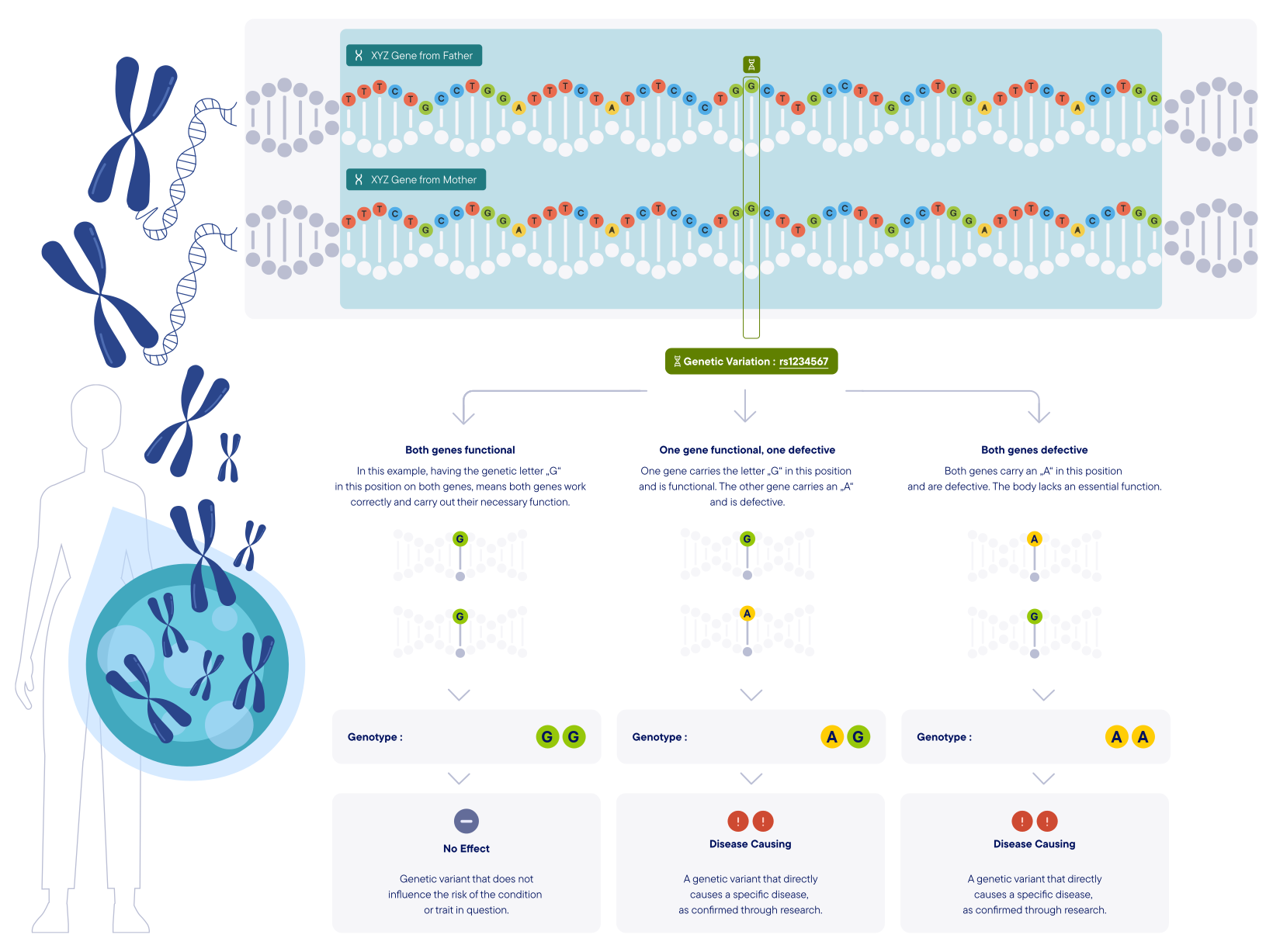
Humans have more than 20,000 genes, each carrying out one or a few specific functions in the body. One gene instructs the body to digest lactose from milk, another tells the body how to build strong bones and another prevents the body's cells from beginning to multiply uncontrollably and developing into cancer. As all of these genes combined are the building instructions for our body, a defect in one of these genes can have severe health consequences.
Through decades of genetic research, we know the genetic code of any healthy/functional human gene. We have also identified that in certain positions on a gene, some individuals may have a different genetic letter from the one you have. We call these hotspots "Genetic Variations" or "Variants" in short. In many cases, studies have been able to show that having the genetic letter "G" in the position makes you healthy, but having the letter "A" in the same position disrupts the gene function and causes a disease. Genopedia allows you to view these variants in genes and summarizes all that we know from scientific research, which genetic letters (Genotype) have good or bad consequences on your health or on your traits.
History
Families and communities once noticed patterns that puzzled them: a child recovering from a cold or a rash illness who, days later, suddenly became weak, unsteady, or unusually sleepy. Before scans and blood tests, doctors relied on the timeline—an infection first, then a quick change in thinking or movement—to recognize what we now call acute disseminated encephalomyelitis with anti‑MOG antibodies.
First described in the medical literature as a post‑infectious “inflammation of the brain and spinal cord,” it was initially grouped with other sudden neurologic illnesses seen after measles, rubella, or smallpox vaccination in the early and mid‑20th century. As medical science evolved, early reports emphasized fever and confusion followed by widespread nerve inflammation, especially in children. The condition was treated as a single entity for decades, partly because tools to separate look‑alike disorders did not exist.
Magnetic resonance imaging in the 1980s and 1990s changed the picture. Doctors could finally see the “spots” of inflammation across the brain’s white matter and, at times, the spinal cord. Even so, acute disseminated encephalomyelitis often overlapped with multiple sclerosis in appearance, and many living with ADEM were followed for years to make sure it did not become a chronic condition.
A turning point came in the late 2000s and early 2010s with advances in antibody testing. Researchers identified antibodies against myelin oligodendrocyte glycoprotein—anti‑MOG antibodies—in the blood of many children, and some adults, who had a classic ADEM episode. From these first observations, a clearer subtype emerged: ADEM with anti‑MOG antibodies, linking the sudden, widespread inflammation to a specific immune marker distinct from multiple sclerosis and from aquaporin‑4 antibody–positive neuromyelitis optica.
With better tests, patterns became clearer. Anti‑MOG–associated ADEM was noted to be more common in childhood, often following a mild infection, with large, fluffy‑appearing lesions on MRI and a strong response to steroids. Not every early description was complete, yet together they built the foundation of today’s knowledge. Clinicians learned that some people have a single attack, while a smaller group experience relapses, leading to the broader concept of MOG‑antibody–associated disease that includes ADEM presentations.
In recent decades, awareness has grown that careful history, MRI features, and antibody testing guide diagnosis and treatment. This history explains why older terms and newer names sometimes coexist in medical notes. Knowing the condition’s history helps families understand why doctors may repeat antibody tests over time and watch closely after the first event. Each stage in history has added to the picture we have today: a post‑infectious inflammatory illness in which anti‑MOG antibodies point to a specific, often steroid‑responsive form of acute disseminated encephalomyelitis.