
Acute disseminated encephalomyelitis is an inflammatory condition that affects the brain and spinal cord. It often follows a viral illness or vaccination and comes on quickly with headache, fever, confusion, or weakness. People with acute disseminated encephalomyelitis may also have vision changes, trouble walking, or seizures, and doctors may see changes on MRI. Most cases are single‑episode and improve over weeks to months with treatment, and not everyone will have the same experience. Treatment usually includes high‑dose steroids given in the hospital, and most people recover well, though severe cases can be life‑threatening.
Overview
Acute disseminated encephalomyelitisSymptoms
Acute disseminated encephalomyelitis causes sudden, flu-like illness with headache, fever, and extreme tiredness, followed by new neurologic problems. Early symptoms of acute disseminated encephalomyelitis can include confusion, weakness or numbness on one side, vision changes, balance trouble, or seizures.
Outlook and prognosis
Many people with acute disseminated encephalomyelitis improve steadily over weeks to a few months, especially with prompt treatment. Most regain usual activities, though some have lingering fatigue, mood changes, or subtle thinking or movement issues. Relapses are uncommon but can occur.
Causes and risk factors
Acute disseminated encephalomyelitis (ADEM) usually follows a recent viral or bacterial infection; rarely, it occurs after vaccination. Children are affected more often, with slight male predominance and winter–spring peaks. Genetic predisposition is unclear; lifestyle factors don’t appear to increase risk.
Genetic influences
Genetics play a limited role in acute disseminated encephalomyelitis; it’s usually triggered by an infection or, rarely, a vaccine. Still, general immune-related genetic variations may shape risk and recovery. No routine genetic testing is recommended for ADEM.
Diagnosis
Doctors diagnose acute disseminated encephalomyelitis using your story and exam, supported by MRI brain/spine showing typical inflammation. A lumbar puncture and blood tests help exclude infections and other causes. Early diagnosis of acute disseminated encephalomyelitis guides prompt treatment.
Treatment and drugs
Treatment for acute disseminated encephalomyelitis focuses on calming brain and spinal cord inflammation and easing symptoms. Doctors often use high‑dose corticosteroids first; if recovery stalls, IV immunoglobulin or plasma exchange may be added, with rehab to restore strength and thinking skills. Follow‑up checks guide tapering medicines and watch for rare relapses.
Symptoms
A sudden wave of headache, fever, and extreme tiredness can quickly make school, work, or play feel impossible. Early on, this might look like a viral illness—then new problems with thinking, balance, or vision appear within hours to days. These quick-onset changes are typical of acute disseminated encephalomyelitis (ADEM), an inflammatory attack on the brain and spinal cord. If you’re watching for early symptoms of acute disseminated encephalomyelitis, notice new neurologic issues that follow a recent infection.
Throbbing head pain and fever above 38°C (100.4°F) are common at the start. They may precede neurologic symptoms by hours to a few days.
Intense tiredness and low energy can set in quickly. Rest may not restore energy, and naps can be unusually long.
Trouble thinking clearly, unusual irritability, or sleepiness can develop. Clinicians call this encephalopathy, which means the brain isn’t working at its usual level. It is a key sign in acute disseminated encephalomyelitis.
One side or both arms or legs may feel weak. Climbing stairs, standing from a chair, or gripping objects can suddenly become hard.
How people usually first notice Acute disseminated encephalomyelitis?
Many people first notice acute disseminated encephalomyelitis (ADEM) after a recent infection or vaccination when a child or young adult suddenly develops high fever, a bad headache, unusual sleepiness, or confusion. Within hours to a couple of days, new neurologic problems can appear, such as weakness on one side, unsteady walking, vision changes, or seizures, prompting an urgent evaluation. Doctors often recognize the first signs of ADEM by this rapid, post-illness onset of brain and spinal cord inflammation symptoms and confirm it with MRI findings.
Types of Acute disseminated encephalomyelitis
Acute disseminated encephalomyelitis (ADEM) is an inflammatory attack on the brain and spinal cord that usually follows a recent infection or, less often, a vaccine. People with ADEM can have symptoms that affect thinking, movement, sensation, or vision, and these can come on over hours to days. Symptoms don’t always look the same for everyone. Clinicians often describe them in these categories:
Motor and balance
Sudden weakness, clumsiness, or trouble walking can appear on one or both sides. Some feel heavy legs or notice a limp, and falls may be more common. Muscle spasms or poor coordination can add to fatigue.
Sensory changes
Numbness, tingling, or burning pain can spread across an arm, leg, or body area. Some notice reduced touch or temperature perception. These changes may fluctuate over days.
Vision problems
Blurry or dim vision, color changes, or eye pain—especially with movement—can occur if the optic pathways are inflamed. This may affect one eye or both. Light sensitivity and reduced visual sharpness are common.
Thinking and alertness
Confusion, slowed thinking, or excessive sleepiness may develop, ranging from mild fogginess to profound drowsiness. Memory and attention can be temporarily affected. In severe cases, reduced consciousness can occur.
Speech and swallowing
Slurred speech, trouble finding words, or difficulty swallowing may appear if speech or swallowing pathways are involved. Meals can take longer and feel effortful. Choking risk may increase during flares.
Headache and fever
A throbbing or persistent headache and low-grade fever often precede or accompany other symptoms. Neck discomfort or stiffness may be present. For many, these general signs are early symptoms of ADEM.
Seizures
Some people experience brief staring spells or full-body convulsions during the acute phase. Seizures may be a first sign or appear after other symptoms start. They usually settle as inflammation resolves.
Bladder and bowel
Urgency, hesitancy, or incontinence can occur if spinal pathways are involved. Constipation may also be a problem. These symptoms often improve as inflammation quiets.
What genetics can tell you about symptoms
Some people with ADEM who carry certain HLA immune gene variants may have more severe, quicker-onset confusion, weakness, or vision loss after an infection or vaccine. Variants affecting myelin repair genes can be linked to longer-lasting fatigue, numbness, or trouble with balance.
Causes and risk factors
Acute disseminated encephalomyelitis often begins 1 to 4 weeks after a viral or bacterial infection, which can help you link early symptoms of Acute disseminated encephalomyelitis to a recent illness. The immune system misfires and inflames the myelin around nerves in the brain and spinal cord. A vaccine can very rarely act as a trigger, but infections are far more common and vaccination and good hygiene lower overall risk. Children are affected more than adults, and no strong family pattern has been shown. Some risks are modifiable (things you can change), others are non-modifiable (things you can’t).
Environmental and biological risk factors
Acute disseminated encephalomyelitis (ADEM) tends to appear suddenly, often after the immune system has been busy fighting an infection. Doctors often group risks into internal (biological) and external (environmental). Early symptoms of acute disseminated encephalomyelitis can show up 1–3 weeks after a trigger, so understanding these risks can help you know when to seek care. Below are the key environmental and biological factors linked to ADEM.
Many cases follow a viral or bacterial illness like a cold, flu, or stomach bug by about 1–3 weeks. The immune response meant to clear the germ can mistakenly inflame the brain and spinal cord. ADEM often appears as recovery begins.
Very rarely, ADEM has been reported after certain vaccines, usually within a few weeks. With modern vaccines this risk is extremely low, and the protection they provide overwhelmingly outweighs this small risk.
Cases rise during these seasons when respiratory viruses circulate widely. Higher exposure to infections raises the chance of a misdirected immune response.
Children are more likely than adults to develop ADEM. A still-maturing immune system may be more prone to a short-lived misfire after infection.
Genetic risk factors
In acute disseminated encephalomyelitis (ADEM), inherited traits may shape how the immune system behaves, but there’s no evidence of a single, causative gene. Research into genetic risk factors for acute disseminated encephalomyelitis is ongoing and points to a complex, multi‑gene background. Risk is not destiny—it varies widely between individuals. Early findings highlight immune‑related genes, especially those that guide how the body recognizes its own myelin, though results differ between studies.

No single gene: ADEM does not follow a simple inherited pattern. Many small differences across immune genes likely nudge risk rather than one dominant change. This helps explain why siblings usually do not share the condition.
HLA immune genes: Variation in immune recognition genes (HLA) can shape how the immune system recognizes myelin proteins. Small ADEM studies have noted certain HLA patterns, but findings are inconsistent across groups. Larger studies are needed to confirm any specific link.
Limited family clustering: ADEM rarely appears in more than one family member. This low clustering suggests limited heritability and a complex, not single‑gene, genetic background.
Genetic ancestry: Differences in ancestry change the mix of immune gene variants in a population. This can influence how often certain patterns are reported in different regions. Individual risk still depends on your personal genetic make‑up.
Sex chromosomes: Immune‑related genes on the X chromosome may contribute to sex differences in immune responses. The condition is reported slightly more often in boys during childhood, though reasons are not fully clear. Genes are likely one part of that pattern.
Rare immune variants: Very uncommon changes in genes that control immune regulation can raise the chance of autoimmune attacks on the nervous system. These are not typical causes. Genetic testing is usually considered only when other clues point to an inherited immune disorder.
Lifestyle risk factors
Evidence directly linking habits to acute disseminated encephalomyelitis (ADEM) is limited, and there are no proven lifestyle risk factors for onset. Still, daily choices can influence immune balance, symptom intensity, medication tolerability, and the pace of recovery after ADEM. The points below reflect how lifestyle affects ADEM and where prudent changes may help. These practical notes are intended to clarify lifestyle risk factors for acute disseminated encephalomyelitis without implying causation.
Short or fragmented sleep can dysregulate immune responses that drive demyelinating inflammation in ADEM. Consistent, sufficient sleep may reduce fatigue and support neurologic recovery.
Ongoing stress can heighten inflammatory signaling that may worsen acute symptoms or prolong recovery after ADEM. Stress-reduction practices may help stabilize energy, mood, and cognitive function.
Prolonged bed rest or inactivity after ADEM accelerates deconditioning, worsening fatigue, balance, and mobility. Gentle, graded activity supports neuroplasticity and functional gains.
Pushing intensity too soon can amplify post-ADEM fatigue and transiently worsen neurologic symptoms. Pacing with gradual progression helps prevent setbacks.
Risk prevention
There’s no guaranteed way to prevent acute disseminated encephalomyelitis (ADEM), because it often follows common viral infections. You can lower your risk by reducing infections, staying current on routine vaccines, and getting timely care when you’re ill. Prevention is about lowering risk, not eliminating it completely. If you’ve had ADEM before, discuss personalized steps with your neurologist or primary care clinician.
Routine vaccines reduce infections that can trigger ADEM. If you previously had ADEM, ask about vaccine timing and type for your situation. Benefits of vaccination generally outweigh the very rare risk of immune reactions.
Regular handwashing and covering coughs lower the spread of viruses. This can reduce post-infection immune reactions, including ADEM. Use alcohol gel when soap and water aren’t available.
See a clinician if you develop high fever, severe sore throat, chest tightness, or a spreading rash. Early care can shorten infections and may lower the chance of immune after-effects like ADEM.
Rest, fluids, and easing back into activity help your immune system recover after an illness. Pushing through a bad infection can prolong inflammation and recovery time.

Transmission
Acute disseminated encephalomyelitis (ADEM) does not spread from person to person; it’s an immune reaction in the brain and spinal cord, usually triggered by a recent infection and, rarely, by a vaccination. People often ask whether acute disseminated encephalomyelitis is contagious; it isn’t, though the infections that come before it (such as common viruses) can be contagious. If someone around you has ADEM, there’s no special risk of “catching” ADEM from them, and ADEM is not passed down in families in a simple way. In short, ADEM itself isn’t infectious—the concern is exposure to the underlying infection, not transmission of ADEM.
When to test your genes
Acute disseminated encephalomyelitis (ADEM) is usually diagnosed by clinical exam and MRI, not routine genetic tests. Consider genetic testing only if episodes recur, features suggest a broader immune or leukodystrophy syndrome, or there’s a strong family history of similar neurologic problems. Ask your neurologist if targeted panels could guide treatment or rule out mimicking disorders.
Diagnosis
When sudden neurologic changes disrupt school, work, or daily routines, providers move quickly to figure out what’s going on. Doctors usually begin with your story and a careful exam, then add targeted tests to look for inflammation in the brain or spinal cord. The goal is to confirm a single, short-lived episode and rule out look‑alike conditions that can relapse. This stepwise approach is common in the diagnosis of Acute disseminated encephalomyelitis.
A clinician asks about recent infections or vaccines, timing of symptoms, and any fever or confusion. A focused neurologic exam checks strength, balance, reflexes, and thinking to guide which tests are needed.
MRI scans look for areas of inflammation in the brain and sometimes the spinal cord. In ADEM these spots are often large and in multiple areas, which helps distinguish it from other conditions.
A spinal tap checks the fluid around the brain and spinal cord for signs of inflammation or infection. Results can support ADEM and help rule out bacteria or viruses that need urgent treatment.
Basic labs and infection screens help exclude common causes of sudden neurologic symptoms. Some centers also test for specific antibodies, such as MOG, which can point to related but different conditions.
Stages of Acute disseminated encephalomyelitis
Acute disseminated encephalomyelitis does not have defined progression stages. It usually comes on quickly as a single episode, so early symptoms of acute disseminated encephalomyelitis tend to appear over hours to days rather than evolving through set phases. Doctors review your history and exam, and may order MRI scans of the brain and spinal cord, a lumbar puncture, and blood tests to rule out infections or other causes; different tests may be suggested to help confirm the diagnosis and guide treatment. Follow-up often includes repeat neurological checks and sometimes another MRI to make sure inflammation is settling and no new areas appear.
Outlook and prognosis
Many people ask, “What does this mean for my future?”, and the short answer is that most people with acute disseminated encephalomyelitis (ADEM) recover well over weeks to months. The first few days can be intense—hospital care, scans, and treatments like steroids or immune therapies. Early care can make a real difference, helping calm the immune system and shorten the flare.
Doctors call this the prognosis—a medical word for likely outcomes. In children with ADEM, full recovery is common, and most return to school and activities. Adults also often improve substantially, though recovery can be a bit slower, and some may notice lingering fatigue, attention lapses, or mild coordination issues that fade over time.
Looking at the long-term picture can be helpful. A small number of people experience a second event or later receive a diagnosis of another condition, like multiple sclerosis. That’s why follow-up with neurology is important, especially in the first 6–12 months, when repeat scans and check-ins can spot changes early. For most, early symptoms of acute disseminated encephalomyelitis—such as sudden confusion, weakness on one side, or balance problems—do not predict long-term disability once inflammation settles.
Mortality from ADEM is uncommon in high-resource settings, but it can happen in severe cases that affect the brainstem or cause widespread swelling. Rehabilitation—physical, occupational, and cognitive therapy—often speeds recovery and helps people return to work, school, and daily routines. Talk with your doctor about what your personal outlook might look like, including how your age, MRI findings, and recovery pace shape expectations.
Long-term effects
Acute disseminated encephalomyelitis can have a good overall outlook, with many people returning to school, work, and daily routines over time. Some, however, notice lingering changes in energy, thinking, or movement that show up during busy days or under stress. Long-term effects vary widely, and doctors may follow people for months to years to see which changes fade and which persist. A small number experience ongoing issues or later diagnoses related to immune attacks on the brain and spine.
Tiredness that feels out of proportion to activity can linger even after recovery. People may tire faster during work, school, or exercise.
Slower processing speed, attention slips, or memory hiccups can show up during complex tasks. Many notice this more in noisy or fast-paced settings.
Mild weakness or stiffness may remain in one limb or side. This can make climbing stairs, carrying groceries, or fine hand work feel harder.
Subtle balance problems or clumsiness can persist. Crowded spaces, quick turns, or low light may make these differences more noticeable.
How is it to live with Acute disseminated encephalomyelitis?
Living with acute disseminated encephalomyelitis (ADEM) often means an abrupt change from feeling well to dealing with fatigue, headaches, confusion, or weakness that can make everyday tasks—walking, reading, concentrating—suddenly hard. Hospital care is common at first, and recovery can take weeks to months; many people regain most or all function, though some notice lingering fatigue, slower thinking, or mood changes that require pacing, therapy, and patience. Families and friends may feel worried and need to step in with rides, reminders, and encouragement, and it helps when they understand that healing from brain inflammation isn’t linear—good days and tougher days can alternate. Clear communication with your care team, school, or employer about temporary limits and gradual goals makes the path back to routine life smoother for everyone involved.
Treatment and drugs
Treatment for acute disseminated encephalomyelitis (ADEM) focuses on calming the immune attack on the brain and spinal cord and easing symptoms while the nervous system recovers. High-dose corticosteroids given through a vein are the usual first step, often followed by a short taper by mouth; if symptoms don’t improve, doctors may use intravenous immune globulin (IVIG) or plasma exchange to remove harmful antibodies. In severe or steroid‑resistant ADEM, some specialists consider other immune‑modulating medicines in the hospital. Supportive care can make a real difference in how you feel day to day, including fluids, pain control, fever management, and physical, occupational, or speech therapy as needed. Most people improve over days to weeks, and your doctor may suggest follow‑up MRI scans and a rehabilitation plan to track recovery and prevent complications.
Non-drug treatment
After an attack of Acute disseminated encephalomyelitis, many people notice day-to-day changes with walking, balance, vision, speech, or thinking. Non-drug treatments often lay the foundation for recovery and daily independence. A team approach—physical, occupational, speech, and cognitive rehabilitation—can rebuild skills while preventing complications like falls or swallowing problems. Plans are tailored to age, symptoms, and how quickly strength and attention return.
Exercises rebuild strength, balance, and coordination for safer walking. Therapists also work on posture and joint flexibility to reduce pain and stiffness. They teach fall-prevention strategies for home and school or work.
Daily tasks are broken into simpler steps to restore independence with dressing, bathing, and writing. Therapists suggest tools and layout changes at home or school to make tasks easier. They also teach hand and fine-motor control.
Therapists help with slurred speech, word-finding, and processing speed. They also assess swallowing and teach safer eating techniques to prevent coughing or aspiration. Home exercises reinforce gains between sessions.
Structured activities improve attention, memory, and organization. Therapists teach note-taking, timers, and other workarounds for school or work. Plans adjust as fatigue and thinking speed improve after ADEM.
Your genes may have an impact on how drugs work for you
Medications for acute disseminated encephalomyelitis can work differently depending on genes that shape immune responses and how your body processes drugs. These differences may affect steroid sensitivity, risk of side effects, and dosing of immunotherapies.
Pharmacological treatments
Treatment focuses on calming the immune flare quickly and protecting nerve tissue, usually in a hospital at first. Acute disseminated encephalomyelitis is typically treated with drugs that reduce inflammation and, when needed, medicines that manage seizures or symptoms. Not everyone responds to the same medication in the same way. Plans are adjusted by your team based on response and side effects.
High-dose intravenous methylprednisolone is used to reduce brain and spinal cord inflammation quickly. Doctors often start this as soon as possible after early symptoms of acute disseminated encephalomyelitis are recognized. Side effects can include high blood sugar and mood changes.
Prednisone is continued by mouth and tapered slowly to prevent rebound inflammation. This helps lock in gains after IV treatment. Your team will tailor the schedule to balance relapse risk and steroid side effects.
Intravenous immunoglobulin (IVIG) can be used if recovery with steroids is incomplete or steroids are not possible. It can calm the immune attack and shorten hospital time. Headache and nausea are the most common temporary side effects.
In select, recurrent, or steroid-resistant cases, rituximab may be used to target B cells. This is off-label in ADEM and reserved for specialist care. It requires screening and monitoring for infections.
Genetic influences
Current research suggests no clear inherited pattern in acute disseminated encephalomyelitis (ADEM). It’s natural to ask whether family history plays a role. Most cases appear after an infection and seem to be triggered by the immune system rather than by a gene passed down in families. Scientists have studied differences in immune system genes, and while a few findings hint that certain patterns might slightly raise susceptibility, the evidence is mixed and any genetic effect seems small. Rare family clusters have been reported, but there’s no sign of a predictable, inherited disorder. So when people ask “is ADEM genetic?”, the best answer is that genes may shape how the immune system responds, but environmental triggers—especially infections—are the main drivers.
Is Acute disseminated encephalomyelitis genetic?
Genetics play a limited role in acute disseminated encephalomyelitis; it’s usually triggered by an infection or, rarely, a vaccine. Still, general immune-related genetic variations may shape risk and recovery. No routine genetic testing is recommended for ADEM.
Pharmacogenetics—how genetics influence drug effects
In acute disseminated encephalomyelitis (ADEM), treatment often relies on high‑dose steroids first, with intravenous immunoglobulin (IVIG) or plasma exchange used if symptoms don’t improve, and antiseizure medicines if seizures occur. Genes can influence how quickly you process steroids and how sensitive your body is to them, but there isn’t a routine genetic test that guides steroid choice or dose in ADEM today. For IVIG, genetics rarely steer decisions; one exception is an inherited IgA deficiency, where specially selected products may be used to lower the chance of reactions. If longer‑term immune therapy such as azathioprine is considered for recurrent or multiphasic ADEM, testing for TPMT and NUDT15 is often recommended to reduce the risk of severe drops in white blood cells. When seizures are treated, carbamazepine carries a well‑known genetic risk (HLA‑B*15:02) for serious skin reactions, so screening is routinely recommended for many people of Asian ancestry, and HLA‑A*31:01 may raise risk in other groups. Overall, pharmacogenetics in ADEM mostly informs the safe use of specific add‑on medicines, while first‑line ADEM treatments like steroids, IVIG, and plasma exchange are not yet tailored by genetic tests.
Interactions with other conditions
When acute disseminated encephalomyelitis (ADEM) appears after a recent cold, flu-like illness, or another infection, the leftover symptoms can blur what’s causing what and delay treatment while infections are ruled out. Doctors call it a “comorbidity” when two conditions occur together, and an active infection alongside ADEM can change decisions about antibiotics, antivirals, and when to start steroids. ADEM can also overlap in features with multiple sclerosis or a related condition linked to MOG antibodies; a small number—more often adults than children—may later be reclassified, so follow-up imaging and exams matter. Because early symptoms of acute disseminated encephalomyelitis can look like viral encephalitis or meningitis, teams often test for these first to avoid missing a treatable infection. For some, new infections can coincide with symptom flares, and vaccine timing may be adjusted during recovery; true vaccine-triggered ADEM is rare, and most people resume routine vaccines later with their doctor’s guidance. Treatments for ADEM that calm the immune system can raise infection risk for a short time, so coordinated care with neurology, infectious disease, and primary care helps keep recovery on track.
How genes can cause diseases
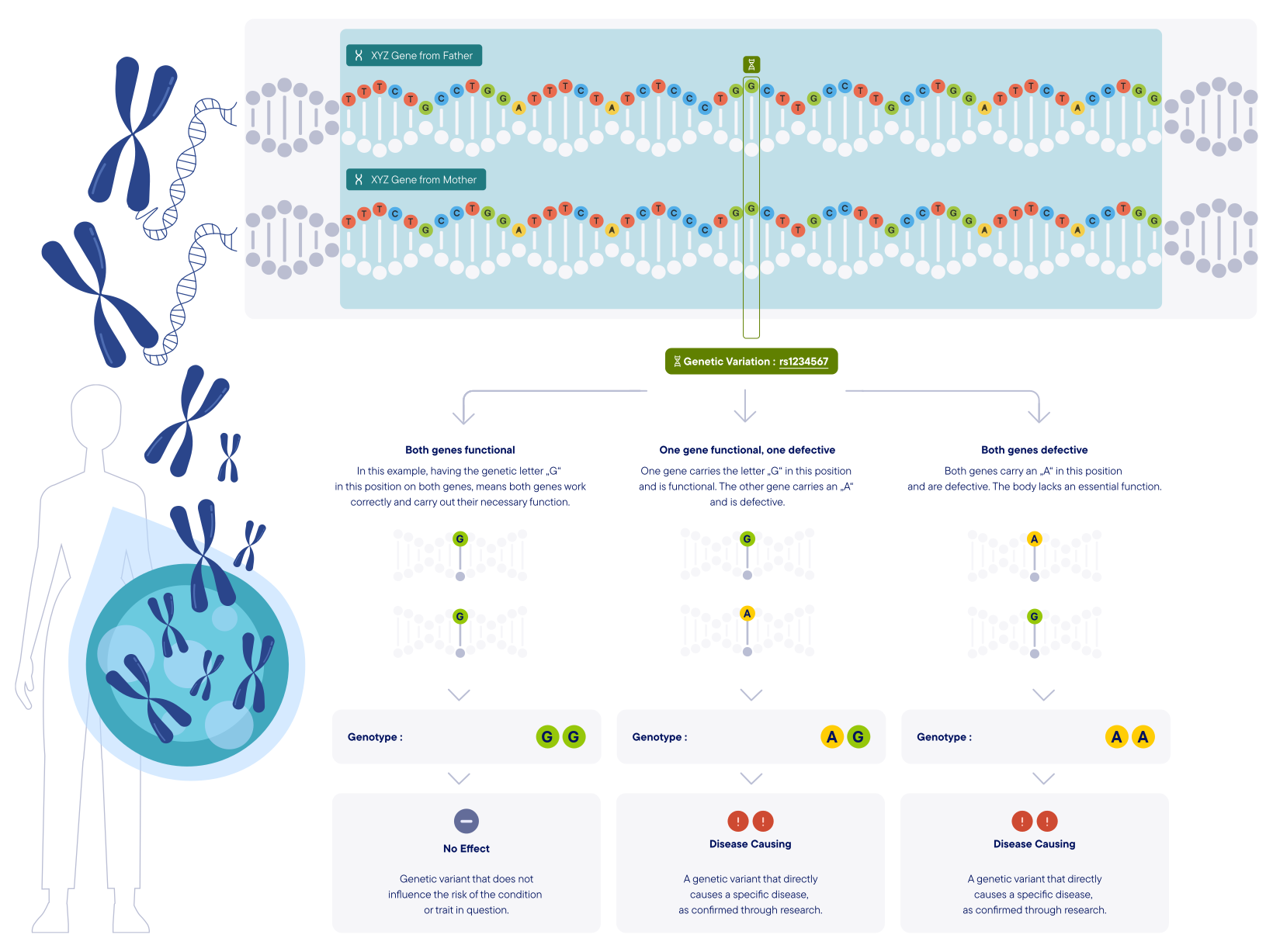
Humans have more than 20,000 genes, each carrying out one or a few specific functions in the body. One gene instructs the body to digest lactose from milk, another tells the body how to build strong bones and another prevents the body's cells from beginning to multiply uncontrollably and developing into cancer. As all of these genes combined are the building instructions for our body, a defect in one of these genes can have severe health consequences.
Through decades of genetic research, we know the genetic code of any healthy/functional human gene. We have also identified that in certain positions on a gene, some individuals may have a different genetic letter from the one you have. We call these hotspots "Genetic Variations" or "Variants" in short. In many cases, studies have been able to show that having the genetic letter "G" in the position makes you healthy, but having the letter "A" in the same position disrupts the gene function and causes a disease. Genopedia allows you to view these variants in genes and summarizes all that we know from scientific research, which genetic letters (Genotype) have good or bad consequences on your health or on your traits.
History
Throughout history, people have described sudden bouts of fever, confusion, and weakness after infections, especially in children. Families told of a child who seemed to be recovering from a cold or measles, then days later struggled to walk, slurred words, or became unusually sleepy. Doctors noticed these episodes tended to come on quickly and affect many parts of the brain and spinal cord at once.
From early theories to modern research, the story of acute disseminated encephalomyelitis reflects how medicine links patterns to causes. In the 19th and early 20th centuries, clinicians grouped these cases under broad labels like “post-infectious encephalitis.” They recognized that symptoms were widespread, not limited to one spot, and that they often followed an illness or, more rarely, a vaccination. Over time, descriptions became clearer: a short, one-time attack with headaches, imbalance, vision changes, and sometimes seizures, most often in school‑age children and teens.
As medical science evolved, the condition was separated from look‑alikes such as multiple sclerosis. Earlier, many children with a single severe attack were mistakenly thought to have the early phase of a chronic disease. With better long‑term follow‑up and, later, MRI scans, researchers saw that acute disseminated encephalomyelitis typically happens once, improves with treatment like steroids, and leaves fewer new brain spots over time compared with relapsing conditions.
In recent decades, knowledge has built on a long tradition of observation. MRI patterns, spinal fluid studies, and response to therapy helped define the condition more precisely. Pathology from rare biopsy or autopsy cases confirmed a brisk, immune‑driven inflammation that strips myelin—the protective coating on nerve fibers—across multiple areas at once. This matched the clinical picture doctors had been recording for generations.
Advances in genetics and immunology did not point to a single inherited cause, but they did clarify how the immune system can become briefly overactive after an infection, mistakenly targeting myelin in the brain and spinal cord. This explains why acute disseminated encephalomyelitis often follows common viral illnesses and why it usually settles with immune‑calming medicines. It also explains the typical timing: symptoms tend to appear a few days to a couple of weeks after the trigger.
Today, the history of acute disseminated encephalomyelitis guides practical care. Knowing the condition’s history helps clinicians act quickly when early symptoms of acute disseminated encephalomyelitis appear—especially after a recent infection—so treatment can start promptly and recovery can begin.