
Acute biphenotypic leukemia is a rare, aggressive blood cancer that shows features of both myeloid and lymphoid leukemia. People with acute biphenotypic leukemia often feel very tired, bruise or bleed easily, and get frequent infections. It can progress quickly without treatment, and it is usually diagnosed in adults but can occur in children. Treatment often includes intensive chemotherapy, targeted therapy when markers are present, and stem cell transplant for eligible people. Outcomes vary by age, genetics, and response to therapy, but advances in care mean many people live longer and better with treatment.
Overview
Acute biphenotypic leukemiaSymptoms
Early symptoms of acute biphenotypic leukemia often appear suddenly: fatigue, pale skin, shortness of breath, and frequent infections or fevers. Many notice easy bruising, nosebleeds, or pinpoint spots, plus bone pain or swollen gums, lymph nodes, liver, or spleen.
Outlook and prognosis
For acute biphenotypic leukemia, treatment often starts quickly and usually involves intensive chemotherapy, sometimes targeted drugs, and stem cell transplant in selected cases. Outcomes vary by age, genetic changes, and early treatment response. Close, specialized care improves survival and long‑term remission chances.
Causes and risk factors
Acute biphenotypic leukemia most often stems from acquired genetic changes in marrow cells, including BCR-ABL1 or KMT2A rearrangements. Risk increases with prior chemotherapy or radiation, benzene exposure, certain inherited syndromes, and rarely after high-dose radiation; many cases remain unexplained.
Genetic influences
Genetics plays a central role in acute biphenotypic leukemia, shaping how the disease starts, behaves, and responds to treatment. Specific chromosomal changes and gene mutations help confirm diagnosis and guide targeted therapy. Testing at diagnosis and relapse is standard and influences prognosis.
Diagnosis
Diagnosis of Acute biphenotypic leukemia relies on blood tests and a bone marrow biopsy. Specialized labs identify cell markers from more than one blood cell type and check chromosomes and genes. Results are reviewed using international criteria.
Treatment and drugs
Treatment for acute biphenotypic leukemia often combines intensive chemotherapy that targets both myeloid and lymphoid cells, sometimes followed by targeted drugs based on genetic testing. Many are evaluated early for stem cell transplantation to deepen and sustain remission. Supportive care—transfusions, infection prevention, and symptom management—remains essential throughout therapy.
Symptoms
Fatigue, unexplained bruises, and repeated infections can creep into daily life and be easy to dismiss at first. Early symptoms of acute biphenotypic leukemia often overlap with other types of acute leukemia or common illnesses like the flu. Symptoms vary from person to person and can change over time. Doctors use exams and blood tests to sort out what’s causing these changes.
Ongoing tiredness can feel out of proportion to your day and may not improve with rest. You might feel lightheaded or notice pale skin from low red blood cells.
Colds that linger, mouth sores, or repeated sinus or chest infections can occur. Fever of 38°C (100.4°F) or higher is common, and acute biphenotypic leukemia can lower the body's infection-fighting cells.
You may bruise easily, have frequent nosebleeds, or see bleeding gums when brushing your teeth. Tiny red or purple spots on the skin (petechiae) or heavier menstrual bleeding can appear when platelets are low in acute biphenotypic leukemia.
Aching in the arms, legs, hips, or chest bone can happen as the marrow becomes crowded. The pain may be steady or sharp and can limit sleep or activity.
How people usually first notice Acute biphenotypic leukemia?
People usually first notice acute biphenotypic leukemia when sudden, hard-to-explain symptoms appear over days to weeks, such as extreme fatigue, pale skin, frequent nosebleeds or bruising, fevers or infections that don’t clear, and sometimes bone pain or shortness of breath. A blood test done for these concerns often shows very low red cells and platelets with abnormal white cells, prompting urgent referral to a hematologist. Doctors then confirm the diagnosis with a bone marrow exam and specialized lab tests that show leukemia cells carrying features of both myeloid and lymphoid lines—the hallmark first signs of acute biphenotypic leukemia.
Types of Acute biphenotypic leukemia
Acute biphenotypic leukemia is a rare blood cancer where leukemia cells show features of both myeloid and lymphoid lines, which can affect how it behaves and responds to treatment. Clinicians often describe them in these categories: subtypes defined by which markers are strongest on the cells. These variants are based on lab testing of surface and genetic markers, and they help guide therapy choices and expected side effects. Knowing the types of acute biphenotypic leukemia can clarify why symptoms and treatment plans differ between people.
B‑myeloid type
Leukemia cells show both B‑cell and myeloid features. People may have symptoms like frequent infections, bruising, or bone pain, and some have swollen lymph nodes. Treatment often blends approaches used for B‑cell and myeloid leukemias.
T‑myeloid type
Cells carry T‑cell and myeloid markers. This type may bring chest discomfort from a thymic mass, cough, or shortness of breath, along with fatigue and low blood counts. Care teams often combine T‑cell–directed and myeloid‑directed regimens.
B‑T lineage type
Cells have both B‑ and T‑cell features with less myeloid involvement. People may notice swollen lymph nodes, fevers, or night sweats, while blood tests show low platelets or anemia. Doctors may use lymphoid‑focused therapy with adjustments for the mixed features.
Trilineage mixed type
Cells display B‑cell, T‑cell, and myeloid markers together. Symptoms can be more intense at diagnosis, such as severe fatigue, infections, and bleeding. Treatment is complex and may require tailored combination protocols and stem cell transplant consideration.
Myeloid‑dominant mixed
Myeloid markers are strongest with some lymphoid features. People often have anemia, easy bruising, and infections, while lymph node swelling may be milder. Regimens may start with myeloid‑focused therapy, adjusted for the mixed profile.
What genetics can tell you about symptoms
Some genetic changes, like mixed-lineage leukemia (KMT2A/MLL) rearrangements, often drive fast-growing disease with fever, infections, bruising, and anemia, and can raise relapse risk. Others, such as BCR::ABL1, may cause very high white counts and enlarged spleen, guiding targeted therapy choices.
Causes and risk factors
Acute biphenotypic leukemia starts when an early bone marrow cell develops DNA changes that make it grow out of control.
Some cases involve specific chromosome changes, including the Philadelphia chromosome.
Risk factors for acute biphenotypic leukemia include prior chemotherapy or radiation treatment.
Benzene exposure at work and certain inherited cancer risk syndromes or a family history of blood cancers can also raise risk.
Having risk factors doesn’t mean you’ll definitely develop the condition.
Environmental and biological risk factors
Acute biphenotypic leukemia is rare, and many people diagnosed never had a clear exposure or warning. If you're researching early symptoms of acute biphenotypic leukemia, it also helps to understand what can raise risk. That said, biology and environment work hand in hand. Below are biological and environmental factors linked with a higher chance of developing this condition.
Risk rises with age, especially in older adults. This pattern is seen across acute leukemias and includes acute biphenotypic leukemia.
Leukemia occurs slightly more often in males than females. This sex difference has been noted across many acute leukemia types.
Certain cancer treatments can injure bone marrow cells and raise leukemia risk years later. Therapy-related cases of acute biphenotypic leukemia have been reported.
Radiation aimed at large areas of the body can expose much of the marrow. A small fraction develop acute leukemias, including acute biphenotypic leukemia, several years after treatment.
Genetic risk factors
In Acute biphenotypic leukemia, genetic changes are a major driver. Most of these changes are acquired in the leukemia cells and aren’t passed down in families. Some risk factors are inherited through our genes. Understanding genetic risk factors for acute biphenotypic leukemia can help guide testing and treatment.

Philadelphia chromosome: A swap between chromosomes 9 and 22 creates the BCR-ABL1 gene, which sends strong growth signals. This change defines a recognized subtype of acute biphenotypic leukemia and often guides targeted therapy.
KMT2A rearrangement: Changes involving the KMT2A gene at 11q23 are common in mixed-lineage leukemias. In acute biphenotypic leukemia, they are linked to disease that shows both myeloid and lymphoid features. These rearrangements are usually acquired, not inherited.
Multiple chromosome changes: Having many gains or losses of chromosome material can drive this cancer. This complex pattern can appear in acute biphenotypic leukemia and may signal greater genetic instability.
RUNX1 gene changes: Alterations in RUNX1, a key blood-cell regulator, appear in some cases. They can occur as acquired changes in the leukemia cells or, rarely, as an inherited predisposition in some families.
ZNF384 rearrangement: Swaps involving ZNF384 are seen in certain B-cell/myeloid forms. They can blur lineage markers and contribute to the mixed pattern doctors see in this condition.
IKZF1 deletions: Loss of this gene, important for lymphoid development, is found in some people with acute biphenotypic leukemia. It may travel with other high-risk changes like BCR-ABL1.
FLT3 activation: Changes that switch on FLT3 can make leukemia cells grow and divide faster. Targeted medicines may be considered when this change is present.
Inherited syndromes: Conditions such as Down syndrome, Li-Fraumeni syndrome (TP53), Fanconi anemia, GATA2 deficiency, and familial platelet disorders with RUNX1 or ETV6 changes raise lifetime leukemia risk. Carrying a genetic change doesn’t guarantee the condition will appear.
Familial predisposition genes: Rare inherited changes in genes like RUNX1, ETV6, PAX5, or GATA2 can increase the chance of childhood or adult leukemia. In acute biphenotypic leukemia, this family background may shape testing choices.
Acquired (somatic) changes: In most people, the genetic changes that cause acute biphenotypic leukemia arise only in the leukemia cells, not in every cell of the body. This means the risk is usually not passed to children.
Lifestyle risk factors
Evidence specific to acute biphenotypic leukemia is limited, so most insights come from broader research on acute leukemias. Lifestyle habits can shape both the chance of developing acute leukemias and how well someone tolerates intensive treatment. In that context, the lifestyle risk factors for acute biphenotypic leukemia likely mirror those for other acute leukemias, especially AML and ALL.
Cigarette smoking is linked to a higher risk of acute myeloid leukemia, and similar pathways may contribute to mixed-phenotype leukemias. It also increases treatment complications like infections, poor wound healing, and cardiopulmonary stress.
Obesity is associated with a higher incidence of acute leukemias and worse survival. It complicates chemotherapy dosing and raises risks of clots, infections, and treatment delays.
High alcohol intake can suppress bone marrow and is tied to a small increase in AML risk. Liver injury from alcohol interferes with chemotherapy metabolism and heightens bleeding and infection risk.
Low physical activity promotes weight gain and insulin resistance that are linked to higher acute leukemia risk. Inactivity during treatment worsens deconditioning and fatigue, which can limit therapy tolerance.
Risk prevention
Acute biphenotypic leukemia is rare and usually not caused by anything you did. There isn’t a proven way to fully prevent it because many cases start from random changes in bone marrow cells. Prevention is about lowering risk, not eliminating it completely. You can still reduce certain risks by avoiding tobacco, limiting harmful chemical and radiation exposures, and following specialist advice if you have higher-risk backgrounds or prior cancer treatment.
Smoking introduces benzene and other chemicals linked to blood cancers. Quitting lowers exposure over time and benefits overall cancer risk.
If you work around fuels, solvents, or industrial chemicals, use protective gear and ventilation. Follow workplace safety rules and substitute safer products when possible.
Ask whether X-rays or CT scans are truly needed, especially for children. When imaging is necessary, the lowest effective dose should be used.
Prior chemotherapy or radiation can raise the chance of later leukemias, including acute biphenotypic leukemia. Keep long-term follow-up visits so your team can monitor blood counts and new symptoms.

Transmission
Acute biphenotypic leukemia is not contagious; you cannot catch it or pass it to others through everyday contact. Most cases are not inherited and start when certain blood-forming cells in the bone marrow pick up new DNA changes during life.
In a small number of families, an inherited tendency to blood cancers can raise risk, but genetic transmission of acute biphenotypic leukemia itself is rare. If several close relatives developed blood cancers at young ages, a genetics visit can help you understand how acute biphenotypic leukemia is inherited and whether testing makes sense. You don’t need to avoid work, school, or hugs; precautions are aimed at protecting people with leukemia during treatment, not preventing spread.
When to test your genes
Acute biphenotypic leukemia is not usually found through consumer genetic tests, but genetic testing of the leukemia cells at diagnosis guides treatment choices and clinical trial options. If you have unusual or aggressive disease, relapse, or treatment resistance, repeat molecular testing can uncover new targets. People with a strong family history of blood cancers or very early-onset leukemia should ask about inherited cancer-predisposition testing.
Diagnosis
For many, the first step comes when everyday activities start feeling harder—more bruises, infections that linger, or deep tiredness that doesn’t match your day. Acute biphenotypic leukemia is usually picked up after abnormal blood counts lead to focused testing. Doctors usually begin with basic blood tests, then move to specialized studies that look at the blood and bone marrow in detail. Together, these results show how Acute biphenotypic leukemia is diagnosed and help guide urgent treatment plans.
Your clinician reviews symptoms like fatigue, fevers, bruising, and weight changes and checks for signs such as enlarged lymph nodes or spleen. This helps steer which tests are needed next.
A blood test measures red cells, white cells, and platelets. Patterns like very high or very low counts can point toward leukemia and prompt urgent follow-up.
A lab professional looks at blood cells under a microscope. The presence of immature blasts supports leukemia and guides which further tests to run.
A small sample from the hip bone is examined to confirm leukemia and estimate how many blast cells are present. This is a key step in the diagnosis of Acute biphenotypic leukemia.
Stages of Acute biphenotypic leukemia
Acute biphenotypic leukemia does not have defined progression stages. Because it’s an acute blood and bone marrow cancer, it tends to appear suddenly and is tracked by lab results and treatment response rather than stepwise stages, and early symptoms of acute biphenotypic leukemia can include tiredness, frequent infections, easy bruising, or bleeding. Different tests may be suggested to help confirm the diagnosis and plan treatment. Doctors often use blood counts, a bone marrow biopsy, and specialized marker and genetic tests to identify both cell types and then monitor how the disease responds, including whether any leukemia cells remain after therapy.
Outlook and prognosis
Looking ahead can feel daunting, but many people with acute biphenotypic leukemia (also called mixed‑phenotype acute leukemia) want to know how treatment might unfold and what life could look like in the months and years ahead. Doctors call this the prognosis—a medical term for likely outcomes. Because this leukemia shows features of more than one cell type, it can be harder to treat than more common single‑type leukemias. Intensive chemotherapy is standard, often followed by a stem cell transplant if a good match is available. For some, early symptoms of acute biphenotypic leukemia improve quickly with initial therapy, while others need several treatment cycles to reach remission.
Survival has been improving with better diagnostics, targeted drugs for certain gene changes, and broader access to transplantation. In medical terms, the long-term outlook is often shaped by both genetics and lifestyle. Chromosome changes such as the Philadelphia chromosome or complex karyotypes can signal a tougher course, whereas achieving a deep remission before transplant is linked with better long‑term survival. In large studies, complete remission is achievable for many, but without transplant the risk of relapse remains high; with transplant, a meaningful portion of people stay disease‑free for years, though complications like infections or graft‑versus‑host disease can occur.
The future may look uncertain now, but with specialized care at a leukemia center, careful infection prevention, and close follow‑up, many living with acute biphenotypic leukemia maintain good quality of life during and after treatment. Mortality is highest in the first year due to aggressive disease or treatment complications; after successful transplant and two to three years in remission, the risk of relapse drops and long‑term survival becomes more likely. Talk with your doctor about what your personal outlook might look like, including how your specific genetics, treatment response, and transplant options shape the numbers that matter for you.
Long-term effects
Acute biphenotypic leukemia can have lasting health effects that come from both the disease and its intensive treatments. Long-term effects vary widely, depending on age at diagnosis, treatment plan, and whether a stem cell transplant was needed. People may recall that the early symptoms of acute biphenotypic leukemia were vague, but the long-term picture focuses more on relapse risk and late effects on the heart, hormones, and immune system. Doctors follow survivors for years to track these changes and step in early if new issues arise.
The chance of the leukemia returning remains higher than in some other acute leukemias. Risk is greatest in the first several years but can persist longer after treatment.
People who had an allogeneic stem cell transplant may face long-term immune problems and organ effects. Chronic graft-versus-host disease can affect the skin, gut, liver, eyes, or lungs.
Lower immune reserves can linger, raising the risk of infections. Vaccines may not work as strongly for a time, and some need repeated shots after therapy.
Lasting tiredness and low stamina are common after intensive chemotherapy or transplant. Energy levels can fluctuate for months or years.
How is it to live with Acute biphenotypic leukemia?
Living with acute biphenotypic leukemia can feel like life is suddenly split into two tracks: intense treatment cycles and everything else you’re trying to keep going. Day to day, people often juggle fatigue, infection precautions, clinic visits, transfusions, and the emotional whiplash of waiting for counts and scan results, which can interrupt work, school, and social plans. Families and friends usually become part of the care team—helping with rides, meals, childcare, and encouragement—while also managing their own worry and the stop‑start rhythm of hospital stays. Many find that clear communication with the care team, setting small daily goals, and accepting practical help make the uncertainty more manageable.
Treatment and drugs
Acute biphenotypic leukemia is treated urgently in specialized centers, usually with intensive chemotherapy that covers both myeloid and lymphoid disease features, sometimes called combination regimens. Many teams add targeted medicines when the cancer cells have certain markers, and treatment plans often combine several approaches, including antibody therapies or tyrosine kinase inhibitors if a gene change like BCR-ABL is present. Because relapse risk can be high, doctors often discuss stem cell (bone marrow) transplant after remission, especially for younger or fit adults, to lower the chance of the leukemia returning. Supportive care can make a real difference in how you feel day to day, with antibiotics for infections, transfusions for anemia or low platelets, and medicines to prevent tumor lysis complications. If standard therapy doesn’t work or the leukemia returns, clinical trials, newer targeted drugs, or CAR T-cell therapy in select cases may be considered; ask your doctor about the best starting point for you.
Non-drug treatment
Non-drug care plays a central role before, during, and after medical treatments. Alongside medicines, non-drug therapies can help control symptoms, prevent complications, and support recovery in acute biphenotypic leukemia. If early symptoms of acute biphenotypic leukemia like fatigue or bruising persist, supportive therapies can help you stay active and safer between treatments.
Donor stem cells can re‑start healthy blood production and may offer the best chance of long‑term control for some with acute biphenotypic leukemia. It involves careful matching, a hospital stay, and close follow‑up with your team.
Targeted radiation may treat leukemia cells in specific areas, such as the brain, spine, or a bulky mass in acute biphenotypic leukemia. Planning aims to focus the dose while protecting nearby healthy tissue.
Red blood cell transfusions can ease fatigue and shortness of breath, while platelet transfusions lower bleeding risk in acute biphenotypic leukemia. Your care team will time transfusions to your counts and symptoms.
Handwashing, mask use in crowded places, safe food handling, and avoiding sick contacts lower infection risk when immunity is low. Simple routines—like washing hands before meals or wearing a mask in clinics—can have lasting benefits.
Your genes may have an impact on how drugs work for you
In acute biphenotypic leukemia, inherited and tumor-acquired gene changes can alter how chemotherapy is processed and how well targeted therapies bind, affecting both effectiveness and side effects. Doctors often use genetic testing to tailor drug choice and dosing safely.
Pharmacological treatments
Treatment focuses on getting the disease into remission quickly and keeping it there using combinations of chemotherapy and targeted drugs. Many people first reach care after early symptoms of acute biphenotypic leukemia like infections, bruising, or unusual fatigue, so therapy usually starts promptly with a specialist team. First-line medications are those doctors usually try first, based on the leukemia’s features and genetic tests. Targeted agents may be added when specific gene changes are found, and plans may shift as doctors see how the leukemia responds.
Regimens often include vincristine, dexamethasone or prednisone, an anthracycline such as daunorubicin, and pegaspargase/asparaginase. This is commonly the starting point for acute biphenotypic leukemia in many centers. Side effects can include low blood counts, infection risk, and blood sugar changes, which the team monitors closely.
Cytarabine combined with an anthracycline (daunorubicin or idarubicin) may be used, especially if the leukemia shows stronger AML-like features. Doctors tailor the plan to your lab findings and response. Supportive medicines help prevent infections and nausea.
If the leukemia has the BCR-ABL1 change (Philadelphia chromosome), a tyrosine kinase inhibitor such as imatinib, dasatinib, or ponatinib is added to chemotherapy. This combination can deepen remission rates in acute biphenotypic leukemia. Your care team watches for effects on heart rhythm, liver tests, and blood counts.
When FLT3 mutations are present, drugs like midostaurin (with induction) or gilteritinib (often in relapse) may be used. These target signals that drive leukemia growth. Side effects can include low counts and liver test changes, which are checked regularly.
Genetic influences
In acute biphenotypic leukemia (also called mixed phenotype acute leukemia), the key drivers are genetic changes inside the leukemia cells themselves. It’s natural to ask whether family history plays a role. For most people, these changes are not inherited; they are acquired in the bone marrow, which means relatives are usually not at increased risk. Certain chromosomal alterations are seen more often, such as the Philadelphia chromosome (BCR‑ABL1) or other changes in genes that control blood cell development, and many cases have a mix of mutations at the same time. Rarely, inherited syndromes that affect blood cell development can raise a person’s overall risk of acute leukemia, so doctors might consider this if there is a strong family history or other features. Genetic testing for acute biphenotypic leukemia helps confirm the diagnosis and can guide treatment choices, including targeted medicines when specific changes are present.
Is Acute biphenotypic leukemia genetic?
Genetics plays a central role in acute biphenotypic leukemia, shaping how the disease starts, behaves, and responds to treatment. Specific chromosomal changes and gene mutations help confirm diagnosis and guide targeted therapy. Testing at diagnosis and relapse is standard and influences prognosis.
Pharmacogenetics—how genetics influence drug effects
In acute biphenotypic leukemia, both the leukemia’s genes and your own genetics can shape which drugs are chosen and how they’re dosed. If the cancer carries BCR-ABL1 (the “Philadelphia chromosome”), doctors often add a tyrosine kinase inhibitor such as imatinib or dasatinib to chemotherapy. Other changes like FLT3 or IDH1/IDH2 may open the door to targeted medicines used in some acute leukemia regimens, especially if the disease behaves more like AML. On the personal side, well-established pharmacogenetic results such as TPMT or NUDT15 variants can signal a higher risk of side effects from thiopurines (like 6-mercaptopurine) used in ALL-type protocols, so doses are reduced or alternatives considered. People at risk for G6PD deficiency are usually screened before rasburicase, a drug used to lower uric acid during treatment, because deficiency can cause dangerous breakdown of red blood cells. Alongside medical history and other lab results, genetic testing can help tailor certain drugs and doses. Even so, genes explain only part of how someone responds; age, liver and kidney function, and other medicines also play a role in making treatment for acute biphenotypic leukemia as safe and effective as possible.
Interactions with other conditions
Day-to-day, Acute biphenotypic leukemia often intersects with other health issues, and that can shape treatment choices and side effects. Because therapy weakens the immune system, common infections can become serious, and long-standing infections like hepatitis B or latent tuberculosis may reactivate during intensive chemotherapy or after a stem cell transplant. Doctors call it a “comorbidity” when two conditions occur together, and illnesses such as heart disease, kidney problems, or diabetes can affect which medicines are safe, how doses are adjusted, and how well your body tolerates treatment. Acute biphenotypic leukemia can also overlap with other blood cancers; for example, some people have a form linked to the BCR-ABL1 gene change that can look similar to chronic myeloid leukemia in its aggressive phase, and a prior bone marrow disorder or past cancer treatment can raise the chance of developing it. Certain inherited conditions that raise leukemia risk may be present in the same family, so your team may ask about relatives with blood disorders or early cancers. Infections and other conditions can sometimes hide early symptoms of Acute biphenotypic leukemia, so coordinated care between oncology, infectious disease, and other specialists helps keep the whole picture in view.
How genes can cause diseases
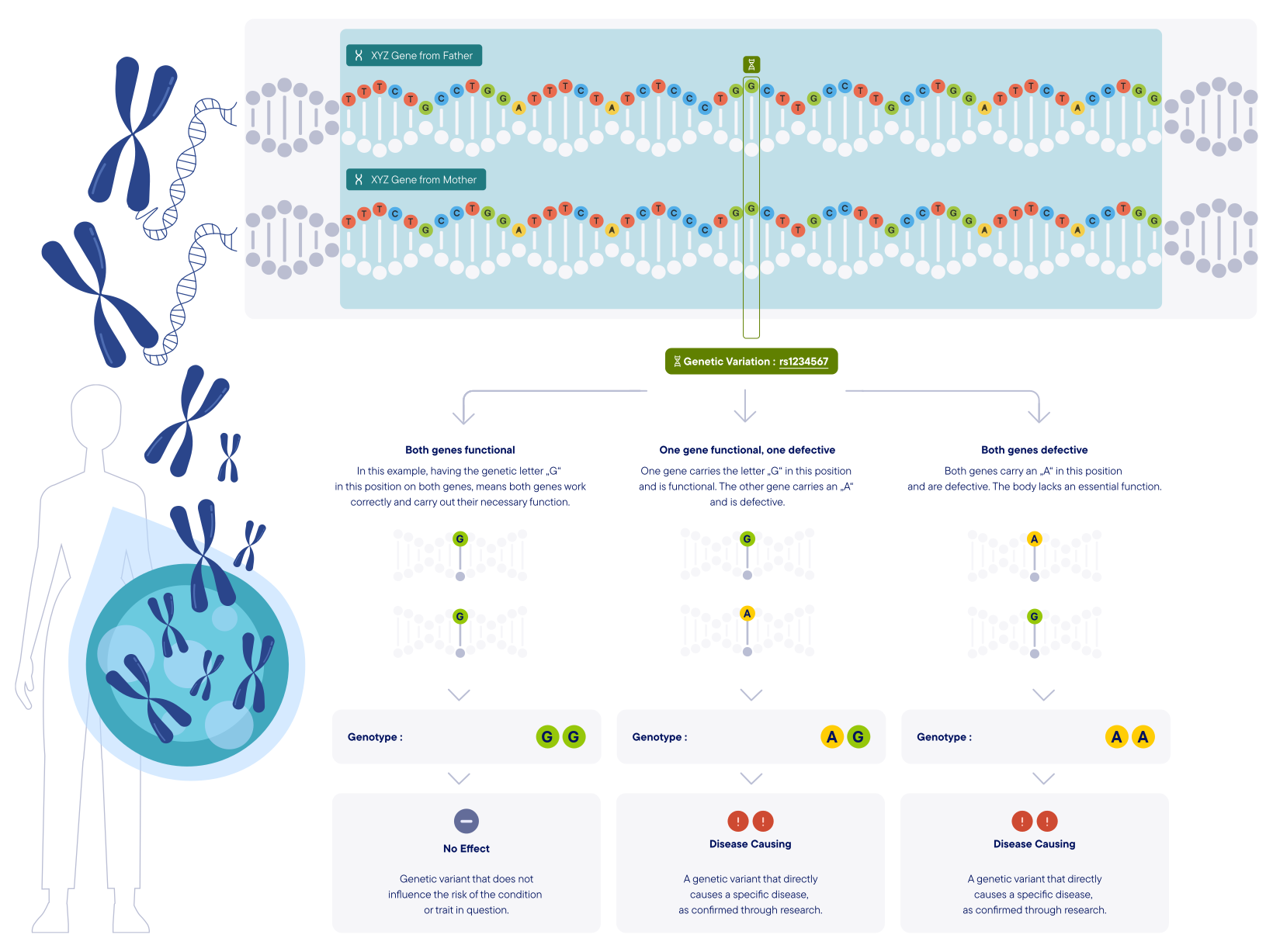
Humans have more than 20,000 genes, each carrying out one or a few specific functions in the body. One gene instructs the body to digest lactose from milk, another tells the body how to build strong bones and another prevents the body's cells from beginning to multiply uncontrollably and developing into cancer. As all of these genes combined are the building instructions for our body, a defect in one of these genes can have severe health consequences.
Through decades of genetic research, we know the genetic code of any healthy/functional human gene. We have also identified that in certain positions on a gene, some individuals may have a different genetic letter from the one you have. We call these hotspots "Genetic Variations" or "Variants" in short. In many cases, studies have been able to show that having the genetic letter "G" in the position makes you healthy, but having the letter "A" in the same position disrupts the gene function and causes a disease. Genopedia allows you to view these variants in genes and summarizes all that we know from scientific research, which genetic letters (Genotype) have good or bad consequences on your health or on your traits.
History
Throughout history, people have described sudden, severe illnesses that didn’t fit neatly into one box. In families’ recollections and early clinic notes, some had blood cancers that seemed to behave like two diseases at once—swift infections like one type of leukemia, with bleeding and bruising like another. Doctors saw this pattern but lacked the tools to name it clearly.
First described in the medical literature as a leukemia that showed features of both lymphoid and myeloid cells, this is now widely known as acute biphenotypic leukemia. Early reports focused on what clinicians could see under the microscope: cells carrying markers from more than one blood cell lineage. Over time, descriptions became more structured as labs standardized testing for cell surface markers, helping teams compare cases across hospitals and countries.
In recent decades, awareness has grown as better staining methods, flow cytometry, and genetic tests revealed that some acute leukemias truly straddle lineages. Medical classifications changed as international groups refined criteria—moving from broad labels to more precise definitions that consider both cell markers and chromosome changes. With each decade, the language shifted too, and many centers now group these cases under “mixed‑phenotype acute leukemia,” with acute biphenotypic leukemia referring to a specific pattern within that umbrella.
Historical differences highlight why naming mattered. Earlier, many were treated as either acute myeloid or acute lymphoblastic leukemia, depending on the dominant features at diagnosis. Outcomes varied, and it was hard to compare studies. As medical science evolved, researchers began tracking acute biphenotypic leukemia separately, noting which treatments worked best and which genetic findings—like certain translocations—tended to appear.
Genetics reshaped the story. Advances in genetics showed that the same leukemia cell can switch on programs from different blood cell families, much like a dimmer switch turned up on two settings at once. This explained why some people had mixed signs and why targeted therapies sometimes helped. From early theories to modern research, the story of acute biphenotypic leukemia has been one of steadily sharpening focus: from puzzling bedside observations to clearer lab-based definitions that guide today’s care.
Knowing the condition’s history helps explain today’s approach. What began as a confusing set of symptoms became a defined diagnosis with specific tests, risk groups, and treatment plans. While terms may differ by timeline or region, the goal has stayed the same: to recognize acute biphenotypic leukemia quickly and match people to therapies most likely to help.