
Acropectoral syndrome is a rare genetic condition that affects the hands, feet, and chest. Features often include extra fingers or toes, webbing, or differences in bone shape, and the chest wall may look uneven. Most people with acropectoral syndrome have typical growth and learning, and life expectancy is usually not affected. It is present from birth and tends to be lifelong, though specific features can vary within families. Care often focuses on hand or foot surgery, physical or occupational therapy, and regular follow-up with specialists.
Overview
Acropectoral syndromeSymptoms
Acropectoral syndrome shows from birth. Signs include hand and foot differences—missing, fused, or split fingers or toes—and chest wall features such as underdeveloped pectoral muscles or nipple changes. Some have cleft lip or palate and mild facial differences.
Outlook and prognosis
Most people with Acropectoral syndrome grow and learn typically, with hand and chest differences ranging from mild to more noticeable. Early therapy and planned surgeries can improve function, comfort, and confidence. Long‑term health is usually good with routine follow‑up.
Causes and risk factors
Acropectoral syndrome results from genetic changes affecting early limb and chest development, most often inherited in an autosomal dominant way, though some variants occur spontaneously. The main risk factor is family history; environmental or lifestyle triggers aren’t established.
Genetic influences
Genetics play a central role in Acropectoral syndrome; it’s usually caused by inherited changes in the TP63 gene. Variants can be passed in an autosomal dominant pattern, so one altered copy can be enough. Expressivity varies, meaning features can differ widely within the same family.
Diagnosis
Diagnosis of Acropectoral syndrome relies on recognizable limb and chest features, plus imaging like X‑rays or ultrasound. Targeted genetic testing can confirm the genetic diagnosis of Acropectoral syndrome and clarify inheritance patterns.
Treatment and drugs
Treatment for acropectoral syndrome is tailored to each person’s limb and hand differences. Care often includes hand and foot surgery to improve function, occupational and physical therapy, adaptive tools, and ongoing follow-up. Genetic counseling and psychosocial support help families plan and cope.
Symptoms
Differences in the hands, feet, and chest are the main things people notice. These changes are part of Acropectoral syndrome, a rare condition present from birth. Early features of Acropectoral syndrome can include webbed or extra fingers or toes and differences in chest muscle size. Features vary from person to person and can change over time.
Fingers may look broader, shorter, or aligned in an unusual way. This can make tasks like buttoning clothes or typing slower and require simple adaptations.
Skin or soft tissue connects two or more fingers at birth. Depending on how deep the webbing is, spreading the fingers or gripping small items can be harder.
One or more extra digits can be present on the hands or feet. In Acropectoral syndrome, the size and position of an extra digit vary and may affect glove or shoe fit.
The thumb may be smaller, set differently, or move less freely. This can reduce pinch strength and make fine motor tasks like zippers or pens more challenging.
How people usually first notice Acropectoral syndrome?
Families often notice the first signs of Acropectoral syndrome at birth or soon after, when a newborn’s hands or feet look different, such as shorter or missing fingers or toes, webbing, or broad, underdeveloped thumbs. Doctors may also spot chest or shoulder differences on the initial exam, and prenatal ultrasound can sometimes raise suspicion if limb formation looks atypical. If one parent is known to carry the condition, parents and clinicians may be watching closely, so subtle limb or chest features are more quickly recognized as how Acropectoral syndrome is first noticed.
Types of Acropectoral syndrome
Acropectoral syndrome is a rare genetic condition that affects how the hands, feet, chest, and sometimes other midline structures form before birth. Variants of this condition are defined by which gene is altered and how development is disrupted, which can change the pattern and severity of limb and chest features. People may notice different sets of symptoms depending on their situation. When clinicians discuss types of acropectoral syndrome, they usually refer to recognized genetic subtypes rather than stages or complications, so understanding the main variants can help explain the differences you might see day to day.
TP63-related variant
Changes in the TP63 gene can lead to missing or extra fingers or toes and chest wall differences. Nails, teeth, or skin may also be affected, and clefting can occur in some families.
IRF6-related variant
Alterations near IRF6 can produce hand and foot differences alongside cleft lip or palate. Chest shape changes may be milder, and facial features linked to clefting can be more prominent.
Chromosomal rearrangement
Rare copy-number changes involving chromosome regions that regulate limb and chest development can cause acropectoral features. Limb differences vary widely, and chest wall shape may range from subtle to more pronounced.
Familial clustered variant
In some families, the condition follows an autosomal dominant pattern without a single known point mutation. Features often repeat across generations with variable severity, and genetic testing helps clarify types of acropectoral syndrome.
What genetics can tell you about symptoms
Variants in the LRP4 gene disrupt signals that guide limb development, which can lead to missing or shortened fingers, broad or split thumbs, and sometimes extra digits on the hands or feet. Some people also have nail changes or mild webbing, with severity varying within families.
Causes and risk factors
Acropectoral syndrome is most often caused by a change in a single gene that affects limb and chest development before birth. It can be inherited from a parent, and it can also occur as a new change with no family history. Some risks are written in our DNA, passed down through families. Lifestyle or environmental exposures do not cause acropectoral syndrome, but they may influence overall health and how features are managed. Because development is affected early, early symptoms of Acropectoral syndrome are usually seen at birth.
Environmental and biological risk factors
If you’re planning a pregnancy or already expecting, it’s natural to wonder what in the body or environment might raise the chance of a child being born with acropectoral syndrome. Right now, environmental risk factors for acropectoral syndrome are not well defined, and most cases are not linked to anything parents did or were exposed to. Awareness of both biological and environmental influences helps you feel prepared. Below are factors researchers consider when looking at non-genetic contributors to early limb and chest development.
Most research has not identified specific environmental triggers for acropectoral syndrome. Cases often occur without unusual exposures. Studies are ongoing.
Diabetes present before pregnancy and poorly controlled in the first weeks can raise the chance of limb or chest wall differences. This reflects a general increase in birth defect risk related to high blood sugar during early organ formation.
Some prescription drugs known to cause birth defects can disrupt early limb development if taken in the first trimester. They do not cause acropectoral syndrome, but can lead to similar hand or chest findings.
High-dose radiation or certain industrial chemicals can interfere with limb formation in early pregnancy. Everyday levels are typically far below those that cause harm; risk is greater with accidental or occupational high-level contact.
Genetic risk factors
Acropectoral syndrome most often runs in families due to changes in genes that guide early limb and chest development. The genetic causes of Acropectoral syndrome can include changes within a gene or in nearby DNA switches that control when the gene turns on. Features can vary widely even within the same family. Carrying a genetic change doesn’t guarantee the condition will appear.

Autosomal dominant pattern: One changed copy of a gene can be enough to cause features of Acropectoral syndrome. Each child of an affected parent has a 50% chance to inherit the change. The exact features can differ from parent to child.
De novo variants: Sometimes the genetic change starts for the first time in a child and is not found in either parent. This happens by chance during early development. Recurrence risk is usually low unless a parent has mosaicism.
Variable expressivity: The same genetic change can look different across relatives. One person may have mainly hand or foot differences, while another also shows chest muscle or nipple changes. This variability can complicate early diagnosis.
Reduced penetrance: Some people with the change show few or no outward features. They can still pass the change to their children. This can make family history seem skipped across generations.
Regulatory region changes: Alterations in nearby DNA switches that control limb-development genes can lead to Acropectoral syndrome. These changes affect when and where a gene turns on rather than the gene’s code itself. Specialized testing may be needed to find them.
DNA copy changes: Small deletions or duplications that include a gene or its control switches can cause Acropectoral syndrome. These are called copy-number changes. Certain genetic tests are designed to detect them.
Parental mosaicism: A parent may carry the change in some cells but not others. They may have mild or no features. This can slightly raise recurrence risk even when a routine blood test is negative.
Family history: Having a parent or sibling with Acropectoral syndrome increases the likelihood of having it. Genetic counseling can help clarify personal and reproductive risks. Testing an affected family member first can make results more informative.
Lifestyle risk factors
Lifestyle habits do not cause this condition, but they can shape function, symptoms, and complication risks over time. Understanding how lifestyle affects Acropectoral syndrome can help prioritize daily choices that protect mobility, breathing, and recovery after procedures. In this context, lifestyle risk factors for Acropectoral syndrome are behaviors that can worsen pain, limit function, or slow healing, while positive habits can do the opposite.
Guided shoulder and hand exercises can preserve range of motion and strength. Overly aggressive or unsupervised workouts may aggravate instability and pain.
Repetitive gripping, lifting, or weight-bearing through affected arms can provoke tendon irritation and flares. Pacing and task rotation may prevent setbacks and maintain function.
Poor workstation setup and heavy lifting techniques can strain the shoulder girdle and chest wall. Supportive ergonomics and posture training may reduce nerve compression and fatigue.
If chest wall differences limit expansion, low-to-moderate aerobic training can improve ventilatory efficiency. Breathing exercises may reduce shortness of breath and enhance stamina.
Risk prevention
Acropectoral syndrome is a genetic condition present from birth, so there isn’t a way to prevent the condition itself. Prevention focuses on planning, early detection, and day‑to‑day steps that lower the chance of complications or limits on function. Different people need different prevention strategies—there’s no single formula. Knowing early symptoms of Acropectoral syndrome can also help families and clinicians begin supportive care sooner.
A genetics professional can explain how Acropectoral syndrome is inherited and estimate chances for future children. They can also review testing options for partners and relatives.
If a specific gene change is known in the family, targeted testing can identify who carries it. This information supports informed family planning.
Detailed ultrasound and, when appropriate, fetal MRI can look for limb and chest differences before birth. Early awareness helps plan delivery and immediate care.
Chorionic villus sampling or amniocentesis can check for a known family variant during pregnancy. Results guide preparation and specialist referrals.

Transmission
Acropectoral syndrome is a genetic condition, not an infection, so it isn’t contagious or spread through everyday contact. It is usually inherited in an autosomal dominant pattern—if a parent has the condition, each child has a 50% chance of inheriting the gene change. Sometimes it appears for the first time in a family because of a new (de novo) genetic change. Features can vary widely even among relatives, and a genetics professional can explain how Acropectoral syndrome is inherited and what that might mean for future pregnancies.
When to test your genes
Consider genetic testing if you have limb differences affecting hands/feet that match acropectoral patterns, a close relative with the condition, or you’re planning a pregnancy and want precise recurrence risks. Testing can confirm the diagnosis, guide orthopedic care, and inform surveillance for associated features. A genetics professional can help choose the right test and timing.
Diagnosis
For most families, the first clues come at birth or on a prenatal scan, when differences in the hands, feet, or chest are noticed. The diagnosis of Acropectoral syndrome usually starts with a careful look at these visible features and then moves to tests that can confirm the cause. Getting a diagnosis is often a turning point toward answers and support. Because it’s rare, specialists may use a combination of exams and genetic tests to reach a clear answer.
Doctors look closely at the hands, feet, and chest for patterns such as extra digits on the thumb side, webbing, or underdeveloped chest muscles. These clinical features often point toward Acropectoral syndrome. Careful documentation helps guide which tests to order next.
A detailed family and health history can help reveal whether similar features appear in relatives. This can suggest a hereditary pattern and help tailor testing. Family history is often a key part of the diagnostic conversation.
Hand and foot X-rays can show how the bones are arranged, including extra bones or changes near the thumb or big toe. Chest imaging can look for rib or breastbone differences and the extent of chest muscle underdevelopment. These imaging findings help distinguish it from look-alike conditions.
Your provider may suggest a referral to a genetics specialist to review features and discuss testing options. This visit also covers inheritance, recurrence risk, and what results may mean for the family. From here, the focus shifts to confirming or ruling out possible causes.
Stages of Acropectoral syndrome
Acropectoral syndrome does not have defined progression stages. It involves limb and chest differences that are present from birth and tend to be stable over time, though the specific features can vary widely from person to person. Diagnosis is based on a careful physical exam and imaging such as X-rays (and sometimes ultrasound), and early symptoms of Acropectoral syndrome are usually the visible hand, foot, or chest differences noticed in infancy. Genetic testing may be offered to clarify certain risks.
Outlook and prognosis
Looking at the long-term picture can be helpful. For many people with acropectoral syndrome, life expectancy is near typical because the condition mainly affects limb and chest development rather than vital organs. Day to day, the focus is usually on function and comfort—things like grip strength, shoulder range of motion, and how clothing or backpacks sit over the chest. Early care can make a real difference, especially when hand differences, chest wall shape, or spine posture are addressed in childhood to support independence and reduce pain later on.
Doctors call this the prognosis—a medical word for likely outcomes. Most children with acropectoral syndrome grow into adults who work, drive, and take part in sports or hobbies, sometimes with adaptive tools or tailored physical therapy. Some people experience mild differences in finger or thumb shape, while others notice more pronounced hand or chest changes that may need one or more surgeries; these are usually planned, staged procedures with good functional results. The risk of life-threatening complications is low, though severe chest wall restriction or breathing issues can occur in rare cases and should be monitored by a specialist team.
Over time, most people find their abilities improve with therapy, practice, and assistive devices, though joint stiffness or early wear-and-tear can appear in the hands and shoulders. Early symptoms of acropectoral syndrome that affect function—like limited thumb movement, tight web spaces between fingers, or uneven chest muscles—often respond to occupational and physical therapy, splinting, and, when needed, reconstructive surgery. Genetic testing can sometimes provide more insight into prognosis, because different gene changes in the same pathway may be linked to milder or more complex features. Talk with your doctor about what your personal outlook might look like, including which activities to prioritize, what warning signs to watch for, and how often follow-up is recommended.
Long-term effects
People with Acropectoral syndrome often grow up with differences in the hands, feet, and chest muscles that shape daily tasks, sports, and work choices. Long-term effects vary widely, with some living with mild changes and others needing several surgeries over childhood. Families sometimes first notice hand or foot differences in infancy; these are often called early symptoms of Acropectoral syndrome online, though these features are present from birth. Overall life expectancy is usually typical.
Differences in finger number or shape can make fine tasks slower or more tiring. Many with Acropectoral syndrome develop reliable workarounds, and function often improves with growth and practice.
Foot shape or toe differences may change balance and the way someone walks. Over time, this can lead to calluses or uneven shoe wear, and some may need adjustments after growth spurts.
Underdeveloped chest or shoulder muscles can reduce pushing, lifting, or throwing power. For many with Acropectoral syndrome, this remains stable and does not affect breathing or heart health.
Altered hand or foot mechanics can put extra stress on nearby joints. This may raise the chance of stiffness or early joint wear (arthritis) in adulthood.
How is it to live with Acropectoral syndrome?
Living with acropectoral syndrome often means adapting to differences in the hands, arms, chest, or breastbone that can affect grip, reach, or certain movements, while many people develop effective workarounds and use therapy or adaptive tools to stay active. Medical visits may include periodic check-ins with orthopedics, physical or occupational therapy, and, when needed, procedures to improve function or comfort; some may also consider supportive options for chest wall differences. Day to day, family members, partners, and friends often play a helpful role with encouragement and practical support, especially during therapy or after surgeries, and clear communication eases frustrations on both sides. Most importantly, people find their own rhythm—choosing activities that fit their strengths, planning around any limitations, and connecting with peers who share lived experience.
Treatment and drugs
Treatment for Acropectoral syndrome focuses on supporting hand and chest development, easing symptoms, and helping with daily function. Although living with Acropectoral syndrome can feel overwhelming, many people manage their symptoms and live fulfilling lives. Care usually involves a team that may include orthopedic and plastic surgeons, hand therapists, and physiotherapists; early hand therapy can improve grip and finger movement, while tailored splints help positioning. Surgeons may consider procedures to release tight tissues, separate fused fingers, improve thumb function, or reshape chest wall differences, typically timed to a child’s growth; pain is managed with age-appropriate medicines, and antibiotics are used only if there’s infection after surgery. Alongside medical treatment, lifestyle choices play a role, including home exercises, adaptive tools for writing or grasping, and school or workplace accommodations, and regular follow-up helps adjust the plan as needs change.
Non-drug treatment
Living day to day with hand, foot, or chest-wall differences can affect grip, balance, breathing comfort, and confidence at school or work. Non-drug treatments often lay the foundation for function and independence alongside any surgical plans. Early symptoms of Acropectoral syndrome, like extra fingers or webbed toes, are often supported with therapy, adaptive tools, and family education.
Targeted exercises build strength, flexibility, and balance for walking and play. Therapists tailor routines to chest-wall and limb differences. Programs adjust as children grow or adults’ needs change.
Daily-skill training helps with dressing, writing, and self-care. Therapists suggest easier ways to grip, fasten, or lift. Home practice plans make progress stick.
Gentle hand exercises improve motion and fine motor control. Custom splints can protect joints and guide alignment during growth or recovery. Therapists teach safe use and care.
Shoe inserts, custom shoes, or toe spacers can improve comfort and stability. Braces may support ankles or knees if gait is uneven. A specialist ensures a good fit and updates as needs change.
Your genes may have an impact on how drugs work for you
Genes can change how your body processes certain pain relievers, anesthetics, or antibiotics, so doses or drug choices for acropectoral syndrome–related care may need adjustment. Pharmacogenetic testing, when available, helps clinicians pick safer, more effective medications for you.
Pharmacological treatments
There’s no medicine that changes the genes or bone pattern in Acropectoral syndrome. Medications are used to ease pain, protect against infection, and support recovery around surgeries and therapy. Drugs that target symptoms directly are called symptomatic treatments. Plans are individualized and adjusted with your surgical and rehabilitation teams.
Acetaminophen and ibuprofen can ease day-to-day discomfort in Acropectoral syndrome, including sore joints or post-therapy aches. Ibuprofen also reduces swelling. Ask about a dosing schedule that fits school or work.
Short courses of oxycodone or morphine may be used after surgery for stronger pain. In Acropectoral syndrome, teams aim to taper within a few days while switching back to acetaminophen and ibuprofen. Side effects like constipation can be prevented with fluids and stool softeners.
Cephalexin or amoxicillin-clavulanate may be prescribed if there’s a skin or wound infection, or to prevent infection after procedures. This helps protect healing tissues in Acropectoral syndrome when casts or splints are used. Finish the full course as directed.
Gabapentin or pregabalin can help if burning, tingling, or nerve irritation follows surgery or bracing. These medicines can support pain management in Acropectoral syndrome when standard painkillers aren’t enough. Dosing may be increased or lowered gradually to balance relief and side effects.
Genetic influences
In many families, Acropectoral syndrome follows a pattern that points to a gene change present from conception. People often ask whether acropectoral syndrome is inherited; in many families it is, while in others it appears for the first time in a child because of a new change in the DNA. Family history is one of the strongest clues to a genetic influence. The gene or genes involved help guide early limb and chest-wall development, so even small differences in how they work can lead to the characteristic hand, arm, and chest findings. Expression can vary widely, even within one family—some have extra or differently shaped fingers, others have milder chest or shoulder differences—so relatives can look quite different. Genetic counseling and, when appropriate, testing can clarify inheritance patterns and help families understand recurrence risk for future pregnancies.
Is Acropectoral syndrome genetic?
Genetics play a central role in Acropectoral syndrome; it’s usually caused by inherited changes in the TP63 gene. Variants can be passed in an autosomal dominant pattern, so one altered copy can be enough. Expressivity varies, meaning features can differ widely within the same family.
Pharmacogenetics—how genetics influence drug effects
Treatment for Acropectoral syndrome is mostly surgical and supportive, so medicines are commonly used around procedures for anesthesia, pain control, and recovery. The specific gene change that leads to Acropectoral syndrome is not known to directly affect how the body handles most everyday drugs, but your wider genetic makeup can still influence which medicines work best and at what dose. Differences in drug-processing genes can change how well certain pain medicines such as codeine or tramadol work, or how likely they are to cause side effects. Genetic testing can sometimes identify how your body activates or clears these medicines, which helps doctors choose a safer option or adjust the dose. If you or your child will need repeated procedures, anesthesiologists may also ask about any family history of unusual reactions to muscle relaxants, since rare enzyme differences can cause prolonged effects with drugs like succinylcholine. Talking with your care team about pharmacogenetics won’t replace the surgical plan, but it can reduce trial-and-error and make medications for Acropectoral syndrome feel safer and more effective.
Interactions with other conditions
People living with Acropectoral syndrome often manage hand, foot, or chest-wall differences alongside other common health issues, and the mix can affect daily tasks like typing, lifting, or balance. Changes in hand or wrist mechanics may increase strain on nearby joints over time, so coexisting problems such as tendon irritation or early arthritis can feel more noticeable, while conditions like diabetes or thyroid disease may heighten nerve symptoms in the hands. Shared genetic variants may explain why certain conditions cluster together, including overlap with other limb-difference patterns seen in some families. If surgery is planned to improve function or comfort, diabetes, smoking, or circulation problems can slow wound healing and raise infection risk, so teams often tailor anesthesia, antibiotics, and rehabilitation plans.
People with long-standing neck, shoulder, or back pain may find posture and muscle balance shift as they adapt to chest or limb differences, and this can add fatigue after a workday. Hearing, heart, or kidney involvement is not typical, but your care team will check based on your personal and family history, especially if early symptoms of Acropectoral syndrome were part of a broader pattern noted at birth. Ask whether any medicines or splints you use for another condition could interfere with hand function training or post‑operative recovery, and make sure therapists and surgeons share plans. Interactions can look very different from person to person, so coordinated, individualized care usually works best.
How genes can cause diseases
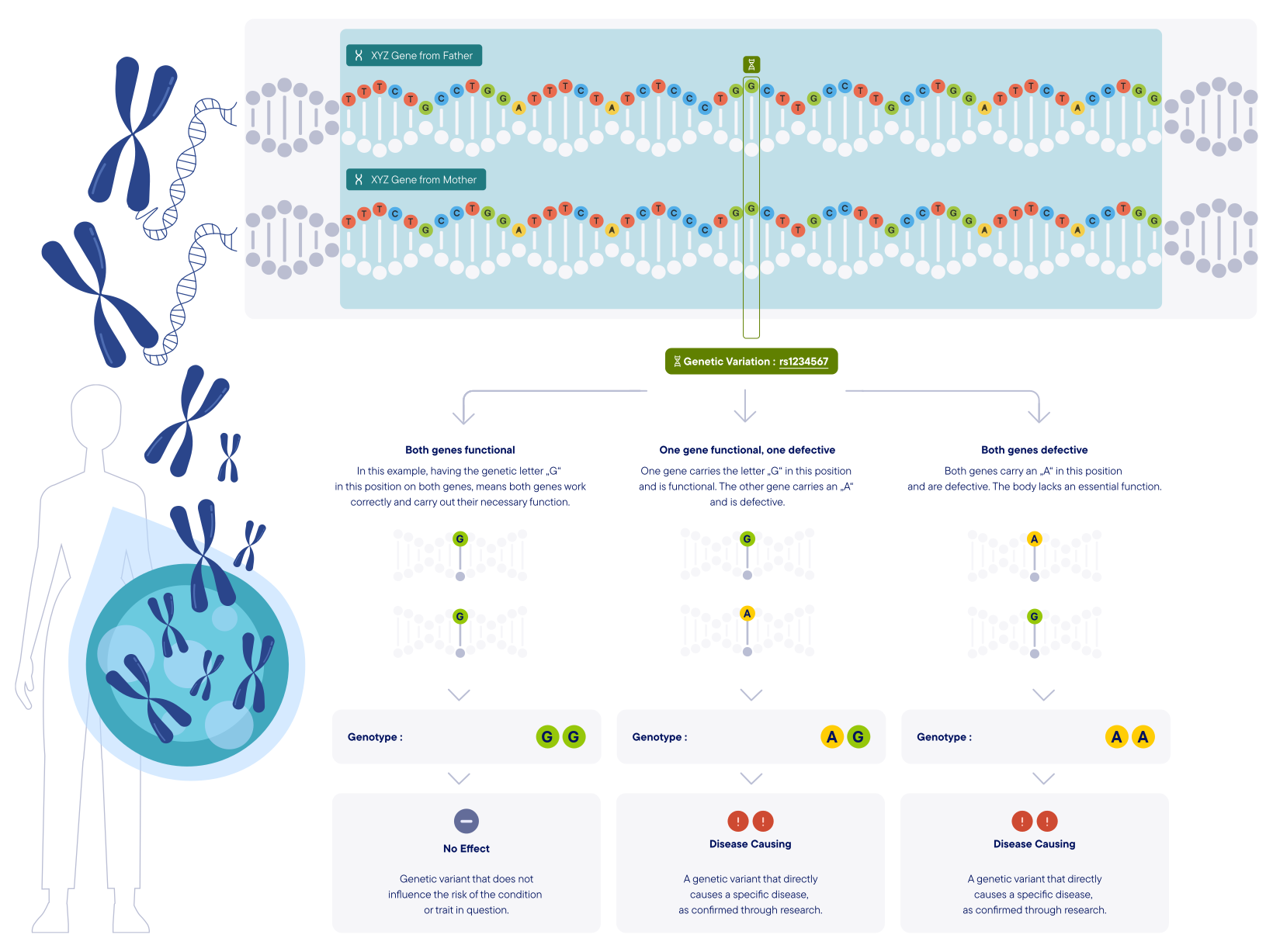
Humans have more than 20,000 genes, each carrying out one or a few specific functions in the body. One gene instructs the body to digest lactose from milk, another tells the body how to build strong bones and another prevents the body's cells from beginning to multiply uncontrollably and developing into cancer. As all of these genes combined are the building instructions for our body, a defect in one of these genes can have severe health consequences.
Through decades of genetic research, we know the genetic code of any healthy/functional human gene. We have also identified that in certain positions on a gene, some individuals may have a different genetic letter from the one you have. We call these hotspots "Genetic Variations" or "Variants" in short. In many cases, studies have been able to show that having the genetic letter "G" in the position makes you healthy, but having the letter "A" in the same position disrupts the gene function and causes a disease. Genopedia allows you to view these variants in genes and summarizes all that we know from scientific research, which genetic letters (Genotype) have good or bad consequences on your health or on your traits.
History
Throughout history, people have described families in which several members were born with shorter thumbs or missing fingers, yet walked and learned typically. Midwives and village doctors noted babies whose hands looked different while feet and chest seemed mostly unaffected. In some lineages, an elder might show a broad thumb, a grandchild a more marked hand difference, and a sibling almost none at all. These community stories helped doctors realize that the pattern tended to run in families.
First described in the medical literature as a cluster of hand anomalies that could include an unusually shaped thumb and differences in the bones of the hand, the condition was later grouped with a broader set of limb-development disorders. Over time, descriptions became more precise as physicians compared X‑rays with what they saw in the clinic. They noticed that, for many, the changes were most noticeable toward the thumb side of the hand, while the feet and breastbone could be involved to a lesser degree.
In recent decades, knowledge has built on a long tradition of observation. Doctors began using the name Acropectoral syndrome to reflect its main features: “acro” for the ends of the limbs and “pectoral” for the chest area that can be affected. Case reports from Europe, North America, and elsewhere showed wide variability—from mild thumb differences to more obvious changes in the hands—with some people also having a slightly different breastbone shape.
Advances in genetics helped explain why Acropectoral syndrome can look so different even within the same family. Researchers linked the condition to changes in genes that act like dimmer switches during limb formation, affecting how strongly certain growth signals are turned up or down in early development. As testing improved, what was once thought to be several separate conditions was recognized as one spectrum, tied to the same underlying pathway.
With each decade, classification refined further. Earlier labels that lumped it together with other thumb‑side hand differences gave way to clearer criteria that separate Acropectoral syndrome from related syndromes with heart, kidney, or facial findings. This shift mattered for counseling: many living with Acropectoral syndrome have differences limited to the hands, and knowing the distinction helps avoid unnecessary worry about organs that are typically not involved.
Today’s understanding blends careful family histories, detailed exams, and, when helpful, genetic testing. Historical differences highlight why naming and grouping have changed: older descriptions focused on how hands looked; modern ones consider both appearance and cause. That evolution supports more accurate diagnosis, more tailored therapy such as hand function support or surgery when needed, and clearer conversations about inheritance for those planning a family.