
Acromesomelic dysplasia-3 is a rare genetic condition that causes short stature with most shortening in the forearms and lower legs. People with acromesomelic dysplasia-3 often have limb features like short fingers and toes and limited elbow or wrist movement, while pain is variable. It is present from birth and lifelong, and growth differences become more noticeable in early childhood. Intelligence and internal organs are typically unaffected, and life span is usually near normal with good care. Treatment focuses on supportive care such as physical therapy, orthopedic monitoring, pain management when needed, and help with daily activities and mobility aids.
Overview
Acromesomelic dysplasia-3Symptoms
Acromesomelic dysplasia-3 features short stature with marked shortening of the forearms, lower legs, hands, and feet. Many have joint stiffness or limited motion and curved bones; face and learning are usually unaffected. Signs are recognized at birth or early childhood.
Outlook and prognosis
Many living with Acromesomelic dysplasia-3 have short stature and limb differences but a typical life span. Mobility and joint comfort can vary; supportive care, physical therapy, and adaptive tools often help daily activities. Regular orthopedic follow-up guides treatment during growth.
Causes and risk factors
Acromesomelic dysplasia-3 results from changes in a bone‑growth gene, usually inherited when both parents carry the same change. Risk rises with carriers or parents related by blood. Environmental or lifestyle factors don’t cause it, though complications can vary.
Genetic influences
Genetics is central to Acromesomelic dysplasia-3; inherited variants in specific growth-related genes cause the condition. Most cases follow autosomal recessive inheritance, meaning both parents typically carry one variant. Genetic testing confirms diagnosis and guides family planning.
Diagnosis
Doctors suspect acromesomelic dysplasia-3 from clinical features, then confirm with skeletal imaging and genetic tests. Radiographs document characteristic bone findings. Genetic diagnosis of acromesomelic dysplasia-3 uses sequencing to identify pathogenic variants.
Treatment and drugs
Treatment for Acromesomelic dysplasia-3 focuses on comfort, mobility, and preventing complications. Care often includes pediatric orthopedics, physical therapy, pain management, and monitoring growth, spine, and joints. Some benefit from bracing or surgery for limb alignment or spinal issues.
Symptoms
Shorter arms and legs can make reaching high shelves, stepping onto a bus, or keeping up with peers take more effort. The changes are often subtle at first, blending into daily life until they become more noticeable. Many families notice early features of Acromesomelic dysplasia-3 in infancy or early childhood, especially differences in limb length and the size of hands and feet. Not everyone has the same pattern, and some traits become clearer as children grow.
In Acromesomelic dysplasia-3, height is below average from early childhood. The trunk is closer to average size, while the arms and legs are shorter. Growth often tracks on the lower lines of the growth chart.
In Acromesomelic dysplasia-3, the forearms and lower legs are more affected than the upper arms and thighs. This pattern can limit reach and step length in daily activities. Clothes may fit differently in the sleeves or pant legs.
Hands and feet are smaller than expected for age. Finding well-fitting shoes or gloves can take extra trial and error. Gripping large objects may be tiring.
Fingers and toes may look short and broad. Fine tasks like fastening small buttons or opening tight lids can take more time. Many people adapt with simple tools or techniques.
How people usually first notice Acromesomelic dysplasia-3?
Many families first notice acromesomelic dysplasia-3 in early infancy when a baby’s arms and legs look shorter than expected, especially the middle and end segments like the forearms and lower legs, while the trunk seems average in length. As the child grows, the first signs of acromesomelic dysplasia-3 become clearer through delayed motor milestones, a waddling gait, or difficulty reaching and grasping due to short hands and feet with broad, stubby fingers and toes. Doctors typically confirm how acromesomelic dysplasia-3 is first noticed with measurements showing disproportionate short stature, characteristic X‑ray findings of the limbs, and genetic testing.
Types of Acromesomelic dysplasia-3
Acromesomelic dysplasia-3 is a rare genetic condition that affects bone growth in the arms and legs, especially the middle and end segments. Clinicians often describe them in these categories: recognized gene-based subtypes that share short stature and limb shortening but can differ in severity, joint shape, and spine findings. Not everyone will experience every type. When people search for types of Acromesomelic dysplasia-3, they’re usually asking about these clinical variants tied to specific genes.
Maroteaux type
This variant typically involves pronounced shortening of the forearms and lower legs with a comparatively average trunk length. People may have small hands and feet, joint stiffness, and characteristic changes in wrist and ankle bones.
Grebe type
This is often the most severe limb involvement, with very short arms and legs and notable hand and foot differences. Fingers and toes can be underdeveloped or joined, and walking may be delayed.
Hunter-Thompson type
This form shows moderate-to-severe shortening of limb segments, with distinguishable hand and wrist bone shapes on imaging. Growth can slow in early childhood, while intelligence and internal organs are typically unaffected.
DuPan type
This rare variant features severe hand and foot differences, sometimes resembling missing or fused digits, and marked shortening of the limbs. The spine and chest are usually less affected than the limbs.
What genetics can tell you about symptoms
In acromesomelic dysplasia-3, changes in the BMPR1B gene disrupt growth signals, leading to very short forearms and lower legs, small hands and feet, and curved or limited-moving joints. Some variants cause milder height impact, while others bring earlier, more pronounced limb shortening.
Causes and risk factors
The genetic causes of Acromesomelic dysplasia-3 are changes in a growth gene that disrupt bone development. Most cases are autosomal recessive and involve two carrier parents, though a new change can occur without a family history. Some risks are modifiable (things you can change), others are non-modifiable (things you can’t). Family history and having related parents are key biological risks. Prenatal care, maternal health, and healthy lifestyle support growth, but they do not cause or prevent Acromesomelic dysplasia-3.
Environmental and biological risk factors
People planning a pregnancy often wonder what in their bodies or surroundings could change the odds of acromesomelic dysplasia-3. Doctors often group risks into internal (biological) and external (environmental). For this rare bone growth condition, most influences are set at or before conception, and everyday exposures have not been shown to trigger it.
As sperm cells are made over a lifetime, the chance of spontaneous changes during cell copying increases with age. This can slightly raise the chance that a rare condition appears for the first time in a family. Most pregnancies, even with older fathers, are unaffected.
Substantial radiation exposure around conception or early pregnancy can raise the background risk of developmental problems. There is no established link between such exposure and acromesomelic dysplasia-3. Routine medical imaging at standard doses is not considered a meaningful risk.
Severe, poorly controlled illness or high, prolonged fever in early pregnancy can increase the overall risk of birth defects. These factors have not been shown to specifically cause this condition. Managing health conditions before and during pregnancy helps lower general congenital risks.
Some drugs, such as high-dose retinoids or thalidomide, can cause limb differences when taken in early pregnancy. These are not known to cause this specific diagnosis. Always review prescriptions and supplements with your clinician before conception and early in pregnancy.
Genetic risk factors
The genetic causes of Acromesomelic dysplasia-3 most often trace to changes in bone-growth genes. In many families, these changes involve the GDF5 signaling pathway, which guides limb and cartilage development before birth. The condition usually follows an autosomal recessive pattern, with each parent typically carrying one nonworking copy without symptoms. Some risk factors are inherited through our genes.

Autosomal recessive pattern: A child is affected when both copies of the relevant gene carry a disease-causing change. Two carrier parents have a 25% chance in each pregnancy to have a child with Acromesomelic dysplasia-3. Carriers typically have no signs.
GDF5 gene variants: Changes in the GDF5 gene can weaken signals that shape bones and joints in early development. When both copies are altered, the signals drop further, contributing to the acromesomelic features seen in Acromesomelic dysplasia-3. Family testing can identify carriers.
BMPR1B variants: Variants in BMPR1B, a receptor for GDF5, can disrupt the same growth pathway. This has been reported in some families with acromesomelic limb shortening. Testing often includes both GDF5 and BMPR1B.
Carrier parents: People who carry one nonworking copy usually have no symptoms but can pass it on. If both partners are carriers for the same gene, future children have increased risk. Siblings may also be carriers.
Shared ancestry: Parents who are related by blood or come from a small, closely connected community are more likely to carry the same rare variant. This raises the chance a child inherits two altered copies. Genetic counseling can clarify personal risk.
Founder variants: In some populations, a single ancestral change became more common over generations. Families with roots in those areas may have higher carrier rates for the same variant. Targeted tests may look for these specific changes first.
New genetic changes: Rarely, a child may have a new disease-causing change that was not present in either parent. This is uncommon in autosomal recessive conditions but can occur. Parental testing helps estimate recurrence risk.
Variant effects differ: Different changes in the same gene can affect how strongly the pathway functions. This helps explain why features can vary between families and even between siblings. A genetics team can interpret what a specific variant likely means.
Lifestyle risk factors
Acromesomelic dysplasia-3 is a genetic condition; lifestyle habits do not cause it, but they can influence symptoms, mobility, and complications over time. Understanding how lifestyle affects Acromesomelic dysplasia-3 helps prioritize choices that protect joints, bones, and daily function. The following lifestyle risk factors for Acromesomelic dysplasia-3 focus on issues that can worsen pain, stiffness, falls, or recovery. Tailored adjustments can reduce stress on dysplastic bones and support safer movement.
Jumping and running increase compressive forces on short limb bones and the spine, worsening pain or deformity. Low‑impact activities like swimming or cycling are gentler while preserving fitness.
Inactivity promotes joint stiffness and muscle weakness, reducing mobility in Acromesomelic dysplasia-3. Regular gentle movement helps maintain range of motion and functional independence.
Extra weight magnifies load on small joints and vertebrae, increasing pain and early osteoarthritis risk. Weight management can ease walking and daily activities in this condition.
Low calcium, vitamin D, and protein weaken bone quality and slow healing after injuries or surgery. Adequate intake supports skeletal strength in dysplastic bones.
Risk prevention
Because acromesomelic dysplasia-3 is a genetic condition present from birth, you can’t prevent the condition itself. Prevention focuses on lowering the chance of complications, protecting joints, and supporting comfortable movement over time. Even if you can’t remove all risks, prevention can reduce their impact. Coordinated care and small, steady habits often make daily life easier and safer.
See a clinical genetics and skeletal/orthopedic team regularly to track growth, limb alignment, and joint function. Scheduled check-ins help catch issues early and guide timely supports.
Start gentle, tailored exercises early to build strength, balance, and flexibility. This can reduce stiffness and delay joint strain later on.
Periodic X-rays or exams can spot bowing, contractures, or early arthritis. Catching changes early allows braces, therapy, or other steps to prevent worsening.
Low-impact movement like swimming or cycling protects joints while keeping muscles strong. Avoid repeated high-impact jumps or heavy loads that can stress shorter bones.

Transmission
Acromesomelic dysplasia-3 is not contagious; it cannot be caught or spread between people. It is a genetic condition that is usually inherited in an autosomal recessive way—both parents carry one nonworking copy of the same gene and typically have no symptoms. When both parents are carriers, each pregnancy has a 25% (1 in 4) chance of a child with Acromesomelic dysplasia-3, a 50% (1 in 2) chance the child will be a carrier like the parents, and a 25% chance of inheriting two working copies. Less often, Acromesomelic dysplasia-3 can result from a new, spontaneous gene change in the child, with no family history. If you have questions about the genetic transmission of Acromesomelic dysplasia-3 or how Acromesomelic dysplasia-3 is inherited, a genetic counselor can help clarify risks for your family.
When to test your genes
Consider genetic testing if a child shows short stature with shortened forearms, lower legs, hands, and feet, or if there’s a family history of acromesomelic dysplasia-3. Test during pregnancy when ultrasound suggests limb shortening, ideally with genetic counseling. Confirmed results can guide growth monitoring, orthopedic planning, and family planning.
Diagnosis
For many, the first step comes when everyday activities start feeling harder, like reaching shelves or keeping up with peers in height and hand function. Doctors consider the overall pattern of limb shortening and hand–foot changes, then order tests to confirm the diagnosis of Acromesomelic dysplasia-3. The genetic diagnosis of Acromesomelic dysplasia-3 usually pairs a careful physical exam with imaging and genetic tests. Early and accurate diagnosis can help you plan ahead with confidence.
The clinician looks at body proportions, with more shortening in the hands, feet, and forearms/legs than in the upper arms and thighs. They also check joint range of motion and visible differences in fingers and toes.
Height, arm span, and sitting height are plotted over time to see the pattern of short stature. Proportion comparisons help distinguish acromesomelic patterns from other skeletal conditions.
A full skeletal survey assesses bone shape and growth plates in the hands, wrists, forearms, legs, and feet. Typical patterns can support Acromesomelic dysplasia-3 and help rule out similar skeletal dysplasias.
A blood or saliva test looks for changes in genes known to cause acromesomelic dysplasia. Confirming a disease-causing variant provides a definitive diagnosis and can guide family counseling.
Stages of Acromesomelic dysplasia-3
Acromesomelic dysplasia-3 does not have defined progression stages. It’s a lifelong genetic skeletal difference, and while height and limb proportions change as a child grows, the pattern tends to be steady rather than moving through set stages. Different tests may be suggested to help confirm the diagnosis, such as a physical exam, growth measurements, X‑rays, and genetic testing. Early symptoms of Acromesomelic dysplasia-3 are often noticed in infancy or early childhood, and clinicians may track growth, limb alignment, and joint comfort over time through regular checkups.
Outlook and prognosis
Looking at the long-term picture can be helpful. For most people with Acromesomelic dysplasia-3, life expectancy is close to typical, and the main challenges relate to bone growth in the arms, legs, hands, and feet. Kids may be shorter than peers and need help reaching or adapting daily tasks, but many join in school and community activities with the right supports. Pain tends to be mild to moderate and intermittent, often linked to joint strain after activity or during growth spurts.
The outlook is not the same for everyone, but most people with Acromesomelic dysplasia-3 maintain good overall health and independence. Serious complications like breathing problems, heart issues, or neurologic symptoms are uncommon in this specific condition. Over time, most people see orthopedic issues such as joint stiffness, early wear-and-tear arthritis, or curved forearms and legs that can affect stamina and hand function. Early symptoms of Acromesomelic dysplasia-3 may be subtle in infancy and become clearer as growth patterns diverge in early childhood.
Prognosis refers to how a condition tends to change or stabilize over time. Many living with Acromesomelic dysplasia-3 benefit from regular physiotherapy, tailored activity, and protective strategies at work or school to reduce joint stress and preserve mobility. Surgery is occasionally considered for significant limb alignment problems or severe carpal/tarsal crowding, and it can improve function, though repeated procedures are rare. Talk with your doctor about what your personal outlook might look like.
Long-term effects
Acromesomelic dysplasia-3 is a lifelong genetic bone difference that mainly affects limb length and proportions. Long-term effects vary widely, but most center on stature, limb shape, and how joints work over time. People may remember early symptoms of Acromesomelic dysplasia-3 showing up in infancy or toddler years, yet the day-to-day impact in later life often relates to mobility, comfort, and endurance. Most grow and develop cognitively as expected, and overall health is typically stable outside of the skeleton.
Height stays well below average throughout life. The limbs remain short compared to the trunk due to lifelong bone growth patterns. Adult height typically remains far under population norms.
Forearms and lower legs are shorter than the upper segments. This acromesomelic pattern is stable across childhood, adulthood, and aging. It shapes reach, stride length, and clothing fit.
Small hands and feet with short fingers and toes often persist. In Acromesomelic dysplasia-3, these differences can affect grip span and fine tasks like fastening buttons. Some may notice calluses from altered pressure points.
Elbows, wrists, ankles, and knees may have limited range of motion. This can make reaching overhead, squatting, or turning the wrist more difficult. Stiffness may slowly increase with age.
How is it to live with Acromesomelic dysplasia-3?
Living with acromesomelic dysplasia-3 often means navigating a shorter stature with disproportionately shorter forearms, lower legs, hands, and feet, along with joint stiffness that can make some movements slower or more effortful. Daily life may involve adapting clothing, furniture, and work or school spaces, using step stools or grabbers, and planning for accessible transportation, while regular check-ins with orthopedic and rehabilitation teams help maintain comfort and mobility. Many people build strong routines and use tailored physical therapy to stay active, and friends, family, and coworkers often play a key role by offering practical support and allowing extra time without overhelping. Socially, clear communication—about preferred assistance, respectful language, and accessibility—helps others understand needs and fosters independence and inclusion.
Treatment and drugs
Treatment for Acromesomelic dysplasia-3 focuses on easing symptoms, supporting growth and mobility, and preventing complications over time. There isn’t a medicine that changes the underlying gene change yet, so care usually includes regular check-ins with orthopedics, physical therapy to build strength and balance, and pain management when joint or back discomfort flares. Doctors sometimes recommend a combination of lifestyle changes and drugs, such as targeted pain relievers during activity, vitamin D and calcium to support bone health, and, when needed, bracing or surgery to correct significant limb or spine alignment issues. Research is ongoing into bone growth pathways, but for now, individualized rehabilitation and careful monitoring of the spine, hips, knees, and hands are the cornerstones of treatment. Ask your doctor about the best starting point for you, and keep notes on what helps so your team can fine-tune your plan.
Non-drug treatment
People living with Acromesomelic dysplasia-3 often focus on comfort, mobility, and independence in daily life. Early symptoms of Acromesomelic dysplasia-3 can include short forearms and lower legs, joint stiffness, or trouble keeping up with peers during play. Non-drug treatments often lay the foundation for long-term function, whether you’re aiming to move with less pain, keep joints flexible, or adapt your environment. Plans are tailored by age, symptoms, and personal goals, and they typically evolve over time.
Targeted exercises build strength, flexibility, and balance to protect joints and improve walking. A therapist can also work on posture and safe movement patterns to reduce strain.
Training and adaptive tools make dressing, bathing, writing, and cooking easier. Joint-protection techniques help reduce wear and discomfort during daily tasks.
Custom splints or braces help align joints, support weak muscles, and improve gait. They can also prevent or slow contractures and reduce pain during activity.
Canes, crutches, or a lightweight wheelchair may extend mobility on longer days. Reachers, jar openers, and modified utensils can make home and school tasks easier.
Your genes may have an impact on how drugs work for you
Even with a rare condition like acromesomelic dysplasia-3, your genes can change how your body handles medicines—how fast you absorb, break down, or clear them. This means doses or drug choices may need tailoring through careful monitoring or pharmacogenetic guidance.
Pharmacological treatments
There are currently no approved medicines that change the underlying bone growth in Acromesomelic dysplasia-3. Drugs that target symptoms directly are called symptomatic treatments. Care often focuses on easing pain, protecting joints and bones, and supporting recovery after orthopedic care. Early symptoms of Acromesomelic dysplasia-3 like joint aches after walking or muscle fatigue by evening may be managed with simple options at home, with your clinician guiding what’s safe long term.
Acetaminophen (paracetamol) can ease day-to-day aches. NSAIDs such as ibuprofen or naproxen may help with activity-related swelling. Use the lowest effective dose and avoid long-term use without medical advice.
Diclofenac gel can target a sore wrist, knee, or ankle with fewer whole‑body side effects. Apply to intact skin as directed. Wash hands after use.
Vitamin D and calcium can support bone health when levels are low. Your clinician may check blood levels and adjust doses. Don’t exceed recommended daily amounts without guidance.
Alendronate, risedronate, or zoledronic acid may be considered if tests show low bone density or fractures. These medicines strengthen bone over months. Dental checks and periodic reviews help reduce rare risks.
Genetic influences
In most families, Acromesomelic dysplasia-3 results from inheriting two copies of a gene change that disrupts the signals that tell growing bones in the limbs how long to become (an autosomal recessive pattern). These changes often involve a growth-signaling pathway with genes such as GDF5 or BMPR1B, which can act like dimmer switches for bone growth at the growth plates. A “carrier” means you hold the gene change but may not show symptoms. Because the change is present from birth, early symptoms of Acromesomelic dysplasia-3—like noticeable shortening of the forearms, lower legs, fingers, and toes—often show up in infancy or early childhood. If both parents carry the same gene change, there’s a chance in each pregnancy for a child to be affected, while siblings may be unaffected or simply carriers. Genetic testing and counseling can confirm the cause, clarify risks for future pregnancies, and help relatives understand whether they might also carry the gene change.
Is Acromesomelic dysplasia-3 genetic?
Genetics is central to Acromesomelic dysplasia-3; inherited variants in specific growth-related genes cause the condition. Most cases follow autosomal recessive inheritance, meaning both parents typically carry one variant. Genetic testing confirms diagnosis and guides family planning.
Pharmacogenetics—how genetics influence drug effects
For Acromesomelic dysplasia-3, genetic results mainly confirm the diagnosis and guide orthopedic care, rather than dictating specific drug choices or doses. Genetic testing can sometimes identify how your body processes certain medicines, but there are no medication guidelines unique to Acromesomelic dysplasia-3 at this time. Most treatments focus on symptom relief—such as pain control after orthopedic procedures—and dosing follows standard recommendations based on weight, age, and kidney and liver function. Medicines aimed at growth, like growth hormone, have not been shown to meaningfully increase limb length in acromesomelic conditions, so they’re generally not used for height in Acromesomelic dysplasia-3. When anesthesia or sedation is needed, planning centers on airway, spine, and limb anatomy and any prior surgeries, not on drug–gene interactions tied to Acromesomelic dysplasia-3. If a medicine seems ineffective or causes side effects, clinicians may consider general pharmacogenetic tests that apply to many people, rather than condition-specific testing.
Interactions with other conditions
In day-to-day life, limb and joint changes can intersect with common issues like osteoarthritis, making pain and stiffness more noticeable with age or after activity. Doctors call it a “comorbidity” when two conditions occur together. Acromesomelic dysplasia-3 mainly affects the skeleton, and it doesn’t usually raise the risk of heart, lung, or immune diseases, but it can coexist with spinal curvature, nerve compression, or tendon irritation that intensify discomfort. Complications of Acromesomelic dysplasia-3, such as early joint wear in the hands, wrists, knees, or ankles, may blend with the symptoms of age-related arthritis, which can make it harder to tease apart the main cause of pain. Reduced mobility can make weight control more challenging, and extra body weight may put additional stress on lower-limb joints without changing the underlying condition itself. When other illnesses are present, coordinated care between orthopedics, rehabilitation, and primary care helps align treatments and avoid medication conflicts, especially around pain control and surgery planning.
How genes can cause diseases
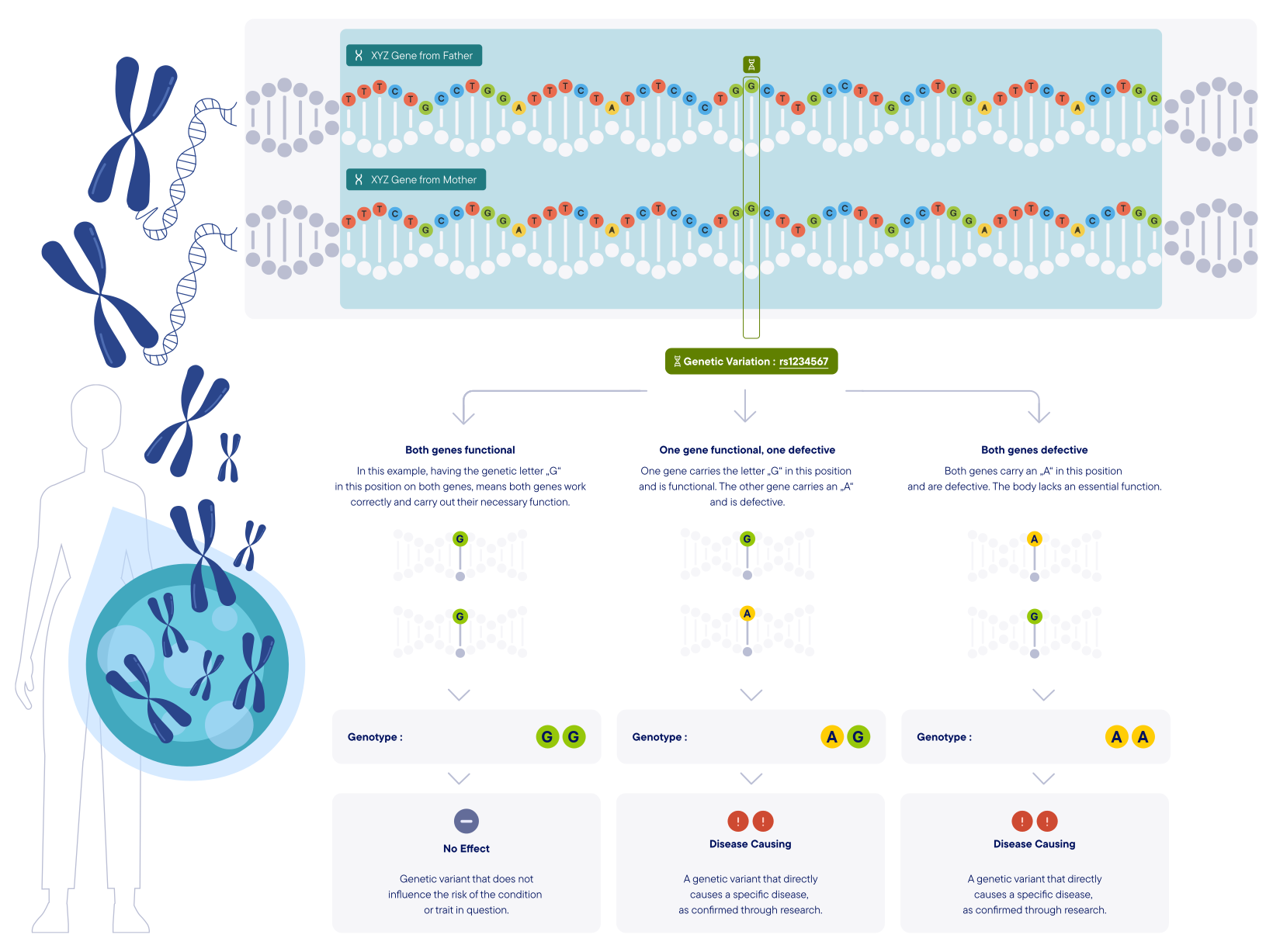
Humans have more than 20,000 genes, each carrying out one or a few specific functions in the body. One gene instructs the body to digest lactose from milk, another tells the body how to build strong bones and another prevents the body's cells from beginning to multiply uncontrollably and developing into cancer. As all of these genes combined are the building instructions for our body, a defect in one of these genes can have severe health consequences.
Through decades of genetic research, we know the genetic code of any healthy/functional human gene. We have also identified that in certain positions on a gene, some individuals may have a different genetic letter from the one you have. We call these hotspots "Genetic Variations" or "Variants" in short. In many cases, studies have been able to show that having the genetic letter "G" in the position makes you healthy, but having the letter "A" in the same position disrupts the gene function and causes a disease. Genopedia allows you to view these variants in genes and summarizes all that we know from scientific research, which genetic letters (Genotype) have good or bad consequences on your health or on your traits.
History
Throughout history, people have described children who were notably short with small hands and feet while otherwise healthy and bright, hinting at what we now recognize as Acromesomelic dysplasia-3. Family stories sometimes recalled several relatives across generations with similar body proportions, suggesting an inherited pattern long before genes could be studied. In daily life, this might have shown up as trousers always needing extra hemming, shoes that stayed small for age, or door handles placed just a bit too high to reach comfortably.
First described in the medical literature as a form of “acromesomelic” short stature—meaning the middle and end segments of the limbs are more affected—early reports relied on careful measurements and X-rays. Initially understood only through symptoms, later work grouped similar cases together and separated them from other causes of short stature. As medical science evolved, clinicians noticed that facial features were typically unaffected and intelligence was expected, helping distinguish Acromesomelic dysplasia-3 from other skeletal conditions that can involve multiple organ systems.
In recent decades, knowledge has built on a long tradition of observation. Researchers connected detailed bone measurements with consistent X‑ray patterns, and then with changes in specific genes that help shape cartilage growth. This shift from descriptive observation to molecular confirmation allowed doctors to tell closely related conditions apart, refine diagnosis, and give families clearer expectations. Advances in genetics also clarified that Acromesomelic dysplasia-3 follows an autosomal recessive pattern in most families, which means each parent usually carries one silent copy of the gene change.
Not every early description was complete, yet together they built the foundation of today’s knowledge. With each decade, case reports from different countries broadened the picture, showing that Acromesomelic dysplasia-3 occurs in many populations and can vary in how strongly the limb segments are affected. This helped clinicians set more accurate growth charts, anticipate orthopedic needs, and avoid unnecessary tests for unrelated conditions.
From early theories to modern research, the story of Acromesomelic dysplasia-3 reflects a wider shift in medicine: starting with what could be seen and measured at the bedside, and moving toward pinpointing the gene changes that explain those findings. Knowing the condition’s history helps explain why older records may have used different labels, and why today’s diagnosis is more precise—grounded in both careful clinical examination and, when available, genetic testing that confirms what careful observers suspected for generations.