
Acrofrontofacionasal dysostosis is a rare genetic condition that affects facial shape, fingers and toes, and sometimes learning and growth. Features can include a wide nasal bridge, differences in the front of the head and face, and limb changes like short or curved fingers and toes. Many people with acrofrontofacionasal dysostosis are identified in infancy or early childhood, and the condition is lifelong. Treatment focuses on supportive care such as speech, occupational, and physical therapy, plus surgeries or orthodontic care when needed. Not everyone will have the same experience, and life expectancy is often near typical when medical needs are met.
Overview
Acrofrontofacionasal dysostosisSymptoms
Acrofrontofacionasal dysostosis causes facial differences (wide-set eyes, broad or split nose, sometimes cleft lip/palate) and limb differences (short or fused fingers/toes). Early signs of acrofrontofacionasal dysostosis are often seen before birth or at birth. Many have developmental delays and seizures.
Outlook and prognosis
Many living with acrofrontofacionasal dysostosis grow and learn with tailored support, though facial, limb, and developmental differences often persist. Early therapies, hearing and vision care, and educational planning can improve independence. Lifelong follow-up with genetics and specialty teams guides evolving needs.
Causes and risk factors
Acrofrontofacionasal dysostosis stems from genetic changes that disrupt early development. It can be inherited or appear as a new change; family history and parental relatedness increase risk. Non-genetic factors don’t cause it, though care and environment may affect complications.
Genetic influences
Genetics is central in Acrofrontofacionasal dysostosis, which stems from rare, inherited gene changes. Variants typically affect genes guiding facial and limb development, leading to the syndrome’s pattern. Inheritance can be autosomal recessive, autosomal dominant, or de novo, so genetic counseling matters.
Diagnosis
Doctors suspect acrofrontofacionasal dysostosis based on characteristic facial and limb features seen at birth. The genetic diagnosis of acrofrontofacionasal dysostosis is confirmed with targeted gene testing, often alongside imaging and developmental assessments. Family history can support the diagnosis.
Treatment and drugs
Care focuses on supportive, team-based care for Acrofrontofacionasal dysostosis. This often includes early therapies for speech, feeding, and learning; surgeries for facial or limb differences; hearing and vision care; and tailored plans for heart, airway, or growth concerns. Genetic counseling helps families plan.
Symptoms
Acrofrontofacionasal dysostosis affects how the face, skull, and limbs form, so families often notice differences soon after birth. Features vary from person to person and can change over time. Parents often first notice early features of acrofrontofacionasal dysostosis such as wide-set eyes or differences in the hands and feet. Some traits can affect feeding, breathing, hearing, or speech, so early support can make daily care easier.
Common features include a broad or high forehead, wide-set eyes, and a broad nasal bridge. The midface may look flatter, and the nose can appear short or wide. These traits are part of acrofrontofacionasal dysostosis.
Some babies are born with a split in the upper lip, the roof of the mouth, or both. This can affect feeding and speech. Surgery and therapy often help.
Fingers or toes may be fused, missing, extra, or shaped differently. Grasping small objects, buttoning clothes, or balancing can take extra practice. These hand and foot differences are part of acrofrontofacionasal dysostosis.
Because of mouth and jaw shape, infants may have trouble latching or coordinating sucking and swallowing. Special bottles and feeding support can help maintain nutrition. A feeding specialist can guide families.
How people usually first notice Acrofrontofacionasal dysostosis?
Many families first notice something unusual with Acrofrontofacionasal dysostosis right at birth or in the first weeks, when a baby’s facial features look different and the nose bridge appears very flat, sometimes alongside wide-set eyes or a small jaw. Doctors may spot additional clues during early check-ups, such as finger or toe differences, limb bone changes, or feeding and breathing difficulties, and they often confirm concerns with imaging and genetic testing. For many, the “first signs of Acrofrontofacionasal dysostosis” are these visible traits and early developmental delays that prompt referral to specialists.
Types of Acrofrontofacionasal dysostosis
Acrofrontofacionasal dysostosis is a rare genetic condition with features that can vary from one person to the next. Researchers describe a few clinical variants based on the gene involved, which can shape facial features, limb differences, and developmental needs. Symptoms don’t always look the same for everyone. Understanding the main variants of acrofrontofacionasal dysostosis can help people and families recognize patterns and discuss types of acrofrontofacionasal dysostosis with their care team.
Type 1 (TP63)
Often linked to changes in the TP63 gene. People may have differences of the hands and feet, distinctive facial features, and variable developmental delays. Skin, hair, or nails can also be affected.
Type 2 (ZNF462)
Associated with variants in ZNF462. Many have characteristic facial features, ptosis (droopy eyelids), and differences in neurodevelopment or learning. Limb differences are typically milder than in type 1.
Type 3 (PORCN-related)
Tied to changes affecting the PORCN pathway, with features that overlap other ectodermal disorders. People may have patchy skin or hair differences along with facial and limb findings. Developmental impact ranges from mild to moderate.
Type 4 (Other genes)
Rare families show similar clinical patterns from variants in additional, less common genes. Features can echo the core syndrome but with different degrees of limb and facial involvement. Even within the same family, intensity can range from mild to severe.
What genetics can tell you about symptoms
Some people with acrofrontofacionasal dysostosis have frontonasal changes (wide-set eyes, broad nasal bridge), limb differences (short or missing thumbs), and learning challenges linked to pathogenic variants in genes like ZSWIM6. These variants disrupt early facial and limb patterning, shaping which features appear.
Causes and risk factors
Acrofrontofacionasal dysostosis usually starts with a change in a single gene that happens before birth. This change can run in a family, or it can be a new change in the child with no family history. Doctors distinguish between risk factors you can change and those you can’t. The genetic causes of acrofrontofacionasal dysostosis are the main driver and lifestyle or everyday habits do not cause it. Family history raises the chance for future children, and prenatal health and early care can shape how the condition affects daily life.
Environmental and biological risk factors
Acrofrontofacionasal dysostosis is a rare condition present from birth that affects facial and limb development. While families often focus on early symptoms of acrofrontofacionasal dysostosis, the factors that influence its likelihood mostly act before and during pregnancy. Plenty of people with similar exposures live without developing the condition. For most families, there are no clear environmental triggers, and nothing parents did caused it.
As men get older, the chance of new changes during sperm formation rises slightly. This can very slightly increase the likelihood of rare birth conditions such as acrofrontofacionasal dysostosis. The overall risk remains low.
Older maternal age is strongly linked to some chromosomal conditions, but a consistent link to acrofrontofacionasal dysostosis has not been shown. If any effect exists, it appears small compared with other factors.
High-dose retinoic acid, thalidomide, and certain anti-seizure drugs can cause facial and limb differences. No direct connection to this condition has been proven. Medication changes should only be made with medical advice.
Significant ionizing radiation in early pregnancy can raise the overall risk of birth defects. There is no specific evidence linking it to acrofrontofacionasal dysostosis. Routine medical imaging uses much lower doses and is considered safe when clinically needed.
Genetic risk factors
Acrofrontofacionasal dysostosis is a very rare genetic condition linked to changes in genes that guide early development of the face, skull, and limbs. Some risk factors are inherited through our genes. Current research points to single‑gene variants as the main genetic causes of Acrofrontofacionasal dysostosis, often arising for the first time in a child (a de novo change). When a genetic change is present in a parent, it can be passed to children, and features may differ between relatives.

Single-gene variants: Acrofrontofacionasal dysostosis is typically caused by a change in one gene involved in craniofacial and limb development. Such a change can disrupt signals that shape these structures before birth. This appears to be the central genetic driver identified to date.
De novo variants: Many children with Acrofrontofacionasal dysostosis have a genetic change that is not found in either parent. This de novo change arises in the egg or sperm or very early after conception. In these situations, the chance of it happening again in the family is usually low but not zero.
Family history: Having a biological parent with the same genetic change increases the chance of Acrofrontofacionasal dysostosis in a child. If several relatives are affected, inherited transmission becomes more likely. Genetic counseling can help estimate risks for future pregnancies.
Parental mosaicism: Sometimes a parent carries the variant in a small fraction of egg or sperm cells, so routine blood testing looks negative. This hidden mosaicism can slightly increase recurrence risk compared with the general population. Discussing targeted testing options with a genetics team can be helpful.
Variable expressivity: The same genetic change can cause different features and severity in different people. Risk is not destiny—it varies widely between individuals. This variability can make family patterns look uneven.
Ongoing gene discovery: Because this condition is extremely rare, researchers are still clarifying which genes and pathways are involved. Negative results on one test do not rule it out, and broader sequencing may be considered. As new genes are linked, testing strategies may change.
Genetic testing: Finding the underlying variant confirms the diagnosis and can clarify risks for relatives. In some cases, genetic testing can give a clearer picture of your personal risk. Results also guide options like prenatal or preimplantation testing in future pregnancies.
Lifestyle risk factors
Lifestyle habits do not cause Acrofrontofacionasal dysostosis, but they can shape day-to-day function, symptom control, and recovery from procedures. Understanding how lifestyle affects Acrofrontofacionasal dysostosis helps focus on choices that support mobility, breathing, feeding, and oral health. The elements below highlight practical areas where habits can either ease challenges or make them harder to manage.
Limited movement can worsen joint stiffness and reduce muscle support for limb differences. Regular low-impact activity and prescribed physiotherapy can maintain range of motion and reduce pain.
Repetitive jarring may stress atypical joints and feet, increasing discomfort or injury. Choosing low-impact options like swimming or cycling builds strength without overload.
Skipping home exercises for physical or speech therapy can slow gains in mobility, coordination, or articulation. Daily practice maintains improvements and keeps surgical results functional.
Inadequate protein, calories, or micronutrients can impair growth and wound healing after craniofacial or limb surgeries. Diets emphasizing protein, iron, zinc, calcium, and vitamin D support bone, dental, and tissue repair.
Risk prevention
Acrofrontofacionasal dysostosis is a rare genetic condition present from birth, so you can’t prevent the condition itself. Prevention focuses on avoiding complications, supporting growth and learning, and planning care early. Prevention works best when combined with regular check-ups. Spotting early symptoms of Acrofrontofacionasal dysostosis and staying connected with a specialist team can make day-to-day life easier.
Getting a prompt diagnosis helps you connect with craniofacial and genetics teams early. Early support can prevent avoidable problems and guide treatment plans.
A lead clinician can coordinate specialists across ENT, dentistry, audiology, nutrition, and therapy. Coordinated care reduces gaps that can lead to complications.
Regular checks for breathing issues and sleep apnea can prevent low oxygen and daytime fatigue. Early treatment, like managing enlarged adenoids or sleep positioning, supports growth and learning.
Routine hearing tests catch fluid build-up or hearing loss that can delay speech. Prompt treatment and hearing support help communication for children with Acrofrontofacionasal dysostosis.

Transmission
Acrofrontofacionasal dysostosis is not contagious and cannot be spread through everyday contact, air, or surfaces. It stems from a change in a gene and, for many, arises as a new (de novo) change; less often, it’s inherited in an autosomal dominant way from a parent who also has Acrofrontofacionasal dysostosis. In families where a parent is affected, each child has a 50% chance of inheriting the altered gene, which describes how Acrofrontofacionasal dysostosis is inherited. When neither parent is affected, the chance of it happening again in a future pregnancy is usually low, though a genetics team can explain the specific genetic transmission of Acrofrontofacionasal dysostosis and discuss testing options.
When to test your genes
Choose genetic testing if you or a close relative has features suggestive of acrofrontofacionasal dysostosis, especially facial differences with limb or hand anomalies, or if a clinician suspects it from exams or imaging. Test during family planning to clarify reproductive risks. Test to guide care coordination and surveillance for associated medical issues.
Diagnosis
Doctors usually start by looking for a pattern of facial differences, hand and foot changes, and early growth findings that suggest this rare condition present from birth. Getting a diagnosis is often a turning point toward answers and support. For Acrofrontofacionasal dysostosis, the process combines careful physical examination with targeted genetic tests to confirm the cause. When possible, a genetic diagnosis of Acrofrontofacionasal dysostosis helps guide care and family planning.
Doctors look for a consistent pattern of facial shape, nose and forehead differences, and distinctive finger or toe changes. They also note growth, muscle tone, and joint flexibility.
Teams check early milestones such as sitting, walking, speech, and learning. These evaluations help document strengths and needs that support services can address.
Clinicians ask about relatives with similar features, growth patterns, or learning differences. Family history is often a key part of the diagnostic conversation.
A gene panel or exome test looks for changes linked to this condition and can confirm the diagnosis. Results also help with recurrence risk and options for relatives.
Stages of Acrofrontofacionasal dysostosis
Acrofrontofacionasal dysostosis does not have defined progression stages. It is present from birth with structural differences and developmental needs, so it does not move through a predictable step-by-step decline. Diagnosis relies on the pattern seen during a physical exam, imaging when needed, and a genetic test to confirm; early symptoms of Acrofrontofacionasal dysostosis are usually noticed in infancy. Genetic testing may be offered to clarify certain risks.
Outlook and prognosis
Looking at the long-term picture can be helpful. For many people with Acrofrontofacionasal dysostosis, the outlook depends on which features are present and how severe they are—things like facial and limb differences, growth, feeding, breathing, and learning. Some children have early symptoms of Acrofrontofacionasal dysostosis such as feeding trouble or low muscle tone that improve with therapy and time, while others need ongoing support for speech, mobility, or schooling. Everyone’s journey looks a little different.
Prognosis refers to how a condition tends to change or stabilize over time. In Acrofrontofacionasal dysostosis, life span can be near typical when heart, airway, and feeding issues are well managed and seizures—if present—are controlled. More serious complications, such as complex heart defects, frequent lung infections, uncontrolled seizures, or severe swallowing problems with aspiration, can increase health risks and may affect mortality, especially in early childhood. With ongoing care, many people maintain good day-to-day health, attend school with supports, and participate in family and community life.
The outlook is not the same for everyone, but early care can make a real difference with nutrition, growth, communication, and motor skills. Regular follow-up with pediatrics, genetics, cardiology, neurology, ENT, and therapy services helps catch small issues before they become bigger problems, and new equipment or treatments can expand options over time. Talk with your doctor about what your personal outlook might look like.
Long-term effects
Acrofrontofacionasal dysostosis is a rare genetic condition that can shape facial features, brain development, and limb formation across the lifespan. Long-term effects vary widely, even within the same family. Many features are present from birth and remain relatively stable, while developmental and neurologic differences often become clearer in early childhood; life expectancy in Acrofrontofacionasal dysostosis depends on the severity of associated medical issues. Some people reach adulthood with ongoing support needs, and levels of independence can differ considerably.
Many have lifelong developmental differences that range from mild to severe. Learning tends to progress over time but often requires tailored educational support. Skills may plateau or move forward in small steps.
Speech can be limited, and some people may not develop spoken language. Understanding may be stronger than expression. Many rely on nonverbal or alternative ways to communicate.
Some people develop seizures that begin in childhood and may continue. Control can vary, and seizure activity can affect learning and behavior. Care teams often track patterns over years.
Differences in connections between brain regions, such as a thin or underdeveloped corpus callosum, can be present. These may relate to coordination, learning, or attention challenges. Not everyone has the same findings.
How is it to live with Acrofrontofacionasal dysostosis?
Living with acrofrontofacionasal dysostosis often means navigating a mix of medical visits, therapies, and supports tailored to facial differences, limb or digit changes, and sometimes learning or developmental needs. Daily life can be full but structured: accommodations at school, speech or occupational therapy, and regular check-ins with specialists help many build skills and independence. Families, caregivers, and teachers play a big role, adapting communication, pacing, and environments, while also celebrating progress and strengths. With coordinated care and community support, many find a steady rhythm that balances health needs with play, learning, and connection.
Treatment and drugs
Treatment for acrofrontofacionasal dysostosis focuses on managing symptoms and supporting development, since there’s no single cure for the condition. Care is usually coordinated by a team—often including pediatrics, genetics, orthopedics, ENT, ophthalmology, neurology, speech and physical therapy—to address features like feeding or breathing difficulties, hearing or vision problems, limb differences, and developmental delays. Some needs are addressed with surgery (for example, repairing cleft palate or stabilizing bone or joint issues), while others rely on therapies, assistive devices, and tailored education plans to build skills and independence. Treatment plans often combine several approaches, and they’re adjusted over time as children grow and goals change. Ask your doctor about the best starting point for you, and how to connect with specialists and early-intervention services in your area.
Non-drug treatment
Living with Acrofrontofacionasal dysostosis can affect everyday activities like feeding, movement, speech, and learning, so care often focuses on practical supports. Early symptoms of Acrofrontofacionasal dysostosis may include trouble latching, slow weight gain, or delayed motor milestones. Non-drug treatments often lay the foundation for long-term function and comfort. Care usually shifts over time and is tailored to each person’s facial, limb, hearing, vision, and developmental needs.
A coordinated team plans care across genetics, pediatrics, therapy, and surgery. Regular check-ins help adjust goals as needs change.
Targeted exercises build strength, balance, and coordination. Therapy can support walking, stairs, and safe play.
Skills for daily activities like dressing, hand use, and self-feeding are practiced step by step. Adaptive tools can make tasks easier at home and school.
Feeding therapy can improve latch, chewing, and swallowing. Speech therapy supports sound production, language, and social communication.
Your genes may have an impact on how drugs work for you
Some medicines work differently depending on gene variants that affect how the body processes drugs—speeding them up, slowing them down, or altering side‑effects. For people with acrofrontofacionasal dysostosis, clinicians may adjust choices or doses based on pharmacogenetic testing when available.
Pharmacological treatments
There’s no single drug that treats every aspect of Acrofrontofacionasal dysostosis, so medicines are chosen to ease specific symptoms like seizures, muscle stiffness, reflux, or sleep issues. Plans are individualized and often adjusted over time to balance benefits and side effects. Not everyone responds to the same medication in the same way. Your care team may combine drugs with therapies (like physio, feeding, or speech support) depending on your needs.
Levetiracetam, valproate, or lamotrigine are commonly used to prevent and reduce seizures. In some babies, early symptoms of Acrofrontofacionasal dysostosis include seizures, and these medicines can help stabilize activity in the brain. Doses are increased slowly and monitored for mood or appetite changes.
Oral baclofen can ease muscle tightness and improve comfort, with diazepam used short term for severe spasms. Botulinum toxin injections may target specific tight muscles to improve range of motion. Watch for sleepiness or weakness as possible side effects.
Proton pump inhibitors such as omeprazole or esomeprazole can reduce acid and protect the esophagus. Famotidine is an alternative that lowers acid in a different way. These drugs may help feeding comfort and weight gain.
Polyethylene glycol (PEG 3350) or lactulose softens stools and helps regularity. Doses are adjusted to produce comfortable, daily bowel movements. Adequate fluids and fiber remain important alongside medication.
Genetic influences
Research suggests that acrofrontofacionasal dysostosis stems from changes in genes that guide early development of the face, skull, and limbs. In some families, the gene change is inherited, while in others it appears for the first time in a child (a de novo change), so a family history may or may not be present. Because this condition is very rare and there are subtypes, reported inheritance patterns can differ, and not all responsible genes have been discovered yet. Genetic testing may identify the underlying change and help estimate the chance of acrofrontofacionasal dysostosis in a future pregnancy, though results don’t always find an answer. Understanding whether a condition is inherited can guide next steps.
Is Acrofrontofacionasal dysostosis genetic?
Genetics is central in Acrofrontofacionasal dysostosis, which stems from rare, inherited gene changes. Variants typically affect genes guiding facial and limb development, leading to the syndrome’s pattern. Inheritance can be autosomal recessive, autosomal dominant, or de novo, so genetic counseling matters.
Pharmacogenetics—how genetics influence drug effects
In Acrofrontofacionasal dysostosis, medicines are usually used to manage symptoms—such as seizures, attention or mood concerns, pain after surgery, or reflux—rather than to target the underlying gene change. The specific genetic cause doesn’t yet point to a single “right” drug, but your broader genetics can still shape drug response in Acrofrontofacionasal dysostosis. Genetic testing can sometimes identify how your body handles certain pain relievers or anti-seizure medicines, helping the care team choose a dose that’s more likely to work with fewer side effects. For example, differences in drug‑processing genes can make codeine or tramadol either too strong or not effective, and some genetic markers raise the risk of serious skin reactions with medicines like carbamazepine—information that can guide safer choices, especially in people of Asian ancestry. If surgery is planned, share any family history of anesthesia problems, including a rare inherited reaction called malignant hyperthermia, because this can change which anesthetics are used and how you’re monitored. Your genes are part of the picture, alongside age, other health issues, and organ function, so medication plans are tailored and updated over time.
Interactions with other conditions
Day to day, people with Acrofrontofacionasal dysostosis may find that other health issues shape how they feel and function, from feeding and sleep to learning and mobility. Doctors call it a “comorbidity” when two conditions occur together. Epilepsy, developmental delay, or congenital heart differences can occur alongside Acrofrontofacionasal dysostosis, and each can influence the other—for example, seizures may affect progress in therapy, while certain anti‑seizure medicines can impact alertness, appetite, or bone health. Structural features like a cleft palate or a narrow airway can raise the chance of ear infections, hearing loss, or sleep apnea, which in turn can affect speech, school performance, and daytime energy. Feeding difficulties and reflux may lead to poor weight gain, and respiratory infections can be more frequent if airway clearance is harder; anesthesia planning for surgeries often needs extra attention when heart or airway differences are present. Interactions can look very different from person to person, and early symptoms of Acrofrontofacionasal dysostosis can overlap with other conditions, so coordinated care and regular check‑ins help tailor treatment as needs change.
How genes can cause diseases
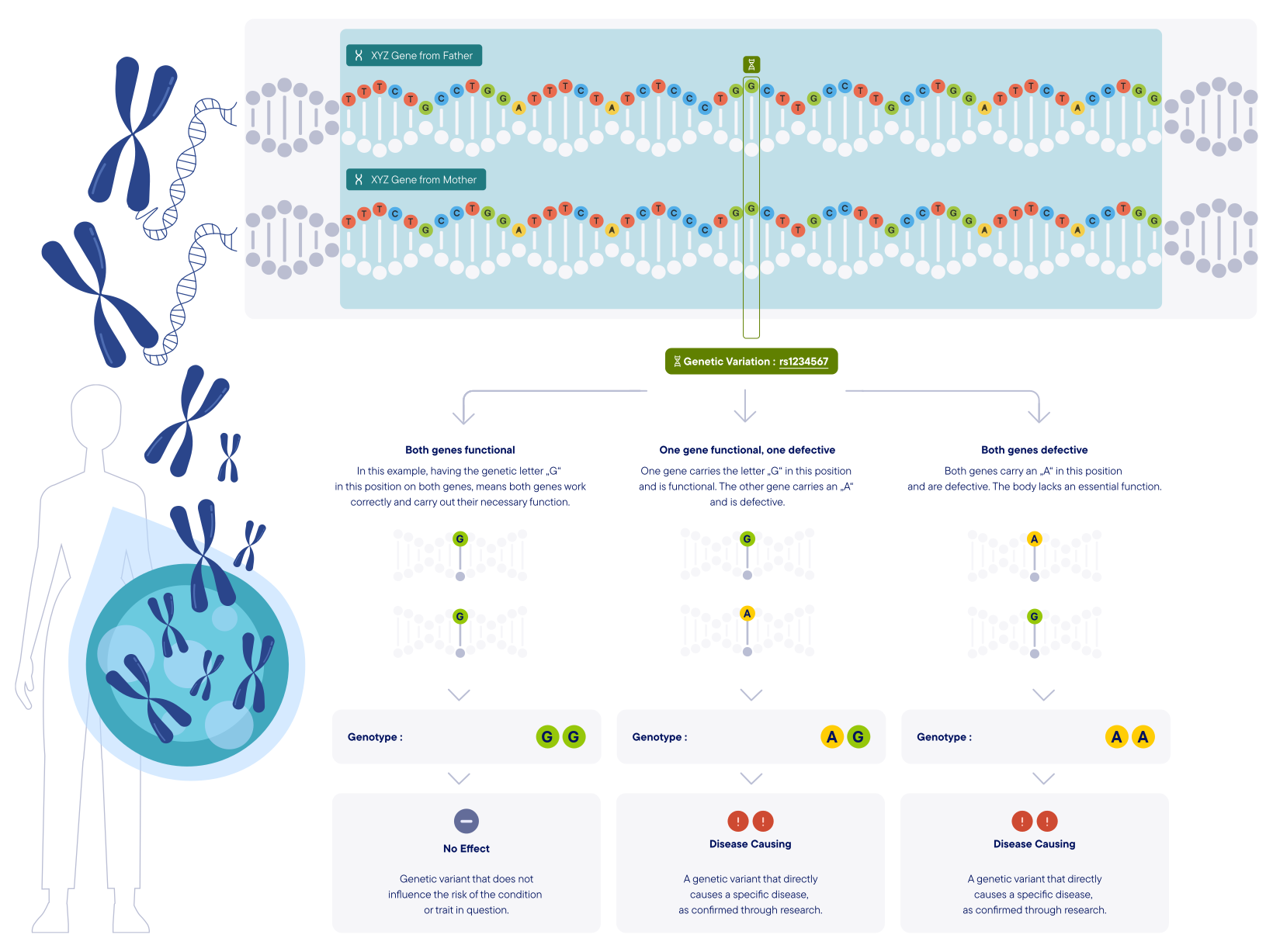
Humans have more than 20,000 genes, each carrying out one or a few specific functions in the body. One gene instructs the body to digest lactose from milk, another tells the body how to build strong bones and another prevents the body's cells from beginning to multiply uncontrollably and developing into cancer. As all of these genes combined are the building instructions for our body, a defect in one of these genes can have severe health consequences.
Through decades of genetic research, we know the genetic code of any healthy/functional human gene. We have also identified that in certain positions on a gene, some individuals may have a different genetic letter from the one you have. We call these hotspots "Genetic Variations" or "Variants" in short. In many cases, studies have been able to show that having the genetic letter "G" in the position makes you healthy, but having the letter "A" in the same position disrupts the gene function and causes a disease. Genopedia allows you to view these variants in genes and summarizes all that we know from scientific research, which genetic letters (Genotype) have good or bad consequences on your health or on your traits.
History
Throughout history, people have described babies born with unusual facial shapes and differences in the hands or feet, long before modern names existed. Family stories might recall a newborn with a small, upturned nose, wide-set eyes, and toes that looked different, alongside early feeding troubles. Doctors in earlier eras recorded these patterns carefully, even when they did not yet know why they occurred together.
First described in the medical literature as a cluster of facial and limb differences that tended to appear in the same child, the condition later came to be known as Acrofrontofacionasal dysostosis. Early reports focused on what could be seen: the front of the face developing differently, the nose formed in an unusual way, and fingers or toes that were shorter or positioned differently. As medical science evolved, clinicians noticed that some children also had learning differences or delays, while others did not, showing that the condition can vary widely from person to person.
From early theories to modern research, the story of Acrofrontofacionasal dysostosis moved from careful bedside observation to targeted imaging and, eventually, genetic studies. In the late 20th century, clearer clinical descriptions helped distinguish it from other look‑alike syndromes. This reduced confusion in diagnosis and allowed families to get more specific guidance about care, therapies, and monitoring.
Advances in genetics in recent decades refined the picture further. Researchers found that changes in certain genes involved in early body patterning can affect how the middle of the face, the nose, and the ends of the limbs form during embryonic development. This explained why features tended to occur together and why the condition could show up differently across families and even among siblings. It also clarified that there are subtypes, each with its own pattern of features and range of severity.
Despite evolving definitions, one theme has stayed constant: detailed, person‑centered descriptions from clinicians and families have driven progress. Today’s understanding of Acrofrontofacionasal dysostosis blends those early clinical notes with genetic findings, giving a more complete path from first recognition to diagnosis. Knowing the condition’s history helps explain why a careful physical exam, family history, and, when appropriate, genetic testing all matter when evaluating early symptoms of Acrofrontofacionasal dysostosis and planning support over time.