
Acrodysostosis is a rare genetic condition that affects bone growth and hormone signaling. People with acrodysostosis often have short stature, small hands and feet, facial differences, and possible learning or attention challenges. Signs are usually noticed in infancy or early childhood and continue lifelong, though day‑to‑day health can be stable. Many living with acrodysostosis also have hormone resistance, so treatment often includes targeted hormone therapy, physical and occupational therapy, and school supports. The outlook varies, but many people live long lives with regular follow‑up and tailored care.
Overview
AcrodysostosisSymptoms
Acrodysostosis often becomes noticeable at birth or early childhood. Common features include short stature, short fingers and toes, upturned nose with midface flattening, stiff joints, and possible learning or speech delays. Some develop hormone resistance causing growth or puberty issues.
Outlook and prognosis
Most people with acrodysostosis grow and learn at their own pace and benefit from early therapies and regular follow-up. Bone and joint stiffness can persist, but pain and mobility often improve with targeted care. Lifespan is usually typical with coordinated management.
Causes and risk factors
Acrodysostosis is due to single-gene variants, usually new (de novo) changes in PDE4D or PRKAR1A; if a parent is affected, inheritance is autosomal dominant. No proven environmental or lifestyle causes. Recognition often follows early symptoms of Acrodysostosis.
Genetic influences
Genetics play a central role in acrodysostosis. Most cases stem from single-gene variants—often in PRKAR1A or PDE4D—that disrupt hormone signaling and bone growth. Inherited patterns vary: many are new (de novo) changes, though familial transmission can occur.
Diagnosis
Doctors suspect Acrodysostosis from characteristic bone changes, facial features, and growth patterns. X-rays and hormone assessments support the diagnosis. Genetic diagnosis of Acrodysostosis is confirmed by finding a disease-causing change in PRKAR1A or PDE4D.
Treatment and drugs
Treatment for acrodysostosis focuses on comfort, mobility, and learning. Care often includes hormone support for resistance (like thyroid or growth), physical and occupational therapy, pain and joint care, and tailored educational help. Orthopedic or spine surgery is considered selectively.
Symptoms
Many living with acrodysostosis notice differences in bone growth, hand size, and facial shape from early childhood. These features are present from birth and tend to be stable, though needs may change as kids grow. Early features of acrodysostosis can include short fingers and toes, a small upturned nose, and shorter height. Features vary from person to person and can change over time.
People with acrodysostosis are often shorter than peers due to differences in bone growth. This may be noticeable in clothing sizes and reach, but overall strength and coordination vary.
Fingers and toes are often shorter and may be slightly curved. Clinicians call this brachydactyly, which means shorter bones in the hands and feet. Small fasteners or touchscreens can take extra effort.
A small midface and a short, upturned nose are common in acrodysostosis. This shape can narrow the nasal passages, leading to mouth breathing, snoring, or frequent ear or sinus infections. Dental crowding can also happen as the jaw is smaller.
Elbows, wrists, or knees may not fully straighten or bend. This can make it harder to reach overhead, squat, or sit comfortably on the floor. Some people notice aching after activity.
How people usually first notice Acrodysostosis?
Many families first notice acrodysostosis in infancy or early childhood when a baby has a small, upturned nose and a flat midface, short fingers and toes, or unusually short height for age. Doctors often pick up the first signs of acrodysostosis during routine checkups or X‑rays by seeing shortened bones in the hands and feet, advanced bone age, or characteristic facial features; some children also show early stiffness in joints or delayed speech and learning. In some cases, clues appear even earlier on prenatal ultrasound, such as shorter long bones, which then prompt closer monitoring and genetic testing to confirm how acrodysostosis is first noticed.
Types of Acrodysostosis
Acrodysostosis is a rare genetic bone growth condition with a few well-recognized clinical variants. These variants are tied to changes in different genes that act like dimmer switches for hormone signaling, which can shape how strongly features show up. Symptoms don’t always look the same for everyone. Knowing the main variants of Acrodysostosis can help make sense of the differences people notice day to day, and many search specifically for “types of Acrodysostosis” when looking for early symptoms and treatment options.
ACRDYS1 (PRKAR1A)
This variant often includes more noticeable hormone resistance, especially to hormones that affect growth, thyroid, and calcium balance. People may have shorter height, characteristic facial features, and small hands and feet.
ACRDYS2 (PDE4D)
This variant typically has milder or absent hormone resistance but can show more pronounced skeletal and facial features. Some may have learning or developmental differences alongside short stature.
What genetics can tell you about symptoms
Some people with PRKAR1A changes have more severe short fingers and toes, facial flattening, and hormone resistance that can cause early puberty or thyroid issues. PDE4D variants more often lead to learning challenges, distinctive facial features, and milder bone shortening.
Causes and risk factors
Acrodysostosis usually happens because of a new gene change in PDE4D or PRKAR1A. Some risks are written in our DNA, passed down through families. If a parent carries one of these changes, each child has a 50% chance of inheriting the condition. Most cases arise by chance and are not inherited. There are no proven environmental or lifestyle risk factors for acrodysostosis, so family history is the main known risk.
Environmental and biological risk factors
Acrodysostosis typically starts before birth and is driven mainly by internal, body-based factors present from conception. At this time, known environmental risk factors for acrodysostosis are not well established. Researchers are still exploring how outside influences interact with our inner biology. Below are the biological and environmental elements linked to its likelihood, based on current knowledge.
Older paternal age is linked to a higher chance of new changes arising in sperm before conception. This may slightly increase the likelihood of acrodysostosis occurring in a child. The overall risk remains low for any single pregnancy.
Random changes can occur as the egg and sperm join and cells first divide. These chance events can lead to conditions like acrodysostosis even with no family history. They are not caused by anything the parents did or did not do.
No specific exposures have been proven to raise the risk of acrodysostosis. Studies to date have not identified consistent triggers such as infections, medications, or pollutants. Evidence is limited because the condition is very rare.
Current reports do not show higher risk tied to sex, ethnicity, or geographic region. This suggests acrodysostosis occurs sporadically across populations. Reporting practices may influence apparent patterns.
Genetic risk factors
Acrodysostosis most often stems from a change in one of two genes that help cells respond to hormonal signals. For families, this matters because it influences whether the condition may be passed to children and what features are more likely. Some risk factors are inherited through our genes. The genetic causes of acrodysostosis usually follow an autosomal-dominant pattern, but many start as a new change in a child.

PRKAR1A variants: Pathogenic changes in the PRKAR1A gene disturb how cells tune hormone signals and bone growth. This genetic cause of acrodysostosis is often linked with resistance to certain hormones. Genetic testing can identify these variants.
PDE4D variants: Changes in the PDE4D gene alter the same signaling system. People with these variants often show more pronounced bone and facial differences and may have learning differences. Testing can confirm PDE4D involvement.
Shared pathway: Both genes affect a signaling pathway that works like a dimmer switch for growth and hormone responses. Disruption of this pathway is the core genetic driver of acrodysostosis. Understanding the pathway can guide targeted testing.
Autosomal dominant: A single altered copy of one of these genes can cause the condition. If a parent is affected, each child has up to a 50% chance of inheriting it. Severity can differ between parent and child.
De novo variants: In many families, the genetic change arises for the first time in the child. Parents are usually unaffected and test negative. The chance of it happening again is generally low but not zero.
Parental mosaicism: Sometimes a parent carries the change only in a portion of their egg or sperm cells. This hidden mosaicism can raise the recurrence risk. Standard blood tests may miss low-level mosaicism.
Family history: Having a parent or sibling with acrodysostosis increases risk. Features in a parent may be subtle and go unrecognized. A genetics consult can clarify inheritance in a family.
Variable expressivity: The same genetic change can lead to different features and severity among relatives. Some have more endocrine issues, others mainly bone differences. This is why early symptoms of acrodysostosis can vary widely.
Gene-specific patterns: PRKAR1A changes are more often linked with hormone resistance, while PDE4D changes more often bring skeletal and facial differences. These patterns are general trends and not absolute. Knowing the gene can help anticipate care needs.
No ancestry bias: Acrodysostosis appears in many ethnic groups without a clear population hotspot. Risk relates to the specific variant rather than overall ancestry.
Lifestyle risk factors
Acrodysostosis is a genetic condition; lifestyle habits do not cause it, but daily choices can influence comfort, function, and complications over time. This overview focuses on how lifestyle affects Acrodysostosis, highlighting practical areas you can modify. Small, consistent changes in movement, sleep, and routine care may help protect joints, breathing, and overall participation in daily life.
Regular gentle activity (like swimming or cycling) helps maintain joint range and muscle strength. High-impact or contact sports can aggravate joint and spine stress.
Long periods of sitting increase stiffness and deconditioning in already tight joints. Short movement breaks preserve mobility and make daily tasks easier.
Excess weight adds load to small hand, foot, and spinal joints, increasing pain and fatigue. Maintaining a steady, nutritious intake can reduce stress on joints and ease movement.
Adequate calcium, protein, and vitamin D–rich foods support bone strength in the setting of skeletal differences. Regular meal patterns help avoid energy dips that limit activity.
Risk prevention
Acrodysostosis is a rare genetic condition present from birth, so you can’t prevent the condition itself. Prevention focuses on spotting issues early and lowering the risk of complications that affect breathing, hearing, hormones, teeth, bones, and daily function. Different people need different prevention strategies—there’s no single formula. Learning the early symptoms of acrodysostosis can help families get timely care and set up the right supports.
Noticing short fingers and toes, facial differences, or delayed milestones can prompt early referral. Early assessments help map out care before problems build up.
A genetics visit can explain why acrodysostosis happens and the chance it could occur again in a future pregnancy. Counselors can also discuss reproductive options and testing choices.
Regular blood checks can catch thyroid underactivity and calcium balance problems tied to hormone resistance. Treating these early may ease fatigue, support growth, and protect bones.
Screening for snoring, pauses in breathing, or daytime sleepiness can flag sleep apnea. Managing airway issues and using sleep studies when needed can improve energy, learning, and heart health.

Transmission
Acrodysostosis is not contagious. You can’t catch it from someone or spread it to others; it is present from birth due to a change in a gene.
Genetic transmission of Acrodysostosis typically involves a single altered copy of the gene, so if a parent has Acrodysostosis, each child has a 50% chance of inheriting it. Many people with Acrodysostosis are the first in their family because the gene change happened for the first time (a new, or de novo, mutation). If neither parent has signs of the condition, the chance of it happening again in another child is usually low.
When to test your genes
Consider genetic testing if you or your child show hallmark features of acrodysostosis—shortened fingers/toes, facial bone differences, growth delays, or hormone resistance—especially with a family history. Testing confirms the diagnosis, guides hormone and bone care, and informs surveillance and therapies. Prenatal or preconception testing may be considered for at‑risk families.
Diagnosis
Acrodysostosis is usually recognized by its distinctive physical features and confirmed with targeted tests. Many people feel relief just knowing what’s really going on. The genetic diagnosis of acrodysostosis often combines a careful exam, X‑rays, hormone testing, and DNA analysis to confirm the cause and guide care.
Doctors look for shortened fingers and toes, an upturned nasal tip, and limited joint movement. These patterns raise suspicion for acrodysostosis and guide which tests to order.
A detailed family and health history can help identify inherited patterns and early developmental clues. It also helps distinguish acrodysostosis from other skeletal conditions.
X-rays of the hands, feet, spine, and pelvis can show shortened bones and cone-shaped growth plates. These imaging findings support the diagnosis and help rule out look-alike bone disorders.
A hand X-ray can assess how the bones are maturing compared with expected age. Delays or differences add evidence for acrodysostosis.
Stages of Acrodysostosis
Acrodysostosis does not have defined progression stages. It is a rare condition present from birth, and while features can vary from child to child, the overall pattern tends to be stable rather than a step-by-step decline. Doctors usually start with a conversation about growth, facial and hand/foot changes, and early symptoms of acrodysostosis, then examine the skeleton and check hormone levels, hearing, and development. Imaging of bones and genetic testing may confirm the diagnosis, and follow-up visits track growth, joint mobility, and any hormone-related needs over time.
Outlook and prognosis
Looking ahead can feel daunting, but many living with acrodysostosis do well with consistent, team-based care. Day to day, the outlook depends on which features are most prominent—shortened bones, joint stiffness, facial differences, hearing loss, or hormone resistance. Some children need growth or thyroid hormone treatment; others mainly need physical therapy and school supports for attention or learning differences. In medical terms, the long-term outlook is often shaped by both genetics and lifestyle.
Most people with acrodysostosis have a normal life expectancy, and life-threatening complications are uncommon. Early care can make a real difference by keeping joints flexible, supporting hearing and speech, and addressing hormone issues that affect growth, weight, or energy. When hormone resistance is present, it may be lifelong, but careful dosing and regular monitoring usually keep levels in a healthy range. Orthopedic concerns and joint pain can increase with age, but targeted therapy, activity adjustments, and pain management often help people stay active at school, work, and home.
Everyone’s journey looks a little different. Early symptoms of acrodysostosis in infants and toddlers might include slow growth, feeding challenges, or delayed speech, while in school-age children the focus may shift to learning support and managing attention. Adults with acrodysostosis may prioritize joint comfort, dental care, and hearing aids, with periodic endocrinology visits to fine-tune medications. Talk with your doctor about what your personal outlook might look like, including how often to follow up with endocrinology, audiology, and orthopedics.
Long-term effects
For many living with acrodysostosis, the long-term picture centers on bone growth, hormone signaling, and learning and communication skills. Long-term effects vary widely, even among people with the same genetic change. Families may recall “early symptoms of acrodysostosis,” like feeding trouble or delayed milestones, but later effects often relate to joint stiffness, short stature, and endocrine differences. Most people reach adulthood, though needs can shift from school supports to bone and hormone monitoring.
Adult height often remains below average. This reflects how the bones of the arms, legs, and spine grow over time.
Brachydactyly can make hands and feet appear compact. Some may notice fine-motor tasks feel slower or more effortful.
Limited range of motion can persist or slowly increase. This may affect elbows, wrists, hips, knees, or ankles.
Curves such as scoliosis or lordosis can develop or remain stable. In acrodysostosis, spinal canal narrowing is uncommon but can occur.
How is it to live with Acrodysostosis?
Living with acrodysostosis often means navigating short stature, differences in facial and limb bones, and sometimes stiffness or pain that can make fine motor tasks, sports, or reaching high shelves more effortful. Many also manage hormone-related issues, like resistance to thyroid or parathyroid hormones, which can require daily medication and regular labs to keep energy, growth, calcium, and bone health on track. School and work can be fully attainable with accommodations—occupational therapy for handwriting or typing, physical therapy for mobility, and clear care plans—while family and friends may need simple guidance on pacing, accessibility, and how to support appointments and treatments. For many, a coordinated care team and a community that understands the condition turn daily life from a series of hurdles into a manageable routine with room for independence and joy.
Treatment and drugs
Treatment for acrodysostosis focuses on easing symptoms, supporting growth and movement, and monitoring hormone-related issues over time. Care is usually shared by a team—pediatrics, endocrinology, orthopedics, physical and occupational therapy, and sometimes hearing, speech, and dental specialists—because acrodysostosis can affect bones, joints, and hormone signaling. Supportive care can make a real difference in how you feel day to day, including stretching, splints or casts for tight joints, and physical therapy to keep mobility and reduce pain. Endocrine problems such as low thyroid function, early puberty, or resistance to certain hormones are treated with standard hormone therapies and careful dose adjustments, and hearing loss or sleep apnea are managed with hearing devices or sleep treatments as needed. Some people with acrodysostosis benefit from procedures like guided growth, tendon lengthening, or spine care, and regular follow-up helps fine‑tune treatment as needs change.
Non-drug treatment
Acrodysostosis can affect growth, joints, breathing, learning, and hearing in everyday life. Alongside medicines, non-drug therapies often lay the foundation for comfort, mobility, and communication. Care plans are tailored by age and specific features, since patterns vary between families. Early symptoms of acrodysostosis such as delayed speech or joint stiffness can guide which therapies to start first.
Targeted exercises improve range of motion, strength, and balance. Home programs and gentle stretching can reduce stiffness and support safer walking.
Therapy builds daily-living skills like dressing, handwriting, and utensil use. Adaptive tools and joint-protection tips can make tasks easier and less tiring.
Sessions focus on speech clarity, language, and social communication. Feeding and swallowing strategies are added if oral-motor coordination is affected.
Regular audiology checks identify hearing loss early. Hearing aids and classroom listening devices can boost learning and attention.
Your genes may have an impact on how drugs work for you
Two people with acrodysostosis can respond very differently to the same medicine because gene changes can alter how drugs are absorbed, broken down, or how receptors respond. This means doses, side‑effects, and choices of therapies may need careful, personalized adjustment.
Pharmacological treatments
Treatment focuses on managing hormone resistance and mineral balance, along with growth support when needed. Medicines can help stabilize calcium, phosphate, and thyroid levels, which often eases day-to-day fatigue, cramps, or cold sensitivity. While medicines don’t change bone shape or early symptoms of Acrodysostosis, they can correct hormone imbalances that drive many issues. Not everyone responds to the same medication in the same way.
Replaces low thyroid hormone when there is TSH resistance. It helps improve energy, growth, and school-day focus. Doses are guided by free T4 levels rather than TSH.
Active vitamin D (calcitriol or alfacalcidol) helps raise blood calcium when PTH signaling is resistant. It reduces cramps, tingling, and low-calcium symptoms. Blood and urine calcium are checked regularly.
Calcium carbonate or citrate supports normal calcium levels alongside active vitamin D. Taken with meals, it can reduce tingling and muscle spasms. Kidney stones risk is monitored during therapy.
Hydrochlorothiazide may be added if urinary calcium is high during treatment. It helps the kidneys hold onto calcium, lowering stone risk. Electrolytes and blood pressure are followed.
Genetic influences
In most people, acrodysostosis stems from a single change in one of two genes that guide how bones grow and how the body responds to certain hormones (often PDE4D or PRKAR1A). A change in a gene (mutation or variant) can sometimes affect health. Many families ask, “is acrodysostosis inherited?”—in many cases the gene change is new in the child (not seen in either parent), but if a parent is affected, each pregnancy has a 50% chance of inheriting the condition.
Which gene is involved can shape the picture: some people have more hormone resistance, while others have more pronounced bone differences and facial features. Genetic testing for acrodysostosis can usually confirm the exact change and inform care, including discussions about future pregnancy risks. Because there’s a small chance a parent could carry the change in only some eggs or sperm, meeting with a genetic counselor can help clarify your personal recurrence risk.
Is Acrodysostosis genetic?
Genetics play a central role in acrodysostosis. Most cases stem from single-gene variants—often in PRKAR1A or PDE4D—that disrupt hormone signaling and bone growth. Inherited patterns vary: many are new (de novo) changes, though familial transmission can occur.
Pharmacogenetics—how genetics influence drug effects
For people living with acrodysostosis, the same gene changes that affect bone growth can also change how the body responds to certain hormones and, in turn, to the medicines used to replace them. Changes in PRKAR1A or PDE4D can dampen a key hormone signal inside cells, leading to “hormone resistance,” especially to parathyroid hormone (PTH) and thyroid-stimulating hormone (TSH). This can blunt the effect of some hormone treatments; for example, if there’s TSH resistance, thyroid replacement doses are often adjusted using free T4 levels and day-to-day symptoms rather than TSH alone. PTH resistance means PTH-like drugs are unlikely to help, so calcium and active vitamin D (calcitriol) are typically used to manage low calcium. Alongside medical history and lab tests, genetic testing can help doctors anticipate which hormones your body may resist and how to monitor treatment. Differences between gene types can matter: PRKAR1A-related acrodysostosis more often brings hormone resistance than PDE4D-related forms, so medication response in acrodysostosis is tailored to the exact genetic result and to each person’s clinical picture.
Interactions with other conditions
For many living with Acrodysostosis, other health issues—especially hormone-related ones—can show up alongside it and affect day-to-day care. Some conditions share “underlying mechanisms,” such as a related disorder that also causes resistance to certain hormones, which is why early symptoms of Acrodysostosis can be mistaken for problems like low thyroid function or low calcium from parathyroid hormone resistance. When these hormone issues occur together, common treatments may need adjusting—for example, thyroid medicine doses might be higher than usual, and calcium/vitamin D plans often require closer monitoring. Acrodysostosis can also intersect with breathing and ear–nose–throat problems: midface shape may raise the chance of ear infections, hearing loss, or sleep apnea, and if obesity or asthma is present too, sleep and daytime energy can suffer more. Learning differences or attention challenges, when present, may compound with hearing or sleep problems, making school support and therapy coordination especially important. Because Acrodysostosis can overlap with other conditions in these ways, coordinated care among endocrinology, ENT, sleep medicine, and rehabilitation teams helps tailor one plan that fits all needs.
How genes can cause diseases
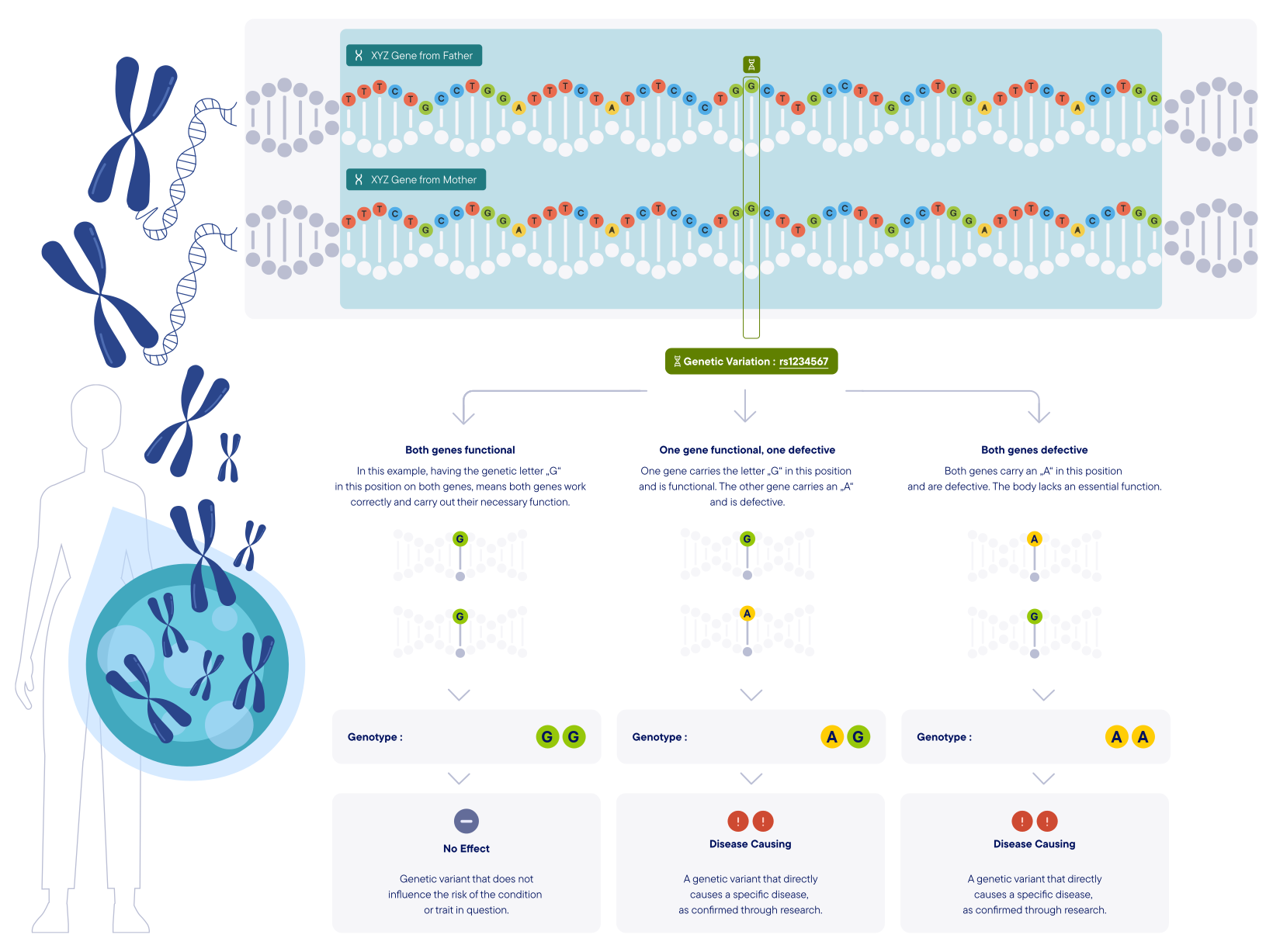
Humans have more than 20,000 genes, each carrying out one or a few specific functions in the body. One gene instructs the body to digest lactose from milk, another tells the body how to build strong bones and another prevents the body's cells from beginning to multiply uncontrollably and developing into cancer. As all of these genes combined are the building instructions for our body, a defect in one of these genes can have severe health consequences.
Through decades of genetic research, we know the genetic code of any healthy/functional human gene. We have also identified that in certain positions on a gene, some individuals may have a different genetic letter from the one you have. We call these hotspots "Genetic Variations" or "Variants" in short. In many cases, studies have been able to show that having the genetic letter "G" in the position makes you healthy, but having the letter "A" in the same position disrupts the gene function and causes a disease. Genopedia allows you to view these variants in genes and summarizes all that we know from scientific research, which genetic letters (Genotype) have good or bad consequences on your health or on your traits.
History
Throughout history, people have described unusually short hands and feet in children who otherwise seemed healthy, with faces that looked a bit different from their relatives. Family photo albums sometimes show a great‑grandparent with small, broad fingers and a similar nose shape, hinting at a pattern long before a name existed. These early observations match what we now recognize as acrodysostosis.
First described in the medical literature as a distinct pattern of bone changes in the late 20th century, acrodysostosis was initially grouped with other conditions that also cause short bones in the hands and feet. Over time, descriptions became more precise as doctors compared X‑rays, growth patterns, and hormone responses, and noted that some people had learning differences or hearing issues while others did not. This careful sorting helped separate acrodysostosis from look‑alike diagnoses and clarified that there are forms with different hormone sensitivities.
In recent decades, knowledge has built on a long tradition of observation. Clinicians noticed that some children with acrodysostosis had features resembling a related condition called pseudohypoparathyroidism, such as resistance to certain hormones that regulate calcium or growth. These clinical clues prompted deeper study of signaling pathways inside cells. As medical science evolved, researchers identified changes in two genes, PRKAR1A and PDE4D, in many people with acrodysostosis. Finding these gene changes confirmed that the condition is not one single story but a small family of related diagnoses that share a core bone pattern with varying effects on growth, learning, and hormone function.
Ancient descriptions were rare, partly because X‑rays did not exist and because short stature and hand shape can vary widely in the general population. Not every early description was complete, yet together they built the foundation of today’s knowledge. Modern case series from Europe, North America, and elsewhere broadened the picture, showing that acrodysostosis occurs across populations and is usually noticed in early childhood, though subtle cases may be recognized later.
Genetics also clarified family patterns. While most cases arise as new (de novo) changes, a smaller number run in families, typically in an autosomal dominant manner—meaning one altered copy of the gene can be enough to cause the condition. This insight, paired with better imaging and endocrine testing, shifted care from simply describing appearance to anticipating health needs, such as monitoring growth, hearing, and hormone balance.
Looking back helps explain why acrodysostosis was once considered a single, rare curiosity and is now recognized as a defined set of conditions with shared roots and meaningful differences. Today’s understanding reflects a steady arc—from careful bedside observation to genetic discovery—aimed at earlier recognition and more tailored support for people living with acrodysostosis.