
Acrodermatitis enteropathica is a rare genetic condition that causes poor absorption of zinc. It usually starts in infancy or early childhood and tends to be lifelong. People with acrodermatitis enteropathica often have a triad of features: rash around the mouth, anus, and limbs, diarrhea, and irritability or slowed growth. Without treatment it can lead to infections and complications, but deaths are uncommon with modern care. Daily zinc supplementation by mouth is the main treatment and usually restores skin, gut, and growth health.
Overview
Acrodermatitis enteropathicaSymptoms
Acrodermatitis enteropathica causes a scaly, red rash around the mouth, anus, and hands/feet, hair loss, and chronic diarrhea. Early signs of Acrodermatitis enteropathica often appear in infancy, especially after weaning, with irritability, poor growth, and frequent infections.
Outlook and prognosis
Most people with acrodermatitis enteropathica do well long term once zinc levels are restored and kept steady. With daily zinc supplements and regular checks, skin, gut, and hair issues usually resolve and growth stays on track. Missed doses or illness can trigger quick relapses, so having a plan for refills and follow‑up matters.
Causes and risk factors
Acrodermatitis enteropathica is caused by inherited changes in a zinc‑transport gene that impair intestinal zinc absorption; it’s autosomal recessive. Risk rises when both parents are carriers, with consanguinity, and during low intake, weaning, diarrhea, or malabsorption.
Genetic influences
Genetics are central in acrodermatitis enteropathica: most cases are caused by inherited changes in the SLC39A4 gene that disrupt zinc absorption. It’s usually autosomal recessive, so both parents typically carry a silent variant. Testing can confirm diagnosis and guide family planning.
Diagnosis
Doctors suspect acrodermatitis enteropathica from clinical features—typical rash, hair loss, and diarrhea—and low blood zinc. Prompt improvement with zinc supports diagnosis. Genetic tests (SLC39A4) confirm the genetic diagnosis of acrodermatitis enteropathica and distinguish it from acquired zinc deficiency.
Treatment and drugs
Treatment for acrodermatitis enteropathica focuses on lifelong zinc supplementation to restore and maintain healthy levels. Many notice skin, gut, and mood improvements within days to weeks after starting zinc. Care typically includes dose adjustments, monitoring zinc and copper, and gentle skin care.
Symptoms
The most noticeable signs involve the skin, gut, hair, and nails. Early features of acrodermatitis enteropathica often appear in infancy or early childhood, especially after weaning, and tend to cluster around a distinctive rash, diarrhea, and hair changes. You might notice red, crusted patches around the mouth and bottom, loose stools, poor appetite, or slow weight gain. Features vary from person to person and can change over time.
In acrodermatitis enteropathica, a red, scaly, or crusted rash often forms around the mouth, nose, eyes, and bottom, and on the hands and feet. It can itch, burn, or crack and may ooze or become infected. Keeping skin clean and moisturized can ease discomfort.
Frequent loose stools can come with belly cramps and diaper rash or soreness. This can lead to dehydration and make it harder to absorb nutrients. For many, stools improve as zinc levels are corrected.
Hair may shed or break easily on the scalp, eyebrows, or eyelashes. Patches can look sparse or the hair can feel soft and lack its usual fullness. In acrodermatitis enteropathica, this often improves with treatment.
Nails can become thin, brittle, or ridged, and the skin around them may turn red, swollen, and tender. Hangnails and nail-fold infections are common. Daily tasks like buttoning clothes can feel uncomfortable.
How people usually first notice Acrodermatitis enteropathica?
Many families first notice acrodermatitis enteropathica in infancy after weaning from breastmilk, when a baby develops a stubborn diaper-area rash that spreads to the mouth, hands, or feet, along with diarrhea and irritability. Doctors often see hallmark features together: sharply bordered, crusty or blistering skin around body openings and on extremities, poor weight gain, hair thinning or loss, and frequent infections. If a zinc level is checked, it’s typically low, and this combination of skin changes, gut symptoms, and low zinc points to the first signs of acrodermatitis enteropathica.
Types of Acrodermatitis enteropathica
Acrodermatitis enteropathica is a rare inherited condition where the body can’t absorb enough zinc, leading to skin rashes, mouth sores, hair loss, and diarrhea. There are a few recognized variants based on the gene change and how strongly zinc absorption is affected. These variants help explain why symptoms can start in infancy for some, while others have milder, later-onset patterns. Clinicians often group these into clinical variants: classic infantile, milder/attenuated, and transient neonatal forms.
Classic infantile
Symptoms usually begin after weaning when breast milk decreases and zinc needs rise. Babies develop a red, crusted rash around the mouth, anus, and limbs, along with diarrhea and poor weight gain. Hair thinning or loss is common.
Attenuated/milder
Symptoms may be fewer or less intense and can appear later in childhood. People may notice intermittent rashes, mild mouth sores, or occasional diarrhea that improves quickly with zinc. Growth is often normal once zinc is supplemented.
Transient neonatal
Newborns show rashes and feeding difficulty in the first weeks, often due to low zinc in breast milk from maternal factors. Symptoms ease rapidly once the baby gets zinc supplementation or formula with adequate zinc. Not everyone will experience every type.
What genetics can tell you about symptoms
Some people with acrodermatitis enteropathica inherit changes in the SLC39A4 gene, which disrupt a zinc transporter that moves zinc from the gut into the bloodstream. Low zinc then leads to a triad of symptoms: scaly rash around body openings, diarrhea, and hair loss.
Causes and risk factors
Acrodermatitis enteropathica is usually caused by inherited changes in the SLC39A4 gene that reduce zinc absorption in the gut. Genes set the stage, but environment and lifestyle often decide how the story unfolds. Risk factors for acrodermatitis enteropathica include having two parents who each carry the gene change, a family history, or parents who are closely related by blood. Symptoms often start after weaning from breastfeeding or during infections, growth spurts, or a low-zinc diet, because zinc needs rise. Low zinc intake does not cause the disease, but it can unmask or worsen symptoms.
Environmental and biological risk factors
Acrodermatitis enteropathica is uncommon and, as far as we know, not driven by pregnancy exposures or pollution. Doctors often group risks into internal (biological) and external (environmental). For this condition, known external exposures have not been shown to raise the chance of having it, though certain situations can make it show up earlier. The points below focus on environmental and biological factors that influence timing or detection, not cause.
Current research has not found environmental exposures that raise the chance of acrodermatitis enteropathica. Pollutants, heavy metals, radiation, and common household chemicals have not been shown to cause it.
Typical pregnancy illnesses, routine medications, and nutritional changes during pregnancy have not been linked to a higher likelihood of this condition. Parental age is not known to change the risk.
Being born preterm or by cesarean does not appear to increase the chance of the condition. Birth complications have not been shown to play a role.
Periods of fast growth in infancy can unmask early symptoms of acrodermatitis enteropathica. This influences timing and visibility, not the underlying chance of having the condition.
Genetic risk factors
Genetic risk in acrodermatitis enteropathica mainly comes from changes in a gene that helps the gut absorb zinc. Some risk factors are inherited through our genes. When this gene doesn’t work well, the body can’t take in enough zinc, which helps explain why early symptoms of acrodermatitis enteropathica often appear in infancy. Knowing your family’s carrier status can clarify the chance a child will be affected.

SLC39A4 changes: Changes in the SLC39A4 gene (which makes the ZIP4 zinc transporter) disrupt zinc absorption in the small intestine. This is the primary genetic cause of acrodermatitis enteropathica. Different variants can lead to similar features.
Autosomal recessive: A child develops acrodermatitis enteropathica when both copies of SLC39A4 carry harmful changes. Parents usually carry one changed copy each and remain healthy.
Carrier parents risk: When both parents are carriers, each pregnancy has a 25% chance of a child with acrodermatitis enteropathica. There is also a 50% chance the child will be a carrier and a 25% chance of inheriting neither change.
Family history: An affected sibling points to parental carrier status and a repeatable pattern of risk. Future pregnancies in the same family have the same odds unless carrier status differs.
Related parents: Parents who are blood relatives have a higher chance of sharing the same SLC39A4 change. This raises the likelihood that a child will inherit two changes.
Ancestry clusters: In some families or communities with shared ancestry, specific SLC39A4 variants can be more common. This can increase the carrier rate and the chance that two carriers have children together.
Lifestyle risk factors
Acrodermatitis enteropathica is a genetic disorder of zinc absorption; lifestyle habits do not cause it, but they can influence symptoms, flares, and complications. Daily routines around diet, supplements, and skin care can change how often rashes, diarrhea, and growth issues appear. Below are practical, condition-specific lifestyle risk factors for Acrodermatitis enteropathica that illustrate how lifestyle affects Acrodermatitis enteropathica.
Missing or stopping prescribed zinc leads to rapid return of rash, diarrhea, and irritability. Consistent daily dosing as directed helps keep skin clear and supports growth.
Animal proteins (meat, eggs, dairy) provide zinc that is absorbed more easily, supporting skin healing despite impaired transport. Very low‑zinc or highly restrictive diets can worsen dermatitis and mouth lesions.
Unprocessed whole grains, bran, and some legumes bind zinc and further limit absorption, worsening flares. Soaking, sprouting, or fermenting these foods can reduce their zinc-blocking effect.
High-dose iron or calcium supplements and some antacids can reduce zinc uptake and trigger symptom recurrence. Taking zinc at a different time from these products may improve control.
Risk prevention
You can’t prevent the genetic change behind acrodermatitis enteropathica, but you can prevent flares and complications with steady care. Prevention is about lowering risk, not eliminating it completely. Daily zinc treatment, smart nutrition, and regular check-ins help keep skin, gut, hair, and immune health on track. Planning ahead for growth spurts, illnesses, pregnancy, or breastfeeding also reduces setbacks.
Take prescribed zinc every day to prevent skin rashes, diarrhea, and hair loss. Skipping doses can trigger quick symptom return.
Check blood zinc and copper regularly so the dose fits your age, growth, and life stage. Your care team may adjust during illness, pregnancy, or breastfeeding.
Knowing the early symptoms of acrodermatitis enteropathica helps families seek care sooner. Call your clinician if a new rash around the mouth, groin, or hands appears, especially with diarrhea or hair thinning.
Eat zinc-rich foods and spread protein across meals. Separate zinc from high-dose iron, calcium, or high‑phytate foods to improve absorption.

Transmission
Acrodermatitis enteropathica is not infectious—you can’t catch it or spread it through touch, saliva, or the air. Genetic transmission of acrodermatitis enteropathica follows an autosomal recessive pattern, meaning a child develops the condition only when they inherit two nonworking copies of the gene, one from each parent. Parents are typically healthy carriers; when both are carriers, each pregnancy has a 25% (1 in 4) chance of an affected child, a 50% chance the child is a carrier, and a 25% chance of neither copy being changed. In rare cases, a new genetic change can cause acrodermatitis enteropathica even without a known family history.
When to test your genes
Test your genes if you or a close relative had repeated, unexplained episodes of rash around the mouth or genitals, hair loss, and diarrhea—especially starting in infancy—suggesting zinc absorption problems. Genetic testing confirms acrodermatitis enteropathica and guides lifelong zinc therapy. Consider testing before pregnancy if there’s family history.
Diagnosis
Acrodermatitis enteropathica is usually suspected when a distinctive skin rash pairs with tummy troubles and hair thinning, often shortly after weaning. Doctors usually begin by examining the skin and asking about feeding history, growth, and bowel habits. Simple blood tests can check zinc levels, and a quick response to zinc supplements can be very telling. In many cases, the genetic diagnosis of Acrodermatitis enteropathica confirms what the exam and labs suggest.
Providers look for a red, crusty rash around the mouth, eyes, and diaper area, along with rashes on hands and feet. Diarrhea and irritability are common, and some people develop hair thinning or mouth sores. These patterns raise concern for Acrodermatitis enteropathica in infants and young children.
A fasting blood test measures zinc to see if it’s low for age. Levels can fluctuate with illness or recent meals, so repeat testing may be needed for clarity. Tests may feel repetitive, but each one helps rule out different causes.
This enzyme, often low when zinc is low, can support the lab picture. It’s not specific on its own, but it adds context alongside zinc testing. Results are interpreted with age and growth stage in mind.
Rapid improvement of rash, diarrhea, and irritability within days of starting zinc strongly supports the diagnosis. Providers typically do not delay treatment if clinical suspicion is high. Ongoing zinc needs help distinguish Acrodermatitis enteropathica from temporary zinc deficiency.
Stages of Acrodermatitis enteropathica
Acrodermatitis enteropathica does not have defined progression stages. It tends to appear in infancy or early childhood with flares when zinc levels drop and improves quickly once zinc is replaced, so it doesn’t progress in a steady, stepwise way. Early symptoms of acrodermatitis enteropathica can include a sore, crusted rash around the mouth and diaper area, diarrhea, and thinning hair. Different tests may be suggested to help confirm low zinc levels and rule out other causes, and follow-up usually involves regular blood checks plus tracking growth and skin healing to adjust supplementation as needed.
Outlook and prognosis
Day to day, the outlook for acrodermatitis enteropathica largely depends on how quickly zinc levels are restored and kept in a healthy range. Early care can make a real difference, especially when treatment starts at the first signs—such as the early symptoms of acrodermatitis enteropathica like a stubborn rash around the mouth or diaper area, hair thinning, diarrhea, and irritability. Once zinc is replaced, the skin usually heals within weeks, bowel issues settle, and energy and appetite improve. Many people find that symptoms ease quickly with treatment and stay controlled as long as zinc is taken consistently.
Prognosis refers to how a condition tends to change or stabilize over time. For most people with acrodermatitis enteropathica, lifelong zinc supplementation leads to a normal life span and typical growth and development. Missed doses or underdosing can cause flare-ups, which may include skin infections, mouth sores, and poor weight gain; these usually resolve again after zinc is corrected. Severe, untreated deficiency can be dangerous and, in rare cases, life threatening, but this is uncommon where diagnosis and treatment are available.
Looking at the long-term picture can be helpful. Children with acrodermatitis enteropathica can thrive in school and activities when zinc levels are monitored and adjusted as they grow. Adults typically continue daily zinc and periodic labs to avoid relapse, and many go years without significant symptoms. Talk with your doctor about what your personal outlook might look like, including the dose you need, how often to check levels, and what to do if symptoms return.
Long-term effects
Acrodermatitis enteropathica is a lifelong condition linked to how the body moves zinc into cells; with steady zinc replacement, most people can expect a near-typical life span and daily life. Long-term effects vary widely and often depend on how early the condition was recognized and how consistently zinc levels stay in a healthy range. People who had early symptoms of acrodermatitis enteropathica in infancy may still do well long-term if zinc levels remain stable over time. When zinc runs low for stretches, certain features can return or leave lasting effects, which doctors often describe as long-term effects or chronic outcomes.
Rashes around the mouth, anus, and limbs can come and go with zinc dips. Over time, repeated flares may leave darker or lighter patches and mild scarring in people with acrodermatitis enteropathica.
Nails can become thin, ridged, or break easily during periods of low zinc. Long-standing changes may persist even after levels improve.
Ongoing or repeated zinc shortages can lead to sparse scalp hair, eyebrows, and eyelashes. Hair usually regrows when levels are stable, but some experience patchy thinning over the years.
In children with acrodermatitis enteropathica, poor growth and delayed puberty can occur if zinc remains low. Catch-up growth is possible, but final height may be modestly reduced in some.
How is it to live with Acrodermatitis enteropathica?
Life with acrodermatitis enteropathica often centers on keeping zinc levels steady, because the body has trouble absorbing enough on its own. When treatment is consistent—usually lifelong zinc supplements—many people feel well, and skin, gut, hair, and mood symptoms stay under good control; missed doses, illness, or growth spurts can bring flares that show up as skin rashes, mouth sores, diarrhea, or irritability. Daily life may include taking supplements with food, occasional blood tests, and planning ahead for travel or surgery to avoid gaps in medication. For families and caregivers, the main impact is learning the routine, noticing early signs of a flare, and offering support during stressful periods, which helps most people maintain school, work, and relationships with confidence.
Treatment and drugs
Treatment for acrodermatitis enteropathica focuses on lifelong zinc replacement to correct the body’s inability to absorb enough zinc. Most people take oral zinc sulfate or gluconate daily, with the dose adjusted by a doctor based on age, weight, blood levels, and symptoms; a doctor may adjust your dose to balance benefits and side effects. Skin rashes, mouth sores, and diarrhea usually improve within days to weeks once zinc levels recover, and hair shedding often slows over time. Alongside medical treatment, lifestyle choices play a role: good skin care, treating any secondary skin infections, and a balanced diet help support recovery, though diet alone cannot replace the need for zinc supplements in this condition. Keep track of how you feel, and share this with your care team, since regular follow-up and periodic blood tests help ensure zinc stays in a healthy range and avoid copper deficiency from overtreatment.
Non-drug treatment
While lifelong zinc supplementation is the main treatment, daily habits and supportive care help protect skin, gut, and growth. Alongside medicines, non-drug therapies can reduce flares, infections, and discomfort. They also support nutrition and make day-to-day life easier. Recognizing early symptoms of acrodermatitis enteropathica can prompt earlier care and prevent complications.
A registered dietitian can help build meals that are naturally rich in zinc and overall nutrients. Plans are tailored to age, culture, and food preferences to support steady growth.
Choose foods like meat, shellfish, eggs, dairy, beans, nuts, and seeds to support overall zinc intake. Plant sources are helpful, but pairing them with vitamin C–rich foods can improve absorption.
Soaking, sprouting, or fermenting grains and legumes can reduce phytates that bind zinc. This kitchen prep makes zinc in plant foods easier for the body to use.
Gentle cleansing, thick moisturizers, and barrier creams help calm rashy, cracked skin. Soft dressings protect open areas and lower the risk of infection.
Your genes may have an impact on how drugs work for you
Medicines for acrodermatitis enteropathica can work differently based on gene changes that affect zinc transport, especially variants in the SLC39A4 gene. These differences may alter how much zinc your body absorbs and needs, guiding dose and monitoring choices.
Pharmacological treatments
Treatment centers on replacing zinc your body can’t absorb well, usually with lifelong supplements. First-line medications are those doctors usually try first, based on strong evidence and safety. Prompt zinc replacement often clears the skin rash, diarrhea, and hair changes that are classic early symptoms of acrodermatitis enteropathica. Medicines may also be used briefly to calm inflamed skin or treat infections while zinc levels recover.
Daily oral zinc is the mainstay, taken lifelong to prevent flares. Common options are zinc sulfate, zinc gluconate, or zinc acetate.
Typical dosing is 1–3 mg/kg/day (about 0.45–1.36 mg/lb/day) of elemental zinc, split into 1–3 doses. Adults are often prescribed about 50 mg elemental zinc once to three times daily, adjusted based on labs and symptoms.
Zinc comes as tablets, capsules, liquids, and compounded suspensions for infants and children. Taking it with food can reduce stomach upset, but avoid high-iron or calcium doses at the same time as they can interfere with zinc absorption.
Regular checks of zinc and copper levels, blood counts, and alkaline phosphatase help guide dosing. This reduces the risk of under-treatment or excess zinc.
Genetic influences
Acrodermatitis enteropathica usually happens because of an inherited change in a gene that helps the small intestine absorb zinc. It typically takes two copies of the change—one from each parent—for acrodermatitis enteropathica to develop. A “carrier” means you hold the gene change but may not show symptoms. When both parents are carriers, each pregnancy has a 25% chance of an affected child, a 50% chance of a carrier child, and a 25% chance of a child with no gene change. Because the gene involved controls zinc uptake, the severity can vary, and early symptoms of acrodermatitis enteropathica often appear in infancy, especially after breastfeeding stops. Genetic testing can confirm the underlying change and inform care and family planning, while relatives may consider counseling to understand their own risks.
Is Acrodermatitis enteropathica genetic?
Genetics are central in acrodermatitis enteropathica: most cases are caused by inherited changes in the SLC39A4 gene that disrupt zinc absorption. It’s usually autosomal recessive, so both parents typically carry a silent variant. Testing can confirm diagnosis and guide family planning.
Pharmacogenetics—how genetics influence drug effects
In Acrodermatitis enteropathica, changes in a zinc transporter gene limit how well the gut absorbs zinc, so treatment centers on lifelong zinc supplements tailored to the individual rather than frequent changes in medicines. Alongside medical history and lab results, genetic testing can confirm the diagnosis and help doctors plan a zinc dose that keeps levels steady. Different gene variants can cause milder or more severe absorption problems, so people may need different doses or formulations, and some need short-term adjustments during flares when the gut is inflamed. Because the core therapy is zinc, genetics guides how much and how long, while other medicines used to treat complications—like antibiotics or soothing creams for skin infections—are chosen based on the current problem, not the gene change. Other factors such as appetite, stomach acid, or diarrhea can also shift zinc levels, so dosing is fine-tuned over time using blood tests and how you’re feeling. Doctors also track copper levels, since high-dose zinc can lower copper, and they use the genetic result as a stable reference point for lifelong care.
Interactions with other conditions
Skin rashes, diarrhea, and mouth sores from acrodermatitis enteropathica can be harder to manage if another illness affects the gut or immune system. Doctors call it a “comorbidity” when two conditions occur together. Diseases that reduce nutrient absorption—such as celiac disease or inflammatory bowel disease—can worsen zinc loss and trigger flares; likewise, stomach or intestinal infections can temporarily lower zinc levels and make early symptoms of Acrodermatitis enteropathica more noticeable. People with acrodermatitis enteropathica may also get bacterial or yeast skin infections more easily, and those infections can slow healing and increase pain and itching. Low zinc can travel with other deficiencies (iron, folate), so anemia or mouth ulcers from another cause may overlap and blur the picture. Certain medicines and supplements can interfere—for example, high‑dose iron, some diuretics, and chelating drugs can reduce zinc levels—so coordinated care with all prescribers helps prevent one treatment from undermining another.
How genes can cause diseases
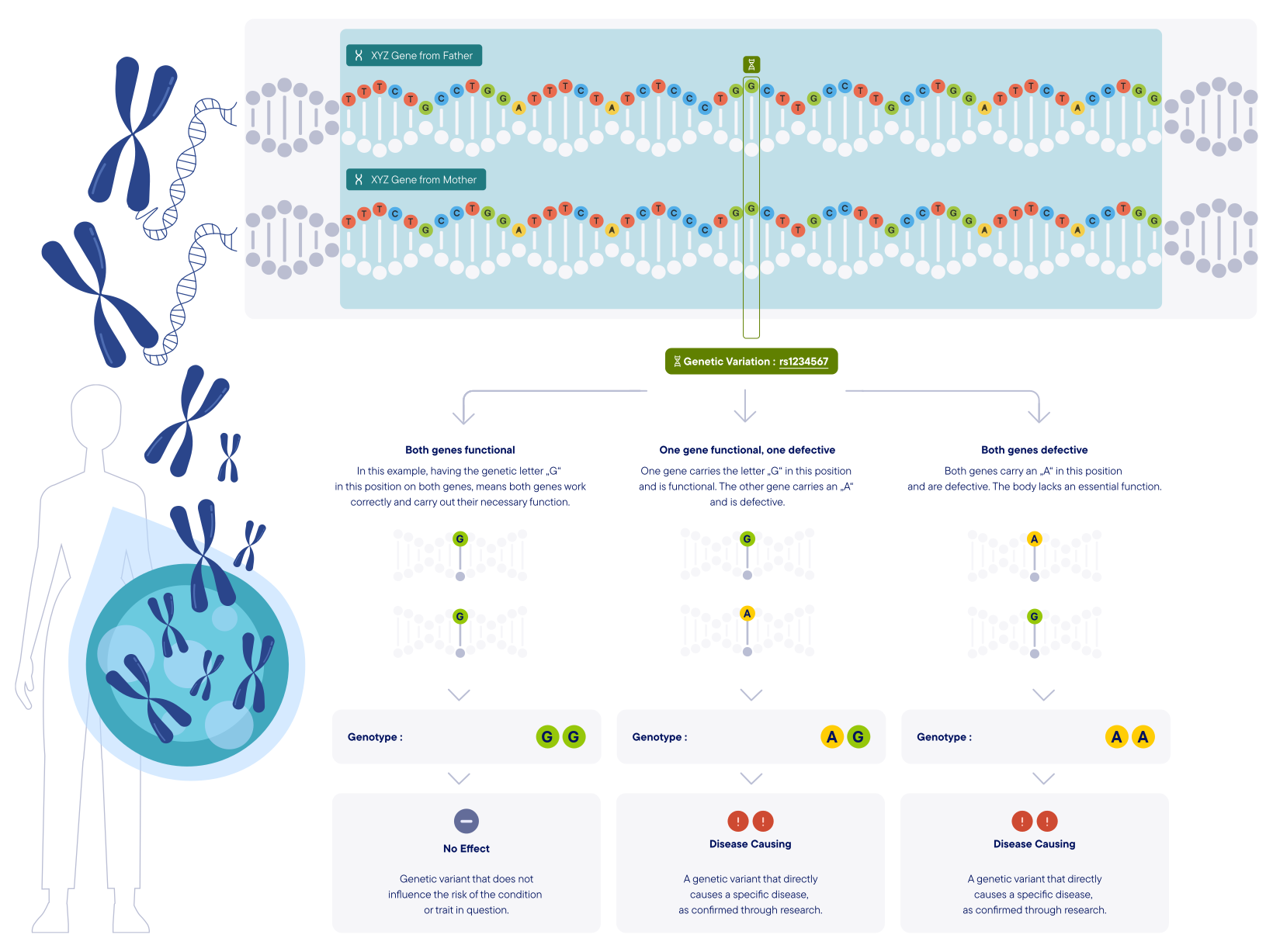
Humans have more than 20,000 genes, each carrying out one or a few specific functions in the body. One gene instructs the body to digest lactose from milk, another tells the body how to build strong bones and another prevents the body's cells from beginning to multiply uncontrollably and developing into cancer. As all of these genes combined are the building instructions for our body, a defect in one of these genes can have severe health consequences.
Through decades of genetic research, we know the genetic code of any healthy/functional human gene. We have also identified that in certain positions on a gene, some individuals may have a different genetic letter from the one you have. We call these hotspots "Genetic Variations" or "Variants" in short. In many cases, studies have been able to show that having the genetic letter "G" in the position makes you healthy, but having the letter "A" in the same position disrupts the gene function and causes a disease. Genopedia allows you to view these variants in genes and summarizes all that we know from scientific research, which genetic letters (Genotype) have good or bad consequences on your health or on your traits.
History
Throughout history, people have described rashes around the mouth, hands, and feet in infants that worsened after weaning and improved with certain foods. Families and communities once noticed patterns: a baby thriving on breast milk suddenly developed diarrhea, hair thinning, and sore skin when switched to other milk or early solids. Some infants recovered with diet changes; others had symptoms that kept returning, hinting at a deeper cause.
From early theories to modern research, the story of acrodermatitis enteropathica shows how careful observation led to clearer answers. Early 20th‑century reports grouped these infants under various labels based on their skin and gut symptoms. Over time, descriptions became more consistent: the rash had a distinct look at the body’s openings and ends, nails became fragile, and infections were common. Doctors noticed that some cases were brief and linked to poor nutrition, while others were persistent and ran in families.
In recent decades, knowledge has built on a long tradition of observation. Researchers discovered that a core problem in acrodermatitis enteropathica is trouble absorbing zinc, a mineral the body needs for healthy skin, immunity, and growth. The turning point came when zinc supplements rapidly eased the rash, diarrhea, and irritability in affected children. This response helped separate the inherited form from temporary zinc deficiency due to diet, illness, or premature birth.
Advances in genetics then clarified why some families saw the condition across generations. Scientists identified changes in a gene that makes a protein responsible for moving zinc from the gut into the bloodstream. When this transport works poorly, even a normal diet can leave the body short on zinc. This discovery explained why symptoms often appeared after weaning, when the natural zinc in breast milk and its easy absorption no longer masked the problem.
Medical classifications changed as these findings accumulated. What was once considered a puzzling rash‑diarrhea syndrome is now recognized as a lifelong, inherited condition that is highly treatable with daily zinc. Not every early description was complete, yet together they built the foundation of today’s knowledge. The historical arc—watchful bedside notes, dietary trials, then lab and genetic confirmation—shaped the modern approach: think of zinc early, test when needed, and start simple, effective treatment without delay.
Looking back helps explain why prompt recognition matters today. Many living with acrodermatitis enteropathica lead healthy lives once diagnosed, and history shows that a small, targeted treatment can make a big difference.