
Acrocraniofacial dysostosis is a rare genetic condition that affects skull and facial bone growth. People with acrocraniofacial dysostosis may have distinctive facial features, limb or hand differences, and feeding or breathing challenges in infancy. Features are usually noticed at birth or early childhood and tend to be lifelong, though needs can change as a child grows. Care often includes coordinated support from craniofacial, ear‑nose‑throat, dental, and therapy teams, and some children need surgery for bone, airway, or hearing issues. Not everyone will have the same experience, and with appropriate care many people with acrocraniofacial dysostosis can live into adulthood.
Overview
Acrocraniofacial dysostosisSymptoms
Acrocraniofacial dysostosis features appear at birth, with unusual skull and facial shape, such as early skull suture fusion, prominent forehead, wide-set eyes, and midface flattening. Hands or feet may be affected. Feeding, breathing, hearing, dental, or speech issues can occur.
Outlook and prognosis
Many people living with acrocraniofacial dysostosis do well with coordinated care, especially when treatment starts early. Growth, hearing, breathing, and dental needs may change over time, so regular check-ins matter. Most build their own path in school, work, and relationships.
Causes and risk factors
Acrocraniofacial dysostosis usually results from rare single‑gene changes, often new (de novo). Inherited cases are rare; family history raises risk. Environmental or lifestyle causes aren’t established, though advanced parental age may slightly increase de novo mutation risk.
Genetic influences
Genetics play a central role in Acrocraniofacial dysostosis, which is typically caused by inherited gene changes. Most cases follow autosomal dominant patterns; rare autosomal recessive forms exist. Family history and genetic testing can clarify risk, recurrence, and counseling options.
Diagnosis
Clinicians suspect acrocraniofacial dysostosis from characteristic facial and limb features on exam or imaging, sometimes before birth. Genetic diagnosis of acrocraniofacial dysostosis is made with gene testing. Additional assessments check hearing, airway, heart, and growth.
Treatment and drugs
Treatment for acrocraniofacial dysostosis focuses on coordinated, staged care. Teams often combine airway and feeding support in infancy; surgeries to expand the skull or reshape facial bones; hearing, vision, and dental care; and therapies for speech, breathing, and development. Regular follow-up guides timing.
Symptoms
Daily life can be shaped by how the skull and facial bones grow, and by differences in the hands and feet. For some, this means feeding or breathing is harder in infancy, and later on, hearing, vision, or fine-motor tasks may take extra effort. Parents often ask about early features of acrocraniofacial dysostosis—these usually involve noticeable head shape and facial differences along with hand or foot changes. Features vary from person to person and can change over time.
The head may look elongated, asymmetric, or have firm ridges where skull seams meet. Clinicians call this craniosynostosis, which means some skull sutures close too early and redirect head growth. It changes how the skull grows and may crowd the space for the growing brain if not monitored.
The center of the face can be flatter, making the nose look more prominent and the eyes appear wider. In acrocraniofacial dysostosis, this midface underdevelopment can narrow nasal passages and affect airflow.
The roof of the mouth may be high, or there may be a cleft opening. This can cause feeding challenges in babies and later speech differences as sounds pass through the nose.
Small nasal passages or a small upper jaw can lead to snoring and restless sleep. Some experience pauses in breathing at night (sleep apnea), with daytime sleepiness or mouth-breathing.
How people usually first notice Acrocraniofacial dysostosis?
Parents and clinicians often first notice acrocraniofacial dysostosis in infancy because of distinctive facial and skull features, such as an unusually shaped head, wide-spaced eyes, and differences in the midface or jaw seen on early exams or imaging. Some babies show signs before birth on ultrasound, including atypical skull shape or facial bone development, which can prompt genetic testing. In the first months to years, additional clues like feeding difficulties, breathing issues related to facial structure, hearing concerns, or delayed growth can further highlight the first signs of acrocraniofacial dysostosis.
Types of Acrocraniofacial dysostosis
Acrocraniofacial dysostosis is a rare genetic condition, and researchers describe a few clinical variants based on the underlying gene changes and how features present. These variants share a core pattern of skull, face, and limb differences, but the mix and severity can vary from mild to more pronounced. Symptoms don’t always look the same for everyone. Knowing the main variants of acrocraniofacial dysostosis can help people and clinicians discuss types of acrocraniofacial dysostosis more clearly.
Cenani-Lenz type
This variant often involves more noticeable hand and foot changes, such as fused or missing digits, along with facial differences. Skull shape differences may be present but can vary in degree.
Nager type
Limb differences tend to affect the thumbs and forearms, and facial differences can include underdevelopment of the cheek and jaw areas. Breathing or feeding concerns in infancy may occur when jaw size is small.
Rodriguez type
Features can be more severe, with marked limb reductions and pronounced facial and skull differences. Newborn complications are more common in this variant.
Genotype-specific variant
Some families have changes in known limb–craniofacial genes that produce a recognizable but milder pattern. These cases may show subtle skull and facial differences with less severe limb involvement.
What genetics can tell you about symptoms
Some people with acrocraniofacial dysostosis have specific gene changes (often in genes that guide bone growth), leading to a tall, high skull, wide‑set eyes, and distinctive facial shape. Variants can also affect limb bone development, causing short fingers or toes and joint differences.
Causes and risk factors
Acrocraniofacial dysostosis is usually caused by a change in a single gene that guides skull, face, and limb growth. The gene change may be inherited from a parent, or it can arise for the first time in a child. Risk factors for Acrocraniofacial dysostosis focus on genetics, like family history and advanced paternal age for new mutations. Environment or lifestyle does not cause this condition, but healthy prenatal care supports the best possible outcomes. Some risks are written in our DNA, passed down through families.
Environmental and biological risk factors
Acrocraniofacial dysostosis is a rare congenital condition, and for most families no single outside trigger is found. Because early symptoms of acrocraniofacial dysostosis appear at or soon after birth, families often wonder what could have increased the risk. Researchers consider both biological features in the parents and pregnancy environment to understand where risk might come from. This helps explain why risk isn’t fixed—it shifts with both body and environment.
No consistent environmental link has been shown for acrocraniofacial dysostosis. Most reported cases occur without known harmful exposures during pregnancy. Research continues to monitor possible influences.
As paternal age increases, changes that naturally accumulate in sperm-producing cells may slightly raise the chance of rare birth conditions. For acrocraniofacial dysostosis, any effect appears small and not well defined. Evidence comes from population patterns rather than direct studies of this condition.
Age-related changes in eggs can increase some congenital differences overall. A specific link to acrocraniofacial dysostosis has not been confirmed. If present, the effect is likely modest.
Health conditions present before pregnancy, such as poorly controlled diabetes, raise the overall risk of structural differences at birth. No direct association with acrocraniofacial dysostosis has been established. The link to this specific pattern remains unproven.
Genetic risk factors
Acrocraniofacial dysostosis is driven by changes in genes that guide how the skull, face, and limb bones grow. The genetic causes of Acrocraniofacial dysostosis are heterogeneous, so different families or subtypes can involve different genes. In some people the change is inherited, while in others it happens for the first time in the egg or sperm. Risk is not destiny—it varies widely between individuals.

Autosomal dominant: A single altered copy of a relevant gene can be enough to cause the condition in some families. An affected parent has a 50% (1 in 2) chance to pass the change to each child.
Autosomal recessive: Some subtypes occur when both copies of a gene carry changes. Parents are usually healthy carriers, and each pregnancy has a 25% (1 in 4) chance to be affected.
De novo variants: In some people, the gene change happens for the first time in the egg, sperm, or early embryo. This can explain cases of Acrocraniofacial dysostosis without any family history.
Genetic heterogeneity: Different genes involved in skull and limb development can lead to a similar diagnosis. This helps explain why the genetic causes of Acrocraniofacial dysostosis vary between families.
Variable expressivity: The same gene change can cause milder or more pronounced features in different relatives. For some, changes may be subtle at birth and become more noticeable over time.
Reduced penetrance: Not everyone who carries a gene change will show clear signs. This can make a family history seem to skip generations.
Consanguinity risk: When parents are closely related, the chance they share the same rare recessive change is higher. This increases the likelihood of a recessive form in a child.
Family history: Having an affected parent or sibling raises the chance of Acrocraniofacial dysostosis in future children. The level of risk depends on the inheritance pattern and the specific gene involved.
Lifestyle risk factors
Acrocraniofacial dysostosis is a congenital condition; lifestyle habits do not cause it, but they can shape symptom control, day‑to‑day function, and complication risk. In other words, how lifestyle affects Acrocraniofacial dysostosis centers on supporting feeding, breathing, oral health, communication, and recovery from surgeries. Thoughtful routines can reduce airway strain, improve growth, and protect dental and speech outcomes. These points highlight practical lifestyle risk factors for Acrocraniofacial dysostosis that families can modify with their care team’s guidance.
High-calorie, texture-appropriate meals can support growth when craniofacial differences make feeding slow or tiring. Working with safe-swallow strategies may lower aspiration risk and hospitalizations.
Avoiding trigger foods and timing meals earlier in the evening can reduce GERD that worsens airway irritation. Better reflux control may lessen nighttime breathing problems and coughing.
Regular sleep schedules and side or elevated-head positioning may ease obstructive sleep apnea related to facial structure. Good sleep hygiene can improve daytime alertness, behavior, and recovery from procedures.
Keeping a healthy weight reduces extra tissue around the airway that can aggravate snoring and apnea. It may also decrease surgical and anesthesia risks in craniofacial operations.
Risk prevention
Acrocraniofacial dysostosis is a rare genetic condition, so you can’t prevent the condition itself, but you can lower the chance of complications and support healthy growth. Prevention is about lowering risk, not eliminating it completely. Recognizing early symptoms of acrocraniofacial dysostosis—like feeding difficulties, noisy breathing, or frequent ear infections—can help you get care in place sooner. The steps below focus on protecting breathing, hearing, growth, and day-to-day function over time.
Meet with a genetics professional to understand inheritance and recurrence risks. They can discuss options like carrier testing or prenatal diagnosis for future pregnancies.
Work with a team experienced in acrocraniofacial dysostosis. Coordinated surgery, dental care, and therapies reduce complications and repeated procedures.
Early evaluation by ENT and anesthesia teams can prevent breathing crises, especially during colds or surgery. An emergency airway plan and medical ID can be lifesaving.
A feeding therapist and dietitian can address weak suck, reflux, or aspiration risk. This helps maintain weight gain and reduces lung infections in acrocraniofacial dysostosis.

Transmission
Acrocraniofacial dysostosis is not contagious; it can’t be caught or spread between people. It is a genetic condition, and for many, it happens because of a new (de novo) change in a gene, so there’s no prior family history. In families where a parent has Acrocraniofacial dysostosis, the condition is usually inherited in an autosomal dominant way, meaning each child has a 50% chance to inherit it. A genetics professional can explain how Acrocraniofacial dysostosis is inherited in your family and discuss the genetic transmission of Acrocraniofacial dysostosis and future pregnancy options.
When to test your genes
Consider genetic testing if you or your child show features of acrocraniofacial dysostosis, such as distinctive skull/face shape changes or limb differences, or if a close relative is diagnosed. Testing is also helpful before pregnancy or during prenatal care when ultrasound suggests skeletal differences. Results can confirm the diagnosis, guide specialist care, and inform family planning.
Diagnosis
Acrocraniofacial dysostosis is usually identified based on a pattern of facial and limb differences seen at birth, then confirmed with targeted tests. Doctors look for consistent clinical features and use imaging and genetic tests to be sure. Family history is often a key part of the diagnostic conversation. When these pieces line up, it supports the genetic diagnosis of Acrocraniofacial dysostosis.
A specialist looks for a recognizable pattern of head shape, facial structure, and hand or foot differences. Findings seen together can point toward Acrocraniofacial dysostosis.
A detailed family and health history can help reveal inherited patterns. This can guide which tests are most useful for confirmation.
A blood or saliva sample is analyzed for changes in genes linked to acrocraniofacial syndromes. Genetic testing may be offered to clarify risk or guide treatment.
X-rays and, when needed, low-dose CT scans document skull sutures, jaw shape, and limb bones. These imaging findings help distinguish this condition from similar syndromes.
Stages of Acrocraniofacial dysostosis
Acrocraniofacial dysostosis does not have defined progression stages. It is present from birth, and while features can appear more or less noticeable as a child grows or has surgery, the condition itself does not follow a stepwise decline. Doctors usually start with a conversation about your child’s history and a careful exam. Early symptoms of acrocraniofacial dysostosis are often recognized in infancy, and diagnosis is supported by imaging, hearing and vision checks, and sometimes genetic testing to confirm the cause and plan long‑term care.
Outlook and prognosis
Looking at the long-term picture can be helpful. For many people with Acrocraniofacial dysostosis, life expectancy is near typical, especially with early diagnosis and proactive care. The biggest drivers of risk tend to be related complications—such as breathing issues from facial or airway differences, feeding challenges in infancy, spine or limb concerns that affect mobility, and, in some, heart or kidney anomalies. Early care can make a real difference, particularly for infants who need help with airway support, nutrition, or monitoring for seizures or developmental delays.
Over childhood and adolescence, many living with Acrocraniofacial dysostosis see gradual gains with therapies, surgeries to protect vision or open the airway if needed, and tailored education plans. In medical terms, the long-term outlook is often shaped by both genetics and lifestyle. Adults with stable heart, kidney, and respiratory health often remain active, work, and build families, though some may need ongoing orthopedic or dental care and periodic hearing and vision checks.
The outlook is not the same for everyone, but most early symptoms of Acrocraniofacial dysostosis—like feeding difficulties, sleep-disordered breathing, or delayed speech—can improve with coordinated care. Severe complications that threaten life are uncommon today in centers experienced with craniofacial and genetic conditions, yet they can occur, especially if airway obstruction or major organ issues go unrecognized. Talk with your doctor about what your personal outlook might look like. Regular follow-up with genetics, ENT, cardiology or nephrology when indicated, and rehabilitation services helps prevent small problems from snowballing and supports the best possible long-term health.
Long-term effects
Acrocraniofacial dysostosis is a rare genetic condition that mainly affects skull, face, and limb development from birth onward. Features often change with growth, so the picture in childhood may look different by adolescence or adulthood. Long-term effects vary widely, and not everyone experiences the same set or severity of features. This summary outlines the long-term effects of Acrocraniofacial dysostosis across childhood and adulthood.
Differences in skull shape and midface growth can persist as the head and face mature. These may influence forehead contour, cheekbone projection, and overall facial balance.
A smaller midface or narrow nasal passages can contribute to mouth breathing or noisy sleep. Some may be at higher risk for obstructive sleep apnea over time.
Early feeding challenges may improve, but bite alignment and jaw position can continue to affect chewing efficiency. Growth patterns can reflect these long-term feeding dynamics.
Middle ear structure differences can lead to conductive hearing issues that recur. Hearing levels may fluctuate across childhood and adolescence.
How is it to live with Acrocraniofacial dysostosis?
Living with acrocraniofacial dysostosis often means navigating differences in facial and skull shape, dental alignment, and sometimes limb development, along with the medical visits, imaging, and surgeries that can come with them. Daily life can involve practical adjustments—specialized dental or orthodontic care, vision or hearing support, and tailored schooling or therapies—balanced with routine, friendships, and hobbies like anyone else’s. For families, it can be a team effort to coordinate care and advocate at school or work, while also protecting time for rest and normal family rhythms. Many find that connecting with clinicians who know the condition and with peer communities reduces stress, builds confidence, and helps others around them understand how to be supportive.
Treatment and drugs
Treatment for acrocraniofacial dysostosis focuses on managing symptoms and supporting growth, breathing, feeding, hearing, vision, and development over time. You might picture this as a team effort between you and your doctor, often involving craniofacial surgeons, ear–nose–throat specialists, dentists/orthodontists, audiologists, eye doctors, geneticists, and therapists. Care can include surgery to relieve pressure in the skull or reshape facial bones, airway support for sleep or breathing issues, hearing aids or ear tubes for recurrent ear problems, dental and jaw care, vision correction, physical and speech therapy, and tailored educational support. Medicines that ease symptoms are called supportive therapies, and may include pain control after procedures, antibiotics for ear or sinus infections, and treatments for reflux or feeding challenges, while growth and nutrition are closely monitored. Ask your doctor about the best starting point for you, as treatment plans for acrocraniofacial dysostosis usually change with age and needs.
Non-drug treatment
Day to day, acrocraniofacial dysostosis can affect breathing, feeding, hearing, dental health, and movement, so care focuses on comfort, safety, and development. Non-drug treatments often lay the foundation for safer breathing, clearer speech, steadier growth, and everyday independence. Early symptoms of acrocraniofacial dysostosis can include feeding difficulties, noisy breathing, and hearing concerns. Care usually involves a team and changes over time as needs evolve.
Positioning, specialized nasal devices, or continuous positive airway pressure can ease breathing and reduce snoring or pauses at night. Sleep studies help tailor support and track progress.
A speech-language or occupational therapist can adjust nipple flow, pacing, and posture to make feeds safer. Thickened fluids or a feeding tube may be used temporarily to support growth.
Early work on sound production, oral-motor skills, and language helps children be understood. Augmentative communication tools can bridge gaps while speech develops.
Gentle stretching, strengthening, and balance training support motor milestones and joint protection. Home exercise plans keep progress steady between visits.
Your genes may have an impact on how drugs work for you
Medicines used for people with acrocraniofacial dysostosis can act differently because their genes may change how drugs are absorbed, broken down, or reach target tissues. Clinicians sometimes adjust doses or choose alternatives based on genetic testing and observed response.
Pharmacological treatments
There isn’t a medicine that changes the genetic cause of Acrocraniofacial dysostosis, but drug therapy can ease symptoms and lower complication risks. Medicines often focus on breathing and nasal blockage, feeding comfort, eye protection, dental health, infections, and postoperative pain. In children, ENT or eye problems may be among the early symptoms of Acrocraniofacial dysostosis that medicines can help manage. Not everyone responds to the same medication in the same way.
Acetaminophen (paracetamol) and ibuprofen can ease headaches, jaw discomfort, or pain after procedures in people with Acrocraniofacial dysostosis. Doses are based on weight and spaced through the day to avoid overuse. Your surgical team may advise limiting ibuprofen right after certain operations.
Fluticasone or mometasone nasal sprays can ease chronic nasal blockage and snoring. Saline sprays or rinses often help alongside these medicines.
Amoxicillin–clavulanate or cefdinir are commonly used when sinus or ear infections flare. Your clinician will tailor the choice and duration to the infection site and any allergies.
Omeprazole or lansoprazole may reduce acid reflux that worsens airway irritation or feeding discomfort in Acrocraniofacial dysostosis. This can lower nighttime cough and help protect dental enamel.
Genetic influences
Changes in certain genes that guide skull and facial bone growth during early development are a key driver. In acrocraniofacial dysostosis, these changes affect how bones form and fuse before birth, which is why early symptoms of acrocraniofacial dysostosis are often noticed at birth or in the first months of life. Inheritance can differ by subtype: some families have a pattern where one changed copy of a gene is enough, others require two changed copies, and many cases occur for the first time in a child without a prior family history. Even with the same gene change, people can have very different features and levels of severity. Because of this variability, the chance of acrocraniofacial dysostosis in future pregnancies and what to expect over time are best estimated with genetic counseling and, when appropriate, molecular testing. Testing can sometimes pinpoint the gene involved, which helps clarify recurrence risk for siblings and supports tailored care planning.
Is Acrocraniofacial dysostosis genetic?
Genetics play a central role in Acrocraniofacial dysostosis, which is typically caused by inherited gene changes. Most cases follow autosomal dominant patterns; rare autosomal recessive forms exist. Family history and genetic testing can clarify risk, recurrence, and counseling options.
Pharmacogenetics—how genetics influence drug effects
For people with acrocraniofacial dysostosis, care often includes surgeries, dental work, and hearing support, so safe anesthesia and effective pain relief matter day to day. The genes that cause the condition don’t usually point to a specific medicine, but other genetic differences you carry can influence how you respond to pain medicines and anesthetics. Genetic testing can sometimes identify how your body handles certain pain medicines or anesthetics. For example, some people break down codeine or tramadol very slowly and get little relief, while others turn them into their active form quickly and are more likely to feel side effects such as marked sleepiness or nausea. Because many living with acrocraniofacial dysostosis need repeated procedures, sharing any past problems with sedation, breathing tubes, or muscle relaxants helps your anesthesia team choose the safest plan, and they may avoid drugs tied to rare inherited reactions. There are no established, condition-specific drug–gene rules yet, but pharmacogenetic testing for acrocraniofacial dysostosis may be considered when pain control has been difficult or when side effects have limited options.
Interactions with other conditions
For people with Acrocraniofacial dysostosis, coexisting issues like chronic ear infections, hearing loss, vision problems, or obstructive sleep apnea often shape day-to-day health. Early symptoms of Acrocraniofacial dysostosis such as feeding difficulties and breathing through a narrow airway can overlap with reflux or recurrent respiratory infections, and one can make the other worse. Repeated middle-ear fluid can compound speech delays, while sleep apnea may aggravate daytime attention or growth concerns. Dental crowding and jaw differences can complicate care for cavities or gum disease, and certain heart or spine differences—when present—may affect surgical planning. Medicines that cause sedation or swelling in the nose can worsen airway obstruction, so anesthesia and pain control often require coordination across teams. Talk with your doctor about how your conditions may influence each other.
How genes can cause diseases
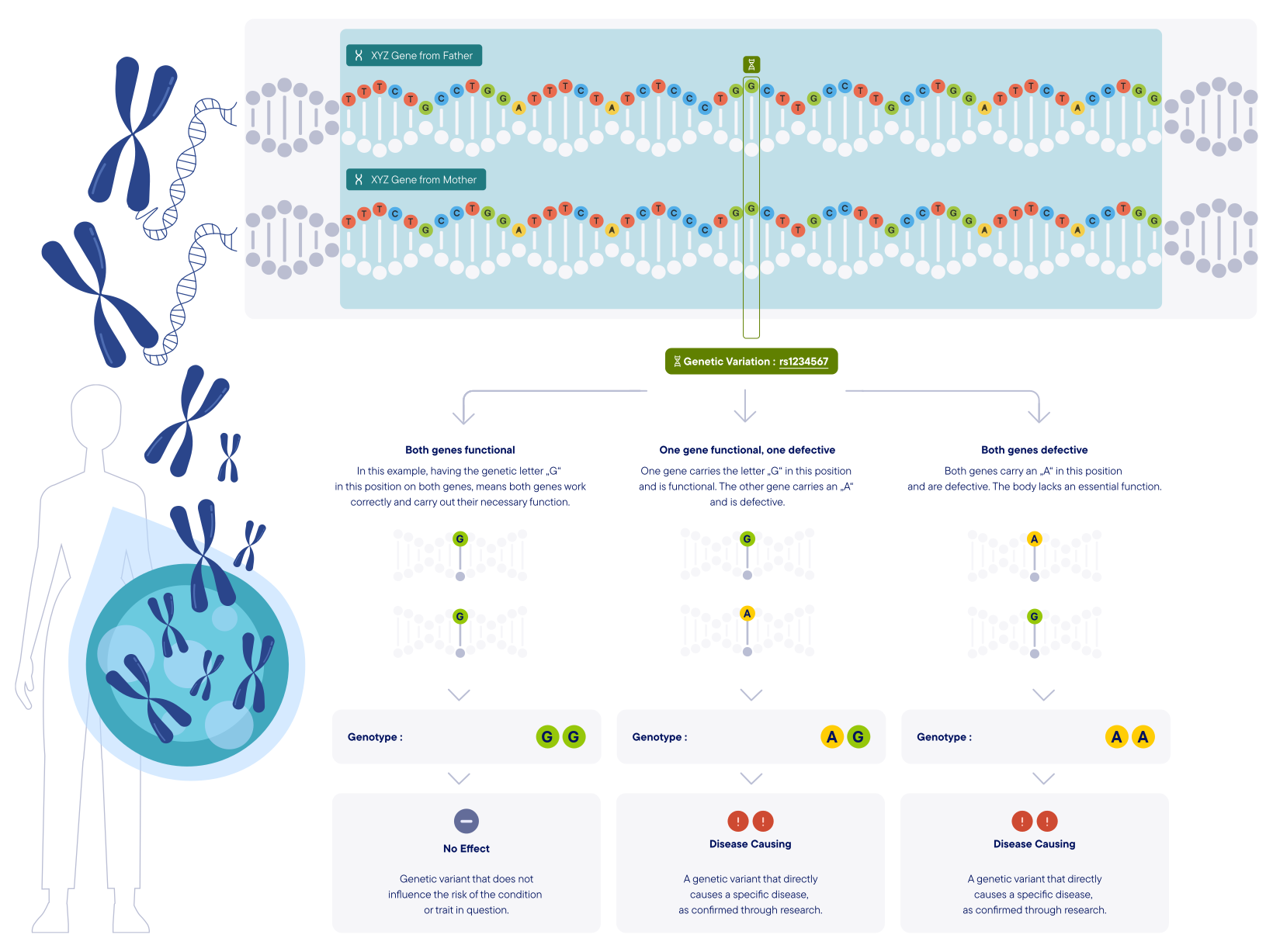
Humans have more than 20,000 genes, each carrying out one or a few specific functions in the body. One gene instructs the body to digest lactose from milk, another tells the body how to build strong bones and another prevents the body's cells from beginning to multiply uncontrollably and developing into cancer. As all of these genes combined are the building instructions for our body, a defect in one of these genes can have severe health consequences.
Through decades of genetic research, we know the genetic code of any healthy/functional human gene. We have also identified that in certain positions on a gene, some individuals may have a different genetic letter from the one you have. We call these hotspots "Genetic Variations" or "Variants" in short. In many cases, studies have been able to show that having the genetic letter "G" in the position makes you healthy, but having the letter "A" in the same position disrupts the gene function and causes a disease. Genopedia allows you to view these variants in genes and summarizes all that we know from scientific research, which genetic letters (Genotype) have good or bad consequences on your health or on your traits.
History
Throughout history, people have described families in which several children had unusually high foreheads, wide-set eyes, and small jaws, often alongside learning or hearing differences. Community stories often described the condition through everyday details—hats that never quite fit, baby teeth that arrived late, or repeated ear infections—long before a name existed. Doctors noted patterns across generations, suggesting that traits might be passed down, even if the exact cause was unclear.
First described in the medical literature as a distinctive combination of skull and face differences, Acrocraniofacial dysostosis was initially grouped with other craniofacial syndromes. Early reports focused on visible features—how the skull formed, how the jaw aligned, and how the eyes were placed—because X‑rays and physical exams were the main tools available. As case reports accumulated, clinicians recognized that some people also had differences in limb growth, spine shape, or hearing, revealing that the condition could affect several parts of the body, not just the face and head.
Over time, descriptions became more precise. Researchers mapped which features tended to cluster together and which varied. Some families had a more pronounced skull shape with earlier fusion of skull seams, while others showed milder facial differences. This variability sometimes led to confusion with related conditions. Medical classifications changed as specialists compared photographs, imaging, and family histories, trying to draw lines between overlapping syndromes while acknowledging that real-life features often blended at the edges.
Advances in genetics reshaped the story. As DNA testing became available, scientists could look beyond outward features to the underlying biology. They identified changes in genes that guide early skull and facial development, helping explain why bone growth followed certain patterns in people with Acrocraniofacial dysostosis. Genetic results also clarified why the condition could look different from one person to the next, even within the same family, much like a dimmer switch set to different levels rather than a simple on–off switch.
In recent decades, knowledge has built on a long tradition of observation. Better imaging, coordinated care teams, and clearer diagnostic criteria improved recognition and support. Historical differences highlight why older medical records may use several names for what we now group as Acrocraniofacial dysostosis. Knowing the condition’s history helps explain today’s approach: look at the whole picture—features, family patterns, and, when possible, genetic findings—so that people living with Acrocraniofacial dysostosis receive accurate diagnosis, informed counseling, and care tailored to their needs.