
Acrocapitofemoral dysplasia is a rare genetic bone growth condition that mainly affects the hips and the ends of long bones in the arms and legs. It is usually noticed in early childhood with short stature, a waddling walk, hip pain, or limited range of motion. Doctors describe this as a noninflammatory skeletal dysplasia that tends to be lifelong and may slowly progress during growth. Many people with acrocapitofemoral dysplasia live into adulthood, and life expectancy is often near normal with good orthopedic care. Treatment focuses on monitoring, physical therapy, pain control, and sometimes surgery to improve hip alignment and function.
Overview
Acrocapitofemoral dysplasiaSymptoms
Acrocapitofemoral dysplasia features short stature, a waddling walk, and limited hip movement. Hands and wrists may look broad with short fingers. Signs often appear in early childhood; doctors may notice hip deformity on X‑rays even before pain.
Outlook and prognosis
Many people with acrocapitofemoral dysplasia grow into adulthood with stable health, shorter stature, and joint differences that vary in severity. Mobility often improves with targeted physiotherapy, activity pacing, and occasional orthopedic surgery. Lifespan is typically not limited.
Causes and risk factors
Acrocapitofemoral dysplasia results from changes in the IHH gene, usually inherited in an autosomal recessive pattern. Risk increases when both parents are carriers, especially in consanguineous families; lifestyle or environmental causes aren’t known.
Genetic influences
Genetics are central in acrocapitofemoral dysplasia. Most cases result from inherited mutations in the IHH gene, typically in an autosomal recessive pattern, so both parents are usually carriers. Genetic testing and counseling can clarify risks for future pregnancies.
Diagnosis
Doctors suspect acrocapitofemoral dysplasia from clinical features and characteristic X-rays of the hips and hands. Genetic tests can confirm the diagnosis, often after a skeletal dysplasia specialist reviews imaging. This approach supports accurate genetic diagnosis of acrocapitofemoral dysplasia.
Treatment and drugs
Treatment for acrocapitofemoral dysplasia focuses on easing symptoms, protecting joint function, and supporting growth. Care often includes physiotherapy, bracing or custom footwear, pain relief, and monitoring hip and spine development, with orthopedic surgery if joints become unstable or painful. Ongoing genetic and specialist follow-up helps tailor support at each stage.
Symptoms
In daily life, families often notice hip and shoulder tightness, a rolling walk, and shorter-than-expected height during early childhood. Parents may see early features of Acrocapitofemoral dysplasia as kids become more active and start keeping up with peers. Features vary from person to person and can change over time.
Children may grow more slowly and end up shorter than peers. Growth curves for height often sit below average.
Stiff or shallow hips can limit how far the legs move. This can make squatting, sitting cross‑legged, or taking wide steps uncomfortable.
Many living with Acrocapitofemoral dysplasia develop a side‑to‑side, rolling walk as the hips work around their shape. Loved ones often notice the changes first.
Reaching overhead, putting on a coat, or throwing a ball may feel tight. In Acrocapitofemoral dysplasia, the shoulder joints are often affected along with the hips.
How people usually first notice Acrocapitofemoral dysplasia?
Families often notice the first signs of acrocapitofemoral dysplasia in early childhood when a child develops a waddling gait, tires easily, or has hip pain after activity, prompting an evaluation for hip problems. Clinicians may first suspect it on X-rays that show unusual shaping of the ends of the long bones—especially the hips and shoulders—along with mild short stature that becomes more apparent as growth continues. In many cases, the condition is first recognized when persistent hip issues lead to imaging, and the characteristic bone changes reveal how acrocapitofemoral dysplasia is first noticed.
Types of Acrocapitofemoral dysplasia
Acrocapitofemoral dysplasia is a rare genetic bone growth condition. Several variants have been described based on the specific gene change, and these can affect how early problems show up and how much the hips and shoulders are involved. Not everyone will experience every type. Researchers describe these categories to better understand patterns of the condition.
IHH classic variant
Symptoms often begin in early childhood with hip pain after play and a waddle-like gait. X‑rays typically show short femoral necks and rounded bone ends in hips and shoulders.
IHH severe variant
Signs may appear in infancy with earlier hip stiffness and more pronounced short stature. Walking delays and frequent limping are common as weight‑bearing increases.
IHH milder variant
Some notice issues later in childhood with intermittent hip discomfort and mild limitation in shoulder movement. Growth may be near average, and changes on imaging are subtler.
Compound heterozygous
Different IHH changes on each gene copy can lead to mixed features, sometimes more uneven between the two sides. For many, certain types stand out more than others.
Variants under study
A few families show patterns that don’t fit neatly into the classic, severe, or mild groups. These emerging types of acrocapitofemoral dysplasia are being clarified as more cases are reported.
What genetics can tell you about symptoms
Certain mutations in the IHH gene, which guides bone growth plates, can slow the lengthening of long bones, leading to short stature, bowed legs, and hip problems. Variants that weaken IHH signals more strongly tend to cause earlier, more noticeable limb and joint deformities.
Causes and risk factors
Acrocapitofemoral dysplasia is caused by changes in the IHH gene that disrupt how the growth plates in bones work.
It is inherited in an autosomal recessive way, so when both parents are carriers, each pregnancy has a 25% chance of being affected.
The main risk factors for acrocapitofemoral dysplasia are a family history and parents who are related by blood.
Lifestyle or environmental factors do not cause it, but good bone health and supportive care can shape how severe symptoms become.
Genetic testing can sometimes clarify your personal risk.
Environmental and biological risk factors
Acrocapitofemoral dysplasia is present from birth and affects how certain bones grow, so families often ask what in pregnancy or the environment might raise the chance. Because early symptoms of acrocapitofemoral dysplasia are noticed in infancy, many wonder whether preventable exposures play a role. Doctors often group risks into internal (biological) and external (environmental). Current research has not identified specific environmental triggers for this condition; most risk reflects internal developmental biology set very early.
Acrocapitofemoral dysplasia begins during very early skeletal formation in the fetus. This points to internal developmental biology rather than outside exposures as the main driver. No specific pregnancy event has been tied to triggering it.
Unlike some skeletal conditions, advanced maternal or paternal age has not been shown to raise the chance of acrocapitofemoral dysplasia. Available reports have not identified an age-related pattern.
Common conditions such as diabetes, thyroid disease, or high blood pressure during pregnancy have not been linked to this condition. Usual prenatal vitamin use or folic acid levels have no known effect on its likelihood.
Viral illnesses during pregnancy have not been connected to this condition. Fever episodes are not known contributors.
Genetic risk factors
In acrocapitofemoral dysplasia, harmful changes in the IHH gene are the main genetic cause. The condition follows an autosomal recessive pattern, meaning a child is affected only when both copies of IHH carry disease‑causing changes. Some risk factors are inherited through our genes. Understanding the genetic causes of acrocapitofemoral dysplasia can help families discuss carrier testing and recurrence risk.

IHH gene changes: The IHH gene guides bone growth at the ends of long bones; harmful changes in both copies are the known cause of the condition. Most affected individuals have identifiable IHH variants. Genetic testing can look for these changes.
Autosomal recessive: Acrocapitofemoral dysplasia is inherited in an autosomal recessive way. To be affected, a child must receive one non-working IHH copy from each parent. Carriers with one changed copy typically have no symptoms.
Parental carrier status: When both parents are carriers, each pregnancy has a 25% (1 in 4) chance to be affected. There is a 50% (1 in 2) chance for a child to be a carrier and a 25% (1 in 4) chance to inherit neither change. These odds are the same in every pregnancy.
Related parents: When parents are biologically related (for example, cousins), they are more likely to carry the same rare IHH change. This raises the chance their child inherits two changed copies. Genetic counseling can clarify the specific family risk.
Family history: If a brother or sister has acrocapitofemoral dysplasia, there is a higher chance that other siblings are carriers. Unaffected full siblings have about a 2 in 3 chance to be carriers if both parents are carriers. Adult carriers can pass the change to their children.
Two-copy requirement: Acrocapitofemoral dysplasia results from two harmful IHH changes, either the same change on both copies or two different changes. Both patterns can lead to similar bone findings. A genetic report will usually state which pattern was found.
Variable features: Even within the same family, the degree of bone differences can vary. Some may have milder hip or hand findings while others have more pronounced changes. This variability does not change the autosomal recessive inheritance.
Lifestyle risk factors
Lifestyle choices do not cause Acrocapitofemoral dysplasia, but they can shape symptoms, mobility, and complications over time. Understanding how lifestyle affects Acrocapitofemoral dysplasia can help preserve joint function and reduce pain. The elements below focus on day-to-day habits that influence hips, shoulders, and overall bone and muscle health.
Gentle, regular low-impact movement helps maintain hip and shoulder range and muscle support. High-impact sports can accelerate joint pain and early arthritis in the affected epiphyses. Choosing swimming, cycling, or water aerobics reduces pounding on the hips.
Targeted stretching and strengthening can stabilize hips and shoulders and improve gait. Skipping therapy may hasten stiffness and functional loss. A home program between sessions helps maintain gains.
Keeping weight in a healthy range lowers load on dysplastic hips and knees. Excess weight can speed cartilage wear and increase pain. Small, sustained changes in diet and activity can prevent worsening joint stress.
Using ergonomic techniques and avoiding heavy lifting reduces shear on the shoulder and hip joints. Repetitive overhead work or deep squats can exacerbate impingement and inflammation. Adaptive tools can help with reaching or lifting.
Risk prevention
Acrocapitofemoral dysplasia is a genetic bone condition present from birth, so you can’t fully prevent it, but you can lower the chance of complications and support long-term mobility. Prevention is about lowering risk, not eliminating it completely. Planning ahead, regular check-ins with specialists, and everyday habits that protect joints can all make a meaningful difference. Families may also consider genetic options when planning future pregnancies.
A genetics professional can explain inheritance, carrier risks, and testing options for you and relatives. This helps with planning future pregnancies and understanding recurrence risk.
If the family mutation is known, carrier testing can identify who is at risk of having an affected child. Prenatal or preimplantation testing may be possible in some families.
Early symptoms of acrocapitofemoral dysplasia like delayed walking or hip stiffness should prompt an orthopedic and genetics evaluation. Early diagnosis guides joint-protective care and monitoring.
Scheduled X-rays or ultrasounds can track hip shape and growth plate changes over time. Catching problems early helps prevent avoidable joint damage.

Transmission
Acrocapitofemoral dysplasia is not contagious—you can’t catch it or pass it through everyday contact. It results from a gene change that is inherited in an autosomal recessive way: both parents usually carry one changed copy without symptoms, and when two carriers have a child, there’s a 25% (1 in 4) chance the child will have the condition, a 50% chance the child will be a carrier, and a 25% chance the child will inherit neither changed copy. Many families have no prior history until a child is diagnosed, because carrier parents are healthy. If you’d like to understand how Acrocapitofemoral dysplasia is inherited, a genetics professional can discuss carrier testing and the genetic transmission of Acrocapitofemoral dysplasia for future pregnancies.
When to test your genes
Genetic/congenital condition. If you or your child has short stature with shortened fingers/toes and hip abnormalities, or there’s a family history of acrocapitofemoral dysplasia, consider genetic testing early. Testing helps confirm the diagnosis, guide orthopedic care and therapies, and inform family planning. A genetics referral is the best first step.
Diagnosis
For many families, the first clues are a toddler’s waddling walk, hip stiffness after play, or shorter-than-expected height at routine check-ups. Doctors usually begin with a careful exam and X-rays, then confirm the suspected pattern with genetic testing. In many cases, the genetic diagnosis of Acrocapitofemoral dysplasia is confirmed with a DNA test that looks for changes linked to this condition. Early and accurate diagnosis can help you plan ahead with confidence.
A pediatric or orthopedic exam looks at growth pattern, gait, joint range of motion, and hip or shoulder discomfort. Findings often raise suspicion for Acrocapitofemoral dysplasia in early childhood.
Targeted X-rays of the hips, shoulders, and hands look for distinctive changes at the ends of the long bones. A broader skeletal survey may be used to see the overall pattern.
Radiologists look for enlarged, irregular bone ends at the hips and shoulders and specific changes in the small hand bones. These imaging patterns help distinguish Acrocapitofemoral dysplasia from other skeletal dysplasias.
A blood or saliva test can analyze genes known to cause this condition and confirm Acrocapitofemoral dysplasia. Genetic testing may be offered to clarify risk or guide treatment.
Stages of Acrocapitofemoral dysplasia
Acrocapitofemoral dysplasia does not have defined progression stages. It’s a genetic skeletal condition present from early life; changes generally reflect how bones grow over time rather than a step-by-step worsening, and early symptoms of Acrocapitofemoral dysplasia may be noticed as a child’s height, hip movement, or hand and foot development differ from peers. Different tests may be suggested to help confirm the diagnosis, such as a physical exam, X-rays of the hips, hands, and feet, tracking growth in centimeters and inches, and, in some cases, genetic testing.
Outlook and prognosis
Living with Acrocapitofemoral dysplasia often means planning around short stature, joint stiffness, and hip or shoulder limits that can affect walking speed, stamina, and everyday tasks like climbing stairs or reaching shelves. Everyone’s journey looks a little different. Some children walk later than peers and may limp or tire easily; adults may notice increasing hip discomfort or reduced range of motion that changes how far they can comfortably walk.
Prognosis refers to how a condition tends to change or stabilize over time. For most people with Acrocapitofemoral dysplasia, life span is generally near typical, and the condition is not usually linked to life‑threatening organ problems. The bigger risks come from bone and joint wear over decades—think early hip arthritis, progressive limitation of movement, and, in some, the need for walking aids or joint surgery later in life. Early symptoms of Acrocapitofemoral dysplasia in childhood, such as waddling gait or frequent falls, don’t always predict how mobile someone will be as an adult.
Looking at the long-term picture can be helpful. With attentive orthopedic care, physical therapy, pain management, and timely surgeries when needed, many people maintain independence in school, work, and family life. There are no medicines that change the underlying bone growth pattern yet, but supportive care can meaningfully improve comfort and function. Talk with your doctor about what your personal outlook might look like.
Long-term effects
Living with acrocapitofemoral dysplasia often means growing up with shorter limbs and joints that move a bit differently, which can shape daily activities from childhood into adulthood. Over time, daily routines may include pacing walking, taking stairs carefully, or choosing seats with more hip room. Long-term effects vary widely, but most people have stable overall health and typical learning and thinking abilities. Many reach adulthood with independent mobility, though hip and shoulder changes can lead to stiffness or pain later on.
Height is usually below average with most of the difference coming from shorter arms and legs. Body proportions can look different, but head size and thinking abilities are typically unaffected.
Hips often develop with a shallow shape, which can cause a waddling gait in childhood. In adulthood, this may raise the chance of hip pain or early osteoarthritis.
Shoulder joints can be shaped differently, limiting overhead reach or heavy lifting. Many people adapt well, but some notice stiffness that slowly increases with age.
Shortened fingers and toes are common and may affect grip span or fine movements. Day-to-day function is usually good, with practical workarounds learned over time.
How is it to live with Acrocapitofemoral dysplasia?
Living with acrocapitofemoral dysplasia often means growing up with short stature, limited hip and shoulder range of motion, and a gait that may look waddling or stiff, especially after activity. Daily life usually includes extra planning for mobility—choosing chairs with good support, pacing walking or standing, and integrating regular physical therapy to keep joints flexible and pain manageable. Many find school, work, and social activities fully possible with accommodations, though stairs, long distances, or heavy lifting can be challenging and may require assistive devices. Family members and friends often become partners in accessibility—helping with transportation, arranging spaces, and encouraging routines that protect joint health—while also learning to listen, not overhelp, and support independence.
Treatment and drugs
Treatment for Acrocapitofemoral dysplasia focuses on easing symptoms, protecting joint function, and supporting growth and mobility over time. Supportive care can make a real difference in how you feel day to day, usually through physical therapy to maintain range of motion, bracing or customized shoes for alignment, and pain relief medicines such as acetaminophen or nonsteroidal anti-inflammatory drugs when needed. Doctors sometimes recommend a combination of lifestyle changes and drugs, and may add vitamin D and calcium if there’s low bone density, while monitoring for side effects and adjusting plans as children grow. Surgery can help in selected cases—such as correcting significant hip deformity, limb length differences, or severe misalignment—but decisions are individualized and timing matters to protect developing joints. Regular follow-up with an orthopedic specialist and a genetics team helps track bone development, plan school and activity modifications, and coordinate care as needs change.
Non-drug treatment
Living with Acrocapitofemoral dysplasia often means navigating hip stiffness, hand discomfort, and fatigue during daily tasks like walking longer distances or opening jars. Early symptoms of Acrocapitofemoral dysplasia can include a waddling gait, limited hip motion, and hand weakness that makes fine tasks slower. Non-drug treatments often lay the foundation for day-to-day comfort and mobility. The mix of options usually changes with age and needs, and it’s normal to adjust the plan over time.
Gentle range-of-motion and strengthening help protect hips and hands. Therapists focus on posture, balance, and gait to ease strain while walking. Programs are tailored to avoid high-impact stress on joints.
Hand-friendly grips, splints, and task setup make daily activities easier. Training in joint protection and energy conservation can reduce pain flare-ups. Therapists can advise on school or work adaptations.
Water’s buoyancy unloads the hips while you build strength and endurance. Warm-water therapy can reduce stiffness and make movement smoother.
Custom shoe inserts, hand splints, or soft braces can improve alignment and reduce fatigue. A clinician can fine-tune fit so support helps without limiting motion.
Your genes may have an impact on how drugs work for you
Most treatments for acrocapitofemoral dysplasia focus on symptoms like bone alignment and mobility, and these aren’t strongly altered by small genetic differences. However, your specific IHH gene variants determine the disorder itself, which can influence surgical planning, growth monitoring, and anesthesia choices.
Pharmacological treatments
There’s no medicine that changes the course of Acrocapitofemoral dysplasia yet, so drug treatment focuses on easing pain, protecting joints, and supporting bone health over time. Drugs that target symptoms directly are called symptomatic treatments. Early symptoms of Acrocapitofemoral dysplasia like hip ache, stiffness after sitting, or sore hands and feet are often managed with simple pain relievers first, with specialist options added if needed.
Often first choice for mild to moderate pain, especially during flares or after activity. It’s gentle on the stomach but can strain the liver at high doses, so follow weight-based pediatric dosing and daily limits.
Ibuprofen or naproxen can reduce pain and swelling around achy joints and growth plates. Take with food and use the lowest effective dose; long-term use may irritate the stomach or affect kidneys.
Celecoxib may be considered if standard NSAIDs upset the stomach. It can still carry heart and kidney risks, so it’s typically reserved for select cases and monitored.
Diclofenac gel can help hand and foot soreness with fewer whole‑body side effects. Apply to painful areas as directed, avoiding broken skin.
Genetic influences
In most families, acrocapitofemoral dysplasia is caused by a change in a single gene that helps regulate how bones grow and harden during childhood. A child develops the condition only when they inherit two copies of that change—one from each parent—which is known medically as autosomal recessive inheritance. A “carrier” means you have the gene change but may not show symptoms. When both parents are carriers, each pregnancy has a 25% (1 in 4) chance of a child with acrocapitofemoral dysplasia, a 50% (1 in 2) chance of a child who is a carrier, and a 25% chance of a child with no change. How much the bones are affected can vary, even among siblings with the same gene change. Genetic testing for acrocapitofemoral dysplasia can confirm the gene involved, clarify who in the family is a carrier, and support planning with a genetic counselor.
Is Acrocapitofemoral dysplasia genetic?
Genetics are central in acrocapitofemoral dysplasia. Most cases result from inherited mutations in the IHH gene, typically in an autosomal recessive pattern, so both parents are usually carriers. Genetic testing and counseling can clarify risks for future pregnancies.
Pharmacogenetics—how genetics influence drug effects
Most care for acrocapitofemoral dysplasia is supportive—pain control, physical therapy, and sometimes orthopedic surgery—so medication choices focus on comfort and safe procedures. The gene change that causes acrocapitofemoral dysplasia affects bone growth rather than the enzymes that clear medicines, so it usually doesn’t dictate a specific drug. That said, differences in other genes can shape how you respond to common treatments, especially pain relievers and some opioids; for example, some people don’t convert codeine or tramadol into their active form and get little relief, while others may be extra sensitive. For frequent or higher‑dose use of anti‑inflammatory pain medicines, genetic differences may also change side‑effect risk, and dosing can sometimes be adjusted. If surgery is planned, share any family history of problems with anesthesia, since rare inherited reactions like malignant hyperthermia call for specific drug choices. Genetic testing can sometimes identify how your body handles certain pain medicines or anesthesia, and your care team will also consider your age, weight, liver and kidney health, and other medications when tailoring treatment.
Interactions with other conditions
In day-to-day life with acrocapitofemoral dysplasia, the main interactions tend to involve other issues that affect bones and joints rather than the heart, lungs, or immune system. Doctors call it a “comorbidity” when two conditions occur together. Things like osteoarthritis, vitamin D deficiency (including rickets/osteomalacia), or excess body weight can put extra stress on already altered hip and shoulder joints and may increase pain or limit movement. Because the early symptoms of Acrocapitofemoral dysplasia center on hip and shoulder stiffness or gait changes, an injury, inflammatory arthritis, or a different skeletal condition can blur the picture and delay a clear diagnosis. There’s no strong evidence that acrocapitofemoral dysplasia is linked with heart, kidney, or neurological diseases, but if surgery is needed—for example, for a hip problem—other illnesses like diabetes or bleeding disorders can affect healing and anesthesia planning. If two conditions are present, coordinated care between orthopedics, genetics, and primary care can help balance treatments and reduce medication conflicts.
How genes can cause diseases
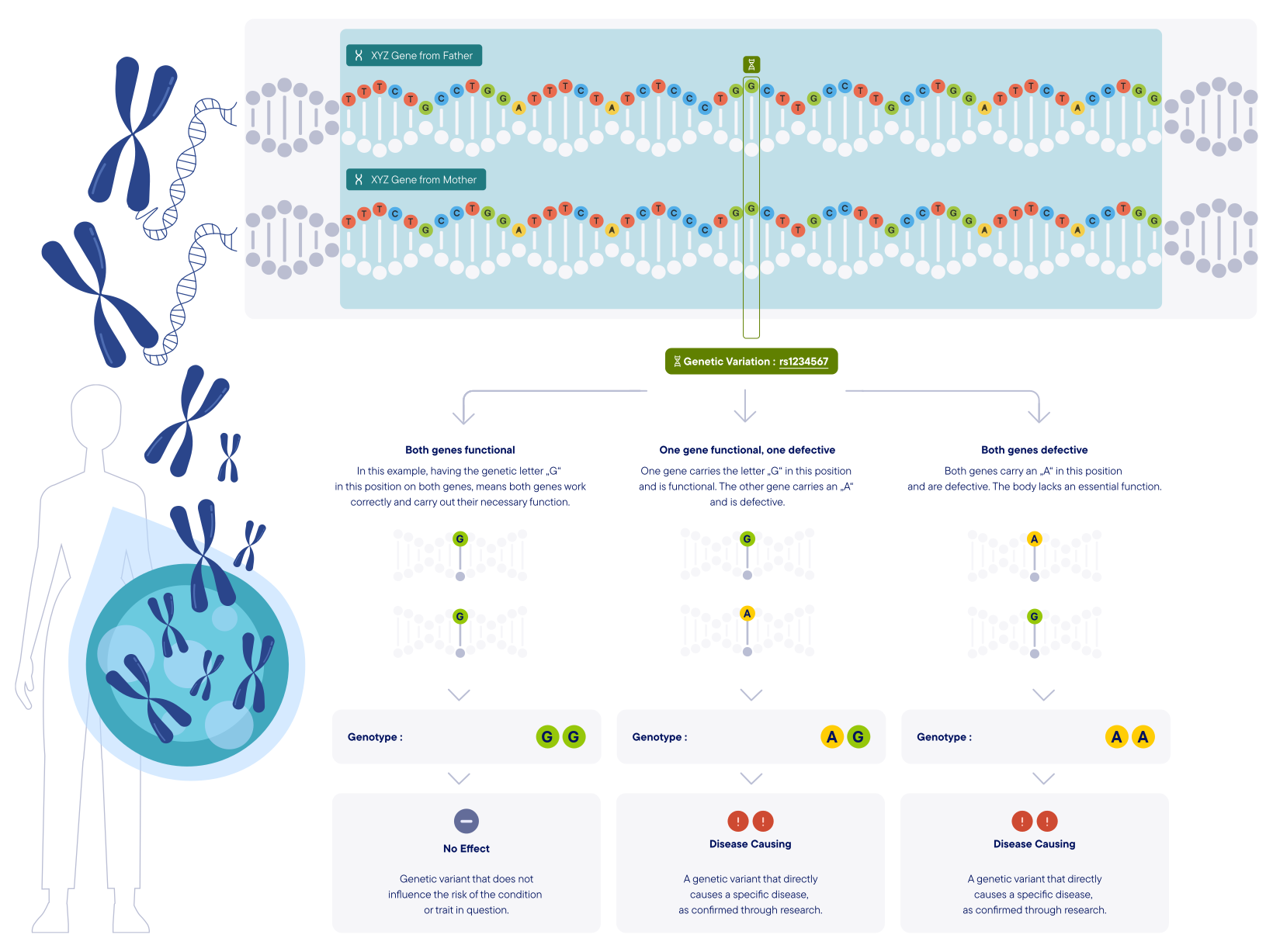
Humans have more than 20,000 genes, each carrying out one or a few specific functions in the body. One gene instructs the body to digest lactose from milk, another tells the body how to build strong bones and another prevents the body's cells from beginning to multiply uncontrollably and developing into cancer. As all of these genes combined are the building instructions for our body, a defect in one of these genes can have severe health consequences.
Through decades of genetic research, we know the genetic code of any healthy/functional human gene. We have also identified that in certain positions on a gene, some individuals may have a different genetic letter from the one you have. We call these hotspots "Genetic Variations" or "Variants" in short. In many cases, studies have been able to show that having the genetic letter "G" in the position makes you healthy, but having the letter "A" in the same position disrupts the gene function and causes a disease. Genopedia allows you to view these variants in genes and summarizes all that we know from scientific research, which genetic letters (Genotype) have good or bad consequences on your health or on your traits.
History
Throughout history, people have described children who were shorter than peers yet lively and active, with families noticing that pants always needed hemming and sleeves ran long. In some communities, generations remembered relatives with small hands and feet and a compact build. These early observations hinted at a consistent pattern long before doctors had a name for it.
First described in the medical literature as a skeletal condition affecting the ends of certain bones, acrocapitofemoral dysplasia drew attention because growth plates in the hips, hands, and feet looked unusual on X‑rays. Initially understood only through symptoms, later reports connected the dots: normal intelligence and energy alongside slow growth, delayed bone age, and distinctive hip shape. From early theories to modern research, the story of acrocapitofemoral dysplasia moved from scattered case notes to clearer descriptions that separated it from other short‑stature conditions.
In recent decades, knowledge has built on a long tradition of observation. As radiology improved, doctors could recognize a telltale pattern—the ball-and-socket of the hip forming differently, and the ends of the finger and toe bones appearing flattened. This made it possible to diagnose acrocapitofemoral dysplasia earlier and more reliably, and to distinguish it from similar skeletal changes seen in other conditions.
Advances in genetics added another layer. Families and researchers noticed that the condition often appeared in siblings born to unaffected parents, a clue to an autosomal recessive inheritance pattern. Genetic studies then identified consistent changes in a gene involved in bone growth signaling, explaining why the “dimmer switch” for growth at the bone ends was turned down. This genetic insight confirmed what clinicians saw and supported counseling for families planning future pregnancies.
Over time, descriptions became more precise about what acrocapitofemoral dysplasia does and does not affect. The spine and chest typically develop well, breathing and heart function are not part of the condition, and thinking and learning are on track. That clarity helped set expectations and guided care, focusing attention on hips, hands, feet, and overall growth.
Looking back helps explain why the diagnosis was once delayed or mixed up with other growth disorders. Not every early description was complete, yet together they built the foundation of today’s knowledge. Now, with characteristic X‑ray findings and targeted genetic testing, many living with acrocapitofemoral dysplasia receive an answer earlier in life, along with a plan centered on monitoring hip development, supporting mobility, and addressing day‑to‑day needs as children grow into adulthood.