
Acquired sensory ganglionopathy is a rare nerve disorder that damages the sensory nerve cell bodies, leading to numbness, tingling, burning pain, poor balance, and clumsiness that can come on subacutely or over weeks to months. People often notice they can’t feel where their feet are on the ground, may drop objects, or feel “pins and needles” in the hands and feet; doctors describe this as a loss of position and vibration sense out of proportion to strength. It can be triggered by autoimmune diseases (like Sjögren’s), infections, certain cancer-related immune reactions, toxins, or some medications, and the course varies—some improve with treatment while others have long‑term disability. Treatment targets the cause when possible and may include stopping an offending drug, immune therapies (such as IVIG, steroids, or plasma exchange), pain control, and focused physical therapy to improve balance and safety. The condition can significantly affect daily function but is not usually life‑threatening; early evaluation helps limit nerve damage and reduce falls.
How many people live with Acquired sensory ganglionopathy?
Acquired sensory ganglionopathy is very rare, and as of 2023 there are no reliable global or U.S. headcounts from large studies. Some rare‑disease listings classify it as “ultra‑rare” (fewer than 1 in 1,000,000 people), which suggests roughly fewer than 8,000 people worldwide and fewer than 400 in the United States in 2023, but this is a rough, classification‑based estimate rather than a direct count.
Overview
Acquired sensory ganglionopathySymptoms
People with acquired sensory ganglionopathy often notice numbness, tingling, pain, and patchy loss of feeling in hands, feet, or trunk. Balance can worsen, especially in the dark, causing unsteady walking and falls. Finger control and joint-position sense may fade.
Outlook and prognosis
Most people with acquired sensory ganglionopathy improve when the trigger is found and treated early, though recovery can be slow and partial. Ongoing symptoms like numbness or balance trouble may persist and need long‑term rehab and falls prevention. Regular follow‑up helps detect relapses and adjust therapy.
Causes and risk factors
Acquired sensory ganglionopathy often stems from autoimmune disease (often Sjögren’s), paraneoplastic immune reactions, infections, and exposure to drugs or toxins. Risk increases with malignancy (notably small‑cell lung cancer), immune‑checkpoint inhibitors, platinum chemotherapy, excess vitamin B6, HIV/HTLV‑1, smoking, and genetic susceptibility to autoimmunity.
Genetic influences
Genetics play little to no role in acquired sensory ganglionopathy; it’s typically triggered by immune, toxic, infectious, or paraneoplastic causes. Inherited neuropathies can mimic it, so clinicians may review family history. Genetic testing is rarely needed unless features suggest heredity.
Diagnosis
Diagnosis of acquired sensory ganglionopathy relies on history and exam, noting non–length-dependent sensory loss and ataxia. Nerve conduction studies showing reduced or absent sensory responses with preserved motor, plus targeted labs and imaging, help confirm the diagnosis and uncover causes.
Treatment and drugs
Treatment for acquired sensory ganglionopathy focuses on calming the immune attack, easing nerve pain, and supporting function. Doctors may use immune therapies like corticosteroids, IVIG, or plasma exchange, plus medicines for neuropathic pain and tailored physiotherapy/occupational therapy. Addressing triggers—such as autoimmune disease, infections, vitamin issues, or toxic exposures—can help stabilize symptoms.
Symptoms
Balance feels off, hands seem clumsier, or odd patches of tingling and numbness come and go. These can be early symptoms of acquired sensory ganglionopathy, a problem with the sensory nerve cells that send touch and position signals to the brain. Symptoms vary from person to person and can change over time. For many, the pattern is patchy and not just in the feet, which can make the condition hard to recognize at first.
Patches of numbness, pins-and-needles, or a buzzing feel can pop up in the hands, feet, arms, legs, or even the torso. The areas can shift over time and may be stronger on one side. Clothes or jewelry may feel strange against the skin.
Some feel burning, stabbing, or electric-shock pains without an obvious trigger. Light touch or gentle pressure can feel surprisingly painful. Pain may be worse at night and disrupt sleep.
Walking can feel uncertain, especially in low light or on uneven ground. Many with acquired sensory ganglionopathy need to watch their feet to stay steady. Falls or near-misses can become more common.
Buttons, zippers, typing, or writing can take extra effort. Objects may slip from the fingers because it’s harder to sense grip and position. Tasks that once felt automatic can demand more focus.
How people usually first notice Acquired sensory ganglionopathy?
Acquired sensory ganglionopathy often first draws attention when balance feels “off” without weakness, especially in the dark or with eyes closed, and when feet or hands seem numb yet oddly sensitive to touch. People may notice clumsy, stamping steps, frequent falls, or difficulty knowing where their limbs are in space, along with tingling, burning, or electric-shock sensations that don’t follow a typical “stocking-glove” pattern. These first signs of acquired sensory ganglionopathy can appear subacutely over weeks to months and often prompt care when daily tasks—buttoning clothes, writing, or walking on uneven ground—suddenly become hard.
Types of Acquired sensory ganglionopathy
Acquired sensory ganglionopathy can show up in a few recognizable patterns that affect daily touch, balance, and coordination in different ways. Some types start suddenly, while others creep in over months and can be patchy—one hand numb, the other mostly fine. Symptoms don’t always look the same for everyone. When reading about types of acquired sensory ganglionopathy, it helps to know that onset speed and distribution often shape how the condition feels day to day.
Acute onset
Symptoms develop quickly over days to weeks. People may have abrupt numbness, burning pain, and severe unsteadiness that makes walking feel unsafe. Reflexes are often reduced and hands or feet can feel “deadened.”
Subacute course
Problems build over several weeks to a few months. Many notice spreading numbness, pins-and-needles, and clumsiness with buttons or keys. Walking on uneven ground becomes harder as position sense fades.
Chronic progressive
Symptoms slowly worsen over many months to years. Numbness and loss of joint position sense can climb from feet to hands, with imbalance in low light or when eyes are closed. Pain may be mild or moderate but coordination troubles stand out.
Non–length-dependent
Sensory loss is patchy rather than starting in the toes and moving upward. One arm or one side of the face may be involved while the legs are less affected. This pattern can make early symptoms of acquired sensory ganglionopathy feel unpredictable.
Pain-predominant
Burning, electric shock–like pain is the main complaint. Touch may feel exaggerated or unpleasant, even with light clothing or bedsheets. Numbness and balance problems can be milder in comparison.
Ataxia-predominant
Balance and coordination issues lead the picture. People may sway, misreach, or feel lost without visual cues, especially in the dark. Pain can be minimal, but fine motor tasks become frustrating.
Autoimmune-associated
Sensory symptoms occur with an immune trigger, such as Sjögren’s or a paraneoplastic process. Flares may worsen numbness or pain, and immunotherapy can sometimes help stabilize changes. Fatigue or dry eyes/mouth may travel alongside nerve symptoms.
Toxic or drug-related
Symptoms follow exposure to certain chemotherapy agents or toxins. Numbness, tingling, and imbalance can appear during or after treatment and may plateau once the exposure ends. Recovery varies and can be incomplete.
Infectious-associated
Sensory problems develop in the setting of infections known to affect nerves. Tingling, numbness, and coordination issues may appear alongside other infection signs. Treatment of the infection can limit further nerve damage.
Idiopathic
No clear cause is found after evaluation. The symptom mix can mirror other types, from pain-heavy to ataxia-dominant patterns. Monitoring focuses on stability over time and managing day-to-day function.
Can I slow down the onset of symptoms?
There isn’t strong evidence that lifestyle changes can reliably delay when symptoms start in acquired sensory ganglionopathy; timing mostly depends on the underlying trigger. What may help is avoiding preventable causes—skip high‑dose vitamin B6 supplements, review medicines with your clinician (especially drugs that can harm nerves, like some chemotherapy), and get prompt care for linked conditions such as Sjögren’s or celiac disease—because treating the cause early can sometimes limit nerve damage. Paying attention to new numbness or balance trouble and seeking early evaluation is sensible, and while none of these steps can guarantee prevention, they may reduce risk or lessen impact.
What genetics can tell you about symptoms
Certain HLA genetic variants can raise the risk of immune attacks on sensory ganglia, leading to numbness, burning pain, poor balance, and loss of joint-position sense. People with these variants may notice asymmetric sensory loss in hands or feet that progresses over weeks to months.
Causes and risk factors
Most cases arise when the immune system mistakenly attacks the sensory nerve clusters near the spine, often tied to autoimmune diseases like Sjögren’s syndrome, a reaction to a cancer (paraneoplastic, especially small cell lung cancer), certain infections, or exposure to nerve‑toxic drugs or toxins. Some risks are modifiable (things you can change), others are non-modifiable (things you can’t). Modifiable risks include neurotoxic medicines—most notably platinum-based chemotherapy—some newer cancer immunotherapies that can inflame nerves, high‑dose vitamin B6 supplements taken over time, and smoking, which raises the chance of small cell lung cancer linked to paraneoplastic forms. Non‑modifiable risks include having an autoimmune condition or a cancer that can trigger an immune reaction; a family tendency toward autoimmunity may increase susceptibility, but inherited causes are not the main driver, and in many people no clear cause is found. If you’re at risk or notice early symptoms of acquired sensory ganglionopathy, seek prompt evaluation so any underlying trigger can be identified and managed early.
What are the most common causes or risk factors?
Acquired sensory ganglionopathy most often happens when the immune system mistakenly attacks the nerve clusters that carry touch, pain, and position signals, most commonly with autoimmune disease such as Sjögren’s syndrome (a condition that causes very dry eyes and mouth); it is usually not inherited. It can also occur as a reaction to a hidden cancer (often small cell lung cancer), after certain medicines—especially some chemotherapy drugs—or with very high vitamin B6 from supplements; infections such as HIV can also play a role. Risk is higher if you live with an autoimmune condition, have a current or recent cancer, have received these medicines, or take high‑dose vitamin B6, though in many people no clear cause is found.
Environmental and biological risk factors
Acquired sensory ganglionopathy affects the nerve clusters that relay touch and position, which can disrupt balance and hand control in daily tasks like buttoning a shirt or walking in low light. Doctors often group risks into internal (biological) and external (environmental). Knowing these can help you and your care team spot patterns early and plan next steps sooner. If you’re worried about early symptoms of acquired sensory ganglionopathy, understanding risk sources can help guide when to seek medical advice.
This autoimmune condition commonly affects moisture glands and can also target the sensory nerve ganglia. It is one of the most frequent biological links to acquired sensory ganglionopathy.
Lupus, autoimmune thyroid disease, and similar immune disorders can mistakenly attack the dorsal root ganglia. This misdirected immunity raises the chance of this pattern of nerve injury.
Some cancers, especially small-cell lung cancer, can trigger an immune response that cross-reacts with sensory nerve cells. This cancer-driven immune reaction can damage the ganglia.
Viruses such as HIV, HTLV-1, and shingles (varicella-zoster) can inflame the sensory ganglia. This inflammation may set off or worsen acquired sensory ganglionopathy. Risk varies by virus and by how well the infection is controlled.
Genetic risk factors
There’s no strong evidence that a single gene directly causes acquired sensory ganglionopathy. Risk is not destiny—it varies widely between individuals. Researchers have explored genetic risk factors for acquired sensory ganglionopathy, and the most plausible links involve inherited tendencies toward autoimmune conditions, including those seen in families with Sjögren’s syndrome. These genetic influences may tilt the odds but do not determine who develops the condition.

Family autoimmune history: Having a close relative with autoimmune disease suggests a shared genetic background that can raise susceptibility. This inherited tilt may make immune attacks on sensory nerve cells more likely. Many people with a family history never develop acquired sensory ganglionopathy.
HLA immune genes: Certain versions of immune-system HLA genes are linked with autoimmune conditions such as Sjögren’s. These inherited markers can increase the chance of autoimmune damage to the sensory ganglia. They do not cause disease on their own.
Autoimmune gene variants: Changes in genes that regulate inflammation or B‑cell activity, often studied in Sjögren’s, may modestly increase risk. Evidence points to a polygenic effect rather than one single gene. These signals help explain why genetic risk factors for acquired sensory ganglionopathy are complex.
Single-gene disorders unlikely: Known monogenic neuropathies usually cause lifelong, inherited sensory problems, not an acquired ganglionopathy. If symptoms began in adulthood without a family pattern, a single-gene cause is less likely. Genetic testing for monogenic causes is rarely informative in typical acquired cases.
Lifestyle risk factors
Acquired sensory ganglionopathy isn’t usually caused by day‑to‑day habits, but certain choices can raise the chance of nerve injury or make symptoms like numbness, burning pain, or poor balance harder to manage. When people ask about lifestyle risk factors for acquired sensory ganglionopathy, it helps to know that some factors make the nervous system more vulnerable while others can compound existing damage. Some risks can be shifted through habits, others remain fixed—doctors call these ‘modifiable’ and ‘non-modifiable.’ Your goal is to minimize the modifiable ones that can stress or injure sensory nerves.
Taking large amounts of pyridoxine (vitamin B6), often above common supplement doses such as >50–100 mg per day, can injure the sensory nerve cells in the ganglia. This can trigger or worsen features that look like acquired sensory ganglionopathy, including numbness, tingling, and sensory ataxia. Review all supplements and fortified drinks to avoid accidental excess.
Heavy or long‑term drinking can directly damage sensory nerves and make neuropathic pain more intense. In people with acquired sensory ganglionopathy, alcohol can amplify numbness and imbalance, increasing fall risk. Cutting back can help protect remaining nerve function.
Tobacco use raises the risk of certain cancers that can drive paraneoplastic forms of acquired sensory ganglionopathy. It also reduces blood flow to nerves and may worsen pain and healing. Stopping smoking can lower these risks over time.
Diets low in key nerve‑supporting nutrients (like vitamin B12) can add a second hit to already stressed sensory pathways. This can deepen numbness or gait problems in acquired sensory ganglionopathy. Balanced meals and addressing deficiencies support nerve health.
Risk prevention
Acquired sensory ganglionopathy can affect day-to-day steadiness, coordination, and touch, making walking on uneven ground or buttoning a shirt harder. Prevention is about lowering risk, not eliminating it completely. Many causes are outside your control, but you can reduce triggers and catch problems earlier. Knowing the early symptoms of acquired sensory ganglionopathy—like sudden numbness, clumsiness, or trouble sensing joint position—can prompt faster care.
Ask your doctor or pharmacist to review medicines and supplements that can harm sensory nerves, including high-dose vitamin B6. Adjusting doses or choosing alternatives may lower risk.
If you live with conditions like Sjögren’s or lupus, steady treatment and regular follow-ups can reduce immune flares that target nerve cells. Treating inflammation early may prevent further nerve damage.
Avoid smoking and keep up with age-appropriate cancer screening to lower the chance of paraneoplastic nerve injury. Catching cancers early can also reduce immune attacks on sensory ganglia.
Stay current with vaccines, practice safer sex, and test and treat infections promptly. Preventing or managing infections like HIV may reduce immune-related nerve injury.
Can you prevent Acquired sensory ganglionopathy?
You can’t fully prevent acquired sensory ganglionopathy, because it often arises from autoimmune disease, cancer‑related immune reactions, or has no clear cause. You may lower risk from avoidable triggers by reviewing medicines and supplements with your care team—especially steering clear of excess vitamin B6 and using drugs known to harm sensory nerves (such as some chemotherapy medicines) only when truly needed and with close monitoring—and by keeping autoimmune conditions well managed. Noticing new numbness, tingling, or balance trouble early won’t prevent it, but getting checked right away may help limit nerve damage if a trigger can be found and removed.

Transmission
Acquired sensory ganglionopathy is not contagious. It does not spread through touch, coughing, saliva, sex, shared utensils, or blood exposure—living with someone who has it is safe.
If you’re wondering how acquired sensory ganglionopathy is transmitted, it isn’t; most cases develop from internal factors such as autoimmune conditions like Sjögren’s, cancer‑related immune reactions, certain medicines (including some chemotherapy), toxins, or occasionally too much vitamin B6. It’s also not typically inherited, so there is no genetic transmission of acquired sensory ganglionopathy from parent to child.
When to test your genes
Consider genetic testing if you developed sensory ganglionopathy at a young age, have a family history of neuropathy or ataxia, or symptoms that don’t fit typical causes (e.g., autoimmune, toxins, chemotherapy). Testing can guide surveillance, treatment choices, and family planning. Discuss timing and test type with a neurologist or genetic counselor.
Diagnosis
Acquired sensory ganglionopathy is usually picked up when balance, coordination, or feeling in the hands and feet change enough to disrupt daily routines like buttoning a shirt or walking in dim light. If you’re wondering how Acquired sensory ganglionopathy is diagnosed, it typically involves a careful exam plus targeted tests that look at sensory nerves and possible triggers. Doctors usually begin with your story and a focused neurologic exam before ordering tests that narrow down the cause.
Your clinician asks about when symptoms began, how they’ve changed, and what daily tasks are harder. Details like numbness, clumsiness, falls, or burning pain help point to a sensory nerve problem.
The exam checks touch, vibration, and joint position sense as well as balance with eyes open and closed. Loss of position sense with a wide-based, unsteady gait suggests damage to sensory nerve cells.
Small electrical pulses test how sensory and motor nerves carry signals. In sensory ganglionopathy, sensory signals are often very reduced or absent in many nerves, while motor signals may be near normal.
A thin needle measures muscle electrical activity to look for muscle or motor-nerve involvement. EMG often appears relatively normal here, which supports a primarily sensory nerve-cell problem.
How is Acquired sensory ganglionopathy diagnosed?
Doctors usually diagnose acquired sensory ganglionopathy by combining your story and a hands-on exam—big problems with feeling and balance out of proportion to weakness—then confirming it with electrical nerve tests that show the sensory nerves are badly affected while the nerves that control muscles are mostly spared. Blood tests often look for treatable causes (like autoimmune clues or signs of a hidden cancer), and your team may add scans (MRI or CT), a spinal fluid test, or, in select cases, a small skin biopsy to rule out other nerve problems. Because this condition is acquired rather than inherited, genetic testing is not usually needed.
Stages of Acquired sensory ganglionopathy
Acquired sensory ganglionopathy does not have defined progression stages. The course varies widely because the underlying cause differs; symptoms may appear suddenly over days to weeks, creep in over months, or level off or improve once the trigger is treated. Different tests may be suggested to help confirm the pattern, including a neurological exam, nerve conduction studies that show sensory nerve involvement, blood tests for autoimmune or infectious triggers, and sometimes scans to look for a hidden cancer. Doctors track changes over time by listening for early symptoms of acquired sensory ganglionopathy such as new numbness, tingling, or unsteady walking, and by repeating exams or tests if needed.
Outlook and prognosis
Looking at the long-term picture can be helpful. For many people with acquired sensory ganglionopathy, the course depends on how quickly the cause is found and treated. Early care can make a real difference, especially when the trigger is an autoimmune condition, an infection, a toxin exposure, or a medication that can be stopped or switched. Some people improve or stabilize with immune therapies, vitamin replacement, or cancer treatment if a hidden tumor is involved; others have ongoing numbness, pain, balance trouble, or hand coordination issues that change slowly over time.
The outlook is not the same for everyone, but focusing on function helps: walking aids, hand therapy, and pain management can preserve independence even when nerve damage doesn’t fully reverse. Doctors call this the prognosis—a medical word for likely outcomes. When a clear, treatable cause is found early, long-term disability is often lower, and early symptoms of acquired sensory ganglionopathy like sudden numbness in the feet, clumsiness when buttoning clothes, or falls in dim light may ease. When no cause is identified or treatment is delayed, symptoms may plateau or gradually progress; even then, many living with acquired sensory ganglionopathy maintain mobility and continue working with tailored rehab and safety strategies.
Mortality is usually driven by the underlying cause rather than the nerve problem itself. For example, cancer-related cases depend on tumor control, and severe autoimmune cases can raise risks from infections or falls, not from the neuropathy alone. With ongoing care, many people maintain good quality of life for years, though some need long-term pain control and fall-prevention plans. Talk with your doctor about what your personal outlook might look like.
Long-term effects
Acquired sensory ganglionopathy can lead to lasting changes in balance, coordination, and sensation that shape day-to-day life. Long-term effects vary widely, and the course can be slow, stepwise, or sometimes stabilize if the cause is found and treated. Early symptoms of acquired sensory ganglionopathy may be subtle, then build over months to years. Over time, daily routines may shift as people find new ways to move safely and manage persistent numbness or pain.
Unsteady walking and a wide-based gait can persist, especially on uneven ground or in the dark. This raises the risk of stumbles and falls over the long term.
Loss of position sense makes it hard to know where your feet or hands are without looking. For many, this worsens fatigue and slows everyday tasks.
Buttoning, typing, or handling small objects can stay difficult when fine touch and joint position signals are reduced. People may drop items or move less precisely.
Ongoing pins-and-needles, buzzing, or deadness in the limbs can remain. These feelings may be patchy rather than only in the feet or hands in acquired sensory ganglionopathy.
How is it to live with Acquired sensory ganglionopathy?
Daily life with acquired sensory ganglionopathy often means unreliable signals from the body’s “position sensors,” so walking on uneven ground, turning in the dark, or buttoning a shirt can feel unexpectedly hard. Fatigue, pain, and numbness may come and go, making planning tricky, while falls or near-falls can chip away at confidence. Many find that bright lighting, sturdy footwear, canes or trekking poles, and paced activity restore a sense of control, and exercises focused on balance and strength help. For family, friends, and coworkers, patience with slower movement, offering a steady arm, and allowing extra time can make shared routines safer and less stressful.
Treatment and drugs
Treatment for acquired sensory ganglionopathy focuses on calming the immune attack on the sensory nerve clusters (ganglia), protecting remaining nerve function, and easing day‑to‑day symptoms. Doctors often start with immune‑modulating therapy such as high‑dose steroids, intravenous immunoglobulin (IVIG), or plasma exchange; in stubborn cases, steroid‑sparing drugs like azathioprine, mycophenolate, rituximab, or cyclophosphamide may be considered, especially when an autoimmune cause is confirmed. If an underlying trigger is found—such as a cancer, a connective tissue disease, a viral infection, or a medication—treating or removing that trigger is central to improving acquired sensory ganglionopathy. Medicines that ease symptoms are called symptomatic treatments, and may include neuropathic pain drugs (like gabapentin, pregabalin, duloxetine, or tricyclics), plus strategies for balance and numbness such as physical therapy, fall‑prevention, and foot care. Not every treatment works the same way for every person, so your doctor may adjust your plan over time to balance benefits and side effects and to match changes in how you feel.
Can you cure Acquired sensory ganglionopathy?
There’s no single cure for acquired sensory ganglionopathy. Care focuses on finding and treating the cause when possible (for example, stopping a harmful drug, treating a cancer or infection, or using medicines that quiet an overactive immune system), and on easing symptoms with pain relief, physical therapy, and balance and fall‑prevention support. Some people improve or stabilize—especially with early treatment—but results vary.
Non-drug treatment
Living with acquired sensory ganglionopathy can affect balance, coordination, and everyday safety at home and outdoors. Care focuses on protecting sensation you still have, preventing falls and injuries, easing pain, and keeping you moving with confidence. Non-drug treatments often lay the foundation for daily stability while medical teams work on the underlying cause. Therapists also teach practical skills to manage early symptoms of acquired sensory ganglionopathy and adapt routines so life feels more predictable.
Targeted exercises build strength, posture, and core stability to compensate for lost sensation. Balance drills retrain your body to rely more on vision and inner-ear cues. A therapist will tailor plans to your goals and home setup.
Everyday tasks are broken into safer, simpler steps. Therapists recommend tools and techniques to dress, cook, and bathe with less risk. They also teach hand strategies for buttoning, typing, or using a phone.
Structured balance work reduces sway and improves steadiness during standing and walking. Programs often include gait practice, dual‑task training, and safe turning. Practice builds confidence for busy sidewalks or dim rooms.
Canes, trekking poles, or walkers add a third point of contact when sensation is poor. Ankle braces or firm footwear can steady the ankle. A therapist can fit and train you to use devices correctly.
Your genes may have an impact on how drugs work for you
Medications for acquired sensory ganglionopathy can work differently depending on genetic variants that affect how your body absorbs, breaks down, and clears drugs. These differences may change dose needs, side‑effect risk, and response to treatments like immunotherapy or neuropathic pain medicines.
Pharmacological treatments
Treatment for acquired sensory ganglionopathy focuses on calming the immune attack when it’s autoimmune or paraneoplastic, and easing nerve pain and imbalance while the underlying cause is addressed. First-line medications are those doctors usually try first, based on safety, effectiveness, and your overall health. Starting immune therapy sooner—near the early symptoms of acquired sensory ganglionopathy—may help limit further nerve damage. Pain-relief medicines can be added and adjusted over time to improve day-to-day function.
Prednisone or methylprednisolone can quickly lower inflammation targeting the sensory ganglia. They’re often used early, then tapered to the lowest effective dose.
Intravenous immunoglobulin can ease immune-driven nerve injury, especially in autoimmune or Sjögren’s-associated cases. It’s given in cycles and may be repeated based on response and side effects like headache or fluid shifts.
This B‑cell–targeting antibody can help when an autoimmune process is suspected or confirmed. It’s used when steroids or IVIG are insufficient or to maintain remission.
These steroid-sparing drugs help maintain control after initial improvement. They can take weeks to months to work and require periodic blood tests to monitor safety.
Genetic influences
As an acquired condition, acquired sensory ganglionopathy is generally not inherited, and most cases stem from immune reactions, certain cancers, infections, toxins, or medications rather than a gene change. Family history is one of the strongest clues to a genetic influence. If several relatives have similar numbness, tingling, or balance trouble, your care team may revisit the diagnosis and consider an inherited sensory neuropathy that can look similar, which may prompt genetic counseling or targeted testing. In autoimmune forms, small differences in immune-system genes might shape who is more susceptible, but findings are mixed and no single gene explains most cases. For that reason, genetic testing for acquired sensory ganglionopathy is not routinely recommended unless the pattern of symptoms and family history suggests a hereditary cause. If you’re unsure, ask your clinician whether a referral to a genetics specialist could help clarify next steps.
Is Acquired sensory ganglionopathy genetic?
Genetics play little to no role in acquired sensory ganglionopathy; it’s typically triggered by immune, toxic, infectious, or paraneoplastic causes. Inherited neuropathies can mimic it, so clinicians may review family history. Genetic testing is rarely needed unless features suggest heredity.
Having a genetic risk is not necessarily a diagnosis
Differences in genes are a normal part of being human and are widespread across the population. Most of these differences do not directly affect health; they simply reflect natural human variety. For many genes, having a change that’s been linked to a condition suggests a possible connection rather than a certain diagnosis, especially when several genes and environmental factors are involved. Still, in some situations, a single, well-studied change in a specific gene can be enough to confirm a diagnosis.
Pharmacogenetics—how genetics influence drug effects
Even though acquired sensory ganglionopathy isn’t inherited, your genes can still shape how you respond to several medicines used for pain relief or immune treatment. Genetic testing can sometimes identify how your body breaks down certain pain medicines, which can guide the starting dose or point to safer alternatives. For example, some people convert codeine or tramadol into their active form very slowly and get little relief, while others convert them very quickly and face a higher risk of side effects; in both cases, other options may be better. Tricyclics such as amitriptyline or nortriptyline, and venlafaxine, can build up more or less in the body depending on common enzyme differences, so clinicians often adjust doses based on tolerance and, when available, pharmacogenetic results. If carbamazepine or oxcarbazepine is considered for nerve pain, checking certain HLA types can lower the risk of a rare but serious skin reaction, especially in people with East or Southeast Asian ancestry. For autoimmune causes that need steroid‑sparing therapy, results in TPMT or NUDT15 genes can help avoid severe bone‑marrow side effects from azathioprine. Genetics won’t change the early symptoms of acquired sensory ganglionopathy, but it can help tailor treatment choices while research into predictors of chemotherapy‑related nerve injury continues.
Interactions with other conditions
When Acquired sensory ganglionopathy occurs alongside other illnesses, everyday tasks like buttoning a shirt or walking in low light can become much harder. It most often overlaps with immune-related diseases such as Sjögren’s syndrome and, less commonly, lupus or celiac disease; cancer-related immune responses (especially small‑cell lung cancer with anti‑Hu antibodies) can also trigger or worsen nerve damage. Doctors call it a “comorbidity” when two conditions occur together. Infections like HIV or HTLV‑1, and certain treatments—chemotherapy (for example, platinum drugs or taxanes) and immune checkpoint inhibitors—may bring on or aggravate Acquired sensory ganglionopathy, so medication reviews are important.
People who also have diabetes or a length‑dependent neuropathy may find the mixed picture confusing, because numbness and balance trouble can come from more than one source. Someone might notice their symptoms flare when another condition is active or under‑treated, and early symptoms of Acquired sensory ganglionopathy can be mistaken for those other issues at first. The presence of another illness does not always mean the nerve damage will rapidly progress, but it can change how doctors choose therapies and monitor for side effects. Coordinated care between neurology, rheumatology, oncology, and infectious disease teams helps tailor treatment and reduce overlapping risks.
How genes can cause diseases
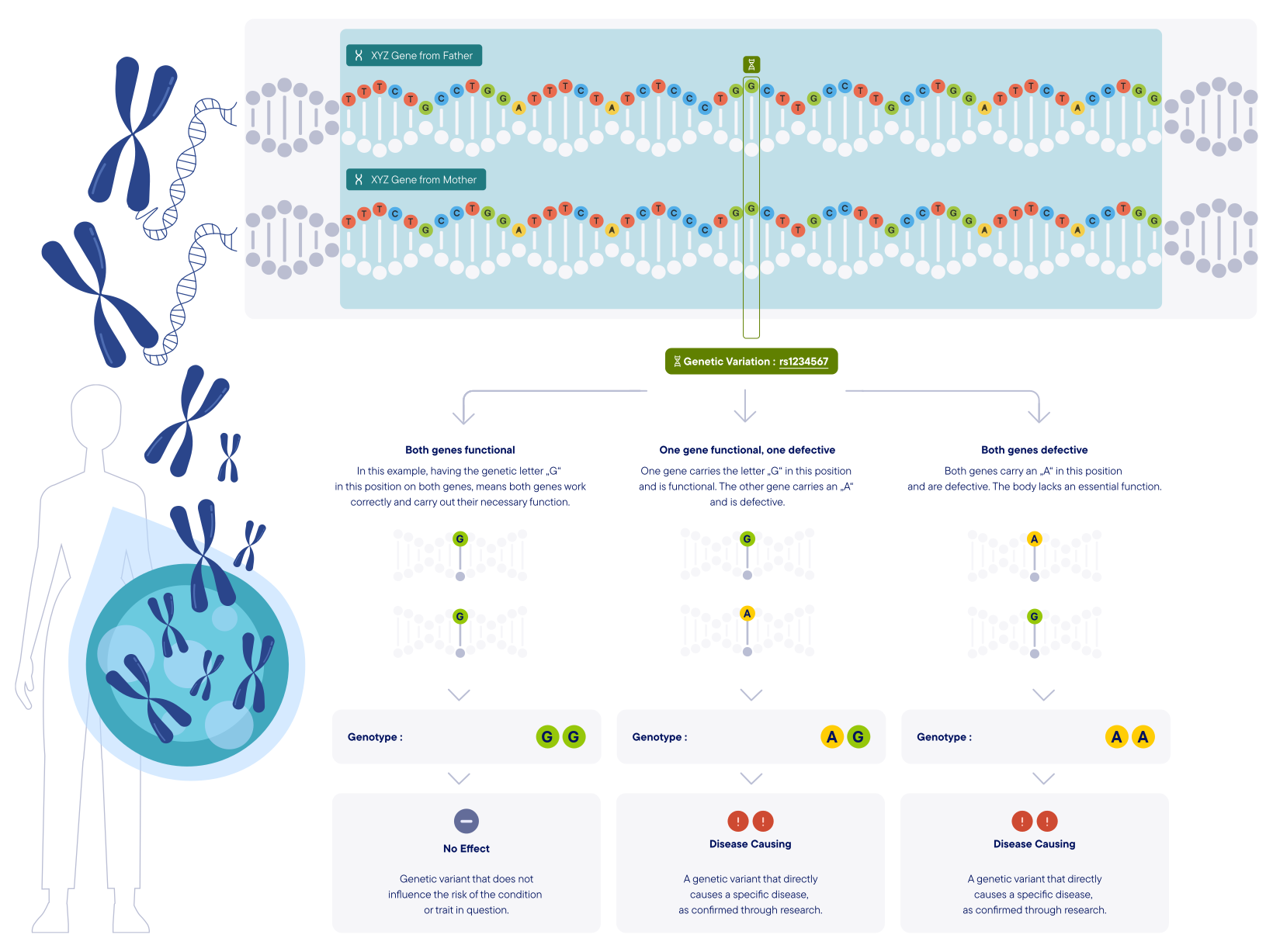
Humans have more than 20,000 genes, each carrying out one or a few specific functions in the body. One gene instructs the body to digest lactose from milk, another tells the body how to build strong bones and another prevents the body's cells from beginning to multiply uncontrollably and developing into cancer. As all of these genes combined are the building instructions for our body, a defect in one of these genes can have severe health consequences.
Through decades of genetic research, we know the genetic code of any healthy/functional human gene. We have also identified that in certain positions on a gene, some individuals may have a different genetic letter from the one you have. We call these hotspots "Genetic Variations" or "Variants" in short. In many cases, studies have been able to show that having the genetic letter "G" in the position makes you healthy, but having the letter "A" in the same position disrupts the gene function and causes a disease. Genopedia allows you to view these variants in genes and summarizes all that we know from scientific research, which genetic letters (Genotype) have good or bad consequences on your health or on your traits.
What other conditions can cause similar symptoms to Acquired sensory ganglionopathy?
Symptoms can resemble other kinds of nerve damage, such as diabetic nerve damage in the feet and hands; nerve injury from chemotherapy, alcohol, or vitamin problems (low vitamin B12 or too much vitamin B6); or small‑fiber nerve damage that mainly causes burning pain. Similar issues can also come from pressure on the spinal cord in the neck that affects feeling and balance, problems in the brain’s balance center, inner ear disorders that cause unsteadiness, or multiple sclerosis.
History
Throughout history, people have described sudden numbness and an unsteady, “walking-on-cushions” feeling that didn’t match common nerve problems. Community stories often mentioned falls without warning, cups slipping from the hand, or feet that couldn’t “find the floor” in the dark. These lived details match what we now call acquired sensory ganglionopathy, a condition where the sensory nerve clusters near the spine are damaged after birth rather than present from birth.
First described in the medical literature as a puzzling “sensory ataxia” that wasn’t explained by diabetes or pinched nerves, early reports focused on unusual patterns: numbness that felt patchy and asymmetric, severe loss of position sense, and marked imbalance out of proportion to weakness. Over time, descriptions became clearer as clinicians noticed it could appear after infections, alongside certain autoimmune diseases, with cancer-related immune reactions, or after exposure to specific medications or toxins.
In recent decades, knowledge has built on a long tradition of observation. Careful nerve testing showed the problem sits in the sensory ganglia—the relay stations of sensory signals—rather than in the long nerve fibers alone. That insight separated acquired sensory ganglionopathy from more typical peripheral neuropathies and explained why people could feel vibration and joint position so poorly even when strength was largely preserved.
Advances in imaging, specialized nerve studies, and immune blood tests helped connect the clinical picture to underlying causes. For some, onconeural antibodies revealed a link to hidden cancers; for others, markers of autoimmune activity or a history of certain drugs pointed to a trigger. Early descriptions were not every time complete, yet together they built the foundation of today’s knowledge, including why early symptoms of acquired sensory ganglionopathy—like abrupt imbalance or loss of fingertip feeling—deserve prompt evaluation.
The history also reshaped treatment approaches. What began as supportive care evolved into timely searches for treatable causes and trials of immunotherapy in selected cases. Clinicians learned that identifying the trigger early—whether a medication to stop, an autoimmune flare to calm, or a cancer to treat—can change the course for many living with acquired sensory ganglionopathy.
Looking back helps explain current practice: precise exams to map sensory loss, targeted tests to find an immune or toxic cause, and rehabilitation to retrain balance and hand function. The journey from scattered case notes to a defined condition has been steady, and it continues to refine how doctors recognize and manage acquired sensory ganglionopathy today.