
Acquired neutropenia is a drop in white blood cells that fight germs, leading to more infections. People with acquired neutropenia may have frequent fevers, mouth sores, sore throat, or infections that don’t improve as expected. It can be short-term after a virus or a medicine, or longer-lasting if linked to autoimmune disease or bone marrow problems. Children and adults can be affected, and the risk of severe infection rises when counts are very low. Treatment often includes stopping a trigger medicine, antibiotics for infections, growth factor shots, and careful monitoring, and most people do well with prompt care.
Overview
Acquired neutropeniaSymptoms
Acquired neutropenia often has no symptoms until infections occur. Early symptoms of acquired neutropenia can include frequent fevers, sore throat, mouth ulcers, sinus or skin infections, cough or shortness of breath from chest infections, and wounds that heal slowly.
Outlook and prognosis
Most people with acquired neutropenia improve once the trigger is treated or removed, and counts often recover over weeks to months. Infections are the main short‑term risk, especially when neutrophils are very low. Ongoing monitoring helps tailor prevention, treatment, and timing of vaccines or procedures.
Causes and risk factors
Acquired neutropenia often follows medications (chemotherapy, some antibiotics), viral infections, autoimmune disease, or nutritional deficits (B12, folate, copper). Risk increases with radiation or toxin exposure, alcohol use, and chronic illness. Genetic susceptibility to autoimmunity or drug reactions may contribute.
Genetic influences
Genetics plays a minor role in acquired neutropenia. It’s usually triggered by infections, medications, autoimmune conditions, or nutritional deficits rather than inherited variants. Rarely, genetic differences influence drug metabolism or immune responses, affecting susceptibility or recovery.
Diagnosis
Diagnosis of acquired neutropenia starts with a complete blood count and differential to confirm low absolute neutrophil count, often repeated. Clinicians review medications, infections, and nutritional issues. Persistent or severe cases may need smear, autoimmune/viral tests, and bone marrow biopsy.
Treatment and drugs
Treatment for acquired neutropenia focuses on the cause and on preventing infections. Doctors may adjust or stop a triggering medicine, treat underlying illness, add antibiotics for infections, and use growth-factor shots (G‑CSF) to raise white cells. Some need short-term hospital care.
Symptoms
Acquired neutropenia happens when the number of certain infection‑fighting white blood cells (neutrophils) drops, raising the risk of bacterial and some fungal infections. Symptoms are mostly from infections and range from mild mouth sores to serious fevers that need urgent care. Symptoms vary from person to person and can change over time. Some people have no symptoms, and early symptoms of acquired neutropenia can look like a common cold, a sore throat, or a small skin infection.
Many people feel well and only learn about neutropenia on a routine blood test. You might notice small changes at first, like a mild sore throat or a mouth sore.
Infections happen more often than usual or return soon after finishing treatment. People with acquired neutropenia may find they are harder to clear and last longer.
A fever of 38.0°C (100.4°F) or higher is important and needs prompt medical advice. Chills, sweats, or feeling suddenly unwell can be the only clues. In acquired neutropenia, fever may be the only sign of an infection.
Painful ulcers inside the cheeks, lips, or tongue are common. Eating and brushing teeth may sting or bleed.
How people usually first notice Acquired neutropenia?
Many people first notice acquired neutropenia after a string of infections that seem unusually frequent, severe, or slow to clear—think repeated sinus or skin infections, mouth ulcers that won’t heal, or fevers without a clear cause. Sometimes it’s picked up incidentally on a routine blood test showing a low neutrophil count, especially after a recent viral illness, new medication, chemotherapy, or an autoimmune flare. For many, the first signs of acquired neutropenia are recurrent fevers, sore throat, mouth sores, or infections that come back soon after antibiotics, prompting a doctor to check white blood cell levels.
Types of Acquired neutropenia
Acquired neutropenia can show up in a few distinct ways depending on the trigger and how long it lasts. People may notice different sets of symptoms depending on their situation. For many, this can mean frequent mouth ulcers, repeated colds, or infections that linger longer than usual, while others have no symptoms and only find out on a routine blood test. When people ask about types of acquired neutropenia, they’re usually asking how the cause and time course shape risk and day-to-day impact.
Acute transient
Neutrophils drop for days to a few weeks, often after a viral illness or a short course of a medication. Infections may be mild and brief, like a sore throat or sinus infection that hangs on. Counts usually recover once the trigger passes.
Chronic persistent
Low counts last for three months or longer due to ongoing triggers like autoimmune activity, medications, or nutritional deficits. People with this type may have repeated mouth sores, gum infections, or skin infections over time. The infection risk varies with how low the count stays.
Drug‑induced
A new or recently increased medication causes the drop, sometimes suddenly. Symptoms can range from no signs at all to fever and sore throat that start within days to weeks of the drug. Stopping the drug usually allows recovery, but severe cases need urgent care.
Infection‑related
A viral or, less often, bacterial infection temporarily suppresses neutrophils. You might notice fatigue, low‑grade fevers, and mouth ulcers while the count is low. As the infection clears, neutrophils usually rebound.
Autoimmune
The immune system mistakenly targets neutrophils, leading to ongoing or fluctuating low counts. People with acquired neutropenia from autoimmunity may have recurrent sinus, skin, or gum infections and sometimes other autoimmune features. Treatment focuses on reducing attacks and preventing infections.
Nutritional deficiency
Low vitamin B12, folate, or copper can impair neutrophil production. Symptoms often include fatigue and mouth sores, and some may have numbness or anemia symptoms if B12 or folate are low. Correcting the deficiency typically improves counts.
Hypersplenism‑related
An enlarged spleen removes neutrophils faster than the body can replace them. People may notice fullness under the left ribs or early satiety, along with recurrent infections when counts drop. Treating the underlying spleen issue can improve neutrophil levels.
Chemotherapy‑associated
Cancer treatments commonly cause predictable drops 7–14 days after a cycle. Fever, chills, or feeling unwell during the nadir signal a higher risk for serious infection. Preventive shots to boost white cells and timing precautions help lower risk.
Idiopathic
No clear cause is found after evaluation, and counts may fluctuate. Many living with this type have mild infections like mouth ulcers or frequent colds, while others stay symptom‑free. Doctors monitor over time and treat based on severity and infection history.
Severity‑based
Mild, moderate, or severe levels are defined by how low the absolute neutrophil count (ANC) falls. Mild forms often cause few symptoms, while severe neutropenia carries a higher risk of serious infections and fever. Clinicians often describe these categories to guide monitoring and treatment, and people sometimes ask about types of acquired neutropenia by severity.
What genetics can tell you about symptoms
Most acquired neutropenia isn’t inherited, but certain genetic traits can raise the chance of drug- or infection-triggered low neutrophils, leading to frequent infections, mouth ulcers, fevers, and slow wound healing. Variants in drug-metabolizing or immune-regulating genes can intensify the drop and prolong symptoms.
Causes and risk factors
Many people ask about early symptoms of acquired neutropenia. Common causes include medicines that suppress the bone marrow, cancer treatments, and viral infections. Autoimmune diseases, an enlarged spleen, or bone marrow disorders can also lower neutrophils. Low vitamin B12, folate, or copper and heavy alcohol use raise risk, and genetics can influence baseline counts or certain drug reactions. Doctors distinguish between risk factors you can change and those you can’t.
Environmental and biological risk factors
Acquired neutropenia happens when white blood cells called neutrophils drop because of factors encountered after birth, not inherited ones. Doctors often group risks into internal (biological) and external (environmental). Understanding environmental risk factors for acquired neutropenia and the biological conditions that make someone more vulnerable can help you and your care team plan monitoring and prevention. Below are common risks linked to drops in neutrophils.
These treatments can slow the bone marrow’s ability to make neutrophils. The drop often peaks about a week or two after a treatment cycle and improves as counts recover.
Some antibiotics, thyroid treatments, and seizure or psychiatric medicines can cause sudden or gradual neutrophil drops. Risk may rise with higher doses or repeated exposure, so monitoring is often advised.
Viruses like influenza, hepatitis, or HIV can temporarily lower neutrophils. Acquired neutropenia from infection often improves once the illness clears.
Serious bacterial infections or sepsis can use up neutrophils faster than the body can replace them. This can trigger short-term acquired neutropenia during critical illness.
Genetic risk factors
Genetic factors don’t usually cause acquired neutropenia on their own, but they can raise the chance it develops in certain situations, especially with specific medicines or immune conditions. Carrying a genetic change doesn’t guarantee the condition will appear. These inherited differences may help explain why one person tolerates a drug while another develops a sharp drop in white blood cells. They don’t change how early symptoms of acquired neutropenia show up, but they can influence who is more likely to be affected.

TPMT variants: Changes in the TPMT gene reduce how well the body breaks down thiopurine drugs (such as azathioprine and 6-mercaptopurine). This can lead to bone marrow suppression and raise the risk of acquired neutropenia.
NUDT15 variants: Certain NUDT15 changes make thiopurine medicines much more likely to cause an early, severe drop in neutrophils. The risk is especially noted in some East Asian, South Asian, and Latino groups.
DPYD variants: Differences in the DPYD gene slow the breakdown of fluoropyrimidines (5‑fluorouracil and capecitabine). People with these variants have a higher chance of severe acquired neutropenia when treated with these drugs.
UGT1A1 variants: Common UGT1A1 changes (such as *28) affect how the body clears irinotecan. This can increase the risk of irinotecan‑related acquired neutropenia.
HLA with clozapine: Research has linked certain HLA types to a higher chance of clozapine‑induced agranulocytosis, a severe form of neutropenia. Because of this risk, frequent blood count monitoring is standard during clozapine treatment.
HLA with antithyroids: Specific HLA types are associated with agranulocytosis from antithyroid medicines like methimazole or propylthiouracil. The link appears strongest in some East Asian populations and can mark a higher relative risk if these drugs are used.
Duffy-null (ACKR1): An inherited Duffy‑null variant, common in many people of African, some Middle Eastern, and Caribbean ancestry, lowers baseline neutrophil counts (often called benign ethnic neutropenia). It doesn’t cause infections by itself, but it can make acquired neutropenia more likely to be recorded during illness or treatment.
FCGR3B copy number: Having fewer copies of the FCGR3B gene is linked to immune‑related neutropenia, including neutropenia that occurs with autoimmune conditions. This immune tendency can contribute to acquired neutropenia through increased destruction of neutrophils.
Lifestyle risk factors
Several lifestyle choices can contribute to low neutrophil counts in acquired neutropenia. The most common are nutrition-related issues and training patterns that strain the body without adequate recovery or fueling. Addressing these lifestyle risk factors for acquired neutropenia can support bone marrow function and help stabilize counts. Below are key areas to consider and modify with your care team.
Diets low in B12 (often unfortified vegan or vegetarian patterns) can reduce neutrophil production. Replacing B12 through fortified foods or supplements can restore counts.
Inadequate intake of leafy greens, legumes, and fortified grains can lower folate and impair white cell formation. Replenishing folate through diet or supplements may improve neutrophils.
Very low-copper diets can cause neutropenia by disrupting white blood cell maturation. Including copper-rich foods like shellfish, nuts, seeds, and whole grains can help correct this.
High-dose zinc blocks copper absorption, which can trigger neutropenia. Limiting unsupervised zinc doses and balancing with copper under medical guidance can prevent this.
Risk prevention
Acquired neutropenia lowers the number of infection-fighting white blood cells, so prevention focuses on avoiding infections and reducing triggers. Prevention is about lowering risk, not eliminating it completely. Practical steps at home and in medical settings can make a real difference. Work with your care team to tailor these steps to the cause and severity of your acquired neutropenia.
Ask your clinician to check whether any current medicines can lower white blood cells. Adjusting the drug or dose may prevent or reduce acquired neutropenia.
Wash hands often, especially before eating and after public transport or bathroom use. Avoid close contact with people who have colds, flu, or stomach bugs when counts are low.
Choose well-cooked meats and eggs, and wash fruits and vegetables thoroughly. Skip unpasteurized dairy and raw seafood during periods of low counts.
Stay up to date with inactivated vaccines like flu and COVID-19 to lower infection risk. Your clinician may delay or avoid certain live vaccines if neutropenia is severe.

Transmission
Acquired neutropenia is not contagious and cannot be transferred from one person to another. It develops due to outside factors—such as medicines, autoimmune disease, certain viral infections, nutritional shortages, or cancer treatments—not from exposure to someone with the condition. Person-to-person transmission of acquired neutropenia does not occur; if an infection triggers it, the infection itself may spread, but the low white blood cell count does not. People living with acquired neutropenia are not a risk to others; instead, they face a higher risk of catching infections.
When to test your genes
Consider genetic testing if neutropenia keeps returning, is severe without a clear cause, began in childhood, or clusters in your family. Testing helps distinguish inherited forms from acquired ones, guiding monitoring, infection prevention, and treatment choices. Ask your clinician about panels for marrow failure and neutropenia genes when evaluation remains inconclusive.
Diagnosis
Acquired neutropenia is usually picked up when frequent infections or routine blood work show a low neutrophil count. If you’re wondering how Acquired neutropenia is diagnosed, doctors combine your story, exam, and targeted tests. Tests may feel repetitive, but each one helps rule out different causes.
Your provider asks about recent infections, fatigue, weight loss, mouth sores, and timing of symptoms. They also review travel, exposures, alcohol use, and family history to spot patterns that fit Acquired neutropenia.
Doctors look for fever, mouth ulcers, skin infections, swollen lymph nodes, or an enlarged spleen. These findings can signal how active Acquired neutropenia is and help guide which tests to run first.
A complete blood count measures the absolute neutrophil count (ANC) to confirm neutropenia. Severity helps triage urgency: severe is below 0.5 × 10^9/L (below 500/µL).
Follow-up CBCs over days to weeks show whether the low count is brief or ongoing. Stable, persistent low counts suggest a chronic cause of Acquired neutropenia.
Stages of Acquired neutropenia
Acquired neutropenia is usually described by how low the infection-fighting white cells are, rather than fixed time-based stages. Doctors group it into severity levels using the absolute neutrophil count (ANC), because that number tracks infection risk and guides treatment. Early symptoms of acquired neutropenia can be easy to miss, like mouth ulcers or infections that don’t clear as expected. Many people feel relief once they understand what’s happening.
Mild neutropenia
ANC is about 1,000–1,500 cells/µL. In acquired neutropenia this level often causes no symptoms and infections are uncommon. Doctors usually repeat blood counts and check for recent infections or medicines that could be the cause.
Moderate neutropenia
ANC is about 500–1,000 cells/µL. Infection risk rises; some may notice mouth sores, gum swelling, or colds that linger. Your care team may adjust medicines and give practical prevention advice, like prompt care for cuts and dental issues.
Severe neutropenia
ANC is below 500 cells/µL. In acquired neutropenia the risk of serious infection increases, and any fever needs urgent medical attention. Preventive steps or treatments, such as antibiotics or growth-factor shots, may be considered based on cause and overall health.
Agranulocytosis/profound
ANC is very low, often below 200 cells/µL. The risk of sudden, severe infections is high, and hospital care may be needed for fever. Stopping a triggering drug and rapid treatment with antibiotics are common parts of care.
Outlook and prognosis
For many, day-to-day life with acquired neutropenia centers on preventing infections and catching early warning signs. Minor cuts may take longer to heal, a routine cold can linger, and you might be asked to call your clinic sooner for fever than friends would. Many people find that symptoms ease as the underlying trigger is treated—whether that’s adjusting a medicine, clearing a viral illness, or managing an autoimmune flare.
Doctors call this the prognosis—a medical word for likely outcomes. In mild to moderate acquired neutropenia, the long-term outlook is generally favorable, especially when counts recover within weeks to months. Severe or prolonged low counts raise the risk of serious infections, hospital stays, and, rarely, sepsis; this is where quick treatment and preventive steps matter most. Mortality is low when fevers are treated promptly and when people know the early symptoms of acquired neutropenia that should trigger urgent care, such as chills, mouth sores, or a temperature of 38°C/100.4°F or higher. When neutropenia is caused by chemotherapy, counts often rebound after treatment cycles; growth-factor shots can shorten the low-count window and lower infection risk.
Everyone’s journey looks a little different. Outcomes depend on the cause (drug-related, infection, autoimmune, nutritional, chemotherapy-related), how low the counts drop, and how quickly the trigger can be removed or treated. With ongoing care, many people maintain normal routines, work or school, and travel with simple precautions like timely vaccines, hand hygiene, and a plan for fever. Talk with your doctor about what your personal outlook might look like, including when to seek urgent care, how often to check counts, and whether preventive antibiotics or growth factors are right for you.
Long-term effects
Acquired neutropenia can have long-term effects that depend on the cause, how low the white cell count drops, and how often it happens. Long-term effects vary widely, and many people improve once the trigger is removed, while others have a relapsing pattern over years. Early symptoms of acquired neutropenia can be subtle—like repeated mouth sores or fevers—before more serious infections develop.
Repeated sinus, mouth, skin, or chest infections can occur over months or years. These infections may be more intense and take longer to clear in acquired neutropenia.
When counts drop very low, serious bacterial infections or sepsis can develop quickly. This can mean urgent care and close monitoring during high‑risk periods.
Painful mouth ulcers, sore gums, and tooth infections may come back again and again. These oral problems are common long-term effects in acquired neutropenia.
Cuts, scrapes, or surgical sites can get infected more easily. Some people notice slower healing and more redness or swelling around wounds over time.
How is it to live with Acquired neutropenia?
Living with acquired neutropenia often means learning to navigate life with fewer infection-fighting white blood cells, so everyday choices—like riding public transit during cold season or caring for a small cut—carry a bit more weight. Many people adapt by practicing careful hand hygiene, staying current with vaccines that are safe for them, avoiding sick contacts when possible, and seeking prompt care for fevers or signs of infection; some may need medications like growth factors or antibiotics during higher‑risk periods. Daily life can still be full and active, but plans sometimes hinge on how your counts are doing, and that uncertainty can be tiring. Family, friends, and coworkers play a helpful role by supporting these precautions, being open about illnesses, and understanding if you need to reschedule or take extra steps to stay well.
Treatment and drugs
Treatment for acquired neutropenia focuses on the cause, easing infection risk, and helping white blood cell counts recover. Supportive care can make a real difference in how you feel day to day, including prompt treatment of infections, good hand hygiene, dental care, and sometimes preventive antibiotics or antifungals if counts are very low. Doctors sometimes recommend a combination of lifestyle changes and drugs, such as stopping a culprit medication, treating an underlying illness, short courses of granulocyte colony-stimulating factor (G‑CSF) to boost neutrophils, or steroids and other immune‑calming medicines when the immune system is attacking neutrophils. If infections are severe or counts are critically low, you may need hospital care with IV antibiotics, and in select cases growth factor shots on a schedule; people with recurrent fevers may also receive vaccinations and an action plan for early antibiotics. Not every treatment works the same way for every person, so your doctor may adjust your plan over time and will discuss rare options like immunoglobulin therapy or, very rarely, stem cell transplant if neutropenia is persistent and severe.
Non-drug treatment
For people living with acquired neutropenia, the focus of non-drug care is lowering infection risk and catching problems early so treatment can start quickly. Small, steady habits at home and at work often make the biggest difference in day-to-day safety. Alongside medicines, non-drug therapies can reduce infections, protect skin and mouth, and guide when to seek urgent care. Plans are tailored to how low the neutrophil count is and whether infections have happened before.
Wash hands often with soap and water or use sanitizer when out. Avoid close contact with anyone who is ill, and skip crowded indoor spaces during outbreaks. Consider a well-fitting mask in clinics, on public transport, or planes.
Check your temperature if you feel unwell, chilled, or unusually tired; 38.0°C (100.4°F) is a red flag. Call your care team or go to urgent care immediately for fever or shaking chills. Early symptoms of acquired neutropenia can be subtle, so act quickly rather than watching and waiting.
Choose well-cooked meats and eggs; skip raw seafood, unpasteurized dairy, and salad bars when counts are very low. Wash fruits and vegetables thoroughly, peel when possible, and use separate cutting boards for raw meats. Refrigerate leftovers promptly.
Brush gently twice daily with a soft brush and use alcohol-free mouthwash. Floss carefully if your team says it’s safe; stop if gums bleed. See a dentist regularly for cleanings and treat any mouth sores early.
Your genes may have an impact on how drugs work for you
Genes can affect how your body processes infection‑fighting medicines, changing how strongly they work or how likely side effects are. For acquired neutropenia, genetic differences may influence responses to antibiotics, antivirals, immunosuppressants, and G‑CSF dosing needs.
Pharmacological treatments
Treatment for acquired neutropenia focuses on lowering infection risk and gently raising white cell counts so daily life feels safer. Early symptoms of acquired neutropenia, like fevers or mouth sores, can guide when to start medicines or increase doses. Not everyone responds to the same medication in the same way. Your team will tailor options to the cause, how low the count is, and whether infections are happening now.
This injection helps the body make more neutrophils and is commonly used after chemotherapy or in severe cases. It often works within days; bone pain and soreness at the shot site can happen.
Pegfilgrastim is a longer-acting version given less often to keep counts steadier. It’s typically used around chemotherapy cycles; side effects are similar to filgrastim.
This is an alternative growth factor if G-CSF isn’t a good fit or hasn’t worked well enough. It can cause fever, fatigue, or injection reactions more often than G-CSF.
Short courses can calm the immune system in autoimmune neutropenia. Benefits may appear within days, but longer use can raise blood sugar, blood pressure, and infection risk.
Genetic influences
In most cases, acquired neutropenia isn’t inherited, but your genes can still influence who develops it and how severe it becomes. Genetics is only one piece of the puzzle, but certain inherited traits can lower baseline white blood cell levels without causing illness—often called benign ethnic neutropenia—which may make acquired neutropenia easier to trigger or mislabel. Research also links certain immune system markers (HLA types) to a higher chance of drug‑induced neutropenia with specific medicines, such as some antithyroid drugs or clozapine, though routine screening for these markers isn’t standard. In practical terms, genetic risk factors for acquired neutropenia matter most when a low count was present before an infection or medication, or when several relatives have naturally low counts. Genetic testing for acquired neutropenia is rarely needed; doctors usually focus on medication history, recent infections, and serial blood counts, and may order tests to confirm benign ethnic neutropenia in people from backgrounds where this is common. If a medicine is the suspected trigger, stopping it and monitoring counts is the key step, while genetics mainly helps explain differences in susceptibility rather than provide a yes‑or‑no answer.
Is Acquired neutropenia genetic?
Genetics plays a minor role in acquired neutropenia. It’s usually triggered by infections, medications, autoimmune conditions, or nutritional deficits rather than inherited variants. Rarely, genetic differences influence drug metabolism or immune responses, affecting susceptibility or recovery.
Pharmacogenetics—how genetics influence drug effects
For many, acquired neutropenia is set off by a medicine, and inherited differences in drug-processing genes can raise the chance of this side effect or guide safer dosing. Before starting thiopurines such as azathioprine or 6-mercaptopurine, testing for TPMT and NUDT15 can flag people who need much lower doses or a different treatment to avoid severe drops in white blood cells. With chemotherapy, changes in the DPYD gene increase the risk of dangerous neutropenia from 5‑fluorouracil (5‑FU) or capecitabine, and UGT1A1 variants can heighten irinotecan-related neutropenia, so doctors may adjust the plan up front. Certain immune gene types (HLA) are linked to rare but serious agranulocytosis from clozapine or some antithyroid drugs in specific groups, though routine screening for these is not standard everywhere. Pharmacogenetic testing doesn’t give a “yes or no” answer, but it can point to safer starting doses or alternative medicines to reduce drug-induced neutropenia risk. Even then, managing acquired neutropenia still centers on stopping the trigger drug, using white cell growth factors when needed, and close blood count monitoring—genetics is one piece of a broader safety strategy.
Interactions with other conditions
When acquired neutropenia occurs alongside other illnesses, infections can be more frequent and harder to recover from. Autoimmune diseases such as rheumatoid arthritis or lupus, chronic infections like HIV or hepatitis, and cancer therapies can all trigger or worsen low neutrophil counts; certain antibiotics, antithyroid medicines, and antipsychotics may contribute as well. If you also live with diabetes, chronic lung disease, kidney problems, or liver disease, infections that start during acquired neutropenia may spread faster and require hospital care. Ask if any medications for one condition might interfere with treatment for another. Early symptoms of acquired neutropenia—like new mouth ulcers, sore throat, or fevers without a clear source—can overlap with flare symptoms from autoimmune disease, which can delay care. Teaming up with your clinicians to plan infection prevention, vaccine timing, and regular blood count checks can help keep risks in check when acquired neutropenia occurs with other conditions.
How genes can cause diseases
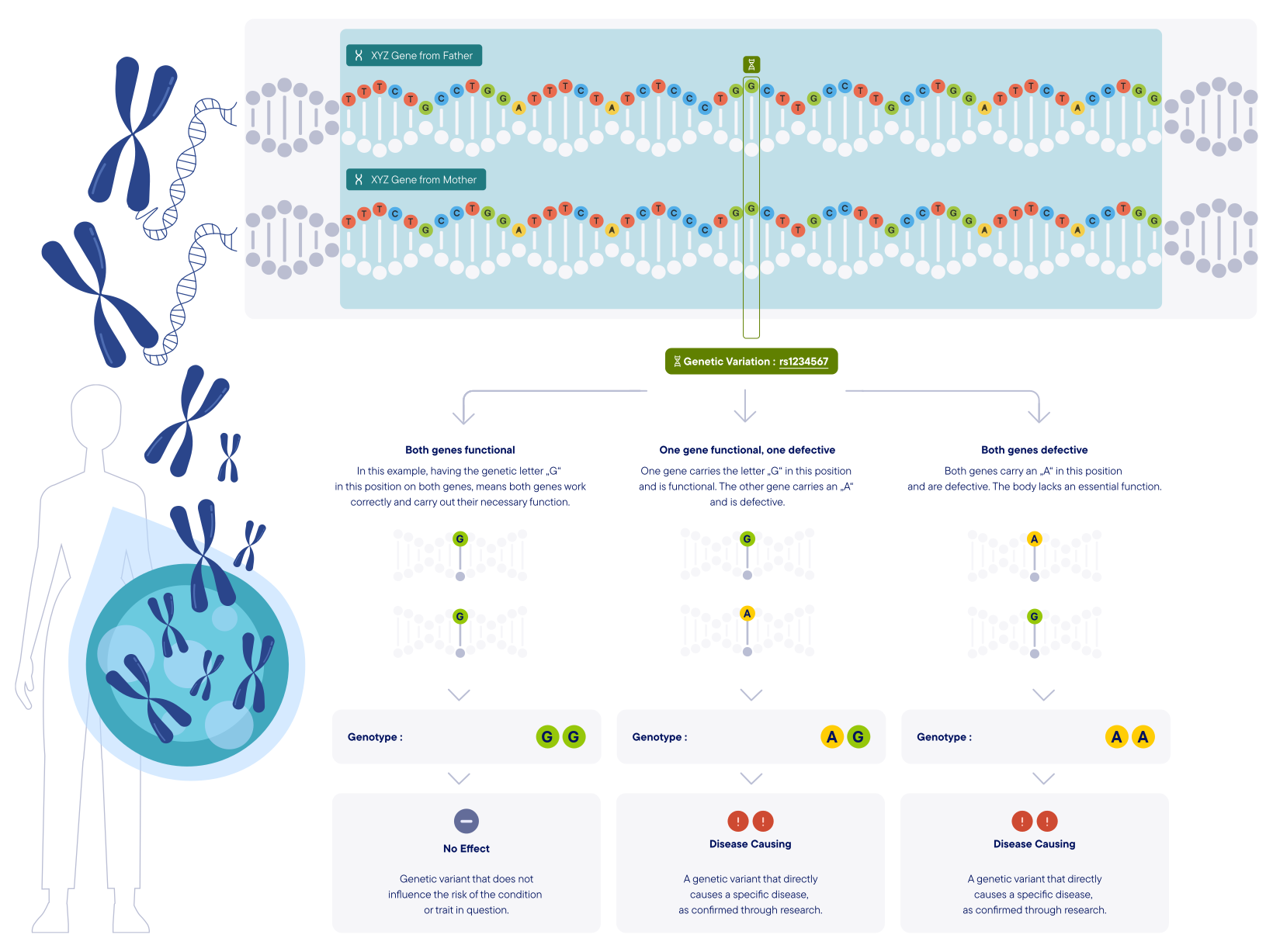
Humans have more than 20,000 genes, each carrying out one or a few specific functions in the body. One gene instructs the body to digest lactose from milk, another tells the body how to build strong bones and another prevents the body's cells from beginning to multiply uncontrollably and developing into cancer. As all of these genes combined are the building instructions for our body, a defect in one of these genes can have severe health consequences.
Through decades of genetic research, we know the genetic code of any healthy/functional human gene. We have also identified that in certain positions on a gene, some individuals may have a different genetic letter from the one you have. We call these hotspots "Genetic Variations" or "Variants" in short. In many cases, studies have been able to show that having the genetic letter "G" in the position makes you healthy, but having the letter "A" in the same position disrupts the gene function and causes a disease. Genopedia allows you to view these variants in genes and summarizes all that we know from scientific research, which genetic letters (Genotype) have good or bad consequences on your health or on your traits.
History
Throughout history, people have described sudden bouts of fever, mouth sores, and stubborn infections that seemed to appear after an illness or a new medicine. Families noticed that someone doing well one month could be fighting frequent colds the next. Looking back helps explain why acquired neutropenia—when infection-fighting white blood cells drop due to an outside cause—was long recognized through its consequences rather than its name.
First described in the medical literature as recurring infections with “low white counts,” early reports tied episodes to specific triggers: certain drugs, viral illnesses, chemotherapy, or exposure to toxins. Doctors saw patterns in hospitals during the early antibiotic era, then again as cancer treatments expanded in the mid‑20th century. With each decade, laboratory tests improved, allowing clinicians to measure neutrophils directly and link a low count to the timing of a medication, a viral infection, or an autoimmune flare.
From early theories to modern research, the story of acquired neutropenia has followed advances in blood science. Once considered rare, now recognized as relatively common in settings like chemotherapy, it became clearer that this condition isn’t a single disease but a final pathway with many causes. Some medications can abruptly suppress bone marrow; some infections briefly lower counts; autoimmune conditions may mark neutrophils for destruction. The same outward problem—too few neutrophils—can arise through different routes.
In recent decades, awareness has grown as clinicians began routinely checking complete blood counts during treatments that can affect the marrow. This shift meant people were identified earlier, sometimes before symptoms appeared. Supportive care improved too: growth factor injections, careful timing of chemotherapy cycles, and infection-prevention steps reduced complications and hospital stays. These practical tools reshaped the day‑to‑day experience of many living with acquired neutropenia.
As medical science evolved, researchers traced not only causes but also recovery patterns. Some forms resolve within days or weeks after a drug is stopped or a virus clears. Others, linked to ongoing autoimmune activity or long-term therapies, can recur. This variability guided follow-up plans, with closer monitoring during high‑risk periods and lighter touch when counts rebound.
Today, the history of acquired neutropenia informs how doctors talk about risk, prevention, and recovery. Early symptoms of acquired neutropenia—like mouth ulcers, sore throat, or fevers that spike quickly—are discussed alongside the steps that keep infections in check. Knowing the condition’s history helps explain why a single blood test rarely tells the full story; timing, triggers, and trends over days to weeks matter most.