
Acquired neuromuscular junction disease affects how nerves talk to muscles and causes fatigable weakness. People with acquired neuromuscular junction disease often notice droopy eyelids, double vision, or trouble chewing, swallowing, or speaking. Symptoms can fluctuate through the day and usually persist long term, and not everyone will have the same experience. It can occur at any age in adults, and early symptoms of acquired neuromuscular junction disease may be subtle during routine activities. Treatment often includes medications that boost nerve‑muscle signaling, immune‑directed therapy, and supportive care, and most people do well with timely treatment while severe breathing weakness can be life‑threatening.
Overview
Acquired neuromuscular junction diseaseSymptoms
Acquired neuromuscular junction disease causes fluctuating muscle weakness that worsens with activity and improves with rest. Early symptoms of acquired neuromuscular junction disease include droopy eyelids, double vision, slurred speech, and trouble chewing, swallowing, breathing, lifting objects, or climbing stairs.
Outlook and prognosis
Many people with acquired neuromuscular junction disease improve with timely treatment, which can restore strength for daily tasks like climbing stairs or lifting groceries. Relapses can happen, but monitoring and medication adjustments often help. Long-term outlook varies by cause and response.
Causes and risk factors
Acquired neuromuscular junction disease usually results from autoimmunity—sometimes tied to thymoma or other cancers—with triggers including infections, certain antibiotics, magnesium, and botulinum toxin; risk increases with genetic susceptibility, other autoimmune disease, postpartum changes, smoking, and older age.
Genetic influences
Genetics play a minor role in acquired neuromuscular junction disease, which is typically triggered by immune system changes rather than inherited variants. Rarely, genetic factors may influence susceptibility or disease course. Most cases are not passed down in families.
Diagnosis
Doctors diagnose acquired neuromuscular junction disease by history and exam showing fatigable weakness, supported by antibody blood tests and nerve studies (repetitive stimulation or single‑fiber EMG). Imaging and other labs help find triggers (e.g., thymus disease) and rule out look‑alikes.
Treatment and drugs
Treatment for acquired neuromuscular junction disease focuses on improving muscle strength, easing fatigue, and preventing flare-ups. Plans often combine symptom relievers (like pyridostigmine), immune therapies (steroids, IVIG, plasmapheresis), and, when needed, targeted biologics or thymus evaluation. Care teams also adjust triggers, vaccines, anesthesia plans, and activity to support daily function.
Symptoms
Tasks that once felt easy—like keeping your eyelids open, chewing a sandwich, or climbing stairs—can start to require more effort as muscles tire quickly. Early symptoms of acquired neuromuscular junction disease often show up as weakness that worsens with use and improves after a short rest. Symptoms vary from person to person and can change over time. Eye, face, throat, limb, and breathing muscles can all be involved, and symptoms may be milder in the morning and more noticeable by evening.
Muscles feel strong at first but tire quickly with use, then improve after rest. This on-and-off pattern is typical in acquired neuromuscular junction disease. Many notice symptoms becoming more noticeable later in the day.
One or both eyelids can sag, making it hard to keep your eyes open. It may switch sides and worsen while reading or driving. A short rest often helps them lift again.
You may see two images that come and go, especially when you’re tired. Covering either eye usually clears it, which points toward acquired neuromuscular junction disease. It can make reading signs or screens harder.
The jaw tires during meals, and tough or chewy foods become hard to finish. You may need to pause often or choose softer foods. Meals can take longer than usual.
How people usually first notice Acquired neuromuscular junction disease?
Many people first notice an acquired neuromuscular junction disease when everyday movements start to feel oddly weak or tiring, like struggling to keep the eyelids up by evening or feeling arm and leg strength fade after brief activity but improve with rest. Early “first signs of acquired neuromuscular junction disease” often include droopy eyelids, double vision, a soft or nasal-sounding voice, or trouble chewing and swallowing that fluctuates through the day, typically worse later. Some also spot shortness of breath with exertion or difficulty holding the head up, prompting a doctor visit when these variable, fatigue-related symptoms interfere with work, reading, or meals.
Types of Acquired neuromuscular junction disease
Acquired neuromuscular junction disease includes several well-established types, each affecting the signal between nerves and muscles in a slightly different way. Daily life often makes the differences between symptom types clearer: for some, lifting arms to wash hair becomes hard by evening, while others notice droopy eyelids or double vision after reading. Not everyone will experience every type, and severity can range from mild to more disabling. When people search for types of acquired neuromuscular junction disease, they’re usually referring to the distinct clinical variants below, which help explain why symptoms vary.
Generalized myasthenia
Weakness involves multiple muscle groups, often starting with the eyes and spreading to facial, neck, limb, and breathing muscles. Symptoms often worsen with activity and improve with rest.
Ocular myasthenia
Weakness is limited to eye muscles, leading to droopy eyelids and double vision without limb or breathing involvement. Some progress to generalized symptoms over time.
MuSK-positive MG
Caused by antibodies against a muscle protein called MuSK, often with prominent facial, neck, tongue, and swallowing muscle weakness. Breathing muscles can be affected, and eye symptoms may be less pronounced than in other types.
LRP4-positive MG
Driven by antibodies to LRP4, which disrupts nerve–muscle signaling and causes fluctuating weakness. Symptoms can resemble other myasthenia forms but are often milder.
Seronegative MG
Clinical myasthenia with no detectable AChR, MuSK, or LRP4 antibodies on standard tests. Symptoms fluctuate similarly, and diagnosis relies on exam, electrophysiology, and treatment response.
Lambert–Eaton syndrome
Weakness typically starts in the hips and thighs, with dry mouth and reduced reflexes common. Strength may temporarily improve after brief exercise, and some cases are linked to small cell lung cancer.
Botulism
Sudden onset of droopy eyelids, blurred or double vision, dry mouth, and descending weakness, often with constipation. Breathing trouble can develop quickly and needs urgent care.
Autoimmune checkpoint–related
Myasthenia-like weakness that begins after cancer immunotherapy, sometimes alongside muscle or heart inflammation. Symptoms can progress quickly and require prompt evaluation.
What genetics can tell you about symptoms
Some acquired neuromuscular junction diseases, like myasthenia gravis, are linked to HLA genetic types that make immune cells more likely to target the junction. People with certain HLA variants may notice fluctuating muscle weakness, droopy eyelids, and double vision.
Causes and risk factors
Acquired neuromuscular junction disease most often happens when the immune system disrupts the signal where nerves meet muscles. It can also appear after exposure to certain medicines or toxins, or alongside cancers that change immunity, such as some lung cancers. Common risk factors for acquired neuromuscular junction disease include other autoimmune conditions and changes in the thymus gland. Some medicines, smoking that raises the chance of lung cancer, and toxin exposure can increase risk or make symptoms worse. Doctors distinguish between risk factors you can change and those you can’t.
Environmental and biological risk factors
Acquired neuromuscular junction disease affects how nerves talk to muscles, which can show up as droopy eyelids, chewing fatigue, or legs that tire quickly on stairs. Early symptoms of acquired neuromuscular junction disease are often subtle, so knowing what raises risk can help you seek timely care. Doctors often group risks into internal (biological) and external (environmental). Below are the major environmental and biological factors linked to this condition.
The thymus gland can be enlarged or affected by a tumor, which can prime immune attacks at the neuromuscular junction. This biological setting raises the chance of an autoimmune form of acquired neuromuscular junction disease.
Living with other autoimmune illnesses, such as thyroid disease or rheumatoid conditions, signals an immune system prone to misdirected attacks. That tendency can extend to the neuromuscular junction and increase risk.
This cancer can trigger antibodies that block nerve–muscle signals, a pattern called Lambert-Eaton myasthenic syndrome. People with small cell lung cancer face a higher risk of an acquired neuromuscular junction disease linked to the tumor.
Risk shifts with age, with many autoimmune cases appearing in midlife or later. Earlier-onset forms occur too, especially in younger adults.
Genetic risk factors
Acquired neuromuscular junction disease is mostly driven by the immune system mistakenly targeting the nerve–muscle connection, and genetics can shape who is more prone to that misfire. Certain immune-system gene types and variants raise susceptibility, while others appear protective. Risk is not destiny—it varies widely between individuals. Understanding these inherited influences can help you and your clinician watch for early symptoms of Acquired neuromuscular junction disease if they ever arise.

HLA gene types: Variations in immune-system genes called HLA can raise the chance of an autoimmune attack at the neuromuscular junction. These patterns vary by antibody subtype and ancestry.
Antibody subtype genetics: People with different autoantibodies (targeting proteins at the nerve–muscle junction) often show different HLA associations. This means the genetic backdrop for myasthenia subtypes within Acquired neuromuscular junction disease is not identical. It may help explain why symptoms and treatment responses can vary.
Immune variants: Changes in genes that tune immune checkpoints, for example CTLA4 or PTPN22, have been linked to higher autoimmunity risk. Such variants may increase susceptibility by making immune cells more likely to react to self. Effects are usually small on their own and add up with other genes.
Family autoimmunity: Having close relatives with autoimmune conditions suggests a shared inherited tendency. This does not mean the same condition will occur, but it signals a higher baseline risk. The shared risk likely comes from many small gene effects rather than one single gene.
Shared autoimmune genes: Some of the same gene changes that raise risk for thyroid disease, type 1 diabetes, or vitiligo also appear in people with this condition. This overlap helps explain why some individuals develop more than one autoimmune condition. It reflects a broad, inherited immune tendency rather than a single disease gene.
Ancestry-linked patterns: HLA types and other variants differ by ancestry, which can shift population-level risk. Certain myasthenia subtypes within Acquired neuromuscular junction disease are more common in specific groups partly for this reason. Individual risk still depends on your personal mix of genes.
Lifestyle risk factors
Daily habits do not cause this condition, but they can meaningfully shift symptom intensity, stamina, and the chance of exacerbations. Understanding the lifestyle risk factors for acquired neuromuscular junction disease helps you prioritize routines that support muscle function and safety. The elements below focus on behaviors that commonly worsen or ease fatigable weakness, swallowing and breathing effort, and day-to-day performance.
Short or poor-quality sleep amplifies fatigable weakness and daytime slump. A regular 7–9 hour schedule supports neuromuscular recovery and steadier function.
All‑out workouts or long unbroken tasks can precipitate abrupt weakness. Moderate, paced activity with planned rests builds endurance without tipping into flare‑ups.
Large or tough meals can exhaust chewing and swallowing muscles and raise aspiration risk. Small, frequent, softer meals help maintain nutrition with less fatigue.
Alcohol relaxes muscles and can worsen ptosis, slurred speech, and balance, raising fall risk. Limiting or avoiding alcohol reduces symptom swings and keeps reflexes sharper.
Risk prevention
Acquired neuromuscular junction disease can’t always be prevented, but you can lower the chance of certain triggers and complications. Some causes, like food-borne botulism, are preventable with careful food and wound safety. For autoimmune types, the focus is on reducing flares and avoiding medicines or situations that worsen muscle weakness. Prevention is about lowering risk, not eliminating it completely.
Avoid eating foods from bulging or improperly canned jars and refrigerate leftovers promptly. Seek care for contaminated wounds and avoid using street or unregulated injectable products.
Some antibiotics, heart medicines, magnesium, and sedatives can worsen muscle weakness. Ask your doctor or pharmacist to review all prescriptions and supplements before you start them.
Wash hands often, keep vaccines up to date, and treat infections promptly. Fevers and respiratory bugs can trigger flares of acquired neuromuscular junction disease.
High heat and intense, nonstop activity can drain strength. Plan breaks, stay cool, and pace tasks to reduce fatigue and symptom flares.

Transmission
Acquired neuromuscular junction disease is not contagious; there is no person-to-person spread. If you’re wondering how acquired neuromuscular junction disease is transmitted, it isn’t—these conditions typically arise when the immune system mistakenly targets the place where nerves communicate with muscles, from exposure to toxins such as botulinum toxin in contaminated food or wounds, or rarely as a side effect of certain medicines or in connection with some cancers.
Everyday contact, shared utensils, coughing, or sex do not transmit acquired neuromuscular junction disease. During pregnancy, antibodies from a pregnant person living with acquired neuromuscular junction disease can cross the placenta and cause temporary weakness in a newborn; this is not infection or genetic inheritance and usually clears within a few weeks.
When to test your genes
Consider genetic testing if you have repeated episodes of muscle weakness, ptosis, or fatigability—especially with a strong family history or early onset that doesn’t match typical acquired patterns. Test sooner when symptoms start young, are unusually severe, or resist standard treatments. Results can guide targeted therapies, predict medication responses, and inform family planning.
Diagnosis
For many, the first step comes when everyday activities start feeling harder, like climbing stairs at the end of the day or keeping eyelids open while reading. These day-to-day changes often lead to an exam focused on fluctuating muscle weakness and fatigue that improves with rest. Doctors usually begin with a careful history and physical exam, then add targeted tests to confirm the cause. In general, the diagnosis of acquired neuromuscular junction disease brings together what you report, what the exam shows, and the results of nerve studies, blood tests, and imaging.
Your clinician looks for fluctuating weakness that worsens with use and improves with rest. They note which muscle groups are involved, such as eyelids, facial muscles, or limbs.
Simple checks like sustained upgaze or repeated arm raises can reveal drooping or weakness over time. An ice pack test over a droopy eyelid may briefly improve it, supporting a junction problem.
Blood tests can look for antibodies linked to these conditions, including AChR, MuSK, LRP4, or VGCC. A positive result supports the diagnosis, but a negative test does not fully rule it out.
Electrodes deliver small pulses to a nerve while doctors measure muscle responses. A characteristic drop in response with repetition can point to a junction disorder.
Stages of Acquired neuromuscular junction disease
Acquired neuromuscular junction disease does not have defined progression stages. Symptoms often vary during the day and from week to week, and different subtypes behave differently, so many experience periods of worsening rather than a predictable step-by-step decline. Different tests may be suggested to help confirm what’s going on, including focused strength checks, simple bedside maneuvers (like an ice or rest test for a droopy eyelid), nerve studies, and blood tests for certain antibodies. Doctors also consider early symptoms of acquired neuromuscular junction disease—such as droopy eyelids, double vision, slurred or nasal speech, trouble chewing, or weakness that gets worse with activity—and then follow changes over time to guide treatment.
Outlook and prognosis
Looking at the long-term picture can be helpful. For many people with acquired neuromuscular junction disease, symptoms ebb and flow. You might notice days when climbing stairs, chewing a steak, or holding your eyelids up is much harder, then other days feel nearly normal. Early care can make a real difference, especially if treatment begins soon after early symptoms of acquired neuromuscular junction disease like double vision, droopy eyelids, or sudden fatigue with repetitive tasks.
Prognosis refers to how a condition tends to change or stabilize over time. With modern therapies—medications that improve nerve‑muscle signaling, immune‑calming treatments, and, when appropriate, surgery—most people with acquired neuromuscular junction disease reach good symptom control and maintain everyday independence. Serious complications can happen if breathing or swallowing muscles weaken; prompt treatment and a clear rescue plan lower this risk and reduce hospital stays. Mortality has fallen sharply over the past several decades, and deaths are now uncommon in centers familiar with this condition, though risks rise with severe flare‑ups, untreated infections, and in older adults with heart or lung disease.
Everyone’s journey looks a little different. Some people stabilize with mild, mostly eye‑related symptoms, while others have broader muscle involvement that needs ongoing adjustments to therapy. Looking ahead can feel daunting, but partnering closely with your neurology team, treating infections early, reviewing medicines that may worsen weakness, and keeping vaccines up to date all support a safer long‑term course. Talk with your doctor about what your personal outlook might look like, including triggers to avoid, warning signs of a flare, and when to seek urgent care.
Long-term effects
Acquired neuromuscular junction disease often follows a long, fluctuating course, with good days and harder days. With modern treatments, many people regain strength for most activities, though symptoms may return at times. Long-term effects vary widely, and many living with the condition do well when care is tailored over time. Doctors often describe these as long-term effects or chronic outcomes.
Muscle strength may fade with activity and improve with rest. Over years, these ups and downs can continue, though the pattern often becomes more predictable.
Deep tiredness can linger even when muscles seem stronger. Many find that endurance for long tasks stays limited compared with before the condition.
Early symptoms of acquired neuromuscular junction disease often involve the eyes, causing droopy lids or double vision. These eye issues can persist or come and go over time.
Slurred speech, a soft voice, or trouble chewing and swallowing may recur. For some, these bulbar symptoms become long-term challenges that flare with fatigue or illness.
How is it to live with Acquired neuromuscular junction disease?
Living with an acquired neuromuscular junction disease often means good days and tougher days, with muscle weakness that can fluctuate across the day and worsen with activity, heat, stress, or infections. Everyday tasks—chewing a meal, climbing stairs, speaking clearly, keeping your eyelids open—can take extra planning, rest breaks, and sometimes assistive tools or medication timing to keep symptoms in check. Many find that family, friends, and coworkers become part of the care rhythm, helping with driving, meal prep, or flexible schedules, and learning to spot early signs of fatigue so you can pause before symptoms snowball. With informed care and pacing, people build routines that protect energy and keep life moving, even if at a steadier, more deliberate tempo.
Treatment and drugs
Treatment for acquired neuromuscular junction disease focuses on easing muscle weakness, improving daily function, and preventing flare-ups. Doctors often start with medicines that improve the signal between nerves and muscles, along with short-term therapies that calm an overactive immune system during relapses, such as corticosteroids or intravenous treatments used to quickly reduce symptoms. Longer-term control may involve steroid-sparing immune therapies to reduce side effects, and in some cases a procedure to remove antibodies from the blood during severe episodes; a thymus evaluation and surgery may be discussed if appropriate. Treatment plans often combine several approaches, and your doctor may adjust your dose to balance benefits and side effects. Although living with acquired neuromuscular junction disease can feel overwhelming, many people manage their symptoms and live fulfilling lives.
Non-drug treatment
Non-drug care for acquired neuromuscular junction disease focuses on reducing muscle fatigue, protecting breathing and swallowing, and making everyday tasks safer and easier. Early symptoms of acquired neuromuscular junction disease like droopy eyelids, double vision, or chewing fatigue can often be eased with practical, low-risk steps. Beyond prescriptions, supportive therapies can help you stay active while lowering the risk of complications. Your care team will tailor these options to your symptoms, triggers, and goals.
Plan activities in short blocks with rests before fatigue builds. Avoid heat and heavy meals right before tasks that need strength. A steady routine helps smooth out ups and downs.
Gentle, low‑resistance exercise helps maintain mobility and balance without overtaxing weak muscles. Therapists teach safe movement and fall‑prevention strategies.
Adaptive tools, footwear, and home modifications make dressing, cooking, bathing, and work tasks safer. Therapists break big jobs into smaller, doable steps.
Techniques and posture changes make chewing and swallowing safer and less tiring. Diet texture changes or thickened liquids can reduce choking and aspiration.
Your genes may have an impact on how drugs work for you
Genes can affect how your body processes medicines for acquired neuromuscular junction disease, changing how well they work and the risk of side effects. Variants in liver enzyme genes and receptor targets can guide dose choices and, in some cases, drug selection.
Pharmacological treatments
Medicines for acquired neuromuscular junction disease depend on the specific diagnosis (like myasthenia gravis, Lambert–Eaton myasthenic syndrome, or botulism), symptom severity, and other health conditions. Not everyone responds to the same medication in the same way. Doctors often combine a symptom‑reliever with an immune‑targeting drug, and may add short‑term therapies during flare‑ups. This mix aims to ease early symptoms of acquired neuromuscular junction disease such as droopy eyelids, fatigable weakness, or trouble chewing, while also calming the immune attack that drives many cases.
Helps nerves and muscles talk more clearly, easing droopy eyelids and tired chewing in myasthenia gravis. Drugs that target symptoms directly are called symptomatic treatments. Common side effects include stomach cramps and diarrhea.
Improves muscle strength in Lambert–Eaton myasthenic syndrome by boosting signal release at the nerve ending. Tingling around the mouth or fingers can occur. Seizure risk is higher in those with a history of seizures.
Calms the immune system to reduce fluctuating weakness in many with myasthenia gravis or LEMS. Dosing may be increased or lowered gradually to balance benefits and side effects. Long‑term use can raise blood sugar, blood pressure, and infection risk.
A steroid‑sparing immune therapy used to maintain control of symptoms and allow lower steroid doses. Benefits build slowly over months. Regular blood and liver checks are needed.
Genetic influences
For most people, acquired neuromuscular junction disease is not directly inherited. Genetics is only one piece of the puzzle, but it may influence how the immune system behaves and who is more prone to these conditions. Research suggests that common differences in immune-related genes can nudge risk a bit, yet no single gene causes the illness and routine DNA testing doesn’t help confirm it. Having relatives with autoimmune diseases—such as thyroid problems, type 1 diabetes, or rheumatoid arthritis—can signal a shared tendency toward autoimmunity rather than something you will inevitably pass to your children. This contrasts with congenital neuromuscular junction disorders, which are inherited and arise from gene changes that directly affect the junction. If you’re concerned about genetic risk for acquired neuromuscular junction disease, your doctor can review your personal and family history and advise whether a genetics visit would add value, especially when symptoms begin unusually early.
Is Acquired neuromuscular junction disease genetic?
Genetics play a minor role in acquired neuromuscular junction disease, which is typically triggered by immune system changes rather than inherited variants. Rarely, genetic factors may influence susceptibility or disease course. Most cases are not passed down in families.
Pharmacogenetics—how genetics influence drug effects
In acquired neuromuscular junction disease, treatment often includes pyridostigmine for symptom relief and immune‑modulating medicines such as steroids, azathioprine, or tacrolimus; your genes can sometimes influence how safely and effectively you can use some of these drugs. Variants in the TPMT or NUDT15 genes can make azathioprine build up to higher levels, raising the chance of low white blood cells; checking these before starting can guide a lower dose or a different medicine. For tacrolimus, a CYP3A5 gene pattern affects how quickly you clear the drug, so doctors may adjust the starting dose and monitor levels more closely. Rare changes in the BCHE gene can cause unusually long paralysis after anesthesia medicines like succinylcholine or mivacurium, which is important to share before emergency intubation or planned surgery. Genetics is only one factor in how you respond, and your care team will also weigh disease activity, other medications, and liver or kidney health. Pharmacogenetic testing can support dosing and safety decisions, but it doesn’t diagnose early symptoms of acquired neuromuscular junction disease or replace careful follow‑up.
Interactions with other conditions
For many living with acquired neuromuscular junction disease, a cold or chest infection makes muscle weakness and fatigue worse, and breathing or swallowing problems can surface sooner. A condition may “exacerbate” (make worse) symptoms of another, so fever, surgery, or major stress can trigger a severe flare with breathing trouble. Autoimmune diseases like thyroid problems, lupus, or rheumatoid arthritis often occur alongside it, and early symptoms of acquired neuromuscular junction disease can be mistaken for thyroid eye changes or even a stroke-like episode. Some forms, such as Lambert–Eaton syndrome, can arise with an underlying lung cancer, while myasthenia gravis may be linked with a tumor of the thymus; in these situations, treating the cancer or thymus tumor can improve strength. Medicines used for other illnesses can interfere—certain antibiotics, magnesium, some heart or glaucoma eye drops, and anesthesia drugs may temporarily weaken the nerve–muscle signal and deepen weakness. Breathing disorders like COPD or sleep apnea can compound symptoms, so coordinated care with neurology, lung, cancer, and anesthesia teams helps plan safe treatments and procedures.
How genes can cause diseases
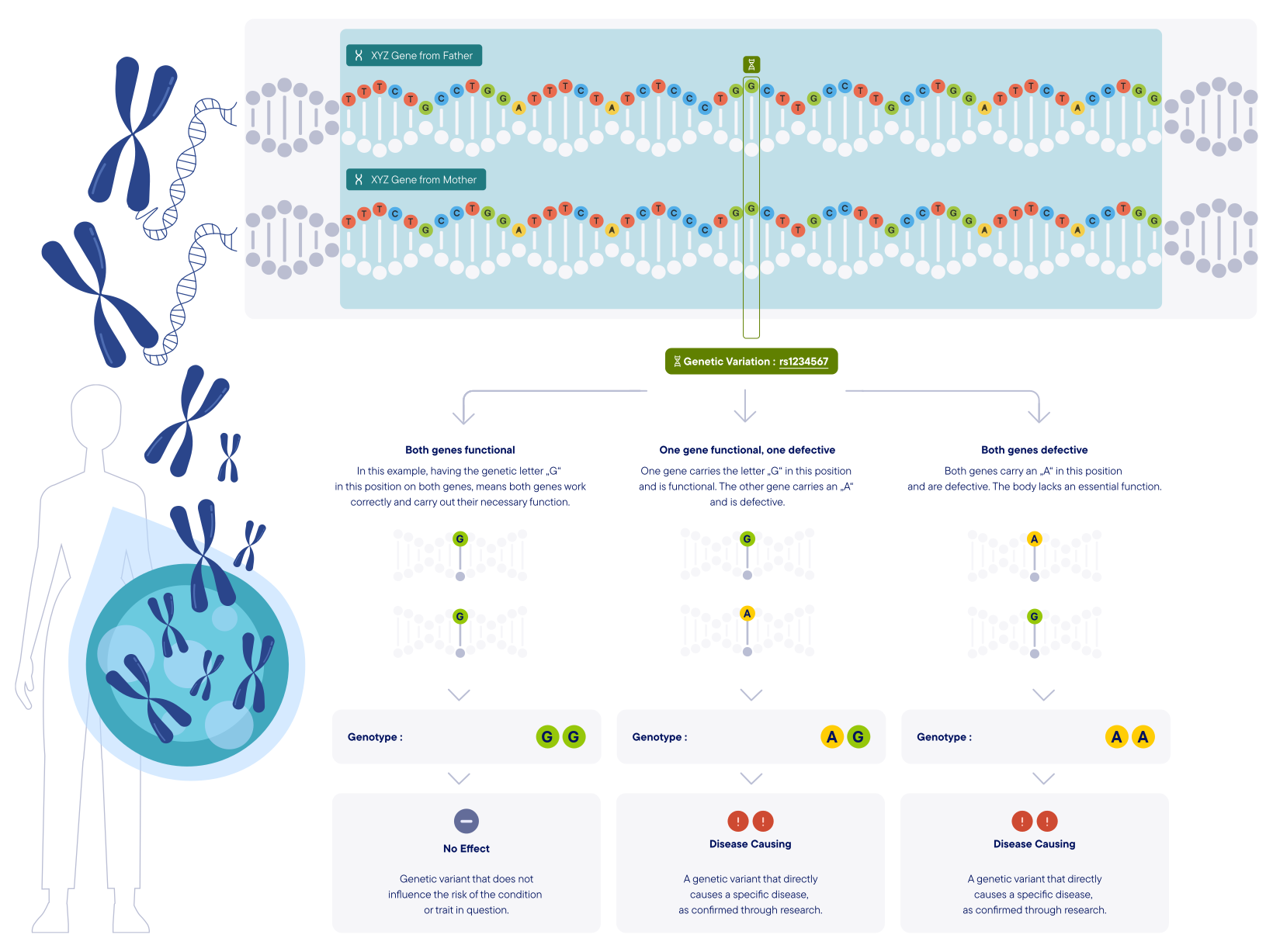
Humans have more than 20,000 genes, each carrying out one or a few specific functions in the body. One gene instructs the body to digest lactose from milk, another tells the body how to build strong bones and another prevents the body's cells from beginning to multiply uncontrollably and developing into cancer. As all of these genes combined are the building instructions for our body, a defect in one of these genes can have severe health consequences.
Through decades of genetic research, we know the genetic code of any healthy/functional human gene. We have also identified that in certain positions on a gene, some individuals may have a different genetic letter from the one you have. We call these hotspots "Genetic Variations" or "Variants" in short. In many cases, studies have been able to show that having the genetic letter "G" in the position makes you healthy, but having the letter "A" in the same position disrupts the gene function and causes a disease. Genopedia allows you to view these variants in genes and summarizes all that we know from scientific research, which genetic letters (Genotype) have good or bad consequences on your health or on your traits.
History
Throughout history, people have described sudden episodes of muscle weakness that worsened with activity and improved with rest—stories that mirror what many living with acquired neuromuscular junction disease experience today. A shopkeeper might notice that lifting boxes is easy in the morning but becomes hard by midday, or a teacher may find their voice fades after a long class and returns after a brief break. These day-to-day patterns guided early observers long before modern testing existed.
First described in the medical literature as a fatigue-related weakness affecting specific muscle groups, the condition was initially pieced together from bedside observation. Doctors noticed drooping eyelids, double vision, a soft or nasal voice, and chewing or swallowing that became harder the longer someone used those muscles. Over time, descriptions became more precise as clinicians recognized that rest or brief pauses could bring strength back, at least temporarily, pointing to a problem at the point where nerves talk to muscles.
In recent decades, knowledge has built on a long tradition of observation. Researchers showed that the immune system can mistakenly target parts of the nerve–muscle connection, disrupting signals that trigger muscle contraction. This clarified why weakness can fluctuate from hour to hour and why some people have mainly eye symptoms while others have broader involvement. It also explained why certain medicines that boost signal transmission can rapidly improve strength, a finding that matched earlier clinical notes about quick, noticeable responses.
Medical classifications changed as antibody testing and electrical studies became available. What was once a single, loosely defined condition became a group of related disorders that share the same “signal handoff” problem but differ in which proteins are targeted and how the immune system is involved. This shift helped doctors tailor treatment and anticipate patterns such as early symptoms of acquired neuromuscular junction disease in the eyes versus more generalized weakness.
With each decade, treatment has advanced alongside understanding. Early approaches focused on rest and symptom relief. Later, therapies that calm the immune response and remove harmful antibodies—combined with medications that enhance nerve-to-muscle signaling—reduced relapses and improved daily function for many. These historical steps also highlighted the importance of careful monitoring during infections, surgery, or pregnancy, when demands on the system can change.
Despite evolving definitions, the core experience has remained recognizable: muscles tire quickly, then recover with rest. Knowing the condition’s history shows how careful observation, followed by targeted testing and therapy, turned scattered clues into a clear picture. Today, that shared history helps people with acquired neuromuscular junction disease and their care teams make informed choices, balancing day-to-day activity with treatments that support steady strength over time.