
Acquired ichthyosis is a skin condition that causes widespread dryness, rough scaling, and itching. It develops later in life and can be linked to other medical issues or certain medicines. Many people with acquired ichthyosis notice early symptoms of acquired ichthyosis as tight, flaky skin on the legs and arms. Treatment focuses on daily moisturizing creams, gentle exfoliation, and managing any underlying condition, and symptoms often improve with consistent care. The condition usually does not affect life span, but comfort and appearance can be significantly affected.
Overview
Acquired ichthyosisSymptoms
Acquired ichthyosis causes very dry, rough, scaly skin that can itch or feel tight, often on the shins, arms, and trunk. Early symptoms of acquired ichthyosis include fine flakes and cracking after bathing or in cold, dry weather.
Outlook and prognosis
Many living with acquired ichthyosis improve when the underlying cause is identified and treated, though skin care remains important. Symptoms often ebb and flow with triggers like cold, dry weather. Regular moisturizers, keratolytic creams, and medical follow‑up help sustain control.
Causes and risk factors
Acquired ichthyosis usually stems from other medical conditions or medications. Risks rise with cancers (especially Hodgkin lymphoma), thyroid or kidney disease, HIV, malnutrition, and rapid weight loss; cold, dry climates aggravate dryness. It isn’t inherited; age and immunosuppression increase susceptibility.
Genetic influences
Genetics usually play a minor role in acquired ichthyosis; it most often develops due to another condition or medication. Unlike inherited ichthyosis, there’s no single gene cause. That said, individual genetic variation may influence susceptibility and skin barrier responses.
Diagnosis
Doctors diagnose acquired ichthyosis by examining adult-onset scaling and reviewing your history and medicines. Tests look for triggers—blood work for thyroid, kidney, liver, nutrition, or infection, sometimes cancer screening; a skin biopsy may help confirm the diagnosis of acquired ichthyosis.
Treatment and drugs
Treatment for acquired ichthyosis focuses on softening and shedding thick, dry scale while addressing the underlying cause. Daily emollients, urea or lactic acid creams, and gentle keratolytics help; dermatologists may add topical retinoids or short courses of oral retinoids. Managing triggers—like medications, thyroid issues, kidney disease, or lymphoma—often improves skin over weeks to months.
Symptoms
Skin can feel unusually dry and tight, and everyday tasks like getting dressed may leave noticeable flakes on clothing. You might notice small changes at first. Early symptoms of acquired ichthyosis include rough, scaly patches on the legs and arms that worsen in cold, dry air. Symptoms can range from mild dryness to painful cracking, and they may come on gradually or more suddenly in adulthood.
Skin becomes rough with fine or plate-like scales, especially on the shins, arms, and trunk. In acquired ichthyosis, the lower legs are often most affected.
Dryness can trigger recurring itch that’s hard to ignore. Scratching may cause sores or make scaling worse. Moisturizing and gentle bathing often ease it.
Skin can feel tight or stiff, especially after bathing or in cold weather. Some notice reduced flexibility around joints when scaling is heavy.
Deep splits can form on heels, hands, or knuckles. These fissures may sting, bleed, or make walking and gripping uncomfortable.
How people usually first notice Acquired ichthyosis?
Many people first notice acquired ichthyosis when their skin gradually becomes unusually dry, rough, and scaly, often on the shins, arms, or torso, after years of previously normal skin. It can appear in adulthood and may follow a new health change, such as significant weight loss, a new medication, or symptoms of an underlying condition; for some, winter cold and low humidity make the scaling more obvious. If moisturizer stops working as well as it used to and the scaling spreads or thickens, that pattern is often the first signs of acquired ichthyosis and a cue to check in with a clinician.
Types of Acquired ichthyosis
Acquired ichthyosis can show up in a few recognizable ways, often influenced by the underlying cause, your age, and your skin type. Daily life often makes the differences between symptom types clearer. Some people notice fine, powdery scaling that sheds on clothing, while others deal with thicker plates that crack and sting after a shower or in cold, dry weather. Here are the main types to know about, with how symptoms and body areas can differ between them and how the look and feel of the scales can change over time.
Classic ichthyiform look
Fine, gray‑white scales mainly on the legs and arms. Skin may feel tight and dry, worse in winter or low humidity. Face and skin folds are often less affected.
Dark plate‑like scaling
Larger, darker scales that resemble tile or plate‑like patches on the shins, arms, or trunk. Cracks can be tender, especially after bathing or with friction. Moisturizers and gentle exfoliation may make the surface feel smoother.
Eczema‑overlap pattern
Dry scaling with itchy, red patches that look like eczema on top of the scales. Scratching can cause small breaks in the skin and burning with soaps. People may notice sleep disruption from nighttime itch.
Follicular accentuation
Tiny, rough bumps centered on hair follicles with fine scale around each pore. Skin can feel sandpapery on the thighs, upper arms, or buttocks. Clothing rubbing may make areas more irritated.
Palm and sole involvement
Thickened, rough, sometimes cracked skin on the hands and feet. Pain can flare with walking or standing long hours. Regular softening soaks and urea‑based creams can help flexibility.
Photosensitive distribution
Scaling that worsens or becomes more noticeable in sun‑exposed areas. Redness or stinging may follow sun exposure. Sun protection can reduce flares and color contrast of the scales.
Medication‑linked pattern
Scaling that appears after starting certain medications, often beginning weeks to months later. The pattern may improve if the drug is changed under medical guidance. If you notice one or more of these symptom types, bring it up at your next appointment.
Systemic‑associated pattern
More widespread scaling when acquired ichthyosis occurs with an internal condition. Skin may feel uniformly dry and tight across the trunk and limbs. Symptom severity can track with control of the underlying illness.
Early subtle changes
Mild, powdery flaking that shows on dark clothing or bedding before thicker scale develops. Lower legs and shins are commonly first. People may notice different sets of symptoms depending on their situation.
Children to adult shift
In teens or adults, scaling may start or shift due to a new condition or medicine rather than childhood onset. The texture can evolve from fine to thicker scales over months. Learning the types of acquired ichthyosis can help you describe changes clearly.
What genetics can tell you about symptoms
Most cases are not tied to a single gene change; instead, acquired ichthyosis often appears when another condition (like lymphoma or thyroid disease) alters skin signaling genes, slowing normal shedding. Rarely, variants in filaggrin or lipid-processing genes can worsen dryness and scaling.
Causes and risk factors
Acquired ichthyosis usually appears in adulthood and is not inherited.
It is often linked to other health conditions, including blood cancers such as Hodgkin lymphoma, thyroid disease, kidney or liver disease, autoimmune disorders, and infections like HIV.
Some medicines can trigger it, and poor nutrition or low vitamin A can also play a role.
Cold, dry weather, very hot showers, and harsh soaps can make the scaling worse.
Doctors distinguish between risk factors for acquired ichthyosis you can change and those you can’t.
Environmental and biological risk factors
Acquired ichthyosis can show up in adulthood with dry, plate-like scaling that wasn’t there before. For many, it’s a sign that something else in the body has shifted, like a new illness or a change in medicines. Doctors often group risks into internal (biological) and external (environmental). Some people first notice early symptoms of acquired ichthyosis around the time a new diagnosis is made or treatment begins.
Hodgkin lymphoma and other lymphomas can trigger acquired ichthyosis. Tumor-driven immune signals can slow skin shedding, and scaling often eases when the cancer is treated.
Less commonly, solid tumors are linked to acquired ichthyosis. The skin changes may act as a paraneoplastic sign and can improve if the tumor responds to therapy.
An underactive thyroid can reduce natural skin turnover and oil production. Treating the hormone imbalance often lessens ichthyosis-like scaling.
Advanced kidney disease and uremia disturb sweat and skin barrier function. This can lead to diffuse scaling that resembles acquired ichthyosis.
Genetic risk factors
Family history rarely explains why the skin changes start in acquired ichthyosis. Many wonder, "is acquired ichthyosis hereditary?"—it isn’t, and no single gene is known to cause it. Risk is not destiny—it varies widely between individuals. In a small subset of people, inherited traits may indirectly raise risk by increasing the chance of underlying illnesses linked to acquired ichthyosis.

Not inherited: Acquired ichthyosis does not run in families, and no single gene has been identified as a cause. Having relatives with ichthyosis usually points to inherited forms that start earlier in life, not the acquired form.
Inherited ichthyosis genes: Gene changes that cause inherited ichthyosis tend to produce symptoms from infancy or childhood. They do not cause acquired ichthyosis, which more often begins in adulthood. A dermatologist can help tell the difference based on timing and skin features.
Cancer risk genes: Rare inherited syndromes that raise the chance of lymphomas or other cancers may indirectly increase the likelihood of acquired ichthyosis because the skin changes can appear alongside these illnesses. Even in high-risk families, acquired ichthyosis remains uncommon. Genetic counseling can clarify whether such a syndrome is present.
Autoimmune tendency: Family patterns of autoimmune conditions, such as thyroid disease, often involve inherited risk. Because acquired ichthyosis can be linked with these illnesses, shared genetic tendency may play an indirect role. Most people with autoimmune risk never develop acquired ichthyosis.
Immune system variants: Some inherited immune conditions change how the body handles inflammation and certain infections. Acquired ichthyosis has been reported alongside a few of these disorders. Still, these conditions are rare, and most affected families never see acquired ichthyosis.
Family clustering limited: Having a close relative with acquired ichthyosis does not usually increase your personal risk. When relatives are affected, it most often reflects shared underlying illnesses rather than a single inherited cause.
Lifestyle risk factors
Acquired ichthyosis can be shaped by daily habits that dry or irritate the skin or deprive it of needed nutrients. This overview focuses on lifestyle risk factors for acquired ichthyosis and how choices may worsen scaling, itch, and skin tightness. Small, consistent changes in routine can meaningfully affect comfort and symptom control.
Frequent hot showers and strong soaps strip skin lipids. This can worsen scaling and tightness in acquired ichthyosis. Gentle, short, lukewarm bathing helps preserve the barrier.
Skipping daily emollients leaves the stratum corneum dry. In acquired ichthyosis, this amplifies scaling and itching. Regular occlusive moisturizers improve flexibility and comfort.
Very low‑fat or highly restrictive diets reduce essential fatty acids. This can impair skin barrier function and aggravate acquired ichthyosis. Discuss sustainable fat intake with a clinician or dietitian.
Poor intake or absorption of vitamin A can drive xerosis and scaling. In acquired ichthyosis, deficiency may intensify plaques and fissures. Appropriate dietary sources or supplements can be considered under medical guidance.
Risk prevention
Acquired ichthyosis often develops alongside another medical issue or after starting certain medicines, so risk reduction focuses on overall health and daily skin care. Keeping skin well moisturized and avoiding harsh irritants can make scaling less likely to appear or worsen. Prevention is about lowering risk, not eliminating it completely. If new, plate-like scaling starts in adulthood, timely medical review can help find and treat a trigger early.
Treat and monitor chronic issues like thyroid, kidney, or immune problems as recommended. Good control lowers the chance that acquired ichthyosis will develop or flare.
Ask your doctor or pharmacist to check whether any current or new medicines could dry or thicken skin. Do not stop a prescription on your own; ask about safer alternatives if acquired ichthyosis appears.
Use a mild, fragrance-free cleanser and lukewarm water, then apply a thick moisturizer right after bathing. Creams with urea or lactic acid can soften thick scale and may reduce flare-ups of acquired ichthyosis.
Take short baths or showers, then seal in moisture within minutes using an ointment or rich cream. This helps prevent cracks and may keep acquired ichthyosis milder over time.

Transmission
Acquired ichthyosis does not spread from person to person and isn’t an infection. It develops later in life, often alongside another medical condition or after certain medicines, so there’s no risk of catching it through touch, shared towels, or close contact. Unlike the inherited types of ichthyosis present from childhood, acquired ichthyosis is not passed down in families. Because it isn’t contagious, no special isolation or hygiene measures beyond normal skin care are needed for you or the people around you.
When to test your genes
Consider genetic testing if your skin scaling began in adulthood without a family history, especially alongside systemic symptoms like weight loss, fatigue, or new endocrine, kidney, or immune issues. Testing can help distinguish inherited ichthyosis from acquired forms and guide targeted evaluations. Talk with a dermatologist and genetics professional to tailor care.
Diagnosis
Acquired ichthyosis is usually picked up when dry, plate-like scaling appears later in life, especially if you didn’t have it as a child. Doctors usually begin with a close look at your skin and a careful review of your health to check for triggers like medications or underlying conditions. Because this condition can be linked to thyroid disease, infections, or even certain cancers, the diagnosis often includes tests that look beyond the skin. Asking about the diagnosis of Acquired ichthyosis also means checking what else might be causing it so treatment can be tailored.
A dermatologist looks at the pattern and distribution of scaling and asks when it started. Adult-onset scaling without a childhood history raises concern for Acquired ichthyosis.
Your provider reviews prescription and over‑the‑counter drugs that can trigger scaling, such as some cholesterol or cancer therapies. Stopping or switching a culprit medicine may improve Acquired ichthyosis.
Providers ask about relatives with lifelong dry, scaly skin to help distinguish inherited forms. A lack of childhood symptoms in you and your family supports Acquired ichthyosis.
A complete blood count and chemistry panel can flag anemia, kidney, or liver issues linked to skin changes. These results guide further testing for Acquired ichthyosis causes.
Stages of Acquired ichthyosis
Acquired ichthyosis does not have defined progression stages. It often starts in adulthood and is usually linked to another health issue or a medicine, so the severity tends to rise or ease with the underlying cause rather than moving through fixed steps. Different tests may be suggested to help confirm the skin diagnosis and look for associated conditions, alongside a skin exam and a review of your health history and medicines. Doctors often ask about early symptoms of acquired ichthyosis—such as new, widespread dry scaling on the legs or trunk, sometimes worse in cold, dry weather—and then monitor both skin changes and any triggers over time.
Outlook and prognosis
Looking at the long-term picture can be helpful. For many people with acquired ichthyosis, the outlook depends on what’s driving the skin changes. If a medicine or a nutritional issue is the cause, skin can gradually improve once that trigger is treated or stopped. When acquired ichthyosis is linked to a long-term health condition, the scaling often persists but can usually be managed so daily comfort and function improve.
Prognosis refers to how a condition tends to change or stabilize over time. Early symptoms of acquired ichthyosis—such as tight, dry, plate-like scales on the legs or trunk—may ease with consistent moisturizers, gentle exfoliation, and addressing any underlying condition. Some people experience flares during cold, dry months, while others notice year-round dryness that needs regular care. The skin changes themselves are not life-threatening, but acquired ichthyosis can sometimes signal another medical issue that needs attention, so staying connected with your care team matters for the overall outlook.
Everyone’s journey looks a little different. If acquired ichthyosis is tied to a serious illness, the overall prognosis is shaped more by that illness than by the skin. When the underlying condition is controlled, many living with acquired ichthyosis maintain good quality of life with a steady routine of emollients, keratolytics, and, in some cases, prescription treatments. Talk with your doctor about what your personal outlook might look like, including what to expect if your health status or medications change over time.
Long-term effects
Acquired ichthyosis often settles into a pattern of dry, scaly skin that can come and go over months or years. Long-term effects vary widely, depending on the underlying cause and how your skin responds to treatment. People often recall early symptoms of acquired ichthyosis like stubborn dryness and fine scaling on the shins that gradually spread or thicken. For many, this can mean ongoing skin care needs and periods when everyday comfort is more affected than at other times.
Dry, plate-like scales may remain on the shins, arms, or trunk over the long run. In acquired ichthyosis, these patches can thicken during cold, dry seasons and ease in warmer, humid months. Some notice a slow, uneven pattern rather than steady change.
Ongoing itch can make it hard to focus during the day and may disturb sleep at night. Scratching can leave the skin more irritated and sensitive. Over time, this can add to fatigue.
Thick, tight skin can split into small cracks that sting or bleed. Open areas can let in germs and raise the chance of skin infections. Many find these flare-ups cluster in winter or after frequent handwashing.
With broad scaling, the skin may struggle to shed heat efficiently. Exercise or hot weather can feel more draining, and overheating may come on faster. Cooling down may take longer than it used to.
How is it to live with Acquired ichthyosis?
Living with acquired ichthyosis often means planning around skin care every day—regular moisturizing, gentle bathing, and choosing soft, breathable clothing to reduce itching and tightness. Flaking and visible dryness can be uncomfortable and sometimes affect confidence in social or work settings, especially in dry or cold weather. Many find routines that help—humidifiers at home, fragrance‑free products, and pacing activities to avoid overheating—and support from loved ones makes it easier to stick with care plans. For family, friends, and coworkers, small adjustments like understanding the need for breaks to apply emollients or keeping shared spaces less dry can make a real difference.
Treatment and drugs
Treatment for acquired ichthyosis focuses on easing dry, thickened skin and addressing any underlying cause, such as a medication side effect or a related health condition. Daily care usually includes rich moisturizers, creams with urea, lactic acid, or alpha-hydroxy acids to soften scales, and gentle bathing with fragrance‑free cleansers followed by immediate moisturizing; some may benefit from keratolytic creams or prescription retinoids when skin is very thick. Alongside medical treatment, lifestyle choices play a role, like using a home humidifier, avoiding very hot showers, and choosing soft, breathable fabrics to reduce irritation. If inflammation or itching is bothersome, doctors may add topical steroids for short periods or antihistamines at night; a doctor may adjust your dose to balance benefits and side effects. Ask your doctor about the best starting point for you, especially if acquired ichthyosis began after a new medicine or came on quickly, since treating the trigger often improves the skin.
Non-drug treatment
Dry, tight, and scaling skin can make everyday tasks—like getting dressed or washing hands—uncomfortable. Non-drug treatments often lay the foundation for soothing skin and protecting the barrier in acquired ichthyosis. A steady routine of moisturizing, gentle bathing, and environmental tweaks can reduce flaking and itch. If skin changes quickly, that can also be a cue to check in with your care team.
Use rich creams or ointments (like petrolatum or ceramide creams) several times a day. Apply within a few minutes after bathing to seal in moisture.
Take short, lukewarm showers or baths to soften scales without stripping oils. Pat dry—don’t rub—then moisturize right away.
Lotions with urea or lactic acid can gently loosen and smooth scales. Start with lower strengths and increase as tolerated to avoid stinging.
Add moisture to indoor air, especially during winter heating. Aim for comfortable humidity to help keep skin from cracking and itching.
Your genes may have an impact on how drugs work for you
Some medications used for acquired ichthyosis work differently depending on genes that affect how your body absorbs, breaks down, or transports the drug, which can change effectiveness and side effects. Pharmacogenetic testing can sometimes guide dosing for retinoids or help choose alternatives.
Pharmacological treatments
Medications for acquired ichthyosis aim to soften thick scales, ease itching, and, when possible, correct an underlying cause. Drugs that target symptoms directly are called symptomatic treatments. In more severe cases, tablets may be used for a limited time and then tapered once skin improves.
Urea 10–40% creams or ointments draw water into the outer skin and soften thick scale. Apply once or twice daily to rough areas; mild stinging can occur on cracked skin.
Ammonium lactate 12% lotion smooths rough, scaly patches and improves flexibility of the skin. It may sting on freshly shaved or irritated skin.
Salicylic acid 3–6% helps loosen and lift scale on hands, feet, and scalp. Avoid large areas in young children or if you have kidney problems due to absorption risk.
Propylene glycol (about 40–60% in water) under plastic wrap overnight can soften plates of scale. This is usually used on limited areas and may cause irritation.
Genetic influences
Unlike the inherited forms of ichthyosis, acquired ichthyosis usually shows up later in life and is linked to other health conditions or certain medications rather than genes passed down in families. It’s natural to ask whether family history plays a role. For most people with acquired ichthyosis, relatives don’t have the same scaling, and genetic testing isn’t routinely needed. Doctors instead focus on finding underlying triggers—like thyroid problems, immune system conditions, nutritional issues, or blood disorders—especially if early symptoms of acquired ichthyosis appear in adulthood. In uncommon situations, someone with a lifelong tendency to very dry, scaly skin may only be recognized later, so your care team may ask about childhood skin history to tell acquired and inherited types apart. If several family members are affected or the story suggests a lifelong condition, a genetic counselor can help decide whether testing could add clarity.
Is Acquired ichthyosis genetic?
Genetics usually play a minor role in acquired ichthyosis; it most often develops due to another condition or medication. Unlike inherited ichthyosis, there’s no single gene cause. That said, individual genetic variation may influence susceptibility and skin barrier responses.
Pharmacogenetics—how genetics influence drug effects
For people living with Acquired ichthyosis, genetics mainly comes into play with how your body handles certain treatments, not with the condition itself. Differences in genes that guide liver enzymes can change how quickly oral retinoids—medicines sometimes used when moisturizers and keratolytics aren’t enough—are broken down and cleared. A “slow metabolizer” may process medication more slowly, which can raise the chance of side effects like higher liver enzymes or triglycerides, while someone who clears the drug faster may need a different dose to see benefit. Genetic testing isn’t routinely needed for Acquired ichthyosis, but in select situations your care team may consider it alongside regular lab checks to fine‑tune dosing, especially if you’ve had unusual reactions to retinoids before. Genetic differences can also shape how you respond to itch‑relieving medicines, which may affect drowsiness or overall relief. Treating the underlying cause of Acquired ichthyosis remains the priority; when skin‑directed medicines are used, your doctor will balance benefits and risks, and genetics is just one piece of that decision.
Interactions with other conditions
In adults, a sudden onset of dry, plate‑like scaling can appear alongside other illnesses and sometimes points to something going on elsewhere in the body. Acquired ichthyosis most commonly links with blood cancers (especially Hodgkin lymphoma), infections such as HIV, thyroid problems like hypothyroidism, long‑term kidney or liver disease, inflammatory conditions such as sarcoidosis, and nutrition issues like low vitamin A; some medicines, including certain cancer therapies, can also trigger it. Doctors call it a “comorbidity” when two conditions occur together. For some, the skin gets worse when the other disease is more active, and improves when that condition is treated—sometimes the first sign of an unseen condition is the early symptoms of acquired ichthyosis.
Having acquired ichthyosis doesn’t automatically mean cancer or a serious infection, but the timing and pattern matter. If acquired ichthyosis appears quickly in adulthood or changes fast, it’s worth a thorough check for underlying causes and a review of medications, because treating the linked condition often helps the skin.
How genes can cause diseases
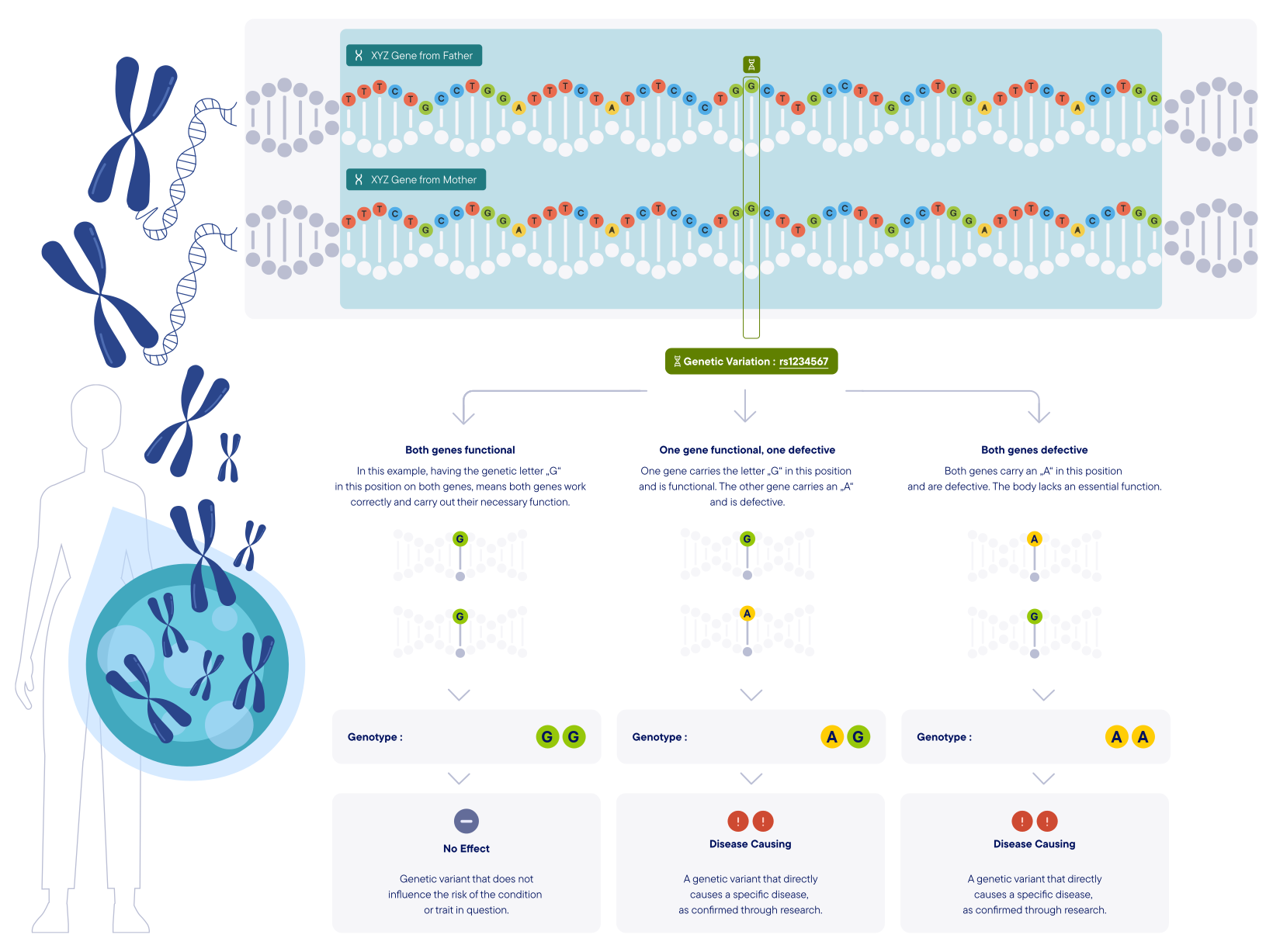
Humans have more than 20,000 genes, each carrying out one or a few specific functions in the body. One gene instructs the body to digest lactose from milk, another tells the body how to build strong bones and another prevents the body's cells from beginning to multiply uncontrollably and developing into cancer. As all of these genes combined are the building instructions for our body, a defect in one of these genes can have severe health consequences.
Through decades of genetic research, we know the genetic code of any healthy/functional human gene. We have also identified that in certain positions on a gene, some individuals may have a different genetic letter from the one you have. We call these hotspots "Genetic Variations" or "Variants" in short. In many cases, studies have been able to show that having the genetic letter "G" in the position makes you healthy, but having the letter "A" in the same position disrupts the gene function and causes a disease. Genopedia allows you to view these variants in genes and summarizes all that we know from scientific research, which genetic letters (Genotype) have good or bad consequences on your health or on your traits.
History
Families and communities once noticed patterns of dry, plate-like scaling appearing later in adulthood, sometimes after a serious illness or weight loss, and wondered why skin that had been normal for years began to change. A person might recall smooth skin through their 30s and 40s, then, over a few months, develop rough, fish-like scales on the legs and arms that felt tight after bathing. These lived experiences, shared quietly at home and in clinics, set the stage for how doctors came to recognize acquired ichthyosis as different from conditions present from birth.
First described in the medical literature as a late-onset form of “ichthyosis” during the 19th and early 20th centuries, it was initially grouped with inherited types because the skin looked similar on exam. Over time, descriptions became more precise as clinicians noticed key differences: acquired ichthyosis tends to start in adulthood and often tracks with other health changes. Early case series linked new scaling to chronic infections, nutritional challenges, certain medicines, kidney or liver disease, thyroid problems, and, most notably, blood disorders. Reports highlighted that when the underlying condition improved, the skin sometimes did, too.
In recent decades, awareness has grown that acquired ichthyosis can be a visible clue to an internal illness, including some cancers of the blood or lymph system. Dermatology and hematology teams worked together to document patterns, noting that the skin findings could appear months before other symptoms. This shifted practice: when doctors saw the characteristic scaling in someone without a childhood history of ichthyosis, they began to look more carefully for possible triggers or associated conditions.
As medical science evolved, researchers studied the outer skin layer and found that, in acquired ichthyosis, the normal shedding process slows and the “mortar” between skin cells changes, leaving thicker, adherent scale. These observations did not pin it to a single cause but reinforced the idea that it is a reaction pattern the skin can develop in response to different internal stresses. With each decade, descriptions broadened to include variations—from fine, powdery scaling to larger plates, and from seasonal flares in winter to year-round symptoms in more severe cases.
From early theories to modern research, the story of acquired ichthyosis reflects steady refinement: separating it from inherited ichthyoses, mapping its links to other medical conditions, and recognizing that treating the underlying issue can help the skin. Today, the history guides care. When new, unexplained scaling appears in adulthood, clinicians think beyond moisturizers, looking for early symptoms of acquired ichthyosis and its possible causes, so treatment can focus on both skin comfort and overall health.