
Acquired human prion disease is a rare brain disorder that affects how the brain works and gradually worsens. People with acquired human prion disease often develop rapidly progressive confusion, memory loss, trouble walking, and involuntary movements. Symptoms usually start in adulthood and progress over months to a few years, and mortality is high. Diagnosis relies on clinical features, brain scans, spinal fluid tests, and ruling out other causes. There is no cure, so treatment focuses on comfort, safety, and supportive care from neurology and palliative teams.
Overview
Acquired human prion diseaseSymptoms
Acquired human prion disease often starts with mood or behavior changes, anxiety, or sleep problems. Early symptoms can quickly progress to memory loss, confusion, clumsiness, vision or speech trouble, and muscle jerks. Many develop worsening balance, walking, and swallowing difficulties.
Outlook and prognosis
For many living with acquired human prion disease, symptoms usually progress over months, not years, with increasing movement, thinking, and behavior changes. Care focuses on comfort, safety, and dignity. Early planning with specialists helps families navigate decisions and support.
Causes and risk factors
Acquired human prion disease results from exposure to infectious prions—most often from contaminated food, medical instruments or tissues, or rarely blood transfusion. Risk rises with high‑risk procedures, occupational or geographic exposures, and certain PRNP genotypes. Age at exposure influences susceptibility.
Genetic influences
Genetics plays a limited role in acquired human prion disease. Most cases stem from exposure, but normal PRNP gene variations (like codon 129) can influence susceptibility, incubation time, and disease course. Inherited PRNP mutations rarely mimic acquired cases.
Diagnosis
Diagnosis of acquired human prion disease relies on rapidly progressive neurological decline, exposure history, and specialized tests. MRI and EEG patterns plus cerebrospinal fluid assays (including RT‑QuIC) support it. Definitive confirmation relies on neuropathology; other causes are excluded.
Treatment and drugs
Treatment for acquired human prion disease focuses on comfort, safety, and maintaining quality of life. Care may include symptom‑relieving medicines for muscle stiffness, anxiety, sleep, or pain, alongside feeding support, fall prevention, and attentive nursing. Specialist teams guide decisions and support families.
Symptoms
Acquired human prion disease can cause changes that build over weeks to months, often faster than other brain conditions. In daily routines, this might show up as small but noticeable changes. People may notice early symptoms of acquired human prion disease such as mood shifts or trouble concentrating; movement problems, vision issues, and disturbed sleep can follow. Not everyone has the same pattern, and symptoms can shift as the illness progresses.
Trouble focusing, misplaced items, or getting lost in familiar places can appear and worsen quickly. Loved ones often notice the changes first. Many people with acquired human prion disease develop confusion that increases over weeks to months.
Anxiety, depression, irritability, or withdrawal may come on early. These changes can feel out of character and can precede clear thinking problems. In acquired human prion disease, psychiatric symptoms may be the first sign.
Tingling, burning, or aching in the limbs can be prominent. Light touch may feel unpleasant, and discomfort can move around. This can be an early clue in some acquired human prion diseases.
Unsteadiness, clumsiness, or a staggering walk can develop. Buttoning clothes or writing may become difficult. Falls become more likely as symptoms progress.
How people usually first notice Acquired human prion disease?
People with acquired human prion disease are often first alerted by subtle, rapidly changing neurologic symptoms: new problems with memory or concentration, clumsiness or balance trouble, and mood or behavior changes that family and friends notice over weeks to a few months. As it progresses, blurred or double vision, jerky movements, slurred speech, and disturbed sleep can appear, prompting urgent medical evaluation. Many first seek help because these changes are strikingly fast compared with typical age-related memory issues or stress-related symptoms.
Types of Acquired human prion disease
Acquired human prion disease has several recognized clinical variants, and each can look a little different in day-to-day life. People may notice different sets of symptoms depending on their situation. Some types move quickly, while others have a longer course, which can change how early symptoms of acquired human prion disease show up and how they’re recognized. Here are the main types to know about:
Iatrogenic CJD
This type occurs after certain medical exposures, historically linked to contaminated surgical instruments, transplanted tissues, or older forms of growth hormone. Symptoms often begin with subtle thinking changes or coordination problems, then progress to confusion, memory loss, and unsteady walking. Jerking movements and rapid decline are common as it advances.
Variant CJD
This form is associated with eating beef products contaminated with BSE (“mad cow disease”). Early features often include mood or behavioral changes and painful sensitivity to touch or sound before thinking or movement problems appear. Over months, issues with memory, walking, and involuntary movements usually follow.
Kuru
This rare type was historically seen in specific regions of Papua New Guinea due to ritual exposure. It typically begins with trouble with balance and coordination, leading to tremors and difficulty walking. Later, speech and swallowing can be affected, and cognitive decline emerges.
Dura mater–related
A subset of iatrogenic cases followed older dura mater grafts used in neurosurgery. People may first notice clumsiness, visual problems, or memory changes years after surgery. The course often accelerates once symptoms start.
Pituitary hormone–related
Another iatrogenic subset arose from older human pituitary–derived growth hormone preparations. Early symptoms often include difficulties with thinking speed and coordination, followed by rapidly progressive dementia. Involuntary muscle jerks and gait instability are frequent as the disease progresses.
What genetics can tell you about symptoms
Some acquired human prion diseases start with rapidly worsening memory loss, confusion, balance problems, and vision changes, often tied to how abnormal prion proteins spread and damage specific brain regions. Certain PRNP gene variants can affect susceptibility and speed of decline after exposure.
Causes and risk factors
Acquired human prion disease can be caused by exposure to abnormal prion proteins from outside the body.
Key risk factors for acquired human prion disease include eating contaminated beef products and certain medical or occupational exposures.
Medical risks include neurosurgery, tissue grafts, blood transfusions, or older human-derived hormone treatments when materials were contaminated.
A common gene pattern can make some people more susceptible.
Genes set the stage, but environment and lifestyle often decide how the story unfolds.
Environmental and biological risk factors
For most people, risk comes from rare, specific exposures rather than everyday contact. People sometimes worry about early symptoms of acquired human prion disease, but risk usually begins with contact with the infectious protein through medical procedures, blood, or certain foods. Doctors often group risks into internal (biological) and external (environmental). Knowing these factors can make the landscape feel clearer and more manageable.
Rare transmissions have occurred when instruments contacted infected brain tissue. Prions can resist routine sterilization, so specialized decontamination is needed after high-risk cases. Current protocols make acquired human prion disease from surgery extremely uncommon.
In the past, human pituitary–derived growth hormone was linked to transmission. Synthetic hormone replaced these products in most countries, making this exposure now extremely rare.
Older human-sourced dura mater grafts were associated with rare transmission events. Strict donor screening and tissue handling standards have greatly reduced this risk.
A few historical cases suggested transmission through corneal tissue. Modern screening and storage practices make current risk very low.
Genetic risk factors
Genes do not directly cause acquired human prion disease, but common differences in the PRNP gene can influence who is more susceptible and how fast the illness unfolds. The best-studied site is at position 129, which shapes both risk and incubation time. Risk is not destiny—it varies widely between individuals. Understanding the genetic risk factors for acquired human prion disease can help make sense of research findings and why outcomes differ between people.

PRNP codon 129: This common PRNP site comes in two versions, and having two matching copies appears to raise susceptibility compared with having one of each. It also tends to shorten the silent incubation period in acquired human prion disease. In past clusters, many affected people carried the methionine/methionine pattern at this site.
PRNP codon 219: A harmless change at position 219 (often written E219K) is linked with lower risk in some populations, especially in East Asia. It may also lower susceptibility in acquired human prion disease, though evidence outside these groups is limited. This variant is uncommon in many European and North American populations.
PRNP codon 127: A rare change at position 127 has shown strong protection in a community historically affected by Kuru. Although uncommon elsewhere, it shows that rare PRNP changes can markedly reduce susceptibility in acquired human prion disease. This variant is extremely rare outside that region.
Inherited PRNP mutations: Rare, disease-causing PRNP mutations lead to inherited prion diseases and are a different diagnosis from acquired human prion disease. They are not known to cause the acquired form. When present, clinicians consider the illness inherited rather than acquired.
Ancestry patterns: Frequencies of PRNP types (such as the 129 and 219 variants) differ across populations, which can shift group-level susceptibility patterns for acquired human prion disease. People with the same risk factor can have very different experiences.
Lifestyle risk factors
Acquired human prion disease is rare, and the main lifestyle exposures center on what animal products you eat and how you handle them. Diets that include nervous system tissue from susceptible animals pose the clearest risk. Hunting and home butchering practices can also influence exposure. Understanding the lifestyle risk factors for Acquired human prion disease can help you make lower‑risk choices without alarm.
Eating beef items that may include nervous tissue (like mechanically recovered meat or products contaminated with spinal cord) can increase variant CJD risk. Choosing whole-muscle cuts from reputable sources and avoiding products with mixed or unknown tissues reduces exposure.
Dishes made with brain, spinal cord, eyes, or certain offal from cattle, sheep, or goats can carry prion risk if the animal was infected. Avoiding these tissues lowers the chance of ingesting prions.
Field-dressing and eating deer or elk from chronic wasting disease areas may pose a theoretical risk, especially if brain or spinal tissues are contacted or consumed. Using gloves, avoiding high‑risk tissues, and testing harvested animals where available can reduce exposure.
Trying traditional dishes that include animal brains or raw offal can raise risk if they contain nervous tissue. Opting for fully cooked, well-regulated foods and avoiding dishes made from brain or spinal cord reduces potential exposure.
Risk prevention
For acquired human prion disease, prevention focuses on avoiding exposure to infectious brain and nerve tissue in food, medical products, and certain work settings. There’s no vaccine, and early symptoms of acquired human prion disease can be vague, so the best approach is careful risk reduction. Prevention is about lowering risk, not eliminating it completely. Regulations in the US and EU already make everyday risk very low, and a few practical steps can keep it that way.
Buy beef from regulated sources that follow US/EU rules removing high‑risk tissues like brain and spinal cord. Avoid specialty products made from animal brain or nervous tissue.
If you hunt deer or elk in areas with chronic wasting disease, don’t eat meat from animals that are sick or test positive. Wear gloves when field‑dressing and avoid the brain, spinal cord, eyes, and spleen.
Hospitals use strict cleaning and single‑use tools for high‑risk tissues to prevent acquired human prion disease. You can ask your surgical team about their prion‑risk protocols for added reassurance.
Blood centers screen donors and defer people with certain risks to lower transmission chances. Accept transfusions and transplants only from licensed facilities that follow national guidelines.

Transmission
Acquired human prion disease is not spread through everyday contact; it requires direct exposure to infectious prion proteins, most often in brain or nerve tissue. Transmission has occurred through eating beef products contaminated with prions, through certain medical procedures using contaminated instruments or transplanted tissues (such as corneas or grafts of the brain’s covering), and, very rarely, through blood transfusion from an infected donor. It is not spread by hugging, sharing dishes, coughing, or sneezing, and there is no evidence that sexual contact or breastfeeding transmits it. Healthcare systems use special decontamination steps and strict handling rules for high‑risk tissues to prevent how Acquired human prion disease is transmitted. Overall, the risk to the public is very low, and cases linked to food or medical exposure are now exceedingly rare in the US and Europe because of long‑standing safety controls.
When to test your genes
Consider genetic testing if you have a close relative with a known PRNP mutation, if multiple family members developed early-onset rapidly progressive dementia, or if a neurologist suspects prion disease. Testing helps clarify personal risk, guides monitoring, and informs family planning. Always pair testing with genetic counseling to understand results and next steps.
Diagnosis
Acquired human prion disease is usually suspected when symptoms change quickly over weeks to months, such as fast-moving memory loss, balance problems, mood or behavior changes, or visual issues. Many people find reassurance just knowing what their tests can—and can’t—show. The goal is to piece together clinical clues and specialized tests to reach a probable diagnosis while ruling out treatable look-alike conditions. Here’s how Acquired human prion disease is diagnosed in routine practice.
Doctors usually begin with a detailed review of the symptom timeline and how quickly things have changed. Rapid progression helps distinguish prion disease from many other brain disorders.
A focused exam checks memory, attention, coordination, reflexes, and walking. Certain patterns, combined with fast decline, can raise concern for Acquired human prion disease.
Diffusion-weighted and FLAIR sequences may show characteristic bright signals in the cortex or deep gray matter. These MRI patterns strongly support the diagnosis when matched with symptoms.
An electroencephalogram may show periodic sharp wave patterns in some prion diseases. While not present in everyone, this finding can add weight to a probable diagnosis.
Stages of Acquired human prion disease
Acquired human prion disease typically worsens over weeks to months, and many clinicians discuss it in broad stages based on day-to-day abilities and findings on exam. Different tests may be suggested to help confirm the cause and rule out other conditions. Timing and early signs can vary between types, but the overall pattern is a steady decline. Early symptoms of acquired human prion disease may be easy to miss, which is why changes in mood, coordination, or thinking often stand out first.
Early stage
Subtle changes in mood, sleep, or concentration may appear, and coordination can feel slightly off. You might notice clumsiness, blurred vision, or brief startle-like muscle jerks. Some people develop anxiety or sensory complaints before clear memory problems.
Middle stage
Thinking and memory decline become more obvious, with increasing trouble walking and speaking clearly. Involuntary muscle jerks and vision or balance problems often intensify, and daily tasks start to require help. Doctors may also see characteristic changes on brain scans or other neurological tests.
Advanced stage
Severe difficulties with movement and communication develop, and most activities of daily living require full assistance. Swallowing can become hard, weight loss may occur, and people often need mobility aids or full support. Behavior and sleep can be markedly disrupted.
Late stage
People are usually bedbound, minimally responsive, and fully dependent on others for care. Breathing or swallowing complications and infections can occur, and care centers on comfort, safety, and preventing complications. Families and care teams often work together on supportive and palliative approaches.
Outlook and prognosis
Looking at the long-term picture can be helpful. Acquired human prion disease progresses over months to a few years, not decades. Early symptoms of acquired human prion disease often look like common issues—subtle memory lapses, mood or sleep changes, clumsiness—then advance to severe confusion, movement problems, trouble speaking or swallowing, and, eventually, loss of independence. The outlook is not the same for everyone, but most types lead to significant disability and shortened life expectancy once symptoms start.
Doctors call this the prognosis—a medical word for likely outcomes. Survival after diagnosis varies by the specific form and age at onset. Many people with rapidly progressive types live about 6 to 18 months after clear symptoms appear, while some slower forms can extend survival to 2 to 5 years. Complications such as infections from immobility or swallowing problems are the most common causes of death, rather than the brain disease itself.
With ongoing care, many people maintain comfort and dignity through symptom-focused treatment. While there’s no cure yet, prompt evaluation, safety planning, physical and speech therapy, good nutrition, and support for sleep and mood can improve day-to-day quality. Families often want to know how life will change as care needs increase; planning ahead for mobility, communication, and end-of-life preferences can reduce stress. Talk with your doctor about what your personal outlook might look like, including which features suggest a faster or slower course and what to monitor over time.
Long-term effects
Acquired human prion disease causes a steadily worsening impact on thinking, movement, and daily independence over months to a few years. Long-term effects vary widely, but the condition almost always progresses and is ultimately life-limiting. Many people first notice subtle changes, then a faster decline that affects work, relationships, mobility, and communication. Doctors often describe these as long-term effects or chronic outcomes.
Memory, attention, and decision-making gradually worsen. Over time this leads to severe dementia and loss of independence.
Anxiety, depression, or irritability may appear early and intensify. In some, early symptoms of acquired human prion disease include personality change before clear memory loss.
Walking becomes unsteady and coordination fades. Falls become more common as muscles respond more slowly.
Sudden muscle jerks (myoclonus) can start intermittently. They often increase and interfere with eating, dressing, and sleep.
How is it to live with Acquired human prion disease?
Living with acquired human prion disease is often a rapidly changing experience, moving from subtle lapses—like trouble finding words or losing track of tasks—to more pronounced challenges with memory, balance, mood, and sleep. Daily life can shift quickly: many need help with dressing, eating, walking, and communicating, and what felt manageable one week can feel very different the next. For partners, family, and close friends, the impact is profound—care needs rise quickly, safety planning becomes essential, and emotions can swing between worry, grief, and fierce protectiveness. Support from specialists, clear routines, and respite for caregivers can soften the edges of a hard journey and help everyone focus on comfort, dignity, and presence.
Treatment and drugs
Treatment for acquired human prion disease focuses on comfort, safety, and symptom control, because current medicines cannot remove or stop the misfolded prion proteins driving the condition. Care teams often use a mix of approaches: medicines to ease distressing symptoms like agitation, muscle stiffness, sleep disruption, depression, or pain; physical and occupational therapy to support mobility and daily tasks; speech and swallowing support to reduce choking risk and maintain nutrition; and careful planning to prevent infections and falls. Supportive care can make a real difference in how you feel day to day. Some people may be offered clinical trial options or off‑label drugs being studied for prion diseases, but these have not yet shown clear, consistent benefit, and decisions are individualized. Ask your doctor about the best starting point for you, and review goals regularly as needs can change over time.
Non-drug treatment
Care focuses on comfort, safety, and maintaining daily function as much as possible. Beyond prescriptions, supportive therapies can ease symptoms, prevent complications, and help you and your family plan ahead. Recognizing early symptoms of Acquired human prion disease can guide timely supportive care. Plans are personalized and often change as needs evolve.
Gentle exercises help maintain flexibility, balance, and circulation. Therapists also teach safe transfers and fall-prevention strategies.
Everyday tasks are adapted with tools and step‑by‑step methods. This helps conserve energy and protect independence where possible.
Specialists address speech clarity and safe swallowing. Strategies include pacing, posture, and food or liquid texture changes.
A dietitian tailors meals to swallowing needs and weight goals. Thickened fluids and high‑calorie options can reduce choking risk and maintain energy.
Your genes may have an impact on how drugs work for you
Even when two people share the same diagnosis, their bodies may handle medicines differently because of gene differences in drug‑processing enzymes and transporters. In acquired human prion disease, pharmacogenetics can influence dosing, side‑effects, and effectiveness of supportive treatments and experimental therapies.
Pharmacological treatments
Acquired human prion disease currently has no cure or proven drug that slows the disease. Care focuses on comfort and function; medications may ease early symptoms of acquired human prion disease such as anxiety, sleep disruption, pain, muscle jerks, or agitation. Drugs that target symptoms directly are called symptomatic treatments. Some experimental medicines have been tried, but they should only be used within specialist or research settings.
Often helps reduce sudden muscle jerks (myoclonus) and startle responses. Can cause sleepiness and unsteadiness, so doses are usually kept low and adjusted slowly.
Used to calm myoclonus and prevent seizures. May cause irritability or mood changes in some people, so monitoring is important.
Can lessen myoclonus and help control seizures. Side effects can include tremor or stomach upset, and doctors may monitor liver function and blood counts.
Helps ease agitation, distress, and hallucinations. Tends to cause less muscle stiffness than older antipsychotics but may lead to sleepiness or drops in blood pressure.
Genetic influences
In acquired forms of prion disease, genes tend to influence how vulnerable someone is and how quickly the illness progresses, rather than directly causing it. Having a genetic risk is not the same as having the disease itself. Research shows that common variations in the prion protein gene (often described as PRNP “codon 129”) can affect the chance of becoming ill after exposure and the length of the silent, incubation period. This means two people with the same exposure could have very different outcomes or timelines. Genetic testing for Acquired human prion disease is sometimes considered in specialist settings, but it cannot predict with certainty who will develop symptoms. An acquired case in a family does not usually point to an inherited problem; the inherited prion diseases are a separate group caused by rare gene mutations.
Is Acquired human prion disease genetic?
Genetics plays a limited role in acquired human prion disease. Most cases stem from exposure, but normal PRNP gene variations (like codon 129) can influence susceptibility, incubation time, and disease course. Inherited PRNP mutations rarely mimic acquired cases.
Pharmacogenetics—how genetics influence drug effects
Genetic factors can shape both how acquired human prion disease unfolds and how your body handles supportive medicines used to ease symptoms. Alongside medical history and current medications, genetic testing may help tailor doses of antidepressants, antipsychotics, pain relievers, and sleep aids used in acquired human prion disease. Differences in common drug‑processing enzymes can make a standard dose too strong, too weak, or more likely to cause side effects. For example, some people get little pain relief from codeine or tramadol, while others may need lower doses of certain antidepressants or antipsychotics to avoid sedation or heart‑rhythm effects. When early symptoms of acquired human prion disease like mood changes, sleep disruption, or pain are treated, using pharmacogenetic information can reduce trial and error and improve tolerability. Separately, a common variation in the prion protein gene can influence who is more susceptible and how fast the disease progresses in acquired forms, and researchers often account for this when studying potential disease‑targeted therapies. There is no proven disease‑modifying drug yet, so genetics mainly guides safer, more comfortable symptom control today, while also shaping the design of future treatments.
Interactions with other conditions
When acquired human prion disease occurs alongside other health issues, overlapping symptoms can blur the picture and delay recognition. Having more than one diagnosis can make symptoms feel harder to untangle. Conditions such as Alzheimer’s disease, Parkinson’s disease, stroke, or major depression can share features like memory loss, slowed movement, mood or behavior changes, and sleep problems, which can make early symptoms of Acquired human prion disease harder to spot. Short-term illnesses or factors like dehydration, a urinary infection, or side effects from sedatives and antipsychotics may temporarily worsen confusion, balance, or agitation, adding to day-to-day risks like falls.
If another condition means you need surgery, endoscopy, or dialysis, your care team may use special handling for instruments because prions resist standard sterilization; this is mainly to protect other patients and staff and does not change the course of the disease. Having a weakened immune system does not seem to speed prion disease, and infections such as COVID-19 do not cause it, but they can increase hospital stays and make rehabilitation or supportive care more challenging. Genetics can play a role in susceptibility to certain acquired forms, so family history and, in select cases, genetic testing may inform counseling when other neurodegenerative diseases are present. Talk with your doctor about how your conditions may influence each other, especially when planning procedures or starting new medicines.
How genes can cause diseases
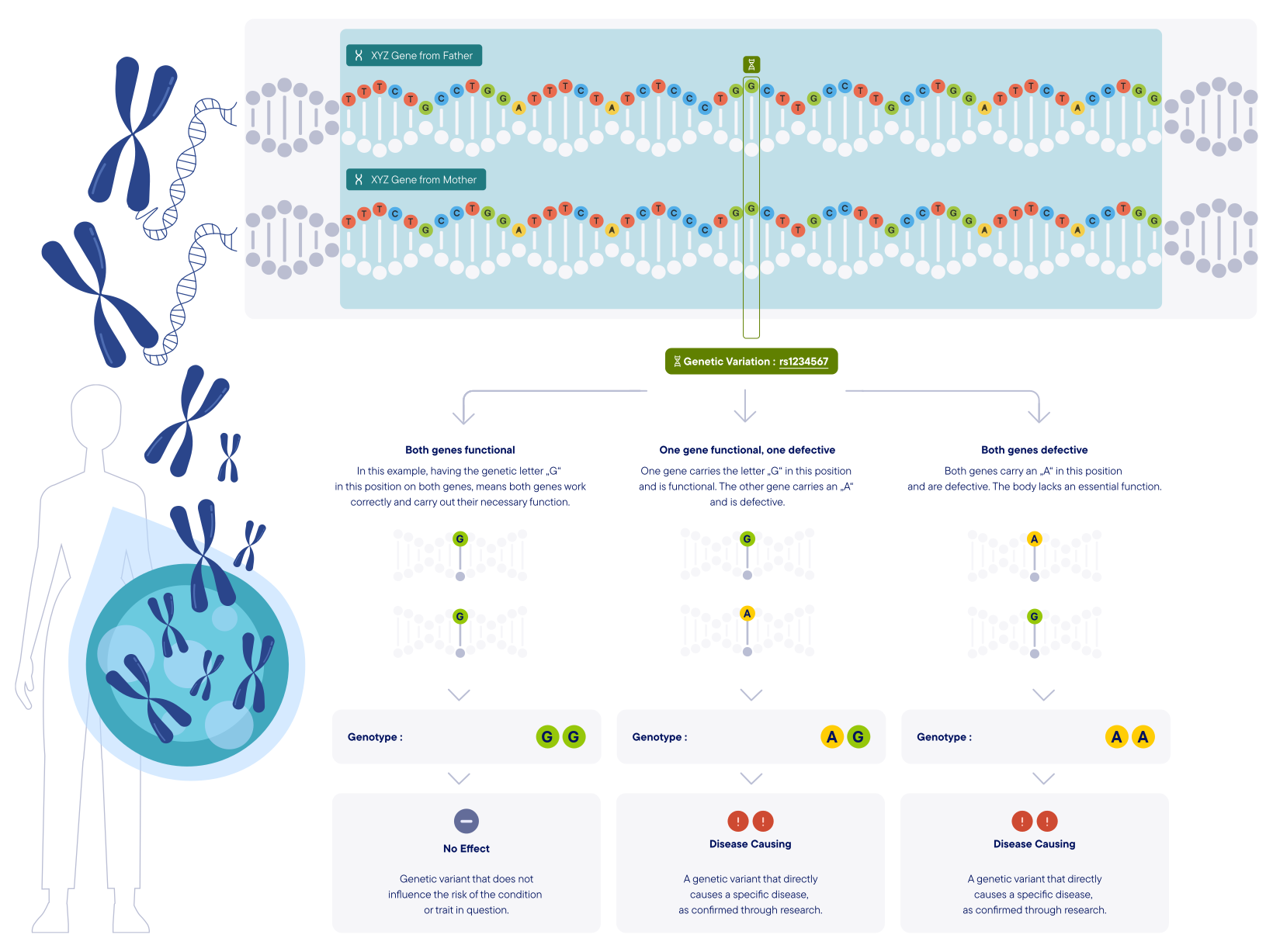
Humans have more than 20,000 genes, each carrying out one or a few specific functions in the body. One gene instructs the body to digest lactose from milk, another tells the body how to build strong bones and another prevents the body's cells from beginning to multiply uncontrollably and developing into cancer. As all of these genes combined are the building instructions for our body, a defect in one of these genes can have severe health consequences.
Through decades of genetic research, we know the genetic code of any healthy/functional human gene. We have also identified that in certain positions on a gene, some individuals may have a different genetic letter from the one you have. We call these hotspots "Genetic Variations" or "Variants" in short. In many cases, studies have been able to show that having the genetic letter "G" in the position makes you healthy, but having the letter "A" in the same position disrupts the gene function and causes a disease. Genopedia allows you to view these variants in genes and summarizes all that we know from scientific research, which genetic letters (Genotype) have good or bad consequences on your health or on your traits.
History
Throughout history, people have described sudden, puzzling declines in memory, movement, and behavior that spread through medical settings rather than families. Community stories often described the condition as a rapid “unraveling” after a hospital stay, a transfusion, or a neurosurgical procedure—an illness that seemed to arrive from the outside rather than from birth.
From early theories to modern research, the story of acquired human prion disease traces how doctors learned that a misfolded brain protein could act like a seed, setting off more misfolding and damage. Mid-20th-century reports from Papua New Guinea documented kuru, passed between people through now-discontinued mortuary practices; this showed that a brain protein could carry illness from person to person. A few decades later, isolated cases in Europe and elsewhere revealed that contaminated growth hormone made from human pituitary tissue, dura mater grafts, and surgical instruments could transmit a similar, fast-moving brain disease. These events prompted sweeping changes in how tissues were sourced and how surgical tools were cleaned and tracked.
Initially understood only through symptoms, later outbreaks linked exposure events to illness after long, silent incubation periods—sometimes years—followed by swift decline once symptoms began. Careful detective work connected timelines: a pituitary hormone treatment in adolescence, then trouble with balance and thinking in adulthood; a neurosurgical graft, then months later, vision problems and confusion. These patterns distinguished acquired human prion disease from inherited forms that run in families and from sporadic cases with no clear trigger.
As medical science evolved, special handling rules for tissues, blood products, and instruments were adopted to prevent transmission. Blood donation policies were reshaped in the 1990s and 2000s in response to variant Creutzfeldt-Jakob disease (vCJD), linked to bovine spongiform encephalopathy (“mad cow disease”) entering the human food chain. Food safety and animal surveillance programs were strengthened to block contaminated material from reaching people. Hospital sterilization standards incorporated prion-specific steps for certain high-risk procedures.
Advances in genetics and lab testing clarified that while the protein at the center—called a prion protein—exists in everyone, only its misfolded form is infectious. Sensitive tests that detect this abnormal form in spinal fluid and other tissues refined diagnosis, and brain bank investigations mapped how different prion “strains” relate to clinical patterns. Meanwhile, strict tissue-donor screening and synthetic manufacturing of growth hormones eliminated earlier medical sources of transmission.
Over time, the way the condition has been understood has changed, and so has its frequency. With improved safeguards, medically acquired cases have become exceedingly rare, though vigilance continues. The historical record—spanning kuru, iatrogenic transmissions, and foodborne vCJD—underpins today’s prevention strategies and informs how clinicians respond to suspected early symptoms of acquired human prion disease.