
Acquired gastric outlet stenosis is a blockage where the stomach has trouble emptying into the small intestine. People with acquired gastric outlet stenosis often have fullness after small meals, nausea, vomiting of undigested food, and weight loss. It usually develops over time from causes like peptic ulcer scarring, swelling from inflammation, or tumors, and patterns can vary by age and cause. Many people with acquired gastric outlet stenosis improve with fluids, acid-suppressing medicine, endoscopic dilation, or surgery, and treatment depends on the underlying cause. The outlook ranges from good to serious, and mortality is mainly tied to complications or cancer-related causes rather than the narrowing itself.
Overview
Acquired gastric outlet stenosisSymptoms
Acquired gastric outlet stenosis often causes post-meal fullness, bloating, and upper belly discomfort. Early symptoms of acquired gastric outlet stenosis include nausea and repeated vomiting of undigested food, leading to poor appetite, dehydration, and unintentional weight loss.
Outlook and prognosis
Most people with acquired gastric outlet stenosis improve once the blockage’s cause—often scarring from ulcers, swelling, or a tumor—is treated. Endoscopic dilation or surgery can restore eating and reduce vomiting. Recurrence can happen, so follow-up and nutrition support matter.
Causes and risk factors
Most cases stem from scarring or swelling after peptic ulcers, long-term NSAID/aspirin use, or tumors near the pylorus (stomach or pancreas). Risks include H. pylori infection, smoking, alcohol, caustic ingestion, prior gastric surgery, Crohn’s disease, chronic pancreatitis, and older age.
Genetic influences
Genetics play a minor role in acquired gastric outlet stenosis, which usually stems from scarring, inflammation, or tumors. Inherited risk is generally low. However, genetic variations influencing inflammation, smoking response, or cancer risk can indirectly affect who develops it.
Diagnosis
Doctors diagnose acquired gastric outlet stenosis by history and exam, then confirm with upper endoscopy and imaging (CT or contrast X‑ray). Labs check dehydration and electrolytes; biopsies exclude cancer—supporting the diagnosis of acquired gastric outlet stenosis.
Treatment and drugs
Treatment for acquired gastric outlet stenosis focuses on relieving blockage and easing symptoms like vomiting and fullness. Options include endoscopic balloon dilation, temporary stents, medicines to reduce stomach acid and inflammation, and treating the cause, such as ulcers or scarring. Surgery may help when less invasive steps don’t keep the passage open.
Symptoms
Meals may seem to linger, bringing fullness, burping, or nausea after eating. Early symptoms of acquired gastric outlet stenosis can be subtle and easy to miss—feeling unusually full after small meals, burping more, or mild nausea. Symptoms vary from person to person and can change over time. As the narrowing progresses, vomiting of undigested food, dehydration, and weight loss can develop.
Queasiness often builds after meals and may end in vomiting, sometimes hours later. What comes up is often undigested food and can taste sour. This is common in acquired gastric outlet stenosis when food can’t pass onward easily.
Small portions make you feel full sooner than usual. You might push your plate away after just a few bites. This happens in acquired gastric outlet stenosis because the stomach empties slowly.
The upper belly can feel tight or swollen, and you may burp more than usual. Clothes may feel snug around the waist. These are common with acquired gastric outlet stenosis as air and food linger longer.
A dull, pressure-like ache may come on after eating and ease when the stomach empties. Some notice burning or cramping in the middle or just under the ribs.
How people usually first notice Acquired gastric outlet stenosis?
Many people first notice acquired gastric outlet stenosis when meals that used to sit fine start causing early fullness, bloating, and a heavy, lingering discomfort high in the abdomen. Over days to weeks, this can progress to nausea and vomiting of food eaten hours earlier, unintentional weight loss, and dehydration; some also report a sour taste, reflux, or belly swelling after small portions. If you’re seeing these “traffic jam” symptoms—especially persistent vomiting, inability to keep solids down, or severe pain—it’s a prompt reason to seek care, as these can be the first signs of acquired gastric outlet stenosis and are treatable once identified.
Types of Acquired gastric outlet stenosis
Acquired gastric outlet stenosis can show up in a few distinct ways depending on the cause and how quickly the blockage develops. Daily life often makes the differences between symptom types clearer. For some, symptoms build slowly with long‑standing indigestion and early fullness; for others, vomiting and dehydration come on more suddenly. Understanding the main types of acquired gastric outlet stenosis can help you and your care team match treatment to what’s driving the blockage and recognize early symptoms of acquired gastric outlet stenosis.
Peptic ulcer–related
Symptoms often start gradually with burning upper‑abdominal pain, early fullness, and weight loss. Vomiting of old food and relief after vomiting are common when swelling or scarring narrows the outlet. Pain may improve with acid‑lowering medicines but fullness and vomiting can persist if scarring is fixed.
Cancer‑related obstruction
People may notice progressive early satiety, nausea, and steady weight loss over weeks to months. Vomiting can occur even with small meals as the tumor narrows the passage. Iron‑deficiency anemia or fatigue may accompany these changes.
Inflammatory edema
Sudden swelling from severe gastritis, duodenitis, or pancreatitis can temporarily narrow the outlet. Symptoms often include abrupt nausea, bloating, and non‑bilious vomiting that may improve as inflammation settles. Hydration and treating the trigger can lead to fairly quick relief.
Pyloric scarring/stricture
Repeated injury from acid, caustic ingestion, or prior surgery can leave a fixed narrowing. People often report long‑standing early fullness, post‑meal bloating, and frequent vomiting of undigested food. Weight loss and electrolyte problems can develop if intake stays low.
Bezoar or foreign body
A compact mass of undigested material can lodge at the outlet and block flow. This often causes sudden fullness, cramping, and vomiting shortly after eating fibrous foods. Removal usually resolves symptoms quickly.
Medication‑related swelling
Certain drugs that irritate the stomach lining can trigger edema and spasm around the outlet. Nausea and early satiety may appear after starting or increasing these medicines. Stopping the offending drug and using stomach‑protective therapy often eases symptoms.
Post‑surgical narrowing
Scar tissue or kinking after stomach or ulcer surgery can limit emptying. People may notice worsening nausea, small‑volume meals, and weight loss months to years after the operation. Endoscopic dilation or revision surgery may be needed if symptoms persist.
Pancreatic compression
Inflammation or a mass in the pancreas head can press on the duodenum and mimic outlet blockage. Symptoms include early satiety, upper‑abdominal discomfort, and vomiting that worsens as swelling increases. Treating the pancreatic cause can improve passage.
What genetics can tell you about symptoms
Genetics rarely drive acquired gastric outlet stenosis, which usually stems from ulcers, swelling, or scarring, but some people with inherited connective tissue variants (like Ehlers-Danlos–related genes) may have delayed healing that worsens swelling and obstruction. Symptoms include early fullness, vomiting undigested food, and weight loss.
Causes and risk factors
The most common causes are longstanding ulcers in the stomach or the first part of the small intestine that heal with scarring and narrow the outlet.
Cancers near the outlet of the stomach, like stomach or pancreatic cancer, can press on or grow into the passage, and rare inherited cancer syndromes can raise stomach cancer risk.
Helicobacter pylori infection and older age raise ulcer risk, and frequent use of pain relievers like ibuprofen or naproxen, smoking, or heavy alcohol use also add risk.
These risks can be present even before early symptoms of acquired gastric outlet stenosis are noticed, and other triggers include prior stomach surgery or swallowing caustic substances.
Some risks are modifiable (things you can change), others are non-modifiable (things you can’t).
Environmental and biological risk factors
Acquired gastric outlet stenosis happens when the stomach’s exit slowly narrows after inflammation, scarring, or a nearby growth. Doctors often group risks into internal (biological) and external (environmental). These factors can work together and raise the chance of narrowing. They may be present even before any early symptoms of acquired gastric outlet stenosis are obvious.
Scars from repeated stomach or duodenal ulcers can narrow the outlet over time. This makes acquired gastric outlet stenosis more likely.
A long-standing H. pylori infection can inflame and scar tissue near the outlet. It is a common pathway to acquired gastric outlet stenosis.
Frequent use of pain relievers like ibuprofen or naproxen can injure the lining and lead to ulcers. Repeated injury and healing can end in acquired gastric outlet stenosis.
Swallowing strong acids or alkalis can burn the outlet area. As these burns heal, tight scars can form and narrow the passage.
Genetic risk factors
When the passage from the stomach narrows, eating can become slow, uncomfortable, and frustrating. While Acquired gastric outlet stenosis most often develops from non-genetic causes, certain inherited conditions can raise the chance of tumors, scarring, or nearby swelling that blocks the outlet. Carrying a genetic change doesn’t guarantee the condition will appear. Knowing your family history can prompt attention to early symptoms of Acquired gastric outlet stenosis and help you seek care sooner.

CDH1 mutations: This inherited change raises the risk of diffuse stomach cancer; when a tumor forms near the pylorus (stomach exit), it can cause Acquired gastric outlet stenosis. Families may see several relatives with stomach cancer at younger ages. Genetic counseling can clarify individual risk.
Lynch syndrome: Inherited DNA repair changes increase the chance of cancers in the stomach and duodenum, and a growth near the outlet can lead to Acquired gastric outlet stenosis. Families with Lynch often have early colon cancer in close relatives. Doctors may advise periodic upper digestive tract checks in these families.
Familial adenomatous polyposis: This syndrome leads to many polyps in the duodenum and sometimes the stomach. Large polyps or cancers close to the outlet can obstruct the passage of food. Regular upper-GI surveillance is standard in affected families.
Peutz-Jeghers syndrome: Polyps can develop in the stomach and duodenum and sometimes grow large enough to block the outlet. They may also cause pain or bleeding. Family history often includes dark freckling around the lips and mouth.
MEN1 gastrinomas: An inherited tendency to form gastrin-producing tumors can drive repeated, severe ulcers. Over time, ulcer scarring near the pylorus can tighten the outlet and lead to Acquired gastric outlet stenosis. The tumors themselves can also press on nearby structures.
Hereditary pancreatitis: Mutations in genes such as PRSS1 can cause repeated pancreatic inflammation from a young age. Swelling or fluid collections (pseudocysts) may press on the duodenum and block the stomach outlet. Chronic scarring around the pancreas can add to the narrowing.
NF1 and GIST: Conditions like neurofibromatosis type 1 or SDH-related syndromes raise the chance of gastrointestinal stromal tumors. When these tumors arise in the stomach or duodenum, they can physically narrow the outlet. Symptoms may include early fullness and vomiting after meals.
Blood group O: People with this inherited blood type have a higher tendency toward duodenal ulcers. Repeated ulceration and healing can leave scar tissue that tightens the outlet over time, sometimes leading to Acquired gastric outlet stenosis. This genetic trait may partly explain clustering of obstruction in some families.
Lifestyle risk factors
Most lifestyle influences act by increasing ulcer formation and inflammation around the pylorus or by promoting nearby pancreatic disease that narrows the outlet. The key lifestyle risk factors for acquired gastric outlet stenosis involve tobacco, alcohol, medication use, diet, and care-seeking patterns. Addressing these factors can reduce ulcer recurrence and the scarring that leads to blockage.
Frequent or high‑dose use can cause pyloric or duodenal ulcers that heal with scar tissue and narrowing. Taking them on an empty stomach or combined with steroids raises the risk further.
Tobacco increases stomach acid and impairs ulcer healing, making scarring at the gastric outlet more likely. Continuing to smoke after an ulcer increases recurrence and obstruction risk.
Alcohol irritates the stomach lining and promotes ulcers that can scar near the outlet. It also contributes to chronic pancreatitis, which can inflame or compress the duodenum and worsen obstruction.
Swallowing lye or other caustic agents can burn the antrum and pylorus, leading to cicatricial stenosis. Even small repeated exposures from concentrated cleaners or corrosive home remedies can cause delayed strictures.
Risk prevention
Acquired gastric outlet stenosis often develops after ongoing irritation or scarring near the stomach’s exit, so prevention focuses on protecting the stomach and catching problems early. Prevention is about lowering risk, not eliminating it completely. Recognizing early symptoms of acquired gastric outlet stenosis—such as persistent vomiting after meals, feeling full quickly, weight loss, or stomach pain—can prompt care before swelling or scarring worsens. Talk to your doctor about which preventive steps are right for you.
Testing and treating H. pylori lowers ulcer risk that can scar the stomach outlet. Your care team may use breath or stool tests and prescribe antibiotics if positive.
Use pain relievers like ibuprofen, naproxen, or aspirin only when needed and at the lowest effective dose. Long-term users may need protective acid-reducing medicine and a plan for safer alternatives.
Using acid-reducing medicines when you have ulcers or reflux helps ulcers heal. This reduces the chance of scarring that can lead to acquired gastric outlet stenosis.
Smoking irritates the stomach and slows ulcer healing. Stopping can lower the risk of narrowing near the stomach’s exit.

Transmission
Acquired gastric outlet stenosis isn’t contagious and can’t be passed from person to person. It develops over time when scarring, swelling, or a growth narrows the exit of the stomach—often after long-standing ulcers, a stomach infection like H. pylori, regular NSAID use, or nearby inflammation. You can’t “catch” it from sharing food or being around someone, and everyday contact poses no risk. It also isn’t inherited; family members don’t need to worry about how acquired gastric outlet stenosis is transmitted.
When to test your genes
Consider genetic testing if you developed gastric outlet obstruction at a young age, have multiple polyps, or there’s a strong family history of stomach, colon, or related cancers. Testing can guide surveillance, medication choices, and decisions about H. pylori eradication or surgery. Ask a genetics-informed clinician when symptoms, age, and family history suggest inherited cancer risk.
Diagnosis
Acquired gastric outlet stenosis is usually uncovered when ongoing symptoms lead to a medical work‑up. Doctors combine your story, a physical exam, lab tests, imaging, and endoscopy to reach a diagnosis of acquired gastric outlet stenosis. For some, the first clues are frequent vomiting after meals, early fullness, or unintentional weight loss. From here, the focus shifts to confirming or ruling out possible causes.
Your provider asks about nausea, vomiting of undigested food, early fullness, pain after eating, and weight loss. Patterns after meals and overnight symptoms can point toward blockage. How long the symptoms have been present helps narrow the cause.
Doctors check hydration, abdominal tenderness, and bloating. A “splashing” sound in the upper belly after movement may suggest retained stomach contents. They also look for signs of weight loss or anemia.
Basic labs check electrolytes, kidney function, and blood counts. Low chloride or potassium and metabolic alkalosis can appear with long‑standing vomiting. Tests may feel repetitive, but each one helps rule out different causes.
Noninvasive stool or breath tests, or biopsy during endoscopy, can look for Helicobacter pylori. Finding and treating H. pylori matters if scarring from past ulcers is part of the problem. Negative tests help shift focus to other causes such as tumors.
Stages of Acquired gastric outlet stenosis
Acquired gastric outlet stenosis does not have defined progression stages. The severity and course vary by cause—such as scarring from ulcers or a growth—and the blockage can come on suddenly or build gradually, so it’s assessed by symptoms and test results rather than preset stages. Different tests may be suggested to help confirm the blockage and its cause, including a physical exam, blood tests, endoscopy, and imaging. Early symptoms of acquired gastric outlet stenosis can include feeling full quickly, nausea, vomiting undigested food, belly bloating, and weight loss; teams also monitor hydration and blood salts to guide care.
Outlook and prognosis
Many people ask, “What does this mean for my future?”, and the honest answer is that the outlook for acquired gastric outlet stenosis depends mostly on the cause and how quickly it’s treated. When swelling or scarring from a stomach ulcer is behind the blockage, medicines to reduce acid and treat H. pylori, along with endoscopic dilation, often bring meaningful relief; some people need more than one dilation, and a smaller group eventually needs surgery to open or bypass the narrowed passage. If the stenosis is due to chronic inflammation, long-term painkiller use, or caustic ingestion, improvement is still possible, but the path can take longer and sometimes requires an operation. The outlook is not the same for everyone, but with targeted care most people regain the ability to eat more normally and maintain weight.
Looking at the long-term picture can be helpful. After successful treatment, many living with acquired gastric outlet stenosis do well, though a subset will have recurrent narrowing over months to years and may need repeat endoscopic procedures. If cancer is the cause of the obstruction, prognosis hinges on cancer type and stage; in these cases, the blockage is treated alongside cancer therapy, and survival estimates reflect the cancer rather than the stenosis itself. When ulcers or benign scarring are the drivers, mortality is low, and the main risks relate to dehydration, malnutrition, and complications from procedures or surgery.
Symptoms can shift, but this doesn’t always mean the condition is worsening; early symptoms of acquired gastric outlet stenosis, like feeling full quickly or frequent vomiting after meals, should prompt review so adjustments can be made before nutrition suffers. Nutritional support, acid suppression, and avoiding triggers such as certain pain medicines reduce the chance of flare-ups. Keep regular appointments—small adjustments can improve long-term health. Talk with your doctor about what your personal outlook might look like, including your risks for recurrence and which follow-up plan fits your situation.
Long-term effects
Acquired gastric outlet stenosis can have lingering effects because food and fluids struggle to leave the stomach. Long-term effects vary widely, depending on the cause and how fully the blockage is relieved. Over time, people may face cycles of vomiting, weight loss, and low body salts that strain the body. Even after treatment helps, some live with recurrent narrowing or slower stomach emptying.
Repeated vomiting can persist or come and go when the outlet remains tight. Episodes often spike after larger meals and can sap energy.
Ongoing trouble eating and keeping food down can lead to steady weight loss. For many, this also brings muscle loss and weakness over time.
Long-term vomiting can lower potassium and chloride and cause an alkaline blood state. These shifts may trigger muscle cramps, irregular heartbeats, or foggy thinking.
A backed-up stomach can stretch and feel painfully full. Some people notice visible bloating that eases only after vomiting.
How is it to live with Acquired gastric outlet stenosis?
Living with acquired gastric outlet stenosis often means meals become strategic rather than spontaneous—small, slow, and carefully chosen to ease fullness, nausea, or vomiting after eating. Energy can dip because it’s harder to take in enough calories and fluids, and some people lose weight or feel dehydrated, which can affect work, social plans, and exercise. Loved ones may share the adjustments, from preparing softer foods and timing medications to watching for warning signs like persistent vomiting, dark stools, or worsening pain that needs prompt care. With treatment—such as acid suppression, endoscopic dilation, or surgery—many regain more comfortable eating routines and a steadier day-to-day rhythm.
Treatment and drugs
Treatment for acquired gastric outlet stenosis depends on the cause and how tight the blockage is, with the first goal being to relieve vomiting, dehydration, and pain. Doctors often start by resting the stomach (no food by mouth), giving fluids through a vein, correcting salts and minerals, and using acid‑reducing medicines; if swelling from ulcers is involved, antibiotics may be added to clear H. pylori. Endoscopic balloon dilation can gently stretch the narrowed area, sometimes over several sessions, and a temporary stent may be placed if dilation doesn’t hold or surgery needs to be delayed. If scarring is severe, a surgeon may create a new path for food to leave the stomach (bypass) or remove the narrowed segment; your doctor can help weigh the pros and cons of each option. Alongside medical treatment, lifestyle choices play a role, including avoiding NSAIDs, limiting alcohol, stopping smoking, and following a gradual diet plan as healing progresses.
Non-drug treatment
For many people, the first steps focus on easing the blockage’s day-to-day impact and keeping nutrition on track. Non-drug treatments often lay the foundation for comfort and recovery while your care team addresses the cause. These options can help whether you’re newly noticing early symptoms of acquired gastric outlet stenosis or managing ongoing fullness and nausea. Your plan will be tailored to your needs and adjusted as you improve.
Shifting to small, frequent meals and softer textures can reduce fullness and nausea. Sipping liquids between meals instead of with food may also help.
High-calorie, high-protein drinks can maintain weight when solid foods are hard to tolerate. A dietitian can suggest products and serving schedules that fit your day.
A registered dietitian helps you choose foods that are easier to pass through a narrowed outlet. They can personalize portion sizes, textures, and timing for acquired gastric outlet stenosis.
Limiting alcohol and stopping smoking can reduce stomach irritation that worsens swelling. Your doctor may also advise avoiding NSAIDs like ibuprofen if they’ve contributed to lining injury.
Your genes may have an impact on how drugs work for you
Medications for acquired gastric outlet stenosis—like acid suppressors, prokinetics, antiemetics, and pain relievers—can work differently depending on your genes, which affect how fast you process or respond to them. Genetic differences may guide dosing, side‑effect risk, and drug choice.
Pharmacological treatments
Medications for acquired gastric outlet stenosis focus on easing symptoms, calming inflammation, and treating causes like ulcers or infection. They work best when swelling or an active ulcer is narrowing the outlet, and are often paired with procedures if scarring is present. Alongside drug therapy, endoscopic dilation and surgery remain important. Medicines may also help when early symptoms of acquired gastric outlet stenosis include nausea, vomiting, and pain from an active ulcer.
Omeprazole or pantoprazole lower stomach acid to help ulcers heal and reduce swelling at the outlet. This can ease pain and vomiting in acquired gastric outlet stenosis. They may be given by mouth or through a vein in more severe cases.
If testing shows H. pylori infection, combination antibiotics plus a PPI are used to clear it and allow healing. Common options include bismuth subsalicylate, tetracycline, metronidazole, and a PPI, or clarithromycin-based regimens when appropriate. Clearing H. pylori lowers the risk of ulcer return and repeat narrowing.
Famotidine can reduce acid when PPIs aren’t tolerated. It’s often less potent than a PPI but may still help active ulcer irritation in acquired gastric outlet stenosis. Night-time dosing can help with overnight acid breakthrough.
Metoclopramide can help the stomach empty more effectively and lessen nausea. Erythromycin may be used short term to stimulate stomach movement. These are usually adjuncts while the underlying cause is being treated.
Genetic influences
People often wonder whether acquired gastric outlet stenosis is hereditary. It’s natural to ask whether family history plays a role. In most cases, acquired gastric outlet stenosis is not inherited; it usually develops after scarring from ulcers, inflammation, or tumors narrows the stomach’s exit. However, genes can influence the chance of those underlying problems—for example, a family tendency to peptic ulcers, Crohn’s disease, or stomach and pancreatic cancers can raise the risk of a blockage forming. Some families also have inherited cancer syndromes or rare forms of chronic pancreatitis, which can make obstruction more likely over time. A higher inherited risk does not guarantee that you will develop acquired gastric outlet stenosis. If several close relatives have had stomach or related cancers, severe recurrent ulcers, or Crohn’s disease, your doctor may discuss whether genetic counseling or testing could help guide care.
Is Acquired gastric outlet stenosis genetic?
Genetics play a minor role in acquired gastric outlet stenosis, which usually stems from scarring, inflammation, or tumors. Inherited risk is generally low. However, genetic variations influencing inflammation, smoking response, or cancer risk can indirectly affect who develops it.
Pharmacogenetics—how genetics influence drug effects
If you’re being treated for acquired gastric outlet stenosis, you may take acid‑lowering pills, antibiotics for H. pylori (a stomach bacteria), anti‑nausea medicine, and pain relief—often alongside endoscopic or surgical care. Genes can influence how quickly you break down some of these medicines, which may change how well they work or whether side effects appear. With acid‑blockers called proton pump inhibitors (PPIs), for example, common differences in a liver enzyme gene called CYP2C19 mean some people clear the drug very fast and may need a higher dose or a PPI less affected by that enzyme, while others naturally have higher levels and stronger acid control that can support ulcer healing and H. pylori therapy. Ondansetron, a common anti‑nausea option, may be less effective if your body clears it unusually quickly because of CYP2D6, so your team might choose a different medicine if nausea persists. After procedures, pain medicines like codeine or tramadol depend on CYP2D6 to turn into their active form; people who convert them slowly may get little relief, while very fast converters face a higher risk of side effects, so alternatives such as morphine or non‑opioid options may be safer. If an operation is planned, tell your anesthesia team about any past problems with anesthesia; rare inherited traits such as pseudocholinesterase deficiency can cause prolonged muscle relaxation with certain drugs. A simple cheek‑swab genetic test may help tailor PPI choice or dose and guide anti‑nausea or pain‑medicine selection, but it’s only one part of care; your other medicines, liver or kidney health, and the cause of the blockage matter too, and when early symptoms of acquired gastric outlet stenosis lead to treatment decisions, this information can help reduce trial‑and‑error.
Interactions with other conditions
For people living with acquired gastric outlet stenosis, other illnesses can shape how quickly symptoms appear and how intense they feel. Doctors call it a “comorbidity” when two conditions occur together. Peptic ulcer disease and Helicobacter pylori infection often travel with acquired gastric outlet stenosis; when the ulcer flares or the lining swells, the narrowing can tighten and pain, vomiting, and fullness after small meals may spike. Cancers in the stomach or pancreas can also cause or mimic this blockage, and cancer-related weight loss or anemia can blur the picture, so teams often investigate both possibilities at the same time.
Inflammatory conditions such as Crohn’s disease around the stomach outlet, or chronic pancreatitis, may add inflammation or external pressure that worsens obstruction, while diabetes-related slow stomach emptying can overlap with the early symptoms of acquired gastric outlet stenosis and delay recognition. Frequent vomiting from the stenosis can upset salts and fluids in the body, which may be riskier for those with kidney disease or heart failure, and it can raise aspiration risks in people with chronic lung disease. Some medicines for other conditions—opioids, certain anti-nausea or bladder drugs with drying effects, and GLP‑1–based therapies—can slow stomach emptying and make blockage symptoms feel worse, so it’s worth reviewing prescriptions with your care team. Even with these overlaps, targeted treatment of the underlying cause and careful nutrition support often ease the burden of acquired gastric outlet stenosis.
How genes can cause diseases
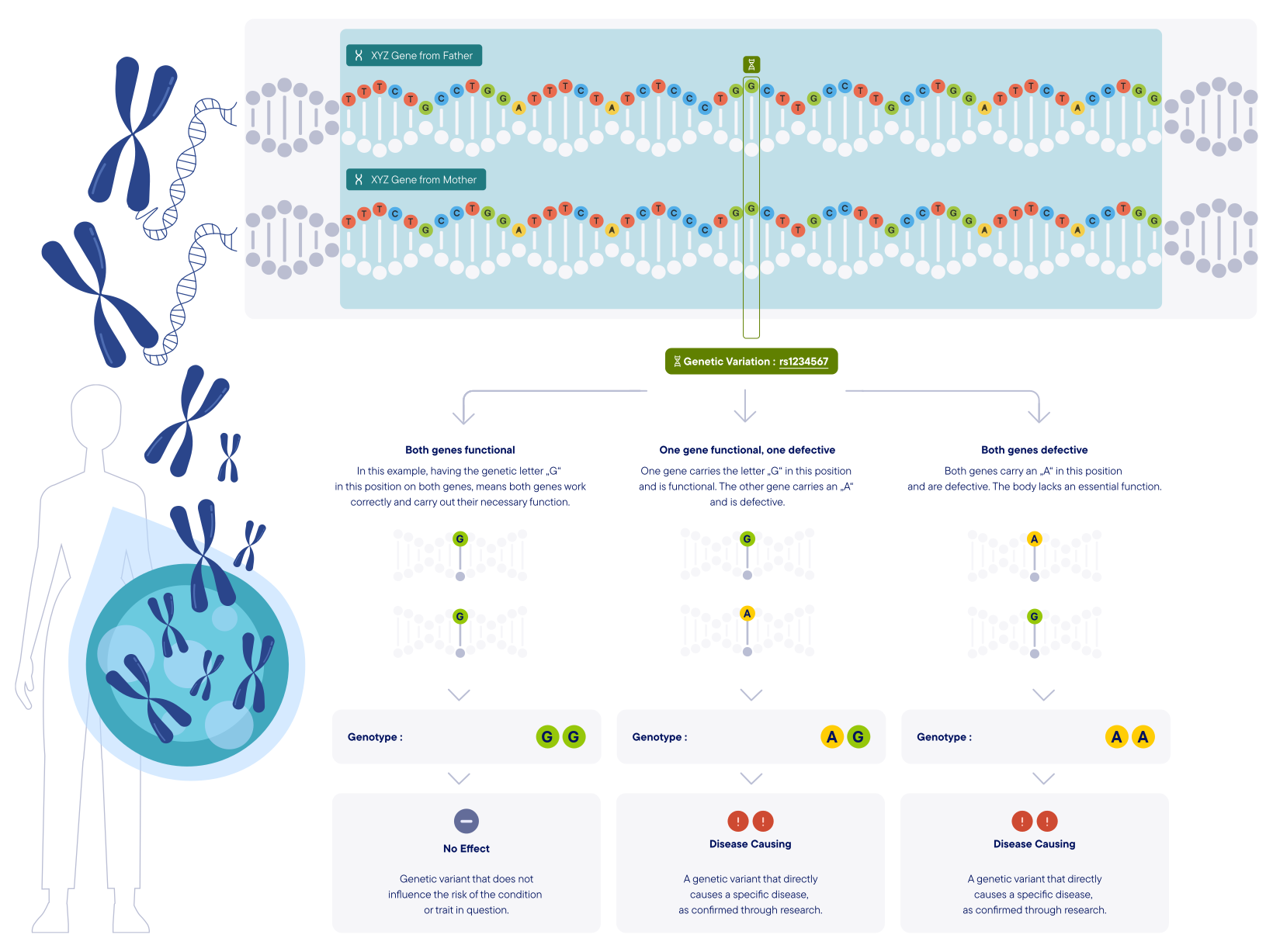
Humans have more than 20,000 genes, each carrying out one or a few specific functions in the body. One gene instructs the body to digest lactose from milk, another tells the body how to build strong bones and another prevents the body's cells from beginning to multiply uncontrollably and developing into cancer. As all of these genes combined are the building instructions for our body, a defect in one of these genes can have severe health consequences.
Through decades of genetic research, we know the genetic code of any healthy/functional human gene. We have also identified that in certain positions on a gene, some individuals may have a different genetic letter from the one you have. We call these hotspots "Genetic Variations" or "Variants" in short. In many cases, studies have been able to show that having the genetic letter "G" in the position makes you healthy, but having the letter "A" in the same position disrupts the gene function and causes a disease. Genopedia allows you to view these variants in genes and summarizes all that we know from scientific research, which genetic letters (Genotype) have good or bad consequences on your health or on your traits.
History
Throughout history, people have described stubborn vomiting after meals, early fullness, and weight loss that today would point to acquired gastric outlet stenosis. A traveler’s diary might note a friend who could only sip broth without pain; a surgeon’s notes from a century ago might describe a swollen stomach that emptied slowly, with relief only after a tube drained it.
First described in the medical literature as a blockage near the end of the stomach, early accounts tied many cases to severe peptic ulcers that scarred and narrowed the outlet. Before effective ulcer treatments, doctors often saw thickened, inflamed tissue at the pylorus—the stomach’s “gate”—that behaved like a stuck valve. In other people, tumors pressing on or growing into that area caused similar symptoms, and distinguishing ulcers from cancer became a central focus of bedside exams and early X‑rays.
As medical science evolved, endoscopy allowed clinicians to look directly at the narrowed channel, take biopsies, and tell scarring from active swelling. Surgeons refined operations that widened the passage or bypassed it, while radiologists learned to spot delayed emptying on contrast studies. With the arrival of acid‑suppressing medicines and antibiotics to treat Helicobacter pylori, ulcer‑related scarring declined in many regions. At the same time, new causes surfaced more clearly, including swelling from pancreatitis, bands of tissue after surgery, and, in some areas, corrosive injuries from caustic substances.
Over time, descriptions became more nuanced, separating fixed narrowing from temporary blockage due to swelling or muscle spasm. This mattered, because some people improved with medicines, endoscopic stretching, or stents, while others needed surgery. Clinicians also noticed patterns: pain that eased with vomiting, large volumes suctioned from the stomach, and electrolyte changes after days of poor intake. These features guided urgent care long before scans were widely available.
In recent decades, knowledge has built on a long tradition of observation. Better imaging, safer anesthesia, and nutritional support made procedures safer, and multidisciplinary teams—gastroenterology, surgery, oncology, and nutrition—helped tailor care to the cause. In many Western settings, acquired gastric outlet stenosis from ulcers became less common; in low‑resource areas, late‑treated ulcers and certain cancers still contribute. This shift reshaped training and triage, emphasizing early endoscopy and biopsy when cancer is possible, and timely dilation or stenting when a benign narrowing responds to less invasive care.
Understanding this history explains why clinicians still ask detailed questions about prior ulcers, pain medicines, swallowing of caustics, surgeries, and weight loss when evaluating early symptoms of acquired gastric outlet stenosis. The path from bedside observations to modern tools reminds us that the goal remains the same: relieve blockage, restore safe nutrition, and address the underlying cause.