
Acquired color blindness affects how people see colors after eye or brain changes later in life. It can cause colors to look faded, shifted, or hard to tell apart, and you might notice trouble with reds and greens or blues and yellows. Many people with acquired color blindness develop it due to eye diseases, certain medications, or neurologic conditions, and the course can be temporary or long-term. Treatment focuses on the cause, such as managing glaucoma or stopping a triggering drug, and tinted lenses or digital aids can help daily tasks. Most people live a normal lifespan, but vision outcomes vary with the underlying condition and how early symptoms of acquired color blindness are evaluated and treated.
Overview
Acquired color blindnessSymptoms
Acquired color blindness causes sudden or gradual trouble telling colors apart, often reds and greens, sometimes blues and yellows. You may notice faded or changing color vision, poor contrast, or light sensitivity. Colors may differ between eyes or change.
Outlook and prognosis
Most people with acquired color blindness notice changes linked to an eye or nerve problem, and the outlook depends on that underlying cause. When the trigger is treatable or reversible, color vision may improve. If damage is longstanding, adaptations and low‑vision supports help daily life.
Causes and risk factors
Acquired color blindness often stems from eye or nerve problems—glaucoma, macular degeneration, diabetic eye disease, cataracts, optic neuritis—or brain injury, stroke. Risks include aging, diabetes, smoking, alcohol use, certain medications, and chemical/solvent exposure. Genetic susceptibility to eye disease can contribute.
Genetic influences
Genetics usually play a limited role in acquired color blindness; it’s most often caused by eye disease, nerve damage, medications, or toxins. Still, genetic differences can influence susceptibility, severity, and recovery. Testing targets cause, not inherited risk.
Diagnosis
Diagnosis of acquired color blindness involves a detailed history and eye exam with color vision tests. Clinicians review medications and look for eye, nerve, or brain causes; if suspected, imaging or blood tests may follow.
Treatment and drugs
Treatment for acquired color blindness focuses on the underlying cause and easing daily challenges. Doctors may adjust medications, treat eye or nerve conditions, or manage exposure to toxins; color filters, tinted lenses, and digital aids can improve contrast and task performance. Regular eye checks guide changes over time.
Symptoms
Colors that used to pop may look dull or off, and matching clothes or reading color-coded charts can take more effort. Early symptoms of acquired color blindness often include colors seeming washed out or different between eyes. Symptoms vary from person to person and can change over time. Many notice the change during everyday tasks, like telling ripe fruit from unripe or interpreting traffic lights at dusk.
Colors look less vivid or washed out. Reds may appear brownish, and blues can look gray.
It becomes harder to tell similar shades apart, like red from orange or blue from purple. This can lead to mistakes with clothing, wiring, maps, or charts. Mix-ups may involve blue-yellow or red-green pairs.
One eye may see colors differently than the other. You might notice this when covering one eye at a time, a clue that points toward acquired color blindness.
A fast shift in color vision over hours or days is concerning. If this happens, especially with eye pain or blurred vision, seek urgent eye care.
How people usually first notice Acquired color blindness?
Many people first notice acquired color blindness when familiar colors start looking “off,” like ripe fruit seeming dull or traffic lights feeling harder to tell apart, especially under low light. Some realize it during everyday tasks—matching clothes, reading colored charts at work or school, or noticing that one eye sees colors differently than the other. For many, the first signs of acquired color blindness appear alongside other vision changes such as blurred vision, light sensitivity, or reduced contrast, which is a cue to see an eye professional promptly.
Types of Acquired color blindness
Acquired color blindness can look different from one person to the next because the cause and the part of the eye or brain affected can vary. People may notice different sets of symptoms depending on their situation. Some changes come on suddenly after illness or injury; others develop slowly with eye conditions, medications, or aging. When people talk about types of acquired color blindness, they often mean patterns linked to which color range is most affected or whether the issue lies in the eye’s light sensors versus the visual pathways in the brain.
Blue–yellow loss
Colors in the blue and yellow range become harder to tell apart. This often shows up with eye conditions like glaucoma or cataracts and may start gradually. You might notice blues looking dull or greenish and trouble separating blue from purple.
Red–green loss
Reds and greens become less distinct, sometimes shifting toward brownish or gray. This can appear after retinal disease, optic nerve problems, or certain medications. Early symptoms of acquired color blindness here include traffic lights and ripe fruit looking less vivid.
General color washout
All colors look faded or less saturated rather than one range standing out. People with optic nerve inflammation or widespread retinal damage may describe a grayish filter over everything. Bright light may not fully restore color intensity.
Unequal eyes
One eye shows more color loss than the other. This is more typical in acquired cases than inherited ones and can hint at optic nerve or retina issues. Loved ones may recognize certain types sooner than the person experiencing them.
Fluctuating changes
Color vision shifts day to day with lighting, fatigue, or underlying eye disease activity. The balance of symptoms can shift over time. People may find certain colors clearer in bright daylight but muddy indoors.
Cerebral color loss
Color problems follow a stroke, head injury, or brain condition affecting visual pathways. Colors can seem absent or oddly distorted even if eye exams look normal. Reading color-coded information may become particularly challenging.
What genetics can tell you about symptoms
Acquired color blindness can cause sudden trouble telling reds from greens or blues from yellows, often with dimmer vision or glare sensitivity. Unlike inherited forms, it’s usually tied to changes in the eye or optic nerve genes after injury, disease, or medication.
Causes and risk factors
Acquired color blindness often follows eye disease, optic nerve problems, or a side effect of certain medicines. Exposure to solvents or heavy metals at work, heavy drinking, and smoking can add risk. Doctors distinguish between risk factors you can change and those you can’t. It is usually not inherited, but family history of eye conditions like glaucoma or macular degeneration can increase the chance. If you notice early symptoms of acquired color blindness after a new drug or chemical exposure, see a doctor promptly.
Environmental and biological risk factors
Acquired color blindness happens when changes in the eye or the visual pathways affect how colors are processed. Doctors often group risks into internal (biological) and external (environmental). Understanding these helps you notice patterns—like color fading after a new medicine or a chemical exposure—and seek care promptly if early symptoms of acquired color blindness appear. Below are common environmental and biological factors linked to this condition.
Conditions that damage the retina, the light-sensing layer, can change how you see color. Macular problems often reduce sensitivity to reds and greens and may lead to acquired color blindness.
Injury or disease of the optic nerve disrupts signals that carry color information to the brain. This can cause sudden or gradual color vision loss in one or both eyes.
Higher eye pressure can harm nerve fibers important for color discrimination. People with advanced glaucoma may notice washed-out hues and signs of acquired color blindness.
Wear-and-tear or disease in the macula weakens fine detail and color separation. Colors, especially reds and greens, may look dull or distorted.
Genetic risk factors
Genes seldom play the main role when color vision changes appear later in life, yet a few inherited conditions can set the stage. These genetic factors mostly act by making the optic nerve or the light-sensing cells in the retina more vulnerable, which can lead to early symptoms of acquired color blindness such as trouble telling reds from greens or colors looking washed out. Risk is not destiny—it varies widely between individuals. Genetic counseling can help families understand personal and shared risks.

LHON mitochondrial variants: Changes in mitochondrial DNA linked to Leber hereditary optic neuropathy can damage the optic nerve, often starting with color vision loss. People with these variants have higher risk of sudden central vision problems and acquired color blindness, especially in young adults. Carrying a genetic change doesn’t guarantee the condition will appear.
OPA1 optic atrophy: Inherited changes in the OPA1 gene weaken the optic nerve over time, making colors look faded or off. Many develop gradual, acquired color vision loss in childhood or early adulthood. Severity can differ widely even within the same family.
Cone dystrophy genes: Variants affecting cone cells in the retina (such as ABCA4 or GUCA1A) can reduce color discrimination as the macula is affected. This may present as acquired color blindness with light sensitivity and trouble reading fine print. Onset and pace depend on the specific gene and subtype.
Macular dystrophy genes: Inherited changes that damage the macula (for example in BEST1 or PRPH2) reduce sharp central vision where color perception is strongest. People may notice colors looking dull or grayish before other symptoms become obvious.
MS risk genes: Certain HLA variants raise the chance of multiple sclerosis, which can cause optic neuritis with marked loss of color vividness, especially for reds. Repeated inflammation can lead to lasting, acquired color vision deficits.
Glaucoma risk genes: Inherited variants (such as MYOC or OPTN) increase glaucoma risk, and damage to optic nerve fibers can reduce color contrast and saturation. As disease advances, some notice subtle acquired color vision changes alongside visual field loss.
Macular degeneration genes: Variants in genes like CFH and ARMS2 increase the chance of age-related macular degeneration, affecting the area critical for color detail. As the macula deteriorates, acquired color blindness can emerge with distortion or dulling of colors.
Lifestyle risk factors
Certain habits can raise the chances of developing acquired color vision problems or make them worse. Below are lifestyle risk factors for acquired color blindness and how they influence eye structures involved in color perception. Adjusting these habits can lower risk or slow progression, especially when changes happen early.
Toxins in tobacco smoke damage the optic nerve and retina, leading to reduced color discrimination. Quitting smoking can slow further loss and may improve color contrast sensitivity over time.
Chronic heavy drinking and related nutrient deficits can cause toxic‑nutritional optic neuropathy with early red‑green color loss. Reducing alcohol and correcting nutrition can restore some color perception if addressed early.
Low intake of B12, folate, and antioxidants impairs optic nerve and macular function, diminishing color contrast. A diet rich in leafy greens, legumes, fish, and fortified foods supports retinal pigments and nerve health.
Frequent glucose spikes and prolonged high blood sugar damage retinal vessels and the macula, worsening color vision. Consistent meal planning, physical activity, and glucose monitoring reduce this risk.
Risk prevention
Acquired color blindness can often be lowered by protecting your eyes and managing medical risks. If you notice early symptoms of acquired color blindness, such as new trouble telling reds from greens, seek prompt eye care. Prevention is about lowering risk, not eliminating it completely. Regular eye checks and careful use of certain medicines also matter.
Use protective goggles and good ventilation when working with chemicals or solvents. Rinse eyes right away if exposed, and follow safety guidelines at work.
Wear seat belts, sports eye protection, and helmets to prevent eye and head injuries. Trauma can harm the retina or optic nerve and lead to acquired color blindness.
Some medicines can change color vision. Ask your doctor or pharmacist if your prescriptions carry this risk and whether eye monitoring is needed. Never stop a medication without medical advice.
Keep diabetes, high blood pressure, and cholesterol well controlled to protect the retina and optic nerve. Regular checkups can reduce the risk of acquired color vision problems over time.

Transmission
Acquired color blindness is not contagious and cannot be transferred between people; there is no person-to-person transmission. Instead, it develops because of changes in the eyes or brain, often from eye diseases, optic nerve problems, certain medications or chemical exposures, or after an injury or stroke; aging can also play a role. It usually doesn’t run in families, unlike the inherited form, so parents don’t pass acquired color blindness to their children. If you’re wondering “is acquired color blindness contagious,” the answer is no, and no isolation or special precautions are needed.
When to test your genes
Consider genetic testing if your color vision changed suddenly, if you have a strong family history of color vision issues, or you work in safety‑critical roles where precise color perception matters. Testing can confirm the cause, guide occupational accommodations, and rule out other eye or nerve conditions. Start with an eye exam; your clinician can triage testing.
Diagnosis
You might notice small changes in daily routines—colors that used to pop now look dull, or traffic lights feel harder to tell apart in the rain. It’s natural to worry when symptoms don’t have a clear explanation. For most people, the diagnosis of Acquired color blindness starts with a careful eye exam and a few simple color checks, then moves to targeted tests if needed. The goal is to confirm the color changes and identify the underlying cause, which can range from eye conditions to medication effects.
Your provider asks when the color changes started and whether they affect one or both eyes. They’ll also ask about blurry vision, eye pain, headaches, or sudden changes.
Some medicines and toxins can affect color vision. Your provider will review prescriptions, over‑the‑counter drugs, supplements, and possible chemical exposures.
Doctors check vision, pupils, and eye pressure, then examine the retina and optic nerve. This helps spot issues like optic nerve swelling or retinal disease that can cause acquired color problems.
Simple plate tests (like Ishihara or HRR) screen for red‑green and blue‑yellow changes. Results suggest whether color loss is likely acquired rather than lifelong.
Stages of Acquired color blindness
Acquired color blindness does not have defined progression stages. It often stems from another eye or brain condition, a medicine, or toxin exposure, so changes can show up suddenly, shift over weeks to months, or improve if the cause is treated—patterns vary widely. Early symptoms of acquired color blindness may include colors looking duller or “off,” trouble telling blues from yellows or reds from greens, or difficulty with color-coded tasks. Different tests may be suggested to help confirm the cause, including in-office color vision checks, a complete eye exam, and, when needed, imaging or electrical tests that look at how the eyes and visual pathways are working.
Outlook and prognosis
Many people ask, “What does this mean for my future?”, especially if acquired color blindness began after an eye injury, medication, or a neurologic event. The outlook depends largely on the cause. When color changes follow a short course of a medication or a temporary eye condition, color vision can improve once the trigger is removed, sometimes over weeks to months. If acquired color blindness stems from ongoing eye diseases like glaucoma or macular problems, or from optic nerve damage, recovery is less likely and color differences may slowly progress alongside the underlying condition.
Understanding the prognosis can guide planning and day‑to‑day adjustments. Some people experience early symptoms of acquired color blindness such as faded reds or trouble telling traffic light colors at dusk, while others notice a general “washed out” look. Doctors call this the prognosis—a medical word for likely outcomes. Mortality is not directly affected by acquired color blindness itself, but the root cause can matter: for example, stroke or advanced diabetes carries its own health risks, and protecting overall health helps protect vision too.
Over time, most people find workable strategies—better lighting, high‑contrast labels, or smartphone tools—to keep driving, cooking, and work tasks safe and efficient. With ongoing care, many people maintain stable vision if the underlying cause is treated early and monitored, and some recover partial or full color perception when the trigger is reversible. Talk with your doctor about what your personal outlook might look like, including whether your cause is likely to improve, stabilize, or progress and how often you should be checked.
Long-term effects
Acquired color blindness can change how colors and contrasts appear in everyday life, sometimes subtly and sometimes more noticeably. People sometimes notice early symptoms of acquired color blindness when laundry colors seem off or traffic lights look similar. Long-term effects vary widely, depending on whether the cause affects the eye, optic nerve, or brain. Some people remain stable for years, while others see gradual changes that mirror the underlying condition.
Colors may look washed out or too similar, especially reds and greens. Distinguishing shades in clothes, maps, or food labels can remain difficult over time.
Fine differences between light and dark can be harder to see. This can make reading faint print or seeing steps in dim halls challenging.
Vision may be much better in bright light and worse in low light. Glare can make colors and contrast even harder to judge.
Some causes affect sharpness of vision in addition to color. Blurring or central blind spots may develop or persist, depending on the underlying eye or nerve condition.
How is it to live with Acquired color blindness?
Living with acquired color blindness can feel like the world quietly shifted its palette, turning traffic lights, clothing, maps, and digital charts into puzzles that take extra effort to solve. Day-to-day tasks often require workarounds—labeling items by text instead of color, using high-contrast settings on screens, or relying on apps and good lighting—while jobs or hobbies that depend on precise color matching may need adjustment. Friends, family, and coworkers may notice moments of confusion or hesitation, and simple support—clear labeling, avoiding “by color alone” instructions, and checking in—can make shared tasks smoother. Many find that once they name the change and build a few practical habits, confidence returns and life moves forward with new cues taking the place of color.
Treatment and drugs
Acquired color blindness is treated by focusing on the underlying cause and easing day-to-day challenges with color. Doctors first look for triggers that can be treated or removed, such as certain medications, eye diseases like glaucoma or macular problems, optic nerve inflammation, exposure to chemicals, or brain injuries; improving the root issue can sometimes restore color vision, partly or fully. You might picture this as a team effort between you and your doctor, which can include changing a drug, treating eye pressure or swelling, managing diabetes or high blood pressure, or using anti-inflammatory or infection-fighting medicines when needed. Color-correcting glasses or tinted lenses may improve contrast and help with specific tasks, and vision rehabilitation can teach practical strategies for work and daily life; digital tools and standardized color labels can also help. If you notice sudden color changes, new dimming, or one eye seeing colors differently, seek prompt eye care, and ask your doctor about the best starting point for you.
Non-drug treatment
Changes in color vision can make everyday choices—like reading colored charts at work or telling if meat is cooked—surprisingly hard. With acquired color blindness, the focus is on adapting your environment and habits while your eye team looks for and treats any underlying cause. Spotting early symptoms of acquired color blindness matters because some causes are treatable. Alongside medicines, non-drug therapies can improve safety, ease daily tasks, and help you adapt.
Specialized low-vision services teach practical skills to work around color loss. Training focuses on contrast, lighting, and task modifications that fit your routines. Referrals often come from your eye doctor.
Selective filters or lenses can boost contrast between certain colors. They do not cure acquired color blindness but may help with tasks like reading maps or identifying traffic signals. A low-vision optometrist can help tailor lens choice.
Bright, even, neutral lighting reduces glare and makes color differences clearer. High-contrast tools—like dark pens on white paper or bold labels—cut errors. Adjustable desk lamps and matte surfaces often help.
Smartphone apps and camera filters can name colors, enhance contrast, or convert color codes to words or symbols. Wearable devices may give spoken cues for colors in real time. Many tools work offline for privacy and reliability.
Your genes may have an impact on how drugs work for you
Some medicines can subtly change color vision, and your genes help determine how strongly you feel those effects or side effects. Variants in liver enzyme genes can speed up or slow drug processing, which may raise risk for drug-triggered color shifts or protect against them.
Pharmacological treatments
Acquired color blindness is usually a sign of a problem in the eye or optic nerve, so medicines focus on treating the underlying cause rather than “recoloring” vision directly. Early symptoms of acquired color blindness, like colors looking washed out or a sudden shift toward blue or yellow, may improve if swelling or inflammation is treated. Not everyone responds to the same medication in the same way. Your eye doctor will match treatment to the cause, based on exam findings and imaging.
High-dose intravenous methylprednisolone can speed recovery when color vision changes come from optic nerve inflammation. It does not guarantee full recovery but often shortens the worst phase and reduces swelling.
Ranibizumab, aflibercept, or bevacizumab injected into the eye can reduce retinal swelling from macular disease that causes acquired color blindness. As swelling improves, some people notice better contrast and more natural color.
Acetazolamide tablets or dorzolamide eye drops may help cystoid macular edema, which can dull or distort color vision. Side effects can include tingling in fingers or a metallic taste with pills.
Treating confirmed deficiencies with vitamin B12 and folate can improve color vision changes due to nutritional or toxic optic neuropathy. Thiamine (vitamin B1) may be added if deficiency is suspected, especially with heavy alcohol use.
Genetic influences
Unlike inherited color vision deficiency, acquired color blindness is usually not caused directly by a gene change. Instead, it often develops from eye or optic nerve problems, certain medicines or chemicals, or illnesses—and these causes can happen in anyone. Genetics is only one piece of the puzzle, but it can raise your chance of the underlying conditions—such as macular degeneration, glaucoma, or some optic nerve disorders—that may shift how you see color over time. Family patterns can point to risk for these disorders, though the color vision changes themselves still count as acquired. If early symptoms of acquired color blindness start after an infection, head injury, or a new medication, genes are less likely to be the main driver. When a genetic eye or nerve condition is suspected, doctors may suggest genetic counseling or testing to clarify your risk and guide care, but many people with acquired color changes won’t need genetic testing.
Is Acquired color blindness genetic?
Genetics usually play a limited role in acquired color blindness; it’s most often caused by eye disease, nerve damage, medications, or toxins. Still, genetic differences can influence susceptibility, severity, and recovery. Testing targets cause, not inherited risk.
Pharmacogenetics—how genetics influence drug effects
When color vision changes are triggered by a medicine, your genes can influence how your body handles that drug and how likely you are to notice color shifts. A “slow metabolizer” may process medicine more slowly, which can raise drug levels and the chance of vision side effects. Others break a drug down quickly, so levels stay lower; sometimes the medicine helps less, and other times the lower exposure reduces risk to color vision. This matters because some medicines known to affect color vision—such as certain antibiotics, heart drugs, antimalarials, or pills for erectile dysfunction—can cause medication-induced acquired color blindness at higher exposures. In select situations, a pharmacogenetic test may help estimate your drug handling, but it isn’t routinely used to manage acquired color blindness; care usually focuses on stopping the medication and treating the underlying eye or nerve condition. Your personal risk also depends on dose, kidney and liver function, and other medicines, so tell your doctor and pharmacist about any past color vision changes before starting something new.
Interactions with other conditions
Many eye and neurologic conditions can change color vision, so problems often show up alongside diabetes-related eye disease, glaucoma, optic neuritis in multiple sclerosis, or age-related macular degeneration. Doctors call it a “comorbidity” when two conditions occur together. In these settings, early symptoms of acquired color blindness may appear during a disease flare or after starting a new medication such as digoxin, hydroxychloroquine, ethambutol, or sildenafil. Day-to-day, colors may seem washed out or shifted, and when diabetic retinopathy or glaucoma worsens, the color changes can become more noticeable. Toxic exposures (like heavy alcohol use or solvents) and cataracts can further dull color perception, making it harder to judge traffic lights or match clothing when another vision problem is present. If you live with conditions that affect the retina, optic nerve, or brain, tell your eye doctor about all diagnoses and medicines, since adjusting treatment for the underlying illness can sometimes improve Acquired color blindness.
How genes can cause diseases
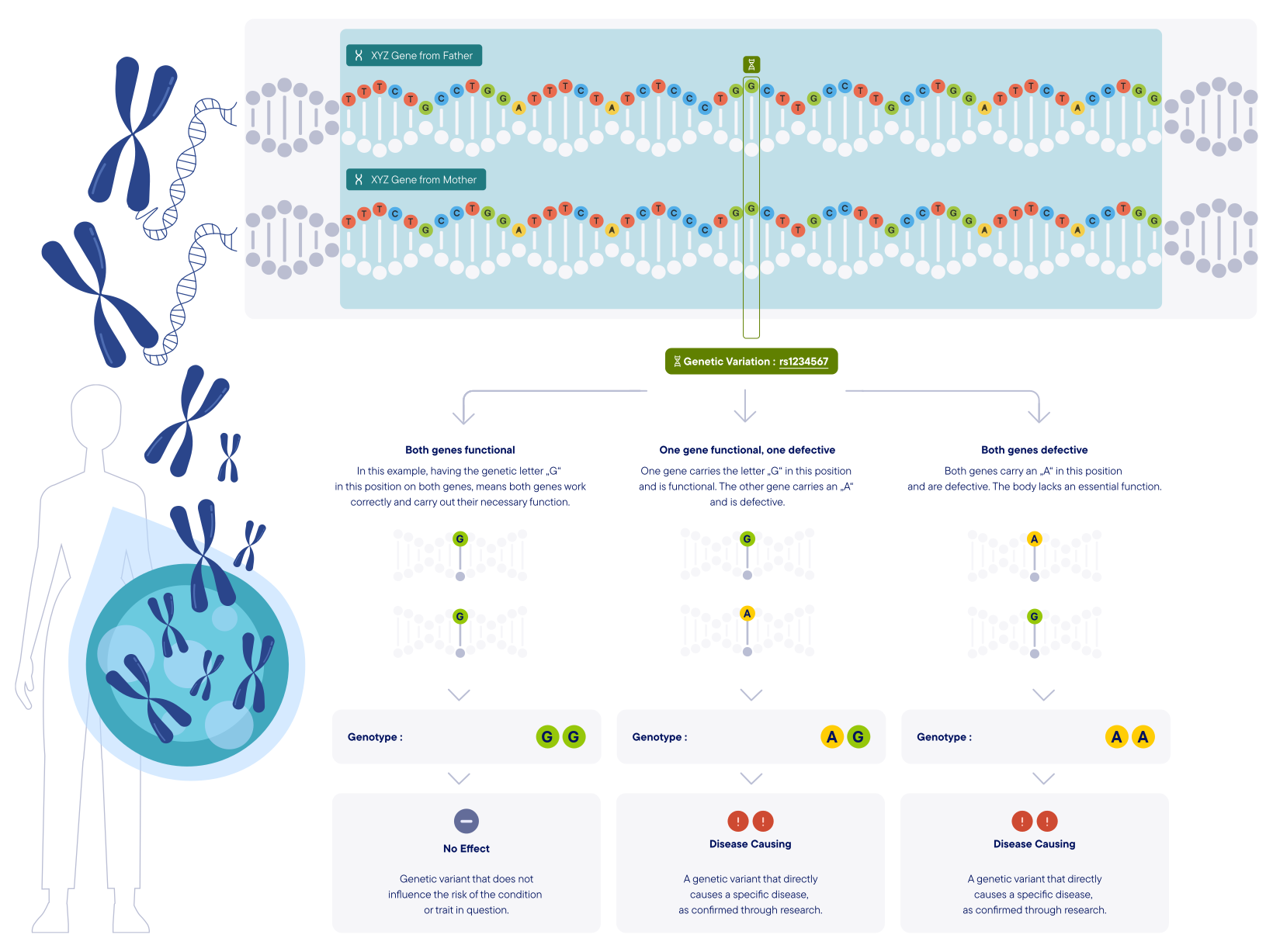
Humans have more than 20,000 genes, each carrying out one or a few specific functions in the body. One gene instructs the body to digest lactose from milk, another tells the body how to build strong bones and another prevents the body's cells from beginning to multiply uncontrollably and developing into cancer. As all of these genes combined are the building instructions for our body, a defect in one of these genes can have severe health consequences.
Through decades of genetic research, we know the genetic code of any healthy/functional human gene. We have also identified that in certain positions on a gene, some individuals may have a different genetic letter from the one you have. We call these hotspots "Genetic Variations" or "Variants" in short. In many cases, studies have been able to show that having the genetic letter "G" in the position makes you healthy, but having the letter "A" in the same position disrupts the gene function and causes a disease. Genopedia allows you to view these variants in genes and summarizes all that we know from scientific research, which genetic letters (Genotype) have good or bad consequences on your health or on your traits.
History
Throughout history, people have described trouble telling certain colors apart—red and green looking “muddy,” or traffic lights seeming dim at dusk—even when their eyesight otherwise felt normal. Sailors reported flag signals that blended together after long voyages. Painters spoke of palettes shifting after an illness or injury. These everyday moments hint at what we now call acquired color blindness: color vision changes that develop later in life rather than being present from birth.
First described in the medical literature as changes in color sense following eye disease or nerve injury, early accounts focused on what people noticed: colors losing “brightness,” blues and yellows washing out, or reds turning brown. Doctors then linked these experiences to visible problems in the eye, such as swelling of the optic nerve, macular damage, or exposure to certain chemicals and medications. As more careful testing became available, patterns emerged. Some people lost mainly blue–yellow separation; others had more trouble with red–green. Unlike inherited color vision differences, one eye could be worse than the other, and symptoms could shift over weeks or months.
From early theories to modern research, the story of acquired color blindness moved from descriptions to measurements. In the 20th century, standardized color plates and later computerized tests helped clinicians track subtle shifts and detect early symptoms of acquired color blindness during eye exams. This mattered because color loss often signaled an underlying issue—glaucoma, optic neuritis, macular disease, diabetes-related changes, or medication effects—sometimes before other symptoms appeared.
With each decade, scientists connected what people felt to the biology behind it. Studies showed that cone cells in the retina and the pathways that carry their signals to the brain can be strained by disease, toxins, or lack of blood flow, changing how colors are separated and how “contrast” is perceived. War-time and industrial reports highlighted solvent and heavy metal exposure as risks. Later, ophthalmology clinics documented medication-related color shifts, which frequently improved after dose changes or stopping the drug.
In recent decades, awareness has grown as color vision testing became part of routine eye care for certain conditions. Historical differences highlight why doctors today ask about the timing, asymmetry, and progression of color changes, and why they compare eyes separately. This evolution in understanding also explains current advice: if colors seem duller, if one eye sees a white sheet as slightly beige, or if red objects lose their “pop,” it’s worth an eye check. Looking back helps explain how a symptom that once seemed subjective became a useful sign that guides timely diagnosis and treatment.