
Acquired angioedema is a rare condition that causes sudden, deep swelling under the skin or in the gut or airway. Swelling can affect the face, lips, tongue, hands, genitals, or bowel and may cause belly pain, but usually no hives or itching. It often starts in adulthood and tends to recur over time. Severe airway swelling can be life-threatening, so urgent care is needed if breathing or swallowing is affected. Treatments include on-demand medicines to stop attacks and preventive therapies to reduce how often acquired angioedema occurs.
Overview
Acquired angioedemaSymptoms
Acquired angioedema causes sudden, non-itchy swelling of the face, lips, tongue, hands, feet, or genitals. Belly attacks can bring cramping pain, nausea, or vomiting. Throat swelling may lead to hoarseness, trouble swallowing, or breathing emergencies.
Outlook and prognosis
Most people with acquired angioedema can reduce attacks and stay active with the right plan, including on‑hand treatment for swelling episodes. Flare frequency often eases once the trigger—such as an autoimmune condition or certain medicines—is addressed. Regular follow‑up helps fine‑tune care and prevent complications.
Causes and risk factors
Acquired angioedema usually stems from immune-related C1-inhibitor problems—autoantibodies or consumption—often tied to blood cancers, MGUS, or autoimmune disease. Risk rises with older age, ACE-inhibitor use, infections, dental procedures, minor trauma, or stress; it’s not inherited.
Genetic influences
Genetics play a limited role in acquired angioedema. Unlike hereditary angioedema, it usually stems from an autoimmune process, certain cancers, or medications. Genetic variations may influence susceptibility or severity, but they’re not the primary cause.
Diagnosis
Doctors diagnose acquired angioedema based on swelling episodes without hives, medical history, and exam. Blood tests check complement levels (low C4), C1 inhibitor quantity/function, and often C1q to distinguish types. They also review medicines, and screen for related disorders.
Treatment and drugs
Treatment for acquired angioedema focuses on stopping swelling quickly and preventing future attacks. Doctors may use C1-inhibitor concentrates, bradykinin blockers (like icatibant), or fresh frozen plasma for acute episodes, plus antifibrinolytics or low‑dose androgens to reduce recurrences. Identifying and treating triggers or linked conditions—such as certain medicines or underlying lymphoproliferative diseases—also helps control acquired angioedema.
Symptoms
Swelling episodes that build over hours can affect the face, lips, hands, belly, or throat, making meals, work, or sleep hard to manage. Early symptoms of acquired angioedema may include a tight or tingling feeling in the skin, mild puffiness, or crampy belly pain that builds over time. Symptoms vary from person to person and can change over time. These flares often last 2–5 days, tend to be non-itchy, and can be dangerous if the tongue or throat are involved.
Firm, non-itchy swelling develops under the skin and spreads over several hours. The area can feel tight, heavy, or sore. In acquired angioedema, swelling often lasts 2–5 days before easing.
Puffiness around the eyes, cheeks, or lips can change your appearance quickly. It can make speaking, smiling, or chewing harder until the swelling settles. With acquired angioedema, glasses or masks may suddenly feel tight during a flare.
Swelling of the tongue, soft palate, or throat can cause a hoarse voice, throat tightness, trouble swallowing, or noisy breathing. It may progress over hours and can become life-threatening. In acquired angioedema, any breathing difficulty needs urgent medical attention.
Crampy abdominal pain with bloating, nausea, vomiting, or watery stools can occur when the gut lining swells. The pain can build over hours and feel severe, sometimes mimicking appendicitis. In acquired angioedema, belly flares usually ease as the swelling goes down.
How people usually first notice Acquired angioedema?
Acquired angioedema often announces itself with sudden, deep swelling under the skin—most often in the face, lips, tongue, hands, feet, or genitals—without hives and with little itching, which makes it feel different from typical allergic reactions. People may first notice episodes after minor triggers like dental work, infections, certain blood pressure medicines (especially ACE inhibitors), or seemingly out of the blue; swelling in the throat can cause a tight voice, trouble swallowing, or breathing difficulty and needs urgent care. Many learn something is off when swelling doesn’t improve with standard allergy treatments like antihistamines or steroids, prompting doctors to check complement levels to confirm acquired angioedema.
Types of Acquired angioedema
Acquired angioedema has a few well-recognized variants, and the type you have can shape which symptoms show up and how they respond to treatment. Daily life often makes the differences between symptom types clearer, like whether swelling happens after minor injuries, during infections, or alongside other immune conditions. Clinicians often describe them in these categories:
Type I AAE
This type is linked to low levels of a protective protein called C1 inhibitor caused by it being used up or cleared faster than normal. Swelling tends to affect the face, lips, tongue, hands, feet, or genitals and can involve the gut, leading to cramping and vomiting.
Type II AAE
Here, C1 inhibitor is present but blocked by autoantibodies, so it doesn’t work well. Symptoms don’t always look the same for everyone. People may have similar swelling patterns as Type I, with attacks that can be unpredictable and sometimes triggered by infections or stress.
ACE‑inhibitor AAE
This variant appears after starting an ACE‑inhibitor blood pressure medicine, due to a buildup of bradykinin that drives swelling. Swelling often focuses on the lips, tongue, and face and can happen even after months or years on the drug.
Idiopathic non‑histaminergic
In this group, no clear cause is found, and standard allergy medicines like antihistamines usually don’t help. Swelling episodes resemble other types of acquired angioedema and may come and go without a clear trigger, which can affect work or sleep.
Lymphoproliferative‑associated
Swelling occurs alongside certain blood or immune system disorders that consume or inactivate C1 inhibitor. For many, certain types stand out more than others. Attacks may improve when the underlying condition is treated, and they can include abdominal pain from gut wall swelling.
What genetics can tell you about symptoms
Most people with acquired angioedema have symptoms driven by low C1-inhibitor from immune system changes, often linked to autoantibodies rather than inherited gene variants. This leads to excess bradykinin, causing recurrent swelling of the face, limbs, gut, and sometimes the airway.
Causes and risk factors
Acquired angioedema often stems from low or poorly working C1 inhibitor, a protein that helps control swelling. It is not inherited and most often starts in adulthood. Common causes of acquired angioedema include antibody attack on this protein and blood cancers like lymphoma. Some risks are modifiable (things you can change), others are non-modifiable (things you can’t). Infections or minor procedures, stress or hormone changes, older age, autoimmune disease, and ACE inhibitor blood pressure drugs can raise the risk of acquired angioedema or trigger attacks.
Environmental and biological risk factors
Acquired angioedema can develop when certain body processes or exposures tip the balance in systems that control swelling. Being exposed to risks in your body or environment doesn’t mean illness is inevitable. Below are environmental and biological factors linked to a higher chance of acquired angioedema. This section focuses on risks rather than early symptoms of acquired angioedema.
These blood pressure medicines can build up bradykinin, raising the chance of acquired angioedema. Risk is highest in the first weeks but can appear months or years later.
These alternatives to ACE inhibitors rarely cause angioedema, but it can happen. The risk is higher if swelling occurred previously while on an ACE inhibitor.
The heart failure drug combination sacubitril/valsartan can increase bradykinin and swelling risk. Starting it too soon after stopping an ACE inhibitor raises the chance of angioedema.
Diabetes medicines in this class, such as sitagliptin, can rarely lead to angioedema. The risk is greater when used together with an ACE inhibitor.
Genetic risk factors
There’s no single inherited cause for acquired angioedema. Risk is not destiny—it varies widely between individuals. Most cases stem from immune changes that develop over time in certain blood cells, which either block or overuse a protective protein called C1 inhibitor. If early symptoms of acquired angioedema appear in adulthood without a family history, that tends to point away from inherited forms.

Not inherited: Acquired angioedema does not run in families, and parents do not pass it on to children. When swelling episodes begin in adulthood and relatives are unaffected, it supports an acquired—not genetic—cause.
Somatic B-cell changes: Clonal changes in B cells can lead to antibodies that neutralize C1 inhibitor. These genetic shifts happen within those cells during life and are not present in the DNA you were born with.
Autoimmune tendency: Genes that increase the chance of autoimmune reactions may indirectly raise risk when the immune system forms antibodies against C1 inhibitor. A family history of autoimmune disease can be a clue to this background susceptibility.
Familial B-cell disorders: Some families have higher rates of certain B‑cell blood conditions that can consume or block C1 inhibitor. Inherited susceptibility to these disorders may indirectly increase the likelihood of acquired angioedema.
Different from hereditary forms: Changes in the C1 inhibitor gene or the factor XII gene cause hereditary angioedema, not the acquired type. If several relatives have recurrent swelling, genetic testing for hereditary forms is more appropriate.
Immune-regulation genes: Variants that influence how the immune system recognizes the body’s own proteins can shape who develops anti–C1 inhibitor antibodies. Specific markers vary across groups, and no single gene explains most cases.
Lifestyle risk factors
Some daily habits can raise the chance or severity of swelling episodes in acquired angioedema. While not the root cause, these lifestyle risk factors for acquired angioedema can influence how often attacks occur and how intense they feel. Small adjustments may reduce triggers and help make other treatments work more smoothly.
Tight belts, straps, or prolonged pressure on skin can trigger localized swelling. Choosing looser clothing and padding for tools or straps may lower mechanical provocation.
Heavy lifting or high-impact workouts can provoke swelling, especially in areas under strain. Gradually building intensity and avoiding repetitive trauma can reduce attack risk.
Acute or chronic stress can precede attacks and may intensify symptoms. Stress-management techniques like paced breathing or counseling can help lower flare frequency.
Short or irregular sleep may destabilize attack thresholds and worsen recovery. Keeping a steady sleep schedule can support more predictable symptom control.
Risk prevention
Acquired angioedema prevention focuses on reducing attacks and avoiding triggers. You can’t fully prevent the condition, but you can lower risks through medication review, planning for procedures, and treating underlying issues. Recognizing early symptoms of acquired angioedema—like painless swelling in the face, lips, tongue, or gut pain—helps you act quickly. Talk to your doctor about which preventive steps are right for you.
Ask your clinician to check all your prescriptions and over‑the‑counter drugs for angioedema risk. ACE inhibitors, sacubitril/valsartan, and some DPP‑4 inhibitors can raise bradykinin and trigger swelling.
If you have acquired angioedema, do not start ACE inhibitors and discuss alternatives for blood pressure or heart conditions. If you already take one, ask about a safe switch.
Treating related conditions such as B‑cell blood disorders or autoimmune disease can cut down attack frequency. Work with your care team so angioedema prevention is part of your overall treatment plan.
Dental work, surgery, or endoscopy can trigger swelling in people with acquired angioedema. Ask about short‑term preventive treatment (for example, C1 inhibitor) before procedures and plan observation afterward.

Transmission
Acquired angioedema is not contagious and cannot be transferred from one person to another. It isn’t caused by a virus or bacteria, so there’s no risk from everyday contact, sharing utensils, kissing, sex, or blood exposure. People often ask how acquired angioedema is transmitted; it isn’t—this condition usually develops later in life due to immune system changes or other health conditions, and it is not inherited. In short, there is no person-to-person transmission of acquired angioedema.
When to test your genes
Consider genetic testing if you have repeated, unexplained swelling without hives, especially starting in childhood or adolescence, or if close relatives have similar episodes. Test before starting estrogen-containing therapies or planned procedures that may trigger attacks. If attacks began after starting an ACE inhibitor, talk to your clinician first; targeted blood tests may be enough.
Diagnosis
Swelling that comes and goes without hives—often in the face, lips, tongue, hands, genitals, or belly—usually prompts the evaluation for Acquired angioedema. For many, the first step comes when everyday activities start feeling harder, like eating or speaking during a lip or tongue flare. This overview explains how Acquired angioedema is diagnosed, including tests that separate it from allergic swelling and hereditary forms. Tests may feel repetitive, but each one helps rule out different causes.
Doctors review where and how often swelling happens and whether hives are absent. They ask about age at first symptoms, family history, and any airway episodes. Findings can point toward Acquired angioedema rather than allergic reactions.
Clinicians look for drugs that can trigger bradykinin-type swelling, especially ACE inhibitors. Stopping a suspected medication may be both a clue and a solution. This step helps distinguish Acquired angioedema from medication-induced angioedema.
A low C4 with low C1 inhibitor level and/or function strongly suggests this condition. A low C1q level supports an acquired (not hereditary) cause. Providers use these results to confirm the diagnosis of Acquired angioedema and separate it from hereditary forms.
Normal tryptase and the lack of hives point away from histamine-driven allergy. If needed, targeted allergy testing helps rule out common allergic triggers. This avoids mislabeling Acquired angioedema as an allergy.
Stages of Acquired angioedema
Acquired angioedema does not have defined progression stages. It tends to come in sudden attacks of swelling with symptom‑free gaps in between, and the pattern can vary—you may have long quiet stretches or clusters of flares—rather than a steady, predictable worsening over time. Different tests may be suggested to help confirm the type and rule out other causes, including blood tests that check certain complement proteins and the level and function of C1 inhibitor. Doctors often piece this together from your story (for example, early symptoms of acquired angioedema like tingling or firm, non‑itchy swelling) plus exam findings, and they may ask you to track episodes to monitor how often they occur and whether any triggers show up.
Outlook and prognosis
Swelling episodes in acquired angioedema can be unpredictable, but patterns often emerge over time. Many people ask, “What does this mean for my future?”, and the short answer is that most live full lives, though flare frequency varies. Attacks may cluster for months, then ease, and early symptoms of acquired angioedema—such as tingling in the skin or a tight feeling in the throat—can help signal when to start rescue treatment. Laryngeal (throat) swelling is the most serious risk because it can block breathing; with today’s on‑hand therapies and emergency care, deaths are uncommon, but rapid treatment plans are essential.
Prognosis refers to how a condition tends to change or stabilize over time. For many living with acquired angioedema due to autoimmune causes or certain medications, controlling the trigger can reduce attacks markedly, and some people go into long quiet stretches. Others have periodic flares despite good care and need both preventive medicine and quick‑acting treatments during an attack. In medical terms, the long-term outlook is often shaped by both genetics and lifestyle, but in acquired angioedema, immune factors, infections, and medicines play a larger role than inherited genes.
Over years, many people with acquired angioedema find their routines adapt, and confidence returns as they learn warning signs and keep rescue medication accessible. With ongoing care, many people maintain regular work, travel, and exercise, planning around known triggers and having an emergency plan for throat symptoms. Talk with your doctor about what your personal outlook might look like, including how to lower attack risk, when to use on‑demand treatment, and when to seek urgent care for breathing or swallowing problems. Keep regular appointments—small adjustments can improve long-term health.
Long-term effects
Acquired angioedema often unfolds in flares, with quiet stretches in between. Long-term effects vary widely, from rare episodes to frequent, disruptive swelling. People may notice patterns over the years, and early symptoms of acquired angioedema can be hard to predict. Severe airway events are uncommon overall but remain the main long-term risk.
Episodes of swelling can affect the face, lips, tongue, hands, feet, or genitals and may last 2–5 days. Swelling usually isn’t itchy and doesn’t leave scars.
Swelling in the throat or voice box can block breathing and is the most serious long-term concern. These events can happen suddenly and may not follow earlier warning signs.
Swelling in the bowel wall can cause cramping pain, bloating, nausea, vomiting, or diarrhea. In acquired angioedema, these episodes may mimic appendicitis or other urgent problems.
Some people have long gaps without symptoms, while others experience frequent clusters of attacks. Triggers like infections, dental work, or pressure may play a role, but many episodes occur without a clear cause.
How is it to live with Acquired angioedema?
Living with acquired angioedema can feel unpredictable, with swelling episodes that may affect the face, hands, gut, or airway and disrupt work, sleep, and plans at short notice. Many learn to track triggers, keep on‑hand treatments, and build routines that reduce stress and trauma to the skin, which can lower attack frequency and make daily life more manageable. People around you—family, friends, coworkers—often become part of the safety net, learning warning signs and emergency steps so you’re not navigating episodes alone. With a clear action plan and good communication with your care team, many find they can stay active, travel, and work while keeping risks in check.
Treatment and drugs
Treatment for acquired angioedema focuses on stopping swelling quickly during an attack and lowering the risk of future episodes. For sudden swelling, doctors may use C1 inhibitor infusions, a bradykinin blocker such as icatibant, or fresh frozen plasma if other options aren’t available; standard allergy drugs like antihistamines, steroids, and epinephrine usually don’t help unless there’s a separate allergic reaction. Between attacks, care often includes treating the underlying trigger—such as an autoimmune condition, cancer, or certain medicines—and, when needed, preventive options like regular C1 inhibitor therapy or, in select cases, antifibrinolytics; your doctor can help weigh the pros and cons of each option. If first-line treatments don’t help, specialists may try second-line options. Keep track of how you feel, and share this with your care team.
Non-drug treatment
Day-to-day care for acquired angioedema focuses on lowering the chance of swelling episodes and staying ready to act quickly if they occur. Non-drug treatments often lay the foundation for day-to-day control. Plans are tailored, because triggers and patterns can differ widely. A few practical steps can make a noticeable difference in safety and comfort.
Work with your doctor to avoid drugs that can trigger swelling, especially ACE inhibitors and estrogen-containing therapies. Ask about safe alternatives before making any changes. Review over-the-counter products and supplements too.
Identify and avoid common triggers like minor trauma, tight straps, dental work, or infections. Protect areas that tend to swell and keep clothing loose. Noting patterns helps you plan ahead.
Plan ahead for dental or surgical procedures to reduce the chance of a flare. Your team can use gentle techniques and airway precautions. Share your history so staff are prepared.
Create a written plan that explains when to call emergency services for face, tongue, or throat swelling. Share it with family, coworkers, and school staff. Keep a copy in your phone and wallet.
Your genes may have an impact on how drugs work for you
Some medicines for acquired angioedema work better—or cause more side effects—depending on your genetic makeup, which can change how your body processes or responds to them. Pharmacogenetic testing can sometimes guide safer dosing and drug choice, especially when treatments vary.
Pharmacological treatments
Acquired angioedema treatment focuses on stopping swelling quickly and lowering the chance of future attacks. Options include targeted drugs that block the swelling pathway and medicines that address an underlying immune or blood condition, when present. Not everyone responds to the same medication in the same way. Your care team will tailor treatment based on attack frequency, severity, triggers, and access to specific drugs.
Plasma-derived or recombinant C1 esterase inhibitor can stop an attack by replacing the missing or blocked protein. It’s given by IV and can also be used before procedures to prevent swelling.
This bradykinin blocker is a small shot under the skin that can quickly relieve swelling. Using it at the first signs or early symptoms of acquired angioedema may shorten or soften an attack.
This kallikrein blocker treats acute attacks and is given under the skin by a trained professional. It works on the same swelling pathway but must be administered in a setting that can watch for rare allergic reactions.
If specific drugs aren’t available, plasma can supply C1-INH and help control an attack. It’s used in urgent situations but may rarely worsen swelling, so doctors monitor closely.
Genetic influences
Genetics play little to no role in acquired angioedema; it typically appears later in life due to immune system changes or other health conditions rather than inherited gene changes. It’s natural to ask whether family history plays a role. People often ask if acquired angioedema is genetic; most cases do not run in families, and close relatives are not at increased risk compared with the general population. When several relatives have similar episodes of swelling or symptoms start in childhood or the teen years, doctors consider hereditary angioedema instead, which has clear genetic causes. In practice, genetic testing for acquired angioedema is generally used only to rule out the hereditary form; it isn’t required to make the diagnosis of the acquired type. Sharing your family health history helps your care team decide whether any testing is needed, but for acquired angioedema the focus is usually on finding triggers and treating any related conditions.
Is Acquired angioedema genetic?
Genetics play a limited role in acquired angioedema. Unlike hereditary angioedema, it usually stems from an autoimmune process, certain cancers, or medications. Genetic variations may influence susceptibility or severity, but they’re not the primary cause.
Pharmacogenetics—how genetics influence drug effects
Acquired angioedema isn’t inherited, but genetics can still shape how some medicines around it are chosen and dosed. The quick‑relief treatments that block bradykinin or replace C1‑inhibitor aren’t known to have important gene–drug interactions, so pharmacogenetic testing for acquired angioedema usually isn’t needed to choose them. When acquired angioedema is linked to an autoimmune or blood disorder, medicines such as azathioprine or rituximab may be used to treat the root cause. For azathioprine, testing for common enzyme genes (TPMT and NUDT15) is well established and can help set a safe dose or point to alternatives. A “slow metabolizer” may process medicine more slowly, so your team might adjust or avoid older androgen pills (now rarely used) or certain pain medicines if you’re known to handle them differently. ACE inhibitors can worsen bradykinin‑type swelling; while some gene differences may raise the chance of ACE‑inhibitor angioedema, this testing isn’t part of routine care for acquired angioedema.
Interactions with other conditions
Acquired angioedema often travels alongside other conditions, especially certain B‑cell blood disorders such as non‑Hodgkin lymphoma or monoclonal gammopathy (MGUS), and swelling may ease when the underlying disorder is treated. Doctors call it a “comorbidity” when two conditions occur together. Some people also have autoimmune diseases that produce antibodies against the C1 inhibitor; when the autoimmune condition is active, acquired angioedema can flare more easily. Medicines that raise bradykinin, like ACE inhibitors, can cause their own angioedema and may make acquired angioedema harder to recognize or control, and estrogen therapy can have a similar amplifying effect for some. Infections, dental work, or surgery can trigger attacks, so those receiving chemotherapy or immune‑targeted treatments benefit from a plan to spot early symptoms of acquired angioedema—such as new facial, tongue, or abdominal swelling—and treat quickly. Coordinated care between hematology, immunology/allergy, and your primary team helps align treatments and reduces the chance that one condition or medication will worsen another.
How genes can cause diseases
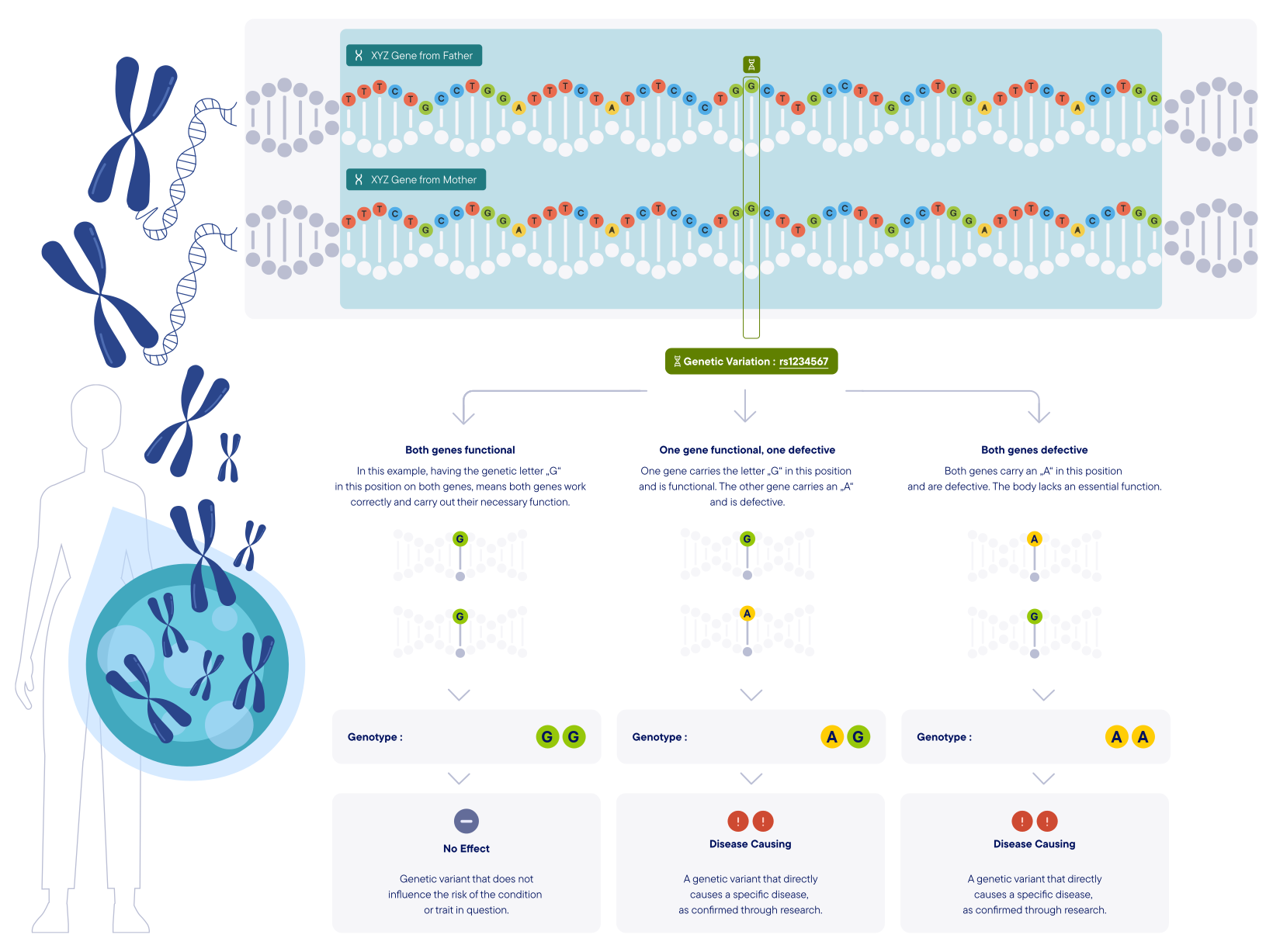
Humans have more than 20,000 genes, each carrying out one or a few specific functions in the body. One gene instructs the body to digest lactose from milk, another tells the body how to build strong bones and another prevents the body's cells from beginning to multiply uncontrollably and developing into cancer. As all of these genes combined are the building instructions for our body, a defect in one of these genes can have severe health consequences.
Through decades of genetic research, we know the genetic code of any healthy/functional human gene. We have also identified that in certain positions on a gene, some individuals may have a different genetic letter from the one you have. We call these hotspots "Genetic Variations" or "Variants" in short. In many cases, studies have been able to show that having the genetic letter "G" in the position makes you healthy, but having the letter "A" in the same position disrupts the gene function and causes a disease. Genopedia allows you to view these variants in genes and summarizes all that we know from scientific research, which genetic letters (Genotype) have good or bad consequences on your health or on your traits.
History
Throughout history, people have described sudden, painless swelling that seemed to appear without warning—lips ballooning after a mild cold, a tongue swelling overnight, or a tightening in the throat after minor dental work. Families and communities once noticed patterns: a relative who had “attacks” after stress or infections, another who swelled after certain medicines. Before modern tools, these episodes were often blamed on allergies, food, or nerves, especially when hives were absent and standard antihistamines did little to help.
From early theories to modern research, the story of acquired angioedema took shape slowly. First described in the medical literature as angioedema without the typical allergic triggers, doctors noted that some adults developed swelling later in life, even with no family history. Over time, descriptions became more precise, separating acquired angioedema from hereditary forms and from common allergy-related swelling. Clinicians observed that many cases followed other immune problems, certain cancers of blood cells, or appeared in people taking specific blood pressure medicines. This helped explain why episodes could start in midlife, after years without symptoms.
In recent decades, knowledge has built on a long tradition of observation. Researchers linked some types of acquired angioedema to low levels or poor function of a protective blood protein that normally keeps swelling in check, and to autoantibodies that interfere with it. At the same time, another group of cases was tied to medicines that raise bradykinin—a natural chemical that can open blood vessels and let fluid leak into tissues—clarifying why stopping the drug often improves attacks. These advances reshaped treatment, shifting care away from allergy-focused medicines toward therapies that target the swelling pathways themselves.
Despite evolving definitions, the lived experience remained a guide. Doctors learned to ask about triggers like infections, procedures, and new medications; to distinguish early symptoms of acquired angioedema from an allergic reaction; and to watch for warning signs in the airway. Current studies build on a long tradition of observation, using lab testing to confirm the diagnosis and to separate acquired angioedema from similar conditions. Looking back helps explain why many were misdiagnosed for years, and why today’s approach emphasizes the cause of the swelling—immune-related or medication-related—so people can receive faster, more effective care.