
Acinic cell breast carcinoma is a rare type of breast cancer that tends to grow slowly and often presents as a painless breast lump. People with acinic cell breast carcinoma may notice a new mass, breast fullness, or subtle changes that a clinician can feel on exam. It most often affects adults and is uncommon in children, and it can occur in any sex but is more common in women. Prognosis is generally favorable compared with many other breast cancers, and many people live long and full lives. Treatment usually includes surgery, and some may also receive radiation or medicine treatments like chemotherapy or hormonal therapy depending on the tumor’s features.
Overview
Acinic cell breast carcinomaSymptoms
Acinic cell breast carcinoma often presents like other breast cancers. You may notice a new breast or underarm lump, nipple discharge or inversion, skin dimpling, swelling, or pain. Early symptoms of acinic cell breast carcinoma can be subtle or absent.
Outlook and prognosis
Many people with acinic cell breast carcinoma do well, especially when it’s found early and removed with clear margins. These tumors tend to grow slowly and respond to standard breast cancer treatments. Regular follow‑up helps catch rare recurrences or new changes.
Causes and risk factors
Acinic cell breast carcinoma usually arises from a mix of factors rather than a single cause. Risk can be influenced by age, family history, inherited mutations (such as BRCA1/2), chest radiation, hormonal and reproductive history, alcohol use, obesity, and inactivity.
Genetic influences
Genetics play a role in acinic cell breast carcinoma, but most cases are not clearly inherited. Tumor testing often finds changes in genes like TP53 or PIK3CA that guide behavior and treatment. Inherited mutations (for example, BRCA1/2) appear uncommon but may increase risk.
Diagnosis
Doctors detect acinic cell breast carcinoma on imaging—mammogram, ultrasound, or MRI—and confirm it with a core needle biopsy. A pathologist examines the tissue under a microscope and may use special stains. This confirms the diagnosis of acinic cell breast carcinoma.
Treatment and drugs
Treatment for acinic cell breast carcinoma is tailored after imaging and biopsy review. Many people have breast‑conserving surgery or mastectomy, often with sentinel node assessment; radiation is common after. Depending on tumor features, doctors may add chemotherapy or hormone‑blocking therapy.
Symptoms
Most people first notice a new breast change, often a firm lump that wasn’t there before. Early symptoms of acinic cell breast carcinoma can be subtle, and many are similar to those of other breast cancers. Symptoms vary from person to person and can change over time. These changes may show up in one breast or the underarm area and sometimes only during certain movements or while showering.
A firm, painless lump or area of thickening is the most common early sign. With acinic cell breast carcinoma, many people notice it while showering, applying lotion, or getting dressed. It may feel different from the surrounding tissue.
Pain is not the most common warning sign, but some feel aching, soreness, or a pulling sensation. Discomfort that doesn’t line up with your usual cycle and sticks around deserves attention.
One breast may look fuller, heavier, or slightly misshapen compared with the other. A difference that persists, especially in one area, can be linked to an underlying tumor.
The skin may look puckered, dimpled like an orange peel, flushed, or thicker in one spot. These skin changes can occur with acinic cell breast carcinoma and are a reason to get checked.
How people usually first notice Acinic cell breast carcinoma?
Many people first notice acinic cell breast carcinoma as a painless new lump in the breast that feels different from the surrounding tissue, sometimes found by chance in the shower or during a routine self-check. Doctors often first pick it up on a screening mammogram or ultrasound that shows a solid mass, which then leads to a core needle biopsy to confirm the diagnosis and its acinic cell features. In younger people who don’t yet get regular screening, the “first signs of acinic cell breast carcinoma” are usually a palpable lump or subtle breast changes like firmness or fullness in one area, while skin dimpling, nipple changes, or pain are less common early on.
Types of Acinic cell breast carcinoma
Acinic cell breast carcinoma is rare, and experts don’t recognize multiple distinct genetic subtypes the way they do for many other breast cancers. Most cases share similar microscopic features that resemble salivary gland acinar cells and tend to be triple‑negative, though behavior can still vary from person to person. Symptoms don’t always look the same for everyone.
No distinct types
No distinct types of acinic cell breast carcinoma are widely recognized. Researchers have not identified stable clinical variants that behave consistently differently. When people ask about types of acinic cell breast carcinoma, they are usually referring to pathology details rather than true variants.
What genetics can tell you about symptoms
Some people with acinic cell breast carcinoma who carry BRCA1 or BRCA2 mutations tend to develop tumors at a younger age and may notice a faster-growing lump. Androgen receptor–positive tumors can present with firmer, well-defined masses, while mismatch repair defects sometimes lead to multiple or bilateral tumors.
Causes and risk factors
Acinic cell breast carcinoma starts when breast cells gain DNA changes that make them grow out of control. Most changes build up over time and are not inherited, but BRCA1 or BRCA2 genes and a strong family history can raise overall breast cancer risk. Likely risk factors for acinic cell breast carcinoma mirror other breast cancers, including older age, being female, long estrogen exposure, prior chest radiation, and alcohol use or obesity. Doctors distinguish between risk factors you can change and those you can’t for acinic cell breast carcinoma. Many with risks never develop this cancer, and overall risk comes from how genes, hormones, lifestyle, and environment interact.
Environmental and biological risk factors
When thinking about what raises the chances of acinic cell breast carcinoma, most guidance comes from broader breast cancer research because this subtype is rare. Doctors often group risks into internal (biological) and external (environmental). Below are environmental and biological risk factors for acinic cell breast carcinoma, with the understanding that subtype‑specific evidence is limited.
Breast cancer is far more common in women than in men. Acinic cell breast carcinoma follows this pattern, though rare cases occur in men.
Risk of breast cancer rises as people get older. Acinic cell breast carcinoma has been reported mostly in adults, though it can occur at various ages.
Having more dense tissue and less fat in the breast is linked to higher breast cancer risk. This biological feature can also make early changes harder to spot on imaging.
A previous cancer in one breast raises the chance of a new, separate cancer in either breast. This applies to acinic cell breast carcinoma because it develops within breast tissue.
Genetic risk factors
Most people diagnosed with acinic cell breast carcinoma do not have a known inherited cause. Researchers are still mapping the genetic risk factors for acinic cell breast carcinoma, but some well-established breast cancer genes may raise baseline risk for this rare subtype as well. Carrying a genetic change doesn’t guarantee the condition will appear. Tumor testing often finds DNA changes that develop only in the cancer cells; these help doctors understand behavior and treatment options but are not passed down.

BRCA1/BRCA2 variants: Inherited changes in BRCA1 or BRCA2 substantially raise overall breast cancer risk. People carrying these variants could develop different subtypes, potentially including acinic cell breast carcinoma, though direct links to this subtype remain limited.
PALB2 variants: Inherited PALB2 changes increase breast cancer risk above average. Evidence specific to this rare subtype is sparse, so counseling usually follows general breast cancer guidance.
TP53 (Li-Fraumeni): Inherited TP53 changes are linked to breast cancers at younger ages and multiple cancers in a family. Young age at diagnosis may prompt discussion of TP53 testing.
CHEK2 variants: Inherited CHEK2 variants modestly increase breast cancer risk. A specific connection to this tumor type has not been shown.
ATM variants: Some ATM variants raise breast cancer risk slightly to moderately. Data tying them to this rare pattern are limited.
PTEN (Cowden): Inherited PTEN changes, known as PTEN hamartoma tumor syndrome, raise the chance of developing breast cancer. This risk spans various histologic types; a unique link to this pattern is unproven.
Family history patterns: Multiple close relatives with breast, ovarian, pancreatic, or prostate cancer suggest a hereditary cause. In acinic cell breast carcinoma, this kind of family history may prompt referral to genetics. In some cases, genetic testing can give a clearer picture of your personal risk.
Somatic tumor changes: Many acinic cell breast carcinoma tumors carry DNA changes that arise only in the cancer cells. These changes can guide care but do not change inherited risk for relatives.
Subtype uncertainty: No single inherited gene has been established as a specific cause of acinic cell breast carcinoma. Ongoing studies may clarify whether certain hereditary variants are overrepresented in this rare subtype.
Lifestyle risk factors
Evidence specific to acinic cell breast carcinoma is limited, so most lifestyle insights come from broader breast cancer and triple‑negative breast cancer data. These behaviors do not guarantee disease, but they can raise or lower risk and may affect outcomes if cancer occurs. When discussing lifestyle risk factors for Acinic cell breast carcinoma, think in terms of habits that influence hormones, inflammation, insulin signaling, and immune function. Small, sustained changes can meaningfully shift risk over time.
Even light to moderate drinking increases breast cancer risk through hormonal and acetaldehyde pathways. Reducing or avoiding alcohol is a practical way to lower potential risk for acinic cell breast carcinoma.
Higher body fat and weight gain from early adulthood are linked to greater breast cancer risk and worse outcomes. Keeping a stable, healthy weight may reduce risk and improve treatment tolerance if acinic cell breast carcinoma develops.
Low activity levels are associated with higher breast cancer risk and recurrence. Regular moderate-to-vigorous activity helps lower insulin resistance and inflammation that can fuel acinic cell breast carcinoma biology.
Diets high in refined carbs, sugary drinks, and processed meats are tied to higher breast cancer risk, while Mediterranean-style patterns show risk reduction. Emphasizing vegetables, fruits, whole grains, legumes, nuts, olive oil, and fish may help lower acinic cell breast carcinoma risk.
Risk prevention
You can’t fully prevent breast cancer, but you can take steps that lower your odds and support early detection. Prevention is about lowering risk, not eliminating it completely. For people concerned about acinic cell breast carcinoma, the same proven strategies used for other breast cancers apply, especially around screening, alcohol, weight, and hormones.
Follow age- and risk-based mammogram schedules, and ask if ultrasound or MRI is right for you. Because early symptoms of acinic cell breast carcinoma can be subtle, screening helps catch changes sooner.
Share your family history of breast and ovarian cancer with your doctor. If risk looks high, genetic counseling and testing can guide screening for acinic cell breast carcinoma and other subtypes.
Aim for a steady weight in the healthy range. Excess body fat after menopause can raise breast cancer risk.
Build up to at least 150 minutes a week of moderate activity, like brisk walking or cycling. Regular movement helps regulate hormones and weight linked to breast cancer risk.

Transmission
Acinic cell breast carcinoma is not contagious, and it cannot be transferred through touch, sex, coughing, or shared items. In almost all cases, it develops from DNA changes that arise in breast cells over time; these changes stay within the tumor and are not the kind you pass to others. Some people inherit gene variants that raise their overall chance of breast cancer, but these do not specifically cause the acinic cell type and do not mean a cancer will definitely occur. If you’re wondering how Acinic cell breast carcinoma is inherited, the short answer is that it usually isn’t; family risk is best discussed in the broader context of inherited breast cancer susceptibility rather than a specific tumor’s transmission.
When to test your genes
Consider genetic testing if you were diagnosed with acinic cell breast carcinoma at a young age (generally under 50), have triple‑negative features, bilateral or multiple primary cancers, or a strong family history of breast, ovarian, pancreatic, or prostate cancers. Testing can guide surveillance, surgical choices, and therapy. Ask a genetics professional for personalized timing.
Diagnosis
Changes like a new breast lump, nipple discharge, or a patch of thickened skin often spark the first visit, though some people have no symptoms and a screening mammogram flags something new. For some, routine check-ups reveal the first clues. Diagnosis of acinic cell breast carcinoma relies on imaging to locate and size the area, followed by a biopsy so a pathologist can study the cells closely.
Your provider asks about symptoms and family history and examines both breasts and underarm areas. They note any lumps, skin changes, or nipple findings to guide the next tests.
X‑ray images look for small calcifications or masses that might not be felt. These images help decide if more focused tests are needed.
Sound waves create a closer look at a specific area seen or felt. Ultrasound helps tell if a finding is solid or fluid‑filled and guides biopsy placement.
MRI can map the extent of disease, especially in dense breasts or when mammogram and ultrasound are unclear. It helps assess size and whether there are additional areas to sample.
Stages of Acinic cell breast carcinoma
Staging for acinic cell breast carcinoma follows the standard breast cancer system and helps guide treatment choices and follow-up. Early symptoms of acinic cell breast carcinoma can be subtle, and many people first notice a small, firm breast lump or a change on routine imaging. Early and accurate diagnosis helps you plan ahead with confidence. Stages reflect tumor size, nearby lymph node involvement, and whether it has spread to other parts of the body.
Stage 0
In situ: Cancer cells are confined to the ducts or lobules and have not invaded nearby tissue. Often found on imaging or biopsy, acinic cell breast carcinoma at this stage generally has an excellent outlook.
Stage I
Localized: The tumor is small (up to 2 cm, about 0.8 in) and limited to the breast, or there may be a tiny amount of cancer in one nearby lymph node. Risk of spread is low, and surgery is usually the main treatment.
Stage II
Larger or nodes: The tumor is 2–5 cm (about 0.8–2 in) or has spread to a few nearby lymph nodes. Treatment often combines surgery with radiation and/or medicines.
Stage III
Regional spread: Cancer involves multiple lymph nodes or the chest wall or skin, or the tumor is larger than 5 cm (about 2 in). This is considered locally advanced and usually needs multi-step care such as medicines before and after surgery.
Stage IV
Metastatic: Acinic cell breast carcinoma has spread to distant organs such as the lungs, liver, bones, or brain. The focus shifts to controlling disease, easing symptoms, and maintaining quality of life.
Outlook and prognosis
Many people ask, “What does this mean for my future?”, and acinic cell breast carcinoma generally has a more favorable outlook than many other breast cancers. Tumors are often slow growing and low grade, and many are found at an earlier stage. When caught early and surgically removed with clear margins, long-term survival is common, and the risk of spread is lower than average for breast cancer. Doctors call this the prognosis—a medical word for likely outcomes.
That said, the outlook is not the same for everyone, but most people do well with standard treatments like surgery, sometimes followed by radiation. Recurrence can happen, including late recurrences years after treatment, so ongoing follow-up matters. Reported 5‑year survival is high for acinic cell breast carcinoma, and deaths from this subtype are uncommon, especially when it’s small and node‑negative at diagnosis. Early symptoms of acinic cell breast carcinoma can be subtle—a small, painless lump or a change noticed in the shower—so bringing new findings to your care team quickly can support the best outcomes.
Understanding the prognosis can guide planning and steady follow-up. Your personal risk depends on tumor size, lymph node involvement, margins after surgery, and whether any higher‑grade areas are present. In medical terms, the long-term outlook is often shaped by both genetics and lifestyle. Keep regular appointments—small adjustments can improve long-term health.
Long-term effects
For many, life after treatment for acinic cell breast carcinoma focuses on staying active and watching for any changes. Long-term effects vary widely, and many people do well for years after finishing care. Doctors often describe these as long-term effects or chronic outcomes. Understanding long-term patterns can guide treatment choices and follow-up plans.
Cancer can sometimes return in the same breast or nearby tissue years later. Regular exams and imaging help catch changes early. Tell your care team about any new breast lumps or skin changes.
A small number develop metastases to areas like lymph nodes, lungs, liver, or bone. Risk is generally lower than many other triple-negative breast cancers, but it is not zero. Ongoing follow-up helps spot issues sooner.
Recurrence can happen even many years after treatment. Staying on a long-term surveillance plan matters. Report new, persistent symptoms rather than waiting for the next visit.
Many people with acinic cell breast carcinoma have a favorable outlook compared with more aggressive subtypes. Outcomes depend on stage, lymph node involvement, and response to treatment. Your oncology team tailors follow-up based on these factors.
How is it to live with Acinic cell breast carcinoma?
Living with acinic cell breast carcinoma often means balancing the relief that it’s usually slower-growing with the reality of cancer’s day-to-day demands—appointments, scans, and the “what if” thoughts that tend to flare before results. Many people do well after surgery and targeted treatment, but recovery can bring fatigue, soreness, and temporary limits on lifting or exercise, which can affect work, caregiving, and intimacy. Family and friends often want to help, and clear communication—what’s useful, what isn’t—can turn that support into real ease, from rides to follow-ups to a steady companion on anxious days. Over time, most settle into a new routine that includes regular check-ins with the care team and healthy habits, with the goal of living fully while keeping watch for any changes.
Treatment and drugs
Treatment for acinic cell breast carcinoma usually follows the same path used for other early breast cancers, with care tailored to the tumor’s size, stage, and features. Surgery is the mainstay—often lumpectomy (breast-conserving surgery) or mastectomy—usually followed by a sentinel lymph node check to see if cancer has spread. Depending on the findings, doctors may recommend radiation after breast-conserving surgery, and some people receive chemotherapy; if the tumor has hormone receptors, endocrine therapy (such as tamoxifen or an aromatase inhibitor) may be added to lower the risk of recurrence. Targeted drugs are used only if the tumor shows specific markers (for example, HER2), which are uncommon in this subtype, and immunotherapy is not routinely used. Not every treatment works the same way for every person, so your care team will personalize the plan and discuss the benefits and side effects that matter most to you.
Non-drug treatment
People with acinic cell breast carcinoma often rely on non-drug treatments to remove the tumor, protect nearby tissues, and support recovery day to day. Alongside medicines, non-drug therapies can play a central role from diagnosis through rehabilitation. These options range from surgery and radiation to practical supports like physical therapy, lymphedema care, and counseling. Your care team will tailor choices to the tumor’s features and your goals.
The main goal is to remove the tumor while preserving as much healthy breast as possible. This may mean a lumpectomy (removing the lump) or a mastectomy, depending on size and location.
A sentinel lymph node biopsy checks if cancer cells have reached the first draining nodes under the arm. Finding clear nodes may spare more extensive surgery and reduce the risk of arm swelling.
Targeted beams lower the chance that acinic cell breast carcinoma returns in the breast or chest wall. Treatments are usually short sessions over several weeks, with fatigue and skin changes that typically fade after therapy.
If breast shape changes after surgery, reconstruction can restore contour using an implant or your own tissue. It can be done during the cancer operation or later, depending on healing and personal preference.
Your genes may have an impact on how drugs work for you
Some medicines for acinic cell breast carcinoma work better—or cause more side effects—depending on inherited and tumor gene changes that affect drug targets, metabolism, and clearance. Doctors may use tumor sequencing and, occasionally, pharmacogenetic tests to guide dosing or choose alternatives.
Pharmacological treatments
Drug treatment for acinic cell breast carcinoma generally follows the same playbook as other triple-negative breast cancers, tailored to your tumor’s hormone receptors, HER2 status, and genetic findings. Not everyone responds to the same medication in the same way. Because early symptoms of acinic cell breast carcinoma are subtle, diagnosis usually relies on biopsy, and medicines are chosen to lower the risk of return or control spread. Your team may use chemotherapy, targeted drugs, immunotherapy, and, in select cases, hormone therapy.
Doxorubicin or epirubicin often combine with cyclophosphamide before or after surgery. These medicines help lower recurrence risk in acinic cell breast carcinoma.
Paclitaxel or docetaxel are commonly added after anthracyclines or used alone. They can shrink tumors and improve response before surgery.
Carboplatin, and sometimes cisplatin, may be added when triple‑negative features are present. This can increase response rates in acinic cell breast carcinoma.
If the tumor has hormone receptors, tamoxifen or aromatase inhibitors (letrozole, anastrozole, exemestane) may be used. These reduce estrogen stimulation and help prevent recurrence.
Genetic influences
Research to date suggests that most cases of acinic cell breast carcinoma arise by chance, from gene changes that occur only in the tumor rather than being passed down. It’s natural to ask whether family history plays a role. Inherited variants that raise the overall risk of breast cancer—such as changes in BRCA1, BRCA2, PALB2, CHEK2, or ATM—can be present in some people with acinic cell breast carcinoma, but this rare subtype doesn’t seem strongly tied to any single inherited gene. When doctors test the tumor, they may find acquired changes in genes that control cell growth or DNA repair; these “somatic” changes are not inherited and help explain how the cancer developed. If you’re wondering whether acinic cell breast carcinoma is hereditary, a genetics review typically looks at your personal and family history of breast, ovarian, prostate, or pancreatic cancers to decide if germline testing makes sense. Genetic testing rarely gives a simple yes-or-no; more often, it shows levels of risk and can help guide care and conversations with your care team.
Is Acinic cell breast carcinoma genetic?
Genetics play a role in acinic cell breast carcinoma, but most cases are not clearly inherited. Tumor testing often finds changes in genes like TP53 or PIK3CA that guide behavior and treatment. Inherited mutations (for example, BRCA1/2) appear uncommon but may increase risk.
Pharmacogenetics—how genetics influence drug effects
Treatment choices for acinic cell breast carcinoma are increasingly shaped by both the tumor’s features and your inherited genes, especially because many tumors of this type behave like triple‑negative breast cancer. Testing the cancer for hormone receptors (ER/PR) and HER2 helps decide between chemotherapy, targeted therapy, or hormone‑blocking tablets, and PD‑L1 testing can support the use of immunotherapy in some triple‑negative cases. If you have an inherited BRCA1 or BRCA2 change, options may expand to include PARP inhibitors and sometimes platinum‑based chemotherapy, which can be effective when the cancer has a weakness in repairing DNA. Tumor profiling may also uncover rarer targets—such as “HER2‑low,” which can qualify for an antibody–drug conjugate—or features like a very high mutation burden that make immunotherapy more likely to help, giving another route to targeted therapy for acinic cell breast carcinoma. When hormone therapy is used, differences in the CYP2D6 gene can affect how the body activates tamoxifen, so your care team may choose a different medicine or dose if testing shows reduced activity. Genetics is only one factor in treatment decisions, and results are used alongside stage, prior treatments, and your overall health.
Interactions with other conditions
If you’re being treated for acinic cell breast carcinoma, other health issues can shape testing, surgery, and recovery. Doctors call it a “comorbidity” when two conditions occur together. Common problems like high blood pressure, diabetes, or heart disease can affect anesthesia and wound healing, and blood thinners may raise bleeding risk during a biopsy or operation. Some people with acinic cell breast carcinoma carry inherited changes in DNA-repair genes (such as BRCA1/2), which can raise the chance of other cancers and may open options like PARP inhibitor therapy; sharing family history helps your team plan. Because early symptoms of acinic cell breast carcinoma can be subtle, ongoing issues like arthritis or chronic pain may distract from noticing a new breast lump or nipple change—let your clinicians know about anything new between visits. The way conditions interact differs widely, so your care team will tailor treatment and follow-up to balance all of your health needs.
How genes can cause diseases
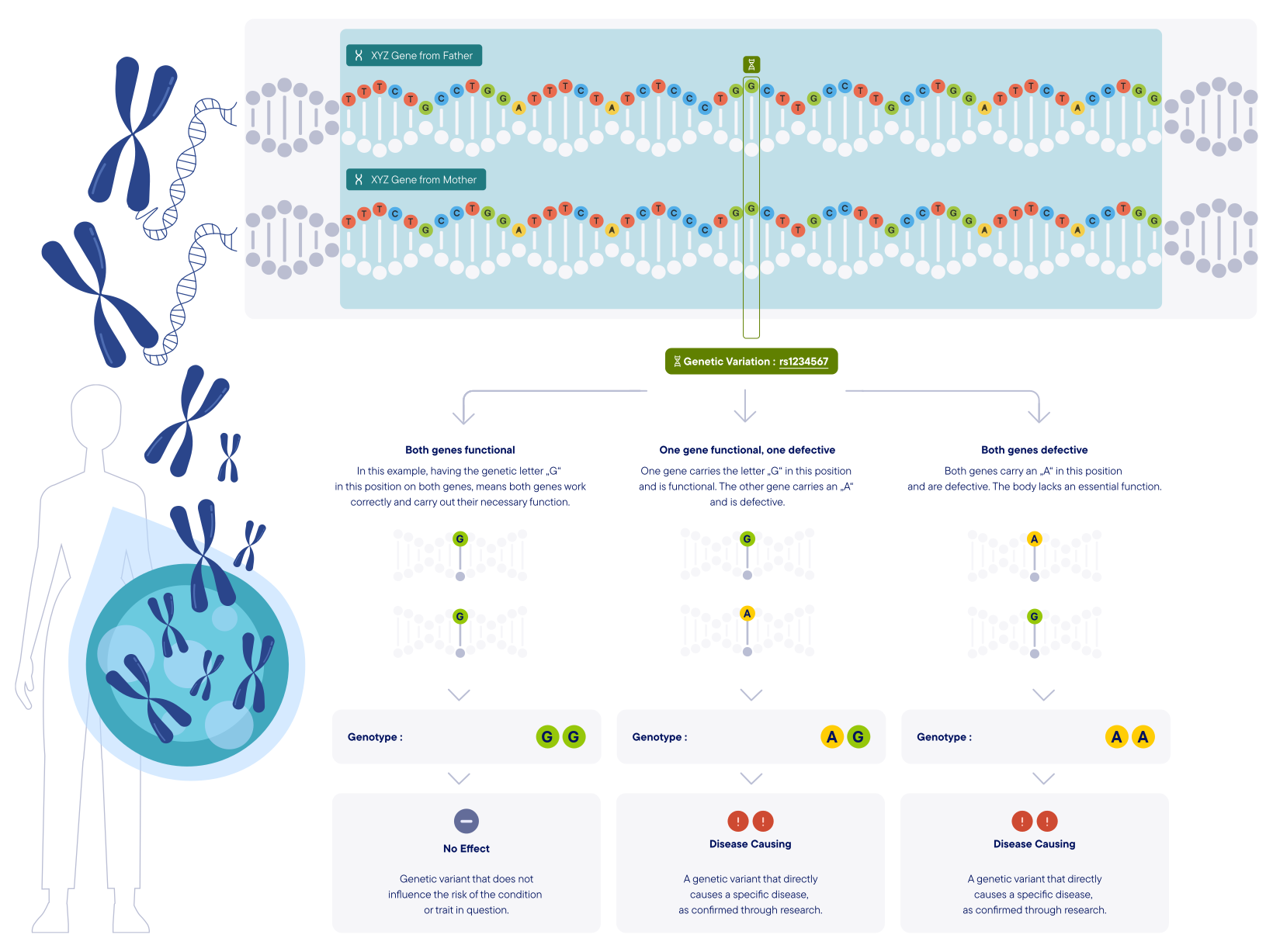
Humans have more than 20,000 genes, each carrying out one or a few specific functions in the body. One gene instructs the body to digest lactose from milk, another tells the body how to build strong bones and another prevents the body's cells from beginning to multiply uncontrollably and developing into cancer. As all of these genes combined are the building instructions for our body, a defect in one of these genes can have severe health consequences.
Through decades of genetic research, we know the genetic code of any healthy/functional human gene. We have also identified that in certain positions on a gene, some individuals may have a different genetic letter from the one you have. We call these hotspots "Genetic Variations" or "Variants" in short. In many cases, studies have been able to show that having the genetic letter "G" in the position makes you healthy, but having the letter "A" in the same position disrupts the gene function and causes a disease. Genopedia allows you to view these variants in genes and summarizes all that we know from scientific research, which genetic letters (Genotype) have good or bad consequences on your health or on your traits.
History
Families and communities once noticed patterns of uncommon breast lumps that behaved differently from typical cancers—slow to grow, sometimes found in younger adults, and often discovered by chance during a routine exam or after a minor ache. Notes from clinic visits decades ago describe people who felt a small, rubbery spot near the nipple while showering, then learned later it was a rare tumor with salivary‑gland–like cells.
First described in the medical literature as a salivary‑type tumor of the breast in the 1970s, acinic cell breast carcinoma drew attention because, under the microscope, the cells looked strikingly similar to those in the parotid gland. Initially understood only through symptoms, later reports tied its appearance to a more indolent course than many other breast cancers. Early pathologists relied on cell patterns and special stains to separate it from look‑alike tumors, and this careful work set the stage for more precise definitions.
From early theories to modern research, the story of acinic cell breast carcinoma reflects steady refinement rather than sudden breakthroughs. As medical science evolved, immunostaining and electron microscopy confirmed the “secretory” features that made it unique. With time, registries collected small case series, showing that while this cancer is rare, it can occur across a wide age range and often presents as a single, well‑defined mass. Not every early description was complete, yet together they built the foundation of today’s knowledge.
Advances in genetics later added another layer. DNA studies showed that acinic cell breast carcinoma does not share the common mutations seen in more typical breast cancers, and in some cases aligns more closely with salivary‑type tumor biology. This helped explain why its behavior can differ and why treatment plans may be adjusted to its distinct profile.
In recent decades, awareness has grown as more pathologists and oncologists recognize the pattern and code it accurately. That shift improved tracking, guided research on outcomes, and reassured many living with acinic cell breast carcinoma that a tailored approach is appropriate. Today’s care draws on this history: careful imaging and biopsy, thoughtful pathology review, and treatment choices that match the tumor’s pace rather than assumptions based on more common breast cancers.