
Acinetobacter infectious disease is an infection caused by Acinetobacter bacteria, most often A. baumannii. It commonly affects people in hospitals and can involve the lungs, blood, urine, skin, or wounds. Symptoms depend on the site and can include fever, cough or shortness of breath, painful urination, or redness and drainage from a wound. Acinetobacter infectious disease can be serious, and risk is higher in people in intensive care, on ventilators, with catheters, or with weak immune systems. Treatment usually involves targeted antibiotics and supportive care, but some strains are resistant, so doctors choose medicines based on test results.
Overview
Acinetobacter infectious diseaseSymptoms
Acinetobacter infectious disease causes symptoms based on where the infection is. Fever, chills, cough and shortness of breath with pneumonia; wound redness, swelling or pus; burning urination; and, with bloodstream infection, confusion or low blood pressure.
Outlook and prognosis
Many people with Acinetobacter infectious disease improve with prompt, targeted antibiotics and careful hospital care. Recovery can take time, especially after intensive care or ventilation, and some may feel weak or short of breath for weeks. Outcomes are best when treatment starts early and other health conditions are managed.
Causes and risk factors
Acinetobacter infectious disease can arise from exposure, especially in hospitals, via ventilators, catheters, wounds, or contaminated surfaces. Risks include ICU care, surgery, prior antibiotics, chronic lung disease, diabetes, and weakened immunity. Rare inherited immune defects and smoking further increase vulnerability.
Genetic influences
Genetics plays little direct role in Acinetobacter infectious disease; exposure, hospital stays, and device use matter more. Variations affecting immune response may influence susceptibility and recovery. Rarely, inherited conditions that weaken immunity raise risk and severity.
Diagnosis
Doctors diagnose Acinetobacter infectious disease by testing samples from suspected sites like blood, sputum, urine, or wounds for the bacteria and checking antibiotic susceptibility. They combine test results with imaging and symptoms to tell infection from harmless colonization.
Treatment and drugs
Treatment for Acinetobacter infectious disease focuses on targeted antibiotics based on lab testing, since many strains resist common drugs. Care teams may use combination therapy, adjust doses, and support breathing, fluids, or wound care. Infection-control steps help prevent spread.
Symptoms
Acinetobacter infectious disease can show up differently depending on where it takes hold—lungs, bloodstream, wounds, or the urinary tract. Early symptoms of Acinetobacter infectious disease often resemble common infections, such as fever, chills, cough, chest discomfort, burning with urination, or a sore, red wound. Symptoms vary from person to person and can change over time. If you recently had a hospital stay, surgery, or a catheter, any new fever or breathing trouble deserves attention.
A sudden fever, chills, or sweating are common. You may feel weak, achy, or unwell, especially after recent hospitalization or surgery. These can be early warning signs of an Acinetobacter infection.
New or worsening cough and shortness of breath can signal lung involvement. Chest tightness or pain when breathing and bringing up yellow or green phlegm may appear. This is more likely if you are on a ventilator or recovering from a respiratory illness.
A cut or surgical site may become more red, swollen, warm, and painful. You might notice pus, a bad smell, or the skin around it breaking down. Dressings may soak through faster than usual.
Burning or pain when peeing, going more often, or urgent trips to the bathroom can point to a urinary infection. Cloudy or bloody urine and lower belly discomfort may occur. People with catheters are at higher risk of Acinetobacter infection.
How people usually first notice Acinetobacter infectious disease?
Many people first notice Acinetobacter infection when a wound, surgical site, or catheter area becomes increasingly painful, red, and warm, or starts draining, along with a fever that doesn’t make sense for a typical “skin bug.” In hospitals, it’s often picked up when someone on a ventilator or with lines develops sudden breathing problems, a new or higher fever, or confusion, and lab tests of sputum, blood, or wound swabs grow Acinetobacter. If you or a loved one recently had hospital care and symptoms worsen instead of easing—especially after antibiotics—those are common first signs of Acinetobacter infectious disease.
Types of Acinetobacter infectious disease
Acinetobacter infectious disease can look different depending on where the bacteria settle in the body and a person’s health. Some people mainly notice lung symptoms, while others have wound, bloodstream, or urinary issues. Symptoms don’t always look the same for everyone. Clinicians often describe them in these categories to make it easier to compare types of Acinetobacter infections in day-to-day care.
Pneumonia type
This involves the lungs, with cough, fever, chest discomfort, and breathing trouble that can range from mild to severe. People on ventilators or with recent hospital stays are at higher risk, and symptoms may progress quickly.
Bloodstream infection
This is a serious form where the bacteria enter the blood, causing fever, chills, low blood pressure, and confusion. Skin may feel cool or clammy, and urgent care is needed to prevent sepsis.
Wound and skin
These infections follow injuries, surgery, or burns, leading to redness, swelling, pain, and pus-like drainage. The area may feel warm and tender, and healing can stall without targeted antibiotics.
Urinary tract
This type affects the bladder or kidneys, causing burning with urination, urgency, pelvic discomfort, or flank pain. Fever may develop, especially if the infection reaches the kidneys.
Device-associated
Central lines, catheters, and ventilators can serve as entry points, with symptoms depending on the device site, such as redness or pain around a line or new breathing difficulties. Removing or changing the device is sometimes part of treatment for these types of Acinetobacter infectious disease.
What genetics can tell you about symptoms
Certain strains carry resistance genes that make infections harder to treat, which can lead to longer-lasting fevers, persistent cough or wound drainage, and worsening breathing problems. Genes that boost surface “stickiness” help the bacteria cling to devices like ventilators, increasing pneumonia and bloodstream infection symptoms.
Causes and risk factors
Acinetobacter infectious disease occurs when these bacteria get into the body through the lungs, a wound, or an invasive device. Risk is higher after long hospital or nursing home stays and with ventilators or catheters, especially if you notice early symptoms of Acinetobacter infectious disease. Some risks are modifiable (things you can change), others are non-modifiable (things you can’t). Older age, a weak immune system, and chronic lung or kidney disease increase risk. Recent use of broad-spectrum antibiotics, smoking or heavy alcohol use, and rare inherited immune problems can also raise risk.
Environmental and biological risk factors
Acinetobacter infectious disease usually takes hold when this hardy hospital-linked germ finds a doorway into the body—through a breathing tube, a catheter, or an open wound. Some risks are carried inside the body, others come from the world around us. Understanding risk factors for Acinetobacter infectious disease explains why certain hospital situations carry more danger. For many, this risk shows up during a hospital stay, an ICU admission, or recovery after surgery.
This germ thrives in healthcare settings and can linger on bed rails, monitors, and doorknobs. Contact with contaminated surfaces or equipment raises the chance of Acinetobacter infectious disease. Outbreaks are more likely where cleaning or hand hygiene lapses occur.
Intensive care units bring frequent procedures, many devices, and exposure to highly resistant germs. Very sick patients are more vulnerable, and the density of equipment increases opportunities for contamination.
Central lines, urinary catheters, feeding tubes, and drains bypass the skin’s defenses and give bacteria a path inward. The longer these devices stay in place, the higher the risk of infection around the entry site.
Breathing machines and endotracheal tubes can allow bacteria to reach the lungs and cause pneumonia. Condensation in the tubing and frequent circuit handling add chances for contamination.
Genetic risk factors
Your genes can influence how well the immune system spots and clears Acinetobacter, so some people are more prone to infection or severe illness. Acinetobacter infectious disease is more likely in those with inherited immune problems or lung conditions present from birth that make it harder to clear bacteria. Risk is not destiny—it varies widely between individuals. Understanding genetic risk factors for Acinetobacter infectious disease can help guide testing and prevention.

Primary immunodeficiency: Inherited problems in the immune system can make it harder to recognize and clear Acinetobacter. This raises the chance of serious or repeated infections. Genetic testing may identify the specific condition.
Cystic fibrosis: Changes in the CFTR gene lead to thick, sticky mucus that traps germs in the lungs. People with cystic fibrosis have higher odds of airway infections, including Acinetobacter in some settings. Family history and newborn screening often point to this inherited risk.
Alpha-1 antitrypsin deficiency: This inherited liver and lung condition can damage airways over time, making it easier for bacteria to take hold. People with severe deficiency face more frequent lung infections, and Acinetobacter can be one of them. Testing family members can clarify who carries the deficiency.
Complement deficiencies: Missing or low complement proteins reduce the body’s ability to tag and clear Gram-negative bacteria like Acinetobacter. This can lead to harder-to-treat or recurrent infections. Family-linked patterns are common with these deficiencies.
Chronic granulomatous disease: This inherited white blood cell disorder limits the ability to kill certain bacteria. People with chronic granulomatous disease have more severe or unusual infections, and Acinetobacter can be one of the bacteria involved. Early diagnosis supports tailored infection prevention.
Congenital neutropenia: Inherited conditions that lower neutrophils reduce frontline defense against bacteria. This can increase the risk of bloodstream or lung infections from Acinetobacter. Regular monitoring helps guide prevention strategies.
Mannose-binding lectin deficiency: Common gene changes can lower this protein that helps the immune system recognize bacteria. Lower levels are linked with more frequent or severe infections, potentially including Acinetobacter. Some people remain symptom-free, while others face repeated illnesses.
Toll-like receptor variants: Small inherited differences in these immune sensors can blunt early detection of Gram-negative bacteria. That may raise susceptibility to Acinetobacter or worsen illness once infected. The impact differs from person to person.
Cytokine gene changes: Variants in genes that control inflammation can shift how strongly the body responds to infection. Certain patterns are linked to higher risk of sepsis or organ stress during Acinetobacter infectious disease. Research is ongoing to refine who is most affected.
Lifestyle risk factors
Daily habits can influence how likely you are to develop an infection and how severe it becomes if you encounter Acinetobacter. The lifestyle risk factors for Acinetobacter infectious disease largely relate to immune resilience, skin and airway defenses, and antimicrobial stewardship. Addressing these behaviors can reduce the chance of pneumonia, wound infections, or eye infections and may improve recovery.
Infrequent or ineffective handwashing makes it easier for the bacteria on surfaces to reach your mouth, nose, eyes, or wounds. Consistent soap-and-water or alcohol-based hand cleaning lowers transfer to airways and broken skin.
Tobacco smoke and vaping aerosols weaken airway cilia and local immune defenses, raising the odds of bacterial pneumonia if exposed. Quitting improves lung clearance, which may lower severity of Acinetobacter respiratory infections.
Heavy or binge drinking suppresses immune function and impairs cough and swallow reflexes, increasing aspiration and pneumonia risk. Reducing alcohol intake can strengthen host defenses during potential Acinetobacter exposure.
Short or poor-quality sleep blunts immune responses that help control bacterial growth. Keeping a regular, sufficient sleep schedule supports infection resistance and recovery.
Risk prevention
Acinetobacter infectious disease spreads mainly in hospitals and long-term care, especially in people with serious illness or medical devices. Some prevention is universal, others are tailored to people with specific risks. There’s no vaccine, so protection focuses on strict hygiene, careful device use, and smart antibiotic decisions. Families and caregivers can help by following the same simple steps as staff at the bedside.
Clean hands with soap and water or an alcohol rub before and after every patient, wound, or device touch. This lowers the chance of carrying Acinetobacter from one surface or person to another. Encourage everyone in the room to do the same.
In hospitals, gloves and gowns help stop spread to clothing and skin. Using dedicated equipment and single rooms when possible adds another layer of protection.
Catheters, IV lines, and ventilator tubing are common entry points. Insert them with sterile technique and remove them as soon as they’re no longer needed. Check daily that each device is still necessary.
Disinfect high-touch surfaces like bed rails, call buttons, and doorknobs regularly. Use hospital-grade products known to work against Acinetobacter. Clean shared equipment between each patient.

Transmission
Acinetobacter infectious disease usually spreads in hospitals and care facilities. It moves from person to person mainly through contact—touching contaminated surfaces or medical equipment, or when germs are carried on unclean hands.
People using breathing machines, feeding tubes, or catheters are at higher risk because the bacteria can enter through these devices; casual contact in the community rarely spreads it. Because Acinetobacter can survive on dry surfaces for days, good hand hygiene and cleaning are key; overall, it is less contagious than illnesses like the flu but can cause outbreaks when infection control lapses. If you’re wondering how Acinetobacter infectious disease spreads, think close contact in healthcare settings rather than everyday interactions.
When to test your genes
Testing your genes isn’t routinely needed for Acinetobacter infections, because this is an acquired, antibiotic-resistant bacteria, not a hereditary condition. Consider genetic testing only if advised by your clinician to guide drug dosing or immune-related care, such as known pharmacogenetic needs. Focus on culture and susceptibility testing, which directly tailors antibiotics.
Diagnosis
People often seek care when fever, chest symptoms, or a wound infection isn’t getting better, especially after a hospital stay or device use like a catheter or ventilator. Doctors usually begin with your story, a physical exam, and basic labs, then look for the source. Cultures from the likely site and blood samples are key because they identify the germ and guide treatment. Together, these steps help clarify how Acinetobacter infectious disease is diagnosed.
Clinicians ask about recent hospital stays, devices, and antibiotics, then check vital signs and the likely source (lungs, urine, wounds). This helps target the right tests and spot severe illness early.
Teams look for ventilators, central lines, urinary catheters, open wounds, or intensive care stays. These exposures raise the chance that Acinetobacter is the cause rather than a bystander.
A complete blood count and markers of inflammation can suggest an active infection. Kidney and liver tests help assess organ strain and guide safe antibiotic choices.
Samples are usually taken from two sites before antibiotics when possible. Positive results confirm bloodstream infection and allow precise identification of the organism.
Stages of Acinetobacter infectious disease
Acinetobacter infectious disease does not have defined progression stages. It can show up in different parts of the body—like the lungs, blood, or wounds—so the pattern and severity vary rather than moving through set steps. Different tests may be suggested to help confirm the source and choose effective antibiotics. Doctors usually diagnose it with cultures from blood, sputum, urine, or wound swabs, often paired with imaging if pneumonia is suspected, and they monitor recovery by tracking vital signs and lab markers along with early symptoms of Acinetobacter infectious disease such as fever, cough, shortness of breath, or new redness and pain around a wound.
Outlook and prognosis
Many people ask, “What does this mean for my future?”, especially after hearing a diagnosis of Acinetobacter infectious disease. Outlook depends on the site of infection, how quickly treatment starts, and whether the strain is resistant to multiple antibiotics. People with mild skin or urinary infections often recover fully, while pneumonia or bloodstream infections can be serious, particularly in intensive care settings or for those with weak immune systems. In medical terms, the long-term outlook is often shaped by both genetics and lifestyle.
Prognosis varies widely. Hospital-acquired Acinetobacter pneumonia and sepsis carry higher risks, and published studies report mortality ranging from about 20% to over 40% in severe cases, especially when the bacteria are resistant to many drugs. Early symptoms of Acinetobacter infectious disease—such as fever, shortness of breath, or confusion—should prompt urgent care because faster antibiotics and supportive treatment can lower complications. With appropriate antibiotics (sometimes combinations) and careful monitoring for organ strain, many people stabilize within days to weeks and return to usual activities.
Looking at the long-term picture can be helpful. After recovery, most people have no lasting issues, but those who were critically ill may need time to regain strength, and a small number can have lingering lung or kidney effects. Recurrence is uncommon outside healthcare settings but can happen if devices like ventilators or catheters remain in place, so prevention steps in the hospital matter. Talk with your doctor about what your personal outlook might look like, including risks tied to where the infection started, antibiotic resistance patterns in your area, and any health conditions that could affect recovery.
Long-term effects
Severe Acinetobacter infectious disease can lead to lingering health issues, especially after pneumonia, bloodstream infection, or a long hospital stay. Long-term effects vary widely, and many people recover fully while others need months to regain strength. People who received prompt care soon after early symptoms of Acinetobacter infectious disease often recover without lasting problems. Outlook depends on how sick someone was initially, other health conditions, and whether the bacteria were resistant to many antibiotics.
After severe pneumonia, some develop lung scarring that makes breathing feel harder with exertion. This can show up as shortness of breath, chest tightness, or a slower return to fitness.
Weeks of illness or an ICU stay can leave profound muscle loss and fatigue. Many need rehabilitation to rebuild strength and stamina.
Some notice brain fog, trouble focusing, or slower thinking after critical illness. These changes often improve over months but can linger in a few people.
Anxiety, low mood, or post-traumatic stress can follow a tough hospital stay. Sleep may be fragmented, which can add to daytime fatigue.
How is it to live with Acinetobacter infectious disease?
Living with an Acinetobacter infection can feel like your routine gets put on pause: extra clinic visits, IV antibiotics, and careful wound or device care can crowd the day, and fatigue or pain may slow normal activities. Hospital stays are common for more serious infections, and those can be isolating, while family or caregivers often take on new roles—helping with medications, transportation, and infection-control steps like hand hygiene. Many people worry about spreading the germ to loved ones, but simple precautions—good handwashing, cleaning shared surfaces, and following your care team’s guidance—significantly reduce that risk. With a clear treatment plan and support at home, most regain steadiness and return to usual routines as the infection resolves.
Treatment and drugs
Treatment for Acinetobacter infectious disease focuses on the right antibiotics plus careful supportive care like fluids, oxygen if needed, and wound care. Doctors usually start with lab tests to identify the bacteria and check which antibiotics will work, because many Acinetobacter strains resist common drugs. Medicines that ease symptoms are called supportive therapies, and you may also receive targeted antibiotics such as a carbapenem-sparing regimen, sulbactam-containing options, or combinations guided by culture results; in severe or resistant cases, newer agents (for example cefiderocol) or combination therapy may be used under specialist guidance. Treatment plans often combine several approaches, including removing or replacing infected lines or tubes and draining abscesses when present. Keep track of how you feel, and share this with your care team so they can adjust therapy, dose, and duration based on your response and any side effects.
Non-drug treatment
Non-drug care for Acinetobacter infectious disease focuses on supporting the body, controlling the infection’s source, and preventing spread in hospitals and at home. Beyond prescriptions, supportive therapies can shorten recovery time and lower the risk of complications. Spotting early symptoms of Acinetobacter infectious disease and seeking care promptly helps teams put these measures in place sooner. The mix of options varies by the site of infection and overall health.
Wearing gloves and gowns, using dedicated equipment, and limiting room-to-room spread helps protect others. These steps are especially important when Acinetobacter infectious disease occurs in the hospital.
Frequent handwashing with soap and water or sanitizer lowers the chance of passing germs. Reminding visitors and loved ones to clean hands on entry and exit adds another layer of safety.
Removing IV lines, catheters, or tubes that are no longer needed eliminates places where bacteria can linger. If a device must stay in, careful daily care and timely replacement reduce risk.
Gentle cleaning, regular dressing changes, and keeping wounds covered help them heal and block spread. In some cases, removing dead tissue supports recovery and lowers bacterial load.
Your genes may have an impact on how drugs work for you
Antibiotic response in Acinetobacter infections can hinge on both the bacteria’s genes, which drive resistance mechanisms, and your own genes, which affect how drugs are processed and tolerated. Together, these factors can shape which antibiotic, dose, and duration work best.
Pharmacological treatments
Antibiotics for Acinetobacter infectious disease are chosen based on lab testing that shows which drugs still work against your specific strain. In hospitals, these infections often need intravenous treatment and, for highly resistant bacteria, sometimes a combination of medicines. Not everyone responds to the same medication in the same way. Your team will explain why they’re selecting certain options, especially when planning treatment for drug-resistant Acinetobacter infectious disease.
Often used if the lab shows the bacteria is susceptible, because sulbactam can directly target Acinetobacter. First-line medications are those doctors usually try first, based on your infection type and test results. Dosing is typically intravenous in the hospital.
A newer option designed for difficult, carbapenem-resistant Acinetobacter, used in combination with sulbactam to restore activity. It’s given by IV and reserved for severe infections or when older drugs don’t work. Availability may vary by country.
An IV antibiotic that can be effective against multidrug-resistant Acinetobacter by using an iron-binding approach to enter the bacteria. It’s often considered when standard choices fail or the lab shows broad resistance. Doctors watch closely for response and side effects.
These older IV antibiotics can work when few options remain but carry kidney and nerve side effect risks. Dosing may be increased or lowered gradually to balance benefit and safety, with frequent lab checks. Inhaled colistin may be added for certain lung infections.
Genetic influences
Acinetobacter infectious disease is not something you inherit like eye color, and it doesn’t run in families in the usual sense. It’s natural to ask whether family history plays a role. Your own genes can still influence how your body handles this bacterium—differences in immune response, certain lung or skin conditions, or rare inherited immune deficiencies can change your chances of getting sick and how severe the infection becomes, especially in the hospital or when devices like catheters or ventilators are involved. The bacteria’s genes also matter: gene changes in Acinetobacter can boost its survival on surfaces and lead to resistance against multiple antibiotics, which affects how easily it spreads and how hard it is to treat. Because of this, doctors may test the bacteria from a patient’s sample to identify resistance genes and guide the choice of antibiotics, as well as to track outbreaks. Human genetic testing isn’t routine for Acinetobacter infectious disease, but if there’s concern about an inherited immune problem, a referral to genetic counseling may help clarify genetic susceptibility to Acinetobacter infection.
Is Acinetobacter infectious disease genetic?
Genetics plays little direct role in Acinetobacter infectious disease; exposure, hospital stays, and device use matter more. Variations affecting immune response may influence susceptibility and recovery. Rarely, inherited conditions that weaken immunity raise risk and severity.
Pharmacogenetics—how genetics influence drug effects
For people being treated for Acinetobacter infectious disease, genetics can influence both the bacteria we’re fighting and how your body handles certain antibiotics. The bacteria’s own genes drive resistance, so labs check cultures and may use rapid tests for resistance markers to choose targeted antibiotic treatment for Acinetobacter infectious disease. Genes can influence how quickly you clear some antibiotics, which can affect dosing and side effects. One well‑established example is a change in mitochondrial DNA (called MT‑RNR1) that greatly raises the risk of sudden, permanent hearing loss with aminoglycosides such as gentamicin; if this variant is known, doctors usually avoid these drugs when other options exist. Another inherited condition, G6PD deficiency, can lead to breakdown of red blood cells with certain “sulfa” antibiotics, so clinicians use alternatives when possible. Outside of these situations, pharmacogenetic testing is not routinely needed for antibiotics used in Acinetobacter infections, and choices are guided more by the bacteria’s test results, the site of infection, organ function, and potential drug interactions. Knowing about any personal or family history of serious reactions to aminoglycosides can help your care team tailor treatment.
Interactions with other conditions
For many in the hospital—especially in intensive care—Acinetobacter infectious disease often shows up alongside other health problems and can make a tough situation tougher. Doctors call it a “comorbidity” when two conditions occur together, and this bacterium tends to cause more serious illness in people living with diabetes, chronic lung disease like COPD, kidney or liver problems, cancer, or conditions that weaken the immune system. When viral infections such as influenza or COVID-19 are present, Acinetobacter can slip in as a secondary bacterial infection, particularly in people on ventilators or with invasive lines, and this can blur early symptoms of Acinetobacter infectious disease. Chronic lung conditions may face longer recoveries if pneumonia develops, while kidney or liver disease can limit which antibiotics are safe and how they’re dosed. People with wounds or burns are also at higher risk of skin or bloodstream infection, and prior broad‑spectrum antibiotics for other illnesses can make Acinetobacter harder to treat because of resistance. Close coordination between your care team helps balance treatments so medicines for one condition do not worsen another and so recovery plans account for all health issues at once.
How genes can cause diseases
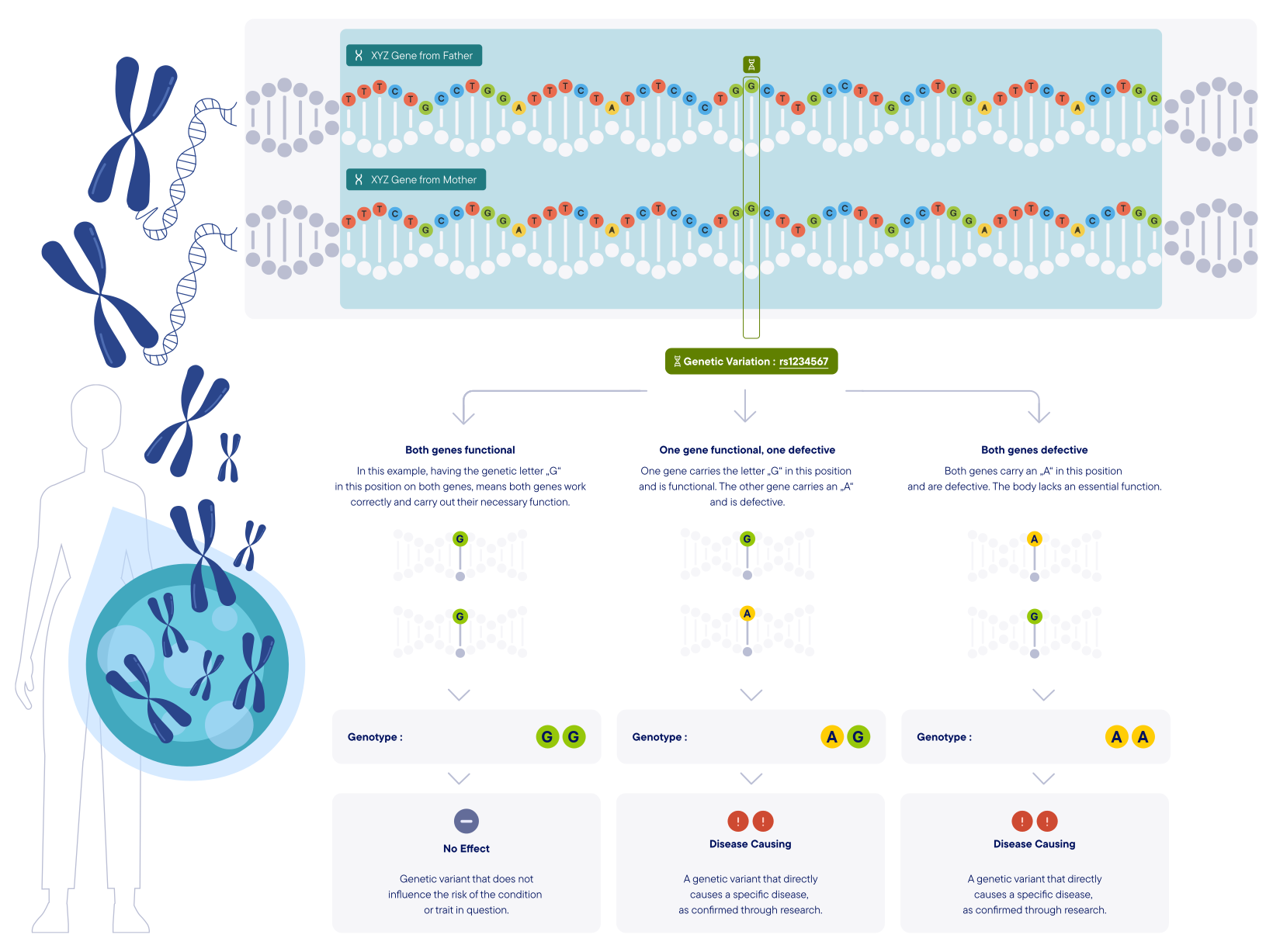
Humans have more than 20,000 genes, each carrying out one or a few specific functions in the body. One gene instructs the body to digest lactose from milk, another tells the body how to build strong bones and another prevents the body's cells from beginning to multiply uncontrollably and developing into cancer. As all of these genes combined are the building instructions for our body, a defect in one of these genes can have severe health consequences.
Through decades of genetic research, we know the genetic code of any healthy/functional human gene. We have also identified that in certain positions on a gene, some individuals may have a different genetic letter from the one you have. We call these hotspots "Genetic Variations" or "Variants" in short. In many cases, studies have been able to show that having the genetic letter "G" in the position makes you healthy, but having the letter "A" in the same position disrupts the gene function and causes a disease. Genopedia allows you to view these variants in genes and summarizes all that we know from scientific research, which genetic letters (Genotype) have good or bad consequences on your health or on your traits.
History
Throughout history, people have described sudden fevers and stubborn wound infections after injuries or battlefield care, long before anyone could name the germs involved. In the early 20th century, as hospitals expanded and antibiotics arrived, doctors began noticing a hardy, hospital-linked microbe that could linger on equipment and surfaces. First described in the medical literature as a group of closely related “Acinetobacter” organisms, it was initially seen as a low-grade threat. That view changed as cases of Acinetobacter infectious disease appeared in intensive care units and among people with serious injuries, ventilators, or catheters.
From these first observations, researchers realized this bacterium was unusually good at surviving dry conditions and disinfectants, which helped it spread in healthcare settings. Early antibiotic successes gave way to growing concern when some strains resisted multiple drugs. Reports after major conflicts, including injuries treated in field hospitals, highlighted how Acinetobacter could complicate wound care and recovery. Over time, descriptions became more precise, separating different species and connecting certain types—especially Acinetobacter baumannii—with severe pneumonia, bloodstream infections, and post-surgical wound infections.
As medical science evolved, hospital infection-control programs sharpened their focus on hand hygiene, equipment cleaning, and careful antibiotic use to limit Acinetobacter. In recent decades, awareness has grown that outbreaks often track with intensive antibiotic pressure and crowded care environments, and that timely lab testing is essential to find the right treatment. At the same time, improvements in microbiology allowed faster identification and better understanding of resistance patterns, guiding targeted therapy instead of broad, less effective drug choices.
Advances in genetics helped map how these bacteria swap resistance genes and adapt under antibiotic exposure. This work clarified why Acinetobacter infectious disease can be difficult to treat and why prevention is so important. Today, the historical path—from being considered a minor hospital contaminant to a recognized cause of serious, sometimes drug-resistant infections—shapes modern practice. It explains why clinicians emphasize careful device use, strict cleaning routines, and smart antibiotic stewardship to protect people most at risk, while researchers continue to develop new treatments and prevention strategies.