
Accessory nerve disease affects the eleventh cranial nerve, which controls some neck and shoulder muscles. People with accessory nerve disease often notice shoulder droop, weakness lifting the arm, neck pain, or trouble turning the head. Symptoms can start after surgery or injury, or less often from infection or a growth, and they may improve slowly or persist without treatment. The condition can affect adults of any age, and mortality is very rare. Treatment often includes physical therapy, pain control, and sometimes nerve repair or graft surgery.
Overview
Accessory nerve diseaseSymptoms
Accessory nerve disease can cause shoulder and neck problems: shoulder droop, trouble shrugging, pain. Early symptoms of accessory nerve disease often include weakness lifting the arm overhead and difficulty turning the head. Some notice shoulder blade winging and muscle loss.
Outlook and prognosis
Many people with accessory nerve disease improve with focused physical therapy and timely treatment, especially when weakness is caught early. Shoulder strength and neck movement can recover over months. If the nerve was severely injured, some may have lasting weakness but can adapt well.
Causes and risk factors
Accessory nerve disease often follows neck surgery or trauma; it can also stem from skull base tumors, compression, or radiation. Infections and inflammatory neuropathies occasionally contribute. Risk factors for accessory nerve disease include head/neck procedures, prior radiation, and mass lesions.
Genetic influences
Genetics play a limited role in accessory nerve disease. Most cases arise from injury, surgery, tumors, or inflammation rather than inherited variants. Rarely, genetic conditions affecting nerve structure or myelin can involve the accessory nerve as part of broader neuropathies.
Diagnosis
Doctors diagnose Accessory nerve disease through history and exam—shoulder droop, weak head turn, and reduced shoulder shrug. EMG/nerve conduction studies and neck imaging (ultrasound or MRI) help confirm the diagnosis of Accessory nerve disease and identify injury or compression.
Treatment and drugs
Treatment for accessory nerve disease focuses on protecting shoulder function and easing neck and shoulder pain. Care often includes targeted physical therapy, posture and activity adjustments, pain relief medicines, and sometimes nerve repair or tendon transfer surgery. Early referral to a neurologist and physiotherapist can improve recovery.
Symptoms
Lifting a grocery bag or brushing your hair can suddenly feel harder on one side. Accessory nerve disease affects the nerve that helps control neck rotation and shoulder lift. Symptoms vary from person to person and can change over time. Early symptoms of Accessory nerve disease often include shoulder droop, trouble shrugging, and neck weakness that worsens with overhead tasks.
One shoulder may sit lower, making jackets or bra straps slip. This droop can become more obvious after carrying a bag or by the end of the day.
Shrugging the affected shoulder feels weak or uneven. With Accessory nerve disease, you may struggle to lift the shoulder against gentle pressure.
Reaching up to place items on a shelf, wash hair, or change a bulb can be tiring on the affected side. The arm may fatigue early or feel heavy above shoulder height. You might rely on the other arm to finish the task.
Clinicians call this scapular winging, which means the shoulder blade sticks out from the back. It can rub or ache after activity. People often notice it when pushing against a wall.
How people usually first notice Accessory nerve disease?
People usually first notice accessory nerve disease when one shoulder starts to droop and everyday tasks like lifting the arm above the head, brushing hair, or carrying a bag feel weak or awkward. Some feel aching or burning along the neck and shoulder, and others spot the shoulder blade sticking out a bit when pushing against a wall; doctors often confirm it by seeing limited shoulder elevation and weakness in the trapezius muscle. These first signs of accessory nerve disease often appear after neck surgery, a biopsy in the upper neck, or a traumatic injury, but they can also develop without a clear trigger.
Types of Accessory nerve disease
Accessory nerve disease affects the nerve that powers the sternocleidomastoid and trapezius muscles, which help you turn your head and lift your shoulder. In practice, this condition shows up in a few predictable ways depending on where and how the nerve is affected. Clinicians often describe them in these categories: injuries along the nerve’s path, issues at the skull base, and problems at the spinal cord level. Understanding these types of Accessory nerve disease can make the day-to-day differences clearer, especially when comparing shoulder droop, neck rotation weakness, and pain patterns.
Spinal root lesions
Damage starts where the nerve leaves the spinal cord. People often notice neck weakness when turning the head away from the injured side and shoulder droop. Reflex and sensory changes in nearby areas may accompany muscle weakness.
Foramen magnum lesions
Compression or injury occurs where the nerve passes through the base of the skull. Neck rotation and shoulder elevation both weaken, sometimes with headache or pain at the back of the head. Nearby lower cranial nerves can be involved, changing voice or swallowing.
Jugular foramen syndrome
The nerve is affected as it exits with other lower cranial nerves. Shoulder shrug becomes weak and the shoulder sits lower, and turning the head can feel tiring. Hoarseness or swallowing trouble may appear if neighboring nerves are involved.
Cervical segment injuries
Trauma or surgery in the upper neck disrupts the nerve’s course. Shoulder pain, scapular winging, and trouble lifting the arm above shoulder level are common. Symptoms can worsen with overhead activity or carrying bags.
Iatrogenic injury
The nerve is unintentionally injured during procedures like lymph node biopsy or neck dissection. People may quickly notice one-sided shoulder droop and difficulty elevating the shoulder, sometimes with burning pain. Early symptoms of Accessory nerve disease after surgery often include fatigue with simple tasks like brushing hair.
Compression neuropathy
The nerve is pressed by scar tissue, enlarged lymph nodes, or rare masses. Weakness can develop gradually with aching along the neck and shoulder. Symptoms may ease when pressure is relieved and return with certain head positions.
Inflammatory neuropathy
The nerve becomes inflamed after infection, autoimmune flare, or idiopathic neuritis. Sudden shoulder pain may be followed by weakness and thinning of the trapezius over weeks. Recovery can be partial or complete over months.
Penetrating trauma
The nerve is cut or severely damaged by sharp injury. Immediate shoulder droop and marked difficulty lifting the shoulder are typical. Numbness may be minimal because the nerve is mainly motor.
What genetics can tell you about symptoms
Some people with accessory nerve disease linked to HOXA1 or SOX10 changes notice weak shoulder lifting, shoulder droop, and trouble turning the head. When these genes don’t guide nerve development properly, the nerve’s signal to the trapezius and sternocleidomastoid muscles is reduced.
Causes and risk factors
Accessory nerve disease often follows injury or surgery in the side of the neck. Other causes include tumors, infections, or inflammation that press on or irritate the nerve. Risk factors for accessory nerve disease include neck operations, past radiation, and sports or accidents that strain the neck and shoulder. Doctors distinguish between risk factors you can change and those you can’t. Rarely, some are born with differences in this nerve, and certain inherited nerve problems can raise vulnerability a little.
Environmental and biological risk factors
When the accessory nerve is affected, the shoulder and neck can feel weak, making simple acts like drying your hair or carrying groceries harder. We focus here on what raises the chances of this problem—factors inside the body and exposures around you that can affect the nerve. Doctors often group risks into internal (biological) and external (environmental). Early symptoms of accessory nerve disease may include shoulder droop, difficulty lifting the arm above shoulder level, or aching near the shoulder blade.
Operations in the side of the neck can stretch, cauterize, or cut the spinal accessory nerve. Lymph node removal, carotid or thyroid surgery, and neck dissections carry particular risk. This is a leading cause of accessory nerve disease.
Blunt hits, whiplash, or penetrating injuries can damage the nerve directly. Swelling or bleeding after injury can also squeeze the nerve as it crosses the side of the neck.
Cancers, benign growths, or enlarged lymph nodes can press on the nerve along its path. Slow, steady pressure may weaken shoulder muscles over time. This compression can lead to accessory nerve disease.
Throat or neck infections can inflame nearby tissues and lymph nodes. This swelling can irritate or compress the nerve until the infection settles.
Genetic risk factors
Genetic causes of Accessory nerve disease are uncommon, but they exist. They include inherited nerve conditions, rare developmental differences, and genetic tumor syndromes that can press on the nerve.
Carrying a genetic change doesn’t guarantee the condition will appear. When early symptoms of Accessory nerve disease appear in several relatives, it can point to a shared inherited nerve condition.

CMT neuropathies: This inherited group of neuropathies weakens peripheral nerves over time. Though cranial nerves are less often involved, some people develop shoulder droop or neck weakness from accessory nerve involvement in Accessory nerve disease. Many different genes can cause CMT, and family patterns vary.
HNPP syndrome: This hereditary condition makes nerves unusually sensitive to pressure and stretch. Short episodes of numbness or weakness can affect different nerves, and in some people the spinal accessory nerve develops a focal palsy. Relatives across generations may have similar patterns.
Tumor syndromes: Inherited conditions such as neurofibromatosis type 2 and schwannomatosis raise the chance of nerve‑sheath tumors. When these tumors grow near the skull base or neck, they can compress the spinal accessory nerve and cause features of Accessory nerve disease. Family history of multiple nerve tumors or early hearing problems can be a clue.
Congenital nerve differences: Rarely, the spinal accessory nerve forms differently before birth, with partial absence or thin segments. This can lead to lifelong shoulder weakness from childhood, sometimes alongside other developmental differences. These changes can occur sporadically or, less commonly, run in families.
Lifestyle risk factors
Certain habits can raise or lower the chance of injuring the accessory (spinal accessory) nerve or worsening shoulder and neck dysfunction after it’s affected. Below are lifestyle risk factors for Accessory nerve disease and practical ways to reduce strain on this nerve. Diet and exercise matter mainly through effects on nerve health, muscle support, and injury risk.
High-impact sports and poor tackling technique can cause neck trauma that injures the accessory nerve. Proper coaching, neck-strengthening, and protective gear may lower that risk.
Heavy or poorly executed overhead presses or manual work can traction or compress the nerve. Using correct form, gradual load progression, and spotters can reduce injury.
Prolonged forward head posture and elevated shoulders increase trapezius strain and potential nerve compression. Ergonomic setups and frequent micro-breaks can lessen neck load.
Single-strap bags or heavy backpacks can compress the nerve path in the posterior triangle. Distributing weight evenly and lightening loads protects the nerve.
Risk prevention
Accessory nerve disease often happens after neck surgery, trauma, or pressure on the nerve that controls shoulder movement. Knowing your risks can guide which preventive steps matter most. You can’t remove every risk, but you can lower the chance of injury and catch problems early. Talk with your care team before procedures, protect your neck and shoulders in daily life, and seek prompt care if new shoulder weakness appears.
If you need neck surgery, choose a surgeon who regularly operates in this area and asks about protecting the accessory nerve. Nerve-sparing techniques and monitoring can reduce the chance of accessory nerve disease.
Before neck injections, biopsies, or central lines, ask whether ultrasound guidance and nerve-safe approaches will be used. This lowers the risk of accidental accessory nerve injury.
Use proper technique and protective gear for contact sports to avoid sudden traction to the neck and shoulder. Report new shoulder droop or difficulty shrugging right away, which could signal accessory nerve disease.
Keep backpacks and bags light, use two straps, and switch sides to avoid constant pressure on one shoulder. This helps protect the nerve’s path in the neck and shoulder area.

Transmission
Accessory nerve disease is not contagious; you can’t catch it from someone else. It isn’t transferred through coughing, touch, sex, blood, food, or water, and there’s no risk from everyday contact.
Most cases are acquired, often after neck surgery, an injury, or pressure from nearby tissue; this is damage to the nerve, not a spreadable illness. Very rarely, a broader infection or an immune condition can inflame the nerve, but that underlying issue—not person-to-person spread—explains the problem. If you’re wondering whether Accessory nerve disease is contagious or how infectious Accessory nerve disease is, it doesn’t spread between people.
When to test your genes
Accessory nerve disease is usually diagnosed with a focused neurologic exam and imaging; genetic testing is rarely needed unless symptoms start early in life, run in families, or come with other nerve or muscle problems. Consider testing if multiple relatives have similar shoulder droop or weakness, or if a specialist suspects a hereditary neuropathy. If you’re unsure, ask a neurologist or genetic counselor to review your history and guide next steps.
Diagnosis
For many, the first clue is a new shoulder droop or trouble lifting the arm after neck surgery or a sports injury. Doctors usually begin with a careful history and exam to see how the neck and shoulder muscles are working. The diagnosis of Accessory nerve disease is based on these findings and confirmed with a few targeted tests. This helps separate nerve injury from common shoulder problems like a rotator cuff tear.
Your provider asks about recent surgeries, injuries, and when symptoms began. They check for shoulder droop, difficulty shrugging, and head-turn strength.
The trapezius and sternocleidomastoid muscles are tested against resistance. Patterns of weakness help point to accessory nerve involvement.
EMG measures the electrical activity of affected muscles to confirm nerve-related weakness. Nerve conduction studies may be added to map how well signals travel along the nerve.
Imaging looks for pressure on the nerve at the skull base or in the neck, and checks for tumors, cysts, or scarring. These scans also help plan treatment if a structural cause is found.
Stages of Accessory nerve disease
Accessory nerve disease does not have defined progression stages. Changes usually depend on the cause—such as a neck injury, surgery, or pressure on the nerve—so shoulder and neck weakness may appear suddenly or build up over weeks, and recovery can vary. Doctors usually start with a conversation about your symptoms and check shoulder height, arm lift, and head-turning strength; early symptoms of accessory nerve disease may be subtle, like easy fatigue or aching after overhead tasks. Diagnosis and follow-up often use a focused exam along with nerve tests such as EMG and imaging like ultrasound or MRI to pinpoint where the nerve is affected and track improvement.
Outlook and prognosis
Many people ask, “What does this mean for my future?”, especially if neck weakness, shoulder droop, or trouble lifting the arm started after an injury or surgery and a clinician suspects accessory nerve disease. The outlook depends on what caused the nerve problem and how quickly treatment started. Early care can make a real difference, including physical therapy to keep the shoulder moving and pain under control, and, when needed, nerve repair. Some people notice steady gains over months as the nerve heals, while for others the shoulder blade continues to wing and the arm tires easily with overhead tasks like placing dishes on a shelf.
Doctors call this the prognosis—a medical word for likely outcomes. If the nerve was stretched or mildly compressed, recovery can be good, with strength improving over 6 to 12 months and function returning for many living with accessory nerve disease. When the nerve is cut, outcomes are more variable: timely surgical repair or nerve transfer can restore useful movement, but full strength may not return. In rare cases linked to tumor pressure or widespread nerve disease, progress is slower and long-term limits are more likely. Knowing the early symptoms of accessory nerve disease—like sudden shoulder droop after a neck procedure—can help you seek prompt care that protects muscle and joint health.
With ongoing care, many people maintain independence in daily activities and adapt routines to reduce strain, such as using lower shelves or taking breaks during overhead work. Mortality is not directly increased by accessory nerve disease; the main risks are chronic shoulder pain, stiffness, and reduced range of motion if the problem goes untreated. Looking at the long-term picture can be helpful. Talk with your doctor about what your personal outlook might look like, including whether imaging, nerve tests, or a surgical opinion could improve your chances of recovery.
Long-term effects
For many, day-to-day tasks like lifting a grocery bag or reaching a top shelf become harder and stay that way without full nerve recovery. Early symptoms of accessory nerve disease—such as shoulder droop or trouble raising the arm—may improve, but some people continue to notice weakness or fatigue months to years later. Long-term effects vary widely, with some regaining near-normal function and others living with persistent shoulder dysfunction. The overall outlook often depends on how complete the nerve injury is and how quickly it began to recover.
The shoulder may feel unstable, especially when lifting the arm out to the side or above shoulder level. This often persists if the trapezius muscle doesn’t fully regain strength. Daily tasks like putting items in a cabinet can remain tiring.
The shoulder blade can stick out or tilt, changing how the shoulder moves. This can make reaching and overhead work awkward or shaky. Clothes may sit unevenly on the shoulder.
Getting the arm fully overhead can stay difficult. People with accessory nerve disease often develop stiff, guarded movement to compensate. Repetitive overhead actions can feel weak or unsteady.
Aching across the top of the shoulder and neck may continue, especially after activity. Some feel a deep, pulling discomfort where the shoulder blade meets the spine. Pain may flare with long computer sessions or carrying bags.
How is it to live with Accessory nerve disease?
Living with accessory nerve disease often means shoulder weakness, trouble lifting the arm above shoulder height, and a shoulder blade that sticks out, which can make simple tasks like reaching a shelf, washing hair, carrying groceries, or fastening a seatbelt tiring or painful. Many notice neck or shoulder pain by day and aching at night, along with fatigue from compensating with other muscles. Work and hobbies that rely on overhead motion, manual labor, or fine shoulder control may need adjustments, and people close to you may help with lifting, driving, or household tasks while learning positioning tips to avoid strain. With targeted physical therapy, smart pacing, and ergonomic tweaks, many regain confidence in daily routines and reduce the impact on both themselves and those around them.
Treatment and drugs
Treatment for accessory nerve disease focuses on easing pain, improving shoulder movement, and protecting muscle strength while the nerve heals or while doctors address the cause. Early on, rest, anti-inflammatory medicines, and targeted physical therapy help reduce neck or shoulder pain and prevent stiffness; in some cases, a soft collar or taping supports the shoulder to limit strain. Doctors sometimes recommend a combination of lifestyle changes and drugs, such as pain relievers, nerve-pain medicines, and occasional steroid injections to calm inflammation. If the nerve is trapped or cut—after surgery or injury—surgical repair or nerve transfer may be considered, followed by intensive rehabilitation to retrain shoulder function. Supportive care can make a real difference in how you feel day to day, so ask your doctor about the best starting point for you.
Non-drug treatment
Non-drug care focuses on restoring shoulder movement, easing pain, and protecting the neck and upper back while the nerve recovers. Non-drug treatments often lay the foundation for daily function in Accessory nerve disease, whether the cause is injury or surgery. Starting early can help prevent stiffness and secondary problems like frozen shoulder. Plans are tailored to symptoms, strength, and your daily activities.
Gentle range-of-motion work keeps the shoulder from stiffening and reduces pain. Targeted strengthening and scapular control help the trapezius and neck work together again. Starting when early symptoms of Accessory nerve disease appear can protect flexibility.
Therapists teach safer ways to reach, lift, dress, and work without overloading the weak shoulder. Some non-drug options are delivered by specialists, including training in joint protection and energy-saving techniques. Simple home tools can make daily tasks easier.
Focused exercises retrain the shoulder blade to glide smoothly and reduce winging. Strengthening nearby helpers, like the middle back and rotator cuff, supports the underpowered trapezius. This can lessen shoulder droop in Accessory nerve disease.
Adjusting desk height, keyboard position, and monitor level reduces neck strain. Simple routines—like taking stretch breaks or shifting your bag to the other shoulder—can have lasting benefits. Side-sleeping with a supportive pillow can also ease morning tightness.
Your genes may have an impact on how drugs work for you
Medicines used for accessory nerve disease—like pain relievers, muscle relaxants, or nerve‑targeting agents—can work differently based on your genes, which influence drug metabolism and sensitivity. Pharmacogenetic testing may guide safer dosing and help avoid side effects.
Pharmacological treatments
Shoulder droop and neck ache can make simple tasks like washing your hair or lifting a bag feel harder. Early symptoms of accessory nerve disease often include shoulder or neck pain, and medicines aim to reduce pain, calm irritated nerves, and ease muscle spasm. Not everyone responds to the same medication in the same way. Your care team will match drug choices to your symptoms, other health conditions, and how you’re tolerating treatment.
Over-the-counter options like ibuprofen or naproxen can ease sore, inflamed tissues around the shoulder and neck. Acetaminophen can help with pain when anti-inflammatories aren’t a good fit. Talk with your clinician if you have stomach, kidney, or heart concerns.
A brief taper of prednisone or a methylprednisolone dose pack may reduce swelling around the nerve after acute injury or inflammation. This is usually time-limited because longer use raises side-effect risks.
Gabapentin or pregabalin can calm irritated nerves and reduce burning, shooting pain. Duloxetine or low-dose amitriptyline are alternatives that can also help with sleep when pain keeps you up.
Cyclobenzaprine or tizanidine may ease muscle spasm in the neck and shoulder while the nerve recovers. These can cause drowsiness, so many people take them in the evening.
Genetic influences
In most people, accessory nerve disease is not inherited; it more often follows neck surgery, injury, or pressure from nearby growths. It’s natural to ask whether family history plays a role. Genetics can contribute in a small number of cases, such as when someone has a broader, inherited nerve condition that makes individual nerves more sensitive to pressure, or when the cranial nerves develop differently before birth. In these situations, the accessory nerve may be one of several nerves affected, and relatives might have similar nerve symptoms to varying degrees. If doctors suspect genetic causes of accessory nerve disease—because symptoms started early, involve both sides, or come with other nerve problems—they may suggest genetic counseling and, in select cases, testing. Even when a gene change is found, results usually point to risk rather than a definite outcome, and care focuses on protecting the nerve and easing symptoms.
Is Accessory nerve disease genetic?
Genetics play a limited role in accessory nerve disease. Most cases arise from injury, surgery, tumors, or inflammation rather than inherited variants. Rarely, genetic conditions affecting nerve structure or myelin can involve the accessory nerve as part of broader neuropathies.
Pharmacogenetics—how genetics influence drug effects
For people with Accessory nerve disease, medicines are often used for pain control, muscle spasm, or around surgery, and your genes can sometimes shape how well these drugs work and whether you get side effects. Genes can influence how quickly you break down certain pain relievers or nerve‑pain medicines, which can change the dose that works best. Differences in drug‑processing genes can make codeine or tramadol either too weak or too strong, and may also affect how you respond to common anti‑inflammatory painkillers.
If surgery or nerve repair is planned, rare inherited traits can affect how your body handles some anesthesia drugs, so the anesthesia team may choose alternatives for safety. A small number of people carry genetic markers linked to severe skin reactions with carbamazepine (an anti‑seizure medicine sometimes used for nerve pain), and testing is advised in some populations before starting it. While genetics usually won’t change the core treatment for Accessory nerve disease, they can help tailor medication options for accessory nerve disease and lower the chance of side effects.
Interactions with other conditions
Day to day, shoulder or neck problems can blur the picture—people may mistake early symptoms of Accessory nerve disease for a rotator cuff tear or “pinched nerve,” which can delay the right care. Doctors call it a “comorbidity” when two conditions occur together, and that’s common here: cervical spine disease, brachial plexus injuries, and rotator cuff disorders can all amplify shoulder droop, pain, and limited overhead reach from Accessory nerve disease. When the issue starts higher up near the skull base, it may overlap with nearby cranial nerves; tumors, trauma, or inflammation in that area can involve the glossopharyngeal and vagus nerves too, leading to hoarseness or swallowing trouble alongside shoulder weakness. Infections such as Lyme disease and autoimmune nerve conditions can affect multiple nerves at once, so weakness from Accessory nerve disease may come with facial or other cranial symptoms. Diabetes or low thyroid levels can slow nerve healing and muscle recovery, making rehabilitation after Accessory nerve disease take longer. Cancer treatments in the neck—like lymph node surgery or radiation—may trigger or worsen the problem, and coexisting shoulder joint disease can make pain and function feel worse than the nerve injury alone.
How genes can cause diseases
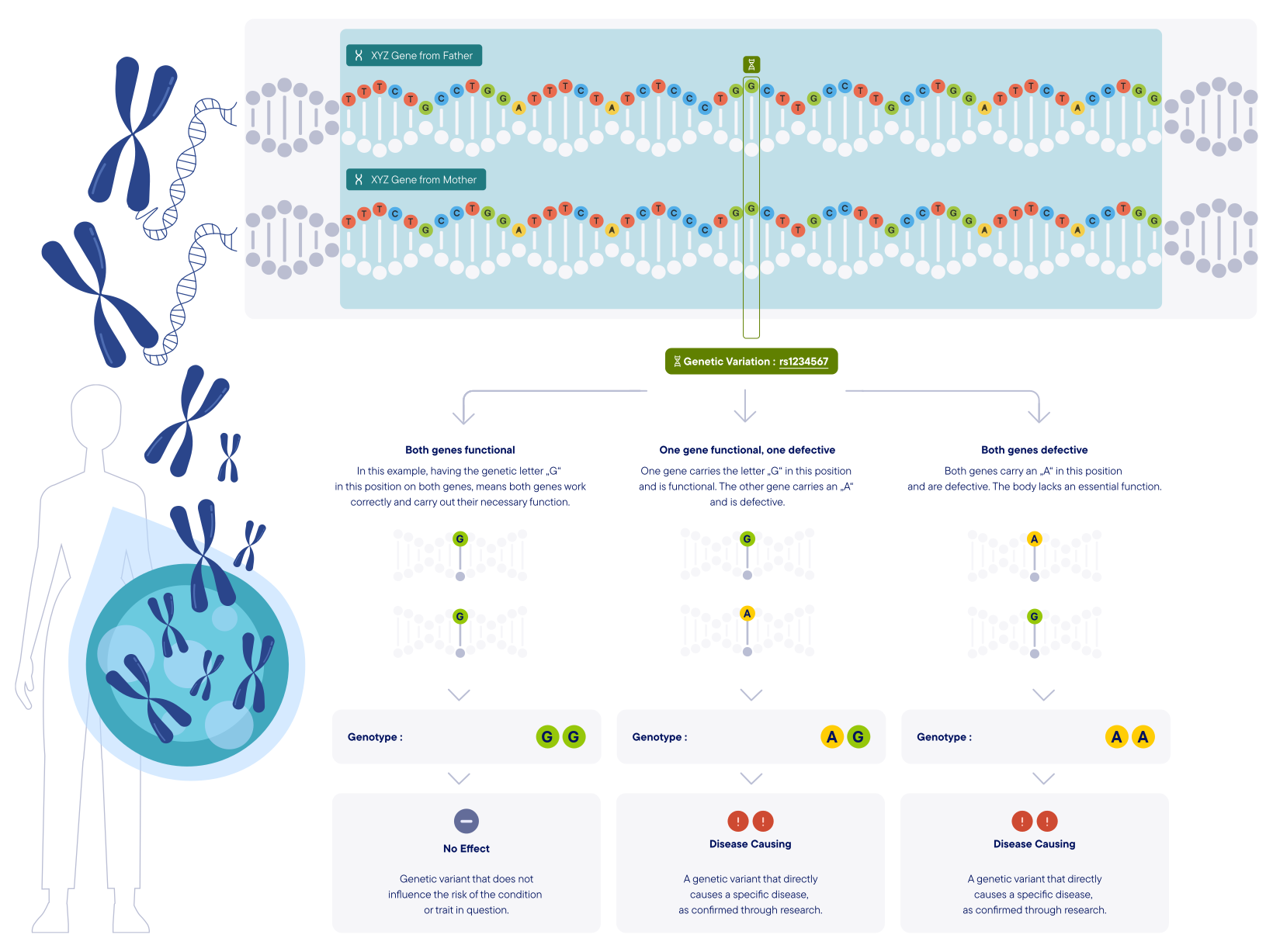
Humans have more than 20,000 genes, each carrying out one or a few specific functions in the body. One gene instructs the body to digest lactose from milk, another tells the body how to build strong bones and another prevents the body's cells from beginning to multiply uncontrollably and developing into cancer. As all of these genes combined are the building instructions for our body, a defect in one of these genes can have severe health consequences.
Through decades of genetic research, we know the genetic code of any healthy/functional human gene. We have also identified that in certain positions on a gene, some individuals may have a different genetic letter from the one you have. We call these hotspots "Genetic Variations" or "Variants" in short. In many cases, studies have been able to show that having the genetic letter "G" in the position makes you healthy, but having the letter "A" in the same position disrupts the gene function and causes a disease. Genopedia allows you to view these variants in genes and summarizes all that we know from scientific research, which genetic letters (Genotype) have good or bad consequences on your health or on your traits.
History
Throughout history, people have described shoulder weakness that made it hard to lift the arm or hold the head straight after injuries to the neck. Sailors hauling lines, tailors leaning over tables, and wrestlers with sudden neck twists all left accounts of aching shoulders that shrank in size over weeks. Today we recognize many of these stories as likely involving the accessory nerve, a key nerve that powers the trapezius and sternocleidomastoid muscles.
First described in the medical literature as damage to the “spinal accessory,” early reports focused on shoulder droop and difficulty turning the head after neck wounds. Surgeons in the 18th and 19th centuries noticed that people who had deep cuts, infections, or later, operations in the side of the neck often developed a persistent “winged” shoulder blade and fatigue when raising the arm. These clinical features helped map the course of the accessory nerve long before imaging existed.
Over time, descriptions became more precise. As anatomy teaching expanded, doctors traced the nerve from the upper spinal cord through the neck, explaining why even small procedures behind the jaw or along the lymph nodes could affect it. With the rise of neck surgery for tumors and enlarged glands in the early 20th century, accessory nerve disease was increasingly reported as an avoidable complication, and surgical techniques were adjusted to protect the nerve whenever possible.
In recent decades, awareness has grown that accessory nerve disease is not only a surgical issue. Case series highlighted stretch injuries from sports, birth positioning, or sudden neck movements, as well as rare inflammatory causes. Electrical studies and ultrasound allowed clinicians to confirm nerve injury earlier, distinguishing it from shoulder joint problems or rotator cuff tears that can look similar in day-to-day life.
Building on this early work, scientists refined rehabilitation approaches. Physical therapy shifted from generic shoulder exercises to targeted strengthening of the shoulder blade stabilizers, based on a better understanding of how the trapezius functions when the accessory nerve is impaired. Microsurgical repair and nerve grafting also developed, giving some people options when recovery stalled.
Genetics has played only a small role here, mainly in mapping normal nerve development and why certain people may be more prone to nerve injury or scarring, but accessory nerve disease itself is most often acquired. Still, the historical arc—from battlefield injuries and surgical mishaps to careful nerve-sparing techniques and early recognition—shaped the way clinicians approach neck and shoulder symptoms today.
Knowing the condition’s history helps explain why doctors carefully examine neck scars, test head turn and shoulder shrug, and order nerve studies when early symptoms of accessory nerve disease appear. Each step in this timeline has improved outcomes, turning a once-misunderstood source of chronic shoulder trouble into a condition that many clinicians can now diagnose and manage promptly.