
Acanthosis nigricans causes velvety, darker patches of skin, most often on the neck, armpits, or groin. It is usually long‑lasting and may slowly worsen if the underlying cause is not treated. Many people with acanthosis nigricans have insulin resistance or obesity, and it can appear in children, teens, and adults. The condition itself is not dangerous, and mortality is tied to the cause rather than to acanthosis nigricans. Treatment focuses on addressing the driver, such as weight management or diabetes care, and using gentle skin care or prescription creams for appearance and comfort.
Overview
Acanthosis nigricansSymptoms
Acanthosis nigricans causes dark, velvety, thicker skin patches, most often on the neck, armpits, or groin. Areas may itch or smell more and develop small skin tags. Early symptoms of acanthosis nigricans are usually cosmetic and painless.
Outlook and prognosis
Most people with acanthosis nigricans improve when the underlying driver—often insulin resistance, weight changes, or a medication—is addressed. Skin thickening and dark patches can fade gradually over months, though touch-up care may still help. Regular check-ins guide prevention and catch recurrences early.
Causes and risk factors
Acanthosis nigricans often links to insulin resistance and obesity, including type 2 diabetes and PCOS. Other risks include certain medicines, hormonal disorders, and family history; it’s more common in ethnic groups. Rarely, sudden onset in older adults signals cancer.
Genetic influences
Genetics play a modest role in acanthosis nigricans. Most cases relate to insulin resistance, weight, medications, or hormonal conditions, though rare inherited forms exist. Family history can raise risk, but lifestyle and metabolic factors usually drive it.
Diagnosis
Doctors diagnose Acanthosis nigricans by examining the skin and medical history. Tests often assess underlying causes—such as blood glucose/insulin, thyroid or hormone levels, medications—and rarely imaging for cancer. A skin biopsy confirms uncertain cases; diagnosis of Acanthosis nigricans is clinical.
Treatment and drugs
Treatment for acanthosis nigricans focuses on the cause and skin care. Doctors often address insulin resistance, weight, or medications that might trigger it, and may use topical retinoids, vitamin D creams, or chemical peels for texture. Managing related conditions often softens and lightens the patches.
Symptoms
With acanthosis nigricans, people often notice patches of skin that look darker and feel thicker, especially in body folds. Early symptoms of acanthosis nigricans are often a faint darkening—like a ring on the back of the neck or under the arms that doesn’t wash off. The changes are often subtle at first, blending into daily life until they become more noticeable. Areas can itch or feel irritated, but many people have no discomfort.
Patches of skin turn a shade darker than the surrounding area. In acanthosis nigricans, they do not wash off and may look like a faint stain or shadow.
The skin feels thicker with a velvety or slightly rough texture. This velvety thickening is a classic feature of acanthosis nigricans.
The back of the neck, armpits, and groin are the most frequent spots. Under the breasts and between skin folds are also common, and acanthosis nigricans most often shows in these areas.
Some areas itch or feel irritated, especially with heat, sweat, or friction. Trapped moisture in folds can cause a mild odor.
How people usually first notice Acanthosis nigricans?
People often first notice acanthosis nigricans as areas of skin that look velvety, thicker, and darker than their usual skin tone, most commonly on the back of the neck, armpits, or groin. You might mistake it for dirt or a rash at first, but it doesn’t wash off and can feel slightly rough; some people also notice mild itch or a faint odor. These first signs of acanthosis nigricans often appear gradually and may be picked up during a routine checkup when a clinician examines the skin and asks about risk factors like weight changes or family history of insulin resistance.
Types of Acanthosis nigricans
Acanthosis nigricans can look different from person to person, and the reason it shows up can differ too. Broadly, clinicians often describe them in these categories: weight- or insulin-related, medication- or hormone-related, genetic or congenital, and, rarely, cancer-associated. Knowing the types of acanthosis nigricans helps explain why skin changes vary and what to check next. Not everyone will experience every type.
Insulin-related type
This is the most common form and often appears with insulin resistance or type 2 diabetes. Skin usually darkens and thickens in the neck, underarms, or groin, and may feel velvety. It can fade with weight loss, better blood sugar control, or treating metabolic syndrome.
Medication-related type
Certain medicines, like high-dose steroids or some hormones, can trigger similar skin changes. The timing often links to starting or increasing the drug. Adjusting the medicine with your clinician may help the patches lighten.
Hormone-related type
Hormone conditions such as polycystic ovary syndrome or thyroid problems can drive skin thickening and darkening. Treating the underlying hormone imbalance often improves the skin over time. Sometimes, symptoms cluster together in recognizable ways.
Genetic/congenital type
Rare inherited forms can start in childhood and may run in families. Skin changes look similar but appear earlier and tend to persist. A genetics or dermatology evaluation can confirm the pattern.
Cancer-associated type
Uncommon but important, this form can appear suddenly and spread quickly, sometimes with mouth or palm involvement. It is most often linked with internal cancers of the stomach or other organs in adults. If a new type appears, it’s worth checking in with your healthcare team promptly.
What genetics can tell you about symptoms
Some people with inherited variants in the FGFR3 or PIK3CA genes develop earlier, thicker, and more widespread acanthosis nigricans patches. Others with MC4R or LEPR variants may gain weight more easily, and insulin resistance then triggers darker, velvety skin in body folds.
Causes and risk factors
Acanthosis nigricans most often happens with high insulin levels and insulin resistance and is more common in people with darker skin tones. Some risks are modifiable (things you can change), others are non-modifiable (things you can’t). Common risk factors for acanthosis nigricans include excess weight, type 2 diabetes or prediabetes, polycystic ovary syndrome, and other hormone disorders. Some medicines, such as steroids, high‑dose niacin, and insulin, can trigger or worsen acanthosis nigricans. Rare inherited cases run in families, and a sudden, widespread onset in older adults can signal a cancer inside the body, most often the stomach.
Environmental and biological risk factors
Acanthosis nigricans can show up when something inside the body shifts or when an outside exposure nudges skin-growth signals. Doctors often group risks into internal (biological) and external (environmental). Here, we focus on environmental risk factors for acanthosis nigricans alongside body-based causes that increase the chance of these velvety, darker patches appearing.
High insulin levels act like a growth signal to skin cells, thickening and darkening folds. It often accompanies prediabetes or type 2 diabetes. Improving insulin balance can help patches soften over time.
Thyroid imbalance, ovary conditions such as polycystic ovary syndrome (PCOS), or diseases that raise cortisol or growth hormone can trigger skin overgrowth. These shifts alter how skin cells grow and shed. Treating the hormone problem often helps the skin gradually improve.
In rare cases, sudden and widespread acanthosis nigricans in adults can be linked to an internal cancer, especially of the stomach or bowel. Tumors can release proteins that stimulate skin growth. Rapid new changes should be checked promptly.
Steroid medicines, high-dose niacin (vitamin B3), and some hormone therapies can raise growth signals in the skin. This can set off or worsen acanthosis nigricans. Never stop a medicine without speaking with your clinician.
Genetic risk factors
Genetics can help explain who develops acanthosis nigricans, especially when the skin changes begin in childhood or run in families. Some risk factors are inherited through our genes. Rare families have a direct inherited tendency, and several genetic conditions that affect insulin signaling or skin-cell growth can raise the chance of acanthosis nigricans. In some situations, a careful family history and targeted genetic testing may clarify personal risk.

Familial inheritance: Some families have a primary, inherited form with no other medical cause. It often follows an autosomal dominant pattern, meaning a child has a 50% chance to inherit it if one parent is affected. Age of onset and severity can vary widely within the same family.
FGFR3 gene changes: Rare changes in the FGFR3 gene can drive skin-cell overgrowth that leads to acanthosis nigricans. This may occur on its own or as part of syndromes such as Crouzon syndrome with acanthosis nigricans or SADDAN. These forms often begin early and may be more widespread.
INSR gene variants: Changes in the insulin receptor gene (INSR) cause severe, inherited insulin resistance. In children with these variants, velvety darkening in body folds can be one of the early symptoms of acanthosis nigricans. These signs often appear in childhood or adolescence.
Lipodystrophy syndromes: Certain inherited conditions that limit healthy fat storage can push insulin levels very high. This insulin surge can trigger acanthosis nigricans on the neck, armpits, or groin. Features often include unusual fat distribution from a young age.
Other pathway genes: Rare changes in other insulin-signaling genes, such as those affecting PI3K/AKT pathways, can also lead to marked insulin resistance. When present from birth or early life, these changes raise the likelihood of skin thickening and darkening. Doctors may suspect this pattern when growth or development features suggest a broader syndrome.
Family history: Having a close relative with a known genetic cause increases personal risk, especially with early-onset skin changes. The same gene can look different from one person to another, from mild to more extensive patches. Genetic counseling can help estimate individual and family risk.
Lifestyle risk factors
Several lifestyle patterns can raise the chance of developing or worsening acanthosis nigricans, largely by increasing insulin resistance and weight gain. Understanding the lifestyle risk factors for Acanthosis nigricans can guide practical changes. Diet quality, physical activity, sleep, stress, and substance use all influence skin thickening and discoloration severity.
Frequent refined carbs and sweets spike insulin levels. Higher insulin can stimulate skin cell growth and deepen acanthosis nigricans. Choosing low-glycemic foods may help lighten affected areas.
Soda, sweet teas, and juices cause rapid glucose and insulin surges. These surges can worsen insulin resistance and acanthosis nigricans severity. Switching to water or unsweetened options can help.
Chronic overeating drives weight gain and insulin resistance. Even a modest 5–10% weight loss can improve acanthosis nigricans. Steady, sustainable calorie reduction is most effective.
Sedentary time worsens insulin resistance. Regular moderate activity improves insulin sensitivity and may soften and lighten affected skin.
Risk prevention
Acanthosis nigricans often ties back to insulin resistance, so prevention focuses on improving metabolic health and reducing skin friction in fold areas. Prevention is about lowering risk, not eliminating it completely. Many find that small, steady lifestyle steps plus routine medical care can reduce new patches and soften existing ones.
Even a modest weight loss can improve insulin resistance and lower the chance of new patches. Slow, sustainable changes are more likely to last.
Consistent physical activity helps your body use insulin more effectively. Aim for a mix of walking or cycling and simple strength work most days.
Choose higher-fiber foods, lean protein, and healthy fats to steady blood sugar. Cutting back on sugary drinks and ultra-processed snacks can help.
Treating prediabetes, type 2 diabetes, or polycystic ovary syndrome (PCOS) can reduce risk. Good control of these conditions often improves the skin over time.

Transmission
Acanthosis nigricans is not contagious. You can’t catch it or pass it on through touch, shared clothing or towels, pools, or sexual contact; it develops because of internal factors such as insulin resistance, hormone shifts, certain medicines, or, rarely, a tumor. In terms of how acanthosis nigricans is inherited, a small number of families have a form that can run strongly in families—when one parent has this inherited type, each child has about a 50% chance to inherit the tendency, and the skin changes can vary in severity. Most people with acanthosis nigricans do not have the inherited form, and there is no risk of spreading it in everyday life.
When to test your genes
Acanthosis nigricans can be a skin clue of insulin resistance; consider genetic testing if it appears early in childhood, clusters in your family, or comes with other congenital features. Test genes when standard evaluations (glucose, thyroid, medications, weight) don’t explain it, or if it’s severe and widespread. A genetics referral helps tailor screening and guide family planning.
Diagnosis
Acanthosis nigricans is usually spotted during a routine skin check or when people notice darker, velvety areas on the neck, armpits, or groin that don’t wash off. The diagnosis of acanthosis nigricans is largely based on how the skin looks, then doctors check for common underlying causes like insulin resistance, medications, or, rarely, a hidden cancer. Many people feel relief just knowing what’s really going on.
Your provider asks when the skin changes began and how fast they progressed. They’ll ask about increased thirst or urination, weight changes, menstrual shifts, and family history.
A close look at the color, texture, and location helps confirm the typical velvety plaques. Doctors also check less obvious spots like knuckles, palms, or lips to gauge how widespread it is.
Some medicines can trigger or worsen acanthosis nigricans. Your clinician reviews prescriptions and supplements, and may suggest alternatives if a drug link seems likely.
Fasting glucose and A1C help detect prediabetes or diabetes. Sometimes an oral glucose tolerance test or fasting insulin is used to assess insulin resistance more closely.
Stages of Acanthosis nigricans
Acanthosis nigricans does not have defined progression stages. The skin changes usually reflect what’s happening underneath—like weight changes, insulin resistance, medicines, or hormone shifts—so they may slowly appear, stay stable, or improve, rather than moving through fixed steps; a sudden, widespread onset in adults can sometimes signal another medical issue that needs prompt attention. Doctors typically diagnose it by examining the affected areas and your history, paying attention to early symptoms of acanthosis nigricans such as subtle darkening and thicker, velvety skin on the back of the neck, armpits, or groin. Different tests may be suggested to help rule out related causes, such as checking blood sugar and thyroid levels, reviewing medicines, and, if changes are abrupt or extensive, considering age‑appropriate cancer screening.
Outlook and prognosis
Many people ask, “What does this mean for my future?”, especially when dark, velvety patches on the neck or underarms first show up and won’t fade. For most people with Acanthosis nigricans, the skin changes themselves are harmless and don’t shorten life. The bigger picture is what they signal: often insulin resistance, weight gain, polycystic ovary syndrome, or less commonly a medication effect. Doctors call this the prognosis—a medical word for likely outcomes.
When Acanthosis nigricans is tied to insulin resistance, improving insulin sensitivity usually softens the patches over months. Early care can make a real difference, because addressing weight, sleep, movement, and blood sugars lowers the long‑term risks of type 2 diabetes, high cholesterol, and heart disease. Skin treatments can improve texture and color, but the most durable gains come from treating the underlying driver.
In rare cases, Acanthosis nigricans can be a warning sign of an internal cancer, typically in older adults and often with very rapid spread of skin changes, sudden itching, mouth involvement, or unexplained weight loss. Mortality in that scenario depends on the cancer type and stage, not the skin condition itself, which is why sudden, extensive onset warrants prompt medical evaluation. Understanding the prognosis can guide planning and, for many, that means routine checks for blood sugar, blood pressure, and cholesterol, plus reviewing medications that might contribute. Talk with your doctor about what your personal outlook might look like, and ask about early symptoms of Acanthosis nigricans that should trigger a sooner visit if they change quickly.
Long-term effects
For many, acanthosis nigricans is long-lasting skin darkening and thickening in body folds that can ebb and flow over the years. Long-term effects vary widely, depending on the cause and how your body changes over time. People often notice early symptoms of acanthosis nigricans as faint dark patches that slowly become thicker, which may affect comfort and confidence in warm weather or during exercise.
In acanthosis nigricans, the dark, velvety patches often persist for years in places like the neck, armpits, and groin. Color may deepen and borders become more noticeable with time.
Skin can feel thicker and slightly raised compared with nearby areas. Over time, lines and small skin tags may appear around the patches.
Some people have mild itch, tenderness, or a feeling of rubbing in folds. Heat and friction can make discomfort more noticeable day to day.
The affected areas may trap sweat and moisture. This can lead to odor or occasional irritation and rashes in the folds.
How is it to live with Acanthosis nigricans?
Living with acanthosis nigricans often means noticing velvety, darker patches of skin—most commonly on the neck, underarms, or groin—and feeling self‑conscious when they show. The skin itself usually doesn’t hurt, but it can itch or feel thicker, and the appearance may prompt questions or unwanted comments, which can wear on confidence. Day to day, people often choose softer clothing, gentle cleansers, and moisturizers, and they work with their clinicians on the root causes such as insulin resistance or weight changes, since improving those can lighten the patches over time. For family and friends, the most helpful support is practical and respectful—avoiding body‑focused remarks, encouraging healthy routines without pressure, and celebrating progress that isn’t only skin‑deep.
Treatment and drugs
Treatment for acanthosis nigricans focuses on two goals: addressing the underlying cause and easing skin changes. When extra insulin, weight, or certain medicines trigger acanthosis nigricans, improving insulin sensitivity, gradual weight loss, and reviewing medications with your doctor can help the dark, velvety patches fade over time. Doctors sometimes prescribe topical creams—such as retinoids, vitamin D–based creams, or mild peeling agents—or perform gentle procedures like chemical peels or laser therapy to soften thickened skin and even out color. If a hormone problem or, rarely, a tumor is driving acanthosis nigricans, treating that condition is the priority and often improves the skin. Finding the right therapy can take some time, and your doctor can help weigh the pros and cons of each option.
Non-drug treatment
Non-drug treatments for acanthosis nigricans focus on improving skin comfort and appearance while addressing common drivers like insulin resistance and friction. Small, steady lifestyle shifts can make a visible difference over time. Non-drug treatments often lay the foundation for medical care if it’s needed later. Dermatology procedures may help with thick, stubborn patches, especially when home measures fall short.
Losing even 5–10% of your body weight can lighten patches and reduce skin thickening. It also improves insulin resistance, a common driver of acanthosis nigricans. Working with a dietitian or support program can make changes more sustainable.
Emphasize fiber-rich foods, lean proteins, and healthy fats while limiting sugary drinks and refined carbs. This pattern helps steady insulin levels and may soften acanthosis nigricans over time. Aim for regular meals to avoid big blood sugar swings.
Target at least 150 minutes a week of moderate exercise, plus 2 days of strength work. Movement improves insulin sensitivity and supports weight goals linked to acanthosis nigricans. Start gradually and build up as your energy allows.
Use mild cleansers, lukewarm water, and fragrance-free moisturizers to reduce irritation and itch. Avoid harsh scrubs that can inflame already sensitive areas. Pat skin dry and moisturize while it’s still slightly damp.
Your genes may have an impact on how drugs work for you
Medicines for acanthosis nigricans can work differently because genes affect how your body processes drugs and how sensitive your skin and insulin pathways are. Pharmacogenetic testing may guide choices or doses, but healthy weight, glucose control, and skincare remain central.
Pharmacological treatments
Medicines for acanthosis nigricans aim to soften thickened skin, reduce dark patches, and treat the root cause, often insulin resistance. If early symptoms of acanthosis nigricans appear, medicines may help the skin soften and fade while the underlying cause is addressed. Not everyone responds to the same medication in the same way. Your clinician will match options to your skin, health history, and whether weight, hormones, or another trigger is involved.
Tretinoin, adapalene, or tazarotene can thin thickened areas and gradually lighten dark patches. They may sting or cause dryness at first, so starting with a lower strength and moisturizing helps. Use sunscreen on treated skin.
Ammonium lactate 12%, urea 20–40%, or salicylic acid soften and smooth the rough texture seen in acanthosis nigricans. They can reduce scaling and improve feel within weeks. Avoid using on cracked or irritated skin.
Calcipotriene (calcipotriol) cream can slow extra skin-cell growth and reduce thickness. It’s sometimes combined with a retinoid or keratolytic for added benefit. Your doctor will guide where and how often to apply it.
For those with insulin resistance or PCOS, metformin can improve insulin levels and gradually fade acanthosis nigricans. Upset stomach is the most common side effect and often eases after the first weeks. Kidney function is checked before and during use.
Genetic influences
For most people, genes are not the main driver of acanthosis nigricans; it usually shows up because the body is resisting insulin or with weight changes, rather than from a single inherited cause. It’s natural to ask whether family history plays a role. In some families, the skin changes start in childhood or the teen years and show up across generations, suggesting an inherited tendency. Rare gene changes that alter how the body responds to insulin or how skin grows can include acanthosis nigricans as one sign. Within the same family, severity can vary a lot, and some relatives may barely notice any patches. If you spot early symptoms of acanthosis nigricans and several relatives have similar findings, share that pattern with your doctor so they can review your family history and discuss whether genetic counseling or testing might help.
Is Acanthosis nigricans genetic?
Genetics play a modest role in acanthosis nigricans. Most cases relate to insulin resistance, weight, medications, or hormonal conditions, though rare inherited forms exist. Family history can raise risk, but lifestyle and metabolic factors usually drive it.
Pharmacogenetics—how genetics influence drug effects
When early signs of Acanthosis nigricans draw attention to insulin resistance, genetics can indirectly shape which treatments help most. Some people carry gene differences that affect insulin sensitivity or how the body handles metformin, so response to insulin‑sensitizing medicines used alongside lifestyle changes can vary. Not every difference in response is genetic, but doctors often fine‑tune dose or switch drugs based on your blood sugar trends, weight changes, and how the skin looks over time. Topical therapies for Acanthosis nigricans, like retinoid creams or exfoliating lotions, act mostly on the surface; however, if an oral retinoid is tried in difficult cases, inherited differences in liver enzymes can influence side effects and drug levels. There’s no standard pharmacogenetic test used specifically for Acanthosis nigricans today, and genetic results rarely determine the plan by themselves. In practice, addressing the cause, reviewing other medicines that might worsen Acanthosis nigricans, and careful follow‑up guide care more than gene testing.
Interactions with other conditions
In everyday life, Acanthosis nigricans patches may thicken or itch more during times of high blood sugar or weight gain. Doctors call it a “comorbidity” when two conditions occur together, and Acanthosis nigricans most often travels with insulin resistance, type 2 diabetes, obesity, and polycystic ovary syndrome. When these conditions flare, the skin changes can intensify; when they are well controlled and weight comes down, the skin often softens and lightens over months. Hormone disorders such as Cushing’s syndrome or thyroid problems, and certain medicines like systemic steroids, can also trigger or worsen the condition. Rarely, a rapidly spreading form in adults can signal an internal cancer, especially in the stomach, and it may come with sudden weight loss or mouth involvement—this needs prompt medical evaluation. Because early symptoms of Acanthosis nigricans can be the first visible sign of these underlying issues, letting your clinician know about new or changing patches can help catch and treat the connected condition sooner.
How genes can cause diseases
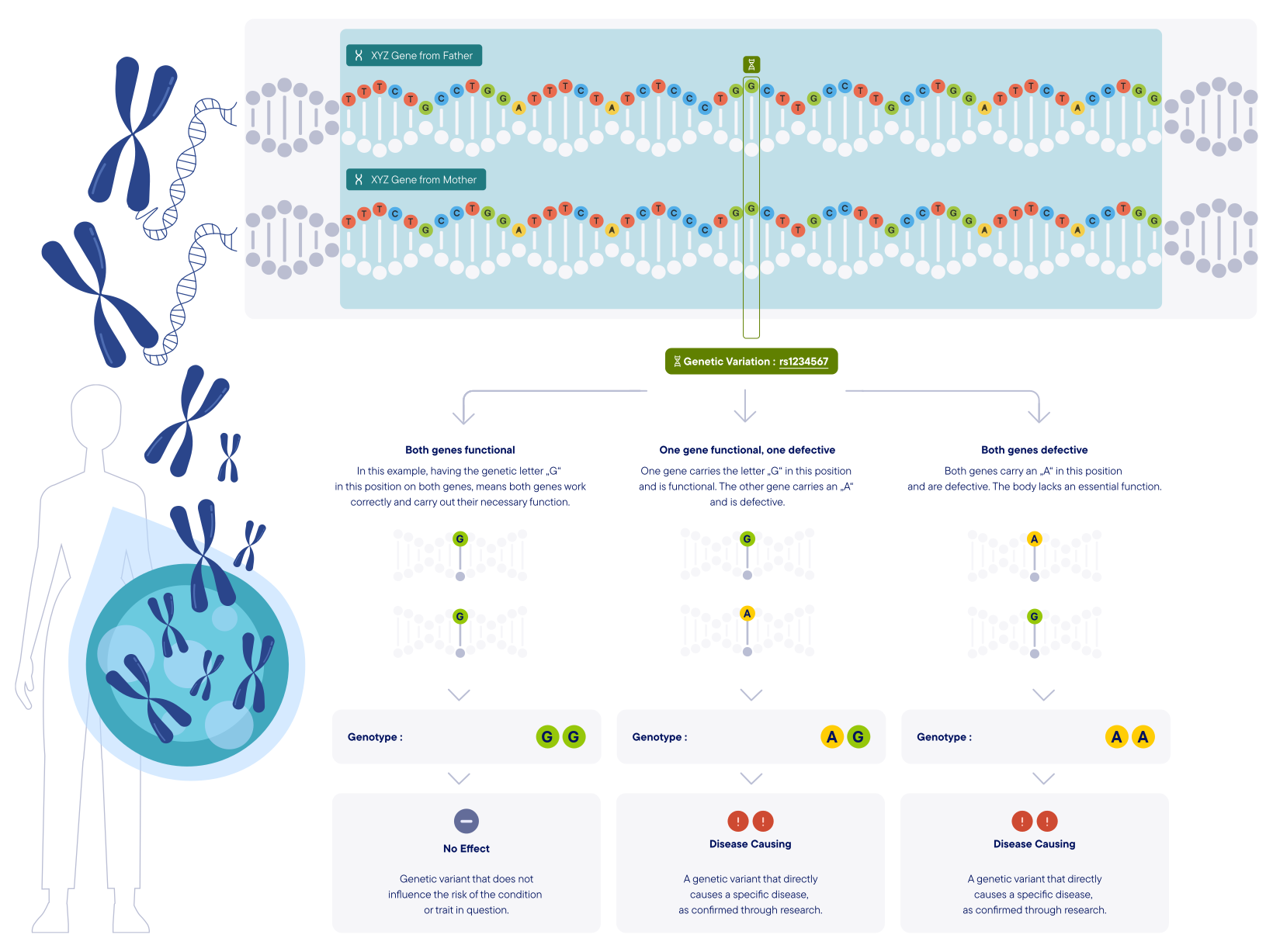
Humans have more than 20,000 genes, each carrying out one or a few specific functions in the body. One gene instructs the body to digest lactose from milk, another tells the body how to build strong bones and another prevents the body's cells from beginning to multiply uncontrollably and developing into cancer. As all of these genes combined are the building instructions for our body, a defect in one of these genes can have severe health consequences.
Through decades of genetic research, we know the genetic code of any healthy/functional human gene. We have also identified that in certain positions on a gene, some individuals may have a different genetic letter from the one you have. We call these hotspots "Genetic Variations" or "Variants" in short. In many cases, studies have been able to show that having the genetic letter "G" in the position makes you healthy, but having the letter "A" in the same position disrupts the gene function and causes a disease. Genopedia allows you to view these variants in genes and summarizes all that we know from scientific research, which genetic letters (Genotype) have good or bad consequences on your health or on your traits.
History
Throughout history, people have described dark, velvety patches on the neck, underarms, or groin that seemed to appear gradually and run in some families. Community stories often noted the skin changes alongside weight gain or shifts in health, even if the exact cause wasn’t clear at the time. In daily life, this might have been noticed during bathing a child or helping an elder dress, recognized as “that family skin change” rather than a medical condition.
First described in the medical literature as acanthosis nigricans in the late 19th century, the condition was initially grouped by its appearance: thicker skin with a darker tone and a soft, slightly raised texture. Early reports focused on how it looked and where it showed up on the body. With time, doctors began connecting acanthosis nigricans to patterns in health, especially higher body weight and hormone shifts. These links came from careful observation in clinics long before the tools existed to explain them.
From early theories to modern research, the story of acanthosis nigricans has been one of steadily uncovering what ties the skin to the rest of the body. In the mid-20th century, as insulin and blood sugar testing became routine, clinicians noticed that many people with the skin changes also had insulin resistance or type 2 diabetes. That insight reframed acanthosis nigricans from a “skin-only” finding to a visible signal of metabolic health for many. At the same time, rare cases tied to certain medications or underlying tumors were documented, reminding clinicians that the condition has more than one pathway.
In recent decades, awareness has grown that acanthosis nigricans can appear across ages and backgrounds, though it’s more common in people with higher weight and in some ethnic groups. Pediatric clinics began using it as a prompt to check for early signs of insulin resistance, aiming for earlier support with nutrition, activity, and, when needed, medication. Dermatology and endocrinology teams worked together more closely, pairing skin care with checks of blood sugar and other markers.
Advances in genetics and cell biology helped clarify why skin responds this way. Researchers found that growth signals in the body—especially those influenced by insulin—can act like a dimmer switch on skin cell growth and pigment production in certain areas, explaining the thickening and darkening. Rare inherited forms and rare cancer-related forms broadened the medical picture, but for most people, acanthosis nigricans reflects metabolic pressure on the skin’s growth signals.
Over time, the way the condition has been understood has changed, yet one core idea remains: acanthosis nigricans is both a skin finding and, often, a window into overall health. Knowing the condition’s history helps explain why today’s care looks beyond creams, linking skin changes with checks for insulin resistance, tailored lifestyle support, and, when appropriate, treatment of underlying causes.