
Absence deformity of leg-cataract syndrome is a rare genetic condition that affects limb development and the eyes. People with the condition are born with missing or underdeveloped parts of a leg and develop cataracts that can blur vision. Features appear in infancy or early childhood and are lifelong, but treatment can improve function and sight. Care usually includes orthopedic care, prosthetics, physical therapy, and cataract surgery when needed. Not everyone will have the same experience, and life expectancy is often typical with appropriate care.
Overview
Absence deformity of leg-cataract syndromeSymptoms
Absence deformity of leg-cataract syndrome features missing or shortened lower limbs at birth and early-onset cataracts that cloud vision or cause glare. Early signs can include noticeable limb length differences and infants not tracking faces due to poor vision.
Outlook and prognosis
Most people with Absence deformity of leg-cataract syndrome benefit from coordinated eye and orthopedic care. Early cataract treatment often preserves useful vision, and limb surgeries or prosthetics support mobility and independence. Outcomes vary, but many lead active, fulfilling lives.
Causes and risk factors
Absence deformity of leg–cataract syndrome is genetic, caused by a gene change that may be inherited or arise as a new mutation. Main risks include a family history of the syndrome or related features; no known lifestyle or environmental triggers.
Genetic influences
Genetics plays a central role in Absence deformity of leg-cataract syndrome, which is typically inherited. Specific gene variants disrupt limb development and the eye’s lens, driving the paired features. Family history matters; genetic counseling and testing can guide care and recurrence risk.
Diagnosis
Doctors assess limb differences and cataracts on exam. Diagnosis of Absence deformity of leg-cataract syndrome relies on clinical features, eye evaluation, and imaging, confirmed by genetic tests. The genetic diagnosis of Absence deformity of leg-cataract syndrome guides counseling and care.
Treatment and drugs
Treatment focuses on protecting vision and supporting leg function. Cataracts are typically managed with timely eye surgery and vision aids, while leg differences may need custom bracing, physical therapy, and, when helpful, staged orthopedic surgery. Coordinated eye–orthopedic follow-up guides adjustments over time.
Symptoms
Many families first notice a difference in one or both legs and a cloudy look to the eye in early infancy. Features vary from person to person and can change over time. Parents may hear this referred to as Absence deformity of leg-cataract syndrome, and early features of Absence deformity of leg-cataract syndrome often involve limb development and vision. These differences can affect balance, walking, and how clearly a child sees, which can influence early milestones.
Part of one or both legs may be missing or smaller than expected. In Absence deformity of leg-cataract syndrome, this can be partial or more complete and affects how a child stands and moves. Daily activities like crawling or walking can take extra planning.
One leg may be shorter than the other. This can cause a limp, tiptoe walking on one side, or frequent tripping. Steps may feel uneven, and fatigue can set in after short distances.
The hip, knee, or ankle may be shaped or positioned differently. This can limit range of motion or make the joint feel unstable. People may stand with a wider stance to keep balance.
In Absence deformity of leg-cataract syndrome, clouding of the eye’s lens may be present at birth or appear in early childhood. You might notice small changes at first—glare, a white reflection in photos, or less eye contact. Over time, this can blur vision or make lights seem too bright.
How people usually first notice Absence deformity of leg-cataract syndrome?
Many families first notice something is different shortly after birth, when one or both legs look unusually short, bowed, or misshapen, or when a newborn isn’t moving a leg as expected; doctors may call this an absence deformity of the leg. At the same time or within the first months, parents or pediatricians may spot the first signs of Absence deformity of leg–cataract syndrome in the eyes, such as a cloudy spot in the pupil, a white reflex in photos, or unusual light sensitivity that suggests an early cataract. Often, the combination of limb differences seen on the newborn exam or earlier on prenatal ultrasound, together with an abnormal red reflex during the first pediatric visits, is how this condition is first noticed.
Types of Absence deformity of leg-cataract syndrome
Absence deformity of leg–cataract syndrome is a rare genetic condition. Different variants are recognized based on the gene involved and how strongly the eyes and limbs are affected, which can change how early symptoms appear and how daily life is impacted. Clinicians often describe them in these categories:
Tibial aplasia–ectrodactyly
Limb changes mainly affect the tibia (shin bone) and digits, with cataracts developing in childhood or adolescence. People may have a shortened leg, missing toes or fingers, and later notice blurry or glare-prone vision. Severity can range from mild shortening to near-complete absence of the tibia.
Fibular deficiency variant
The fibula is underdeveloped or absent, with foot differences and later-onset cataracts. Walking differences and leg length mismatch are common early signs, while eye clouding may be found on school screening or teen eye exams. Some need limb-length procedures, while others use orthotics.
Severe limb–early cataract
Both legs show significant absence deformities from birth, and cataracts appear in infancy or early childhood. Families often notice feeding and mobility adaptations early, with rapid referral to eye care for surgery or glasses. Early treatment can support vision development and mobility planning.
Milder limb–late cataract
Limb differences are subtle, such as mild shortening or fewer missing digits, and cataracts appear in late teens or adulthood. Many function well with shoe lifts or braces, noticing vision issues like halos or night glare years later. Not everyone will experience every type.
What genetics can tell you about symptoms
People with absence deformity of leg–cataract syndrome often have missing or severely shortened bones in one leg along with early clouding of the eye lens, because inherited gene changes disrupt limb formation and lens clarity during fetal development. Specific variants can influence which leg bones are absent, the side affected, and how early cataracts appear.
Causes and risk factors
The causes of Absence deformity of leg-cataract syndrome are most often genetic and present from birth. Some risks are written in our DNA, passed down through families. It may be inherited within a family, and it can also happen as a new change in the child. The main risk factor is a family history of Absence deformity of leg-cataract syndrome or having close relatives with similar features. Lifestyle and environmental exposures are not known to cause it, but good prenatal health can influence how severe the features may be.
Environmental and biological risk factors
Understanding what can raise the chance of Absence deformity of leg-cataract syndrome helps families focus on what can be managed during pregnancy. Doctors often group risks into internal (biological) and external (environmental). Many relate to the first trimester, when limbs and the eye’s lens begin forming. Knowing these influences before early symptoms of Absence deformity of leg-cataract syndrome are noticed can guide planning with your care team.
Pregnancy at age 35 or older is linked with a higher chance of changes during early embryo development. This can raise the risk of Absence deformity of leg-cataract syndrome. Preconception counseling may help clarify individual risk.
Older paternal age can be associated with new changes in sperm cells that affect early development. This may increase the chance of combined limb and eye differences. If timing is flexible, discussing plans with a clinician can be useful.
Infections early in pregnancy, especially rubella (German measles) or varicella (chickenpox), can disrupt lens and limb formation. When these occur in weeks 4–12, the risk of Absence deformity of leg-cataract syndrome may rise. Vaccination status is typically reviewed before pregnancy when possible.
Some medicines taken in early pregnancy, such as thalidomide, certain acne treatments, or chemotherapy, can interfere with limb and eye development. Avoiding or substituting these before conception is often advised. Always review medications with a clinician when planning pregnancy.
Genetic risk factors
Genetic changes can drive how this rare condition develops in a family. The genetic causes of Absence deformity of leg-cataract syndrome are still being clarified, but many rare limb–eye syndromes arise from a single-gene change or a small missing/extra stretch of DNA. Risk is not destiny—it varies widely between individuals. When patterns run in families, a genetics professional can help outline personal chances for future pregnancies.

Family history: Having a parent or sibling with Absence deformity of leg-cataract syndrome points to a hereditary basis. Patterns seen across generations can help clarify likely inheritance.
Single-gene changes: Many combined limb–eye syndromes come from a change in one gene. A small DNA change can disrupt how early limb and lens tissues develop in Absence deformity of leg-cataract syndrome.
Copy-number variants: A tiny missing or extra DNA segment can remove or duplicate key genes. This kind of change can underlie Absence deformity of leg-cataract syndrome by affecting both leg development and the eye’s lens.
Autosomal recessive: If both parents silently carry the same variant, each child has a 25% (1 in 4) chance to be affected. Carriers usually have no symptoms.
Autosomal dominant: One altered gene copy can be enough to cause features seen in Absence deformity of leg-cataract syndrome. An affected parent typically passes the variant to 50% (1 in 2) of children.
X-linked pattern: If the responsible gene is on the X chromosome, males may be more severely affected while females may be carriers or show milder features. Family trees often show affected males through maternal lines.
De novo variant: A new gene change can arise for the first time in a child with Absence deformity of leg-cataract syndrome. Recurrence risk is usually low, but not zero if a parent has germline mosaicism.
Parental mosaicism: A parent may carry the variant in some egg or sperm cells but not in blood. This can increase the chance of another child being affected even when parental testing looks negative.
Consanguinity: Parents who are related by blood are more likely to share the same rare recessive variant. This raises the likelihood of recessive conditions in children.
Genetic heterogeneity: Different genes can produce a similar combination of limb absence and cataract. This means different families may have different underlying genetic causes.
Variable expressivity: The same variant can cause different severities and features in different relatives. This is why early symptoms of Absence deformity of leg-cataract syndrome may look different from one child to another.
Ancestry-specific variants: Certain communities may carry long-standing (“founder”) variants that raise risk within that group. Knowing family origins can refine which genes are most likely involved.
Lifestyle risk factors
Absence deformity of leg-cataract syndrome is not caused by lifestyle, but daily habits can shape symptom control, safety, and long-term function. Understanding how lifestyle affects Absence deformity of leg-cataract syndrome can help reduce falls, protect vision, and support mobility. Choices around activity, nutrition, and substance use may influence recovery after surgeries and comfort with assistive devices. The following elements highlight practical areas to focus on.
Regular, guided exercise maintains strength and balance for safer mobility with limb differences. Poorly planned activity can cause overuse injuries in the intact limb and back. A rehab professional can tailor low-impact options to your abilities.
Consistent PT supports efficient gait, reduces joint strain, and improves prosthetic training. Skipping sessions can lead to compensations that trigger hip, knee, or back pain. Home exercises help maintain gains between visits.
Proper, consistent use of prostheses, crutches, or wheelchairs reduces falls and overuse of remaining limbs. Irregular or improper use increases pain, skin breakdown, and fatigue. Routine fit checks keep devices comfortable and effective.
Daily limb and stump checks catch irritation early and prevent ulcers or infections from prosthetic wear. Neglecting skin care can lead to wounds that limit mobility. Moisture control and clean liners reduce friction problems.
Risk prevention
Absence deformity of leg-cataract syndrome is a rare genetic condition that affects limb development and the eyes. True prevention of the condition itself is not currently possible, but you can lower the chance of complications and protect sight and mobility. Different people need different prevention strategies—there’s no single formula. Learning the early symptoms of Absence deformity of leg-cataract syndrome and setting up eye and orthopedic care early can help avoid problems down the line.
A genetics professional can explain how this syndrome is inherited and discuss risks for future pregnancies. They can review options such as carrier testing, prenatal testing, and embryo testing to inform family planning.
Regular visits with a pediatric eye specialist help detect cataracts early and protect vision. Prompt evaluation and timely cataract treatment when recommended can reduce long-term vision loss.
Wearing sunglasses with UV protection and a brimmed hat can limit sun damage to sensitive eyes. This simple step may slow lens changes and protect the retina after cataract surgery.
Ongoing check-ins with an orthopedic team can track limb growth, alignment, and function. Early plans for braces, therapy, or surgery when needed can prevent pain and mobility setbacks.

Transmission
Absence deformity of leg-cataract syndrome isn’t contagious; it can’t be caught or passed through everyday contact. It is a congenital, genetic condition that begins during early development, and how Absence deformity of leg-cataract syndrome is inherited depends on which gene is involved. In some families it can be passed from a parent who carries the gene change, while in others it happens for the first time in a child because of a new genetic change. A genetic counselor can explain the genetic transmission of Absence deformity of leg-cataract syndrome in your family and discuss the chance of it occurring again in future pregnancies.
When to test your genes
Consider genetic testing if you were born with leg length differences, limb underdevelopment, and early cataracts, or if these features run in your family. Test before cataract surgery or orthopedic planning to guide timing, techniques, and follow-up. Family planning or an affected sibling also warrants testing for inheritance and recurrence risks.
Diagnosis
Doctors suspect Absence deformity of leg-cataract syndrome when a baby has noticeable differences in the legs along with early lens clouding in one or both eyes. The diagnosis is usually confirmed by a mix of clinical findings, eye exams, imaging, and genetic testing. Because this condition is rare, a team approach helps ensure nothing is missed. Getting a diagnosis is often a turning point toward answers and support.
Doctors look for limb absence or shortening together with early cataracts present at birth or in infancy. This combination helps raise suspicion for Absence deformity of leg-cataract syndrome rather than isolated limb or eye conditions.
A slit-lamp exam confirms cataracts and gauges how much the lens is clouded. Results guide timing of cataract surgery and support the diagnosis of Absence deformity of leg-cataract syndrome.
X-rays of the legs document which bones are missing or underdeveloped and how joints are formed. These imaging findings help distinguish this syndrome from other causes of limb differences.
A targeted gene panel or exome sequencing can look for changes linked to this rare syndrome. A confirmed variant provides strong evidence for the genetic diagnosis of Absence deformity of leg-cataract syndrome.
Stages of Absence deformity of leg-cataract syndrome
Absence deformity of leg-cataract syndrome does not have defined progression stages. This is a congenital condition, so limb differences are present from birth and cataracts are usually identified early, rather than unfolding in stepwise stages. Doctors make the diagnosis by examining the limbs and eyes, checking vision, and reviewing family history; Different tests may be suggested to help confirm the findings, such as eye imaging, limb X-rays, and sometimes genetic testing. Monitoring focuses on current needs—such as evaluating early symptoms of Absence deformity of leg-cataract syndrome like cloudy vision in infancy—plus regular eye exams and orthopedic assessments over time.
Outlook and prognosis
Looking at daily life, people with Absence deformity of leg-cataract syndrome often juggle mobility needs and vision care at the same time. Many people ask, “What does this mean for my future?”, and the answer depends on how severe the limb difference is, how early cataracts are treated, and whether other organs are involved. When thinking about the future, it helps to separate what can be surgically corrected from what needs ongoing care. Early care can make a real difference, especially if cataracts are removed before they block visual development in childhood.
The outlook is not the same for everyone, but most people do not face shortened life expectancy if there are no major heart, kidney, or breathing problems. Doctors call this the prognosis—a medical word for likely outcomes. Limb differences are typically stable; function often improves with prosthetics, orthotics, and physical therapy rather than worsening over time. Cataracts can return or progress in the other eye, so periodic eye exams remain important; catching early symptoms of Absence deformity of leg-cataract syndrome, such as glare, cloudy vision, or a white reflex in photos, helps protect sight. If additional medical issues are part of the syndrome, the long-term outlook reflects those specifics, and your care team will tailor screening to them.
With ongoing care, many people maintain active, independent lives—driving with adaptations, working in varied careers, and taking part in sports. Mortality is generally similar to the broader population when cataracts are treated and no serious internal anomalies are present; higher risks, when they occur, usually relate to unrecognized complications rather than the limb difference itself. Talk with your doctor about what your personal outlook might look like. Knowing what to expect can ease some of the worry, and a coordinated plan between orthopedics, ophthalmology, rehabilitation, and primary care helps keep the long view steady.
Long-term effects
Absence deformity of leg-cataract syndrome can shape daily life through long-term changes in mobility and vision. Effects often shift with age—early childhood focuses on vision development and motor skills, while adulthood may bring joint strain and overuse issues. Everyone’s path looks different, and ongoing support can help match care to changing needs. Vision after cataract treatment can remain stable for many, though some experience new clouding or differences in depth perception over time.
Cataracts can reduce clarity, contrast, and depth perception from infancy onward. Even after treatment, some degree of reduced vision may persist.
In childhood, the brain may favor one eye if vision is clearer on that side. Without early alignment of visual input, long-term weaker vision in one eye can occur.
After cataract surgery, lens clouding can return over time. This may gradually blur vision and sometimes needs additional treatment.
An absent or shortened leg can affect walking speed, endurance, and terrain navigation. Over time, people may rely on aids or prosthetics to maintain mobility in Absence deformity of leg-cataract syndrome.
How is it to live with Absence deformity of leg-cataract syndrome?
Living with Absence deformity of leg–cataract syndrome often means adapting to two very different challenges: limited mobility from a missing or underdeveloped lower limb and vision changes from early cataracts. Day to day, many people rely on prosthetics, mobility aids, and low‑vision strategies or surgery to keep school, work, and hobbies within reach, while planning around extra appointments and occasional fatigue. Family, friends, and coworkers may need to learn new ways to support—offering practical help with transport or accessibility—while also respecting independence and preferences. With early eye care, well-fitted prosthetics, physical therapy, and accessible environments, many build stable routines and active, connected lives.
Treatment and drugs
Treatment for Absence deformity of leg–cataract syndrome focuses on the specific needs of each person: limb differences, vision changes, and any related functional challenges. You might picture this as a team effort between you and your doctor, often involving pediatric or adult orthopedic surgeons, eye specialists, physical and occupational therapists, prosthetists, and genetic counselors. Limb treatment can include limb-lengthening or reconstructive surgery when possible, prosthetic fitting and training, and regular physiotherapy to build strength, balance, and mobility; early use of prostheses or adaptive devices often helps children meet milestones and supports independence at any age. Cataracts are typically managed with glasses or contact lenses at first, with cataract surgery to replace the cloudy lens when vision problems affect daily activities like reading, driving, or schoolwork, followed by anti-inflammatory eye drops and vision rehabilitation as needed. Supportive care can make a real difference in how you feel day to day, so ask your doctor about pain control, prevention of joint stiffness, low-vision aids, home or school accommodations, and counseling or peer support to navigate long-term care.
Non-drug treatment
Living with Absence deformity of leg-cataract syndrome often means navigating both mobility challenges and reduced vision in daily tasks like walking at school or reading signs outdoors. Non-drug treatments often lay the foundation for staying active, learning well, and protecting eye health over time. Early symptoms of Absence deformity of leg-cataract syndrome can guide when to begin therapies, which may start in infancy and adapt through adolescence. A coordinated team approach helps tailor support to changing needs at home, school, and work.
Training helps make the most of remaining sight using contrast, lighting, and positioning. Specialists teach practical skills for reading, mobility, and self-care. This can include evaluations to match the right tools to your goals.
Magnifiers, high-contrast materials, large-print devices, and screen readers can improve reading and schoolwork. Adjusting lighting and glare control often makes a big difference. Many people with Absence deformity of leg-cataract syndrome benefit from trying several options to find a good fit.
Removing a cloudy lens can brighten vision and improve contrast. Timing is individualized to balance vision needs, age, and other health factors. Follow-up rehab helps translate clearer vision into daily function.
Procedures can improve limb alignment, correct differences in leg length, or stabilize joints. Goals focus on comfort, standing balance, and the mechanics of walking. Plans vary with age and the specific limb features.
Your genes may have an impact on how drugs work for you
Genes can change how your body processes medications for absence deformity of leg–cataract syndrome, affecting dose needs, side effects, and treatment success. Pharmacogenetic testing, when available, can guide safer choices for pain control, infection prevention, anesthesia, and eye or orthopedic therapies.
Pharmacological treatments
Medicines for Absence deformity of leg-cataract syndrome focus on comfort, protecting vision, and supporting recovery around procedures like cataract surgery. Drugs that target symptoms directly are called symptomatic treatments. No medication can reverse a cataract; surgery does that, but eye drops before and after surgery help control swelling and lower the risk of infection. Medicines can also ease limb-related pain or nerve pain, especially when early symptoms of Absence deformity of leg-cataract syndrome strain the body.
Prednisolone acetate 1% drops reduce eye inflammation around cataract care. These are usually tapered over days to weeks to prevent rebound swelling.
Ketorolac or nepafenac drops help limit swelling and protect vision clarity after cataract surgery. They may be used with steroids for better control of inflammation.
Moxifloxacin or ofloxacin drops lower the risk of post‑surgery infection. These are typically used short term during the healing period.
Atropine or cyclopentolate relax the eye’s focusing muscle and widen the pupil to relieve discomfort from inflammation. They may also help the eye heal more comfortably after procedures.
Genetic influences
Genetics appear to play a central role in Absence deformity of leg-cataract syndrome, with gene changes that affect early development of the legs and the eye’s lens. Family history is one of the strongest clues to a genetic influence. In some families, the condition is inherited, while in others it can appear for the first time because of a new gene change that wasn’t present in either parent. Even within the same family, features can vary—one person may have a more pronounced leg difference, while another mainly has cataracts. A genetics team can review your family history and, when appropriate, discuss genetic testing for Absence deformity of leg-cataract syndrome to clarify the pattern in your family and the chance of it happening again. Knowing the exact gene change, when identified, can also help with planning for future pregnancies and coordinating eye and orthopedic care for relatives.
Is Absence deformity of leg-cataract syndrome genetic?
Genetics plays a central role in Absence deformity of leg-cataract syndrome, which is typically inherited. Specific gene variants disrupt limb development and the eye’s lens, driving the paired features. Family history matters; genetic counseling and testing can guide care and recurrence risk.
Pharmacogenetics—how genetics influence drug effects
For people with Absence deformity of leg-cataract syndrome, care often includes limb surgeries or procedures, cataract removal, and medicines for pain, infection prevention, and eye healing. Differences in genes that affect drug-processing enzymes can change how well certain painkillers or anesthesia medicines work and how long they last. A “slow metabolizer” may process medicine more slowly, which can lead to stronger or longer effects, whereas others may break a drug down so fast it wears off quickly. For example, codeine or tramadol may not ease pain in some people but could cause side effects in others, so your team may choose alternatives or adjust the dose. Rare, inherited reactions to anesthesia—such as malignant hyperthermia or unusually prolonged muscle relaxation after succinylcholine—can be serious, so let your surgical team know about any personal or family history of anesthesia problems. After cataract surgery, steroid eye drops and beta blocker drops (if needed for eye pressure) can also be influenced by how your body handles medicines, so your doctor will monitor eye pressure, pulse, and symptoms and tailor drops accordingly. In some situations, pharmacogenetic testing for Absence deformity of leg-cataract syndrome care can guide choices—such as safer starting doses if a blood thinner like warfarin is ever required—though decisions also consider age, other conditions, and the mix of medicines you take.
Interactions with other conditions
Living with Absence deformity of leg-cataract syndrome often means balancing vision care and mobility needs, which can feel more challenging when another health issue is in the mix. To understand overall health, it’s useful to see how conditions overlap. Cataracts can progress faster if diabetes is present, and long-term steroid medicines used for asthma, autoimmune disease, or transplants may speed lens clouding; if glaucoma or retinal disease also occurs, vision planning may need extra steps. Differences in leg length or limb formation can increase strain on hips, knees, and spine, so osteoarthritis, scoliosis, or low bone density may cause more pain or falls than they would on their own. Skin irritation or infections around a residual limb or prosthesis are more likely when circulation problems or diabetes are also present, and low vision can make balance and navigation harder during recovery from any injury. When early symptoms of Absence deformity of leg-cataract syndrome appear in childhood, coordinated care with eye specialists, orthopedic teams, and rehabilitation services can be tailored if other conditions are present, helping many live safely and independently.
How genes can cause diseases
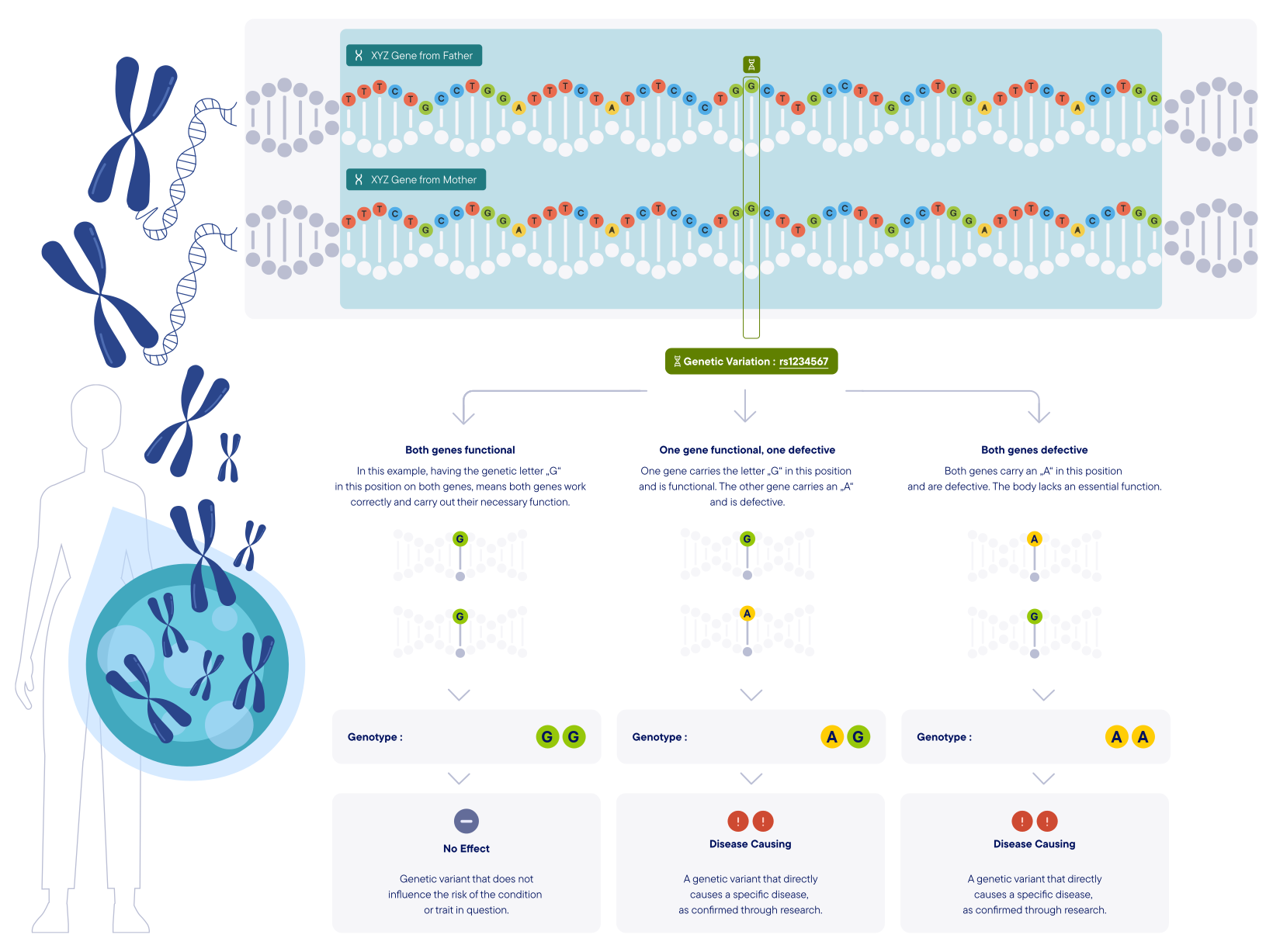
Humans have more than 20,000 genes, each carrying out one or a few specific functions in the body. One gene instructs the body to digest lactose from milk, another tells the body how to build strong bones and another prevents the body's cells from beginning to multiply uncontrollably and developing into cancer. As all of these genes combined are the building instructions for our body, a defect in one of these genes can have severe health consequences.
Through decades of genetic research, we know the genetic code of any healthy/functional human gene. We have also identified that in certain positions on a gene, some individuals may have a different genetic letter from the one you have. We call these hotspots "Genetic Variations" or "Variants" in short. In many cases, studies have been able to show that having the genetic letter "G" in the position makes you healthy, but having the letter "A" in the same position disrupts the gene function and causes a disease. Genopedia allows you to view these variants in genes and summarizes all that we know from scientific research, which genetic letters (Genotype) have good or bad consequences on your health or on your traits.
History
Families and communities once noticed patterns: children born with one leg shorter or shaped differently, later needing cataract surgery in school years or early adulthood. Midwives and family doctors recorded these paired concerns in notebooks long before specialists connected them as one condition shared in some families.
First described in the medical literature as a cluster of limb differences with early clouding of the eye’s lens, reports came from orthopedic and eye clinics that rarely spoke to each other. Early writers focused on what they saw most—either the leg deformity or the cataract—so the link between the two was easy to miss. In some regions, people with Absence deformity of leg-cataract syndrome were labeled separately by their most visible feature, which slowed recognition that these were parts of the same picture.
From these first observations, careful family histories showed that the pattern could repeat across generations. Doctors began asking whether a parent, aunt, or grandparent had needed childhood leg braces or early cataract removal. As medical science evolved, case series from the mid-20th century pulled together these threads, noting that limb formation and lens clarity both depend on tightly timed steps during early development.
Advances in genetics in the late 20th and early 21st centuries helped confirm that some families shared changes in the same developmental pathways. This moved the condition from a list of separate findings to a single diagnosis with variable features. Not every person with Absence deformity of leg-cataract syndrome has identical symptoms; some have more obvious leg differences, while others first come to attention because of blurred vision in their teens.
In recent decades, awareness has grown as orthopedic surgeons, ophthalmologists, and genetic teams collaborate. Early symptoms of Absence deformity of leg-cataract syndrome are now recognized in childhood checkups—differences in leg length, a limp after active play, or trouble seeing the board at school—leading to earlier referrals. Historical differences highlight why a coordinated approach matters: when specialists share information, families receive answers faster and care can be planned rather than pieced together.
Today’s understanding stands on the work of those early observers and the families who shared their stories. Knowing the condition’s history helps explain why diagnosis can take time and why experiences vary, even within the same family. Each stage in history has added to the picture we have today, guiding more timely eye care, thoughtful orthopedic planning, and informed family counseling.