
Abnormal origin of right or left pulmonary artery from the aorta is a rare congenital heart defect present at birth. It causes one pulmonary artery to arise from the aorta instead of the pulmonary trunk, and this sends high-pressure blood to one lung. Babies with this condition often have fast breathing, trouble feeding, poor weight gain, and bluish color, and doctors may hear a heart murmur. It is life-threatening without prompt surgery, but many children do well after repair and need ongoing follow-up. Treatment usually involves early open-heart surgery and careful monitoring in infancy and childhood.
Overview
Abnormal origin of right or left pulmonary artery from the aortaSymptoms
Abnormal origin of right or left pulmonary artery from the aorta is a congenital heart condition. Early signs include rapid breathing, blue-tinged lips, tiring or sweating with feeds, poor weight gain; doctors may note a heart murmur or low oxygen.
Outlook and prognosis
Abnormal origin of right or left pulmonary artery from the aorta is serious but increasingly treatable. With timely surgical repair in infancy, many children grow well and stay active, though lifelong heart follow-up is usual. Outcomes vary with associated heart differences and lung pressure.
Causes and risk factors
Abnormal origin of a pulmonary artery from the aorta stems from disrupted great-vessel development early in pregnancy. Usually sporadic, it can relate to 22q11.2 deletion or conotruncal syndromes; risk increases with family history, maternal diabetes, teratogens, or rubella.
Genetic influences
Genetics play a limited but meaningful role in abnormal origin of right or left pulmonary artery from the aorta. Most cases are sporadic, yet some occur with chromosome changes or syndromes like 22q11.2 deletion. Genetic counseling and testing can clarify risks for families.
Diagnosis
Doctors suspect it in newborns with cyanosis or a heart murmur. Diagnosis of Abnormal origin of right or left pulmonary artery from the aorta uses echocardiography, with CT/MRI angiography to define anatomy; cardiac catheterization is reserved for complex cases.
Treatment and drugs
Treatment focuses on early surgical repair to reconnect the misplaced pulmonary artery to the right vessel, restoring normal blood flow to the lungs. Before and after surgery, babies may receive medicines, oxygen, and careful ICU monitoring. Lifelong follow-up checks circulation and heart valve function.
Symptoms
Abnormal origin of right or left pulmonary artery from the aorta is a heart difference present from birth that raises pressure and blood flow to one lung. Early on, this might look like fast breathing, poor feeding, or slow weight gain in the first weeks to months. Doctors watch for early features of Abnormal origin of right or left pulmonary artery from the aorta, especially breathing and feeding problems. Older children may have shortness of breath, frequent chest infections, or trouble keeping up.
Breathing may look rapid, with nostril flaring or ribs pulling in. It often worsens during feeding or crying. This happens when the lungs are under extra pressure.
Babies may tire quickly at the breast or bottle and take a long time to finish. You might see sweating and pauses to catch breath. This pattern is common in Abnormal origin of right or left pulmonary artery from the aorta.
Weight may lag behind growth charts despite regular feeds. The heart uses extra energy, leaving less for growth. Doctors may call this failure to thrive.
Lips, fingertips, or skin can look slightly blue, especially with crying or activity. This means oxygen levels are lower than usual. It can be a sign of Abnormal origin of right or left pulmonary artery from the aorta.
How people usually first notice Abnormal origin of right or left pulmonary artery from the aorta?
Parents and doctors often first notice something is wrong in the first days or weeks after birth when a baby shows rapid breathing, trouble feeding, or a bluish tint to the lips or skin because the lungs aren’t getting blood the usual way. A heart murmur or low oxygen readings during newborn checks can prompt an urgent echocardiogram, which reveals the abnormal origin of the right or left pulmonary artery from the aorta. In some cases, a prenatal ultrasound or fetal echocardiogram flags concerns before birth, but for many, the first signs of abnormal origin of right or left pulmonary artery from the aorta appear as newborn breathing difficulty and poor oxygen levels.
Types of Abnormal origin of right or left pulmonary artery from the aorta
Abnormal origin of right or left pulmonary artery from the aorta is a rare, congenital heart defect. Doctors recognize a few clinical variants based on which pulmonary artery arises from the aorta and when it is identified. These variants can lead to different early symptoms and different risks for lung injury, heart strain, and oxygen levels. Not everyone will experience every type.
Right pulmonary artery
The right pulmonary artery connects to the aorta instead of the main pulmonary artery. Babies may develop rapid breathing, poor feeding, or bluish lips as the right lung receives high-pressure blood. Over time, the right lung can show damage from extra flow if not repaired.
Left pulmonary artery
The left pulmonary artery comes off the aorta rather than the main pulmonary artery. Symptoms can include fast breathing, sweating with feeds, or slow weight gain as the left lung faces high pressure and excess flow. Heart enlargement may be more noticeable on the side supplying the left lung.
Neonatal presentation
Symptoms begin in the first days to weeks of life. Some types show up in daily routines—like eating, sleeping, or energy levels. Early symptoms of abnormal origin of the pulmonary artery often include breathing fast, tiring during feeds, and low oxygen readings.
Late-detected variant
Diagnosis happens later in infancy or childhood. Children may have exercise intolerance, frequent respiratory infections, or a heart murmur noticed during a routine visit. The affected lung may already show changes from long-standing high flow.
Associated anomalies
The variant occurs with other heart differences such as a patent ductus arteriosus or ventricular septal defect. Symptoms can be more pronounced due to extra blood mixing and higher pressure in the lungs. Treatment plans often address all defects together.
What genetics can tell you about symptoms
Some babies with this condition have genes tied to heart and vessel development, like 22q11.2 deletion, which raise the chance of the pulmonary artery arising from the aorta. These variants can be linked with breathing trouble, cyanosis (blue lips/skin), poor feeding, and slow growth.
Causes and risk factors
It forms during early fetal development because the great vessels do not separate in the usual way.
Some cases are linked to a 22q11.2 deletion, which can be inherited or arise as a new change, but many are sporadic with no clear cause.
Some risks are modifiable (things you can change), others are non-modifiable (things you can’t).
Non-modifiable risks include a family history of congenital heart disease and certain genetic syndromes.
In pregnancy, poorly controlled diabetes, rubella, and harmful exposures like alcohol, tobacco, or certain medicines can raise the chance of congenital heart defects, including abnormal origin of right or left pulmonary artery from the aorta.
Environmental and biological risk factors
Abnormal origin of right or left pulmonary artery from the aorta is a rare congenital heart difference that begins early in fetal development. Environmental and biological risk factors for Abnormal origin of right or left pulmonary artery from the aorta are not always clear because the condition is uncommon, but clues come from research on congenital heart defects more broadly. Doctors often group risks into internal (biological) and external (environmental). The elements below reflect factors tied to higher odds of differences in how the large blood vessels leaving the heart form.
High blood sugar present before pregnancy, especially in the earliest weeks, is linked with more congenital heart defects. This can include rare vessel-pattern differences such as Abnormal origin of right or left pulmonary artery from the aorta. Risk is greatest when exposure happens during very early organ formation.
When phenylketonuria is poorly controlled and phenylalanine levels are high, fetal heart development can be affected. This raises the chance of structural heart differences. The timing and degree of exposure matter.
Infection in the first trimester can disrupt normal heart and vessel formation. This has been tied to certain congenital heart defects and, rarely, patterns like Abnormal origin of right or left pulmonary artery from the aorta. Risk is highest with infection very early in pregnancy.
Vitamin A derivatives (such as isotretinoin), some anti-seizure medicines, and the blood thinner warfarin can interfere with formation of the large vessels leaving the heart. These exposures are associated with higher rates of congenital heart defects, including rare vessel-origin differences such as Abnormal origin of right or left pulmonary artery from the aorta. Risk depends on the specific drug, dose, and early pregnancy timing.
Genetic risk factors
Most cases of abnormal origin of the right or left pulmonary artery from the aorta are present at birth and arise from early heart development changes. When doctors investigate genetic causes of abnormal origin of right or left pulmonary artery from the aorta, they often look for certain chromosomal or single-gene findings that are known to affect the heart’s outflow tract. Carrying a genetic change doesn’t guarantee the condition will appear. Testing is individualized, and results can guide care and counseling for families.

22q11.2 deletion: A small missing piece of chromosome 22 (often called DiGeorge or velocardiofacial syndrome) increases the chance of conotruncal heart defects, including abnormal origin of right or left pulmonary artery from the aorta. If facial features, immune issues, or palate differences are present, clinicians often recommend a targeted test for this deletion.
Copy-number variants: Extra or missing segments of DNA elsewhere in the genome can disturb heart development pathways. Chromosomal microarray sometimes finds these changes when a single-gene test is negative.
Single-gene variants: Rare changes in genes that guide outflow tract formation, such as TBX1, NOTCH1, or GATA6, have been reported across conotruncal defects. Evidence for a direct link to this exact defect is limited, but gene panels may be considered.
Family history: Having a close relative with a congenital heart defect modestly raises the chance of related heart outflow anomalies in siblings or children. The absolute risk for this specific defect remains low but higher than in the general population.
Usually sporadic: Many people with abnormal origin of right or left pulmonary artery from the aorta have no identifiable genetic cause on current testing. This means recurrence risk for parents is often low, though a genetics visit can provide a personalized estimate.
Lifestyle risk factors
This condition is present from birth; lifestyle habits do not cause it. Still, daily choices can influence pulmonary artery pressures, heart failure symptoms, arrhythmia risk, and recovery after surgical repair. Understanding how lifestyle affects Abnormal origin of right or left pulmonary artery from the aorta can help reduce complications and improve stamina. Below are lifestyle risk factors for Abnormal origin of right or left pulmonary artery from the aorta.
Strenuous or competitive exercise can spike pulmonary artery pressure and provoke arrhythmias in this condition. Cardiologist-guided, moderate aerobic activity can improve endurance without overloading the right heart.
High-salt eating promotes fluid retention that can worsen lung congestion and right-heart strain. A low-sodium pattern helps control swelling and breathlessness after repair or with pulmonary hypertension.
Excessive fluid intake can increase blood volume and elevate pulmonary pressures. Following individualized fluid goals can ease shortness of breath and reduce hospitalizations.
Obesity increases circulating blood volume and raises right-ventricular workload. Gradual weight loss can lower pulmonary pressures and improve exercise tolerance.
Risk prevention
Abnormal origin of right or left pulmonary artery from the aorta is a rare congenital heart defect, so there’s no proven way to fully prevent it from forming. Prevention focuses on lowering the risk of complications and catching it early—early symptoms of abnormal origin of right or left pulmonary artery from the aorta can be subtle in newborns. Some prevention is universal, others are tailored to people with specific risks. Steps before and during pregnancy, and careful plans after birth, can make a real difference.
Manage diabetes before conception and during pregnancy, avoid alcohol and smoking, and review medications with a clinician. Ensuring rubella immunity before pregnancy helps prevent infections that can affect fetal heart development.
If there’s a family history of congenital heart disease or related syndromes, meet with a genetics professional. They can explain recurrence risks and whether targeted screening is recommended in future pregnancies.
High-resolution ultrasounds and fetal echocardiography in at-risk pregnancies can sometimes identify abnormal origin of right or left pulmonary artery from the aorta. Early diagnosis allows planning for delivery at a center ready for specialized newborn care.
If this condition is suspected, plan delivery at a hospital with neonatal intensive care and pediatric heart surgery. Immediate stabilization and timely evaluation reduce complications.

Transmission
Abnormal origin of right or left pulmonary artery from the aorta is present at birth and is not infectious—you can’t catch it or pass it on through contact, coughs, or bodily fluids. It forms early in pregnancy as the baby’s heart is developing.
Most cases happen sporadically with no clear single cause, though some are linked to genetic changes or syndromes, such as a small missing piece of chromosome 22 (22q11.2 deletion). Because of this, families sometimes ask about how Abnormal origin of right or left pulmonary artery from the aorta is inherited; genetic transmission of Abnormal origin of right or left pulmonary artery from the aorta is uncommon, but if a parent carries certain gene changes, the chance of another child having a heart defect may be higher, so genetic counseling can help clarify personal risks.
When to test your genes
Consider genetic testing if a baby is diagnosed with this condition, there’s a family history of congenital heart defects, or you’re planning a pregnancy after a prior affected child. Testing can clarify recurrence risk, guide prenatal imaging, and tailor surgical and cardiac follow-up. A genetics consult helps choose the right test.
Diagnosis
Abnormal origin of right or left pulmonary artery from the aorta is usually found in newborns or infants who develop fast breathing, a bluish tint to the lips or skin, or trouble feeding and gaining weight. Getting a diagnosis is often a turning point toward answers and support. Doctors look for these early clues and then confirm the anatomy of the heart and blood vessels with imaging. Echocardiography is typically the first test, with advanced scans used to plan surgery.
Doctors listen for a heart murmur and look for signs like fast breathing, bluish skin or lips, and poor feeding. These bedside clues raise concern for a congenital heart issue and prompt urgent heart imaging.
A simple fingertip or foot sensor checks oxygen levels in the blood. Lower-than-expected readings can point toward a heart-lung circulation problem that needs further evaluation.
An ultrasound of the heart shows how the pulmonary arteries connect and how blood flows. This test often confirms the diagnosis of Abnormal origin of right or left pulmonary artery from the aorta and helps guide the surgical plan.
An X-ray can show an enlarged heart or uneven blood flow to the lungs. These imaging findings support the need for detailed heart scans.
Stages of Abnormal origin of right or left pulmonary artery from the aorta
Abnormal origin of right or left pulmonary artery from the aorta does not have defined progression stages. It’s a structural heart difference present from birth, and the course depends on how blood flows to the lungs and the pressures in the heart rather than a stepwise decline. Doctors usually diagnose it based on early symptoms of abnormal origin of right or left pulmonary artery from the aorta in infants—like fast breathing, poor feeding, and slow weight gain—and with heart imaging such as an echocardiogram; Different tests may be suggested to help confirm the anatomy and plan treatment. Ongoing monitoring is typically done by a pediatric cardiology team with repeat echocardiograms and, when needed, CT/MRI or cardiac catheterization to track lung pressures and heart function.
Outlook and prognosis
Looking ahead can feel daunting, but most babies with abnormal origin of the right or left pulmonary artery from the aorta do well when the problem is found and repaired early. This heart difference diverts blood flow to the lungs in a way that can cause breathing trouble, poor feeding, and slow weight gain in infancy; over time it may lead to high pressure in the lungs and heart strain if not corrected. Early care can make a real difference, especially because the early symptoms of abnormal origin of the right or left pulmonary artery from the aorta can be subtle and mistaken for common newborn issues.
Surgery is the mainstay and is typically done in the first months of life to re‑attach the misplaced pulmonary artery to the main lung artery and close any related connections. Prognosis refers to how a condition tends to change or stabilize over time. After timely repair, many children grow well, have good exercise tolerance, and attend school and sports with few limits. The small but real risks include narrowing at the re‑attachment site, valve leakage, or arrhythmias that may require catheter procedures or re‑operation later. Without repair, the outlook is poor because ongoing high lung pressure can become irreversible and raise the risk of heart failure and early death.
Long‑term survival after early surgery is high in published series, and most people have a good quality of life into adulthood. In medical terms, the long-term outlook is often shaped by both genetics and lifestyle. Regular follow‑up with a congenital cardiology team is essential to track lung pressures, right heart function, and any narrowing where the artery was moved. Talk with your doctor about what your personal outlook might look like.
Long-term effects
Abnormal origin of right or left pulmonary artery from the aorta is a rare congenital heart difference. Long-term effects vary widely, largely shaped by how early the artery was reconnected and how the lungs handled blood flow before repair. The long-term outcomes of abnormal origin of right or left pulmonary artery from the aorta are generally favorable after timely surgery, though some heart–lung changes can persist into adulthood.
Extra blood flow into one lung early in life can damage its blood vessels and raise pressures. Even after repair, some continue to have higher pressures, especially if surgery was delayed.
The right side of the heart may become thickened or work harder over time. This tends to improve if pressures in the lung vessels stay controlled.
The reimplanted pulmonary artery branch can become narrow where it was joined. This narrowing can limit blood flow to that lung and contribute to uneven pressures.
One lung may receive more or less blood than the other long term. This can reflect earlier vessel injury or later branch artery narrowing.
How is it to live with Abnormal origin of right or left pulmonary artery from the aorta?
Living with an abnormal origin of the right or left pulmonary artery from the aorta often centers on managing heart and lung strain, frequent medical visits, and—especially early on—surgery and follow-up imaging to protect lung function. Day to day, some people notice quicker fatigue, shortness of breath with activity, or slower weight gain in infancy, while others feel well after repair but still need lifelong cardiology check-ins to watch for high pressure in the lungs or narrowing where the vessel was reattached. Families and caregivers usually become skilled at spotting breathing changes, supporting feeding and growth in babies, and planning life around appointments, yet most find a steady routine as recovery progresses. Over time, with good follow-up and activity tailored to endurance and oxygen needs, many can attend school, work, and social activities with sensible limits and clear guidance from their heart team.
Treatment and drugs
Abnormal origin of the right or left pulmonary artery from the aorta is a critical heart condition that almost always requires surgery, often in early infancy, to reroute the misplaced pulmonary artery back to the lung circulation. Surgeons typically connect the affected pulmonary artery to the pulmonary trunk and close the abnormal connection to the aorta; timing depends on the baby’s stability, oxygen levels, and lung blood flow. Before surgery, doctors may use supportive care—such as oxygen, medicines to ease heart strain, and careful fluid management—to stabilize breathing and blood flow. After repair, children usually need follow‑up for life to monitor heart and lung artery growth, valve function, and blood pressure in the lungs, and some may need catheter‑based procedures or additional surgery as they grow. It’s natural to have questions about the operation and recovery, so ask your doctor about the best starting point for you.
Non-drug treatment
Day-to-day, care focuses on helping the heart move blood to the lungs more effectively and keeping energy and growth on track until and after surgery. Alongside medicines, non-drug therapies often lay the foundation for recovery and long-term heart health. Recognizing early symptoms of Abnormal origin of right or left pulmonary artery from the aorta can lead to faster evaluation and timely repair. Care plans vary by age and severity, and specialized congenital heart centers guide most decisions.
Surgeons detach the misrouted lung artery from the aorta and reconnect it to the proper lung vessel, restoring normal blood flow. Early repair helps protect the lung blood vessels and the heart muscle. Most procedures are done at specialized congenital heart centers.
Extra oxygen can ease fast breathing and low oxygen levels before and shortly after surgery. It helps reduce strain on the heart while the underlying issue is being corrected.
High-calorie feeds, lactation support, or temporary feeding tubes help babies conserve energy and grow. Good nutrition speeds recovery after repair and supports brain and body development.
Regular echocardiograms and, if needed, cardiac MRI track how the repair is healing and how blood flows to both lungs. Ongoing imaging is key in Abnormal origin of right or left pulmonary artery from the aorta to catch narrowing or leakage early.
Your genes may have an impact on how drugs work for you
Some people process heart medicines differently because of inherited variants in liver enzymes that activate or break down drugs. Knowing this can guide dosing and drug choice, helping avoid side effects and improve outcomes after surgery for an abnormal pulmonary artery origin.
Pharmacological treatments
Medicines for abnormal origin of right or left pulmonary artery from the aorta are mainly supportive—they ease strain on the heart and lungs before and after surgery. They can help with early symptoms of abnormal origin of right or left pulmonary artery from the aorta, like fast breathing, poor feeding, or trouble gaining weight, but they don’t correct the anatomy. Alongside drug therapy, early surgery and close monitoring remain important. Your cardiology team will individualize choices based on age, lung pressures, and how your child is doing day to day.
These medicines help the body shed extra fluid, easing congestion in the lungs and making breathing and feeding easier. Furosemide is commonly used; sometimes spironolactone or a thiazide is added.
Drugs like captopril or enalapril relax blood vessels and reduce the heart’s workload. They can improve symptoms and support growth by making feeding less tiring.
This medication can strengthen the heart’s squeeze and help control symptoms in select infants. It may be used when other measures are not enough and requires monitoring for heart rhythm and drug levels.
Inhaled nitric oxide in the ICU or oral sildenafil may lower high pressure in the lung arteries. These are often used around surgery or if pulmonary hypertension persists.
Genetic influences
Most cases seem to happen by chance during early heart development and don’t follow a clear inherited pattern. Even so, abnormal origin of the right or left pulmonary artery from the aorta can sometimes appear as part of a broader genetic syndrome that affects the heart’s outflow tract, such as 22q11.2 deletion syndrome. When a syndrome is involved, a gene change explains the heart finding and may come with other health features; when the defect is isolated, family history is usually negative and the chance of it happening again in a future pregnancy is small but not zero. DNA testing can sometimes identify these changes. Genetic counseling is often recommended to review your child’s features and family history and to decide whether targeted testing makes sense. Learning whether a genetic cause is present can help tailor medical follow-up and give clearer information about the recurrence risk of abnormal origin of the right or left pulmonary artery from the aorta in future pregnancies.
Is Abnormal origin of right or left pulmonary artery from the aorta genetic?
Genetics play a limited but meaningful role in abnormal origin of right or left pulmonary artery from the aorta. Most cases are sporadic, yet some occur with chromosome changes or syndromes like 22q11.2 deletion. Genetic counseling and testing can clarify risks for families.
Pharmacogenetics—how genetics influence drug effects
Surgery is the main treatment for Abnormal origin of right or left pulmonary artery from the aorta, but genes can still influence how medicines used around surgery work for you. Families sometimes ask about genetic influences on medication response in Abnormal origin of right or left pulmonary artery from the aorta; most attention falls on pain control, anesthesia, blood thinners, and, if needed, medicines for pulmonary hypertension. Differences in drug‑processing genes can change how you respond to common pain relievers and anesthesia medicines after surgery; for example, some children turn codeine into morphine much faster than expected, so doctors usually choose other options. If a catheter or stent is placed, or if blood thinners are needed, genetic differences can affect how well medicines like clopidogrel or warfarin work and what dose is safest. Genetic testing can sometimes identify how your body handles these drugs, which helps the care team tailor choices and dosing. Genes also matter for anesthesia: families with a history of malignant hyperthermia or unusually long paralysis after a certain muscle relaxant should tell the anesthesiologist, since inherited changes can raise those risks. While research is growing, day‑to‑day decisions for this condition still rely mostly on your child’s age, growth, heart and lung function, and close monitoring.
Interactions with other conditions
Colds, flu, or other lung infections can make breathing harder and feed into the high blood flow to one lung, so early symptoms of Abnormal origin of right or left pulmonary artery from the aorta may flare during those times. Doctors call it a “comorbidity” when two conditions occur together, and many living with this condition also have additional congenital heart differences that affect how blood moves through the heart and lungs. When other heart issues are present, they can add to pressure in the lung arteries and speed up problems like pulmonary hypertension or heart failure. Some people also have chromosomal or genetic findings alongside Abnormal origin of right or left pulmonary artery from the aorta, and teams often check for these because they can influence overall care. Asthma, chronic lung disease of prematurity, or frequent respiratory infections can further strain the right side of the heart, so coordinated heart–lung care is especially important.
How genes can cause diseases
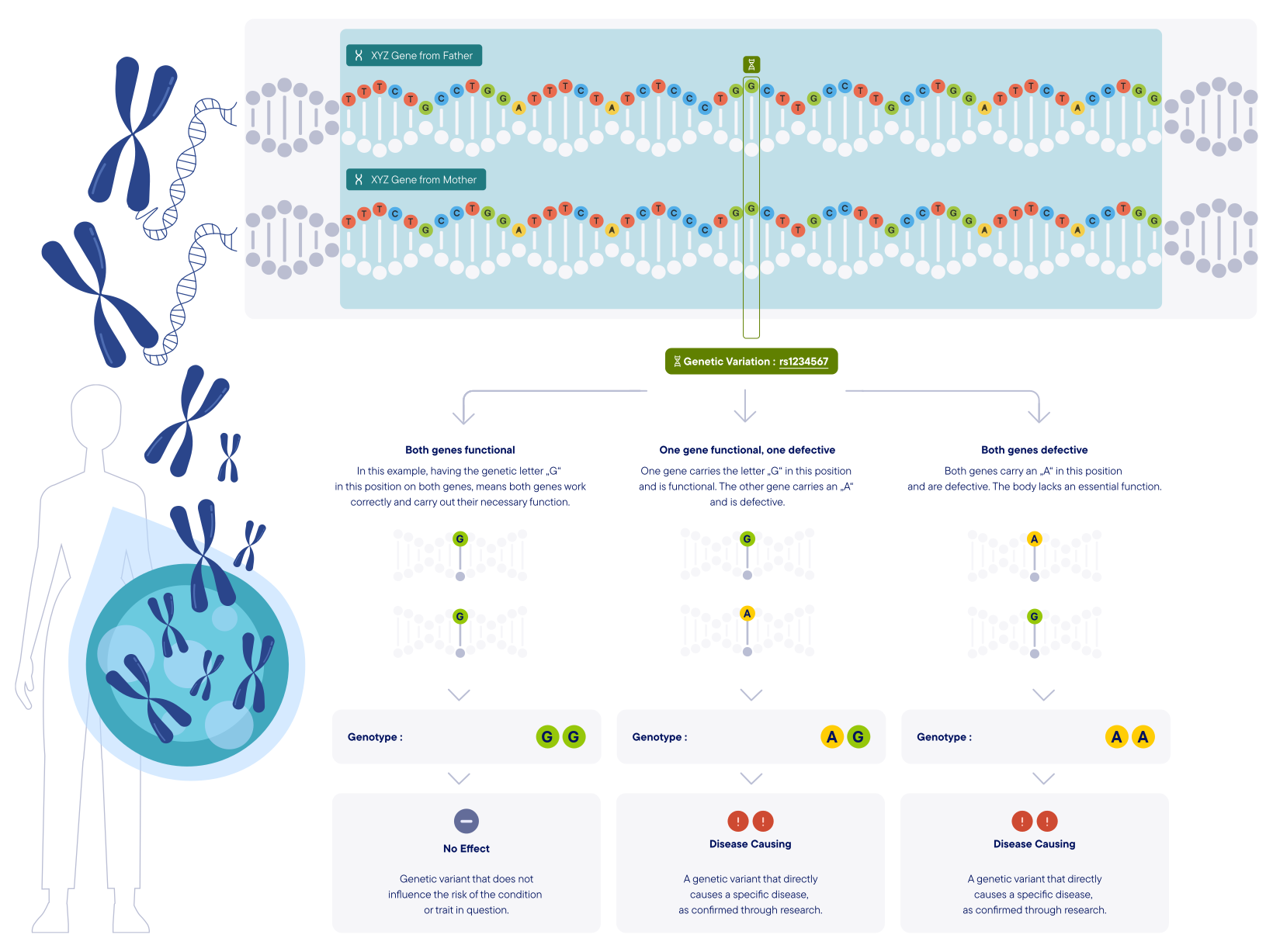
Humans have more than 20,000 genes, each carrying out one or a few specific functions in the body. One gene instructs the body to digest lactose from milk, another tells the body how to build strong bones and another prevents the body's cells from beginning to multiply uncontrollably and developing into cancer. As all of these genes combined are the building instructions for our body, a defect in one of these genes can have severe health consequences.
Through decades of genetic research, we know the genetic code of any healthy/functional human gene. We have also identified that in certain positions on a gene, some individuals may have a different genetic letter from the one you have. We call these hotspots "Genetic Variations" or "Variants" in short. In many cases, studies have been able to show that having the genetic letter "G" in the position makes you healthy, but having the letter "A" in the same position disrupts the gene function and causes a disease. Genopedia allows you to view these variants in genes and summarizes all that we know from scientific research, which genetic letters (Genotype) have good or bad consequences on your health or on your traits.
History
Families and midwives once noticed newborns who tired quickly with feeding, breathed fast, and had a bluish tint that didn’t improve, even in fresh air. Some infants seemed well at birth but struggled within days as the heart and lungs worked against each other. Without modern tools, many of these babies were said to have “weak hearts,” and the specific cause remained hidden.
Throughout history, people have described babies who failed to thrive despite attentive care, but the exact heart difference behind those early symptoms of Abnormal origin of right or left pulmonary artery from the aorta was not recognized. In the 19th and early 20th centuries, careful anatomy studies after death began to map the heart’s vessels in finer detail. Doctors started to see that, in some infants, one pulmonary artery branched off the aorta instead of the main lung vessel, sending high-pressure blood into one lung and starving the other of flow.
From early theories to modern research, the story of this condition shows how tools shape understanding. Chest X-rays and early heart catheterization in the mid-20th century allowed clinicians to connect symptoms—blue coloring, rapid breathing, poor weight gain—with unusual blood flow patterns. Surgeons reviewing cases realized this was distinct from better-known defects like patent ductus arteriosus or tetralogy of Fallot, and early repair attempts emerged in the 1960s and 1970s.
As ultrasound of the heart (echocardiography) became routine in the late 20th century, doctors could make the diagnosis during life, sometimes even before birth. This shifted the timeline from late, urgent discovery to planned care soon after delivery. Reports clarified that both right and left pulmonary arteries could originate from the aorta, each with its own risks for lung damage if not corrected. Medical classifications changed as imaging showed how this anomaly could appear on its own or with other heart differences.
With advances in anesthesia, bypass techniques, and tiny sutures, surgical teams refined methods to detach the misplaced artery from the aorta and reconnect it to the main lung vessel. Short-term survival improved, and long-term follow-up taught teams how to prevent or address narrowing at the reconnection site. Over time, shared registries and international collaboration helped define when to operate—often early in infancy to protect the lungs—and how to monitor growth of the repaired artery.
In recent decades, awareness has grown that timely diagnosis and surgery can allow many children with this condition to grow, play, and attend school with few limits. Today, prenatal imaging, specialized newborn care, and planned surgical repair reflect a century of steady progress, turning a once-mysterious and often fatal presentation into a treatable heart difference with improving outcomes.