
Abeta2m amyloidosis is a rare protein buildup disorder that affects people on long‑term dialysis. It causes joint and bone pain, stiffness, and sometimes numbness from nerve compression. Symptoms usually develop slowly over years and often begin after 5–7 years of dialysis. Treatment focuses on better dialysis membranes, removal of the protein, pain control, and surgery for severe carpal tunnel or bone issues. Many people with Abeta2m amyloidosis live for years, but overall health and kidney disease stage influence outlook.
Overview
Abeta2m amyloidosisSymptoms
Abeta2m amyloidosis often causes aching, stiffness, and swelling around shoulders, wrists, and hips, especially in long‑term dialysis. Early symptoms of Abeta2m amyloidosis include carpal tunnel numbness or tingling and painful, stiff hands. Some develop bone cysts, fractures, or neck pain.
Outlook and prognosis
Many living with Abeta2m amyloidosis notice symptoms build gradually, often after years of dialysis. With earlier recognition, dialysis strategies that lower beta-2 microglobulin, and targeted pain and joint care, people can maintain function. Surgery for severe joint or tendon problems can help mobility.
Causes and risk factors
Abeta2m amyloidosis arises from buildup of beta-2 microglobulin in advanced kidney failure, especially with long-term hemodialysis. Key risk factors for Abeta2m amyloidosis include dialysis duration, older age, male sex, low-flux membranes, little residual kidney function, and ongoing inflammation.
Genetic influences
Genetics currently play a limited role in Abeta2m amyloidosis, which is usually linked to long-term dialysis rather than inherited changes. No common high-risk gene variants are established. Genetic testing is not routinely recommended unless another amyloidosis type is suspected.
Diagnosis
Diagnosis of Abeta2m amyloidosis relies on a history of long-term dialysis and imaging for bone/tendon deposits. Definitive confirmation comes from tissue biopsy with Congo red staining and amyloid typing. Blood tests support assessment, but are nonspecific.
Treatment and drugs
Treatment for Abeta2m amyloidosis focuses on easing symptoms, slowing buildup of beta-2 microglobulin, and protecting organs. Approaches may include high-flux dialysis or hemodiafiltration, adjusting dialysis schedules, managing pain and stiffness, and addressing joint or bone problems. In selected cases, surgery (such as carpal tunnel release or joint replacement) helps function and comfort.
Symptoms
Abeta2m amyloidosis often develops in people on long-term dialysis and tends to show up in joints, tendons, and bones. Early symptoms of Abeta2m amyloidosis can feel like everyday wear-and-tear—aching shoulders, tingling hands, or stiff fingers that make small tasks slower. Symptoms vary from person to person and can change over time. Pain, stiffness, and numbness may flare with activity and disturb sleep, especially in the hands and shoulders.
In Abeta2m amyloidosis, tingling, numbness, or burning in the thumb, index, and middle fingers is common, often worse at night. You may wake to shake out your hands or notice a weaker grip and dropped objects. This pattern is consistent with carpal tunnel syndrome but can appear in other conditions too.
A deep, aching pain in one or both shoulders can limit reaching or lifting. Night pain is common and may wake you when you turn in bed.
Fingers may click, catch, or lock when you make a fist or try to straighten them. It can be painful and make tasks like gripping a steering wheel or typing harder.
Wrists, hands, and sometimes knees can look puffy, tender, and warm. Stiffness often eases with gentle movement but returns after rest.
How people usually first notice Abeta2m amyloidosis?
People with Abeta2m amyloidosis usually first notice slowly worsening joint or bone pain, often in the shoulders, hips, hands, or knees, especially if they’ve been on long-term dialysis for kidney failure. Some develop carpal tunnel symptoms—numbness, tingling, or weakness in the hands—or swelling and stiffness that makes everyday tasks harder; doctors may also see bone cysts on imaging or find thickened tendons. In many, these “first signs of Abeta2m amyloidosis” appear after several years on dialysis and prompt evaluation for dialysis-related (beta-2 microglobulin) amyloid deposits.
Types of Abeta2m amyloidosis
Abeta2m amyloidosis is a genetic/congenital condition tied to buildup of beta-2 microglobulin–derived amyloid. Variants are defined by how the protein is produced or cleared and where the deposits collect, which can change symptom patterns and speed of problems. People may notice different sets of symptoms depending on their situation. Below are the main variants of the condition; knowing the types of Abeta2m amyloidosis can help explain why symptoms vary from joint stiffness to nerve or organ problems.
Dialysis-related variant
Amyloid forms from beta-2 microglobulin that is not cleared well during long-term dialysis. Joint and tendon deposits can cause shoulder pain, carpal tunnel, and stiffness. Bone cysts and limited range of motion may develop over years.
Wild-type systemic
Amyloid forms from normal beta-2 microglobulin without an identified gene change, usually with reduced kidney filtering from other causes. Symptoms can include carpal tunnel, joint aches, and sometimes nerve tingling or weakness. Organ involvement is generally milder than hereditary forms but can still affect quality of life.
Hereditary B2M mutation
Rare changes in the B2M gene increase the tendency of the protein to misfold and deposit. This can cause earlier or more widespread amyloid with joint stiffness, neuropathy, or organ involvement. Family history and genetic testing can help confirm this variant.
Localized tissue deposits
Amyloid collects mainly in one area, such as a single joint or tendon sheath. Symptoms are focused, like isolated carpal tunnel or a painful, swollen joint. Systemic features are limited or absent in this variant, which can make diagnosis harder.
What genetics can tell you about symptoms
Certain β2-microglobulin (B2M) gene changes can raise blood β2m levels, leading to amyloid buildup that causes fatigue, numbness or tingling, joint pain, and swelling. Variants affecting how β2m is cleared by kidneys or folded can also trigger heart stiffness, gut issues, or carpal tunnel.
Causes and risk factors
Abeta2m amyloidosis happens when a blood protein called beta‑2 microglobulin builds up in people with advanced kidney failure on long‑term dialysis, and it is an acquired condition, not inherited. The protein is not cleared well by older or low‑flux dialysis filters, so it can collect and form deposits in joints and bones. Some risks are modifiable (things you can change), others are non‑modifiable (things you can’t). The main risk factors for Abeta2m amyloidosis are many years on dialysis, older age, and very limited remaining kidney function. Risk may be lower with high‑flux or hemodiafiltration treatments, good control of inflammation or infection, and a kidney transplant when possible.
Environmental and biological risk factors
If you're on long-term dialysis, it helps to know what can raise the chances of Abeta2m amyloidosis, so you and your care team can plan care that protects comfort and mobility. Doctors often group risks into internal (biological) and external (environmental). Understanding environmental risk factors for Abeta2m amyloidosis, alongside the body-based ones, can guide conversations about dialysis options. Below are the key environmental and biological factors linked to this condition.
The longer someone receives dialysis, the more chance beta-2 microglobulin has to build up. Each additional year allows more of the protein to circulate and settle in tissues.
Starting dialysis at an older age and aging over time are linked with greater deposition risk. Age-related changes in joints and slower protein turnover may make deposits form more easily.
Making little or no urine reduces the body’s natural removal of beta-2 microglobulin. Persistently high levels between treatments increase the load that can form amyloid.
Persistently high blood levels of beta-2 microglobulin are a central biological driver. Higher levels over years are linked with more amyloid deposits.
Genetic risk factors
Genetic risk factors for Abeta2m amyloidosis are rare. Most people with this condition do not have an inherited cause, but a small number of families carry changes in the B2M gene that make the protein more likely to form amyloid. Carrying a genetic change doesn’t guarantee the condition will appear. If a close relative had confirmed Aβ2M amyloid, a genetics consult can help clarify your personal risk.

B2M variants: Rare changes in the B2M gene, such as the D76N variant, can directly cause Abeta2m amyloidosis. These changes alter the shape and stability of beta-2 microglobulin, making it more likely to form amyloid. Reported families are few worldwide.
Dominant inheritance: When caused by a B2M variant, Abeta2m amyloidosis typically follows an autosomal dominant pattern. Each child of an affected parent has a 50% chance to inherit the change. Not everyone who inherits the variant will develop symptoms.
Family history: A parent or sibling with confirmed Abeta2m amyloidosis increases the chance that a B2M variant runs in the family. In these families, earlier discussion of genetic testing may be helpful. This can guide monitoring and early checks.
Extremely rare risk: Outside the few known families, no common genetic risk factors for Abeta2m amyloidosis have been identified. Routine population screening is not recommended. Evaluation is guided by personal and family history.
Lifestyle risk factors
Abeta2m amyloidosis develops in people with advanced kidney failure, especially those on long-term dialysis, and lifestyle choices mainly influence symptom burden and progression rather than the root cause. The most relevant lifestyle risk factors for Abeta2m amyloidosis relate to inflammation, joint strain, body weight, and consistency with prescribed dialysis. Understanding how lifestyle affects Abeta2m amyloidosis can help you protect joint function and reduce pain. Below are practical lifestyle risk factors for Abeta2m amyloidosis and ways they shape outcomes.
Skipping or shortening dialysis sessions allows beta-2 microglobulin to build up more quickly. Completing every prescribed minute of dialysis helps limit amyloid accumulation and symptom progression.
Low activity stiffens joints and tendons already affected by amyloid deposits. Gentle, regular movement can maintain range of motion and reduce pain and carpal tunnel symptoms.
Frequent forceful or vibrating hand use increases pressure in the carpal tunnel. Reducing repetitive strain and using ergonomic supports may ease nerve compression in this condition.
Higher body mass increases load on shoulders, hips, and spine where amyloid accumulates. Weight reduction can lower joint stress and lessen pain and disability.
Risk prevention
For people on long-term dialysis, prevention focuses on lowering the buildup of a protein that can settle in joints and soft tissues and cause pain, stiffness, or nerve problems. Abeta2m amyloidosis risk rises the longer someone is on dialysis, but modern equipment and timely transplant can meaningfully lower that risk. Prevention is about lowering risk, not eliminating it completely. Knowing early symptoms of Abeta2m amyloidosis can also prompt quicker changes in dialysis care and monitoring.
Getting a kidney transplant ends dialysis and reduces beta‑2 microglobulin levels. Earlier transplant is the most effective way to prevent Abeta2m amyloidosis.
High‑flux synthetic membranes remove more beta‑2 microglobulin than older, low‑flux options. Hemodiafiltration can further improve removal when available.
Very clean dialysis fluid lowers inflammation that can drive protein buildup. Dialysis centers should maintain strict water treatment and routine testing.
Single‑use or carefully managed dialyzers reduce exposure to byproducts that may promote inflammation. Modern biocompatible membranes are preferred in Abeta2m amyloidosis prevention.

Transmission
Abeta2m amyloidosis (often called dialysis-related amyloidosis) is not contagious and cannot be spread through touch, coughing, sex, blood contact, or shared items. It also does not pass from parent to child—there is no genetic transmission of Abeta2m amyloidosis. Instead, Abeta2m amyloidosis develops over time in people with advanced kidney failure, especially after many years on dialysis, when a normal blood protein builds up and forms deposits; the risk is tied to treatment duration and dialysis methods, not exposure to others.
When to test your genes
Abeta2m amyloidosis is usually acquired after long-term dialysis, so routine genetic testing isn’t typically helpful for early detection. Consider testing only if a clinician suspects a hereditary amyloidosis or if symptoms suggest mixed types, to guide treatment choices. Talk with a nephrologist and genetic counselor to decide if testing adds value.
Diagnosis
People on long-term dialysis may first notice aching shoulders, numb or tingling hands, or stiff fingers that make everyday tasks harder. For some, routine check-ups reveal the first clues. Understanding how Abeta2m amyloidosis is diagnosed can help you know what to expect, from initial exams to confirmatory tests.
Your provider asks about years on dialysis and day-to-day symptoms like shoulder pain, trigger fingers, or hand numbness. This context helps raise suspicion for Abeta2m amyloidosis early.
The exam looks for swollen or tender joints, reduced shoulder motion, and signs of carpal tunnel syndrome. A noticeable “shoulder pad” appearance can be a helpful clue.
Blood work may show very high beta-2 microglobulin levels in people receiving dialysis. These levels support the picture but cannot confirm the diagnosis on their own.
X-rays and ultrasound can reveal bone cysts near shoulders and hips or tendon changes. MRI can show thickened joint lining and deeper soft-tissue involvement that plain films miss.
Stages of Abeta2m amyloidosis
Abeta2m amyloidosis does not have defined progression stages. It usually builds up after many years on dialysis, and problems can show up in different joints or the spine at different times rather than moving through set stages; early symptoms of Abeta2m amyloidosis can include hand numbness or tingling, night-time wrist pain from carpal tunnel, shoulder aches, or a weaker grip. Different tests may be suggested to help confirm the diagnosis and see which areas are affected. Doctors often review your dialysis history and examine your joints and nerves, then use imaging such as X-ray or MRI and, if needed, a small biopsy to identify the amyloid type and guide follow-up.
Outlook and prognosis
Daily routines often adapt as Abeta2m amyloidosis progresses, especially for people on long-term dialysis who may notice swelling, numbness, joint pain, or carpal tunnel symptoms that make sleep or hand-heavy tasks harder. Many people ask, “What does this mean for my future?”, and the short answer is that symptoms often build slowly, then plateau or shift depending on dialysis type and overall kidney health. Early symptoms of Abeta2m amyloidosis can be subtle—achy shoulders, tingling fingers, stiffness after rest—before larger joints and the spine become involved. With ongoing care, many people maintain function for years, though flare-ups can happen after activity or with fluid shifts.
When thinking about the future, it helps to know that the biggest driver of outlook is kidney status and the duration and type of dialysis. Modern high-flux dialysis and hemodiafiltration remove more beta-2 microglobulin, which can slow new deposits and may ease pain or stiffness over time. For some, joint surgery for severe carpal tunnel or tendon problems restores hand use; others find benefit from targeted pain plans, physical therapy, and careful fluid management. In medical terms, the long-term outlook is often shaped by both genetics and lifestyle, but in Abeta2m amyloidosis it is primarily influenced by dialysis exposure and other health conditions like heart disease or infection risk.
Looking at the long-term picture can be helpful. The condition itself is not usually the direct cause of death; mortality more often relates to complications of kidney failure and long-term dialysis. Kidney transplant, when possible, can halt new amyloid buildup and gradually improve symptoms, though existing deposits may take years to soften. Talk with your doctor about what your personal outlook might look like, including whether switching dialysis modalities or pursuing transplant evaluation could change the trajectory for you.
Long-term effects
Abeta2m amyloidosis tends to build slowly over years and most often affects joints, bones, and nearby soft tissues. Long-term effects vary widely, and symptoms can come on gradually, then become more noticeable in day-to-day tasks. Pain, stiffness, and nerve pressure around the wrists and shoulders are common and can limit hand strength and reach. After a kidney transplant, new buildup often slows, but existing deposits may continue to cause trouble, though some people notice improvement.
Numbness, tingling, and pain in the thumb, index, and middle fingers often develop over time. Night symptoms and weak grip can make buttons, jars, or phone use harder. Early symptoms of Abeta2m amyloidosis often include wrist pain or numbness.
Aching, stiffness, and swelling in shoulders, hips, or knees can limit reach and walking. Fluid can collect in joints, and movement may feel grinding or stuck.
Amyloid can form cyst‑like holes in bones near joints. This weakens bone and raises the risk of sudden fractures after small bumps or falls.
Neck and upper back pain can come from wear in the spine bones and discs. In Abeta2m amyloidosis, the neck is a frequent site of this wear. Severe cases can press on nerves, causing arm weakness or unsteady walking.
How is it to live with Abeta2m amyloidosis?
Living with Abeta2m amyloidosis often means gradually increasing joint and tendon pain, stiffness, and numbness—especially in the wrists, hands, shoulders, and sometimes hips—making everyday tasks like buttoning clothes, lifting groceries, or sleeping through the night harder over time. Many notice carpal tunnel symptoms in both hands, reduced grip strength, and fatigue from poor sleep, and dialysis schedules can compound the strain on work, caregiving, and social plans. People around you may need to help with fine-motor tasks or heavy lifting, and clear communication about pacing, rest breaks, and appointment timing can ease frustration on all sides. With pain control, hand and shoulder supports, targeted physical or occupational therapy, and care coordination between nephrology and orthopedics, many find a workable rhythm that preserves independence and connection.
Treatment and drugs
Treatment for Abeta2m amyloidosis focuses on easing symptoms, protecting the heart and other organs, and in dialysis-related cases, reducing the buildup of beta-2 microglobulin. Doctors often adjust kidney replacement therapy—switching to high-flux hemodialysis membranes, increasing dialysis dose or frequency, or using hemodiafiltration—to help clear more of the protein; kidney transplant can halt further deposits and may slowly improve symptoms. Pain from nerve involvement is managed with medicines for neuropathic pain, while joint pain and stiffness may improve with anti-inflammatory approaches, steroid injections for specific joints, or surgery such as carpal tunnel release if needed. Heart strain is treated with careful use of diuretics and other heart medicines, and salt and fluid guidance; if anemia, bone disease, or mineral balance issues are present, those are treated as part of kidney care. Finding the right therapy can take some time, and your doctor can help weigh the pros and cons of each option.
Non-drug treatment
Joint pain, stiff shoulders, or numb hands can make everyday tasks slow and frustrating. In Abeta2m amyloidosis, deposits around joints and tendons often limit movement and grip strength. Non-drug treatments often lay the foundation for staying active and independent. These approaches aim to reduce strain, protect nerves, and keep you mobile while medical teams address the underlying protein buildup.
High-flux dialysis or hemodiafiltration can remove more beta-2 microglobulin. This may slow new deposits in Abeta2m amyloidosis and ease joint symptoms over time. Your kidney team can tailor the schedule and filter type.
Restoring kidney function lowers beta-2 microglobulin production at its source. Many people with Abeta2m amyloidosis notice gradual improvement in pain and strength after transplant. Candidacy depends on overall health and wait-list factors.
Releasing the tightened tunnel eases pressure on the median nerve. This can reduce numbness, improve grip, and help night-time awakenings. Recovery usually takes weeks, with hand therapy speeding return of function.
Gentle stretching and strengthening keep shoulders, hips, and hands moving. It can address early symptoms of Abeta2m amyloidosis like shoulder pain or morning stiffness. Therapists also work on posture and tendon glide to reduce strain.
Your genes may have an impact on how drugs work for you
Medicines used for Abeta2m amyloidosis can work differently depending on gene variants that affect drug processing, targets, and side‑effects. In some cases, genetic testing helps guide dose or drug choice to improve benefit and reduce harm.
Pharmacological treatments
For Abeta2m amyloidosis, there are no approved drugs that remove the deposits themselves, so treatment focuses on easing pain, nerve pressure, and stiffness—issues that often drive early symptoms of Abeta2m amyloidosis. Drugs that target symptoms directly are called symptomatic treatments. Choices are tailored to kidney status, dialysis schedule, and any transplant medicines to keep you safe and comfortable. Your care team will adjust doses carefully because many drugs are processed by the kidneys.
Acetaminophen (paracetamol) often helps joint and soft‑tissue pain linked to Abeta2m amyloidosis. Many can use it safely in kidney disease when kept within daily limits (for adults, usually up to 3,000 mg/3 g unless your doctor advises otherwise). It can be used regularly or as needed.
Diclofenac gel can ease localized wrist, shoulder, or knee pain from tendon irritation or carpal tunnel–related discomfort in Abeta2m amyloidosis. Because it works on the surface, it has less effect on the kidneys than pills. Apply as directed to avoid skin irritation.
Ibuprofen or naproxen may reduce inflammation and pain but can raise bleeding and heart risks and may harm remaining kidney function. In dialysis or after transplant, use only if your clinician recommends it and for the shortest time needed. Report stomach pain or swelling promptly.
Gabapentin or pregabalin can help burning, tingling, or shooting nerve pain from compression or irritation. Doses are reduced in kidney disease and often taken after dialysis sessions. Not everyone responds to the same medication in the same way.
Genetic influences
For Abeta2m amyloidosis, genes play a smaller role than dialysis history and kidney function. It’s natural to ask whether family history plays a role. Abeta2m amyloidosis is not considered an inherited disorder; no single gene change has been shown to cause the buildup of beta‑2 microglobulin, the protein that forms these deposits. Instead, the biggest drivers are how long someone has needed dialysis, the type of dialysis membrane and water purification used, age, and ongoing inflammation, all of which affect how this protein is cleared from the body. Researchers have looked for genetic factors that might nudge risk up or down—such as differences in proteins that handle inflammation or protein folding—but any effects appear modest and are not used in routine care. Because of this, genetic testing for Abeta2m amyloidosis isn’t usually recommended; if multiple relatives have amyloidosis without a history of dialysis, doctors may consider testing for other inherited forms instead.
Is Abeta2m amyloidosis genetic?
Genetics currently play a limited role in Abeta2m amyloidosis, which is usually linked to long-term dialysis rather than inherited changes. No common high-risk gene variants are established. Genetic testing is not routinely recommended unless another amyloidosis type is suspected.
Pharmacogenetics—how genetics influence drug effects
For people living with Abeta2m amyloidosis, genes generally don’t cause the condition, but they can shape how well certain medicines work and whether side effects show up. Many treatments focus on pain, stiffness, and nerve symptoms, and small differences in the enzymes that process drugs can change how quickly your body activates or clears common pain relievers and medicines for nerve pain. Genetic testing can sometimes identify how your body handles certain pain medicines or antidepressants used for nerve pain, which can guide dose and choice. Because most people with Abeta2m amyloidosis also live with advanced kidney disease or receive dialysis, kidney function and dialysis timing usually have a bigger impact on dosing than genetics, and your team will adjust medicines around treatments. Some ancestry‑linked markers are tied to rare but serious skin reactions with specific nerve‑pain or seizure medicines, so clinicians may avoid those drugs in higher‑risk groups or choose safer alternatives. Pharmacogenetic testing for Abeta2m amyloidosis isn’t routine, but it may be considered if you’ve had repeated side effects, poor pain control, or you’re starting a medicine known to be strongly influenced by genes.
Interactions with other conditions
Abeta2m amyloidosis often develops in people with advanced kidney failure, especially after years on dialysis, so its symptoms frequently overlap with those of chronic kidney disease. Having more than one diagnosis can make symptoms feel harder to untangle. For example, early symptoms of Abeta2m amyloidosis such as wrist pain or tingling from carpal tunnel can be hard to tell apart from diabetic nerve damage, and joint pain or stiffness may be mistaken for osteoarthritis or rheumatoid arthritis flares. Bone problems can also interact: kidney-related bone disease and osteoporosis raise fracture risk, while Abeta2m deposits can weaken bones or form cysts, making pain and fractures more likely. Spinal canal narrowing from Abeta2m amyloid can add to age-related spine wear, leading to worsening back or leg symptoms in people already living with degenerative spine disease. Because other types of amyloidosis and inflammatory conditions can look similar, coordinated care between kidney, rheumatology, and neurology teams helps sort out what’s driving which symptoms and guides safe treatment choices.
How genes can cause diseases
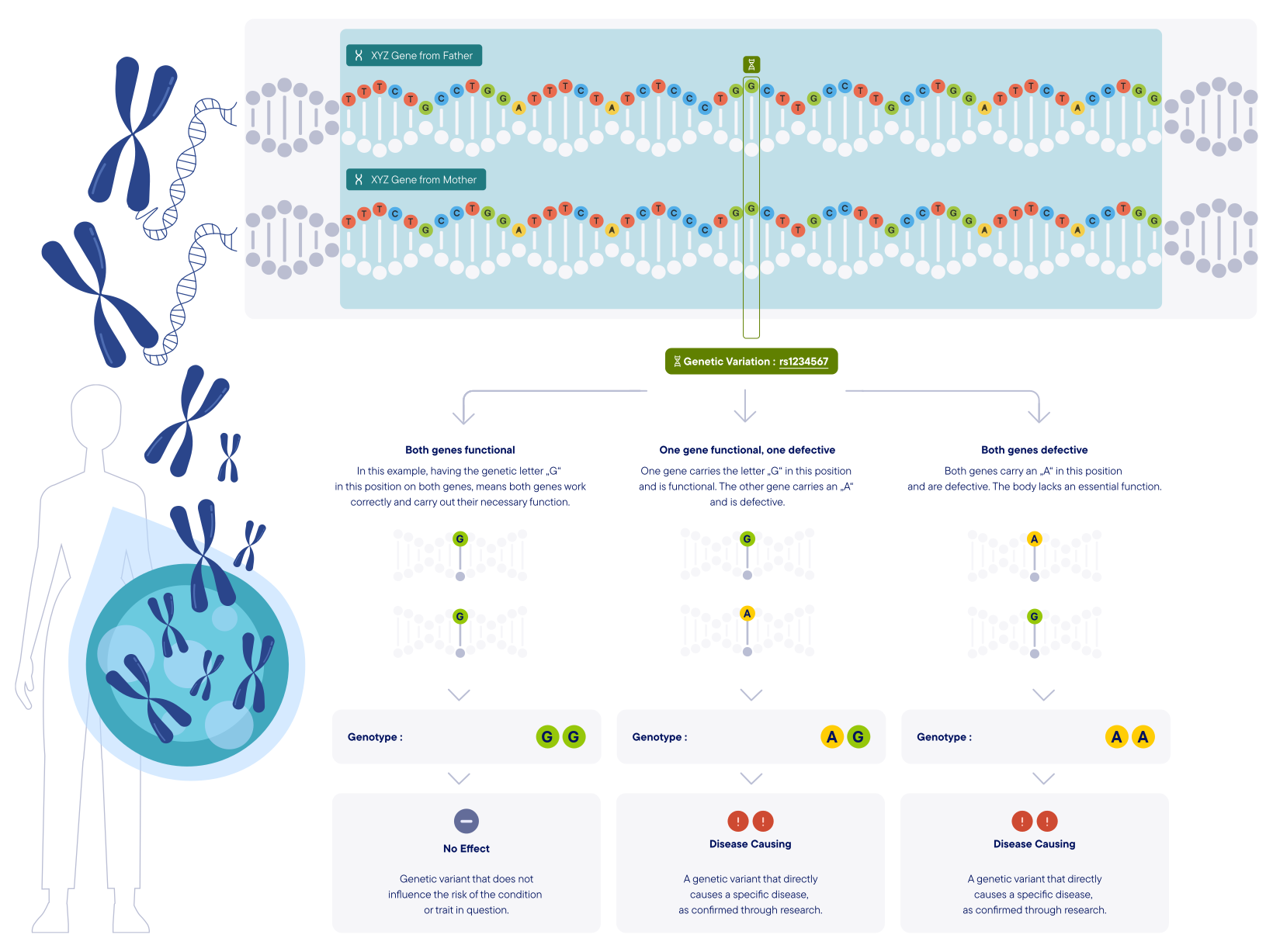
Humans have more than 20,000 genes, each carrying out one or a few specific functions in the body. One gene instructs the body to digest lactose from milk, another tells the body how to build strong bones and another prevents the body's cells from beginning to multiply uncontrollably and developing into cancer. As all of these genes combined are the building instructions for our body, a defect in one of these genes can have severe health consequences.
Through decades of genetic research, we know the genetic code of any healthy/functional human gene. We have also identified that in certain positions on a gene, some individuals may have a different genetic letter from the one you have. We call these hotspots "Genetic Variations" or "Variants" in short. In many cases, studies have been able to show that having the genetic letter "G" in the position makes you healthy, but having the letter "A" in the same position disrupts the gene function and causes a disease. Genopedia allows you to view these variants in genes and summarizes all that we know from scientific research, which genetic letters (Genotype) have good or bad consequences on your health or on your traits.
History
Throughout history, people have described sudden stiffness and aching in the hands and shoulders that seemed to arrive without joint damage. In dialysis wards in the 1970s and 1980s, clinicians noticed older adults who had spent years on treatment developing deep joint pain, numb hands at night, and weak grip. Families remembered the way a loved one’s shoulder movement grew limited, while swelling around the wrists made everyday tasks—buttoning a shirt, opening a jar—harder than expected.
First described in the medical literature as a puzzling joint and bone problem in long-term dialysis, Abeta2m amyloidosis was initially understood only through symptoms, later tied to a specific protein that builds up over time. Researchers found that beta-2 microglobulin, a protein that healthy kidneys normally filter, could accumulate in the blood during chronic kidney failure. Over years, tiny fibers of this protein deposited in joints, tendons, and bones, explaining why people on dialysis developed carpal tunnel syndrome, shoulder pain, and bone cysts.
From early theories to modern research, the story of Abeta2m amyloidosis has been shaped by technology. Older dialysis membranes did not clear beta-2 microglobulin well, and people often started dialysis later in their kidney disease. As dialysis techniques improved—especially with high-flux membranes and better water purification—clinicians saw fewer severe cases and a slower pace of symptoms in many. Awareness also grew that the condition could still appear after a decade or more of treatment, particularly in older adults, even with modern care.
Advances in imaging and tissue staining gave clearer pictures of where deposits formed, from wrist ligaments to shoulder capsules. Surgeons and radiologists began recognizing telltale features during carpal tunnel release or shoulder procedures, which helped confirm the diagnosis earlier. Pathology laboratories refined methods to distinguish beta-2 microglobulin deposits from other types of amyloid, which mattered because treatments and outlook differ among amyloidosis types.
In recent decades, knowledge has built on a long tradition of observation. Clinicians now track how long someone has been on dialysis, the type of dialysis membrane used, and symptoms such as nighttime hand numbness or deep shoulder ache as early signals of Abeta2m amyloidosis. While kidney transplantation can lower circulating beta-2 microglobulin and may slow or halt new deposits, many living with the condition still need focused symptom care and, at times, surgery to relieve nerve pressure or restore movement.
Looking back helps explain why prevention and early detection are priorities today. The past highlighted how protein buildup over many years can affect comfort and independence, and it pushed kidney teams to use dialysis methods that clear more beta-2 microglobulin. That ongoing effort continues to shape care, aiming to reduce the burden of Abeta2m amyloidosis for people who depend on long-term dialysis.