
Abeta amyloidosis, Iowa type is a rare genetic condition that causes abnormal protein build‑up in blood vessels and brain tissue. Many people with Abeta amyloidosis, Iowa type develop memory changes, trouble with thinking, and sometimes strokes or small brain bleeds over time. Symptoms usually begin in adulthood and tend to worsen slowly, and family history is common. Treatment focuses on managing complications like high blood pressure, stroke risk, and seizures, and on supportive therapies for thinking and daily function. The outlook varies, but early evaluation helps people with Abeta amyloidosis, Iowa type plan care and reduce risks.
Overview
Abeta amyloidosis, iowa typeSymptoms
Abeta amyloidosis, Iowa type can cause headaches, brief weakness or numbness, vision changes, and seizures from small brain bleeds. Early symptoms may include brief neurological episodes, while memory and thinking problems often progress over time.
Outlook and prognosis
For many living with Abeta amyloidosis, Iowa type, changes in thinking, memory, and vision tend to worsen gradually over years. Care focused on blood pressure, stroke prevention, and symptom management can slow complications and support independence longer. Regular follow‑up with neurology and eye care helps plan ahead.
Causes and risk factors
Abeta amyloidosis, Iowa type stems from a pathogenic APP gene variant, inherited in an autosomal-dominant pattern. Risk rises with family history, age, APOE ε4, and vascular factors such as hypertension, smoking, high cholesterol, and head injury.
Genetic influences
Genetics play a central role in Abeta amyloidosis, Iowa type. It’s typically caused by an inherited APP gene variant and often follows an autosomal dominant pattern, so one affected parent can pass it on. Genetic testing and counseling can guide family planning and screening.
Diagnosis
Doctors suspect Abeta amyloidosis, Iowa type from clinical features and family history, supported by MRI/CT findings or amyloid PET. Genetic tests for APP mutations confirm diagnosis. Genetic diagnosis of Abeta amyloidosis, Iowa type often avoids invasive biopsy.
Treatment and drugs
Treatment for Abeta amyloidosis, Iowa type focuses on managing cognitive changes, vision problems, and strokes from fragile brain vessels. Care often includes blood pressure control, careful use or avoidance of blood thinners, seizure management, and vision support. Specialized centers may discuss clinical trials targeting amyloid or use tailored rehabilitation to maintain daily function.
Symptoms
Some people notice brief stroke-like episodes, new or worsening headaches, or changes in memory and focus that make routine tasks take longer. Abeta amyloidosis, iowa type tends to affect the brain’s blood vessels, so features often involve thinking, movement, speech, or vision. Features vary from person to person and can change over time. Some signs appear early and come and go, while others, like a brain bleed, are sudden and require emergency care.
Short episodes of spreading tingling, numbness, or weakness can happen, sometimes with shimmering lights or blind spots. These usually last minutes to an hour and resolve, but they signal irritation of brain tissue. They are sometimes mistaken for migraine aura.
A sudden severe headache, new weakness on one side, confusion, or vomiting can signal bleeding in the brain. This is a medical emergency and needs immediate care.
Trouble speaking, a drooping face, or one-sided weakness can occur when a blood vessel is blocked or irritated. These may be brief or persistent and can leave lingering changes in movement or speech.
New or different headaches, sometimes migraine-like, may develop. They can follow minor bleeds or happen around transient episodes.
How people usually first notice Abeta amyloidosis, iowa type?
People often first notice the Iowa type of Aβ amyloidosis through gradual memory changes, trouble finding words, or new confusion that seems out of character, sometimes alongside headaches or brief neurological episodes that mimic small strokes. Families may also spot early personality shifts, slowed thinking, or difficulty managing daily tasks, prompting a medical visit that leads to brain imaging or genetic testing. In many, the first signs of Abeta amyloidosis, Iowa type, are these subtle cognitive and behavioral changes in mid-adulthood, which become clearer over time and bring clinicians to consider this rare inherited form.
Types of Abeta amyloidosis, iowa type
Abeta amyloidosis, Iowa type, is a rare genetic form of amyloid buildup in the brain caused by a specific change in the APP gene. It leads to early and often aggressive memory and thinking changes, and sometimes small-vessel brain bleeds. Symptoms don’t always look the same for everyone. When people look up types of Abeta amyloidosis, it helps to know that “Iowa type” is itself a defined genetic variant, but symptoms can still vary by age at onset and the mix of memory, movement, and bleeding-related features.
Early-onset cognitive
Problems with short-term memory and planning often appear in mid-adulthood. Many notice trouble managing finances or following complex tasks before broader memory loss sets in. Language or attention changes can follow over time.
Vascular-related changes
Small-vessel fragility in the brain can lead to microbleeds or strokes that worsen thinking and balance. Some experience sudden step-downs after a bleed, such as new weakness or confusion. Headaches or brief episodes of vision change can occur.
Movement and gait
Unsteady walking, slower movements, or stiffness may develop as brain pathways are affected. For many, this can mean shorter steps, more falls, or needing a handrail on stairs. Fine hand tasks can become harder.
Behavior and mood
Irritability, apathy, or anxiety may emerge alongside thinking changes. Loved ones may recognize subtle personality shifts or withdrawal from social plans earlier than other changes. Sleep can become fragmented.
Seizure tendency
Some people develop seizures as the disease advances. These can range from brief staring spells to full-body convulsions. New spells of confusion or jerking should prompt urgent evaluation.
What genetics can tell you about symptoms
People with the Iowa type of Aβ amyloidosis often develop early, progressive memory and thinking problems because a specific APP gene change (Glu693Gln) makes Aβ protein more likely to clump in brain vessels. These deposits also raise stroke-like symptoms and seizures.
Causes and risk factors
Abeta amyloidosis, Iowa type is caused by a harmful change in the APP gene that is usually inherited from a parent. It is autosomal dominant, meaning one altered copy can be enough. Some risks are modifiable (things you can change), others are non-modifiable (things you can’t). Risk factors for Abeta amyloidosis, Iowa type that you cannot change include carrying the gene change, older age, and other genetic influences on severity. Risks you can modify include high blood pressure, smoking, heavy alcohol use, head injury, and use of blood thinners.
Environmental and biological risk factors
Abeta amyloidosis, Iowa type is rare. This section looks at environmental and biological factors that could influence the chance of it occurring in a child. Doctors often group risks into internal (biological) and external (environmental). Evidence for these influences is limited, and any effect—if present—appears small.
As fathers get older, the number of new, random DNA changes in sperm rises. This may slightly increase the chance of a new single-letter change in a child. While not specific to Abeta amyloidosis, Iowa type, a new change could, in theory, involve the gene linked to it.
Exposure of the ovaries or testes to high-dose ionizing radiation can damage DNA in eggs or sperm. If this happens before conception, it can very slightly raise the chance of new DNA changes in a child. Human data tying this directly to this disease are lacking.
Some chemotherapy agents and pelvic or testicular radiation can temporarily harm the DNA quality of eggs or sperm. Conception soon after such treatment may carry a slightly higher chance of new DNA changes. Evidence for a direct connection with this rare condition is limited.
Certain industrial solvents, pesticides, and heavy metals have been linked to DNA damage in reproductive cells. These exposures could, in theory, nudge up the background rate of new changes. No clear link to Abeta amyloidosis, Iowa type has been shown in people.
Genetic risk factors
Abeta amyloidosis, Iowa type is driven by a specific inherited change in the APP gene that alters how amyloid-beta behaves in the brain. This change is passed in an autosomal dominant pattern, so each child of an affected parent has a 50% chance of inheriting it. Risk is not destiny—it varies widely between individuals. In some families, genetic testing for Abeta amyloidosis, Iowa type confirms the APP variant and helps clarify who carries it.

APP Iowa variant: A single-letter change in the APP gene, known as the Iowa variant, is the core genetic cause. It alters the amyloid-beta protein so it clumps more easily in brain blood vessels. This build-up drives the disease process in Abeta amyloidosis, Iowa type.
Autosomal dominance: The APP change is inherited in an autosomal dominant pattern. Each child of a carrier has a 50% chance of inheriting it. Men and women are affected equally.
Age-related expression: Many carriers stay well for years, with features often appearing in mid- to late adulthood. Severity and timing vary within and between families. Not having early symptoms does not exclude carrying the variant.
APOE modifiers: Common variants in the APOE gene can influence how much amyloid builds up and the chance of brain bleeding in cerebral amyloid angiopathy. They do not cause Abeta amyloidosis, Iowa type but may shift age at onset or complications. APOE status alone cannot diagnose this condition.
New mutations: Rarely, the APP change arises for the first time in someone with no family history. When this happens, siblings usually have low risk, but future children of the affected person can inherit the variant. A negative family history does not rule out the diagnosis.
Lifestyle risk factors
Abeta amyloidosis, iowa type is inherited; lifestyle habits do not cause it, but they can influence symptoms, brain-bleed risk, and long-term brain health. Understanding how lifestyle affects Abeta amyloidosis, iowa type can help reduce complications like intracerebral hemorrhage and cognitive decline. The elements below focus on lifestyle risk factors for Abeta amyloidosis, iowa type that may modify disease impact.
High-salt eating, inactivity, and poor sleep can elevate blood pressure and raise the risk of lobar brain hemorrhage in this condition. Consistent habits that keep blood pressure lower can reduce bleeding events and cognitive setbacks.
A Mediterranean-style diet rich in fruits, vegetables, whole grains, and omega-3s supports small-vessel brain health in amyloid angiopathy. Diets heavy in sodium and ultra-processed foods may worsen vascular fragility and hemorrhage risk.
Heavy drinking increases blood pressure and impairs clotting, which can heighten intracerebral hemorrhage risk in Abeta amyloidosis, iowa type. Limiting alcohol to light or moderate levels lowers bleeding risk and supports cognitive function.
Tobacco smoke injures cerebral vessels and raises hemorrhagic stroke risk in amyloid-laden arteries. Quitting smoking reduces vascular damage and lowers the chance of brain bleeds.
Risk prevention
While you can’t change the gene, there are practical steps to lower complications from Abeta amyloidosis, Iowa type. Prevention is about lowering risk, not eliminating it completely. The goal is to reduce brain bleeding and stroke risk, manage everyday vascular risks, and plan ahead with experienced specialists.
Keeping blood pressure in a healthy range lowers bleeding risk in fragile brain vessels. Check it regularly at home or a pharmacy and follow your clinician’s target range. Avoid sudden spikes from dehydration, heavy lifting, or stimulants.
Some blood thinners and even daily aspirin can raise bleeding risk in Abeta amyloidosis, Iowa type. Review all medicines and supplements with your doctor before starting or stopping them. Ask specifically about safer alternatives for clot or heart protection.
Protect your head to reduce the chance of brain bleeding. Use helmets for cycling or skiing and avoid high‑impact contact sports. At home, add fall-proofing like grab bars, good lighting, and nonslip mats.
Don’t smoke, and limit alcohol to light-to-moderate levels if you drink at all. Keep cholesterol, blood sugar, and weight in a healthy range through food choices and regular activity. These habits protect small brain vessels over time.

Transmission
Abeta amyloidosis, Iowa type is not contagious and cannot be spread through touch, coughing, sex, breastfeeding, blood exposure, or everyday contact. It results from a change in a single gene and follows an autosomal dominant pattern—meaning a parent with the condition has a 50% chance with each pregnancy to pass the altered gene to a child. This parent-to-child route is the genetic transmission of Abeta amyloidosis, Iowa type, and explains how Abeta amyloidosis, Iowa type is inherited in most families. In rare cases, the gene change can appear for the first time in a child (a new mutation), with no prior family history.
When to test your genes
Consider genetic testing if you have a close relative with Iowa-type Aβ amyloidosis, early strokes, or memory changes at a young age. Testing is also reasonable before family planning or when unexplained brain bleeds or leukoencephalopathy appear on MRI. Results can guide monitoring, blood pressure goals, and counseling for relatives.
Diagnosis
Abeta amyloidosis, iowa type is usually identified by a mix of clinical clues and targeted tests that point to amyloid building up in blood vessels of the brain. The genetic diagnosis of Abeta amyloidosis, iowa type is typically confirmed with a DNA test that looks for a specific change in the APP gene. Family history is often a key part of the diagnostic conversation. Imaging studies and, in selected cases, tissue analysis help confirm the pattern and rule out other causes of brain bleeds or cognitive change.
Doctors review symptoms such as sudden headaches, weakness, speech changes, or gradual memory issues, and check for prior brain bleeds. A detailed timeline and family history help link events to a possible inherited cause.
Susceptibility-weighted or gradient-echo sequences can show small lobar microbleeds and superficial siderosis that fit cerebral amyloid angiopathy. White matter changes and prior small strokes may also be seen.
Sequencing of the APP gene can confirm the specific variant associated with the Iowa type. Results guide counseling for relatives and help distinguish it from other forms of cerebral amyloid angiopathy.
A brain PET scan using amyloid tracers can show cortical amyloid deposits that support the diagnosis. While it cannot separate vessel from plaque amyloid, a positive scan adds weight to other findings.
Stages of Abeta amyloidosis, iowa type
Abeta amyloidosis, iowa type does not have defined progression stages. Symptoms can start at different ages and may worsen slowly or in sudden steps after brain bleeds, so a fixed stage system isn’t used. Early symptoms of Abeta amyloidosis, iowa type may include changes in thinking, new headaches, or stroke‑like episodes, and doctors usually rely on your history, a neurological exam, and brain MRI to track what’s happening over time. Genetic testing may be offered to clarify certain risks.
Outlook and prognosis
Looking at the long-term picture can be helpful. Abeta amyloidosis, Iowa type, tends to progress slowly over years, affecting thinking, memory, and sometimes movement or vision as amyloid builds up in the brain’s blood vessels and tissue. Many people ask, “What does this mean for my future?”, and the honest answer is that the pace varies: some notice mild memory slips in mid-to-late adulthood, while others develop more noticeable cognitive changes or small-stroke symptoms earlier. Early symptoms of Abeta amyloidosis, Iowa type may include trouble finding words, short-term memory gaps, or brief episodes of weakness or vision change that resolve but return later.
Doctors call this the prognosis—a medical word for likely outcomes. Over time, the condition can lead to stepwise declines after minor brain bleeds, or a more gradual dementia picture, and a portion of people develop seizures. Life expectancy is influenced by age at onset, stroke burden, and overall health; recurrent brain hemorrhages raise the risk of serious disability and can be life-limiting, though some people live for many years with careful management and stroke prevention strategies. With ongoing care, many people maintain independence in basic activities for a substantial period, especially when vascular risk factors like high blood pressure are tightly controlled.
Support from friends and family can help with medication routines, safety at home, and planning for changes in driving, work, or finances. Talk with your doctor about what your personal outlook might look like, including how your family history, imaging findings, and any genetic test results may shape risk over the next 5 to 10 years. Genetic testing can sometimes provide more insight into prognosis, but not everyone with the same gene change will have the same outlook, so regular follow-up remains essential. Ask about early warning signs and what steps to take if they appear, including sudden headache, new weakness, or slurred speech, since quick treatment after a bleed can reduce complications.
Long-term effects
Abeta amyloidosis, Iowa type most often involves the brain’s small blood vessels, which can become fragile over time. This can lead to surface brain bleeds, thinking and memory changes, and brief neurologic episodes that may resemble migraines with aura. Long-term effects vary widely, and they often depend on age at onset and how many bleeding events occur. Outlook usually focuses on preventing further bleeds, treating complications, and supporting day-to-day function.
Fragile brain vessels can cause repeated lobar bleeds over time. These strokes may leave lasting weakness, numbness, or difficulty speaking.
Many living with Abeta amyloidosis, Iowa type develop problems with memory, planning, and finding words. For some, this can progress to dementia.
Scarring and irritation from prior bleeds can trigger seizures. Seizures may be focal (starting in one area) or involve larger parts of the brain.
White matter injury and prior strokes can make walking unsteady. Falls may become more common, especially in dim light or on uneven ground.
How is it to live with Abeta amyloidosis, iowa type?
Living with Abeta amyloidosis, Iowa type, often means navigating changes in thinking and memory that can start earlier than expected, along with gradual shifts in mood, behavior, or personality. Daily life may require extra structure—lists, reminders, simplified routines—and support for tasks that once felt automatic, like managing finances, driving in unfamiliar places, or keeping track of medications. For family and close friends, the condition can reshape roles and responsibilities, bringing moments of frustration and grief alongside opportunities to adapt, share care, and preserve connection. Many find that planning ahead, leaning on a care team, and celebrating small wins can keep dignity and identity at the center of everyday life.
Treatment and drugs
Treatment for Abeta amyloidosis, Iowa type focuses on easing symptoms, protecting organ function (especially the brain and eyes), and planning care over time, since no approved therapy yet removes the underlying amyloid. Care is usually coordinated by a neurologist and may include medicines for migraine-like headaches, seizures, mood or sleep changes, and blood pressure control to lower stroke risk; an ophthalmologist can treat vision problems such as glaucoma or retinal changes. Supportive care can make a real difference in how you feel day to day, including physical and occupational therapy to maintain balance and independence, speech therapy for communication or swallowing issues, and low-vision services when needed. Doctors sometimes recommend a combination of lifestyle changes and drugs, and may discuss clinical trials that target amyloid production or clearance as research advances. Ask your doctor about the best starting point for you, and review your plan regularly so treatments can be adjusted as needs change.
Non-drug treatment
Memory lapses, word-finding trouble, or unsteady walking can disrupt simple routines like cooking or paying bills. Beyond prescriptions, supportive therapies can build skills, reduce risks, and help you stay independent. For Abeta amyloidosis, iowa type, care often focuses on brain health, fall prevention, and recovery after any bleeds or strokes. Early symptoms of Abeta amyloidosis, iowa type may be subtle, so getting therapies in place early can make daily life safer.
Targeted balance and strength work can steady walking and reduce falls. Therapists also teach safe movement after a bleed or stroke.
Training breaks tasks into doable steps and adapts tools for cooking, dressing, and bathing. Home changes like grab bars and better lighting can lower day-to-day risk.
Language exercises help with word-finding and understanding. Swallowing assessments and techniques can reduce choking and pneumonia risk.
Memory notebooks, phone prompts, and structured routines support attention and recall. Tailored practice can help people with Abeta amyloidosis, iowa type stay organized at home.
Your genes may have an impact on how drugs work for you
Genes can change how your body handles anti-amyloid treatments, affecting drug levels, side effects, and how well plaques are cleared. Variants in enzymes (like CYPs) or protein targets can guide dosing or choice of therapy for people with Iowa-type Aβ amyloidosis.
Pharmacological treatments
For Abeta amyloidosis, Iowa type, medicines aim to lower the risk of brain bleeds, treat inflammation when it flares, control seizures, and support thinking and day-to-day function. Not everyone responds to the same medication in the same way. There’s no approved drug that reliably clears this form of amyloid from brain blood vessels. Anti-amyloid Alzheimer’s antibodies are not established for this condition and are often avoided because of bleeding risks.
Lisinopril, losartan, amlodipine, or hydrochlorothiazide are commonly used to keep blood pressure in a safer range. Lowering blood pressure reduces the chance of brain bleeding in cerebral amyloid angiopathy.
Levetiracetam, lamotrigine, or lacosamide can prevent or reduce seizures linked to superficial brain bleeding. Doses are tailored to balance seizure control with side effects like sleepiness or mood changes.
High-dose methylprednisolone followed by a prednisone taper is used for CAA-related inflammation that causes subacute symptoms. This may be considered when early symptoms of Abeta amyloidosis, Iowa type include new headaches, confusion, or MRI signs of swelling.
Acetaminophen is preferred for pain because it doesn’t raise bleeding risk. Nonsteroidal anti-inflammatory drugs like ibuprofen are generally avoided unless a clinician advises otherwise.
Genetic influences
This condition often runs in families because of a single inherited change in a gene that helps the brain handle amyloid protein. In the Iowa type, the change occurs in the APP gene; one altered copy is enough to raise risk, so each child of an affected parent has a 50% (1 in 2) chance to inherit it. Family history is one of the strongest clues to a genetic influence. Even within the same family, the age symptoms start and how they show up can vary—some relatives first have stroke-like episodes, while others notice thinking or memory changes. A clinical genetics visit and a simple blood test that looks for the known family change can confirm who carries it and who does not. Knowing this inherited risk can prompt attention to early symptoms of Abeta amyloidosis, iowa type and help plan monitoring and care.
Is Abeta amyloidosis, iowa type genetic?
Genetics play a central role in Abeta amyloidosis, Iowa type. It’s typically caused by an inherited APP gene variant and often follows an autosomal dominant pattern, so one affected parent can pass it on. Genetic testing and counseling can guide family planning and screening.
Pharmacogenetics—how genetics influence drug effects
Because Abeta amyloidosis, Iowa type results from a change in the APP gene, treatment planning often weighs symptom relief against the condition’s higher risk of brain bleeding. If anti‑amyloid antibody drugs are considered in research or future care, APOE e4 genotype can help estimate the chance of treatment‑related brain swelling or small brain bleeds (ARIA), which is higher in APOE e4 carriers—especially those with two copies. This can guide whether a drug is appropriate, how often to check MRI scans, and when to pause or stop therapy. Genetic testing can sometimes identify how your body responds to certain symptom‑relief medicines—such as some antidepressants or anti‑seizure drugs—so doctors can choose a dose or alternative that fits you better. For blood thinners or antiplatelets needed for other conditions, teams usually prioritize the bleeding risk from cerebral amyloid angiopathy; if these drugs can’t be avoided, well‑studied pharmacogenetic markers that affect warfarin or clopidogrel may guide dosing, but they don’t remove the underlying risk. Even in early symptoms of Abeta amyloidosis, Iowa type, the safest plan often blends genetics with age, kidney and liver function, brain imaging, and your full medication list to personalize care.
Interactions with other conditions
Living with Abeta amyloidosis, Iowa type can be more complicated when other health issues are in the mix, especially those that affect the brain’s small blood vessels. Doctors call it a “comorbidity” when two conditions occur together. High blood pressure, diabetes, and high cholesterol can strain fragile vessels and, in this condition, raise the risk of small or larger brain bleeds or strokes. Medicines that thin the blood—such as warfarin, direct oral anticoagulants, or even daily aspirin—may further increase bleeding risk, so teams often weigh these drugs carefully if someone also has atrial fibrillation or a history of clots. Alzheimer’s disease can overlap because both involve amyloid; anti-amyloid Alzheimer’s treatments can sometimes lead to swelling or bleeding changes on brain scans in people with underlying cerebral amyloid, so specialists monitor closely. Early symptoms of Abeta amyloidosis, Iowa type can resemble age-related memory issues or small-vessel disease, and when another illness is present, it may blur the picture, making coordinated care and clear communication even more important.
How genes can cause diseases
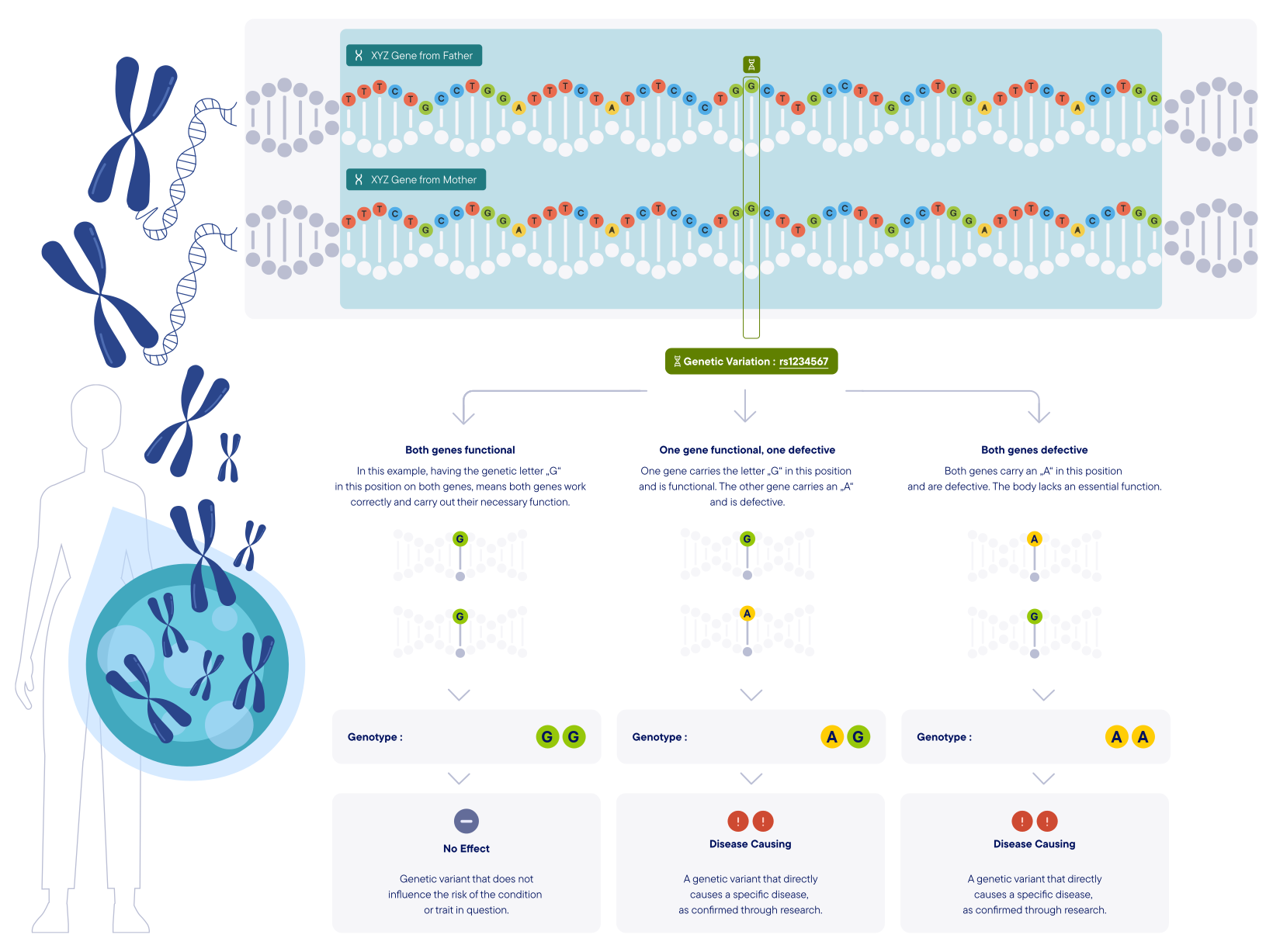
Humans have more than 20,000 genes, each carrying out one or a few specific functions in the body. One gene instructs the body to digest lactose from milk, another tells the body how to build strong bones and another prevents the body's cells from beginning to multiply uncontrollably and developing into cancer. As all of these genes combined are the building instructions for our body, a defect in one of these genes can have severe health consequences.
Through decades of genetic research, we know the genetic code of any healthy/functional human gene. We have also identified that in certain positions on a gene, some individuals may have a different genetic letter from the one you have. We call these hotspots "Genetic Variations" or "Variants" in short. In many cases, studies have been able to show that having the genetic letter "G" in the position makes you healthy, but having the letter "A" in the same position disrupts the gene function and causes a disease. Genopedia allows you to view these variants in genes and summarizes all that we know from scientific research, which genetic letters (Genotype) have good or bad consequences on your health or on your traits.
History
Families and communities once noticed patterns of memory trouble that seemed to start earlier than expected, sometimes paired with strokes or vision changes. Relatives might recall a grandparent who stayed sharp into old age while a sibling developed confusion in midlife. These stories hinted that something inherited could be affecting the brain’s small blood vessels, long before tests could confirm it.
From early written records to modern studies, doctors first grouped these problems under broader cerebrovascular diseases. People with Abeta amyloidosis, Iowa type often had small brain bleeds, headaches, or progressive thinking changes, and early reports focused on what could be seen on scans or at autopsy. Initially understood only through symptoms, later work connected these features to a build‑up of a specific protein fragment, beta‑amyloid, in the walls of brain vessels.
In recent decades, knowledge has built on a long tradition of observation. Careful family histories showed a clear inherited pattern, and advances in genetics identified a specific change in the gene that guides making beta‑amyloid. This clarified why affected families tended to show earlier and more severe cerebral amyloid angiopathy than people with age‑related forms. It also explained why the condition could include both “silent” microbleeds and noticeable events like a sudden stroke or a slow shift in memory and thinking.
As medical science evolved, brain imaging improved the ability to spot typical features during life, not only after death. Researchers learned that the Iowa type has a tendency toward widespread vessel involvement, which helps explain why symptoms can begin in mid‑adulthood and vary within the same family. Not every early description was complete, yet together they built the foundation of today’s knowledge.
With each decade, the language used to describe Abeta amyloidosis, Iowa type became more precise. What began as puzzling family clusters of strokes and dementia was reframed as a genetic form of cerebral amyloid angiopathy driven by a particular beta‑amyloid variant. This shift has guided counseling about inheritance, allowed earlier recognition of early symptoms of Abeta amyloidosis, Iowa type, and opened the door to studies focused on preventing bleeds and supporting brain health.
Looking back helps explain why timely diagnosis matters now. Understanding the condition’s path from scattered case reports to a defined genetic diagnosis encourages families to share medical histories, consider genetic counseling when appropriate, and partner with clinicians to plan monitoring and care.