
Abeta amyloidosis, arctic type is a rare genetic condition that causes abnormal protein deposits in the brain. It usually begins in mid-adulthood and worsens over time. Early symptoms of Abeta amyloidosis, arctic type can include memory loss, trouble with thinking, and changes in daily function. Treatment focuses on symptom management, safety, and supportive care, and some may join clinical trials for targeted therapies. The outlook varies, but many people with Abeta amyloidosis, arctic type benefit from early evaluation and coordinated care.
Overview
Abeta amyloidosis, arctic typeSymptoms
Abeta amyloidosis, arctic type causes early, progressive memory loss, difficulty planning, and word-finding problems, often starting in mid-adulthood. Headaches, mood or behavior changes, and strokes from brain bleeding can occur; early symptoms of Abeta amyloidosis, arctic type worsen over time.
Outlook and prognosis
Most people with Abeta amyloidosis, arctic type develop gradual memory and thinking changes in mid-to-late adulthood, often progressing over years. Care focused on symptoms, brain health, and support can meaningfully extend independence. Genetic counseling helps families plan ahead.
Causes and risk factors
Caused by a specific APP gene change, usually inherited in a dominant way; rarely a new mutation. Family history is the main risk. APOE type, aging, and vascular risks (high blood pressure, smoking, diabetes) may worsen or hasten problems.
Genetic influences
Genetics are central in Abeta amyloidosis, arctic type. A single inherited APP gene variant (often autosomal dominant) drives abnormal amyloid-beta that clumps earlier and more aggressively. Family history strongly raises risk; targeted genetic testing and counseling are key.
Diagnosis
Doctors consider family history, early cognitive or stroke-like features, and brain imaging to suspect Abeta amyloidosis, arctic type. Genetic tests for APP gene changes confirm it. Genetic diagnosis of Abeta amyloidosis, arctic type may also include ruling out similar disorders.
Treatment and drugs
Treatment for Abeta amyloidosis, arctic type focuses on easing symptoms, protecting brain health, and supporting daily function. Care may include memory and mood medicines used in Alzheimer’s disease, risk‑factor control, rehabilitation therapies, and structured routines for safety and independence. Genetic counseling and supportive services help families plan and cope.
Symptoms
Changes often start in thinking and memory that affect everyday routines, like keeping track of plans or following conversations. Some early features of Abeta amyloidosis, arctic type include short-term memory slips and word-finding difficulty. Features vary from person to person and can change over time. Over time, other thinking skills, mood, or movement can also be affected.
In Abeta amyloidosis, arctic type, recent memories tend to fade first. You may repeat questions or misplace items more often. Loved ones often notice the changes first.
Common words can feel just out of reach. Speech may include pauses or using descriptions instead of the exact word. Reading or following fast conversation can be tiring.
Organizing tasks, bills, and medications becomes harder. Multistep chores like preparing a meal or planning travel may feel overwhelming. What once felt effortless can start to require more energy or focus.
People with Abeta amyloidosis, arctic type can get turned around on familiar routes. Judging distance, parking, or navigating busy stores becomes tricky. This can lead to stumbles or near-misses around stairs and curbs.
How people usually first notice Abeta amyloidosis, arctic type?
People often first notice the arctic type of Abeta amyloidosis through subtle memory lapses, trouble finding words, or getting lost on familiar routes, which may appear in mid-adulthood and gradually worsen. Families may also spot changes in judgment, mood, or problem-solving at work or home, prompting evaluation for early-onset Alzheimer’s–like symptoms—the first signs of Abeta amyloidosis, arctic type. Doctors typically recognize it when cognitive testing shows a specific pattern of decline and imaging or spinal fluid studies suggest amyloid buildup, with genetic testing sometimes confirming how Abeta amyloidosis is first noticed in affected families.
Types of Abeta amyloidosis, arctic type
Abeta amyloidosis, arctic type is a genetic form of amyloidosis caused by a specific change in the APP gene that makes the beta-amyloid protein more likely to clump. These clumps build up mainly in the brain and blood vessels, which can affect memory, thinking, and sometimes walking or balance. People in the same family can show different ages of onset and speeds of change, but the overall pattern is typically progressive. When people search for types of Abeta amyloidosis, arctic type, they’re often looking to understand how the variant shows up in daily life and how it differs from other hereditary amyloidosis variants.
Arctic APP variant
This well-defined variant involves a specific change in the APP gene that increases sticky beta-amyloid forms. It most often leads to early cognitive changes such as memory trouble and slowed thinking, followed by broader dementia features.
Cerebral amyloid angiopathy–predominant
In some families with the Arctic variant, amyloid builds up more in brain blood vessels, known medically as cerebral amyloid angiopathy. This pattern can bring headaches, small brain bleeds, or stroke-like episodes alongside thinking changes.
Early-onset presentation
Many with the Arctic variant develop symptoms earlier than typical late-life Alzheimer’s disease, sometimes in mid-adulthood. Earlier onset can mean a faster pace of decline in memory, planning, and daily tasks.
Variable severity within families
Even with the same APP change, severity and timing can differ among relatives. Not everyone will experience every type, and some may have milder vessel involvement or slower cognitive changes.
What genetics can tell you about symptoms
People with the Arctic type of Aβ amyloidosis (APOE A673T mutation in APP) often develop early, rapidly progressive memory loss, confusion, and language problems because unusually “sticky” Aβ protofibrils build up in the brain. This variant also increases brain inflammation and small-vessel injury, which can add headaches, mood changes, and strokes or microbleeds.
Causes and risk factors
Abeta amyloidosis, arctic type mainly stems from a change in the APP gene that makes amyloid beta build up in the brain. Some risks are written in our DNA, passed down through families. It is usually inherited from a parent, and a single altered copy can be enough to cause the disorder. Rarely, a new gene change can appear for the first time, and age and other genes may influence when problems start. Heart and blood vessel risks, smoking, head injury, and poor sleep do not cause it, but they can stress the brain and may shift the age of onset and early symptoms of Abeta amyloidosis, arctic type.
Environmental and biological risk factors
Abeta amyloidosis, arctic type is a rare condition that starts with a specific change present from birth. Most of the risk lies in whether that change is present at conception; a small share comes from brand-new changes in an egg or sperm. Doctors often group risks into internal (biological) and external (environmental). These influences relate to who is born with the condition, not the early symptoms of Abeta amyloidosis, arctic type.
As sperm are made throughout life, copying errors can build up with time. This slightly raises the chance of a brand-new DNA change in sperm before conception. Very rarely, such a change could underlie Abeta amyloidosis, arctic type.
Egg cells age along with the body and may carry more DNA errors over time. This effect is smaller than for fathers, but it still exists. In uncommon cases, it could contribute to being born with Abeta amyloidosis, arctic type.
Strong ionizing radiation can damage DNA in reproductive cells. Exposure before conception may raise the chance of new DNA changes in eggs or sperm. Most medical and workplace exposures are regulated to keep doses low.
Some chemotherapy drugs and pelvic radiation can injure egg or sperm DNA. Conception soon after treatment may carry a higher chance of new DNA changes. Planning pregnancy with oncology and fertility teams can help lower this risk.
Genetic risk factors
The Arctic type is driven by a rare change in the APP gene that alters how amyloid-beta behaves. This inherited variant makes the protein fragment clump more easily, setting off brain and vessel deposits that can lead to early symptoms of Abeta amyloidosis, arctic type. Some risk factors are inherited through our genes. Family history, ancestry from a known founder region, and modifier genes like APOE can shift when problems begin and how severe they become.

APP Arctic variant: A specific change in the APP gene (often noted E693G or E22G) drives this condition by boosting amyloid-beta clumping. The altered fragment forms toxic clusters and deposits in brain tissue and in blood vessel walls.
Autosomal dominant pattern: A parent with the APP Arctic variant can pass it to each child with a 50% chance. Most affected families show several relatives across generations with symptoms starting relatively young.
Founder ancestry: This variant largely traces to families from northern Sweden and nearby parts of Scandinavia. Outside these lineages, Abeta amyloidosis, arctic type is exceptionally rare.
Family history: Close relatives with early-onset Alzheimer-like changes or amyloid in brain vessels raise the chance you carry the same APP variant. A three-generation family tree can help clarify inherited risk.
APOE modifiers: Common APOE types, especially ε4 or ε2, may shift the age symptoms begin and influence plaque or vessel involvement. They can change severity but do not cause Abeta amyloidosis, arctic type by themselves.
De novo changes: A new, first-in-family APP mutation can occur but appears uncommon for the Arctic type. Most people inherit the variant from an affected parent.
Variable onset: Even within one family, the age when symptoms start and the mix of memory and vessel features can differ. This variability makes personal risk hard to predict precisely.
Lifestyle risk factors
Abeta amyloidosis, arctic type is a genetic condition; lifestyle habits do not cause it, but they can influence the pace of symptom progression and the risk of complications. This overview focuses on how lifestyle affects Abeta amyloidosis, arctic type. The points below emphasize lifestyle risk factors for Abeta amyloidosis, arctic type that may shape cognition, vascular events, and daily functioning.
Regular aerobic and strength exercise can improve cerebral blood flow and cognitive reserve in people with this condition. Better vascular fitness may lower small-vessel disease burden and reduce hemorrhage risk linked to cerebral amyloid angiopathy.
A Mediterranean-style pattern rich in plants, fish, and unsaturated fats may reduce neuroinflammation and support synaptic health. This can be associated with slower cognitive decline despite underlying Aβ deposition.
Consistent, restorative sleep supports glymphatic clearance of Aβ peptides from the brain. Chronic sleep loss or apnea may worsen amyloid buildup and accelerate symptom onset.
Heavy or binge drinking raises blood pressure and fall risk, increasing the chance of brain hemorrhage in amyloid-laden vessels. It also impairs cognition, compounding memory and executive deficits.
Risk prevention
Abeta amyloidosis, arctic type is an inherited condition, so you can’t fully prevent the underlying gene change, but you can lower risks and plan ahead. Prevention is about lowering risk, not eliminating it completely. Steps focus on early detection, protecting brain blood vessels, and supporting long-term brain health. Learning the early symptoms of Abeta amyloidosis, arctic type can prompt timely evaluation and care.
A genetics professional can explain inheritance, testing choices, and what results might mean for you and your family. This can help with planning and reduce uncertainty.
Adults with a family history may choose a blood test to see if they carry the gene change. Talk to your doctor about which preventive steps are right for you.
If desired, in‑vitro fertilization with embryo testing can reduce the chance of passing on the variant. Prenatal testing and donor gametes are other options to consider.
Keeping blood pressure in a healthy range protects brain blood vessels that can be stressed by amyloid. Work with your clinician to set a target and stick with treatment if prescribed.

Transmission
Abeta amyloidosis, arctic type is not contagious; you can’t catch it from contact, coughs, sex, or blood exposure. It is inherited in an autosomal dominant way, meaning a parent who carries the gene change has a 50% (1 in 2) chance of passing it to each child. A new, first-in-family change can occasionally arise, and once present it follows the same pattern. If Abeta amyloidosis, arctic type runs in your family, a genetics professional can explain the genetic transmission of Abeta amyloidosis, arctic type and help you understand how Abeta amyloidosis, arctic type is inherited and what testing options exist.
When to test your genes
Consider genetic testing if you have early-onset memory changes before 65, a strong family history of Alzheimer’s-like disease across generations, or a known PSEN1 Arctic variant in relatives. Testing can clarify risk, guide monitoring and prevention, and inform family planning. Always pair results with genetic counseling to interpret options and next steps.
Diagnosis
People with Abeta amyloidosis, arctic type often first notice changes in memory, problem-solving, or attention that gradually affect work or daily routines. Because this form is inherited, doctors look at patterns across the family alongside brain-focused tests. Family history is often a key part of the diagnostic conversation. Together, these steps support a genetic diagnosis of Abeta amyloidosis, arctic type when the clinical picture fits.
Your doctor reviews symptoms, medications, and other health issues that could explain changes in thinking. They also look for signs that suggest blood vessel involvement in the brain, which is common in this condition.
Short memory and thinking tests check attention, language, and problem-solving. Results help show the pattern and pace of change over time.
A detailed family and health history can help connect early-onset symptoms across generations. This can point toward an inherited cause like Abeta amyloidosis, arctic type.
MRI can show small brain bleeds (microbleeds), white matter changes, or areas of stroke-like injury linked to amyloid in blood vessel walls. These imaging findings support the diagnosis when paired with symptoms and family history.
Stages of Abeta amyloidosis, arctic type
Abeta amyloidosis, arctic type often follows a familiar Alzheimer-like progression, moving from silent brain changes to noticeable memory and thinking problems that gradually affect daily life. Many people feel relief once they understand what’s happening. The timing can vary from person to person, but the order of changes is generally consistent.
Preclinical changes
Subtle brain changes start years before symptoms. Day-to-day life feels normal, and routine checks may be the only way to spot early risk.
Early symptoms (MCI)
Early symptoms of Abeta amyloidosis, arctic type may include forgetfulness, trouble finding words, or losing track of plans. You can still manage most tasks, but extra effort and reminders become common.
Mild dementia
Memory lapses become more frequent and noticeable to others. Complex tasks like budgeting, organizing travel, or managing medicines need help.
Moderate dementia
Thinking and language problems expand, and getting lost in familiar places can occur. Daily activities such as dressing, cooking, and bathing often require hands-on support.
Severe dementia
Communication becomes very limited, and full-time assistance is usually needed. Eating, moving safely, and personal care depend on caregivers.
Family pattern stage
Because Abeta amyloidosis, arctic type is inherited, relatives may be assessed before symptoms. Genetic testing may be offered to clarify certain risks.
Outlook and prognosis
Looking ahead can feel daunting, but many living with Abeta amyloidosis, arctic type can lead meaningful, active lives for years after early symptoms of Abeta amyloidosis begin. The outlook is not the same for everyone, but memory changes and thinking difficulties usually progress over time, often accompanied by mood or behavior shifts. Most people eventually need help with daily tasks; falls, infections, and swallowing difficulties can occur in later stages and are common reasons for hospital stays.
Doctors call this the prognosis—a medical word for likely outcomes. In families with the arctic variant, symptoms often start earlier than typical late-onset Alzheimer’s disease, sometimes in the 50s or early 60s, and tend to progress steadily over 8 to 12 years from noticeable symptoms to advanced stages. Mortality is usually related to complications of late-stage dementia rather than the genetic change itself, with survival influenced by overall health, timely treatment of infections, mobility, and nutrition.
Early care can make a real difference, particularly when it comes to managing sleep, mood, blood pressure, hearing and vision, and staying physically and socially engaged. Approved and emerging anti-amyloid treatments may slow decline for some people; eligibility depends on stage, safety, and access, and careful monitoring is essential. Talk with your doctor about what your personal outlook might look like, including planning for driving, work, and home support over time.
Long-term effects
Abeta amyloidosis, arctic type tends to lead to a gradual, progressive decline that primarily affects thinking and day-to-day independence. Long-term effects vary widely, and the pace can differ even within the same family. Over time, many people also develop changes linked to fragile brain blood vessels. The overall course often spans years, with increasing support needs as skills change.
Short-term memory slips often come first, such as repeating questions or misplacing items. These changes usually expand to affect recent events and learning new information.
Tasks that need focus, problem-solving, or multitasking become slower and harder. Bills, medications, or complex errands may require help.
Finding words can become tough and conversations may feel effortful. Reading and following instructions can also be affected over time.
Irritability, anxiety, low mood, or apathy may appear and fluctuate. Some people develop suspiciousness or distress in unfamiliar settings.
How is it to live with Abeta amyloidosis, arctic type?
Day to day, Abeta amyloidosis, arctic type, often means tracking changes in memory, attention, and problem‑solving, then gradually needing more help with finances, medications, driving, and complex conversations. Many living with it notice fatigue, disorientation in new places, and frustration when words don’t come easily, while families and friends take on more planning, reminders, and safety checks at home. Routines, clear cues, and simplifying tasks can preserve independence longer, and caregivers benefit from respite, support groups, and honest care planning early on. As needs grow, compassionate communication—short sentences, calm tone, and patience—helps everyone stay connected even as roles shift.
Treatment and drugs
Treatment for Abeta amyloidosis, arctic type focuses on easing symptoms, protecting brain function, and planning care over time, since no approved therapy has been proven to remove the specific arctic-type amyloid safely in people. Doctors often start with medicines used for Alzheimer’s symptoms, such as cholinesterase inhibitors and memantine, which can support thinking and daily function for some, and may also treat mood, sleep changes, or headaches if they occur. Supportive care can make a real difference in how you feel day to day, including cognitive rehabilitation, structured routines, physical activity, and speech or occupational therapy to maintain independence. Your doctor may suggest adding treatments to manage risks like high blood pressure, diabetes, or high cholesterol, and will review drugs that could worsen memory. Research is ongoing into anti-amyloid antibodies and gene-targeted strategies, but access is usually through clinical trials, and not every treatment works the same way for every person.
Non-drug treatment
Memory slips, word-finding trouble, or unsteady walking can make daily life with Abeta amyloidosis, arctic type feel challenging at home and at work. Beyond prescriptions, supportive therapies can reinforce skills, protect safety, and ease stress for you and your family. Many focus on staying active, simplifying routines, and building a reliable support network. These approaches may help even when early symptoms of Abeta amyloidosis, arctic type are subtle.
Structured exercises and practical strategies strengthen attention, memory, and planning. Therapists tailor tools like notebooks, phone reminders, and step-by-step checklists to daily goals.
Home and task modifications make cooking, bathing, and finances safer and easier. You’ll learn energy-saving tips and ways to simplify multi-step chores.
Regular walking, cycling, or swimming supports brain and heart health. Strength and balance work can lower fall risk and improve confidence.
Targeted exercises improve steadiness and gait. Programs may include tai chi, single-leg stands, and guided physical therapy for safe progress.
Your genes may have an impact on how drugs work for you
Medicines for Arctic-type Aβ amyloidosis can work differently because inherited APP variants alter how amyloid forms and clears, shifting drug targets and response. Genetic differences in liver enzymes and drug transporters also affect dose needs and side‑effect risk.
Pharmacological treatments
Treatment focuses on easing thinking and behavior changes and, in some cases, slowing amyloid buildup. Options include daily symptom medicines and intravenous antibodies that clear amyloid; choice depends on stage, risks, and goals. Not everyone responds to the same medication in the same way. These plans often begin when early symptoms of Abeta amyloidosis, arctic type appear, with close monitoring for benefits and side effects.
Can help memory, attention, and daily tasks in mild to severe disease. Common effects include nausea or vivid dreams, which often ease over time. Doses are usually increased gradually to balance benefit and side effects.
Available as a pill or skin patch to reduce stomach upset. May support attention and daily function. Skin irritation can occur with the patch.
May improve attention and short-term memory in early to mid stages. Taking it with food can reduce nausea. Dose adjustments are needed with significant kidney or liver problems.
Supports thinking and independence in moderate to severe stages. Dizziness or headache can occur. Often combined safely with a cholinesterase inhibitor like donepezil.
Genetic influences
In many families affected by this condition, a single inherited change in the APP gene is the key driver. It’s natural to ask whether family history plays a role. Abeta amyloidosis, arctic type usually follows an autosomal dominant pattern, meaning one altered copy from a parent can be enough to raise the chance of developing the condition, and each child has a 50% (1 in 2) chance of inheriting it. This specific APP change, often called the “Arctic” variant, tends to make amyloid-beta fragments clump more readily in the brain, fueling the buildup linked to disease. If you’re exploring the genetic causes of Abeta amyloidosis, arctic type, most cases in known families trace back to this APP variant. Genetic testing can look for the APP change, and reviewing results with a genetic counselor can clarify what they mean for you and your relatives. Even within the same family, age of onset and severity can vary, so a positive test points to higher risk but doesn’t predict the exact timeline.
Is Abeta amyloidosis, arctic type genetic?
Genetics are central in Abeta amyloidosis, arctic type. A single inherited APP gene variant (often autosomal dominant) drives abnormal amyloid-beta that clumps earlier and more aggressively. Family history strongly raises risk; targeted genetic testing and counseling are key.
Pharmacogenetics—how genetics influence drug effects
Because Abeta amyloidosis, arctic type is driven by a change in the APP gene, genetics shape both the illness and how doctors plan treatment. Doctors can use your genetic information to help choose medicines and monitoring plans that balance potential benefit and risk. For example, certain APOE patterns are linked to a higher chance of amyloid-related imaging abnormalities (ARIA) with anti-amyloid antibodies, so teams may adjust dose, timing, and MRI checks. And because this subtype tends to build soluble amyloid clumps (protofibrils), drugs designed to target those clumps may be considered in Abeta amyloidosis, arctic type, though real-world data are still limited.
Genetics also influence how your body breaks down symptom-relief medicines used in Abeta amyloidosis, arctic type, including memory boosters and treatments for mood or sleep. Differences in liver enzyme genes such as CYP2D6 or CYP2C19 can lead to higher or lower drug levels, which may change side effects or how well a standard dose works. In practice, clinicians may use pharmacogenetic testing for Abeta amyloidosis, arctic type alongside your medication list and close follow-up to fine-tune choices, dosing, and monitoring.
Interactions with other conditions
Living day-to-day with Abeta amyloidosis, arctic type often means thinking about how it interacts with heart and blood vessel problems. High blood pressure, prior small‑vessel disease, or a need for blood thinners for atrial fibrillation can raise the chance of brain bleeds because the condition makes certain brain vessels more fragile. Doctors call it a “comorbidity” when two conditions occur together, and these overlaps can make changes in memory, balance, or headaches feel more pronounced. Some early symptoms of Abeta amyloidosis, arctic type can also resemble common issues like sleep apnea, depression, or medication side effects, and those problems may further cloud thinking or energy levels if not addressed. There’s also meaningful overlap with Alzheimer‑type brain changes, and genetic background may influence how severe symptoms become, though not everyone is affected in the same way. Talk with your doctor about how your conditions may influence each other, especially before starting antiplatelet or anticoagulant medicines, so your care team can balance stroke prevention with bleeding risk and tailor a plan that fits your full health picture.
How genes can cause diseases
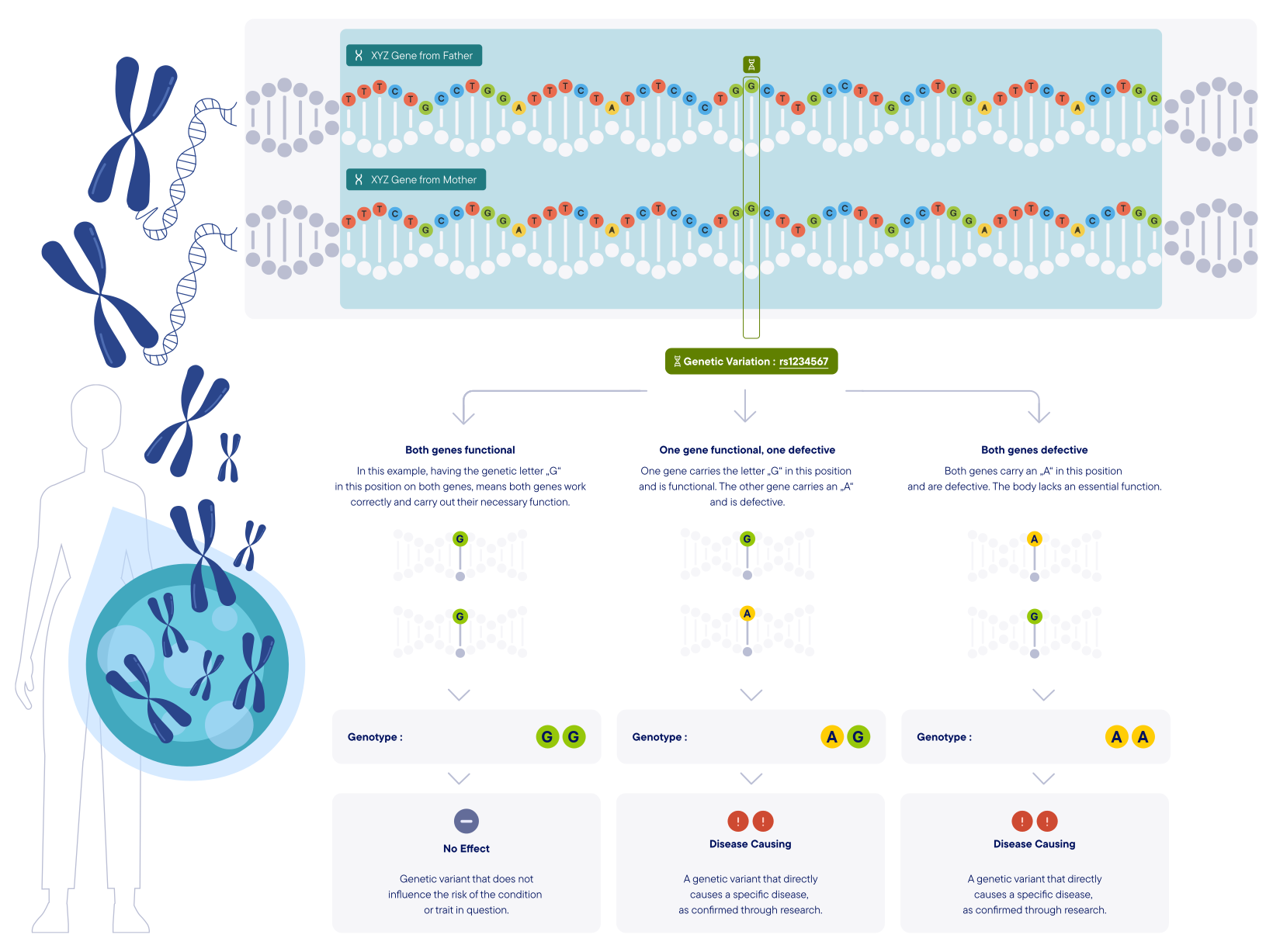
Humans have more than 20,000 genes, each carrying out one or a few specific functions in the body. One gene instructs the body to digest lactose from milk, another tells the body how to build strong bones and another prevents the body's cells from beginning to multiply uncontrollably and developing into cancer. As all of these genes combined are the building instructions for our body, a defect in one of these genes can have severe health consequences.
Through decades of genetic research, we know the genetic code of any healthy/functional human gene. We have also identified that in certain positions on a gene, some individuals may have a different genetic letter from the one you have. We call these hotspots "Genetic Variations" or "Variants" in short. In many cases, studies have been able to show that having the genetic letter "G" in the position makes you healthy, but having the letter "A" in the same position disrupts the gene function and causes a disease. Genopedia allows you to view these variants in genes and summarizes all that we know from scientific research, which genetic letters (Genotype) have good or bad consequences on your health or on your traits.
History
Throughout history, people have described sudden memory slips, confusion during familiar tasks, and personality changes appearing earlier than expected in adulthood. Families and communities once noticed patterns of relatives who developed these problems in midlife, sometimes across several generations. In northern Europe, a few extended families told similar stories: a parent in their 50s who began repeating questions, a grandparent who got lost on a routine walk, an aunt who changed from outgoing to withdrawn within a few years.
First described in the medical literature as an unusually early and rapidly progressing form of Alzheimer’s-like disease, Abeta amyloidosis, arctic type drew attention because symptoms clustered in related individuals. Early doctors could only record what they saw—gradual memory loss, trouble with planning, and later difficulties with language and orientation. Brain studies after death showed the same telltale protein deposits seen in Alzheimer’s disease, but with patterns and a pace that seemed different for these families.
As medical science evolved, researchers linked these family histories to a single change in a gene that helps make amyloid-beta, the protein that can build up in the brain. This specific change—found in a few families with shared ancestry—made the protein more likely to clump, like a switch turned too far up, which helped explain the earlier start and faster course. In recent decades, knowledge has built on a long tradition of observation. Genetic testing confirmed the pattern of inheritance in affected lineages, and modern brain imaging began to show amyloid buildup years before symptoms, deepening understanding of the timeline.
Over time, descriptions became more precise. Clinicians noted that early symptoms of Abeta amyloidosis, arctic type often mirror typical Alzheimer’s disease—short-term memory trouble and difficulty managing complex tasks—yet may appear a decade or more earlier than the common, late-onset form. Some people also showed earlier changes in thinking speed and executive skills, which guided how monitoring and support were offered.
Despite evolving definitions, the core story has been consistent: a rare, inherited condition causing amyloid to accumulate and trigger progressive cognitive changes in adulthood. Learning from these families has shaped broader research on Alzheimer’s disease, from how amyloid forms to how it might be detected and targeted. Looking back helps explain why today’s care teams emphasize family history, offer genetic counseling when appropriate, and use both clinical exams and modern scans to build a fuller picture for people living with Abeta amyloidosis, arctic type and their relatives.