
Abducens nerve palsy affects the sixth cranial nerve and causes trouble moving one eye outward. People with Abducens nerve palsy often notice double vision that worsens when looking to the side, and the affected eye may turn inward. It can be present from birth or develop later from diabetes, high blood pressure, infection, injury, or rarely a tumor, and symptoms may improve over weeks to months. Many living with Abducens nerve palsy do well with treatment such as prism glasses, eye patches, managing underlying conditions, steroid or antiviral therapy when indicated, and sometimes surgery. The condition can affect children and adults, and it is usually not life threatening unless linked to a serious cause that needs urgent care.
Overview
Abducens nerve palsySymptoms
Abducens nerve palsy often causes sudden double vision, especially when looking to the side. Early symptoms of abducens nerve palsy may include eye strain, blurry distance vision, and turning your head to avoid overlapping images.
Outlook and prognosis
Most people with abducens nerve palsy improve over weeks to months, especially when it follows diabetes, high blood pressure, or a mild viral illness. Recovery depends on the cause and age. Targeted treatment and prism glasses often support comfortable, stable vision.
Causes and risk factors
Abducens nerve palsy often results from poor nerve blood flow linked to diabetes, high blood pressure, or cholesterol, and can follow head injury, stroke, infection, or raised brain pressure. Smoking and aging increase risk. Rarely congenital; inherited causes are uncommon.
Genetic influences
Genetics rarely drives abducens nerve palsy; most cases stem from vascular, inflammatory, traumatic, or compressive causes. Still, inherited disorders affecting nerves, mitochondria, or connective tissue can increase risk or complicate recovery. Genetic testing is considered only when features suggest a syndromic pattern.
Diagnosis
Doctors diagnose abducens nerve palsy by finding horizontal double vision and limited outward movement of one eye. To identify the cause, they may order eye alignment testing, a neurologic exam, MRI or CT, blood tests, and occasionally a lumbar puncture.
Treatment and drugs
Treatment for abducens nerve palsy focuses on the cause and easing double vision. Options can include prism glasses, eye patching, botulinum toxin, or eye muscle surgery; steroids or antibiotics are used when inflammation or infection is identified. Many recover function over weeks to months.
Symptoms
Early symptoms of abducens nerve palsy often include horizontal double vision, especially when looking to the side or into the distance. You might find it easier to see clearly when you close or cover one eye, and others may notice the affected eye turning inward. Symptoms vary from person to person and can change over time. In children, the signs can be subtle because the brain may suppress the double image.
You see two side-by-side images, typically worse when looking toward the affected side or at distant objects. With abducens nerve palsy, this often improves when you close or cover one eye.
One eye may drift inward, especially when you look far away or when tired. Loved ones often notice the changes first.
The affected eye doesn’t move fully to the side. You might notice the eye lags or won’t follow when glancing quickly to that side.
Turning your face toward the affected side can line up the images and reduce double vision. Many find this helps while walking, driving, or in busy visual settings.
How people usually first notice Abducens nerve palsy?
People often first notice abducens nerve palsy when one eye won’t move fully outward, leading to sudden double vision, especially when looking to the side of the affected eye. You might find yourself turning your head to keep objects single, or others may notice an inward eye turn that comes and goes. In babies and young children, caregivers may spot a consistent head turn, a crossed-eye appearance, or fussiness with side-looking, which are common first signs of abducens nerve palsy.
Types of Abducens nerve palsy
Abducens nerve palsy can look a bit different from person to person, and the cause often shapes the pattern. People may notice different sets of symptoms depending on their situation. Doctors commonly describe types based on what triggers the nerve problem—present at birth, caused by an injury or stroke, due to pressure or inflammation, or related to eye muscle tightness. Understanding the types of abducens nerve palsy can help explain why double vision and eye movement limits vary and what recovery may look like.
Congenital type
Present from birth, this type often shows up when a baby or child cannot turn one eye outward well. Double vision may be less obvious early on because the brain can suppress one image. Some children develop a head turn to keep vision single.
Microvascular ischemic
In adults with diabetes, high blood pressure, or high cholesterol, small blood vessel changes can affect the nerve. Sudden double vision and an eye that won’t move outward are common. Symptoms often improve over weeks to a few months as blood flow recovers.
Traumatic palsy
A head injury can stretch or bruise the abducens nerve, leading to outward movement weakness. Double vision may be immediate and can be worse when looking to the side of the affected eye. Recovery varies with injury severity and may be slower if there is broader head trauma.
Compressive cause
A mass, aneurysm, or raised pressure inside the skull can press on the nerve. Double vision may come with headache, nausea, or other nerve changes. This type needs urgent evaluation because treating the pressure or underlying mass is key.
Inflammatory or infectious
Conditions like meningitis, sarcoidosis, or Lyme disease can inflame the nerve or its lining. People often have pain, fever, or other neurologic signs along with double vision. Treating the underlying inflammation or infection can improve the palsy.
Decompensated esotropia
Some adults had a small, controlled inward eye turn for years that later “breaks,” causing new double vision. Eye movement is full, but the brain can no longer keep the eyes aligned comfortably. This differs from other types of abducens nerve palsy where the eye truly cannot move outward.
Thyroid eye disease
Tightened or enlarged eye muscles from thyroid disease can limit outward movement and mimic a nerve palsy. People often notice eye dryness, lid retraction, or bulging along with double vision. Managing thyroid inflammation and eye muscle changes helps address symptoms.
Raised intracranial pressure
When pressure in the brain is high, both abducens nerves can be affected, sometimes at the same time. People may have transient visual dimming, pulsatile head noise, or headache with double vision. If you notice one or more of these symptom types, bring it up at your next appointment.
Post-viral neuropathy
After a viral illness, the nerve can temporarily malfunction, leading to new double vision. Symptoms may start days to weeks after the infection and often improve gradually. Early symptoms of abducens nerve palsy can be subtle, such as eye strain when looking to the side.
What genetics can tell you about symptoms
Some people with abducens nerve palsy have symptoms tied to genetic changes that affect nerve development or the eye’s movement machinery, leading to double vision and the eye turning inward. For example, HOXA1 or ROBO3 variants can disrupt sixth-nerve wiring, causing early, persistent eye misalignment.
Causes and risk factors
Reduced blood flow to the abducens nerve from diabetes or high blood pressure is a common cause of abducens nerve palsy. Head or eye socket trauma can trigger it, and early symptoms of abducens nerve palsy may appear soon after the injury. Infections or inflammation can damage the nerve, and brainstem stroke or a tumor pressing on it are other causes. Smoking, high cholesterol, obesity, and older age increase risk by straining blood vessels. Doctors distinguish between risk factors you can change and those you can’t, and a few cases are present at birth due to developmental or genetic conditions.
Environmental and biological risk factors
Abducens nerve palsy can make it hard to look to one side, so road signs may double or a grocery aisle can seem off-kilter. Doctors often group risks into internal (biological) and external (environmental). Below are environmental and biological risk factors for Abducens nerve palsy that clinicians commonly consider. Not everyone with these risks will develop the condition.
Conditions that injure small blood vessels, like diabetes and high blood pressure, can limit blood flow to the sixth nerve. This microvascular strain raises the chance of sixth nerve palsy, especially after age 50.
Pressure inside the skull can stretch the long, delicate sixth nerve as it travels. Episodes of increased pressure from causes such as idiopathic intracranial hypertension, brain swelling, or severe infections can trigger Abducens nerve palsy.
A blow to the head can bruise or stretch the nerve along its long pathway. Even seemingly minor trauma, like a whiplash crash or sports hit, may be followed by double vision to the side.
Masses near the brainstem, clivus, or cavernous sinus can compress the sixth nerve. Slow-growing or malignant tumors may cause gradual onset Abducens nerve palsy.
Genetic risk factors
Abducens nerve palsy can sometimes run in families or be part of a genetic syndrome that affects how the eye‑movement nerves and muscles form. Some risk factors are inherited through our genes. When people ask about genetic causes of abducens nerve palsy, clinicians consider a short list of uncommon conditions present from birth or slowly progressive disorders that involve the sixth nerve. These inherited patterns differ from one family to another, and not everyone with a related gene change develops the same features.

Moebius syndrome: A rare condition present from birth that combines facial weakness with limited outward eye movement, often involving the sixth nerve. Most cases arise without a family history, but gene changes have been identified in some families. Eye alignment and movement problems can range from mild to severe.
Duane syndrome: Miswiring between the eye muscle and its nerve can limit outward movement and mimic abducens nerve palsy. Some families have identifiable gene changes, and inheritance is often dominant. Severity and which eye is affected can vary widely.
CFEOM syndromes: These inherited eye‑movement disorders cause stiff or weak eye muscles with poor upward, downward, or outward motion. Changes in genes such as KIF21A or TUBB3 are common. They can resemble a long‑standing sixth nerve palsy.
Horizontal gaze palsy: A ROBO3‑related condition where brainstem wiring differences limit side‑to‑side eye movement from birth. It usually follows a recessive inheritance pattern in affected families. Outward gaze is particularly limited.
HOXA1 syndromes: Gene changes that disrupt early brainstem development can lead to absent or limited horizontal eye movements and sometimes hearing differences. These conditions are usually inherited in a recessive way in certain families. Associated features may guide targeted genetic testing.
Mitochondrial disorders: Conditions like progressive external ophthalmoplegia or Kearns–Sayre can weaken multiple eye‑movement muscles and nerves, including the sixth nerve. They may be caused by mitochondrial DNA deletions or nuclear gene variants and sometimes follow maternal inheritance. Symptoms often begin in childhood or early adulthood and progress slowly.
Family history: Having a close relative with a congenital eye‑movement disorder raises the chance of similar nerve involvement. The way it is passed down varies by condition, including dominant, recessive, or mitochondrial patterns. Genetic counseling can help clarify personal risk and testing options.
Lifestyle risk factors
Abducens nerve palsy is usually acquired and often linked to vascular, pressure-related, or traumatic causes. Lifestyle choices can influence these pathways by affecting blood vessels, intracranial pressure, and injury risk. Below are key lifestyle risk factors for Abducens nerve palsy; understanding the lifestyle risk factors for Abducens nerve palsy can guide prevention-focused habits.
Persistently high blood sugar damages small blood vessels that supply the sixth nerve. This microvascular injury increases the chance of abducens nerve palsy.
High blood pressure strains and narrows blood vessels feeding cranial nerves. Over time, this raises the risk of sixth nerve ischemia and palsy.
Tobacco accelerates atherosclerosis and reduces blood flow to nerves. This vascular harm elevates the risk of cranial neuropathies, including abducens nerve palsy.
Excess alcohol increases fall and head‑injury risk, a known trigger for sixth nerve palsy. It can also contribute to neuropathy that worsens eye-movement control.
Risk prevention
Abducens nerve palsy is often linked to blood vessel problems, infections, or head injury, so prevention focuses on lowering those risks. Keeping diabetes, high blood pressure, and cholesterol under control can protect the small vessels that feed this nerve. Prevention can mean both medical steps, like vaccines, and lifestyle steps, like exercise. Helmets, seat belts, and prompt care for infections also help.
Managing high blood pressure, diabetes, and high cholesterol helps keep the tiny blood vessels that supply the abducens nerve healthy. Work with your clinician on targets and take medicines as prescribed.
Smoking damages blood vessels and raises the chance of nerve injury, including the abducens nerve. Stopping can improve circulation and lower future risk.
Head trauma can stretch or bruise the abducens nerve. Wear a helmet for cycling or contact sports and a seat belt every time you drive.
Stay up to date on vaccines that lower the risk of meningitis and other infections, and use tick precautions in Lyme areas. Treat sinus or ear infections promptly to reduce spread to nearby tissues.

Transmission
Abducens nerve palsy is not contagious—you can’t catch it from someone, and it doesn’t spread between people. In most people, abducens nerve palsy also isn’t inherited; there is no genetic transmission of abducens nerve palsy, and when it appears at birth, it’s usually due to how the nerve formed in the womb rather than a family trait. Rarely, abducens nerve palsy can occur as part of a broader genetic syndrome; in those uncommon situations, how abducens nerve palsy is inherited depends on that specific condition. Most cases happen because of local nerve injury, reduced blood flow, head trauma, or pressure inside the skull—not because of any transfer from another person.
When to test your genes
Consider genetic testing if abducens nerve palsy appears in childhood, recurs without clear cause, clusters in your family, or is paired with other nerve, eye, or muscle findings. Testing can clarify inherited syndromes, guide imaging and surveillance, and tailor rehabilitation. Discuss timing with a neurologist, ophthalmologist, or genetic counselor.
Diagnosis
Double vision that’s worse when looking far to the side can make driving, reading signs, or tracking a ball in sports frustrating. Many notice they’re turning their head to keep things single or closing one eye to cope. Doctors usually begin with a careful eye and nerve exam, then decide which tests are needed next. This sets the stage for how abducens nerve palsy is diagnosed and helps direct timely treatment.
Your provider asks when the double vision started, what makes it better or worse, and any headaches, pain, or recent infections. They’ll also review diabetes, high blood pressure, thyroid disease, prior strokes, or head injury. Medicines and recent surgeries are important to mention.
The clinician checks how each eye moves in all directions. With abducens nerve palsy, the affected eye has trouble moving outward toward the ear. Measuring this limitation helps confirm the pattern.
Cover and prism tests measure how much the eyes are misaligned at distance and near. A larger gap when looking far away often points to a sixth-nerve pattern. These measurements also track recovery over time.
You’ll be asked which gaze direction worsens the double vision and whether tilting or turning your head helps. Worsening on looking to the side of the affected eye supports the diagnosis. Consistency of this pattern helps separate it from other causes.
Stages of Abducens nerve palsy
Abducens nerve palsy does not have defined progression stages. It often starts suddenly with double vision and an eye that can’t move fully outward, and how it changes over time depends on the cause—some cases improve over weeks to months, while others stay the same until the underlying issue is treated. Doctors look at early symptoms of abducens nerve palsy, your medical history, and a focused eye and nerve exam to understand what’s going on. Different tests may be suggested to help confirm the diagnosis and find the cause, such as eye movement measurements, MRI or CT scans, and blood tests; follow-up visits track recovery.
Outlook and prognosis
Looking at the long-term picture can be helpful. For many people with abducens nerve palsy, double vision and eye misalignment improve over weeks to months as the sixth nerve heals, especially when the cause is minor trauma, a viral illness, or microvascular changes related to diabetes or high blood pressure. Eye patching or prism glasses can make reading and driving more manageable while the nerve recovers. In children, early treatment helps prevent the brain from “turning off” vision in the affected eye.
The outlook is not the same for everyone, but recovery depends largely on the cause and how quickly it’s addressed. When the palsy follows diabetes, high blood pressure, or a viral infection, many people see substantial recovery within 3–6 months. If a tumor, severe head injury, or increased pressure around the brain is involved, improvement may take longer and sometimes needs surgery or targeted treatment. Early symptoms of abducens nerve palsy—like horizontal double vision that’s worse when looking to the side—should prompt medical evaluation to rule out urgent causes.
Doctors call this the prognosis—a medical word for likely outcomes. Abducens nerve palsy itself isn’t life-threatening, and most people do not face increased mortality from the palsy alone. However, if an underlying condition such as stroke, serious infection, or cancer is responsible, the overall health outlook ties to that condition and its treatment. With ongoing care, many people maintain comfortable, functional vision using prisms, botulinum toxin, or, if needed, eye muscle surgery once the condition stabilizes. Talk with your doctor about what your personal outlook might look like, including expected recovery time and options if double vision persists.
Long-term effects
Abducens nerve palsy can change how your eyes line up and move, which often affects reading, driving, and other daily tasks that rely on clear, single vision. Long-term effects vary widely, and some people recover fully while others notice lingering changes. Many adults improve over 3–6 months, especially when the cause is a small-vessel issue; recovery can be slower or incomplete when the nerve was compressed or injured. In children, ongoing misalignment can affect developing vision and may shape how the brain uses input from each eye over time.
Ongoing or on-and-off double vision can persist after the initial episode. People with abducens nerve palsy may notice it more when looking to the side or when tired. For some, it becomes less frequent as the brain adapts.
One eye may drift inward because the affected eye cannot move outward fully. This can be noticeable in photos or when you look to the side. The misalignment may be subtle or more obvious depending on the cause and recovery.
Many people naturally turn their head to keep objects single. This habit can reduce double vision but may lead to neck discomfort over time. The head turn often lessens if alignment improves.
Judging distance can be harder when the eyes are not aligned. Everyday tasks like pouring, stepping off a curb, or parking a car may feel less precise. Some adapt by moving more slowly or using visual cues in the environment.
How is it to live with Abducens nerve palsy?
Living with abducens nerve palsy often means double vision that’s worse when looking to the side, so everyday tasks like reading street signs, walking down stairs, or driving can feel disorienting and tiring. Many people learn small workarounds—turning the head to line up images, using an eye patch or prism glasses, taking breaks to rest the eyes—while waiting to see if the nerve recovers or while pursuing treatment. Fatigue and eye strain can spill into mood and patience, and loved ones may notice the head turn or patch and help with navigation or reading in tricky settings. With clear communication, practical adjustments, and medical follow-up, most find a steady rhythm that keeps life moving with fewer disruptions.
Treatment and drugs
Treatment for abducens nerve palsy focuses on the cause, easing double vision, and protecting eye health while the nerve heals. Many cases linked to viral illness or minor injury improve over weeks to a few months; during this time, doctors often suggest an eye patch or special prism glasses to reduce double vision and eye strain. If diabetes, high blood pressure, infection, inflammation, or trauma is the trigger, treating that condition is key, and corticosteroids or antibiotics may be used when there’s clear evidence of inflammation or infection. Botulinum toxin injections to the opposing eye muscle or, later on, eye muscle surgery may be considered if double vision persists beyond about 6–12 months. Supportive care can make a real difference in how you feel day to day, so ask your doctor about the best starting point for you.
Non-drug treatment
Double vision from abducens nerve palsy can make reading, screen time, and driving tiring. Non-drug treatments often lay the foundation for staying comfortable while the nerve heals. Options aim to reduce double vision, protect vision in children, and keep daily tasks safe. Plans vary by cause and age, and many people improve over weeks to months.
Many cases improve on their own, especially when linked to diabetes or high blood pressure. Your eye team will monitor healing with regular visits over about 3–6 months.
A temporary patch or a blurred (fogging) lens can stop double vision and ease eyestrain. If early symptoms of abducens nerve palsy include new double vision, short-term patching may help you function safely. In children, alternating the covered eye helps protect normal vision development.
Stick-on (Fresnel) prisms can bend light to bring double images together. They can be adjusted as your eye alignment changes during recovery.
Guided eye exercises and visual strategies can improve fusion and reduce awkward head positions. Benefit varies, and your orthoptist may tailor a home program.
Your genes may have an impact on how drugs work for you
Two people with abducens nerve palsy can take the same medication and respond differently because liver enzymes and nerve-repair pathways are partly set by genes. Pharmacogenetics can influence drug activation, dose needs, side‑effect risk, and recovery time.
Pharmacological treatments
Medicines for Abducens nerve palsy depend on the cause—some aim to calm inflammation or infection, while others ease double vision and pain during recovery. When early symptoms of Abducens nerve palsy follow shingles, Lyme disease, or raised brain pressure, targeted drugs can help protect the nerve. Many microvascular cases tied to diabetes or high blood pressure improve over weeks to months, with medicines focused on risk-factor control and comfort. Not everyone responds to the same medication in the same way.
Prednisone or IV methylprednisolone may reduce nerve inflammation when an immune or inflammatory cause is suspected (for example, sarcoidosis or Tolosa–Hunt). Your doctor will balance benefits and risks and taper the dose to minimize side effects.
Acyclovir or valacyclovir can be used if shingles (herpes zoster) involves the eye area or is suspected to affect the sixth nerve. Starting promptly may shorten illness and lower the risk of lingering pain.
Doxycycline, amoxicillin, or ceftriaxone are used when testing confirms Lyme disease as the cause. The choice between tablets and IV therapy depends on severity and other neurological findings.
Acetazolamide lowers cerebrospinal fluid pressure in idiopathic intracranial hypertension, reducing strain on the sixth nerve. It is often combined with weight management and regular eye and vision checks.
Genetic influences
For most people with abducens nerve palsy, genes are not the main driver; the condition more often follows medical issues, injury, or changes in pressure inside the head. Genetic causes of abducens nerve palsy are uncommon, but they do happen, usually when a baby is born with differences in how the sixth nerve or nearby brainstem areas formed. Sometimes this appears on its own; other times it’s part of a broader pattern such as Duane syndrome or Moebius syndrome, which affect how the eye muscles are wired. In these situations, changes in certain genes can alter how the nerve develops and connects, leading to limited outward movement of one or both eyes. A family history can raise the chance that an inherited factor is involved, but many congenital cases arise as a new gene change that wasn’t passed down. If abducens nerve palsy starts at birth, affects both eyes, or comes with other features—such as facial weakness, limb differences, or hearing changes—your care team may discuss genetic testing to look for a cause. To put these pieces together, doctors may suggest genetic counseling.
Is Abducens nerve palsy genetic?
Genetics rarely drives abducens nerve palsy; most cases stem from vascular, inflammatory, traumatic, or compressive causes. Still, inherited disorders affecting nerves, mitochondria, or connective tissue can increase risk or complicate recovery. Genetic testing is considered only when features suggest a syndromic pattern.
Pharmacogenetics—how genetics influence drug effects
For Abducens nerve palsy, the treatment plan is driven by the cause—such as diabetes-related nerve injury, inflammation, infection, or trauma—and genetics usually plays a supporting role by influencing how you handle some of the drugs used to treat Abducens nerve palsy. You might notice that a pain reliever works quickly for a friend, but you need more or feel side effects — genes that affect drug breakdown can be part of the reason. This field—how genes shape drug response—is called pharmacogenetics, and differences in drug‑processing enzymes can change how you respond to common options such as non‑steroidal pain relievers, some antidepressants occasionally used for nerve pain, or codeine‑like medicines; doses may need adjusting to balance benefit and side effects. If steroids are prescribed for inflammation, people vary in response and risk; while genes may contribute, doctors typically rely on close monitoring rather than genetic testing to guide steroid use here. When a blood clot or vessel problem is the trigger and a blood thinner like warfarin is used, known genetic differences can sometimes help fine‑tune the starting dose, with regular blood tests keeping levels safe. Genes are just one piece; age, liver and kidney health, other medications, and the specific cause of Abducens nerve palsy also guide choices, so let your care team know about any unusual reactions you’ve had to medicines.
Interactions with other conditions
Conditions that affect blood vessels—like diabetes, high blood pressure, and high cholesterol—can set the stage for a microvascular sixth nerve problem that triggers double vision. When Abducens nerve palsy develops in this setting, symptoms may appear suddenly during a blood sugar spike or after a blood pressure surge, and tighter control of these conditions can support recovery. Doctors call it a “comorbidity” when two conditions occur together. Diseases that raise pressure inside the skull, such as idiopathic intracranial hypertension, can also stretch the sixth nerve, so Abducens nerve palsy sometimes appears alongside headaches and pulsatile ringing in the ears. Immune and infectious illnesses—including multiple sclerosis, Lyme disease, and forms of vasculitis or sarcoidosis—may inflame the nerve; flares or active infection can make the palsy worse until the underlying issue is treated. Strokes or tumors in the brainstem can involve the sixth nerve as well, and early symptoms of abducens nerve palsy may come with new headache, imbalance, or facial numbness—signs that need urgent evaluation.
How genes can cause diseases
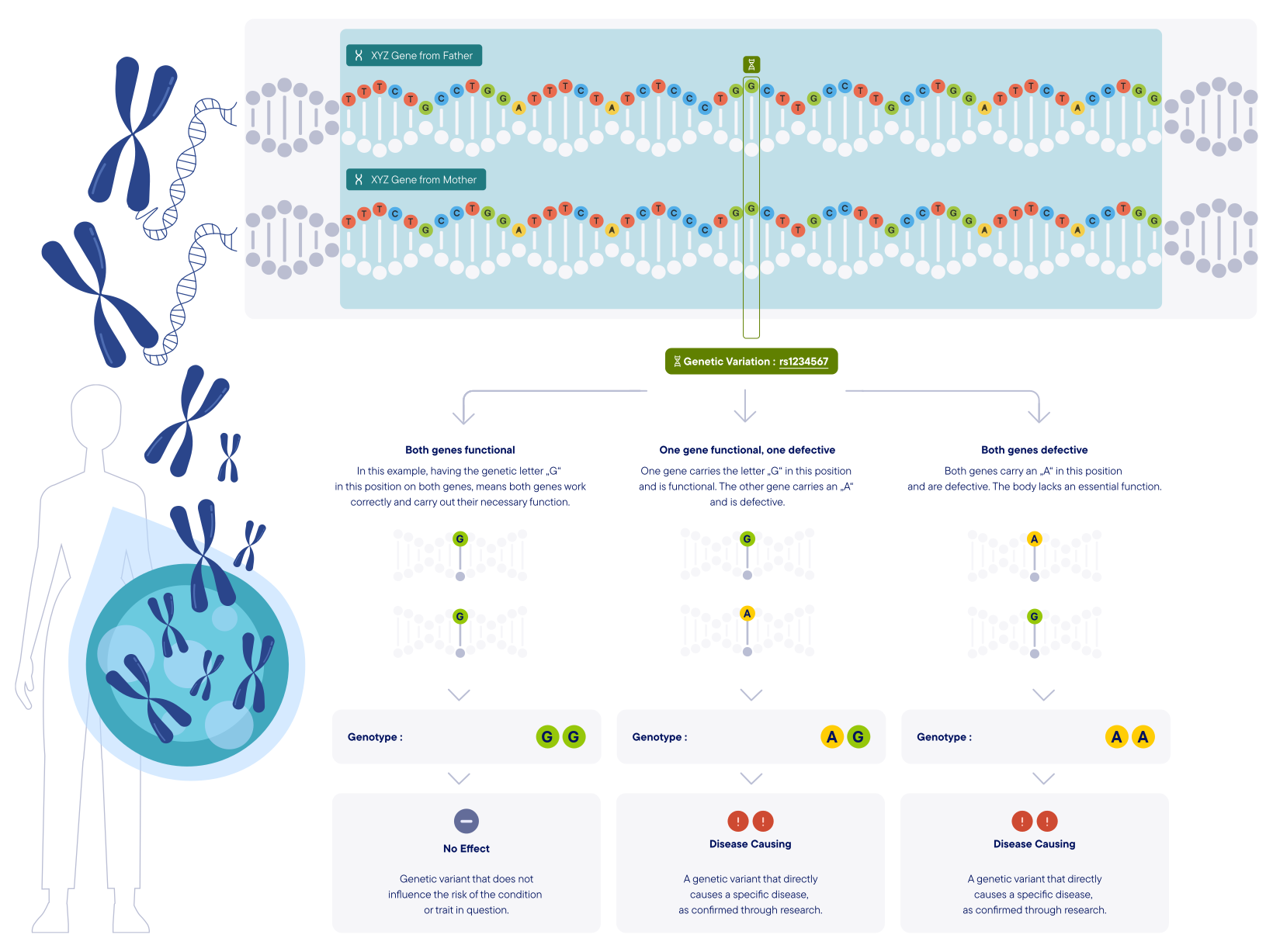
Humans have more than 20,000 genes, each carrying out one or a few specific functions in the body. One gene instructs the body to digest lactose from milk, another tells the body how to build strong bones and another prevents the body's cells from beginning to multiply uncontrollably and developing into cancer. As all of these genes combined are the building instructions for our body, a defect in one of these genes can have severe health consequences.
Through decades of genetic research, we know the genetic code of any healthy/functional human gene. We have also identified that in certain positions on a gene, some individuals may have a different genetic letter from the one you have. We call these hotspots "Genetic Variations" or "Variants" in short. In many cases, studies have been able to show that having the genetic letter "G" in the position makes you healthy, but having the letter "A" in the same position disrupts the gene function and causes a disease. Genopedia allows you to view these variants in genes and summarizes all that we know from scientific research, which genetic letters (Genotype) have good or bad consequences on your health or on your traits.
History
Throughout history, people have described sudden, stubborn double vision that made reading a page or stepping off a curb feel risky. Community stories often described the condition as “the eye that won’t follow,” a practical way to capture what we now call abducens nerve palsy, when one eye cannot move outward as it should.
Early physicians noticed that this outward gaze problem often appeared after head injuries, severe infections, or difficult childbirths. Before imaging, doctors relied on bedside exams: asking someone to look to the side and watching one eye lag behind. First described in the medical literature as a distinct pattern of side-gaze weakness, it became a recognizable clue pointing to trouble along the long, vulnerable pathway of the sixth cranial nerve.
As medical science evolved, war-time neurology and neurosurgery brought careful case notes linking skull fractures, raised pressure inside the skull, and specific eye movement signs. These observations helped separate abducens nerve palsy from other causes of double vision and guided early treatments, from reducing intracranial pressure to bracing the neck after trauma.
With the arrival of angiography and, later, CT and MRI, the story shifted from surface signs to visible structures. Doctors could now see strokes, tumors, aneurysms, and sinus infections pressing on or irritating the nerve. From these first observations to modern imaging, the timeline shows how bedside testing and technology came together to explain why the eye could not turn outward.
Pediatric reports added another chapter. Some children were born with the problem or developed it after viral illnesses. Generations of similar symptoms were recorded in family notes, but most cases turned out to be isolated, not inherited. This history helped set expectations: in adults, vascular risks like diabetes and high blood pressure were common culprits; in children, infections and benign, self-limited causes appeared more often.
Treatment history mirrors this evolution. Eye patching and prism glasses have long eased double vision during recovery. As causes became clearer, targeted care—controlling blood sugar, treating infections, relieving pressure, or operating to correct muscle balance—became standard. Over time, descriptions became more precise, distinguishing early symptoms of abducens nerve palsy from look-alike conditions, which improved referrals and outcomes.
In recent decades, knowledge has built on a long tradition of observation. Large studies track recovery rates, showing many adults improve within months when the cause is a small-vessel nerve injury, while others need surgery or botulinum toxin to align the eyes. Today’s understanding stands on centuries of careful watching, note-taking, and, finally, seeing the nerve’s pathway itself—turning a once-mysterious “wandering eye” into a condition with clear roots and practical paths to care.