
Aapoai amyloidosis is a rare genetic condition where abnormal protein builds up in tissues and organs. It often causes signs like kidney problems, numbness or tingling in the feet and hands, and tiredness. Many people with Aapoai amyloidosis notice features slowly over years, and severity can vary by age and family. Treatment focuses on managing complications, such as controlling blood pressure, protecting the kidneys, easing nerve pain, and sometimes using targeted therapies. The outlook depends on which organs are involved and how early care begins, and many live for years with regular monitoring and treatment.
Overview
Aapoai amyloidosisSymptoms
Aapoai amyloidosis may bring tiredness, leg swelling, foamy urine, shortness of breath, and belly discomfort as abnormal protein builds in organs. Early symptoms of Aapoai amyloidosis often involve kidneys or liver. Some notice numbness, easy bruising, or weight loss.
Outlook and prognosis
Many living with Aapoai amyloidosis face slowly progressive nerve pain, numbness, weakness, and sometimes heart or digestive issues. With early diagnosis, symptom‑targeted care, and regular monitoring, people often maintain independence for years. Outcomes vary by organ involvement, age, and treatment response.
Causes and risk factors
Aapoai amyloidosis usually results from a pathogenic APOA1 variant, typically inherited in an autosomal‑dominant pattern; some arise from new mutations. Family history drives risk; age, smoking, and kidney or heart strain may affect severity and early symptoms of Aapoai amyloidosis.
Genetic influences
Genetics play a central role in Aapoai amyloidosis, which is caused by inherited changes in the APOA1 gene. Variants can alter apolipoprotein A‑I, leading to amyloid buildup in organs like kidneys, liver, and heart. Family history strongly influences risk and testing options.
Diagnosis
Doctors suspect Aapoai amyloidosis from organ findings and family history, then confirm amyloid on biopsy with Congo red and typing. Genetic diagnosis of Aapoai amyloidosis uses APOA1 testing. Imaging and blood/urine tests help assess organ involvement.
Treatment and drugs
Treatment for Aapoai amyloidosis focuses on slowing amyloid build‑up, protecting organs, and easing symptoms. Care often combines a disease‑modifying therapy, heart or kidney support, diuretics, pain control, and nutrition. Regular monitoring guides adjustments and timing of advanced options.
Symptoms
Everyday changes may be the first clue—foamy urine, ankle swelling, or a hoarse voice that lingers. In Aapoai amyloidosis, protein deposits can build up in organs like the kidneys, liver, or voice box, shaping what you notice. The changes are often subtle at first, blending into daily life until they become more noticeable. Early features of Aapoai amyloidosis can include protein leaking into urine, swelling in the legs or around the eyes, and a sense of fullness under the ribs.
Protein leaking into the urine can make it look bubbly or frothy. This can be one of the early features of Aapoai amyloidosis. Over time, it may go along with swelling and changes in kidney function.
Fluid can build up in the feet and ankles, especially by evening. In Aapoai amyloidosis, this often reflects kidney changes. Shoes or socks may feel tighter than usual.
Puffiness around the eyes can show up with fluid retention from kidney involvement. It may be most noticeable first thing in the morning. This can occur alongside foamy urine in Aapoai amyloidosis.
As kidney function declines, waste products can build up and sap energy. You may feel unusually tired or notice less stamina with routine tasks. Appetite changes or nausea can follow later on.
How people usually first notice Aapoai amyloidosis?
People often first notice AapoAI amyloidosis through slowly progressive problems like numbness or tingling in the feet and hands, fatigue, or unexplained weight loss, sometimes paired with swelling in the legs from kidney involvement. For many, the first signs of AapoAI amyloidosis are abnormal urine tests showing protein (proteinuria), declining kidney function, or an enlarged liver found during a check-up, even before symptoms feel severe. In families with a known APOA1 gene change, how AapoAI amyloidosis is first noticed may be earlier through genetic testing or targeted monitoring after mild symptoms appear.
Types of Aapoai amyloidosis
ApoA-I amyloidosis is a genetic condition with several clinical variants, shaped by which change in the APOA1 gene is present and where amyloid tends to build up. People may notice different sets of symptoms depending on their situation. Some variants mainly affect the kidneys or liver, while others involve the heart, nerves, skin, or eyes. When reading about types of ApoA-I amyloidosis, you’ll often see them described by the specific gene variant and the main organs involved.
Renal-predominant variant
Amyloid mainly deposits in the kidneys, leading to protein in the urine, swelling in the legs, and gradual kidney function decline. Many are first diagnosed after routine urine tests pick up high protein. This is one of the most discussed types of ApoA-I amyloidosis in clinics.
Hepatic-dominant variant
The liver is the primary site, with liver enlargement, fullness under the right ribs, and abnormal liver tests. Some may notice early satiety or bloating after small meals. Doctors may pick this up on ultrasound or MRI before symptoms become obvious.
Cardiac-involving variant
Amyloid involves the heart muscle, causing breathlessness with activity, ankle swelling, and fatigue. Some experience palpitations or lightheadedness from rhythm changes. Early symptoms of ApoA-I amyloidosis in this variant can resemble other heart conditions.
Neuropathy-involving variant
Nerves are affected, leading to numbness, tingling, burning pain in the feet and hands, or autonomic symptoms like dizziness on standing. Some may have bowel or bladder changes due to nerve involvement. Intensity can range from mild sensory changes to more noticeable functional impact.
Cutaneous/ocular variant
Skin and eyes are more prominently affected, with waxy or papular skin lesions and eyelid involvement, and sometimes visual changes from corneal deposits. People with this pattern may seek care for cosmetic concerns or irritation before internal symptoms appear. Loved ones may recognize certain types sooner than the person experiencing them.
Multisystem variant
Several organs are involved at once, combining kidney, liver, heart, nerve, or skin findings. Symptoms can add up across systems, and the balance of symptoms can shift over time. Discussing the specific variant with your clinical team can clarify expected course and monitoring needs.
What genetics can tell you about symptoms
Certain TTR gene variants lead to Aapoai amyloidosis, where misfolded apolipoprotein A-I builds up in organs. This can cause kidney problems (swelling, protein in urine), liver enlargement, nerve pain or numbness, and sometimes vision or heart issues, depending on the variant’s tissue preference.
Causes and risk factors
Aapoai amyloidosis is usually caused by a change in the APOA1 gene that is passed down in families. Sometimes the gene change is new and there is no prior family history. Some risks are modifiable (things you can change), and others are non-modifiable (things you can’t). Older age raises the chance of symptoms, and habits like smoking or heavy alcohol use can add stress to the heart, kidneys, or liver once the disease is present. Ask your doctor about testing if you have a family history or notice early symptoms of Aapoai amyloidosis.
Environmental and biological risk factors
AApoAI amyloidosis often traces back to factors acting before or during pregnancy, so here we focus on what can raise the chance that it occurs in the first place. Doctors often group risks into internal (biological) and external (environmental). These influences are uncommon and usually small on their own, but understanding them can help with planning. It may also support earlier check-ins if early symptoms of AApoAI amyloidosis appear later on.
Older age in the father is linked with a higher chance of new changes when sperm are formed. This can slightly raise the chance that AApoAI amyloidosis occurs as a one‑off event.
Increasing age in the mother is tied to a small rise in new changes around conception. The effect is generally smaller than with paternal age, but may contribute in rare cases.
High‑dose ionizing radiation to the pelvis or testes/ovaries before conception can harm reproductive cells. This may slightly increase the chance of AApoAI amyloidosis arising sporadically. Medical imaging usually uses low doses and is not a concern.
Some cancer medicines can temporarily or permanently affect eggs or sperm. Depending on the drug and timing, this may modestly increase the chance of a new change at conception. In rare situations, this could be one pathway for AApoAI amyloidosis to appear.
Genetic risk factors
Aapoai amyloidosis most often runs in families due to changes in a single gene, APOA1, which affects how the ApoA‑I protein behaves. Some risk factors are inherited through our genes. The genetic causes of Aapoai amyloidosis are usually passed in an autosomal dominant way, so they may show up across several generations. Understanding your family pattern can help guide who might benefit from genetic testing and when to start checks.

APOA1 variants: Disease‑causing changes in the APOA1 gene are the root cause. They alter the ApoA‑I protein so it can form amyloid deposits in organs.
Autosomal dominant: One altered copy of APOA1 is enough to cause Aapoai amyloidosis. Each child of an affected parent has a 50% chance of inheriting the variant.
Family history: Having a first‑degree relative with a confirmed APOA1 variant raises personal risk. Who in the family is affected and at what age can offer clues about your own likelihood.
Variant location: Changes near the start of APOA1 more often lead to widespread amyloid build‑up. Changes nearer the end of the gene may affect HDL levels and carry a different amyloid risk.
De novo variants: A new APOA1 change can appear for the first time in an individual with no prior family history. In these cases, the person’s children can still inherit the variant.
Founder variants: Certain families or regions have long‑standing APOA1 changes that recur across generations. Being part of such a lineage can increase the chance of carrying the variant.
Variable penetrance: Not everyone who carries a disease‑causing APOA1 variant develops symptoms. Severity, age at onset, and which organs are affected can vary widely, even within one family.
Lifestyle risk factors
Aapoai amyloidosis is a genetic condition, and lifestyle habits do not cause it. However, daily choices can influence symptom burden, organ stress, and the pace of complications. Understanding how lifestyle affects Aapoai amyloidosis can help you tailor habits with your care team.
High-salt eating can worsen fluid retention, swelling, and blood pressure that strain amyloid-affected kidneys and heart. Reducing sodium may ease edema and help protect kidney and cardiac function.
Habits that lower blood pressure (reduced salt, regular movement, limited alcohol) lessen stress on kidneys and the heart infiltrated by amyloid. Better blood pressure control may slow kidney decline and reduce heart symptoms.
Moderate, consistent activity can support cardiovascular efficiency and stamina without overtaxing an amyloid-involved heart. Overexertion may trigger breathlessness, palpitations, or prolonged fatigue, so pacing and supervision are helpful.
Very high-protein diets and bodybuilding supplements can increase kidney workload in those with amyloid kidney involvement. A kidney-appropriate protein target may help stabilize kidney function while maintaining muscle.
Risk prevention
Aapoai amyloidosis is inherited, so you can’t fully prevent the protein from forming deposits, but you can lower the chance of organ damage and catch problems early. Prevention is about lowering risk, not eliminating it completely. Learning the early symptoms of Aapoai amyloidosis and keeping regular follow-ups can make a real difference. Family planning, routine monitoring, and organ-protective habits are the mainstays.
A genetics professional can explain how Aapoai amyloidosis is inherited and discuss testing for you and relatives. They can also review options like IVF with embryo testing or prenatal testing if you plan a pregnancy.
Urine tests for protein and blood tests for kidney function help spot changes early. Screenings and check-ups are part of prevention too.
Periodic blood tests and, if advised, imaging can track liver health. Early detection of liver involvement in Aapoai amyloidosis can guide treatment sooner.
Some people develop heart rhythm issues or numbness and tingling. Your team may suggest ECGs, echocardiograms, or nerve exams if symptoms point that way.

Transmission
Aapoai amyloidosis is not infectious and cannot be caught from someone else. It is usually passed down in families in an autosomal dominant pattern, meaning a parent with the condition has a 1 in 2 (50%) chance of passing the altered gene to each child; this is the core of how Aapoai amyloidosis is inherited. Rarely, a new (de novo) gene change causes the condition in someone with no family history. Genetic transmission of this condition does not occur through blood, coughing, sex, pregnancy, or breastfeeding; only genes passed from a biological parent can transmit risk.
When to test your genes
Consider genetic testing if Aapoai amyloidosis runs in your family, especially if a parent, sibling, or child is affected, or if you have unexplained neuropathy, heart thickening, kidney issues, or liver problems. Testing is also reasonable before symptoms if you’re planning a family or making long‑term health decisions. Results can guide surveillance, treatments, and cascade testing for relatives.
Diagnosis
You might notice small changes in daily routines—like foamy urine, ankle swelling, or a heavier feeling under the ribs after meals—that prompt a check-up. For many, patterns such as early kidney trouble or an enlarged liver raise suspicion for Aapoai amyloidosis, which is known medically as apolipoprotein A‑I amyloidosis. Diagnosis relies on a mix of clinical clues, tissue testing to confirm amyloid, and genetic tests to identify the underlying change. Getting a diagnosis is often a turning point toward answers and support.
Providers look for combinations like protein in the urine, ankle swelling, enlarged liver or spleen, hoarseness, or certain skin changes. A family history of similar organ problems can heighten suspicion of Aapoai amyloidosis.
Blood and urine tests check kidney function, liver enzymes, and protein leakage in urine. These results help flag organ involvement and rule out more common causes.
Ultrasound can show liver or spleen enlargement and assess kidney size, while echocardiography looks for heart thickening if symptoms suggest it. Imaging supports the picture but cannot confirm the amyloid type on its own.
A small sample from an affected organ or the abdominal fat pad is stained to look for amyloid deposits. Congo red staining with characteristic birefringence confirms amyloid is present.
Stages of Aapoai amyloidosis
Aapoai amyloidosis does not have defined progression stages. This condition can affect different organs in different people, and the pace can vary, so doctors usually track kidney, heart, liver, or nerve involvement separately rather than using one shared staging system. Different tests may be suggested to help confirm the diagnosis, such as a small tissue biopsy to show amyloid, lab checks of kidney and liver function, heart imaging, and genetic testing for changes in the APOA1 gene. Ongoing care focuses on organ-specific monitoring—watching for early symptoms of Aapoai amyloidosis like swelling from kidney leakage or shortness of breath if the heart is affected—and adjusting treatment and follow-up based on what changes over time.
Outlook and prognosis
Looking at the long-term picture can be helpful. For most people with Aapoai amyloidosis, the course depends on which organs are affected and how early it’s found. Heart involvement can lead to breathlessness, swelling in the legs, and fatigue that limits day-to-day activities; nerve involvement may bring numbness, burning pain, or bowel and bladder changes. Early care can make a real difference, especially when treatment reduces new amyloid buildup and manages strain on the heart, kidneys, or nerves.
Prognosis refers to how a condition tends to change or stabilize over time. When only one system is involved and treatment starts soon, many people stabilize for years, with gradual changes rather than sudden declines. If multiple organs are affected—particularly the heart—complications and hospital stays are more likely. Some people experience slow shifts in symptoms, while others notice periods of stability. Doctors may watch early symptoms of Aapoai amyloidosis such as tingling in the feet, unexplained weight loss, or swelling to adjust treatment before bigger problems develop.
The outlook is not the same for everyone, but targeted care, heart-protective medicines, pain control, and nutrition support can improve comfort and extend independence. Mortality risk is highest when the heart is heavily involved or when diagnosis happens late, while earlier detection and access to disease-modifying therapy are linked with longer survival. With ongoing care, many people maintain meaningful routines, work, and family life. Talk with your doctor about what your personal outlook might look like, including how your specific organ involvement, test results, and treatment options shape the road ahead.
Long-term effects
AApoAI amyloidosis tends to unfold gradually, with protein deposits building up in certain organs over many years. Long-term effects often center on the kidneys and liver, and some people also develop heart, nerve, or airway involvement. The pattern can differ by family variant and from person to person, so the course is not the same for everyone. Doctors may track these changes over years to see which organs are affected and how quickly things are shifting.
Protein leaking into the urine can lead to swelling in the legs and foamy urine. Over time, kidney function may decline and progress to chronic kidney disease.
The liver may grow larger and feel uncomfortable or heavy under the right ribs. Blood tests can drift upward, and some develop jaundice or itching if bile flow is affected.
Some people develop a stiff, less flexible heart that struggles to relax between beats. This can cause shortness of breath, swelling, and fatigue during daily activities.
Amyloid can settle in the larynx, leading to hoarseness, a deeper or rough voice, or frequent throat clearing. In rare cases, airway narrowing can cause noisy breathing or breathing trouble.
How is it to live with Aapoai amyloidosis?
Living with AapoAI amyloidosis often means planning around energy, temperature sensitivity, and digestive unpredictability, while staying alert to changes in nerves, kidneys, heart, or skin that can come with amyloid buildup. Many find they pace activities, keep regular medical check-ins, and adjust diet and hydration to ease symptoms like numbness, diarrhea or constipation, or swelling. Family, friends, and coworkers may notice you need more rest, flexible schedules, or help during symptom flares; learning the condition together can reduce stress and make support feel natural. With coordinated care and small daily adjustments, many people maintain relationships, work, and hobbies, even as they adapt to a condition that can change over time.
Treatment and drugs
Treatment for Aapoai amyloidosis focuses on slowing or stopping new amyloid buildup, easing symptoms, and protecting organs that are under strain. Because this is a hereditary form, care often includes targeted therapy aimed at the specific protein causing the deposits, along with standard measures to support the heart, nerves, kidneys, or gut as needed. Treatment plans often combine several approaches. Depending on organ involvement and genetic findings, options may include medicines that reduce the abnormal protein, stabilize it, or help clear deposits, plus diuretics for swelling, pain control for nerve symptoms, blood pressure and heart rhythm support, and careful nutrition and fluid management. Ask your doctor about the best starting point for you.
Non-drug treatment
Living with Aapoai amyloidosis can affect the heart, kidneys, liver, nerves, and day-to-day energy. Non-drug treatments often lay the foundation for protecting organs, easing symptoms, and staying active. Choices vary based on which organs are involved and what stage you’re in. Your care team can help tailor a plan that fits your body and your life.
Limiting sodium helps control fluid retention and swelling. Aim for home cooking and fewer processed foods to reduce hidden salt. Your team can personalize targets if heart or kidney involvement is present.
Tracking how much you drink and your daily weight can flag fluid buildup early. Your clinician may recommend limits or goals depending on kidney and heart status.
Medical-grade stockings and leg elevation can ease ankle and leg swelling. Put stockings on in the morning before swelling builds for best effect.
Gentle, regular movement helps stamina and mood without overtaxing your heart. Structured programs, like cardiac rehabilitation, can help you build safe activity with expert guidance.
Your genes may have an impact on how drugs work for you
Your genes can affect how you break down Aapoai amyloidosis medicines, changing how well they work and whether side effects appear. Pharmacogenetic testing may guide dose or drug choice, but care teams still tailor treatment to your symptoms and overall health.
Pharmacological treatments
Medication in Aapoai amyloidosis focuses on easing symptoms and protecting organs, since no drug has been proven to stop the ApoA‑I amyloid from forming. Choices depend on which organs are affected—kidneys, heart, nerves, or gut—and on your overall health. Doctors adjust treatment plans regularly to match changing needs and side effects. Some people may be candidates for clinical trials, but availability varies by region.
Loop diuretics like furosemide or torsemide reduce swelling and breathlessness. Addressing these issues early—often among the early symptoms of Aapoai amyloidosis—can help you stay active. Spironolactone can be added for heart-related fluid retention.
ACE inhibitors such as ramipril or lisinopril, or ARBs like losartan, reduce protein loss in urine and lower blood pressure. This can help slow kidney damage in Aapoai amyloidosis. Kidney function and potassium are monitored.
SGLT2 inhibitors like dapagliflozin or empagliflozin may help protect kidneys and the heart in chronic disease. They can be considered alongside ACE inhibitors or ARBs if tolerated. Not everyone is a candidate, so side effects and hydration are watched.
Amiodarone may help control atrial or ventricular arrhythmias when they occur. Beta-blockers such as metoprolol are sometimes used, but dosing is cautious in amyloid hearts. Your cardiology team tailors the plan to symptoms and ECG findings.
Genetic influences
In many families, Aapoai amyloidosis is driven by a change in the APOA1 gene that alters the apolipoprotein A‑I protein, making it more likely to form amyloid deposits in organs. It typically follows an autosomal dominant pattern—one changed copy is enough—so if a parent carries the variant, each child has a 50% chance of inheriting it. Having a gene change doesn’t always mean you will develop the condition. The exact gene change can influence which organs are affected and when problems begin, which is why early symptoms of Aapoai amyloidosis can vary widely even within the same family. Family history is often a strong clue, and genetic testing can confirm the APOA1 variant and guide who in the family might benefit from screening. Genetic counseling can help you understand inheritance, discuss timing of tests, and plan regular checkups to catch organ issues sooner.
Is Aapoai amyloidosis genetic?
Genetics play a central role in Aapoai amyloidosis, which is caused by inherited changes in the APOA1 gene. Variants can alter apolipoprotein A‑I, leading to amyloid buildup in organs like kidneys, liver, and heart. Family history strongly influences risk and testing options.
Pharmacogenetics—how genetics influence drug effects
Genetics shape care choices in this condition, because the specific gene change often points to which organs are most involved and how quickly issues may unfold. That guides which medicines are used—for example, heart failure drugs for cardiac involvement—and how closely to watch for side effects. When the kidneys or liver are affected, doctors usually adjust doses so medicines don’t build up.
Genes can influence how quickly you clear some medicines, including certain pain relievers or drugs for heart rhythm, which can change how well they work and the risk of side effects. Pharmacogenetic testing may help personalize supportive therapies used in Aapoai amyloidosis and guide safer dosing if your kidneys or liver are involved. Even before early symptoms of Aapoai amyloidosis appear, knowing your genetic result can prompt earlier surveillance and careful medication planning, alongside your overall health and treatment goals.
Interactions with other conditions
Living day-to-day with Aapoai amyloidosis can be more complicated when kidney, heart, or liver issues are also in the picture. Doctors call it a “comorbidity” when two conditions occur together. When the kidneys are affected by Aapoai amyloidosis, high blood pressure or diabetes can speed up kidney decline, and common pain relievers like ibuprofen or naproxen may strain the kidneys further. If the heart is involved, cholesterol problems or coronary artery disease can add to breathlessness, swelling in the legs, or fatigue, and some ApoA‑I changes also lower “good” HDL cholesterol, which may raise heart risk for some but not all families. Early symptoms of Aapoai amyloidosis, such as ankle swelling, hoarseness, or abdominal discomfort, can be mistaken for thyroid problems, reflux, or plain aging, especially when another condition is present. Interactions can look very different from person to person, so coordinated care between your kidney, heart, liver, and genetics teams helps sort out which problem is causing which symptom and guides safer medication choices and transplant planning when needed.
How genes can cause diseases
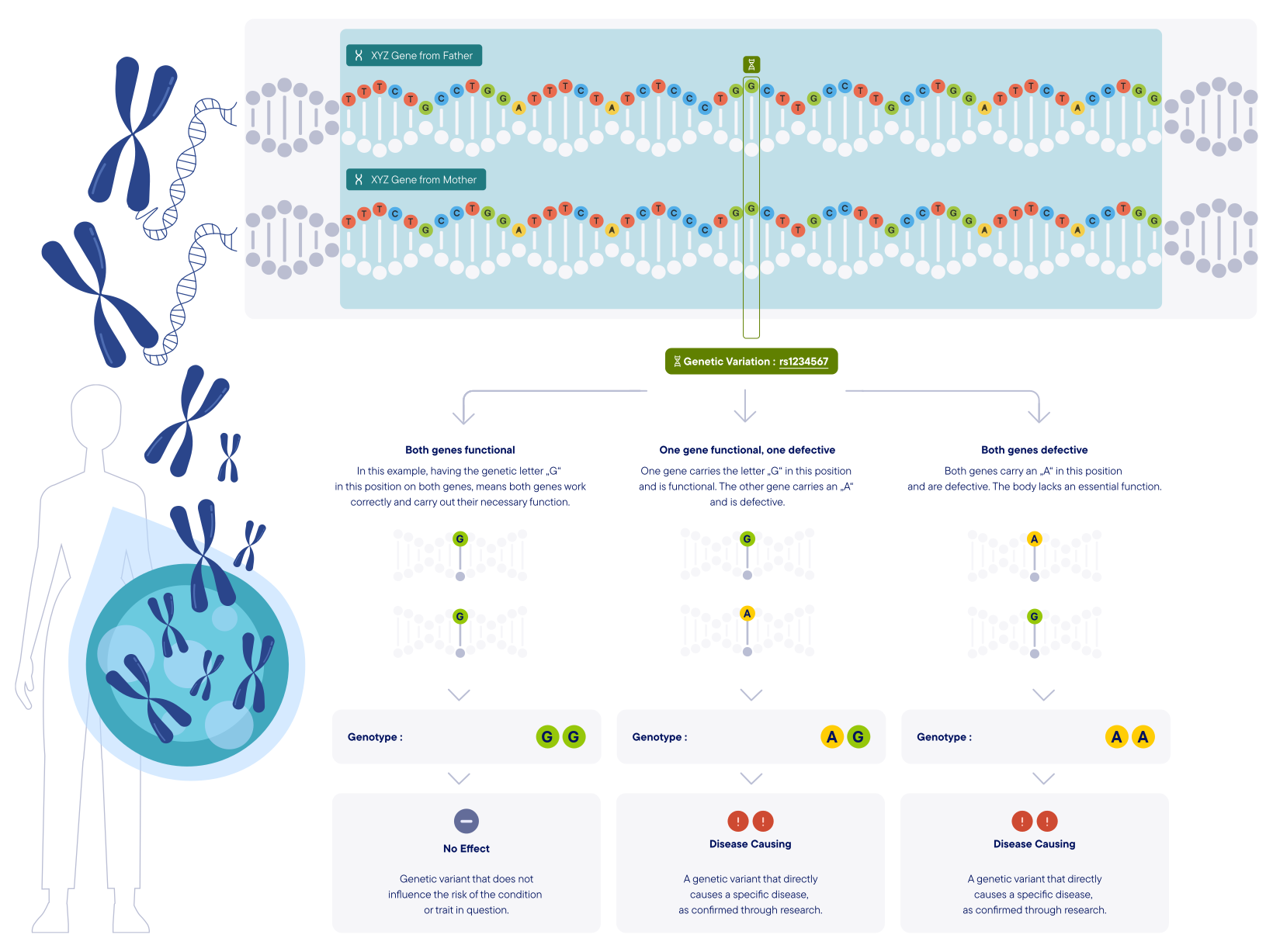
Humans have more than 20,000 genes, each carrying out one or a few specific functions in the body. One gene instructs the body to digest lactose from milk, another tells the body how to build strong bones and another prevents the body's cells from beginning to multiply uncontrollably and developing into cancer. As all of these genes combined are the building instructions for our body, a defect in one of these genes can have severe health consequences.
Through decades of genetic research, we know the genetic code of any healthy/functional human gene. We have also identified that in certain positions on a gene, some individuals may have a different genetic letter from the one you have. We call these hotspots "Genetic Variations" or "Variants" in short. In many cases, studies have been able to show that having the genetic letter "G" in the position makes you healthy, but having the letter "A" in the same position disrupts the gene function and causes a disease. Genopedia allows you to view these variants in genes and summarizes all that we know from scientific research, which genetic letters (Genotype) have good or bad consequences on your health or on your traits.
History
Families and communities once noticed patterns that seemed to pass down through generations—elders who slowly lost strength in their legs, relatives with numb feet and trouble standing in warm rooms, or an uncle whose heart grew weaker in midlife. Long before scans and genetic tests, these everyday clues hinted that something shared was unfolding in certain family lines.
Across cultures and centuries, Aapoai amyloidosis has been observed in different ways. Early accounts focused on symptoms: tingling that crept upward from the toes, weight loss without trying, fainting spells after standing, or stomach troubles that didn’t add up. Doctors documented these features and puzzled over why they clustered in related people. As medical science evolved, tissue samples examined under special stains revealed amyloid—misfolded protein deposits—collecting in nerves, the heart, and other organs. This tied the scattered stories together and suggested a single underlying process.
From early theories to modern research, the story of Aapoai amyloidosis broadened as tools improved. What began as careful bedside observation grew into targeted testing that could detect amyloid in small nerve or fat samples. Later, protein analysis showed these deposits came from a specific source protein. With each decade, laboratory methods became more precise, allowing researchers to separate one amyloid type from another and link them to distinct clinical patterns. That step mattered for families, because different amyloid proteins lead to different courses of illness and different treatments.
Advances in genetics then clarified why Aapoai amyloidosis runs in families. A change in a single gene can make the Aapoai protein more likely to misfold, acting like a dimmer switch stuck too high and encouraging buildup over time. People with the genetic change may develop symptoms earlier or later, and severity can vary even within the same family. This variability explains why some relatives remember a grandparent with only mild numbness, while others recall a parent needing a pacemaker or support stockings for dizziness upon standing.
In recent decades, awareness has grown as specialized centers connected the dots between early symptoms of Aapoai amyloidosis and long-term outcomes. Historical differences highlight why naming the exact amyloid type matters: it guides care, helps relatives understand their own risks, and shapes monitoring plans. Today’s picture blends those first family stories, careful clinical descriptions, tissue studies, and genetic insights into a clearer understanding—one that continues to evolve, but now rests on firm, shared knowledge.