
A53 diffuse large B‑cell lymphoma is a fast-growing blood cancer that starts in immune system cells. People with A53 diffuse large B‑cell lymphoma often notice painless swollen lymph nodes, fatigue, fevers, night sweats, or weight loss. It can affect adults of any age, but it is more common in older adults, and it needs urgent evaluation and treatment. Treatment for A53 diffuse large B‑cell lymphoma usually includes combination chemotherapy, often with an antibody medicine like rituximab, and sometimes radiation or stem cell transplant. Outcomes vary by stage and health, but many people with A53 diffuse large B‑cell lymphoma do well with modern therapy.
Overview
A53 diffuse large b-cell lymphomaSymptoms
Early symptoms of A53 diffuse large b-cell lymphoma often include painless swollen lymph nodes in the neck, armpit, or groin. Many have fever, drenching night sweats, unexplained weight loss, and fatigue. Some notice chest or belly discomfort, cough, or infections.
Outlook and prognosis
For A53 diffuse large B‑cell lymphoma, many respond well to modern chemo‑immunotherapy, especially when treatment starts early. Prognosis depends on stage, age, overall health, and specific tumor markers. Newer options, including targeted drugs and CAR T‑cell therapy, can help after relapse.
Causes and risk factors
A53 diffuse large B‑cell lymphoma most often reflects acquired, not inherited, genetic changes in B cells. Risk factors for A53 diffuse large B‑cell lymphoma include older age, immunosuppression, certain infections (EBV, hepatitis C), autoimmune disease, and prior chemotherapy or radiation.
Genetic influences
Genetics play a meaningful role in A53 diffuse large B‑cell lymphoma. Inherited risk is usually modest, but family history can slightly increase odds. Tumor genetic changes strongly guide prognosis and treatment choices, including targeted therapies and eligibility for clinical trials.
Diagnosis
Diagnosis of A53 diffuse large B‑cell lymphoma starts with a biopsy of the enlarged lymph node or mass. Lab studies on the sample confirm cell type. PET‑CT imaging, blood tests, and sometimes bone marrow biopsy help stage the disease.
Treatment and drugs
Treatment for A53 diffuse large B‑cell lymphoma often combines chemo-immunotherapy (such as R‑CHOP), tailored by stage, symptoms, and overall health. Some need radiation to specific areas, targeted drugs, or immunotherapies. Relapses may be managed with stem cell transplant.
Symptoms
A53 diffuse large B-cell lymphoma is a fast-growing blood cancer that often shows up with sudden swelling of lymph nodes and whole-body symptoms. Early symptoms of diffuse large B-cell lymphoma can include painless lumps in the neck, armpit, or groin, fevers, drenching night sweats, and unexpected weight loss. Symptoms vary from person to person and can change over time. Because it can grow quickly, any new, persistent swelling or unexplained fevers deserve prompt medical attention.
Firm, rubbery lumps in the neck, armpit, or groin may show up without tenderness. In diffuse large B-cell lymphoma, these can enlarge over days to weeks. Clothes, jewelry, or collars may feel tighter around the area.
Drenching sweats that soak pajamas or sheets can wake you from sleep. They often come with chills and can happen even in a cool room.
Fevers at or above 38 C (100.4 F) without a known infection may come and go. You might feel flushed, chilled, or generally unwell during these spikes.
Losing weight without trying can be an early clue. In diffuse large B-cell lymphoma, this can happen even when eating habits haven’t changed. Appetite may drop, and food can seem less appealing.
How people usually first notice A53 diffuse large b-cell lymphoma?
Many people first notice A53 diffuse large B‑cell lymphoma when a lymph node in the neck, armpit, or groin becomes swollen, firm, and painless, and doesn’t go away over weeks. Others seek care for more general warning signs like unexplained fevers, drenching night sweats, unintended weight loss, or persistent fatigue, sometimes along with a feeling of fullness or discomfort in the chest or abdomen if nodes or organs there are involved. Some cases are first flagged by a routine exam or imaging done for another reason, when enlarged lymph nodes or abnormal blood counts prompt further testing.
Types of A53 diffuse large b-cell lymphoma
A53 diffuse large B‑cell lymphoma (DLBCL) is an aggressive blood cancer with recognized clinical variants that can behave differently and respond to treatment in distinct ways. Clinicians often describe them in these categories: germinal center–type, activated B‑cell–type, and a few special entities defined by certain markers or locations. Not everyone will experience every type, and the balance of symptoms can shift over time. Understanding the main variants of DLBCL can help you and your care team talk clearly about types of A53 diffuse large B‑cell lymphoma and tailor treatment.
GCB subtype
This germinal center–type tends to arise from B cells in the lymph node germinal center. People with this subtype often have swelling in lymph nodes and may respond differently to standard chemo‑immunotherapy.
ABC subtype
This activated B‑cell–type usually behaves more aggressively and can be harder to treat with standard regimens. B symptoms like fevers, night sweats, and weight loss may be more common.
Primary mediastinal
This form starts in the chest behind the breastbone and can cause cough, chest pressure, or shortness of breath. It often affects younger adults and may need tailored combinations of chemotherapy and immunotherapy.
Double‑hit lymphoma
This high‑grade variant carries specific changes in two key genes, which can drive faster growth. It typically requires more intensive treatment than standard DLBCL.
Double‑expressor
This subtype shows high levels of MYC and BCL2 proteins by staining, without both gene rearrangements. It can act more aggressively than other DLBCL and may prompt different therapy choices.
Primary CNS
This variant involves the brain, spinal cord, or eye and often presents with headaches, vision changes, or confusion. Treatment usually focuses on high‑dose medicines that reach the central nervous system.
Testicular DLBCL
This subtype begins in the testis and can cause painless swelling or a heavy feeling in the scrotum. It has a tendency to spread to the opposite testis or the brain, so treatment plans often include protective therapy.
Cutaneous DLBCL
This skin‑based form shows up as firm, fast‑growing nodules or plaques, often on the legs in older adults. Management may combine systemic therapy with radiation depending on spread.
What genetics can tell you about symptoms
Some genetic changes in A53 diffuse large B‑cell lymphoma, like MYC, BCL2, or BCL6 rearrangements (“double‑hit” or “triple‑hit”), can drive faster‑growing tumors, leading to rapidly enlarging lymph nodes, fevers, night sweats, and weight loss. TP53 (A53) alterations may reduce treatment response, causing persistent or returning symptoms.
Causes and risk factors
A53 diffuse large b-cell lymphoma usually begins when B cells acquire gene changes over time that drive fast growth. Known risk factors for A53 diffuse large b-cell lymphoma include older age, being male, a weakened immune system, and prior chemotherapy or radiation. Infections such as HIV or hepatitis C, chronic inflammation, and exposure to some pesticides or solvents can add risk, and obesity or smoking may also contribute. Some risks are modifiable (things you can change), others are non-modifiable (things you can’t). Most cases are not inherited, but family history and rare immune or cancer predisposition syndromes can raise susceptibility.
Environmental and biological risk factors
If you’re looking into A53 diffuse large b-cell lymphoma, it helps to know what can raise the odds before symptoms ever show. Doctors often group risks into internal (biological) and external (environmental). Knowing these influences can guide conversations with your care team and help you act sooner if early symptoms of diffuse large B-cell lymphoma appear.
Risk rises with age, especially after about 60. Age-related shifts in the immune system make diffuse large B-cell lymphoma more likely.
Men are affected a bit more often than women. This biological difference adds a small increase in risk.
HIV, medicines after an organ transplant, or rare inherited immune problems lower the body’s defenses. With fewer immune checks in place, abnormal B cells can grow into diffuse large B-cell lymphoma.
Long-standing conditions such as rheumatoid arthritis, Sjögren’s syndrome, or celiac disease keep the immune system switched on. Ongoing immune stimulation can raise lymphoma risk over time.
Genetic risk factors
Several genetic influences can raise the chance of A53 diffuse large b-cell lymphoma and also shape how the lymphoma behaves. Some risks are inherited, but most genetic changes appear later within the lymphoma cells themselves. Carrying a genetic change doesn’t guarantee the condition will appear. Researchers have mapped genetic risk factors for A53 diffuse large b-cell lymphoma in both people and tumor cells.

Family history: Having a first-degree relative with lymphoma or related blood cancers raises risk modestly. The absolute chance for any one person remains low. This pattern likely reflects shared genes that affect immune control and DNA repair.
Inherited syndromes: Rare conditions such as Li-Fraumeni syndrome (TP53) or ataxia-telangiectasia (ATM) can increase lymphoma risk. These syndromes weaken safeguards that fix DNA damage or control cell growth. They account for only a small share of A53 diffuse large b-cell lymphoma.
Immune gene defects: Genetic disorders that weaken the immune system, including common variable immunodeficiency or Wiskott-Aldrich syndrome, raise lymphoma risk. When immune checks are reduced, abnormal B-cell clones can persist and expand. The exact risk differs by condition and age.
HLA variants: Differences in human leukocyte antigen genes can shape susceptibility to A53 diffuse large b-cell lymphoma. These genes guide how the immune system recognizes infections and abnormal cells. Some types are linked to slightly higher or lower risk in population studies.
MYC/BCL2/BCL6 changes: Swaps between chromosomes can place these genes under strong growth signals. The result is faster cell division and fewer stop signals. In A53 diffuse large b-cell lymphoma, having two or more of these changes can be tied to more aggressive behavior.
MYD88/CD79B pathway: Changes in these B-cell signaling genes are common in one molecular subtype of A53 diffuse large b-cell lymphoma. They keep growth and survival signals switched on. These are acquired in the tumor, not inherited.
EZH2/CREBBP/EP300: Alterations in genes that control how DNA is packaged and read can lock cells in a growth-prone state. Such changes are seen more often in germinal-center type tumors. They often coexist with other driver changes.
TP53 damage: Loss or mutation of this safeguard gene reduces the cell’s ability to repair mistakes or self-destruct when damaged. It is linked with more aggressive disease in some studies. TP53 changes in A53 diffuse large b-cell lymphoma can be inherited rarely or arise only in the tumor.
Copy-number shifts: Gains or losses of DNA segments can boost growth-promoting genes or delete brakes. Examples include extra copies of BCL2 or REL. These genetic changes happen within the lymphoma cells.
B-cell maturation errors: During normal immune responses, B cells edit their DNA to improve antibodies. Mistakes in these editing steps can create harmful changes that drive lymphoma. These are acquired changes, not inherited.
Lifestyle risk factors
Some everyday habits appear to influence the chance of developing A53 diffuse large b-cell lymphoma (DLBCL) and can affect outcomes after diagnosis. Evidence strength varies, but consistent patterns help identify practical targets for change. Below are the lifestyle risk factors for A53 diffuse large b-cell lymphoma and how lifestyle affects A53 diffuse large b-cell lymphoma in meaningful ways.
Current and long-term smoking is linked to a higher risk of DLBCL. Quitting reduces inflammation and may lower treatment complications if DLBCL develops.
Excess body fat is associated with increased DLBCL incidence and poorer survival. Weight reduction may lower risk and improve chemotherapy dosing and tolerance.
Sedentary time is tied to higher non-Hodgkin lymphoma risk, including DLBCL. Regular moderate-to-vigorous activity may reduce risk and improve stamina if treatment is needed.
Diets high in processed meats, refined grains, and saturated fats are linked to higher lymphoma risk patterns. Eating more vegetables, fruits, legumes, and whole grains is associated with lower risk and better treatment tolerance.
Risk prevention
For A53 diffuse large B‑cell lymphoma, there isn’t a single proven way to prevent it, but you can lower overall risk by protecting your immune health and reducing exposure to certain infections and chemicals. Steps that prevent HIV or hepatitis C, and smart use of immune‑suppressing medicines, matter most for people at higher risk. Healthy routines also support your body’s defenses over time. Knowing your risks can guide which preventive steps matter most.
Keep up with routine vaccines recommended for your age and health, such as flu and COVID‑19, to reduce severe infections that strain the immune system. Wash hands regularly and avoid close contact when others are acutely ill.
Use condoms and avoid sharing needles to lower the risk of HIV and hepatitis C. These infections can heighten lymphoma risk by weakening or chronically activating the immune system.
Ask about testing for hepatitis C (and B if at risk), especially if you’ve had blood exposures or past transfusions. Treating hepatitis C can reduce long‑term immune activation that may contribute to A53 diffuse large B‑cell lymphoma risk.
Get tested if you’ve ever had possible exposure, and start treatment promptly if positive. Keeping HIV well controlled supports immune health and may lower the chance of developing diffuse large B‑cell lymphoma.

Transmission
A53 diffuse large b-cell lymphoma is not infectious and cannot be transferred from one person to another. You can’t catch this lymphoma through close contact, coughing, sex, or sharing household items.
It is not typically inherited; most cases arise from random changes that build up in B cells over time rather than something passed down in families. Certain infections, like Epstein–Barr virus or hepatitis C, can raise the chance of developing this lymphoma in specific situations, but that is different from transmission—you do not get A53 diffuse large b-cell lymphoma from someone who has it.
When to test your genes
Because A53 diffuse large B‑cell lymphoma can be aggressive, consider genetic testing at diagnosis to guide targeted therapy and clinical trial options. Test again if the disease relapses or transforms, since new mutations can emerge that change treatment. Family members generally do not need testing unless there’s a strong clustering of blood cancers.
Diagnosis
You might notice swollen glands that don’t go away, fevers or night sweats, or feeling unusually tired at work or during errands—these changes often bring people to a doctor. Getting a diagnosis is often a turning point toward answers and support. This guide outlines how A53 diffuse large B-cell lymphoma is diagnosed, from the first check-up to the specialized tests that confirm it. The exact steps can vary based on your symptoms and which areas of the body are affected.
Your doctor asks about symptoms such as fevers, weight change, drenching night sweats, and how long lymph nodes have been enlarged. They examine lymph nodes, abdomen, liver, and spleen, and check for skin or neurologic changes.
A complete blood count looks for anemia or low white cells or platelets. Chemistry tests and LDH can suggest how active the lymphoma is.
CT or PET-CT maps which lymph nodes and organs are involved. These scans help with staging and guide where to biopsy.
Removing a whole lymph node (excisional biopsy) is the preferred way to confirm lymphoma. Needle biopsies may be used if surgery is not possible, but they can miss important details.
Stages of A53 diffuse large b-cell lymphoma
Staging shows how far the lymphoma has spread and guides treatment choices. In A53 diffuse large B‑cell lymphoma (often called DLBCL), doctors use stages I through IV, plus notes about symptoms and areas that are larger than usual. Early and accurate diagnosis helps you plan ahead with confidence. Scans, blood tests, and a biopsy usually provide the information needed to assign a stage.
Stage I
Lymphoma is limited to one lymph node area or a single nearby organ. Early symptoms of diffuse large B‑cell lymphoma may be mild or even absent. Doctors may describe this as localized disease.
Stage II
Two or more lymph node areas are involved but only on one side of the diaphragm (either above or below the belly). A nearby organ can sometimes be involved too. Large “bulky” areas may be noted if a mass is over about 10 cm (around 4 inches).
Stage III
Lymph node areas on both sides of the diaphragm are involved, and the spleen may be affected. Tiredness, fevers, night sweats, or weight loss can be more common at this point. Treatment is still focused on cure for many.
Stage IV
Lymphoma has spread to organs such as the bone marrow, liver, lungs, or other tissues. Symptoms vary based on which organs are involved. Even at this stage, effective treatments are available and can achieve remission for many.
Outlook and prognosis
Treatment today is far more effective than it was a decade ago, and many people with A53 diffuse large B‑cell lymphoma (DLBCL) go into complete remission after first‑line chemo‑immunotherapy. When doctors talk about “remission,” they mean symptoms have eased or disappeared for a while. Outcomes depend on several factors: age and overall health, how quickly treatment starts, where the lymphoma has spread, and biological features of the tumor. People often notice gains early—shrinking nodes, better energy, fewer night sweats—but it can take months for scans to confirm the full response.
Prognosis refers to how a condition tends to change or stabilize over time. For A53 diffuse large B‑cell lymphoma, five‑year overall survival with modern care commonly ranges from about 60% to 75%, though higher‑risk cases may fall below this and lower‑risk cases can do better. If lymphoma returns, many still respond to second‑line options such as targeted drugs, CAR T‑cell therapy, or stem cell transplant, which have improved survival after relapse. Early symptoms of A53 diffuse large B‑cell lymphoma like fatigue, fevers, or rapid node growth should prompt quick evaluation, since starting therapy early often improves the long‑term outlook.
Everyone’s journey looks a little different. Some people remain cancer‑free for years after first treatment, while others need additional therapy down the road; most relapses, if they happen, occur within the first two to three years and become less likely after that. Mortality risk is highest in advanced or refractory disease, but supportive care, infection prevention, and timely treatment of side effects reduce complications and help people keep everyday routines. Talk with your doctor about what your personal outlook might look like.
Long-term effects
For many, the outlook after A53 diffuse large b‑cell lymphoma depends on how well the lymphoma responds to first-line treatment and whether any late effects arise. Long-term effects vary widely and can involve physical, cognitive, and emotional changes that show up months to years after treatment ends. Doctors often watch for relapse in the first few years and track organ health over time. Most people do well with regular follow-up, but some late effects can be long-lasting.
The chance of the lymphoma returning is highest in the first few years after treatment. Later relapses are less common but can occur, so scheduled follow-ups remain important.
Some chemotherapy can weaken the heart’s pumping ability, leading to shortness of breath or swelling in the legs. Doctors may monitor heart function over time to catch changes early.
Treatment can irritate peripheral nerves, causing tingling, burning, or balance problems. These sensations often ease slowly but may not fully go away.
Many people feel deep, persistent tiredness that isn’t fixed by sleep. Energy levels usually improve over months, but some fatigue can linger.
How is it to live with A53 diffuse large b-cell lymphoma?
Living with A53 diffuse large B‑cell lymphoma can feel like life is suddenly split into two tracks: managing appointments, scans, and treatments while trying to keep everyday routines intact. Fatigue, infections, and treatment side effects like nausea or hair loss may shape your days, so pacing, planning rest, and asking for help become practical tools rather than signs of weakness. Many people find that partners, family, and friends step into new roles—driving to infusions, helping with meals, and offering emotional steadiness—while they also navigate their own worries. Even so, clear communication with your care team and loved ones, plus small, predictable routines, often restores a sense of control during a very treatable yet intensive chapter.
Treatment and drugs
Treatment for A53 diffuse large B‑cell lymphoma focuses on curing the lymphoma and preventing it from coming back. Most people start with combination chemo‑immunotherapy, commonly R‑CHOP, which pairs chemotherapy drugs with rituximab, a targeted antibody; a doctor may adjust your dose to balance benefits and side effects. If the lymphoma is high‑risk, doesn’t fully respond, or returns, options can include different chemo‑antibody combinations, CAR T‑cell therapy, stem cell transplant, or newer targeted medicines, chosen based on your health, prior treatments, and how the lymphoma behaves. Alongside medical treatment, lifestyle choices play a role, including vaccines when appropriate, infection prevention, and managing fatigue and nutrition during therapy. Ask your doctor about the best starting point for you and whether a clinical trial could offer access to promising therapies.
Non-drug treatment
Alongside medicines, non-drug therapies can support treatment and ease day-to-day symptoms of A53 diffuse large b-cell lymphoma. Some approaches directly target lymphoma in specific areas, while others help you stay strong through and after medical care. Plans are tailored to your situation, including your subtype, stage, and overall health. Your team will help balance benefits with side effects and your personal goals.
Focused beams treat lymphoma in one or a few spots. It can shrink painful or bulky nodes and help protect nearby organs. Side effects are usually limited to the treated area.
Your own immune cells are engineered to find and attack lymphoma cells, then infused back through a drip. It is often considered when A53 diffuse large b-cell lymphoma does not respond to standard treatment. Care is delivered at specialized centers with close monitoring.
High-dose therapy is followed by a transplant to restore blood-forming cells, aiming for long-term control. This option is typically used after initial treatments, especially if lymphoma returns. It requires careful screening and recovery time.
Small additional doses can consolidate response after systemic therapy in a previously involved area. This may lower the chance of local relapse in A53 diffuse large b-cell lymphoma. Your radiation plan is mapped to spare healthy tissue as much as possible.
Your genes may have an impact on how drugs work for you
Some medicines for A53 diffuse large B‑cell lymphoma work better or cause more side effects depending on gene variations that affect drug processing and tumor biology. Testing tumor and inherited genes can guide dose, drug choice, and targeted therapies to improve safety and response.
Pharmacological treatments
For many, the goal is to clear the lymphoma and get back to everyday routines with as few side effects as possible. First-line medications are those doctors usually try first, based on how well they work and how well most people tolerate them. Options then broaden if the lymphoma returns or doesn’t respond, with newer targeted drugs and antibody-based treatments added to the mix. Your team will tailor choices to your health, stage, and specific tumor features in A53 diffuse large b-cell lymphoma.
Rituximab plus cyclophosphamide, doxorubicin, vincristine, and prednisone is the most common first-line treatment for A53 diffuse large b-cell lymphoma. It’s given in cycles about every 3 weeks and can cure many people. Doctors watch the heart and nerves during therapy.
Polatuzumab vedotin is added while vincristine is removed, alongside rituximab, cyclophosphamide, doxorubicin, and prednisone. This can be a first-line option for some newly diagnosed adults. It targets lymphoma cells while delivering chemotherapy directly.
Etoposide, prednisone, vincristine, cyclophosphamide, doxorubicin, and rituximab are given by infusion with doses tuned to blood counts. It’s often used for higher-risk biology, such as so-called double-hit disease. Treatment may require short hospital stays.
High-dose methotrexate by vein or methotrexate/cytarabine into the spinal fluid can lower the risk of brain or spine involvement. It’s considered for people at high risk of spread to the central nervous system. Your team will explain why you may or may not need it.
Genetic influences
Genetic changes inside the lymphoma cells drive how A53 diffuse large b‑cell lymphoma starts, grows, and responds to treatment. Most of these changes are acquired during life and are not passed down, so a family member’s risk usually doesn’t change because you have it. They often affect the cell’s control systems—the signals that tell B cells when to divide, repair damage, or die—and when those signals misfire, lymphoma cells can multiply or survive when they shouldn’t. A small number of people have an inherited tendency to lymphomas due to broader immune or cancer‑risk syndromes, but that’s uncommon and usually comes with a strong family history or other cancers. DNA testing can sometimes identify these changes. In care today, doctors often test the lymphoma tissue for gene changes (sometimes called tumor profiling); this genetic testing for A53 diffuse large b‑cell lymphoma helps confirm the subtype, estimate how aggressive it may be, and guide targeted treatments, while inherited (germline) testing is considered mainly when the family story points to it.
Is A53 diffuse large b-cell lymphoma genetic?
Genetics play a meaningful role in A53 diffuse large B‑cell lymphoma. Inherited risk is usually modest, but family history can slightly increase odds. Tumor genetic changes strongly guide prognosis and treatment choices, including targeted therapies and eligibility for clinical trials.
Pharmacogenetics—how genetics influence drug effects
For people starting treatment, genetics can influence both which drugs are chosen and how they’re used. In A53 diffuse large b‑cell lymphoma, genetic changes in the lymphoma cells can signal a higher‑risk form. These findings may steer the team toward a different treatment plan or a clinical trial, and tests on the lymphoma cells also help confirm targets such as CD19 for therapies used if the lymphoma returns. Genetic testing can sometimes identify how your body processes certain supportive medicines; for example, rasburicase is avoided in people with an inherited G6PD deficiency because it can trigger dangerous breakdown of red blood cells. Researchers are also studying whether differences in drug‑handling genes change the risk of side effects from medicines like vincristine or cyclophosphamide, but routine testing for these isn’t part of standard care. Variations in immune‑receptor genes may affect how well rituximab works, yet these tests aren’t widely used to pick doses or drugs. Genes are only part of the picture; your plan also depends on age, overall health, infection risks, and other medicines, so your team combines pathology, staging, and—when useful—genetic results to personalize therapy.
Interactions with other conditions
Other health conditions can shape both treatment choices and recovery for people living with A53 diffuse large b‑cell lymphoma. Past or current hepatitis B infection is especially important because anti‑CD20 medicines like rituximab can “wake up” the virus; most teams screen before therapy and use preventive antiviral medication when needed. HIV can occur alongside A53 diffuse large b‑cell lymphoma, and outcomes are better when lymphoma treatment is coordinated with modern HIV care, including antiretroviral therapy. Heart disease matters too, since some chemotherapy drugs that help treat this lymphoma (such as doxorubicin) can strain the heart; your team may adjust drugs and use heart monitoring. Diabetes or kidney and liver problems can affect how your body handles medicines and raise infection risk during treatment side effects of A53 diffuse large b‑cell lymphoma, so dosing and supportive care are often tailored. Talk with your doctor about how your conditions may influence each other.
How genes can cause diseases
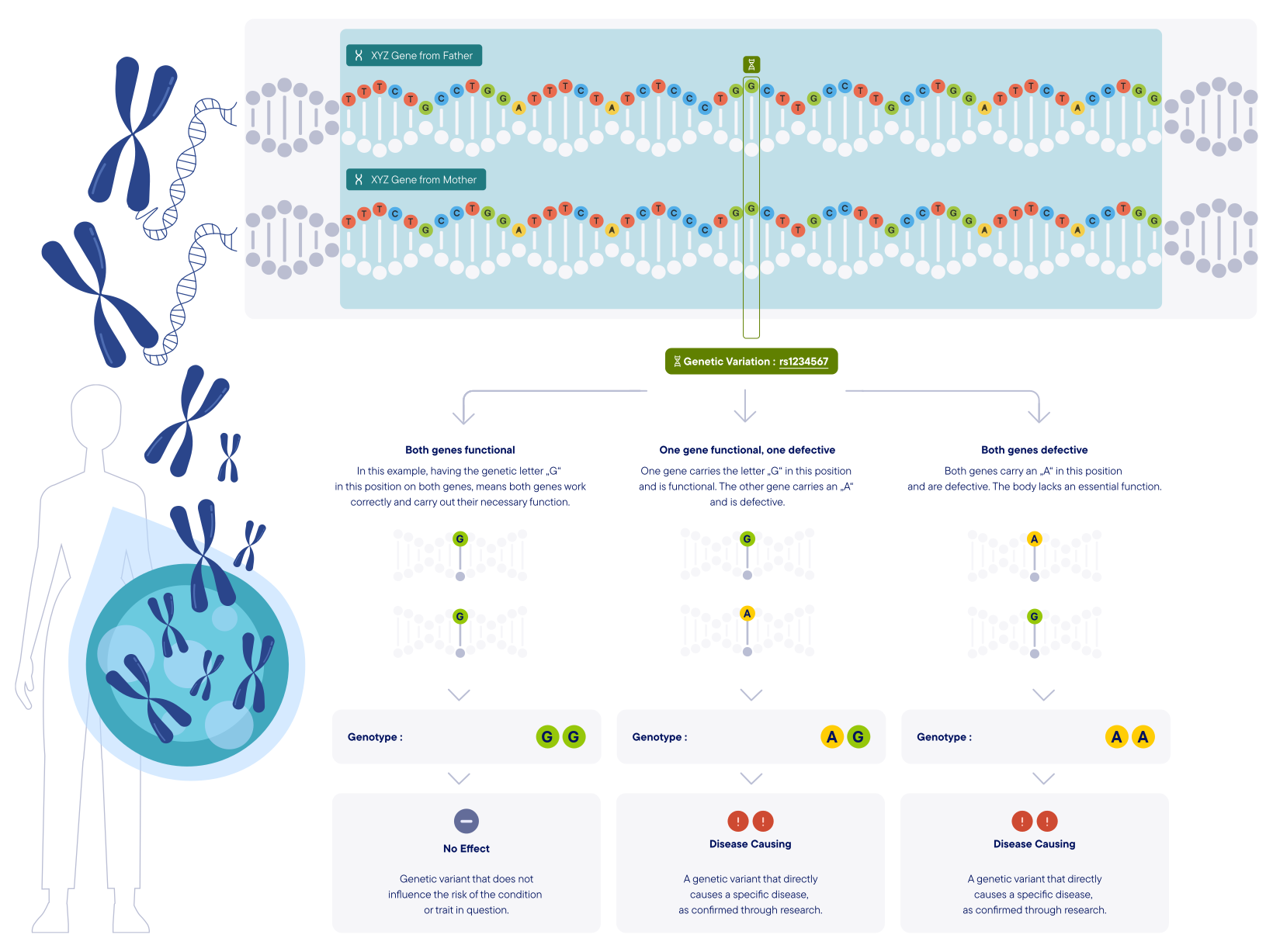
Humans have more than 20,000 genes, each carrying out one or a few specific functions in the body. One gene instructs the body to digest lactose from milk, another tells the body how to build strong bones and another prevents the body's cells from beginning to multiply uncontrollably and developing into cancer. As all of these genes combined are the building instructions for our body, a defect in one of these genes can have severe health consequences.
Through decades of genetic research, we know the genetic code of any healthy/functional human gene. We have also identified that in certain positions on a gene, some individuals may have a different genetic letter from the one you have. We call these hotspots "Genetic Variations" or "Variants" in short. In many cases, studies have been able to show that having the genetic letter "G" in the position makes you healthy, but having the letter "A" in the same position disrupts the gene function and causes a disease. Genopedia allows you to view these variants in genes and summarizes all that we know from scientific research, which genetic letters (Genotype) have good or bad consequences on your health or on your traits.
History
Throughout history, people have described sudden swellings, night sweats, and fevers that came and went, hinting at illnesses we now recognize as lymphomas. In the early clinic era, someone might arrive with a painless lump in the neck, feeling unusually tired, and doctors would try poultices or tonics, not yet knowing the lymph system’s role or how many distinct cancers could sit under one label.
From early theories to modern research, the story of A53 diffuse large B‑cell lymphoma reflects how naming and testing have evolved. Before modern pathology, many fast‑growing lymph node cancers were grouped together. With the spread of microscopes in the late 19th and early 20th centuries, pathologists began sorting these tumors by how the cells looked. Later, immunology added tools to show which lymphocytes—B cells versus T cells—were involved. The late 20th century brought standardized systems that used cell shape, growth pattern, and lab markers to define diffuse large B‑cell lymphoma (often shortened to DLBCL). As medical science evolved, researchers moved beyond the microscope to study the tumor’s proteins and genes, which helped explain why some cases respond quickly to treatment while others behave differently.
A53 is a modern, classification‑level label within this broader disease. It reflects features seen on today’s molecular tests rather than something doctors could spot by eye a century ago. Advances in genetics and profiling showed that DLBCL is not one single illness but a group of related subtypes with different pathways driving growth. These insights clarified older, confusing categories and linked specific patterns to how the lymphoma might act and which treatments could work best.
Treatment history followed a similar arc. Early approaches were limited to surgery or radiation. The introduction of combination chemotherapy in the 1970s changed survival for many people with aggressive lymphomas. Adding targeted antibody therapy in the late 1990s further improved outcomes. In recent decades, knowledge has built on a long tradition of observation, pairing classic regimens with tests that sort DLBCL—A53 included—into biologically meaningful groups. This shift helped clinicians tailor care, enroll people in the right clinical trials, and refine expectations.
Not every early description was complete, yet together they built the foundation of today’s knowledge. For many living with A53 diffuse large B‑cell lymphoma, this history explains why doctors now order detailed lab panels and sometimes genetic tests before starting therapy. It also shows why you may hear both familiar terms like DLBCL and newer shorthand like A53: the older language describes the disease family, while the newer labels capture the fine print that guides modern care.