
6-phosphogluconate dehydrogenase deficiency is a rare inherited enzyme disorder that affects red blood cells. People with 6-phosphogluconate dehydrogenase deficiency may have episodes of anemia, jaundice, dark urine, and fatigue, often after illness or certain medicines. It is lifelong, and signs are often noticed in infancy or childhood, but some people are only recognized in adulthood. Most people with 6-phosphogluconate dehydrogenase deficiency live a normal lifespan, and treatment focuses on avoiding triggers and managing anemia when it flares. Talking with your healthcare provider can bring clarity and reassurance, and supportive care may include folate, hydration, and transfusion during severe episodes.
Overview
6-phosphogluconate dehydrogenase deficiencySymptoms
Key features of 6-phosphogluconate dehydrogenase deficiency include sudden hemolytic anemia with jaundice, dark urine, fatigue, pale skin, and shortness of breath. Newborns may have prolonged jaundice. Episodes may be triggered by infections, certain medicines, or foods.
Outlook and prognosis
Most people with 6-phosphogluconate dehydrogenase deficiency lead full lives, especially when they learn and avoid their personal triggers for hemolysis. Episodes are usually short and manageable with prompt care and hydration. Regular checkups help prevent complications and guide safe medicines and foods.
Causes and risk factors
6-phosphogluconate dehydrogenase deficiency results from changes in the PGD gene, usually inherited in an autosomal recessive pattern. Risk rises when both parents are carriers, with family history or consanguinity. Illness, certain drugs, or oxidative stress may worsen symptoms.
Genetic influences
Genetics are central in 6-phosphogluconate dehydrogenase deficiency; it’s an inherited enzyme defect. Variants in the PGD gene change enzyme activity, influencing severity and triggers like infections or certain drugs. Family history helps assess risk and guides carrier and newborn testing.
Diagnosis
Doctors suspect 6-phosphogluconate dehydrogenase deficiency with unexplained nonimmune hemolytic anemia, often after infection or drugs. Diagnosis uses low red‑cell 6‑phosphogluconate dehydrogenase activity and supportive labs. Genetic diagnosis of 6-phosphogluconate dehydrogenase deficiency can confirm PGD variants and guide family counseling.
Treatment and drugs
Treatment for 6-phosphogluconate dehydrogenase deficiency focuses on preventing red blood cell breakdown and easing episodes when they happen. People avoid known triggers (certain medicines, infections, fava beans), treat infections promptly, and use folic acid to support healthy red cells. During acute hemolysis, care may include hydration, oxygen, monitoring, and occasionally blood transfusion.
Symptoms
6-phosphogluconate dehydrogenase deficiency is often quiet until the body is under stress, like with an infection or after certain medicines or foods. Early features of 6-phosphogluconate dehydrogenase deficiency usually tie back to the sudden breakdown of red blood cells, leading to tiredness, pale skin, dark urine, or yellowing of the eyes during an episode. Features vary from person to person and can change over time. Newborns may have jaundice in the first days of life, while older children and adults may notice issues only when a trigger is present.
Many people feel completely well between episodes. Some only learn about 6-phosphogluconate dehydrogenase deficiency after routine blood work or when a family member is diagnosed.
Problems often start after an infection, certain medicines, or fava beans. In 6-phosphogluconate dehydrogenase deficiency, this can set off rapid breakdown of red blood cells.
Yellow skin or eyes can appear in the first few days after birth. This may be stronger or last longer than typical newborn jaundice and sometimes needs light therapy in the hospital.
Tiredness and low energy can come on quickly during an episode. Energy usually returns as red blood cell levels recover.
How people usually first notice 6-phosphogluconate dehydrogenase deficiency?
Many families first hear about 6-phosphogluconate dehydrogenase (6PGD) deficiency after a newborn screening flag or when a baby develops prolonged newborn jaundice that’s stronger than expected in the first days of life. Doctors may also notice the first signs of 6PGD deficiency during episodes of hemolytic anemia—pale skin, dark urine, fatigue, rapid heartbeat—often triggered by infections, certain medications, or foods like fava beans. In some people, it isn’t recognized until later childhood or adulthood when these triggers cause sudden anemia, leading clinicians to test for red blood cell enzyme defects and confirm 6PGD deficiency.
Types of 6-phosphogluconate dehydrogenase deficiency
People with 6-phosphogluconate dehydrogenase deficiency can present quite differently, from no symptoms to episodes of anemia and jaundice triggered by infections or certain drugs. This is a genetic red blood cell enzyme condition, and recognized variants are based on specific gene changes that alter how well the enzyme works. Clinicians often describe them in these categories: milder variants with near‑normal enzyme activity, classic deficiency with lower activity and stress‑related symptoms, and very rare severe forms that show problems even without triggers. Not everyone will experience every type.
Mild variant
Enzyme activity is close to normal, and many people have no day‑to‑day symptoms. Problems, if they occur, are usually brief and follow a strong trigger like an infection or certain medications. These cases may only be found on family screening or during newborn testing.
Classic deficiency
Enzyme activity is moderately reduced, and hemolytic anemia can appear under oxidative stress. People may notice dark urine, yellowing of the eyes, and tiredness during infections or after certain drugs. Between episodes, blood counts often return to baseline.
Severe deficiency
Enzyme activity is very low, and anemia or jaundice may occur even with minor illnesses. Infants can show prolonged newborn jaundice, and children or adults may have repeated hemolysis. These types of 6-phosphogluconate dehydrogenase deficiency are uncommon but more symptomatic.
What genetics can tell you about symptoms
Certain variants in the PGD gene can lower enzyme activity, leading to red blood cells breaking down under stress, which may trigger jaundice, dark urine, fatigue, or shortness of breath. Some variants cause milder, stress‑only episodes, while rarer ones lead to chronic anemia.
Causes and risk factors
6-phosphogluconate dehydrogenase deficiency is caused by changes in the PGD gene and is usually inherited. A new gene change can also arise for the first time in a child, and a family history raises the chance of having it. Genes set the stage, but environment and lifestyle often decide how the story unfolds. Infections with fever, certain antibiotics or malaria drugs, and strong chemical exposures can trigger early symptoms of 6-phosphogluconate dehydrogenase deficiency. Knowing your family history and avoiding known triggers can help reduce the risk of episodes, and your doctor can advise on safe medicines.
Environmental and biological risk factors
Understanding environmental and biological risk factors for 6-phosphogluconate dehydrogenase deficiency can be confusing, because this enzyme difference usually isn’t driven by outside exposures. Researchers are still exploring how outside influences interact with our inner biology. At this time, no specific environmental or body-based factors have been firmly linked to a higher chance of being born with this condition. The points below reflect where evidence has been checked and, so far, does not show a clear connection.
No clear evidence shows that older maternal age increases the chance of being born with 6-phosphogluconate dehydrogenase deficiency. Maternal age is mainly tied to chromosome-number conditions, not this enzyme difference.
Some conditions become slightly more common with older fathers, but this pattern hasn’t been shown for 6-phosphogluconate dehydrogenase deficiency. Current research does not support a paternal-age effect.
Diabetes, high blood pressure, or thyroid disease in pregnancy have not been linked to a higher occurrence of this deficiency. They may affect pregnancy health in other ways, but not whether the enzyme difference is present.
Common infections during pregnancy are not known to cause this deficiency. Prevention and timely care remain important for overall pregnancy health.
Genetic risk factors
Changes in the PGD gene are the core genetic cause of 6-phosphogluconate dehydrogenase deficiency. This condition follows an autosomal recessive pattern, meaning it typically takes two PGD changes—one from each parent—to lower enzyme function enough to cause health issues. Some risk factors are inherited through our genes. Family history of the same PGD change, or being related to your partner by blood, can raise the chance that a child inherits two changes.

PGD gene changes: Harmful changes in the PGD gene reduce the enzyme’s activity. Genetic testing can confirm the specific change and clarify the diagnosis.
Autosomal recessive pattern: The condition usually appears when someone inherits two PGD changes, one from each parent. Each pregnancy for two carriers has a 1 in 4 (25%) chance of 6-phosphogluconate dehydrogenase deficiency.
Carrier status: People with one PGD change are typically healthy carriers. They can pass the change to children, and carrier testing in partners helps refine genetic risk.
Family history: Having relatives with the diagnosis or known PGD changes raises your chance of being a carrier. If early symptoms of 6-phosphogluconate dehydrogenase deficiency have occurred in siblings or close relatives, targeted testing may be recommended.
Related parents: When parents are related by blood, they are more likely to share the same rare PGD change. This increases the chance a child will inherit two altered copies.
Variant differences: Not all PGD changes have the same effect on enzyme activity. This can shape how strongly 6-phosphogluconate dehydrogenase deficiency presents in someone with two changes.
Sex and ancestry: Because PGD is on a non-sex chromosome, all sexes are affected equally. The condition is rare across populations, though founder changes can cluster within some families or communities.
Lifestyle risk factors
6-phosphogluconate dehydrogenase deficiency is a genetic enzyme condition; lifestyle habits do not cause it. However, daily choices can influence oxidative stress and hydration, which affects hemolysis risk and recovery. The points below focus on how lifestyle affects 6-phosphogluconate dehydrogenase deficiency and highlight practical lifestyle risk factors for 6-phosphogluconate dehydrogenase deficiency.
Eating fava beans can trigger oxidative stress in red blood cells and provoke hemolysis. Avoiding fava beans and dishes containing them may reduce acute anemia episodes.
Very intense, unaccustomed exertion can raise oxidative stress and precipitate hemolysis. Building up training gradually and pausing during illness may lower episode risk.
Low fluid intake concentrates the blood and can worsen hemolysis-related kidney strain. Staying well hydrated, especially during heat or exercise, helps protect red cells and kidneys.
Heavy or binge drinking increases oxidative stress and dehydration, which can trigger or worsen hemolysis. Limiting alcohol and avoiding binges can reduce episodes.
Risk prevention
6-phosphogluconate dehydrogenase deficiency is an inherited condition, so you can’t prevent the condition itself. You can lower the chance of hemolysis (red blood cell breakage) by avoiding known triggers, staying current on vaccines, and planning ahead for illnesses or surgeries. Knowing your risks can guide which preventive steps matter most. Work with your healthcare team to review medicines, foods, and exposures that could raise your risk.
Go over all prescriptions and over‑the‑counter drugs with your doctor or pharmacist. Some antibiotics, antimalarials, and other oxidative medicines can trigger hemolysis in 6‑phosphogluconate dehydrogenase deficiency. Ask about safer alternatives before starting anything new.
Skip fava beans and products that may contain them, as they can spark hemolysis. If a dish is uncertain, choose a different option. Reading labels and asking about ingredients helps prevent surprises.
Treat fevers and infections promptly, since illness can push red blood cells into stress. Keep a low threshold for medical care if you notice dark urine, unusual tiredness, or jaundice. Good hand hygiene and avoiding sick contacts can reduce infections.
Stay up to date on routine vaccines, including influenza and COVID‑19, to lower infection risk. Fewer infections mean fewer hemolysis episodes in 6‑phosphogluconate dehydrogenase deficiency. Ask if pneumococcal vaccination is appropriate for you.

Transmission
6-phosphogluconate dehydrogenase deficiency (6PGD deficiency) is not contagious—you can’t catch it from someone or spread it through everyday contact. This condition is usually inherited in an autosomal recessive pattern, which means a child must receive a nonworking gene copy from both parents.
Parents are often healthy carriers; when both are carriers, each pregnancy has a 25% (1 in 4) chance of 6PGD deficiency, a 50% (1 in 2) chance the child will be a carrier, and a 25% chance of neither. Rarely, a new genetic change can cause 6PGD deficiency even without a known family history. A genetic counselor can explain how 6-phosphogluconate dehydrogenase deficiency is inherited and discuss options for family planning.
When to test your genes
Consider genetic testing if you or close relatives have unexplained newborn jaundice, hemolytic anemia, or reactions to infections or certain drugs, especially if you have ancestry from regions where this is more common. Test before starting oxidative medications. Testing also helps with family planning and tailoring care during illness or surgery.
Diagnosis
People with 6-phosphogluconate dehydrogenase deficiency often first come to care because of anemia symptoms like tiredness, pale skin, or jaundice after an illness, certain medicines, or fava beans. Doctors usually begin with a careful history and exam, then order tests that look for signs of red blood cell breakdown. Because this is a genetic condition, confirmation typically relies on measuring the enzyme in red blood cells and, when needed, genetic testing. Understanding the diagnosis of 6-phosphogluconate dehydrogenase deficiency helps guide day-to-day choices about medicines and other triggers.
Your provider asks about anemia episodes, newborn jaundice, infections, and exposure to potential triggers like certain drugs or foods. Family patterns can suggest a hereditary red blood cell enzyme problem.
Clinicians look for pallor, jaundice, a fast heart rate, or an enlarged spleen during or after a suspected hemolytic episode. These features support the possibility of ongoing or recent red blood cell breakdown.
A complete blood count may show anemia with a higher reticulocyte count as the marrow responds. Bilirubin and LDH can be elevated and haptoglobin low, a pattern consistent with hemolysis.
A blood film can reveal bite cells or blister cells, which point to oxidative damage. A special stain may show Heinz bodies, supporting an enzyme-related hemolysis.
Stages of 6-phosphogluconate dehydrogenase deficiency
6-phosphogluconate dehydrogenase deficiency does not have defined progression stages. It usually stays stable between episodes and then causes sudden bouts of red blood cell breakdown (hemolysis) when triggered by infections, certain medicines, fava beans, or other oxidative stress. Early symptoms of 6-phosphogluconate dehydrogenase deficiency during a flare can include sudden fatigue, pale or yellow-tinged skin, and tea-colored urine. Different tests may be suggested to help confirm the cause and rule out similar conditions, including a complete blood count, blood markers of hemolysis, and a specific enzyme test, with genetic testing sometimes used for clarity.
Outlook and prognosis
Many people ask, “What does this mean for my future?”, especially after being told they have 6-phosphogluconate dehydrogenase deficiency. For most people with this enzyme shortage, day-to-day life is normal between episodes; the main risk is sudden breakdown of red blood cells (hemolysis) when the body is stressed by certain triggers like infections, some medicines, or, less commonly, foods. Doctors call this the prognosis—a medical word for likely outcomes. Severe, life-threatening crises are uncommon when triggers are avoided and infections are treated promptly.
The outlook is not the same for everyone, but most people with 6-phosphogluconate dehydrogenase deficiency have a good long-term outlook with careful trigger avoidance and fast care during illness. Early symptoms of 6-phosphogluconate dehydrogenase deficiency during a hemolytic episode can include sudden fatigue, pale or yellow skin, dark urine, shortness of breath, and a fast heartbeat; getting medical help at the first signs can shorten the episode and reduce complications. Babies with this condition may have newborn jaundice; when treated quickly with standard therapies, most recover fully without lasting problems. Death from this condition is rare in settings with access to healthcare, but severe, untreated hemolysis or overwhelming infection can be dangerous.
Understanding the prognosis can guide planning and help you and your care team agree on practical steps, like an “avoid list” of medicines and a plan for fever or infection. In medical terms, the long-term outlook is often shaped by both genetics and lifestyle, so knowing your specific variant and your personal triggers can be helpful. With ongoing care, many people maintain normal energy, school or work routines, and participate in sports and travel. Talk with your doctor about what your personal outlook might look like, including how to spot early warning signs and what to do if they appear.
Long-term effects
6-phosphogluconate dehydrogenase deficiency is a rare, inherited red blood cell enzyme disorder that can lead to episodes of anemia and jaundice across the lifespan. Long-term effects vary widely, with some people experiencing only occasional issues and others having more frequent red cell breakdown. Early symptoms of 6-phosphogluconate dehydrogenase deficiency can include newborn jaundice, while older children and adults may notice fatigue during flare-ups. Overall, many live typical lives between episodes, and long-term outlook often depends on how severe the newborn period was and how often hemolysis happens later on.
Red blood cells can break down suddenly during infections or after certain exposures, leading to anemia and jaundice. Episodes may cause dark urine, pale skin, and shortness of breath. Between episodes, blood counts often return to usual levels.
A small number develop ongoing hemolysis with persistent anemia. This can cause tiredness, pale skin, and less stamina in daily activities. Doctors often describe these as long-term effects or chronic outcomes.
Many newborns with the condition develop high bilirubin in the first days of life. Severe jaundice can raise the risk of complications if not recognized promptly. Early identification tends to reduce long-term problems.
In rare, severe cases, untreated newborn jaundice can damage the brain. This may lead to movement challenges or hearing loss. Such outcomes are uncommon with timely care.
How is it to live with 6-phosphogluconate dehydrogenase deficiency?
Living with 6-phosphogluconate dehydrogenase deficiency can mean planning around triggers that stress red blood cells, like certain infections, medications, or, less commonly, foods, because these can set off episodes of hemolysis—breakdown of red blood cells—that cause sudden fatigue, jaundice, dark urine, or shortness of breath. Many people do well day to day by learning their safe medication list, staying current with vaccines, and seeking care promptly if illness or anemia symptoms appear. Families, partners, and caregivers often play a key role by helping watch for early signs of hemolysis and supporting recovery during flare-ups, which are usually temporary. With good prevention and a clear action plan, most can attend school, work, exercise, and travel, adjusting when needed during periods of illness.
Treatment and drugs
Treatment for 6-phosphogluconate dehydrogenase deficiency focuses on preventing red blood cell breakdown (hemolysis) and managing episodes when they occur. Avoiding known triggers is key: certain medicines (especially some antibiotics and antimalarials), mothball exposure (naphthalene), and severe infections can set off hemolysis, so your doctor may provide a “do not use” list and a plan for treating infections promptly. During an acute episode, care usually includes fluids, oxygen if needed, stopping the trigger, and sometimes folic acid; in more severe cases, a short hospital stay or a blood transfusion may be required. Supportive care can make a real difference in how you feel day to day. For many, regular check-ins, vaccination updates, and a treatment card or bracelet that alerts clinicians to the condition help prevent complications and guide safe care.
Non-drug treatment
People living with 6-phosphogluconate dehydrogenase deficiency often focus on preventing sudden episodes of anemia that can disrupt work, school, and daily plans. Non-drug treatments often lay the foundation for staying well between flares and bouncing back faster when they happen. Knowing the early symptoms of 6-phosphogluconate dehydrogenase deficiency—such as sudden fatigue, dark urine, or yellowing of the eyes—helps you act quickly. Building a simple, proactive routine usually makes the biggest difference over time.
Learn and avoid known triggers that increase oxidative stress, like certain chemicals or foods. This lowers the chance of a hemolysis flare.
Skip fava beans and dishes that contain them, as they can provoke hemolysis. Check ingredient lists and ask about bean types when eating out.
Steer clear of naphthalene (found in mothballs) and similar fumes or solvents that can stress red blood cells. Store household products safely and use good ventilation if exposure is unavoidable.
Wash hands regularly, keep up with dental care, and seek prompt care for fevers or infections. Treating infections early can reduce the risk of a hemolytic episode in this condition.
Your genes may have an impact on how drugs work for you
Medicines that cause oxidative stress can trigger hemolysis in people with 6‑phosphogluconate dehydrogenase deficiency because their red blood cells clear oxidants less efficiently. Genetics guides safer choices: clinicians may avoid certain antibiotics, antimalarials, and sulfa drugs, and adjust plans accordingly.
Pharmacological treatments
There isn’t a targeted drug that corrects 6‑phosphogluconate dehydrogenase deficiency itself; medicines focus on preventing and easing hemolysis when it happens. Supportive drugs are used during flares and, for some, as daily protection to keep red blood cell production steady. Many people find relief when the right medicine is paired with trigger avoidance and prompt infection treatment. Noticing early symptoms of 6‑phosphogluconate dehydrogenase deficiency during a flare—such as dark urine, tiredness, or yellowing of the eyes—can help you and your care team act quickly.
Daily folic acid (often 1 mg) supports red blood cell production and helps prevent folate depletion from ongoing hemolysis. It’s generally well tolerated and used long term in people with recurrent episodes.
When infections trigger hemolysis, doctors may use options like amoxicillin or cephalexin while avoiding oxidant drugs such as sulfonamides or nitrofurantoin. The specific antibiotic depends on the infection site and local guidance.
For fever or pain during a hemolytic flare, acetaminophen is typically preferred. It helps reduce discomfort without adding oxidative stress to red blood cells.
Genetic influences
In most people, 6-phosphogluconate dehydrogenase deficiency stems from changes in a single gene called PGD that lower the enzyme’s activity in red blood cells. Having a gene change doesn’t always mean you will develop the condition, and even within the same family the effects can vary. Some relatives may have no symptoms, while others develop anemia or episodes of red blood cell breakdown (hemolysis) during infections, after certain medicines, or with other physical stress. The genetic causes of 6-phosphogluconate dehydrogenase deficiency may be inherited from a parent or arise for the first time in someone, and both children and adults can be affected. Genetic testing can look for PGD changes to confirm the cause and clarify who else in the family could be at risk. Learning whether the condition is inherited can help guide monitoring, medication choices, and family planning.
Is 6-phosphogluconate dehydrogenase deficiency genetic?
Genetics are central in 6-phosphogluconate dehydrogenase deficiency; it’s an inherited enzyme defect. Variants in the PGD gene change enzyme activity, influencing severity and triggers like infections or certain drugs. Family history helps assess risk and guides carrier and newborn testing.
Pharmacogenetics—how genetics influence drug effects
For people living with 6-phosphogluconate dehydrogenase deficiency, treatment choices often center on protecting red blood cells from oxidative stress, especially when starting or changing medicines. Pharmacogenetics is the study of how genes influence your response to medicines, and in this condition it highlights a higher chance of drug‑triggered breakdown of red blood cells with certain oxidizing drugs. Because the enzyme works at a lower level, some antibiotics, some antimalarials, and other oxidative treatments may need to be avoided or swapped for safer options; doctors will review medications to avoid with 6-phosphogluconate dehydrogenase deficiency and pick alternatives when possible. Confirming the diagnosis with enzyme or genetic testing helps flag your chart so future prescribers steer clear of high‑risk drugs. Your overall risk also depends on things like current infections, the specific drug and dose, and your general health, so the plan blends genetics with day‑to‑day clinical judgment. If a medicine is necessary despite some risk, your team may use the lowest effective dose, monitor closely for early signs of hemolysis (like dark urine or fatigue), or choose a different therapy.
Interactions with other conditions
Colds, flu, or bacterial infections can trigger or worsen bouts of anemia for people living with 6-phosphogluconate dehydrogenase deficiency, because illness raises oxidative stress on red blood cells. Early symptoms of 6-phosphogluconate dehydrogenase deficiency may first show up during another illness or right after starting a new medicine, such as certain antibiotics or antimalarial drugs known to stress red cells. Some blood conditions can stack their effects: if someone also has thalassemia trait or a similar red cell disorder, the anemia may be more frequent or more severe. A condition may “exacerbate” (make worse) symptoms of another, so uncontrolled diabetes, liver flare-ups, or significant inflammation from any cause can make jaundice and fatigue more noticeable. Newborns with this deficiency who are also premature or fighting infection have a higher chance of significant jaundice and may need closer monitoring. Ask if any medications for one condition might interfere with treatment for another.
How genes can cause diseases
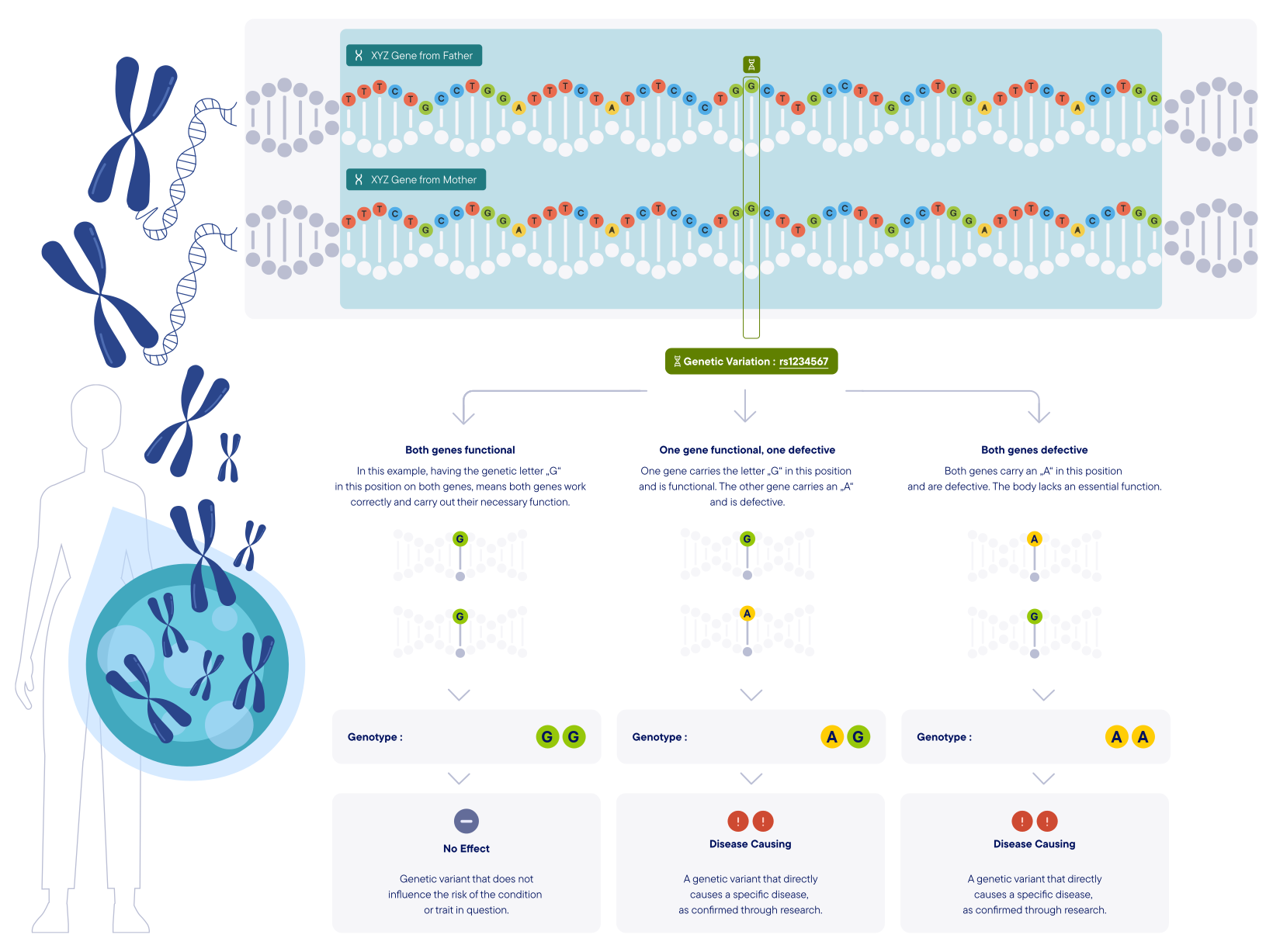
Humans have more than 20,000 genes, each carrying out one or a few specific functions in the body. One gene instructs the body to digest lactose from milk, another tells the body how to build strong bones and another prevents the body's cells from beginning to multiply uncontrollably and developing into cancer. As all of these genes combined are the building instructions for our body, a defect in one of these genes can have severe health consequences.
Through decades of genetic research, we know the genetic code of any healthy/functional human gene. We have also identified that in certain positions on a gene, some individuals may have a different genetic letter from the one you have. We call these hotspots "Genetic Variations" or "Variants" in short. In many cases, studies have been able to show that having the genetic letter "G" in the position makes you healthy, but having the letter "A" in the same position disrupts the gene function and causes a disease. Genopedia allows you to view these variants in genes and summarizes all that we know from scientific research, which genetic letters (Genotype) have good or bad consequences on your health or on your traits.
History
Throughout history, people have described sudden weakness or dark urine after certain foods, fever, or medicines, especially in regions where malaria was common. Families and communities once noticed patterns: one child reacted after an infection, while a sibling did not, and older relatives remembered similar episodes. Looking back helps explain how these patterns eventually pointed to 6-phosphogluconate dehydrogenase deficiency.
First described in the medical literature as a tendency toward “favism”-like reactions and unexplained anemia, early reports focused on the visible crises rather than the quiet day-to-day reality. Before lab testing, clinicians mainly saw acute events—fatigue, yellowing of the eyes, or cola-colored urine—after a trigger. Over time, descriptions became more precise as blood tests revealed that red blood cells were breaking down faster than the body could replace them, a process called hemolysis.
As medical science evolved, researchers connected these episodes to how red blood cells handle oxidative stress. The path led through a broader map of red cell enzymes, where 6-phosphogluconate dehydrogenase (6PGD) sits as part of a pathway that helps protect cells from damage. Initially understood only through symptoms, later work showed that differences in this enzyme could make some people’s red cells more fragile under stress, explaining why infections, certain medications, or foods could set off a hemolytic episode in 6-phosphogluconate dehydrogenase deficiency.
In recent decades, knowledge has built on a long tradition of observation. Advances in genetics confirmed that inherited changes in the 6PGD gene can reduce the enzyme’s activity, with several variants found in different populations. Not every early description was complete, yet together they built the foundation of today’s knowledge, including recognition that severity varies widely. Many people with 6-phosphogluconate dehydrogenase deficiency never have symptoms, while others experience their first issues in childhood or during a significant illness.
Modern history adds practical guidance. As newborn screening expanded in some regions and laboratory methods improved, clinicians could distinguish 6-phosphogluconate dehydrogenase deficiency from more common enzyme conditions that look similar during a crisis. This mattered for families seeking clear answers about triggers to avoid and what to do during infections. It also clarified that, although once considered rare, now recognized as part of the spectrum of red cell enzyme disorders, this condition has been present across continents for generations.
Today, the story continues with better enzyme assays and genetic testing, which help confirm the diagnosis and support tailored care. The historical arc—from family stories of “bad reactions” to precise enzyme and DNA studies—explains why some people live for years with no issues, while others need an action plan for early symptoms of 6-phosphogluconate dehydrogenase deficiency during illness or after certain exposures.