
5-fluorouracil poisoning happens when the chemotherapy drug 5‑fluorouracil causes harmful effects in the body. Symptoms can include severe nausea, vomiting, watery diarrhea, mouth sores, belly pain, fatigue, and confusion. This usually occurs during treatment or within days after, and it can worsen quickly without care. People receiving 5‑fluorouracil are at risk, and some have higher risk due to low dihydropyrimidine dehydrogenase (DPD) activity. Treatment focuses on stopping the drug, intensive supportive care with fluids and electrolytes, pain and nausea control, and in some cases an antidote called uridine triacetate, and severe cases can be life‑threatening.
Overview
5-fluorouracil poisoningSymptoms
With 5-fluorouracil poisoning, early symptoms include nausea, vomiting, watery diarrhea, belly pain, and painful mouth sores. Seek urgent care for fever, dehydration, extreme fatigue, easy bruising or bleeding, chest pain, confusion, or seizures.
Outlook and prognosis
Most people with 5-fluorouracil poisoning recover with prompt supportive care, often within days. Severe cases—especially with high doses, kidney or liver strain, or DPD enzyme deficiency—can lead to complications and longer hospital stays. Early symptom recognition and rapid treatment improve outcomes.
Causes and risk factors
5-fluorouracil poisoning usually results from dosing errors, rapid infusion, or reduced drug breakdown. Major risks include inherited DPYD (DPD) deficiency, older age, liver or kidney dysfunction, and interacting medicines (e.g., brivudine, sorivudine). Frailty, poor nutrition, and dehydration can increase toxicity.
Genetic influences
Genetics strongly influence 5-fluorouracil poisoning risk. Variants in DPYD, and less often TYMS or ENOSF1, can slow drug breakdown, causing severe toxicity even at standard doses. Pre-treatment DPYD genotyping and dose adjustment can markedly reduce life-threatening side effects.
Diagnosis
Doctors diagnose 5-fluorouracil poisoning based on recent 5-FU/capecitabine exposure plus sudden severe symptoms. Blood tests check counts, electrolytes, kidney and liver function; drug levels may help. DPYD genetic testing or DPD activity testing can support the diagnosis of 5-fluorouracil poisoning.
Treatment and drugs
Treatment for 5‑fluorouracil poisoning focuses on stopping the drug, rapid supportive care, and a specific antidote called uridine triacetate when given early. Doctors manage symptoms like nausea, diarrhea, mouth sores, low blood counts, dehydration, and heart or neurologic effects. Care may include IV fluids, anti-nausea medicine, infection prevention, growth factors, and monitoring in hospital.
Symptoms
5-fluorouracil poisoning can cause sudden, intense side effects that interrupt eating, sleep, and daily routines after chemotherapy. You might notice small changes at first—like queasiness, mouth soreness, or looser stools—that build quickly over a day or two. Early symptoms of 5-fluorouracil poisoning often start in the gut and mouth, and can also affect your skin, nerves, heart, and blood counts. Problems can escalate fast when the body clears the drug more slowly, so timing and severity vary.
Queasiness can turn into frequent vomiting within hours to a couple of days. In 5-fluorouracil poisoning, this can be severe and hard to control. Not keeping fluids down increases the risk of dehydration.
Watery, frequent stools may start suddenly and keep you near a bathroom. With 5-fluorouracil poisoning, diarrhea can be intense and lead to dehydration or dizziness. You may notice cramping or urgency.
Painful ulcers or raw patches can make eating and even sipping water hard. The lining of the mouth and throat becomes inflamed and tender. This can raise the risk of infection.
Cramping or belly pain often comes along with diarrhea. Bloating and tenderness can make it uncomfortable to move around or eat.
How people usually first notice 5-fluorouracil poisoning?
People usually first notice 5-fluorouracil (5-FU) poisoning within the first 24–72 hours of treatment as rapidly worsening nausea, vomiting, severe diarrhea, mouth sores, unusual fatigue, or new confusion that feels out of proportion to typical chemo side effects. Alarming early clues include intense abdominal cramping, dehydration, fever, sudden drop in white blood cells with infection symptoms, chest pain or rapid heartbeat, or neurologic changes like dizziness, ataxia (trouble with balance), or seizures. For some, especially those with reduced DPD enzyme activity, the first signs of 5-fluorouracil poisoning appear after the very first dose and escalate quickly, which is why any unexpectedly severe or fast-rising symptoms during 5-FU should prompt urgent medical care.
Types of 5-fluorouracil poisoning
5-fluorouracil (5-FU) poisoning can look different from person to person, and the pattern often depends on dose, route (IV infusion, bolus, topical), and individual metabolism. Clinicians often describe them in these categories: symptoms during rapid exposure, symptoms that build over days, organ-specific toxicity, and special cases due to enzyme deficiency. Early symptoms of 5-fluorouracil poisoning can include stomach upset and mouth soreness, while more serious problems may involve blood counts or the nervous system. Not everyone will experience every type.
Acute infusion toxicity
Symptoms start during or soon after a high-dose infusion. People may develop nausea, vomiting, chest discomfort, dizziness, or sudden diarrhea within hours. Severe cases can include confusion or heart rhythm problems.
Delayed-onset toxicity
Problems build over several days after treatment. Fatigue, mouth sores, diarrhea, and low white blood cells may peak around days 4–10. Fever or infection risk rises as blood counts drop.
Gastrointestinal-predominant
Diarrhea, cramping, and mouth sores dominate. People may struggle to keep fluids down and become dehydrated, sometimes needing IV fluids. Blood in stool or severe pain signals the need for urgent care.
Hematologic-predominant
The main issue is bone marrow suppression with low white cells, red cells, or platelets. This can cause infections, tiredness, shortness of breath, or easy bruising. Doctors confirm it with blood tests and may give growth factors or antibiotics.
Cardiac toxicity
Chest pain or pressure can occur, sometimes during infusion. It may reflect coronary artery spasm leading to reduced blood flow to the heart. People with prior heart disease may be at higher risk.
Neurologic toxicity
Confusion, disorientation, or trouble walking can develop. Some experience headache, vision changes, or seizures. Symptoms usually improve after stopping the drug and supportive care.
Dermatologic toxicity
Painful hand–foot redness and peeling, skin darkening along veins, or severe sun sensitivity can appear. Topical 5-FU can cause intense local skin irritation or ulceration. Eye irritation or tearing may occur if exposed.
Genetic enzyme deficiency
Dihydropyrimidine dehydrogenase (DPYD) deficiency causes markedly increased risk of severe 5-FU toxicity. Even standard doses can trigger life-threatening diarrhea, mouth sores, and low blood counts. Testing for DPYD variants can guide dosing and helps clarify the variants of 5-fluorouracil poisoning.
What genetics can tell you about symptoms
People with certain DPYD gene variants can’t break down 5‑fluorouracil normally, so even standard doses may trigger severe mouth sores, diarrhea, low white blood cells, and dangerous infections. Variants in TYMS can also raise toxicity risk, leading to worse fatigue, nausea, and sensitivity in the gut.
Causes and risk factors
5‑fluorouracil poisoning happens when the body is exposed to too much 5‑FU or cannot clear it well.
Key risks include low DPD enzyme activity from DPYD gene changes, older age, and liver or kidney problems.
Some risks are modifiable (things you can change), others are non-modifiable (things you can’t).
Drug interactions can be dangerous, especially with brivudine or sorivudine, and leucovorin can intensify 5‑FU effects.
Higher doses or longer treatments, infections, dehydration, or poor nutrition can raise risk, so seek care early if you notice early symptoms of 5‑fluorouracil poisoning.
Environmental and biological risk factors
5-fluorouracil poisoning happens when this chemotherapy builds up faster than your body can clear it, leading to severe side effects. Risks come from factors inside the body and from treatment-related exposures. Doctors often group risks into internal (biological) and external (environmental). Knowing these can help you and your care team choose safer dosing and monitoring, and spot early symptoms of 5-fluorouracil poisoning sooner.
This liver enzyme helps break down 5‑fluorouracil. If activity is low, the drug can build up and trigger 5‑fluorouracil poisoning. Some illnesses or medicines can temporarily block this enzyme.
The liver clears most of this medicine. Scarring, inflammation, or reduced blood flow can slow clearance and raise blood levels. That increases the chance of severe side effects.
While 5‑fluorouracil is mainly cleared by the liver, its prodrug capecitabine and metabolites rely on the kidneys. Reduced kidney function can raise exposure and the risk of 5‑fluorouracil poisoning. This is especially important in moderate to severe kidney disease.
Large total doses or fast infusions raise peak concentrations. This can overwhelm the body's ability to clear the drug and increase toxicity. Slowing the rate or lowering the dose reduces this risk.
Genetic risk factors
Some people are much more sensitive to 5-fluorouracil because of inherited differences in how their bodies break down the drug. These genetic risk factors for 5-fluorouracil poisoning mostly involve genes that control the first steps of clearing the medicine in the liver. Carrying a genetic change doesn’t guarantee the condition will appear, but it can raise the chance of severe side effects even at standard doses. In some regions and families, certain variants are more common, which helps explain why testing can identify people at higher risk.

DPYD variants: Changes in the DPYD gene can reduce or eliminate the DPD enzyme that clears 5-fluorouracil. This raises the risk of sudden, severe toxicity, sometimes with the very first dose. Examples include DPYD*2A, c.2846A>T, c.1679T>G, and HapB3; having two non-working copies carries the highest risk.
Ancestry-specific patterns: Commonly screened DPYD variants were identified mainly in European groups, while others (such as c.557A>G) occur more often in people of African ancestry. Because of this, a negative result on a limited panel does not rule out genetic risk in everyone. Inclusive panels that reflect diverse populations can detect more at-risk variants.
TYMS variants: Differences in the TYMS gene, which influences the drug’s target, have been linked to higher rates of mouth sores, low blood counts, or diarrhea in some studies. Results are less consistent than for DPYD, and effect sizes are usually smaller. The TYMS 5′UTR tandem repeat and 3′UTR 6-bp deletion are examples often discussed.
ENOSF1 variant: A common variant near TYMS (ENOSF1 rs2612091) has been associated with 5-fluorouracil toxicity across several cohorts. It may partly account for earlier TYMS links due to close genetic pairing. The increase in risk appears modest compared with DPYD changes.
DPYS variants: Rare changes in the dihydropyrimidinase gene (DPYS) can slow downstream breakdown of pyrimidines. Case reports and small studies describe severe 5-fluorouracil poisoning when such variants are present despite normal DPYD testing. These variants are uncommon but may explain unexpected, early toxicity.
UPB1 variants: Inherited changes in UPB1 (beta-ureidopropionase) affect the final step of pyrimidine catabolism. Families and small series link these variants to intolerance of fluoropyrimidines. The evidence base is limited, and the risk likely varies by the specific change.
Combined variants: More than one small-effect variant can add up, creating a higher overall risk than any single change. This helps explain why some people experience severe toxicity even when only low-risk variants are found. Research is ongoing to refine combined genetic risk estimates.
Lifestyle risk factors
Several everyday habits can change how severe 5-fluorouracil poisoning becomes and how quickly complications develop. Understanding the lifestyle risk factors for 5-fluorouracil poisoning can help you reduce added strain on the mouth, gut, skin, liver, and immune system while your care team treats the toxicity. These tips focus on diet, activity, and behaviors that directly affect common toxicities such as mucositis, diarrhea, hand–foot syndrome, photosensitivity, and infection risk.
Alcohol irritates the mouth and gut lining, which can worsen 5‑FU–related mucositis and diarrhea. It also stresses the liver, potentially slowing drug breakdown and intensifying toxicity.
Low fluid intake concentrates 5‑FU and its metabolites, increasing kidney strain and side‑effect intensity. Ongoing vomiting or diarrhea makes dehydration more likely and more dangerous.
Large folic acid supplements can enhance 5‑FU’s activity, potentially increasing side effects similar to when leucovorin is added. Do not start or increase folate supplements without your oncology team’s guidance.
Hot peppers, citrus, and vinegar can inflame chemotherapy‑irritated mouth and gut tissue. This may worsen mouth sores, pain with eating, and diarrhea.
Risk prevention
5-fluorouracil poisoning is most often preventable with planning before treatment, careful dosing, and early action if side effects start. Risk can drop when teams screen for sensitivity, review medicines, and use safety checks during infusions. Knowing your risks can guide which preventive steps matter most. Learning the early symptoms of 5-fluorouracil poisoning and how to respond quickly is also key.
Ask about testing for the DPYD gene, which affects how your body clears 5-FU. If risk is high, your team may lower the dose or choose a different drug.
Start with the lowest effective dose, especially for older adults or those with other health issues. Your team may adjust further after the first cycle based on how you tolerate it.
Kidney and liver tests before each cycle help guide safe dosing. If results are off, delaying or lowering the dose can prevent toxicity.
Bring a full list of medicines and supplements. Some antivirals and seizure medicines, and even leucovorin, can raise 5-FU toxicity and may need timing changes or avoidance.

Transmission
5-fluorouracil poisoning isn’t contagious and doesn’t spread from person to person. It occurs only through direct exposure to the medicine—most often during chemotherapy when the dose is too high, after using large amounts of prescription 5‑FU skin cream, or if the drug is accidentally swallowed. A small number of people have low activity of an enzyme called DPD because of changes in the DPYD gene; in them, even standard doses can build up and cause severe toxicity, and this risk can run in families (genetic transmission of 5‑fluorouracil poisoning risk). Although the drug can be present in body fluids for a short time after treatment, others aren’t “infected”; caregivers just need routine chemotherapy-safety precautions when handling medicines or body fluids to avoid exposure.
When to test your genes
Consider genetic testing before starting 5‑fluorouracil or capecitabine, especially if you’ve had severe chemo side effects, have a family history of bad reactions, or are of Central/Southern European, North African, Middle Eastern, or South Asian ancestry. Testing DPYD (and sometimes TYMS) can prevent life‑threatening toxicity. Results guide safer dosing or alternative drugs.
Diagnosis
When severe side effects appear soon after 5‑fluorouracil (5‑FU) or capecitabine treatment, the priority is to quickly sort usual reactions from signs of dangerous toxicity that needs urgent care. Clinicians look at timing, symptom patterns, and test results to make a diagnosis of 5‑fluorouracil poisoning. Many people find reassurance in knowing what their tests can—and can’t—show. Prompt identification helps guide treatment and prevent complications.
Doctors review when 5‑FU or capecitabine started, the dose, and how it was given. Toxic reactions often emerge within hours to a few days of treatment. This timing helps separate expected side effects from poisoning.
Providers look for sudden, severe diarrhea, mouth sores, vomiting, extreme fatigue, confusion, or chest pain. Clusters of symptoms that escalate quickly raise concern for toxicity rather than routine side effects.
Vitals like heart rate, blood pressure, temperature, and oxygen levels are checked for signs of dehydration, infection, or shock. A focused exam looks for dry mouth, tender belly, mouth ulcers, or mental status changes.
A complete blood count checks white cells, hemoglobin, and platelets. Very low white cells (neutropenia) or fast drops in counts signal high risk for infection and complications.
Stages of 5-fluorouracil poisoning
5-fluorouracil poisoning does not have defined progression stages. Symptoms can show up within hours or be delayed by several days, and the pattern varies with the dose, how the medicine is given (bolus or infusion), and how a person’s body breaks down the drug. Different tests may be suggested to help confirm toxicity and guide treatment. Doctors look at early symptoms of 5-fluorouracil poisoning—such as severe nausea, vomiting, mouth sores, sudden diarrhea, chest pain, confusion, or extreme tiredness—along with an exam, blood counts, kidney and liver tests, electrolytes, an ECG if there’s chest pain, and sometimes checks for a problem with the enzyme that clears 5‑FU (DPD).
Outlook and prognosis
Looking at the long-term picture can be helpful. For most people with 5-fluorouracil poisoning, symptoms improve over days to a couple of weeks once the drug is stopped and supportive care begins. Early symptoms of 5-fluorouracil poisoning often include severe nausea, vomiting, mouth sores, diarrhea, and fatigue; these can lead to dehydration and low blood counts that raise infection and bleeding risks. The most serious complications—life‑threatening infections, heart rhythm problems, or neurologic changes—tend to appear within the first 7–14 days, so the highest risk period is early and short. Mortality varies by dose and individual factors; severe cases, especially with delayed recognition or very high exposure, can be fatal, but prompt hospital care and drugs like uridine triacetate have significantly improved survival when used quickly.
Everyone’s journey looks a little different. People who carry certain DPYD gene variants or have reduced dihydropyrimidine dehydrogenase activity are more likely to have prolonged or severe toxicity, and they may need longer monitoring and a slower recovery. If organ damage occurs—such as heart injury or lasting nerve issues—some symptoms can persist, but many living with 5-fluorouracil poisoning recover fully without long-term effects. After stabilization, your care team will usually track blood counts, hydration, heart rhythm, and, if needed, genetic factors to guide future chemotherapy choices.
With ongoing care, many people maintain good quality of life after an episode and can continue cancer treatment using adjusted doses or alternative drugs. Talk with your doctor about what your personal outlook might look like, especially if you had severe toxicity or known DPYD variants. If 5‑fluorouracil must be avoided, oncology teams often have effective substitutes, and planning ahead reduces the chance of repeat toxicity. Understanding the prognosis can guide planning and help you and your clinicians balance cancer control with safety.
Long-term effects
5-fluorouracil poisoning can cause serious short-term illness, and a subset of people notice lingering effects after the crisis passes. Early symptoms of 5-fluorouracil poisoning often include severe mouth sores, diarrhea, and exhaustion; the long-term picture depends on how intense the overdose was and how quickly treatment started. Long-term effects vary widely, and some fade with time while others remain. Here’s what doctors and research know about potential long-term outcomes.
Some people develop ongoing chest discomfort or reduced exercise tolerance if the heart was injured during exposure. Lasting effects are more likely if there was a heart attack or inflammation at the time.
After severe brain or cerebellar effects, some may notice problems with balance, fine movements, or attention. These can slowly improve over months, though a degree of difficulty may persist.
Intense mouth and gut inflammation can leave narrowing or sensitivity in the esophagus or intestines. This may show up as painful swallowing, chronic diarrhea, or trouble maintaining weight.
Bone marrow usually recovers, but people who had extreme low counts can feel long-lasting fatigue. Rarely, anemia or easy bruising can linger if recovery was complicated.
How is it to live with 5-fluorouracil poisoning?
Living with 5‑fluorouracil (5‑FU) poisoning can feel like your body is running on empty while also fighting off waves of nausea, mouth sores, and diarrhea, with fatigue and pain making even simple tasks—eating, walking, concentrating—harder than usual. People may need urgent medical care, close monitoring, and time away from work or caregiving, and recovery can be uneven, with good days and setbacks. Family and friends often become part of the care plan—helping with hydration, meals, symptom tracking, and rides to appointments—while managing their own worry and fatigue. With clear communication, supportive routines, and guidance from the care team, many find a steadier rhythm and regain confidence as symptoms improve.
Treatment and drugs
Treatment for 5-fluorouracil poisoning focuses on stopping the drug, urgent supportive care, and—when available—an antidote called uridine triacetate. In hospitals, care teams monitor breathing, heart rhythm, and blood pressure; manage nausea, vomiting, and diarrhea; give IV fluids and electrolytes; and treat infections promptly if white blood cells drop. Uridine triacetate works best when started as soon as possible (ideally within 96 hours) after overdose or severe early symptoms of 5-fluorouracil poisoning, and it’s taken by mouth for several days. Doctors may also use growth factors to help the bone marrow recover, pain control for mouth sores, and nutrition support if eating is difficult. Not every treatment works the same way for every person, so your doctor may adjust your plan based on how quickly symptoms started, how severe they are, and any other health conditions.
Non-drug treatment
Non-drug care for 5-fluorouracil poisoning focuses on stopping exposure, protecting vital organs, and easing side effects while the body clears the medicine. Alongside medicines, non-drug therapies often set the foundation for recovery. Teams act quickly to stop the infusion, support breathing and circulation, and prevent complications like dehydration or infection. Knowing the early symptoms of 5-fluorouracil poisoning—such as sudden severe nausea, mouth sores, or confusion—can prompt faster supportive care.
The 5-fluorouracil infusion is stopped immediately. The line is clamped and flushed, and the team confirms the dose and timing. This limits further exposure.
Replacing losses from vomiting and diarrhea helps prevent dehydration. Fluids and electrolytes stabilize blood pressure and kidney function. This support helps your body clear 5-fluorouracil.
Oxygen, careful positioning, and close observation help maintain breathing if weakness or seizures occur. A breathing machine may be used if needed. These measures protect the brain and heart.
Heart rhythm, blood pressure, and mental status are checked frequently. Early changes can signal complications of 5-fluorouracil poisoning. Rapid response lowers the risk of severe events.
Your genes may have an impact on how drugs work for you
Genetic differences in enzymes that break down 5‑fluorouracil—especially DPD from the DPYD gene—can slow drug clearance and sharply raise the risk of severe toxicity. Many benefit from pre-treatment genetic testing to guide dose adjustments or switch to safer alternatives.
Pharmacological treatments
Treatment for 5-fluorouracil poisoning focuses on stopping the drug’s effects quickly and managing complications like severe nausea, diarrhea, mouth sores, low white blood cells, and infections. The only specific antidote is uridine triacetate, which works best when started as soon as possible—ideally within 96 hours of an overdose or the early symptoms of 5-fluorouracil poisoning. Not everyone responds to the same medication in the same way. Doctors tailor medicines based on how severe the toxicity is and which organs are affected.
This oral medicine can block 5‑FU’s harmful effects if started within 96 hours of overdose or severe toxicity. It is used for adults and children and is taken for a short, set course.
These drugs help control nausea and vomiting. Reducing vomiting also lowers the risk of dehydration and hospital stays.
Loperamide is often used first to slow severe diarrhea. Octreotide may be added if diarrhea is heavy or persistent despite standard treatment.
Filgrastim (G‑CSF) can help the bone marrow recover after 5‑FU–related drops in white blood cells. This may shorten the time at risk for serious infections.
Genetic influences
Genes can strongly influence who develops severe side effects from 5‑fluorouracil (5‑FU) or its pill form, capecitabine. For many, the key factor is inherited changes in the DPYD gene. These changes lower the activity of an enzyme (called DPD) that normally clears these drugs; when clearance is slow, medicine levels rise and 5‑fluorouracil poisoning can occur. Having a gene change doesn’t always mean you will develop the condition. Some people have a large reduction in this enzyme and face a high risk of severe reactions, while others have only a modest reduction and may tolerate a reduced dose; other genes and non‑genetic factors like age, kidney or liver function, and other medicines also matter. Genetic testing before treatment can look for the most important DPYD changes and help your oncology team choose a safer starting dose or a different drug, which may lower the chance of early symptoms of 5‑fluorouracil poisoning. Even with the same DPYD result, reactions can vary, so doctors also monitor closely and adjust based on how your body responds.
Is 5-fluorouracil poisoning genetic?
Genetics strongly influence 5-fluorouracil poisoning risk. Variants in DPYD, and less often TYMS or ENOSF1, can slow drug breakdown, causing severe toxicity even at standard doses. Pre-treatment DPYD genotyping and dose adjustment can markedly reduce life-threatening side effects.
Pharmacogenetics—how genetics influence drug effects
Differences in a gene called DPYD can make some people clear 5‑fluorouracil (5‑FU) much more slowly, raising the chance of severe side effects and, in rare cases, 5‑fluorouracil poisoning. These differences affect an enzyme named DPD that breaks down 5‑FU; when the enzyme is low or missing, even standard doses can build up to dangerous levels. A “slow metabolizer” may process medicine more slowly, so doctors may lower the dose, space treatments further apart, or choose another drug if genetic testing shows a high‑risk result. If poisoning happens, the emergency antidote, uridine triacetate, is used as soon as possible (ideally within 96 hours) regardless of genetics, but knowing about a DPYD variant can prompt faster recognition and treatment. Pharmacogenetic testing for 5‑fluorouracil toxicity can also guide future chemotherapy plans and may be relevant for close relatives who could carry the same change. Genes are only part of the picture; doctors also consider liver and kidney health, other medicines, and overall condition to tailor care and reduce the risk of 5‑fluorouracil poisoning.
Interactions with other conditions
Living with heart disease, liver problems, or kidney issues can change how the body handles chemotherapy, so complications from 5-fluorouracil poisoning may be more severe or start sooner. A condition may “exacerbate” (make worse) symptoms of another, and that’s often the case with active infections: low white blood cells from the drug make it harder to fight germs, and an infection can spiral into sepsis more quickly. People with liver disease are at higher risk for confusion or drowsiness from toxin buildup, while those with kidney trouble may have more prolonged diarrhea and dehydration. If you have a history of angina or coronary artery disease, 5-fluorouracil can trigger chest pain or rhythm changes, so any pressure, tightness, or shortness of breath needs urgent care. Gut conditions like inflammatory bowel disease can make mouth sores and diarrhea from early symptoms of 5-fluorouracil poisoning feel more intense, raising the risk of fluid and salt imbalance. Interactions can look very different from person to person, so clinicians often coordinate closely to stabilize infections, protect the heart, and support the liver and kidneys while treating the overdose.
How genes can cause diseases
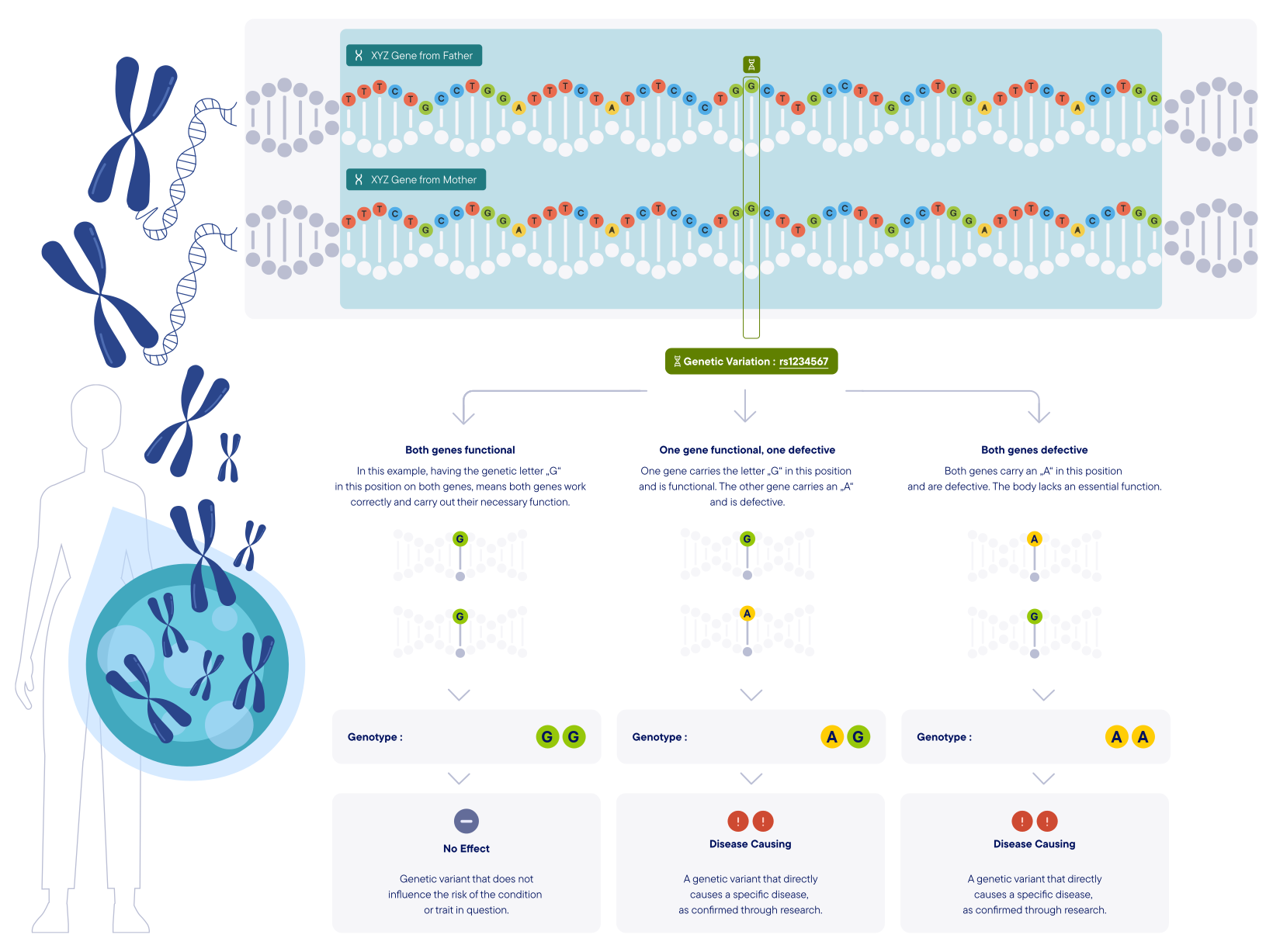
Humans have more than 20,000 genes, each carrying out one or a few specific functions in the body. One gene instructs the body to digest lactose from milk, another tells the body how to build strong bones and another prevents the body's cells from beginning to multiply uncontrollably and developing into cancer. As all of these genes combined are the building instructions for our body, a defect in one of these genes can have severe health consequences.
Through decades of genetic research, we know the genetic code of any healthy/functional human gene. We have also identified that in certain positions on a gene, some individuals may have a different genetic letter from the one you have. We call these hotspots "Genetic Variations" or "Variants" in short. In many cases, studies have been able to show that having the genetic letter "G" in the position makes you healthy, but having the letter "A" in the same position disrupts the gene function and causes a disease. Genopedia allows you to view these variants in genes and summarizes all that we know from scientific research, which genetic letters (Genotype) have good or bad consequences on your health or on your traits.
History
Throughout history, people have described sudden, severe reactions after certain cancer treatments—mouth sores, relentless diarrhea, confusion, and infections that seemed to appear out of nowhere. Families once kept notes about relatives who “couldn’t tolerate the chemo,” while others completed treatment without major issues. These early patterns hinted that 5-fluorouracil poisoning, a dangerous overexposure to the chemotherapy drug 5‑fluorouracil (5‑FU), did not affect everyone the same way.
First described in the medical literature as unexpected, sometimes fatal toxicity to 5‑FU soon after the drug was introduced in the late 1950s, the condition was initially understood only through the symptoms clinicians saw during treatment. Doctors noticed that a small group developed profound side effects even at standard doses. From these first observations, researchers suspected that the body’s ability to clear 5‑FU varied widely between people.
In the 1970s and 1980s, careful bedside observation and lab work converged on a key enzyme, dihydropyrimidine dehydrogenase (DPD), which breaks down 5‑FU. Some people were found to have very low DPD activity, often due to inherited changes in the DPYD gene. This discovery explained why early symptoms of 5‑fluorouracil poisoning could appear quickly after the first dose—when the drug could not be processed efficiently, it built up to toxic levels.
Over time, descriptions became more precise. Clinicians linked severe mouth ulcers, prolonged low white blood cells, dehydration from diarrhea, and unusual neurologic symptoms with reduced 5‑FU breakdown. Case series documented that people with complete DPD deficiency were at highest risk, while those with partial deficiency had variable reactions. This helped shift the focus from blaming “sensitivity” to recognizing a biological cause.
In recent decades, awareness has grown that pre‑treatment strategies can reduce risk. Some centers began checking DPD activity or testing for common DPYD variants before starting 5‑FU or its oral form, capecitabine, especially in Europe where guidance encouraged this approach. Pharmacology studies refined dose adjustments so people with partial deficiency could sometimes receive lower doses more safely, while those with profound deficiency were directed to alternative drugs.
Regulatory steps followed. Labels and professional guidelines started warning about 5‑fluorouracil poisoning and recommending prompt use of an antidote, uridine triacetate, when severe toxicity occurred. Emergency protocols emphasized acting quickly if symptoms escalated within the first 96 hours after dosing.
Today, the history of 5‑fluorouracil poisoning shows how bedside observations led to lab discoveries and then to practical safeguards. Not every early description was complete, yet together they built the foundation of today’s knowledge. Many living with cancer now benefit from screening, careful dosing, and rapid treatment if toxicity appears—turning past lessons into safer care.