
46,xy difference of sex development due to isolated 17,20-lyase deficiency is a rare genetic condition that affects how sex characteristics form. People with this condition are typically raised male but may have undervirilization at birth, such as small penis or undescended testes, and may not go through typical puberty. It is lifelong, and not everyone will have the same experience. Treatment often includes hormone replacement, genital or testicular surgery when appropriate, and ongoing multidisciplinary care. The outlook can be good with coordinated care, and routine follow-up helps prevent issues like low bone density and high blood pressure.
Overview
46,xy difference of sex development due to isolated 17,20-lyase deficiencySymptoms
In 46,xy difference of sex development due to isolated 17,20-lyase deficiency, babies may have ambiguous or female-appearing genitals, undescended testes, or a small penis. Puberty may not progress, with little body hair. Fertility may be reduced.
Outlook and prognosis
Many living with 46,XY difference of sex development due to isolated 17,20-lyase deficiency can expect typical overall health and lifespan. With tailored hormone therapy and timely care, puberty development, bone health, and energy levels often improve. Ongoing endocrine follow-up supports fertility discussions and long‑term wellbeing.
Causes and risk factors
46,XY difference of sex development due to isolated 17,20-lyase deficiency results from inherited changes in a hormone-making gene, usually autosomal recessive (both parents carriers). Risk rises with family history, consanguinity, or certain ancestries. No known environmental or lifestyle causes.
Genetic influences
Genetics are central in 46,XY difference of sex development due to isolated 17,20‑lyase deficiency. It’s typically caused by pathogenic variants in CYP17A1 that reduce 17,20‑lyase activity while sparing 17α‑hydroxylase. Inheritance is usually autosomal recessive; carrier testing and family counseling can help.
Diagnosis
Diagnosis of 46,XY difference of sex development due to isolated 17,20-lyase deficiency is based on clinical features, hormone testing, and pelvic/abdominal imaging. Genetic diagnosis of 46,XY difference of sex development due to isolated 17,20-lyase deficiency confirms the cause.
Treatment and drugs
Treatment focuses on supporting puberty, hormones, and long‑term health. People with 46,XY difference of sex development due to isolated 17,20‑lyase deficiency may receive tailored hormone replacement, fertility counseling, and monitoring for blood pressure, lipids, and bone health. Care is individualized by a multidisciplinary team.
Symptoms
Many people with 46,xy difference of sex development due to isolated 17,20-lyase deficiency are born with genital differences and later have limited puberty changes because the body makes very little testosterone and estrogen. Early features of 46,xy difference of sex development due to isolated 17,20-lyase deficiency are often noticed in the newborn period, while other signs become clearer during adolescence. Features vary from person to person and can change over time. In everyday life, this may mean slower or absent male-type changes at puberty and later concerns about fertility.
In 46,xy difference of sex development due to isolated 17,20-lyase deficiency, the external genitals may look less masculinized at birth. They can appear typically female or have a mix of features such as a small penis and a smooth or partially fused scrotum. These differences are often noticed during the newborn exam.
One or both testes may not come down into the scrotum. They may sit in the groin or abdomen and can be harder to feel. This can increase the risk of testicular issues later if not addressed.
The urine opening may be on the underside of the penis (hypospadias), and the penis may be smaller than expected for age. This can affect urination direction and make diaper changes or toilet training a bit trickier. Surgery may be discussed to improve function.
During puberty, 46,xy difference of sex development due to isolated 17,20-lyase deficiency often shows up as little growth of facial or body hair and a voice that doesn’t deepen much. Genital growth can be limited, and muscle mass may remain lower than peers. If raised female, periods do not start and breast development may be minimal.
How people usually first notice 46,xy difference of sex development due to isolated 17,20-lyase deficiency?
Families and doctors often first notice something is different when a baby with 46,XY chromosomes is born with genital features that look more typically female or ambiguous, prompting evaluation for a difference of sex development. As the child grows, lack of typical male puberty changes—such as little to no deepening of the voice, minimal facial or body hair, and small testes—can be the first signs of 46,XY difference of sex development due to isolated 17,20-lyase deficiency. Sometimes it’s first picked up through newborn or early childhood hormonal testing after unclear genital appearance, or later when puberty doesn’t progress as expected.
Types of 46,xy difference of sex development due to isolated 17,20-lyase deficiency
People with 46,XY difference of sex development due to isolated 17,20‑lyase deficiency can present in a few recognizable clinical variants, largely based on how much residual enzyme activity remains and when hormone needs are noticed. Symptoms don’t always look the same for everyone. Some are identified in infancy because of genital differences, while others are found later due to delayed puberty or infertility concerns. Knowing the main variants can help you and your care team talk through types of 46,XY DSD and what they may mean for day‑to‑day health and long‑term care.
Classic neonatal form
Newborns assigned male may have undervirilized genitalia such as a small phallus and undescended testes. Salt balance is usually normal because cortisol and mineralocorticoid production are intact.
Partial/residual activity
There is enough enzyme function for some androgen production, leading to milder undervirilization at birth or partial virilization in puberty. Puberty may bring limited growth of facial or body hair with persistently low testosterone.
Pubertal‑onset variant
Early childhood may appear typical, but puberty is marked by poor testosterone rise, small testes, and limited virilization. People may present with delayed or stalled puberty and concerns about muscle mass, voice deepening, or libido.
Female‑raised 46,XY
Individuals raised female typically have typical external female genitalia at birth but lack uterine development and have internal testes. Puberty often shows minimal breast development without estrogen therapy and no menstrual periods.
Infertility‑predominant
Some with milder enzyme defects present later with reduced sperm production and infertility. Sexual development may be near typical, but low androgen levels can affect energy, libido, and fertility options.
What genetics can tell you about symptoms
Variants in the CYP17A1 gene can reduce 17,20-lyase activity, leading to undervirilization in newborns with XY chromosomes, such as a small penis, hypospadias, or undescended testes. Later, many experience delayed or absent puberty, low testosterone, and infertility.
Causes and risk factors
It stems from inherited changes that reduce the 17,20-lyase enzyme needed to make sex hormones, not from lifestyle or environment.
Most cases involve the CYP17A1 gene, and some involve helper genes like cytochrome b5 or P450 oxidoreductase.
The condition usually occurs when both parents carry the same nonworking change and a child inherits both copies.
Family history is the main risk factor for 46,xy difference of sex development due to isolated 17,20-lyase deficiency, and shared ancestry or parental relatedness can raise that chance.
Genetic testing can sometimes clarify your personal risk.
Environmental and biological risk factors
When you’re planning a pregnancy or already expecting, it’s natural to ask what might increase the chance of 46,xy difference of sex development due to isolated 17,20-lyase deficiency. Most known drivers are internal and present from very early development; outside exposures haven’t been shown to cause it. Doctors often group risks into internal (biological) and external (environmental). Here’s what is and isn’t known today.
None confirmed. Research has not identified environmental risk factors for 46,xy difference of sex development due to isolated 17,20-lyase deficiency. Studies to date do not show a causal link.
Can mimic features. Certain drugs that block steroid hormone production in early pregnancy can affect fetal sex development but do not cause this condition. Always review medicines with your doctor before or during pregnancy.
Link unproven. Exposure to hormone-disrupting chemicals from plastics, pesticides, or air pollution has not been shown to increase the likelihood of 46,xy difference of sex development due to isolated 17,20-lyase deficiency. Evidence remains limited and inconsistent.
No clear link. Conditions such as diabetes, thyroid disease, or high blood pressure during pregnancy have not been tied to a higher risk of this condition. Ongoing prenatal care is still important for overall health.
Genetic risk factors
In many families, gene changes affecting a single enzyme step disrupt testosterone-making before birth, shaping genital development for babies with a 46,XY chromosome pattern. 46,XY difference of sex development due to isolated 17,20-lyase deficiency most often traces to variants in a small set of genes that run this part of the hormone pathway. Some risk factors are inherited through our genes. Early symptoms of 46,XY difference of sex development due to isolated 17,20-lyase deficiency often appear at birth because these variants limit androgen production.

CYP17A1 changes: This gene makes the enzyme that performs the 17,20-lyase step in hormone production. Certain variants selectively weaken the lyase function while leaving the nearby 17-hydroxylase step mostly intact, lowering androgen levels. This is a well-recognized genetic route to 46,XY difference of sex development due to isolated 17,20-lyase deficiency.
POR gene variants: The POR gene supplies power to many hormone-making enzymes, including CYP17A1. Some POR changes reduce 17,20-lyase activity more than other steps, creating the same low-androgen pattern seen in this condition. Inheritance is typically autosomal recessive.
CYB5A gene loss: The CYB5A protein boosts the lyase reaction. When both copies carry changes, the reaction slows and androgen production drops, leading to 46,XY difference of sex development due to isolated 17,20-lyase deficiency. Some families may also have methemoglobinemia because this gene is used in red blood cells too.
Recessive inheritance: Most genetic causes require two nonworking copies—one from each parent. When both parents are healthy carriers, each pregnancy has a 25% (1 in 4) chance of a child with the condition. Unaffected siblings may be carriers.
46,XY requirement: The DSD features appear when a fetus has a 46,XY chromosome pattern and cannot make enough androgens before birth. People with a 46,XX pattern who have the same variants usually look typical at birth but may have hormone-related issues later. This difference helps explain varied presentations in the same family.
Parental consanguinity: Parents who are related by blood are more likely to share the same rare variant. This increases the chance their child inherits two altered copies and develops isolated 17,20-lyase deficiency. Genetic counseling can clarify the specific risk for a given family.
Family history: Having a sibling or relative diagnosed with 46,XY difference of sex development due to isolated 17,20-lyase deficiency points to a shared variant in the family. Testing can identify carriers and guide future pregnancy planning. Targeted gene testing is often used for relatives.
Variant-specific effects: Different changes in CYP17A1, POR, or CYB5A can range from near-complete loss of lyase activity to milder reductions. This shapes how strongly androgen levels fall and how the condition appears at birth. It also explains differences in severity even within one family.
Lifestyle risk factors
Lifestyle habits do not cause this condition, but they can influence symptoms, treatment response, and long-term health. In particular, choices that affect bone strength, cardiometabolic health, and mental well-being can make a tangible difference alongside medical care. The list below focuses on lifestyle risk factors for 46,XY difference of sex development due to isolated 17,20-lyase deficiency and practical ways to modify them. These points illustrate how lifestyle affects 46,XY difference of sex development due to isolated 17,20-lyase deficiency without implying causation.
Taking prescribed sex-steroid or adrenal medications consistently helps stabilize energy, mood, and pubertal or adult-body changes. Missed or inconsistent doses can worsen low-sex-steroid symptoms and compromise bone protection.
Getting enough calcium, vitamin D, and protein supports bone density that is vulnerable when sex-steroid levels are low or fluctuating. Diets very high in salt, caffeine, or soda can increase calcium loss and compound bone fragility risk.
Regular impact and resistance activities (like brisk walking, stair climbing, lifting) help build bone and muscle in the setting of chronically low androgens/estrogens or while on replacement. This also improves balance and lowers fracture risk.
Tobacco use accelerates bone loss and impairs healing in people with hypogonadism-related bone vulnerability. Heavy alcohol can weaken bones and strain the liver, which matters when monitoring or dosing hormone therapy.
Risk prevention
You can’t prevent the enzyme change that causes 46,XY difference of sex development due to isolated 17,20-lyase deficiency, but you can lower the risk of complications across childhood and adulthood. For many, this means timely hormone care, thoughtful decisions about any procedures, and steady follow-up to protect bones, growth, and emotional well‑being. Some early symptoms of 17,20-lyase deficiency include less masculinized genital development in newborns and delayed puberty later on. Prevention works best when combined with regular check-ups.
Connect with a dedicated DSD team early to map out care. Early reviews help catch growth, puberty, and genital health needs before problems build.
Follow sex hormone treatment as prescribed to support puberty, energy, and sexual health. Regular blood tests help fine‑tune doses and reduce side effects.
Get enough calcium and vitamin D and do weight‑bearing activity to build and maintain bone strength. Periodic bone density checks can spot thinning early.
If testes are undescended or atypical, plan imaging or surgery with specialists. This can reduce pain, torsion, or tumor risk over time.

Transmission
46,XY difference of sex development due to isolated 17,20-lyase deficiency is not contagious and cannot be spread through contact, coughing, or everyday activities. It happens because of changes in genes that affect an enzyme needed to make sex hormones; the genetic transmission of 46,XY difference of sex development due to isolated 17,20-lyase deficiency is usually autosomal recessive, meaning both parents are healthy carriers. When both parents carry one nonworking copy, each pregnancy has a 25% chance of an affected child, a 50% chance of a carrier child, and a 25% chance of a child who inherits neither change. Less often, the gene change occurs for the first time in the child (a new mutation).
When to test your genes
Consider testing if you or your child have undervirilization at birth, delayed or absent puberty, or unexplained low testosterone with normal/minimally low cortisol. Genetic testing is also reasonable if 17,20-lyase deficiency is suspected from hormone profiles or if there’s a family history of similar differences. Results can guide hormone therapy, fertility planning, and lifelong surveillance.
Diagnosis
Clues often appear at birth when genital development looks different from what was expected, or later when puberty changes are limited. Because this is a genetic condition, the pattern of hormones and certain lab findings help point to the specific enzyme step that is affected. Getting a diagnosis is often a turning point toward answers and support. The genetic diagnosis of 46,xy difference of sex development due to isolated 17,20-lyase deficiency is confirmed by a mix of clinical assessment, hormone testing, and DNA analysis.
Doctors look for features like a smaller penis, a urethral opening not at the tip, or undescended testes. These features raise suspicion for a 46,XY difference of sex development and guide the next tests.
Clinicians review growth and puberty milestones, including lack of virilization in adolescence. Limited facial/body hair or voice changes can suggest reduced testosterone production.
Family history, pregnancy details, and any medication exposures are reviewed carefully. Family history is often a key part of the diagnostic conversation.
A chromosome test confirms the 46,XY pattern. This helps distinguish 46,XY DSD from other pathways that can look similar at birth.
Stages of 46,xy difference of sex development due to isolated 17,20-lyase deficiency
46,XY difference of sex development due to isolated 17,20-lyase deficiency does not have defined progression stages. It’s a congenital enzyme condition, so features are present from birth or become clearer around puberty rather than changing in stepwise stages. Different tests may be suggested to help clarify hormone patterns, chromosomes, and internal anatomy. Doctors often use hormone stimulation tests, chromosome testing, genetic testing, and pelvic or testicular imaging to confirm the cause and guide care, especially if early signs of 46,XY difference of sex development due to isolated 17,20-lyase deficiency appear at birth or during puberty.
Outlook and prognosis
Day to day, the outlook with 46,XY difference of sex development due to isolated 17,20-lyase deficiency depends on how early the condition is recognized and how well hormone needs are managed over time. Many people ask, “What does this mean for my future?”, and the short answer is that with tailored hormone therapy and regular follow-up, most grow well, feel better, and can lead active, fulfilling lives.
Doctors call this the prognosis—a medical word for likely outcomes. Most children and adults with isolated 17,20-lyase deficiency do not have salt-wasting or life‑threatening adrenal crises, so mortality risk is generally low when care is in place. Puberty often needs medical support; for example, a teen may notice limited body hair or slower muscle development and later learn that testosterone or estrogen therapy can help. Fertility is usually reduced in people with this condition, though assisted options may sometimes be explored with a specialist.
The outlook is not the same for everyone, but regular hormone monitoring, blood pressure checks, and bone health assessments help prevent long‑term issues like fatigue, high blood pressure, or low bone density. Early symptoms of isolated 17,20-lyase deficiency in 46,XY DSD can be subtle, so checking in with an endocrinology team during childhood and adolescence can make decisions about timing and dosing smoother. Over time, most people find a stable plan that supports energy, mood, sexual health, and everyday routines.
Talk with your doctor about what your personal outlook might look like. Understanding the prognosis can guide planning and set expectations around puberty support, adult hormone therapy, and reproductive counseling. Support from friends and family can make the day‑to‑day easier, especially during times of adjustment such as starting or changing hormone treatment.
Long-term effects
Living with 46,XY difference of sex development due to isolated 17,20-lyase deficiency can shape how the body develops from infancy through adulthood. It mainly affects sex-hormone production, which can influence genital appearance at birth, puberty changes, fertility, and bone strength over time. Long-term effects vary widely, and not everyone will experience the same pattern or intensity of changes. Here’s what doctors and research know about how the condition may unfold over the years.
In 46,XY difference of sex development due to isolated 17,20-lyase deficiency, external genitalia at birth may look less typically male. Early symptoms of isolated 17,20-lyase deficiency can include ambiguous or mostly female-appearing genitalia in a newborn with XY chromosomes.
Many with this condition have little to no virilization at puberty, with sparse facial/body hair and a voice that stays higher. Those raised female typically do not have periods because a uterus is usually absent from early development.
The body’s own testosterone and related sex hormones remain low across life in this condition. This underlies differences in muscle mass, body hair, and other secondary sex traits unless hormones are provided from outside.
In 46,XY difference of sex development due to isolated 17,20-lyase deficiency, sperm production is usually absent, so natural fertility is very unlikely. Pregnancy is not possible for those without a uterus, even if raised female.
How is it to live with 46,xy difference of sex development due to isolated 17,20-lyase deficiency?
Living with a 46,XY difference of sex development due to isolated 17,20-lyase deficiency often means navigating questions about body development, hormones, and identity over time, especially around puberty and fertility. Daily life can include regular endocrine visits, hormone replacement to support well-being and bone health, and thoughtful decisions about gender-affirming care and, when desired, fertility options. Many find that open communication with family, partners, and close friends eases misunderstandings and strengthens support, while connecting with experienced clinicians and peer communities provides practical guidance and reassurance. With tailored care and informed choices, people typically build routines that feel comfortable and healthy, honoring their goals and values.
Treatment and drugs
Treatment for 46,XY difference of sex development due to isolated 17,20-lyase deficiency focuses on replacing missing hormones, supporting healthy growth and bone strength, and aligning care with a person’s gender identity and goals. Doctors often start with glucocorticoids to reduce excess adrenal signals, then add sex hormone therapy (testosterone or estrogen, as appropriate) during puberty and into adulthood to support sexual development, energy, muscle and bone health, and wellbeing. If testes are undescended, surgery in infancy or childhood may be recommended to move them into the scrotum or, in some cases, remove them to lower cancer risk; fertility options are limited in this condition, but a reproductive specialist can explain what’s possible. Alongside medical treatment, lifestyle choices play a role, and counseling with a multidisciplinary team—endocrinology, urology/gynecology, psychology, and genetics—helps tailor care over time. Finding the right therapy can take some time, so keep track of symptoms and labs and work with your care team to adjust doses as your needs change.
Non-drug treatment
Non-drug care focuses on education, emotional support, and thoughtful choices about body development over time. Beyond prescriptions, supportive therapies can help families feel informed and confident during key decisions. Many families first face decisions soon after birth when early symptoms of 46,XY difference of sex development are recognized.
A coordinated team (endocrinology, urology, psychology, genetics, and nursing) helps map out care across childhood, adolescence, and adulthood. This shared approach reduces mixed messages and keeps the plan consistent over time.
Counseling offers space to process feelings, build resilience, and explore identity at a comfortable pace. It can also help parents talk with children about 46,XY difference of sex development in age-appropriate ways.
A genetics professional explains the enzyme change, inheritance pattern, and what it may mean for relatives. They review testing options and support informed choices during family planning.
Families and clinicians choose steps together, with clear discussion of benefits, risks, and alternatives. Non-urgent procedures are often timed so the child can participate meaningfully as they grow.
Your genes may have an impact on how drugs work for you
Genes can affect how people with 46,XY difference of sex development due to isolated 17,20-lyase deficiency respond to steroid replacement, including dose needs and side‑effect risk. Variants in enzymes that process glucocorticoids or androgens can change levels, requiring careful, personalized dosing.
Pharmacological treatments
Treatment focuses on replacing the sex hormones the body can’t make well and supporting healthy puberty, sexual function, and bones. Plans are individualized for people with 46,XY difference of sex development due to isolated 17,20-lyase deficiency, based on gender identity, age, and personal goals. Not everyone responds to the same medication in the same way. Because early symptoms of 17,20-lyase deficiency can vary, choices are revisited over time as needs change.
Injectable testosterone enanthate or cypionate, long-acting testosterone undecanoate, or transdermal gels/patches can induce and maintain masculinization. Dosing may be increased or lowered gradually to match pubertal stages, energy, libido, and lab targets. Regular checks of blood counts, liver function, and lipids help keep therapy safe.
Short courses of dihydrotestosterone (DHT) gel or cream may be used in infancy or early childhood to support penile growth. Availability varies by region and use is often off-label, so specialist oversight is key. Skin irritation is the most common side effect and is usually mild.
For those seeking feminization, 17β‑estradiol (oral or transdermal) supports breast development, bone health, and overall well-being. A progestin is generally not needed in 46,XY individuals without a uterus. Monitoring includes blood pressure, lipids, and estradiol levels to avoid overtreatment.
Most with isolated 17,20‑lyase deficiency have normal cortisol and do not need steroids, but confirmed cortisol deficiency is treated with hydrocortisone. Stress‑dose instructions are provided for illness or surgery if adrenal insufficiency is present. Never stop or change a prescription without checking with your healthcare provider.
Genetic influences
This condition is usually caused by inherited changes in genes that control an enzyme needed to make testosterone and other sex hormones. Most often, it follows an autosomal recessive pattern, meaning each parent quietly carries one changed copy of the gene and there is a 25% chance a child will be affected in each pregnancy. DNA testing can sometimes identify these changes. Known genes include CYP17A1, which encodes the enzyme itself, and helper genes like POR or CYB5A that support the enzyme’s activity; certain variants can selectively weaken the 17,20‑lyase step while leaving other steps fairly intact. Because of this selective effect, people with 46,XY difference of sex development due to isolated 17,20‑lyase deficiency often have very low androgen production, while stress hormones are typically near normal. Features can vary widely, even between siblings, so family history plus hormone testing often guide when to consider genetics, especially if early symptoms of 46,XY difference of sex development due to isolated 17,20‑lyase deficiency are noticed at birth or in early infancy.
Is 46,xy difference of sex development due to isolated 17,20-lyase deficiency genetic?
Genetics are central in 46,XY difference of sex development due to isolated 17,20‑lyase deficiency. It’s typically caused by pathogenic variants in CYP17A1 that reduce 17,20‑lyase activity while sparing 17α‑hydroxylase. Inheritance is usually autosomal recessive; carrier testing and family counseling can help.
Pharmacogenetics—how genetics influence drug effects
Because this condition stems from a gene change that limits the body’s ability to make certain sex hormones, treatment focuses on replacing what’s missing and choosing forms that match goals like puberty, bone health, and well-being. The specific gene variant can leave some 17,20‑lyase activity intact or shut it down, which influences whether clinicians use testosterone, dihydrotestosterone (DHT) gel, or estrogen, and at what dose. Genetic testing can sometimes identify how your body makes sex hormones and how much enzyme activity remains, helping tailor hormone therapy and decide if any adrenal support is needed. If the change is in the enzyme gene (often called CYP17A1), the main effect is on hormone production; if it involves a helper protein called cytochrome b5 (CYB5A), some people also have methemoglobinemia, so medicines that can trigger it—such as benzocaine sprays, prilocaine, or dapsone—may be avoided. Response to androgens or estrogens also varies with how quickly the liver breaks them down and with hormone‑receptor sensitivity, so doses are adjusted over time rather than set once. For 46,xy difference of sex development due to isolated 17,20-lyase deficiency, pharmacogenetic testing for 46,xy difference of sex development due to isolated 17,20-lyase deficiency can support decisions about the best hormone therapy and timing, used together with lab results and personal treatment goals.
Interactions with other conditions
Living day-to-day with low sex hormone levels can overlap with other health issues, so treatment plans sometimes need to account for more than one condition at a time. For example, if someone also has thyroid disease, pituitary problems, or long-term illnesses like obesity or type 2 diabetes, these can change how the body handles hormones and may affect growth, puberty timing, energy, and mood. Low testosterone over many years can weaken bones; if vitamin D deficiency or limited calcium intake is also present, the combined effect can raise the risk of low bone density or fractures. Questions about early symptoms of 46,xy difference of sex development due to isolated 17,20-lyase deficiency often arise alongside concerns about other endocrine issues, and mental health conditions such as anxiety or depression may influence how people cope with testing, surgery decisions, or lifelong hormone therapy. Some medicines interact as well—drugs that block steroid-making enzymes (such as certain antifungals or treatments used for prostate cancer) can further lower sex hormones and may intensify symptoms in 46,xy difference of sex development due to isolated 17,20-lyase deficiency. Talk with your doctor about how your conditions may influence each other, including whether any medications for one condition could interfere with hormone treatment.
How genes can cause diseases
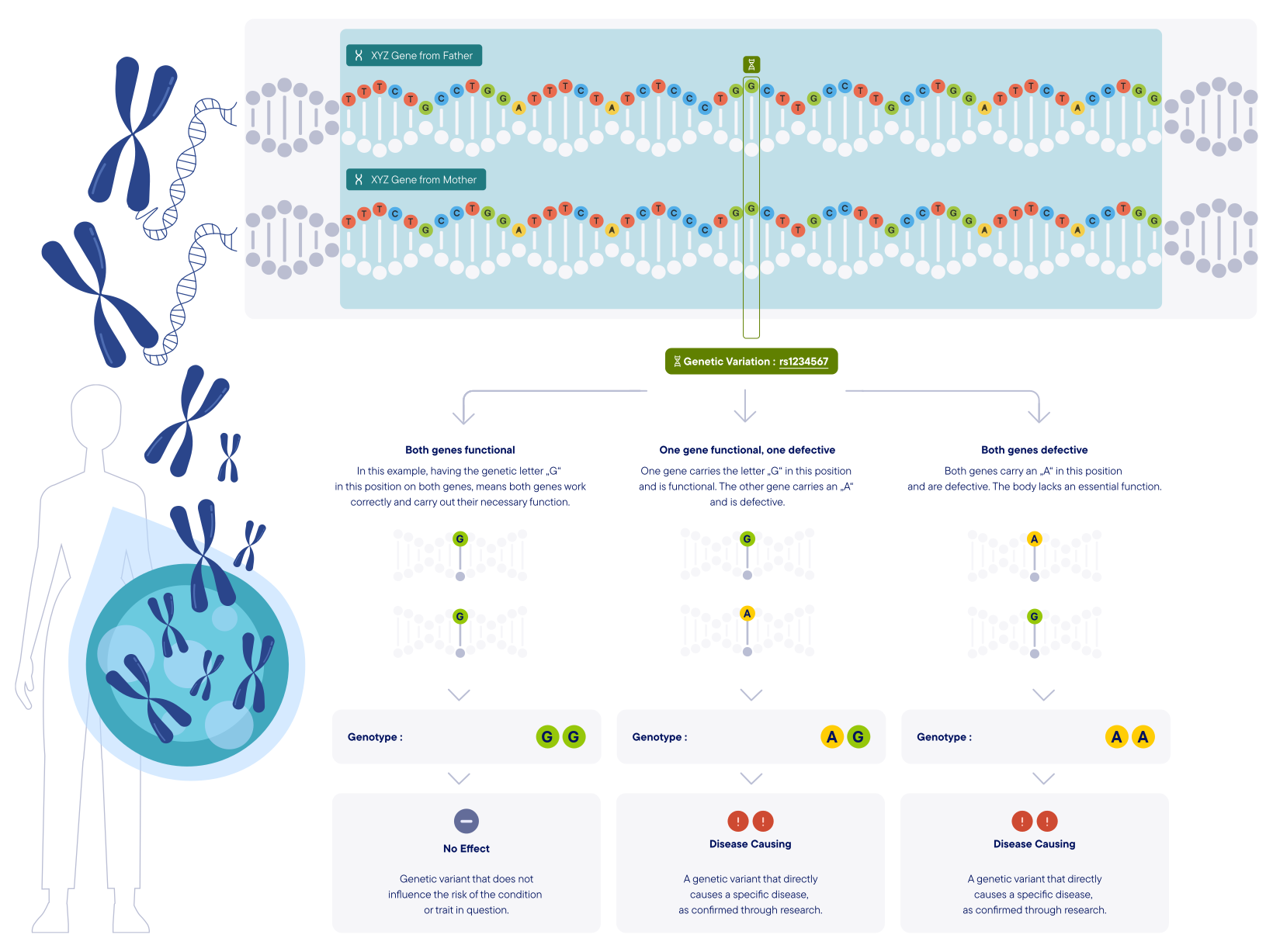
Humans have more than 20,000 genes, each carrying out one or a few specific functions in the body. One gene instructs the body to digest lactose from milk, another tells the body how to build strong bones and another prevents the body's cells from beginning to multiply uncontrollably and developing into cancer. As all of these genes combined are the building instructions for our body, a defect in one of these genes can have severe health consequences.
Through decades of genetic research, we know the genetic code of any healthy/functional human gene. We have also identified that in certain positions on a gene, some individuals may have a different genetic letter from the one you have. We call these hotspots "Genetic Variations" or "Variants" in short. In many cases, studies have been able to show that having the genetic letter "G" in the position makes you healthy, but having the letter "A" in the same position disrupts the gene function and causes a disease. Genopedia allows you to view these variants in genes and summarizes all that we know from scientific research, which genetic letters (Genotype) have good or bad consequences on your health or on your traits.
History
Throughout history, people have described newborns whose genital appearance didn’t match expectations, leading families and midwives to note patterns without knowing the cause. In some communities, children raised as girls developed more typically male features at puberty; in others, boys were shorter than peers and had delayed puberty. These early accounts mixed many conditions together, because there was no way to test hormones or genes.
First described in the medical literature as a hormonal block affecting both cortisol- and sex-hormone pathways, this group later split into more precise diagnoses as lab testing improved. By the late 20th century, careful hormone studies during infancy and adolescence showed that some people had a specific bottleneck in making sex hormones while salt balance and cortisol were largely preserved. From these first observations, researchers recognized a distinct form now known as 46,XY difference of sex development due to isolated 17,20‑lyase deficiency.
With each decade, biochemistry added key pieces. Doctors learned to measure steroid “traffic” through the body and noticed that certain building blocks piled up while downstream sex hormones stayed low. This pattern helped clinicians separate isolated 17,20‑lyase deficiency from combined enzyme problems that also affect stress hormones. Families benefited because targeted hormone testing reduced the number of invasive procedures and guided early support.
Genetic advances then clarified the picture. Scientists identified changes in the CYP17A1 gene and in factors that help this enzyme work, confirming why the 17,20‑lyase “side” of the enzyme could be impaired while other functions were partly intact. DNA research now explains how two people in the same family can show different degrees of hormone shortage, and why some have more obvious signs at birth while others are first noticed during puberty.
In recent decades, awareness has grown as newborn evaluation, pediatric endocrine care, and respectful terminology for differences in sex development have improved. Historical differences highlight why older reports may seem inconsistent: they often grouped several conditions under one label, and many lacked hormone or genetic testing. Today, early symptoms of 46,XY difference of sex development due to isolated 17,20‑lyase deficiency are more likely to be recognized, recorded accurately, and managed in multidisciplinary clinics.
Looking back helps explain current care. The shift from broad descriptions to precise biochemical patterns and then to gene-level confirmation has shaped how clinicians counsel families, choose hormone tests, and plan treatment through childhood and adolescence. This steady progress also underlines a central theme in the history of this condition: individuality matters, and careful, person-centered evaluation leads to better understanding and support.