
46,XX sex reversal 3 is a rare genetic condition where someone with two X chromosomes (typically associated with female development) develops male or mixed sex characteristics. Features can include typical male genitalia, ambiguous genitalia, or, less often, typical female genitalia with differences in internal reproductive organs; many are identified in infancy or childhood because of genital differences, while others are found later due to delayed puberty or infertility. In simple terms, it means the usual pathway that guides sex development has been redirected by a change in a key gene, and this pattern is lifelong. Care focuses on tailored hormone support, monitoring for puberty and fertility concerns, and, when needed, surgical care and counseling from an experienced differences in sex development (DSD) team; not everyone will have the same experience. Life expectancy is generally typical, and many people do well with coordinated medical and psychosocial care.
How many people live with 46,xx sex reversal 3?
There’s no reliable population count for 46,XX sex reversal 3 because it’s an ultra‑rare genetic subtype; published medical reports up to 2024 describe only scattered families worldwide, likely totaling well under 100 people. In the United States, there’s no registry‑based figure as of 2024, and only isolated case reports exist, so a dependable national estimate is not available.
Overview
46,xx sex reversal 3Symptoms
46,XX sex reversal 3 features range from typical male-appearing genitals to genital differences at birth. Some have undescended testes or hypospadias, and later small testes, infertility, or delayed puberty. Signs are usually noticed at birth or during puberty.
Outlook and prognosis
Most people with 46,XX sex reversal 3 grow up with typical female external anatomy but may face infertility and delayed or absent puberty. Lifelong hormone support is often helpful, and regular follow-up guides bone, heart, and reproductive health. Emotional and fertility counseling can improve quality of life.
Causes and risk factors
46,XX sex reversal 3 usually results from genetic changes affecting sex-development genes or their control regions, commonly near SOX9. Many cases are new (de novo); some are inherited in an autosomal dominant pattern. No confirmed environmental or lifestyle risk factors.
Genetic influences
Genetics is central in 46,XX sex reversal 3; changes in key sex‑determining genes drive the condition. Specific variants can alter gonadal development, hormone patterns, and fertility. Family history may help, but many cases arise from new (de novo) variants.
Diagnosis
Diagnosis often starts with clinical features at birth or puberty, plus hormone tests and karyotyping. Genetic tests looking for gene changes or extra copies confirm the genetic diagnosis of 46,XX sex reversal 3. Pelvic ultrasound or MRI helps map internal anatomy.
Treatment and drugs
Treatment for 46,XX sex reversal 3 focuses on personalized hormone care, fertility planning, and support for gender identity and well-being. Care teams may use estrogen or testosterone, monitor bone and heart health, and address puberty timing. Counseling and genetic guidance help with life decisions.
Symptoms
From birth, families may notice differences in the genitals, or these may only become obvious around puberty. In 46,xx sex reversal 3, people often have male-typical or mixed genital features despite having two X chromosomes. Early features of 46,xx sex reversal 3 can include genital differences or undescended gonads; later on, puberty and fertility changes are common. Features vary from person to person and can change over time.
External genitals may look more typically male, female, or somewhere in between. The clitoris may appear large or the penis may be small, and the scrotum or labia may look atypical. Doctors may examine internal structures with ultrasound or other imaging.
One or both gonads may not sit in the scrotum. This can feel like an empty scrotum or a firm lump in the groin. A surgeon may discuss options to bring them into the scrotum.
The urine opening may be on the underside of the penis instead of the tip. This can cause a spraying stream or needing to sit to urinate. It is often noticed during diaper changes or toilet training.
Body hair, voice deepening, and growth of the penis or testes may be less than expected. Some may notice less muscle bulk or slower progress through puberty compared with peers. A clinician can check hormone patterns if puberty seems delayed.
How people usually first notice 46,xx sex reversal 3?
Many families first notice something unusual when a baby with typical female anatomy later shows unexpected signs of puberty, such as early facial or body hair, deepening voice, or clitoromegaly, or when a girl’s periods don’t start as expected in the teen years. Doctors may first suspect 46,XX sex reversal 3 during evaluation for atypical genital development at birth or when a child’s growth pattern and hormone levels don’t match their expected female development. In many cases, the “first signs of 46,XX sex reversal 3” come to light during workups for delayed or absent menstruation, fertility concerns, or testing that reveals higher-than-expected testosterone for someone with two X chromosomes.
Types of 46,xx sex reversal 3
46,XX sex reversal 3 is considered a genetic/congenital condition. Researchers recognize a few clinical variants based on the gene involved and how fully sex development is affected, which can change onset, severity, and which features show up first. Symptoms don’t always look the same for everyone. Here are the types of 46,XX sex reversal 3 people may hear about in clinics and genetics reports.
Complete testicular DSD
Individuals have 46,XX chromosomes but develop testes and typically male-appearing genitalia. Many first learn of the condition during fertility workups in adolescence or adulthood. Some have short stature or gynecomastia during puberty.
Partial testicular DSD
People have 46,XX chromosomes with partly developed testicular tissue and mixed or ambiguous genital features at birth. Puberty changes can be uneven, with variable testosterone effects. Surgical and hormonal needs differ based on the degree of development.
Ovotesticular DSD
Individuals have both ovarian and testicular tissue along with 46,XX chromosomes. Genital appearance at birth can vary widely, and puberty patterns are mixed. Fertility potential is uncommon but depends on which tissue is functional.
SRY-positive variant
The SRY gene is present due to a small Y-chromosome transfer onto an X or autosome. Features often parallel complete testicular DSD, with typical male genitalia and frequent infertility. This is the most commonly identified genetic mechanism.
SRY-negative variant
No SRY is detected, and other genes in the testis-determining pathway are implicated. Presentation ranges from partial testicular to ovotesticular DSD, sometimes with milder androgen effects. Genetic testing may point to variants in SOX9 regulation or related pathways.
Can I slow down the onset of symptoms?
No—there’s no evidence that lifestyle changes or medicines can delay when features or symptoms of 46,XX sex reversal 3 appear; this is a genetic difference that starts before birth and is usually noticed in infancy or around puberty. Healthy habits support overall well-being but haven’t been shown to change the timing, and while research is ongoing, there are no proven ways to prevent or delay onset. Early, regular care with a team experienced in differences in sex development—tracking growth, puberty, and hormone health—can help you make timely choices and stay well.
What genetics can tell you about symptoms
Some people with 46,XX sex reversal 3 have variants in SOX9-related regions that switch on male-development signals, leading to testes formation, deeper voice, facial hair, and male-pattern muscle despite having two X chromosomes. Others have partial changes, causing mixed genital features and infertility.
Causes and risk factors
46,XX sex reversal 3 is driven by a genetic change that turns on testis‑development signals in someone with two X chromosomes, and this difference is present from conception. The change can be inherited from a parent or occur for the first time in a child (a new mutation), and many cases happen without any family history. Apart from a family history of differences in sex development, there are no well‑proven environmental or lifestyle risk factors for 46,XX sex reversal 3, and everyday habits in pregnancy are not known to cause it. Some risks are modifiable (things you can change), others are non-modifiable (things you can’t); for this condition, risk mostly falls into the non‑modifiable category. A genetics consultation can clarify the specific gene change, explain the causes of 46,XX sex reversal 3 in your family, and discuss options for genetic testing or future pregnancy planning.
What are the most common causes or risk factors?
Most cases of 46,XX sex reversal 3 are genetic and happen when a gene that turns on testicle development switches on in an embryo with two X chromosomes; it isn’t linked to anything parents did during pregnancy. The most common cause is the SRY gene—normally on the Y chromosome—accidentally attaching to another chromosome in the father’s sperm; less often, extra copies or “on‑switch” changes make the SOX9 gene too active, or changes in related genes such as RSPO1, WNT4, or NR5A1 push development toward testicles. There are usually no clear risk factors, though a family history of similar differences can raise the chance in rare families.
Environmental and biological risk factors
This condition is present from birth and usually stems from events in early development rather than anything a parent did. Doctors often group risks into internal (biological) and external (environmental). For this diagnosis, well-established environmental risk factors are scarce, and most cases are not tied to known pregnancy exposures. Many wonder about early symptoms of 46,xx sex reversal 3, but the factors that shape risk are set long before birth.
Older maternal age can raise the chance of certain chromosomal differences overall. A consistent link with this condition has not been shown. Age alone is not considered a direct cause.
Advancing paternal age has been tied to a small increase in some birth differences in general. There is no clear, proven connection with this condition. Most pregnancies with older fathers do not involve differences in sex development.
Poorly controlled diabetes early in pregnancy can increase the risk of certain genital differences in a fetus. Evidence does not show a consistent link to this specific diagnosis. Regular prenatal care helps manage health factors during pregnancy.
High-dose male-type hormones taken in early pregnancy can change genital appearance in an XX fetus. These exposures have not been shown to cause 46,xx sex reversal 3.
Genetic risk factors
46,xx sex reversal 3 is driven by changes that boost activity of the SOX9 gene during early gonad development, even without the SRY gene. The genetic causes of 46,xx sex reversal 3 most often involve extra copies of SOX9 or its nearby control switches. These changes can be inherited or happen for the first time in a child. People with the same risk factor can have very different experiences.

SOX9 dosage increase: Extra copies of the SOX9 gene can switch on testis development in someone with two X chromosomes. This mechanism is a core cause of 46,xx sex reversal 3. SRY is typically not involved.
Enhancer duplications: Duplications of DNA control switches upstream of SOX9 can drive the gene too strongly in the embryo’s gonads. These noncoding changes are among the most common findings in 46,xx sex reversal 3. Standard single-gene sequencing may miss them.
Position-effect changes: Inversions or translocations near 17q24.3 can relocate potent enhancers next to SOX9 and misactivate it. This position effect can produce 46,xx sex reversal 3 without a mutation in the gene itself. Copy-number or genome-wide tests are often needed to detect it.
Autosomal-dominant pattern: One altered region is enough to cause the condition in an XX child. The change can be passed on by an unaffected father with XY chromosomes because increased SOX9 dose usually does not alter typical male development. Family histories may show affected 46,xx sex reversal 3 cases transmitted through paternal lines.
De novo variants: Many children have a new duplication or rearrangement that was not present in either parent. When de novo, the chance of it happening again in future pregnancies is usually low but not zero. Rarely, a parent carries the change in a small fraction of cells.
SRY-negative status: Most people with 46,xx sex reversal 3 test negative for SRY because the pathway is activated downstream by SOX9. This helps distinguish it from SRY-positive 46,XX testicular differences. It guides which genetic tests are most informative.
Lifestyle risk factors
Day to day, most people with 46,xx sex reversal 3 navigate questions about energy, muscle strength, sexual health, and long‑term bone protection rather than the cause itself. Lifestyle doesn’t cause this condition, but habits can shape how symptoms show up and how well treatments work over time. Genetics sets a backdrop, but daily choices paint the scene. Below are practical ways to think about how lifestyle affects 46,xx sex reversal 3, especially bone health, metabolism, and mood.
Brisk walking, stair climbing, or light jogging help keep bones sturdy when hormone levels are low. Strength work supports balance and reduces fracture risk in 46,xx sex reversal 3. It can also lift mood and energy.
Resistance bands or supervised weights build muscle that may be harder to maintain with this condition. Stronger muscles support joints and everyday function in 46,xx sex reversal 3. Start gradually and focus on good form.
Regular meals with lean protein, whole grains, and colorful plants support muscle and steady energy. This can help counter body‑composition shifts sometimes seen with low hormones. Staying hydrated also supports workouts and recovery.
Dairy or fortified alternatives, leafy greens, and safe sunlight help protect bones. In 46,xx sex reversal 3, this combo supports bone density alongside any prescribed hormones. Ask your clinician if supplements fit your plan.
Risk prevention
Because 46,xx sex reversal 3 is a genetic difference present from conception, there’s no way to prevent the condition itself. Prevention is about lowering risk, not eliminating it completely. The focus is on family planning options and steps that reduce longer-term complications like hormone-related bone loss or fertility challenges. Early symptoms of 46,xx sex reversal 3 can be subtle, so early evaluation and ongoing follow-up matter.
A genetics professional can explain how the change happened and what the recurrence risk may be. They can outline reproductive options tailored to 46,xx sex reversal 3.
If a specific genetic change is identified, options may include preimplantation genetic testing with IVF, or prenatal testing in a future pregnancy. Counseling helps weigh benefits, limits, and ethics for your family.
A multidisciplinary differences-in-sex-development team can confirm the diagnosis and map out care. Early coordination helps prevent avoidable complications.
Regular checks of puberty progress and adult hormone levels can catch low testosterone early. If needed, hormone therapy can support energy, bone health, and sexual function.
Can you prevent 46,xx sex reversal 3?
Because 46,XX sex reversal 3 is a rare genetic condition that begins very early in development, there’s no known way to prevent it with lifestyle changes or routine prenatal care. If it runs in your family or a gene change has been found, meeting with a genetic counselor before pregnancy can help you understand the chance of it happening again and discuss testing options, though these steps guide planning rather than guarantee prevention.

Transmission
46,XX sex reversal 3 is a genetic condition, not an infection, so it cannot be “caught” or spread between people. The genetic transmission of 46,XX sex reversal 3 is autosomal recessive: a child will have the condition only if they inherit two nonworking copies of the same gene, one from each parent. Parents are usually healthy carriers, and with each pregnancy there is a 25% (1 in 4) chance of having a child with the condition, a 50% (1 in 2) chance the child will be a carrier, and a 25% chance the child will be neither. If this pattern might apply in your family, genetic counseling and carrier testing can help explain how 46,XX sex reversal 3 is inherited in your specific situation.
When to test your genes
Consider genetic testing if you have atypical puberty, differences in reproductive development, infertility, or unexpected hormone patterns, or if a clinician notes features suggesting 46,XX sex reversal 3. Test earlier if there’s a family history of similar findings. Results can guide tailored hormone care, fertility planning, and surveillance.
Diagnosis
For many, questions start early—at birth with unexpected genital appearance, or later with delayed puberty or fertility concerns. A detailed family and health history can help connect early clues to the right tests. The genetic diagnosis of 46,xx sex reversal 3 is usually confirmed by DNA testing alongside a careful review of hormones and internal anatomy. Doctors combine these findings to understand gonadal development and plan care.
The doctor looks for genital differences, hernia-like groin lumps, puberty timing, and skin findings. Family history and prior records guide which tests are needed next.
Levels of testosterone, AMH, LH, and FSH are checked to see how the gonads are functioning. Patterns over time can point toward testicular, ovarian, or mixed tissue.
A chromosome study confirms the 46,XX result. This helps distinguish 46,xx sex reversal 3 from conditions with a Y chromosome.
Testing looks for the SRY gene being present or moved onto an X or autosome. A negative SRY result supports causes like RSPO1-related forms.
How is 46,xx sex reversal 3 diagnosed?
Doctors usually diagnose 46,XX sex reversal 3 by first checking for differences in genital development or puberty changes, doing a careful exam, blood tests to measure hormones, and imaging such as pelvic or abdominal ultrasound to see the internal reproductive organs. A chromosome test (karyotype) confirms 46,XX chromosomes, and genetic testing can look for changes in the RSPO1 gene, which is linked to this subtype. Genetic findings can help confirm and guide care, but the diagnosis relies on the overall picture from the exam, hormone results, and imaging.
Stages of 46,xx sex reversal 3
46,xx sex reversal 3 does not have defined progression stages. It’s a difference in sex development present from birth, and any changes over time relate to growth, hormones, and individual health needs rather than a step-by-step progression. Identifying the cause is the starting point for the right care. Doctors use physical exams, hormone testing, imaging, and genetic testing to confirm the diagnosis when early symptoms of 46,xx sex reversal 3 raise questions at birth or around puberty, such as atypical genital appearance, delayed puberty, or later concerns about fertility.
Outlook and prognosis
Looking ahead can feel daunting, but most people with 46,XX sex reversal 3 can lead long, meaningful lives with the right care. The main health concerns usually involve fertility and hormone balance rather than life expectancy. Many people find that symptoms such as absent or delayed puberty, low energy from low testosterone, or reduced muscle mass improve with tailored hormone therapy and routine follow-up.
Prognosis refers to how a condition tends to change or stabilize over time. For 46,XX sex reversal 3, the long-term picture depends on how the testes develop and how well they make hormones. Some people experience stable hormone levels on replacement therapy, while others notice they need dose adjustments during stressful times or with aging. The risk of serious complications like cancer is generally low but may be higher if there is undescended testicular tissue; doctors often recommend monitoring or surgery to reduce that risk.
Daily routines often adapt as people find what supports energy, mood, and bone health, including exercise, calcium and vitamin D, and regular checkups. Early symptoms of 46,XX sex reversal 3 can include delayed puberty or infertility, and addressing these early can improve bone density, sexual health, and wellbeing. Fertility options vary; some may explore assisted reproduction with donor sperm or adoption, and counseling can help with decision-making. Mortality is not typically increased when hormone needs are met and any undescended tissue is managed, though individual risks depend on overall health.
Talk with your doctor about what your personal outlook might look like.
Long-term effects
Across the lifespan, people with 46,xx sex reversal 3 may experience differences tied mainly to hormone levels, gonadal development, and fertility. Long-term effects vary widely, and the pattern can differ between those with testicular versus ovotesticular tissue. The long-term outlook of 46,xx sex reversal 3 generally centers on reproductive potential, bone and metabolic health, and the risk profile of any dysgenetic (underdeveloped) gonadal tissue. Features can show up at birth, around puberty, or later in adulthood.
Most have limited or absent sperm production, leading to infertility. Biological conception with one’s own sperm is usually not possible.
Testosterone may be low or fall over time, which can affect muscle mass, body hair, energy, and sexual desire. Some have delayed or incomplete puberty.
External anatomy at birth can range from typical male to under-virilized, depending on the gonadal tissue present. Differences in the urethra or penile size can persist into adulthood.
Dysgenetic or undescended gonadal tissue carries a higher risk of tumors over time. In 46,xx sex reversal 3, risk depends on whether the tissue is testicular, ovotesticular, and whether it remains in the abdomen.
How is it to live with 46,xx sex reversal 3?
Living with 46,XX sex reversal 3 can mean growing up with a body that develops more typically male features despite having two X chromosomes, which may only be discovered during infancy, puberty, or when trying to conceive. Day-to-day life often centers on routine medical follow-up for hormone balance, fertility counseling, and decisions about gender identity and expression that feel authentic and safe. Many find that compassionate, well-informed care and supportive family, partners, and peers ease the emotional load and reduce stigma. For loved ones, listening, using respectful language, and showing up at appointments or milestones can make a meaningful difference.
Treatment and drugs
Treatment for 46,XX sex reversal 3 focuses on the features you’re experiencing, since the condition itself is rare and varies from person to person. Supportive care can make a real difference in how you feel day to day. Hormone therapy is often central: testosterone may be used to support masculinizing puberty and adult hormone levels, while some may need estrogen or other hormones depending on their goals, gonadal function, and lab results; a doctor may adjust your dose to balance benefits and side effects. Surgical options can address genital differences or create/reshape structures to match your gender identity and sexual health needs, and fertility counseling can explore sperm preservation if present, donor options, or future assisted reproduction. Mental health support, urology and endocrinology follow‑up, and routine screening for bone health, heart risk, and sleep or mood changes typically round out long‑term care.
Can you cure 46,xx sex reversal 3?
There’s no cure for 46,xx sex reversal 3, a rare genetic difference present from birth. Treatment focuses on managing hormones, supporting puberty and sexual health, addressing any body differences if needed, and offering counseling and gender‑affirming support, with options like hormone therapy, surgery only when appropriate, and fertility guidance. Ongoing care with a team of specialists can help people live well.
Non-drug treatment
Living with 46,xx sex reversal 3 can shape everyday questions about puberty, body changes, intimacy, and future family plans. Beyond prescriptions, supportive therapies can give structure, reduce stress, and help you make choices that fit your values. Because early symptoms of 46,xx sex reversal 3 can be easy to miss, regular check-ins with a specialist team help you stay ahead of concerns. Care plans are most helpful when they adapt over time and center your goals and consent.
A multidisciplinary clinic coordinates endocrinology, urology/gynecology, genetics, psychology, and primary care so you don’t have to navigate it alone. This approach aligns exams, labs, and follow-ups around your priorities.
Counseling helps with stress, mood, body image, and identity questions that can arise with 46,xx sex reversal 3. Sessions can include coping skills, decision support, and family or partner meetings.
Connecting with others living with differences in sex development reduces isolation and offers practical tips. Sharing the journey with others can make new routines feel more doable.
A genetics professional explains the known cause, what it means for you, and any family planning considerations. They can also help relatives understand whether testing is useful.
Your genes may have an impact on how drugs work for you
Medicines that adjust hormones or support puberty can work differently depending on your genes, which influence how your body activates, transports, and clears these drugs. Pharmacogenetic testing and careful dose titration help clinicians choose safer, more effective treatments for you.
Pharmacological treatments
Medicines for 46,xx sex reversal 3 focus on balancing hormones, guiding puberty, protecting bones, and easing specific symptoms—always tailored to someone’s body and goals. Choices often depend on whether testosterone or estrogen is needed, the presence of a uterus, and how puberty has progressed so far. Not everyone responds to the same medication in the same way. Treatment plans are reviewed over time and adjusted as health needs change.
Testosterone cypionate or enanthate injections, or transdermal testosterone gel or patch, can start or maintain male puberty and energy. This can improve muscle mass, body hair, and libido while supporting bone health. Blood tests help fine‑tune the dose and watch for side effects.
Estradiol (oral or transdermal patch) can start or maintain female puberty and protect bones when estrogen is low. If a uterus is present, adding micronized progesterone helps protect the uterine lining. This can also steady cycles and ease hot flashes.
Leuprolide or triptorelin can temporarily pause puberty while the care team and family make a plan. This can be helpful if early symptoms of 46,xx sex reversal 3 include delayed or uneven puberty. Short‑term use creates time to decide on the right path.
Tamoxifen can reduce pain and tenderness from breast growth in people seeking a more typically male chest. It is often used short‑term and may lessen size modestly. Your clinician will discuss benefits and risks before starting.
Genetic influences
Families often learn about this when scans or newborn exams show male development despite XX chromosomes, and naturally ask how genes are involved. In 46,xx sex reversal 3, extra DNA or misplaced “control switches” near a gene on the X chromosome called SOX3 can switch on testis development even without the usual Y‑chromosome signal that starts it. These changes act like a stuck on switch early in embryo growth, shifting the pathway toward male traits. Most happen by chance, but in some families the change can be passed down through the maternal line in an X‑linked way. DNA testing can sometimes identify these changes. Because the impact can vary from person to person, genetic counseling can help explain results, discuss who else in the family might benefit from testing, and plan care. If you’re considering genetic testing for 46,xx sex reversal 3, results may guide newborn care, hormone checkups, and future family planning.
Is 46,xx sex reversal 3 genetic?
Genetics is central in 46,XX sex reversal 3; changes in key sex‑determining genes drive the condition. Specific variants can alter gonadal development, hormone patterns, and fertility. Family history may help, but many cases arise from new (de novo) variants.
Having a genetic risk is not necessarily a diagnosis
Genetic variants are a routine part of human biology and are widespread in the general population. Most have no direct impact on health and simply contribute to normal human differences. For many genes, having a variant tied to a condition suggests a possible connection rather than a sure diagnosis, especially when several genes and environmental influences are involved. Even so, in certain situations a single well-defined variant in a specific gene can be enough to confirm a diagnosis.
Pharmacogenetics—how genetics influence drug effects
Treatment for 46,xx sex reversal 3 often relies on carefully tailored hormone therapy, and genetics can shape how those medicines work in your body. Variations in genes that guide liver enzymes may make you break down testosterone or estrogen faster or more slowly, which can change the dose or the form (for example, a skin patch instead of a pill) that fits you best. Inherited clotting risks, such as Factor V Leiden, raise the chance of blood clots with oral estrogen; in that setting, doctors often prefer lower-dose or transdermal estrogen, or avoid estrogen altogether. Genes aren’t the only driver—other medicines, body weight, and liver health matter too. Alongside medical history and treatment goals, genetic testing can sometimes identify how your body handles estrogen or testosterone, helping tailor the plan and limit side effects. Because pharmacogenetic testing for hormones isn’t routine yet, your care team will still adjust therapy based on symptoms, blood tests, and safety checks like blood pressure and blood counts.
Interactions with other conditions
Living with 46,XX sex reversal 3, the biggest interactions with other conditions usually stem from hormone levels and how the gonads develop and function. Doctors call it a “comorbidity” when two conditions occur together. Low testosterone or testicular underactivity can pair with other bone-thinning risks—like long-term steroid use, thyroid problems, low calcium or vitamin D—to raise the chance of osteoporosis and fractures, so bone health monitoring matters. If an undescended testis is present, that alone increases testicular cancer risk; when combined with 46,XX sex reversal 3, the care plan often includes careful exams and imaging to watch for changes. Mental health conditions such as anxiety or depression may also overlap, especially around fertility challenges or body-image stress, and addressing both together tends to improve overall well-being. If testosterone treatment is used, preexisting heart disease, sleep apnea, clotting tendencies, or high red blood cell counts can influence dosing and monitoring, and some medications may need adjustment to keep everything in balance.
How genes can cause diseases
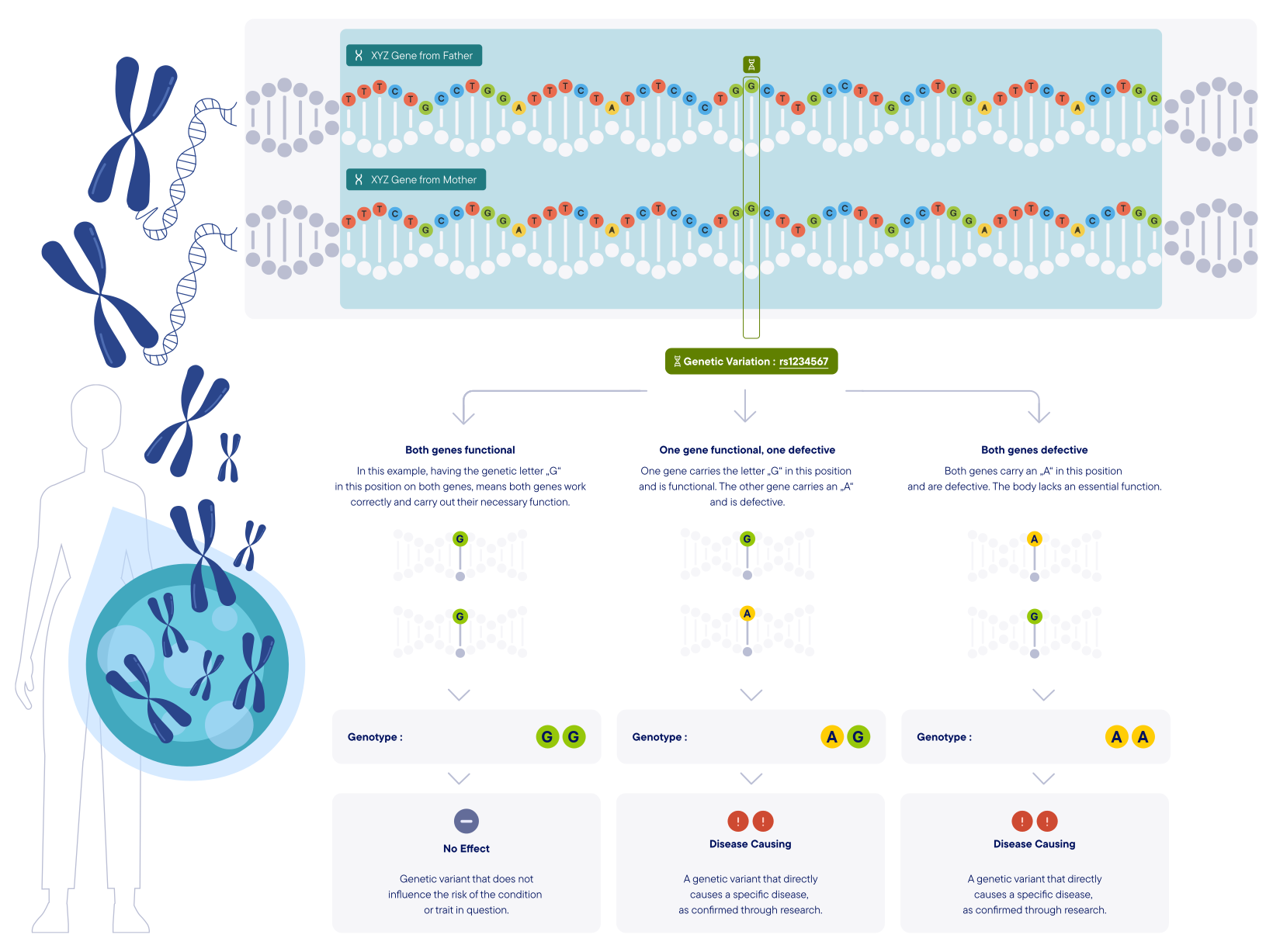
Humans have more than 20,000 genes, each carrying out one or a few specific functions in the body. One gene instructs the body to digest lactose from milk, another tells the body how to build strong bones and another prevents the body's cells from beginning to multiply uncontrollably and developing into cancer. As all of these genes combined are the building instructions for our body, a defect in one of these genes can have severe health consequences.
Through decades of genetic research, we know the genetic code of any healthy/functional human gene. We have also identified that in certain positions on a gene, some individuals may have a different genetic letter from the one you have. We call these hotspots "Genetic Variations" or "Variants" in short. In many cases, studies have been able to show that having the genetic letter "G" in the position makes you healthy, but having the letter "A" in the same position disrupts the gene function and causes a disease. Genopedia allows you to view these variants in genes and summarizes all that we know from scientific research, which genetic letters (Genotype) have good or bad consequences on your health or on your traits.
What other conditions can cause similar symptoms to 46,xx sex reversal 3?
Conditions that can look similar include congenital adrenal hyperplasia (a hormone problem that can cause babies with two X chromosomes to develop more male-typical features) and having both ovarian and testicular tissue, which can both cause genitals that look in between at birth. Later on, Klinefelter syndrome (an extra X chromosome in a male) and other causes of low testosterone can also look similar, with small testicles, breast growth, and infertility. Doctors also consider exposure to high levels of male-type hormones before birth, or rare adrenal or ovarian tumors that make these hormones, because these can cause similar changes.
History
Throughout history, people have described families in which someone assigned female at birth grew facial hair early, spoke with a deeper voice, or developed more muscle than expected during puberty, while others in the same family did not. Community stories often described the condition as “girls who later seemed more like boys,” reflecting observations without the language we have today for genetics and sex development.
From early theories to modern research, the story of 46,XX sex reversal 3 has unfolded in steps. Early medical reports grouped many different patterns of atypical sex development together because doctors relied mainly on outward features. As laboratory tools improved, specialists began separating these patterns into distinct conditions. Initially understood only through symptoms, later cases were studied with karyotyping, showing that some people with typically female chromosomes (46,XX) could develop testes or more traditionally male traits.
With each decade, genetics added clarity. Researchers discovered that certain genes can act like dimmer switches for pathways that guide gonad development before birth. When a gene is turned up or down at the wrong time, the developing tissue may take a different path. In 46,XX sex reversal 3, changes in or near specific genes on autosomes—non‑sex chromosomes—can redirect this pathway even without a Y chromosome. This helped explain why people with 46,XX sex reversal 3 can have varying features, from subtle hormone differences to testes and male‑typical puberty.
In recent decades, awareness has grown that the label “sex reversal” covers several related but separate genetic causes. Numbered subtypes, including 46,XX sex reversal 3, came from efforts to group families with similar patterns of inheritance and shared gene findings. Some families showed autosomal dominant transmission, where a change could pass from one generation to the next, while others appeared to be new, one‑time changes. These observations matched what many relatives had noticed across generations: similar traits appearing in a recognizable pattern.
As genetic sequencing became widely available, researchers could study larger groups and identify recurring gene changes linked to 46,XX sex reversal 3. This shifted the focus from appearance alone to the underlying biology, guiding more precise counseling and care. Not every early description was complete, yet together they built the foundation of today’s knowledge.
Today, the history of 46,XX sex reversal 3 reflects a broader change in medicine: moving from surface features to mechanisms. That shift matters for families seeking answers. Knowing how the understanding evolved explains why past records may use different names, why two relatives with the same chromosomal pattern can have different experiences, and how modern testing can clarify the cause and inform support across the lifespan.