
46,xx sex reversal 1 is a rare genetic condition where someone with two X chromosomes develops testes and male-typical features. Many people with 46,xx sex reversal 1 are identified in infancy or childhood because of genital differences, and some are found later due to delayed puberty or infertility. Features can include a small penis at birth, undescended testes, or typical male genitalia with later signs like small testes and reduced sperm production. The condition is lifelong, and most people are otherwise healthy with a typical life span, but fertility is often affected. Care focuses on individualized hormone support, fertility counseling, and surgical care when needed, and talking with your healthcare provider can bring clarity and reassurance.
Overview
46,xx sex reversal 1Symptoms
Early signs of 46,xx sex reversal 1 include genital differences at birth—hypospadias, undescended testes, or ambiguous genitalia—and later features like delayed puberty, small testes, gynecomastia, and infertility.
Outlook and prognosis
Most people with 46,XX sex reversal 1 grow and live typical lifespans. Fertility is often reduced, but options like assisted reproduction and donor gametes may help some build families. With tailored hormone care and regular checkups, long‑term health is usually stable.
Causes and risk factors
46,xx sex reversal 1 usually stems from genetic changes that activate testis-determining pathways, often involving SRY translocation or SOX9 regulation, arising early in development. Most cases are new (not inherited); rarely, familial variants occur. Environmental or lifestyle risks aren’t established.
Genetic influences
Genetics is central to 46,XX sex reversal 1. Specific gene changes—often in testis‑determining pathways like SRY-related regulation—drive the condition, influence early symptoms, and shape variability. Genetic testing confirms diagnosis, guides care, and supports family counseling.
Diagnosis
Diagnosis of 46,xx sex reversal 1 relies on clinical features at birth or puberty, hormone testing, and chromosome analysis (karyotype). Targeted genetic tests and pelvic and gonadal ultrasound or MRI usually confirm the genetic diagnosis of 46,xx sex reversal 1.
Treatment and drugs
Treatment for 46,XX sex reversal 1 is tailored to each person’s anatomy, hormones, age, and goals. Care often includes hormone therapy, genital or gonadal surgery when appropriate, and fertility counseling, guided by a multidisciplinary team with ongoing psychosocial support.
Symptoms
Many people with 46,xx sex reversal 1 grow up healthy and only learn about it later when fertility testing or hormone checks raise questions. Early features of 46,xx sex reversal 1 may include differences in the genitals noticed at birth, though many have a typical male appearance. As teens or adults, some develop signs tied to low testosterone, like limited facial hair or breast tissue growth. Features vary from person to person and can change over time.
Some babies have genitals that look different than expected. Examples include a urine opening that sits below the tip or a smaller penis size. Many babies with 46,xx sex reversal 1 have a typical male look at birth.
One or both testicles may not be in the scrotum. This can be found during newborn checks or later in childhood. Surgery is often recommended to move them into place.
Testicles may feel smaller or firmer than expected. This often links to reduced sperm production. A doctor may first notice this during an exam.
Facial and body hair may grow less than peers. Voice changes and muscle growth may be milder. Some teens with 46,xx sex reversal 1 notice slower progress through puberty.
How people usually first notice 46,xx sex reversal 1?
Many families first notice something is different when a baby with typical female anatomy doesn’t develop as expected at puberty, such as absent periods (primary amenorrhea) and minimal breast development despite normal growth. Doctors may then investigate with hormone tests and imaging, finding underdeveloped or absent ovaries and sometimes streak gonads, which leads to genetic testing that reveals 46,XX sex reversal 1; in some cases, clues appear earlier, like atypical genital development at birth or differences seen on prenatal ultrasound. If you’re wondering about the first signs of 46,XX sex reversal 1, they’re most often recognized in early adolescence when puberty doesn’t start or progress on time, prompting evaluation for how 46,XX sex reversal 1 is first noticed.
Types of 46,xx sex reversal 1
46,XX sex reversal 1 is a rare genetic condition where someone with two X chromosomes develops male-typical traits. Variants of this condition are usually defined by the gene involved and how strongly it affects testis development. Clinicians often group these into clinical variants: complete, partial, and ovotesticular forms, reflecting how fully the body follows a male pathway. Knowing the types of 46,XX sex reversal 1 can help explain why genital appearance, puberty changes, and fertility outcomes differ from person to person.
Complete 46,XX testicular
Male-typical genitalia are present at birth, and many grow up identifying and being raised as boys. Puberty often brings smaller testes and limited sperm production, with infertility common. Some may need hormone support if testosterone runs low.
Partial 46,XX testicular
Genital appearance at birth may be in-between male and female, and a mix of features can appear during puberty. Some develop enough testosterone for hair growth and voice change, while others need hormone therapy to guide puberty. Fertility is typically affected.
Ovotesticular 46,XX
Both ovarian and testicular tissue are present, which can lead to varied genital appearance at birth. Hormone patterns can shift over time, and periods or breast development may occur alongside some male-typical changes. Care is tailored to symptoms, growth, and future fertility goals.
What genetics can tell you about symptoms
Some people with 46,XX sex reversal 1 have a typical female chromosome set but develop male-leaning traits like a deeper voice, small or undescended testes, sparse facial hair, and infertility. This often happens when genes that trigger testis development (like SRY or SOX9 enhancers) are misplaced or overactive.
Causes and risk factors
Most cases happen when the SRY gene from the Y chromosome moves onto another chromosome in an embryo with two X chromosomes. Less often, extra copies or control changes near a gene called SOX9 can cause a similar pattern. These are genetic changes present from conception in 46,XX sex reversal 1, and many arise as new changes rather than being inherited. Doctors distinguish between risk factors you can change and those you can’t. Family history can matter if a parent carries a chromosomal change involving these regions, but lifestyle or pregnancy exposures are not known risk factors for 46,XX sex reversal 1.
Environmental and biological risk factors
46,xx sex reversal 1 is uncommon and typically stems from biological events very early in development. At this time, environmental risk factors for 46,xx sex reversal 1 are not well established. Researchers are still exploring how outside influences interact with our inner biology.
Researchers have not identified consistent exposures that raise risk for 46,xx sex reversal 1. Most cases occur without any known pregnancy-related exposures.
No clear association has been shown between advanced maternal or paternal age and 46,xx sex reversal 1. If an effect exists, current evidence suggests it is small.
Common pregnancy conditions, such as diabetes or thyroid disease, have not shown a reproducible link. Studies to date have not established an increased risk.
High levels of ionizing radiation can disrupt fetal development in general, but no direct link has been demonstrated. Medical imaging in pregnancy typically uses low doses with safeguards.
Genetic risk factors
For many families, questions arise after unexpected findings at birth or during puberty. 46,xx sex reversal 1 most often traces back to genetic changes that switch on testis-development signals despite two X chromosomes. Carrying a genetic change doesn’t guarantee the condition will appear. Knowing the genetic causes can guide testing when early symptoms of 46,xx sex reversal 1 prompt evaluation.

SRY translocation: A segment carrying the SRY gene from the Y chromosome can mistakenly attach to the X chromosome or an autosome. This switch-on signal for testis development explains most cases of 46,xx sex reversal 1. It usually happens as a new change in the father's sperm, so recurrence risk is low.
SOX9 activation: Extra copies of the SOX9 gene or its nearby control regions can boost testis-promoting activity without SRY. Families may see this passed down in an autosomal dominant pattern with varied features. This is a recognized cause of SRY-negative 46,xx sex reversal 1.
SOX3 changes: Duplications or other changes on the X chromosome can raise SOX3 activity, which can act like SRY. Reported cases may be de novo or inherited through the X chromosome, with female carriers sometimes showing no clear features. This mechanism can lead to testicular development in 46,XX individuals.
RSPO1 variants: Inheriting two nonworking copies of RSPO1 can tip development toward testicular or ovotesticular tissue. Some families also notice thickened skin on the palms and soles or increased skin cancer risk. This pattern is autosomal recessive, so parents are usually healthy carriers.
WNT4 variants: Rare changes that reduce WNT4 function weaken ovary-forming signals, allowing testis pathways to dominate. In 46,XX individuals this can cause masculinization with underdeveloped female reproductive structures. Inheritance can be dominant or recessive depending on the variant and family.
NR5A1 variants: Rare changes that increase the activity of this regulator gene can raise SOX9 and other testis signals. Some families show autosomal dominant inheritance with varied expression in relatives. This is an uncommon SRY-negative cause of 46,xx sex reversal 1.
De novo events: Many changes causing 46,xx sex reversal 1 arise for the first time in the child and are not present in either parent. When this is confirmed, the chance of it happening again in future pregnancies is generally low. A genetics team can explain any small residual risk, such as rare parental mosaicism.
Lifestyle risk factors
This is a congenital difference in sex development; lifestyle habits do not cause it. However, daily choices can shape symptom control, bone and metabolic health, and overall well‑being. People often ask about lifestyle risk factors for 46,xx sex reversal 1; while habits don’t create the condition, they can influence how symptoms are managed and complications prevented. Below are practical ways how lifestyle affects 46,xx sex reversal 1.
If you are prescribed testosterone or other hormones, taking them exactly as directed helps stabilize energy, mood, and sexual function. Irregular use can worsen fatigue, hot flashes, and bone loss and makes lab monitoring less reliable.
Adequate calcium, vitamin D, and protein support bone density that can be vulnerable with low or fluctuating sex-steroid levels. Diets very low in these nutrients, plus high alcohol or excessive caffeine, can raise fracture risk.
Regular resistance and impact activities improve bone density and muscle strength in the setting of hypogonadism or hormone therapy. Prolonged inactivity increases risks of osteoporosis and frailty.
Aerobic activity and maintaining a healthy waistline help offset blood pressure, lipid, and insulin resistance changes that can occur with or without testosterone therapy. Sedentary habits raise cardiovascular risk and fatigue.
Risk prevention
Because 46,xx sex reversal 1 is a genetic difference in development, there isn’t a way to prevent it before birth. Prevention focuses on avoiding complications, catching concerns early, and supporting long-term health. Spotting early symptoms of 46,xx sex reversal 1, such as delayed or atypical puberty, genital differences at birth, or fertility trouble later on, can lead to timely care. Prevention works best when combined with regular check-ups.
If genital differences are seen at birth, prompt referral to a team experienced in differences of sex development can guide testing and care. Early confirmation of 46,xx sex reversal 1 helps tailor monitoring.
Regular height, growth, and puberty checks help spot hormone shortages or surges. Adjusting care early can protect bone, mood, and energy.
Ongoing visits with an endocrinologist track testosterone and other hormones. Keeping levels in a healthy range may reduce symptoms and long-term risks.
If testosterone is prescribed, use the lowest effective dose and monitor blood counts, liver enzymes, and cholesterol. This reduces side effects like high red blood cells and supports heart health.

Transmission
46,XX sex reversal 1 is a genetic condition, not an infection, so it cannot be caught or passed through casual contact, sex, blood, or the air. In most people, it happens as a new (de novo) change during egg or sperm formation, often when a sex‑determining gene such as SRY is misplaced onto the X chromosome, so there is no family history and the chance of it happening again in future pregnancies is usually low. Less often, the genetic transmission of 46,XX sex reversal 1 runs in families; depending on the gene, it can be passed on by one parent or it may require both parents to carry the same hidden change. A genetics professional can review how 46,XX sex reversal 1 is inherited in your family and give personalized recurrence‑risk estimates.
When to test your genes
Consider genetic testing if a child with 46,XX chromosomes shows atypical genital development, delayed or absent puberty, or unexpected male-pattern traits. Test if there’s a family history of differences in sex development or unexplained infertility. Early results can guide hormone care, fertility planning, and cancer-risk monitoring tailored to you.
Diagnosis
For many, the first step comes when everyday activities start feeling harder—like questions around puberty timing or fertility—prompting a closer look. Getting a diagnosis is often a turning point toward answers and support. In 46,xx sex reversal 1, clinicians piece together what they see on exam, hormone patterns, and focused genetic tests. The genetic diagnosis of 46,xx sex reversal 1 is typically confirmed by showing an XX chromosome pattern alongside changes in genes that guide sex development.
Doctors look for genital differences at birth or signs later on, like delayed puberty or infertility. Features such as a small penis, undescended testes, or absent periods can guide which tests come next. Findings vary from person to person.
Levels of testosterone, anti-Müllerian hormone, luteinizing hormone, and follicle-stimulating hormone are checked. These patterns help show how the gonads are working and can point away from more common causes like congenital adrenal hyperplasia. Tests may feel repetitive, but each one helps rule out different causes.
Ultrasound looks for a uterus or ovaries and checks for undescended testes. Imaging also helps map anatomy before any procedures. MRI may be used if ultrasound images are unclear.
A chromosome study confirms the XX pattern. This establishes that the chromosomes are 46,XX even if external features look more typically male. It also helps separate this condition from other differences of sex development.
Stages of 46,xx sex reversal 1
46,xx sex reversal 1 does not have defined progression stages. Early symptoms of 46,xx sex reversal 1 aren’t always obvious; it reflects how sex development formed before birth, so differences may be noticed at birth, around puberty, or during fertility checks, and it does not usually progress over time. Different tests may be suggested to help confirm the diagnosis and guide care, such as chromosome testing, hormone blood tests, imaging, and targeted genetic testing for SRY or related genes.
Outlook and prognosis
Looking ahead can feel daunting, but most children and adults with 46,XX sex reversal 1 can lead full lives with the right medical support. The outlook is not the same for everyone, but many people focus on a few key areas over time: hormone balance, sexual development, fertility, bone and heart health, and emotional well‑being. Early symptoms of 46,XX sex reversal 1 may include delayed puberty, unexpected body changes, or questions about fertility; getting care early often helps prevent long‑term issues like low bone density or mood changes linked to hormone shifts.
Prognosis refers to how a condition tends to change or stabilize over time. For 46,XX sex reversal 1, life expectancy is typically normal because the condition itself isn’t life‑shortening. The biggest health risks usually come from untreated hormone deficiencies, such as low testosterone or estrogen, which can affect bones, energy, and cardiovascular health. With individualized hormone therapy and routine check‑ups, many people maintain good overall health, pursue sports or physical work, and plan relationships and family life in ways that fit their goals.
Fertility outcomes vary. Some people may need assisted reproductive options, and others choose to build a family through donation, adoption, or not at all. Emotional support matters too; talking with clinicians who understand differences in sex development can ease uncertainty and improve quality of life at school, work, and in relationships. Talk with your doctor about what your personal outlook might look like, including which tests and treatments can best support your long‑term health and goals.
Long-term effects
46,xx sex reversal 1 is a genetic difference in sex development, so long-term effects tend to center on hormones, fertility, bones, and psychosocial health. Long-term effects vary widely, so two people with the same diagnosis can have very different experiences. Some early symptoms of 46,XX sex reversal 1 may show up around puberty, like delayed puberty or small, undescended testes, and they often connect to later outcomes. Over adulthood, many live well, though some health needs continue across the lifespan.
Most adults with 46,XX sex reversal 1 have lifelong infertility because the testes do not make sperm. Natural conception is very unlikely.
Low testosterone can develop in adolescence or adulthood and may persist long term. This can lead to low energy, reduced body hair, and decreased libido over time.
Long-standing low testosterone can lower bone density and increase the risk of osteopenia or osteoporosis. Fracture risk may rise with age if bone strength remains low.
Adults may be slightly shorter than average men and have lower muscle mass. Body fat can increase, especially around the abdomen, over the years.
How is it to live with 46,xx sex reversal 1?
Living with 46,XX sex reversal 1 can mean growing up with a body that develops more typically male traits despite having two X chromosomes, which may be discovered in infancy due to genital differences or later because of puberty or fertility questions. Daily life often centers on routine medical follow‑up for hormone balance, bone health, and sexual function, plus decisions about gender identity and any surgeries, all guided by what feels right for the individual. Partners, family, and friends may need time and good information to understand the condition, but supportive relationships and knowledgeable care teams can make a large difference in confidence and wellbeing. Many find that with respectful care and clear communication at school, work, and in healthcare settings, they can lead full, self‑directed lives.
Treatment and drugs
Treatment for 46,XX sex reversal 1 focuses on the specific needs of each person, such as hormone support, fertility planning, and addressing any anatomical differences that affect sexual health or urinary function. Supportive care can make a real difference in how you feel day to day, including counseling, pelvic health therapy, and guidance from a multidisciplinary team (endocrinology, gynecology/urology, genetics, and mental health). Hormone therapy may help with puberty development, bone health, energy, and sexual function; a doctor may adjust your dose to balance benefits and side effects. If there are structural differences in the reproductive or genital area that cause discomfort, urinary issues, or sexual pain, surgery may be considered, ideally in centers experienced with differences in sex development. Fertility options—such as assisted reproductive technologies or using donor eggs—can be explored with a specialist, and genetic counseling can help you understand inheritance, testing, and family planning.
Non-drug treatment
People living with 46,xx sex reversal 1 often benefit from coordinated, non-drug care that supports physical health, sexual function, fertility planning, and emotional wellbeing. Alongside medicines, non-drug therapies can play a steady, long-term role in day-to-day health. These approaches range from counseling and physical therapies to surgeries that address specific anatomic or comfort concerns. If you’re exploring non-pharmacological treatments for 46,xx sex reversal 1, the options below reflect what many care teams discuss and tailor case by case.
A genetics professional explains the known cause, such as gene changes, and what that means for you and your family. They review testing for relatives if relevant and discuss reproductive options. Written summaries can make complex results easier to use in future care.
Regular sessions can help with identity questions, mood, stress, or relationship concerns. Therapists familiar with differences in sex development offer practical coping skills. Short-term check-ins or longer-term therapy are both common.
A therapist helps address concerns with desire, arousal, orgasm, or pain during sex. They offer exercises and communication strategies that fit your goals and partnership. This can be useful at any age or stage of a relationship.
A physiotherapist evaluates pelvic muscle tension, coordination, and pain. Targeted exercises and relaxation techniques can improve comfort, bladder control, and sexual function. Home practice usually reinforces clinic sessions.
Your genes may have an impact on how drugs work for you
For people with 46,XX sex reversal 1, genes that affect hormone production and processing can change how well certain hormone therapies work and what doses are needed. Pharmacogenetic differences in drug-metabolizing enzymes may also alter side effects and treatment response.
Pharmacological treatments
Medicines for 46,xx sex reversal 1 focus on balancing hormones for puberty, sexual health, energy, and long‑term bone strength. Care is personalized to your affirmed gender, current hormone levels, and any early symptoms of 46,xx sex reversal 1 such as delayed puberty or low energy. Not everyone responds to the same medication in the same way. Your team will adjust doses over time to match your goals and lab results.
Testosterone gel or patch, or injections such as testosterone cypionate or enanthate, can support puberty changes, sexual function, and energy. Doses are usually increased gradually to reach a steady level.
17‑beta estradiol can be used for feminizing hormone balance when that aligns with care goals. Micronized progesterone is added if a uterus is present to protect the uterine lining.
Low‑dose testosterone or estradiol is started and slowly increased to guide puberty safely. This step‑up approach supports growth, voice or breast changes, and bone development while monitoring labs.
Tamoxifen may reduce breast tenderness and size when gland tissue is painful or enlarging. It is most helpful when started early and used under specialist guidance.
Genetic influences
Genetic factors are central here: in most cases, a small piece of the Y chromosome carrying the sex‑determining gene is mistakenly attached to the X chromosome when the father’s sperm is forming, so an embryo with two X chromosomes still develops testes. This misplaced gene is called SRY, and its presence—rather than an entire Y chromosome—drives testicular development in 46,xx sex reversal 1. Because this swap usually happens by chance, it typically isn’t inherited, and family history is often absent. DNA testing can sometimes identify these changes. In a small number of people, changes that increase activity of other testis‑related genes (for example, extra copies near SOX9) can cause a similar pattern, which is why genetic causes of 46,xx sex reversal 1 can differ between families. A genetics team can review your specific results and discuss the low likelihood of recurrence in future pregnancies.
Is 46,xx sex reversal 1 genetic?
Genetics is central to 46,XX sex reversal 1. Specific gene changes—often in testis‑determining pathways like SRY-related regulation—drive the condition, influence early symptoms, and shape variability. Genetic testing confirms diagnosis, guides care, and supports family counseling.
Pharmacogenetics—how genetics influence drug effects
Treatment usually centers on hormone replacement, most often testosterone, to address low levels that can accompany this condition and to support bone, muscle, and sexual health. How your body handles and responds to testosterone can vary; genes that influence hormone breakdown and the sensitivity of the androgen receptor can affect the dose you need and the chances of side effects. Not every difference in response is genetic, but your care team will tailor the form (gel, patch, or injection) and dose based on your symptoms, blood tests, and safety checks such as red blood cell count. At present, there isn’t a routine pharmacogenetic test used to choose or dose testosterone in 46,xx sex reversal 1, though research on drug–gene interactions in 46,xx sex reversal 1 and hormone therapy is growing. Medicines for bone health or mood, when needed, generally follow standard guidance without condition‑specific genetic dosing rules. If you run into side effects or little benefit with one approach, talk with your clinician about alternatives, as a different formulation or schedule may fit you better.
Interactions with other conditions
Living with 46,xx sex reversal 1 can intersect with other health issues that affect day-to-day wellbeing, especially those tied to hormones. Doctors call it a “comorbidity” when two conditions occur together. Low testosterone in many with this condition can link with reduced bone density, so thyroid problems or vitamin D deficiency may further increase the chance of osteopenia or osteoporosis; treating those can help protect bones. Weight gain, insulin resistance, and cholesterol problems sometimes overlap, and having obesity or type 2 diabetes can make hormone-related symptoms and heart risk harder to manage. Tumor risk in the gonads is generally lower than in conditions involving Y‑chromosome material, but undescended testes or mixed tissue can raise that risk, so regular check-ins are still important. In rare RSPO1‑related forms, skin changes and a higher chance of certain skin cancers may occur, making dermatology follow-up wise; some people first evaluated for infertility or early symptoms of 46,xx sex reversal 1 are referred to skin or endocrine specialists to coordinate care.
How genes can cause diseases
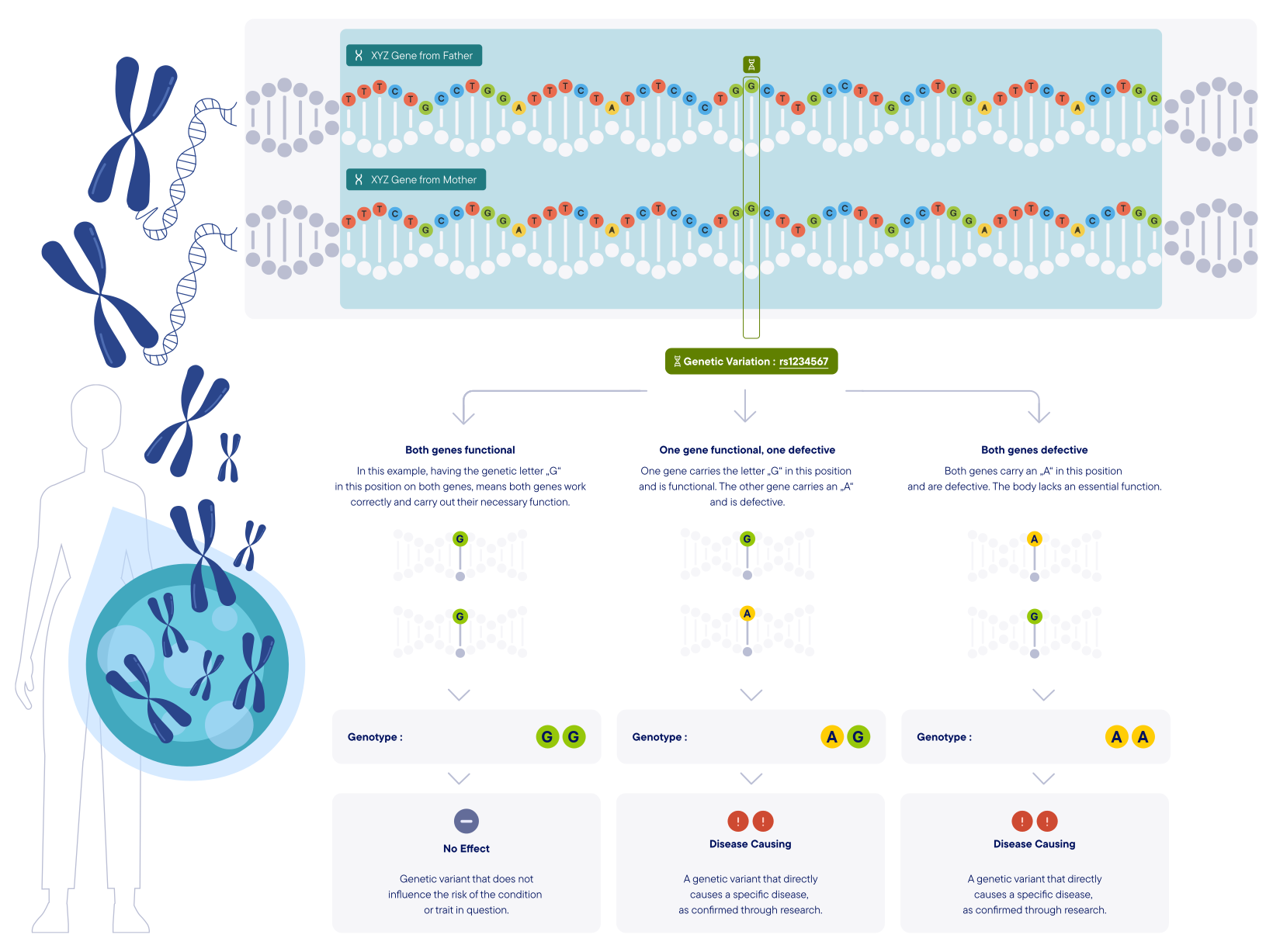
Humans have more than 20,000 genes, each carrying out one or a few specific functions in the body. One gene instructs the body to digest lactose from milk, another tells the body how to build strong bones and another prevents the body's cells from beginning to multiply uncontrollably and developing into cancer. As all of these genes combined are the building instructions for our body, a defect in one of these genes can have severe health consequences.
Through decades of genetic research, we know the genetic code of any healthy/functional human gene. We have also identified that in certain positions on a gene, some individuals may have a different genetic letter from the one you have. We call these hotspots "Genetic Variations" or "Variants" in short. In many cases, studies have been able to show that having the genetic letter "G" in the position makes you healthy, but having the letter "A" in the same position disrupts the gene function and causes a disease. Genopedia allows you to view these variants in genes and summarizes all that we know from scientific research, which genetic letters (Genotype) have good or bad consequences on your health or on your traits.
History
Throughout history, people have described families in which a child was raised as a girl and developed typically in early childhood, yet later medical exams revealed unexpected differences in reproductive anatomy. Community stories often described the condition in quiet terms, noticing patterns without a clear explanation. These accounts hinted that sex development can follow more than one path, even when someone’s chromosomes are typically associated with female development.
First described in the medical literature as a form of “sex reversal,” what we now call 46,XX sex reversal 1 was initially recognized through the lived experience of girls and women who didn’t start periods, had limited breast development, or were found to have testes instead of ovaries during surgery or imaging. Early reports focused on outward traits and puberty changes, because hormone tests and imaging were simpler to access than genetic tools. Clinicians also noted that some people had male-typical body traits, while others looked typically female—showing early on that there was wide variation.
Over time, descriptions became more precise as lab testing improved. In the mid to late 20th century, karyotyping made it possible to check chromosomes directly, revealing that some people with testicular tissue had two X chromosomes (46,XX) rather than the XY pattern usually linked with testes. This surprised many and reframed older assumptions about how sex development works. It also highlighted that genes on the sex chromosomes act more like dimmer switches than on/off buttons, and that small changes in where certain genes sit can influence development.
Advances in genetics in the 1990s and 2000s helped explain why 46,XX sex reversal 1 occurs in some families. Researchers discovered that, in a subset of people, a gene that usually sits on the Y chromosome can be misplaced onto the X chromosome or another region, setting testicular development in motion despite a 46,XX chromosome set. Later studies found other changes outside the sex chromosomes that can nudge development in the same direction. These findings connected earlier clinical observations with clear genetic mechanisms.
With each decade, language and care approaches evolved. Older, confusing terms have given way to clearer names and to care that centers the person, not just the test results. Historical differences highlight why individualized evaluation—considering hormones, anatomy, genetics, and personal goals—matters so much. Today, when early symptoms of 46,XX sex reversal 1 prompt testing, teams can often provide answers that previous generations never had, along with thoughtful counseling and support for the choices ahead.