
3-methylglutaconic aciduria type 7a is a rare genetic condition that affects energy production in cells. Babies and children with 3-methylglutaconic aciduria type 7a may have weak muscle tone, feeding difficulties, growth delays, and developmental delays. Some people also have vision or hearing changes, and doctors may see elevated 3-methylglutaconic acid in urine tests. This condition is lifelong, and severity can vary from mild to serious, which means outcomes and life expectancy differ by child and by access to care. Treatment focuses on supportive care, nutrition, physical and occupational therapy, seizure management if needed, and regular follow-up with metabolic and neurology specialists.
Overview
3-methylglutaconic aciduria type 7aSymptoms
In 3-methylglutaconic aciduria type 7a, features often appear in infancy or early childhood, with developmental delay, low muscle tone, feeding difficulties, or poor growth. Many have movement problems, coordination issues, or learning challenges. Some develop seizures or hearing/vision issues.
Outlook and prognosis
Many living with 3-methylglutaconic aciduria type 7a face movement and developmental challenges that vary widely, even within families. Early recognition, tailored nutrition, physical and speech therapies, and seizure control can support day-to-day function. Regular specialist follow-up helps guide expectations over time.
Causes and risk factors
3-methylglutaconic aciduria type 7a results from autosomal recessive gene changes affecting cellular energy pathways, usually present from birth. Risk rises with parental carrier status, consanguinity, and shared ancestry; illnesses, fasting, or physiologic stress may aggravate severity.
Genetic influences
Genetics are central in 3-methylglutaconic aciduria type 7a, which results from inherited gene changes affecting mitochondrial function. It’s usually autosomal recessive, so both parents typically carry one variant. Genetic testing confirms diagnosis, guides prognosis, and informs family planning.
Diagnosis
Doctors suspect it from clinical features and elevated 3‑methylglutaconic acid on urine organic acid testing. Genetic tests confirm the subtype. Genetic diagnosis of 3‑methylglutaconic aciduria type 7a may be supported by metabolic studies and, when needed, imaging findings.
Treatment and drugs
Treatment for 3-methylglutaconic aciduria type 7a focuses on easing symptoms, supporting growth and development, and preventing crises. Care often includes nutrition plans, hydration, fever management, physical and occupational therapy, and seizure control if needed. A genetics team coordinates ongoing monitoring and tailored supports.
Symptoms
In 3-methylglutaconic aciduria type 7a, early features often involve vision, infections, and development. For families, early features of 3-methylglutaconic aciduria type 7a may appear in infancy or childhood, like slower motor milestones or frequent illnesses. Features vary from person to person and can change over time. These features can affect feeding, growth, learning, and everyday safety.
Rolling, sitting, crawling, or walking can take longer than expected. Speech and language may also come later.
Muscles can feel floppy and lack firmness. This can make posture, chewing, and fine motor tasks more effortful.
In 3-methylglutaconic aciduria type 7a, frequent ear, sinus, skin, or chest infections can occur. This often links to a low level of infection-fighting white blood cells (neutropenia).
Clouding of the eye's lenses can reduce sharp vision and cause glare. This is common in 3-methylglutaconic aciduria type 7a and may lead to light sensitivity or trouble tracking faces.
How people usually first notice 3-methylglutaconic aciduria type 7a?
People often first notice the first signs of 3-methylglutaconic aciduria type 7a in early infancy, when a baby has weak muscle tone (feels “floppy”), trouble feeding, poor weight gain, or delayed motor milestones compared with peers. Doctors may pick it up after recurrent infections, unusual fatigue, or enlarged liver or spleen on exam, and confirm suspicion when urine testing shows elevated 3‑methylglutaconic acid and related metabolites. In some families, how 3-methylglutaconic aciduria type 7a is first noticed comes through newborn screening or genetic testing prompted by an affected sibling, allowing earlier recognition even before clear symptoms appear.
Types of 3-methylglutaconic aciduria type 7a
3-methylglutaconic aciduria type 7a is a rare genetic condition linked to problems with how cells’ energy centers (mitochondria) function. Because of this, features can vary in timing and severity from one person to another, even within the same family. Clinicians often describe them in these categories: movement and muscle symptoms, development and cognition, growth and feeding, eyes and hearing, and episodes of illness-related worsening. When people search for “types of 3-methylglutaconic aciduria,” they’re often really asking how symptom patterns differ within this single condition rather than about separate disease subtypes.
Movement and muscle
Many have low muscle tone in infancy and later develop stiffness or uncontrolled movements. This can look like delayed sitting or walking, trouble with balance, or spasticity. Weakness may fluctuate with illness or fatigue.
Development and cognition
Some children show delayed speech, learning differences, or broader developmental delay. Others may have milder challenges and attend mainstream school with supports. The balance of symptoms can shift over time.
Growth and feeding
Feeding can be difficult early on with poor weight gain or reflux. Some need high-calorie plans or feeding support during illnesses. Growth often improves when nutrition and energy needs are closely managed.
Eyes and hearing
Vision issues can include trouble tracking, nystagmus, or optic nerve changes, and some may develop hearing loss. Regular eye and hearing checks help catch changes early. Glasses, hearing aids, or therapies can support daily life.
Illness-related worsening
Fevers or common infections can temporarily worsen movement, weakness, or fatigue. Extra hydration and nutrition during these times may help. If a new type appears, it’s worth checking in with your care team.
What genetics can tell you about symptoms
Some people with 3‑methylglutaconic aciduria type 7a have DNA changes in the SERAC1 gene that disrupts mitochondria, leading to low energy, muscle weakness, developmental delay, and feeding problems. Certain variants are linked to earlier symptoms, seizures, hearing loss, and liver issues.
Causes and risk factors
3-methylglutaconic aciduria type 7a is caused by a gene change that affects mitochondria from birth. A family history where both parents are carriers raises risk because both can pass on the change. Rarely, the change can be new in the child. Genes set the stage, but environment and lifestyle often decide how the story unfolds. Illness, fasting, high fevers, or poor nutrition can bring on or worsen early symptoms of 3-methylglutaconic aciduria type 7a.
Environmental and biological risk factors
When a child is diagnosed with 3-methylglutaconic aciduria type 7a, it’s natural to wonder whether anything during pregnancy or in the environment played a role. Most environmental and biological factors studied so far have not been shown to raise the chance of this condition. Doctors often group risks into internal (biological) and external (environmental). If you’re looking into early symptoms of 3-methylglutaconic aciduria type 7a, keep in mind the points below focus on risk rather than symptoms.
Unlike chromosome-related conditions, older maternal or paternal age has not been shown to raise the chance of 3-methylglutaconic aciduria type 7a. Standard prenatal care for age-related pregnancy risks remains important.
Long-term conditions such as diabetes, high blood pressure, or thyroid disorders have no clear link to a higher chance of this diagnosis. Good management supports overall pregnancy health.
Infections during pregnancy (such as flu or cytomegalovirus) can affect fetal development, but they are not known to cause 3-methylglutaconic aciduria type 7a. Vaccination and basic infection prevention help protect general pregnancy health.
Most prescribed medicines and pregnancy-safe supplements are not linked to this condition. Always review any treatment changes in pregnancy with your doctor.
Genetic risk factors
3-methylglutaconic aciduria type 7a is caused by changes in the CLPB gene that disturb how mitochondria function. These changes are passed down in families in an autosomal recessive way, meaning a child needs two altered copies to develop the condition. Some risk factors are inherited through our genes. Genetic testing for 3-methylglutaconic aciduria type 7a can confirm the cause and clarify carrier status for relatives.

CLPB gene variants: Harmful changes in the CLPB gene are the direct genetic cause of this condition. They disrupt mitochondrial protein handling and lead to the build-up of 3-methylglutaconic acid on testing.
Autosomal recessive pattern: 3-methylglutaconic aciduria type 7a develops when a child inherits two non-working CLPB copies, one from each parent. If both parents are carriers, each pregnancy has a 25% chance of an affected child and a 50% chance of a carrier.
Carrier parents: People with one altered CLPB gene are usually healthy carriers without symptoms. Two carriers together have a higher chance of having a child with 3-methylglutaconic aciduria type 7a.
Consanguinity: Parents who are related by blood are more likely to carry the same rare CLPB variant. This increases the chance their children inherit two altered copies.
Founder variants: In some families or communities, a shared-ancestry CLPB change can be more frequent. This can raise carrier rates locally and increase the likelihood of 3-methylglutaconic aciduria type 7a in children.
Genotype–phenotype links: The variant’s type and location can influence severity and age at onset. Variants that leave some CLPB function often cause milder features than those that abolish function.
Family history: Having an affected sibling signals a 25% recurrence risk in future pregnancies if both parents are carriers. Unaffected siblings may be carriers and could pass CLPB variants to their children.
Lifestyle risk factors
3-methylglutaconic aciduria type 7a is a genetic condition; daily habits do not cause it, but they can influence energy demands, symptom flares, and complications. Understanding how lifestyle affects 3-methylglutaconic aciduria type 7a can help reduce metabolic stress and improve day-to-day function. The elements below focus on choices that modify energy use, illness impact, and muscle and neurologic symptoms.
Frequent, balanced meals help prevent catabolic stress and stabilize energy. Skipping meals or fasting can trigger fatigue, weakness, or metabolic decompensation during illness.
Prompt fever and infection management reduces metabolic strain. Sick-day plans with extra fluids and easily absorbed carbohydrates can help prevent decompensation.
Regular low-to-moderate aerobic movement can support endurance and mitochondrial efficiency. Intense or prolonged anaerobic bursts may worsen pain, weakness, or rhabdomyolysis risk.
Adequate fluids and salt support muscle function and autonomic stability. Dehydration can amplify dizziness, fatigue, and kidney stress from muscle breakdown.
Risk prevention
You can’t prevent 3-methylglutaconic aciduria type 7a itself, since it’s inherited, but you can lower the chance of complications and hospital stays with steady routines and proactive care. Prevention is about lowering risk, not eliminating it completely. Spotting early symptoms of 3-methylglutaconic aciduria type 7a and acting quickly can also limit complications. Genetic counseling can help families plan future pregnancies and understand options.
Keep routine vaccines up to date to cut infection risk. Ask about added protection for flu, COVID‑19, and pneumonia based on age and health.
Practice careful handwashing and avoid close contact with people who are ill. Start medical care quickly if there is a fever, cough, or new symptoms.
Low white blood cells (neutropenia) can turn a fever into an emergency. Have a plan for urgent evaluation and possible antibiotics if temperature is 38.0°C/100.4°F or higher.
During illness, give extra fluids and regular carbohydrates to avoid energy breakdown. Avoid long fasting, including overnight, per your team’s guidance.

Transmission
3-methylglutaconic aciduria type 7a is not contagious; it can’t be caught or spread through everyday contact. The genetic transmission of 3-methylglutaconic aciduria type 7a is autosomal recessive: a child must inherit one nonworking copy of the gene from each parent, who are usually healthy carriers. When both partners are carriers, each pregnancy has a 25% (1 in 4) chance of a child with the condition, a 50% (1 in 2) chance of a carrier child, and a 25% chance of a child who is neither. Very rarely, one of the two gene changes can arise for the first time (a new, or “de novo,” change), which genetic counseling and testing can help sort out for families.
When to test your genes
3-methylglutaconic aciduria type 7a is a genetic condition; test genes when there’s a family history, unexplained developmental delays, muscle weakness, movement issues, or elevated 3‑methylglutaconic acid on urine testing. Test before pregnancy or early in pregnancy for carrier status. Confirmed cases benefit from genetic results to guide care and family planning.
Diagnosis
For many, the first step comes when everyday activities start feeling harder—an infant who feeds poorly, a toddler who tires easily, or delays that are hard to explain. When 3-methylglutaconic aciduria type 7a is suspected, doctors look at patterns of symptoms together with specific lab findings. The genetic diagnosis of 3-methylglutaconic aciduria type 7a usually involves showing a characteristic urine pattern and confirming the exact gene change with DNA testing. Early and accurate diagnosis can help you plan ahead with confidence.
A careful exam looks at growth, muscle tone, movement, and development. These findings help doctors judge how strongly 3-methylglutaconic aciduria type 7a should be considered.
A detailed family and health history can help identify inheritance patterns or relatives with similar features. This context guides which tests are most informative.
A specialized urine test checks for raised 3‑methylglutaconic acid and related compounds. A consistent elevation supports 3-methylglutaconic aciduria type 7a and helps rule out more common conditions.
Basic blood work may include lactate, ammonia, liver enzymes, and creatine kinase. These results can point toward a metabolic or mitochondrial problem and exclude other causes.
Stages of 3-methylglutaconic aciduria type 7a
3-methylglutaconic aciduria type 7a does not have defined progression stages. Identifying the cause is the starting point for the right care. Because this rare genetic condition can affect people differently over time—sometimes with periods of stability and occasional flare-ups—it is diagnosed by patterns in symptoms (such as early symptoms of 3-methylglutaconic aciduria type 7a), physical examination, urine organic acid testing showing 3‑methylglutaconic acid, and confirmation with genetic testing. Doctors then monitor health with regular checks of growth and development, organ function (heart, liver, nervous system), and sometimes imaging or hearing/vision assessments to track any changes.
Outlook and prognosis
Looking ahead can feel daunting, but most children with 3-methylglutaconic aciduria type 7a (3-MGA type 7a) benefit from early recognition and coordinated care. Day to day, families tend to focus on feeding and growth, preventing dehydration during illnesses, and supporting development with therapies. In medical terms, the long-term outlook is often shaped by both genetics and lifestyle. Severe infections or long gaps without calories can trigger setbacks, so having a plan for sick days, vaccinations, and quick access to care matters.
Here’s what research and experience suggest about the future. Because 3-MGA type 7a is rare, data on life expectancy are limited, but reported outcomes range from mild developmental delays with stable health to significant neurological challenges. Some people experience muscle weakness, low energy, or movement difficulties, while others notice primarily learning differences and smaller growth. Early symptoms of 3-methylglutaconic aciduria type 7a may include poor feeding, vomiting, or slow weight gain in infancy, and addressing these early can help prevent complications. Over time, most people who receive nutrition support, physical and speech therapy, and prompt treatment for infections can maintain steady progress, though plateaus or regressions can occur during stress or illness.
Understanding the prognosis can guide planning and realistic goals for school, mobility, and independence. Not everyone with the same gene change will have the same outlook, and new case reports continue to refine what doctors expect. Families often want to know what role they can play, and consistent follow-up with a metabolic specialist, neurologist, and dietitian is central to long-term stability. Talk with your doctor about what your personal outlook might look like, including warning signs to watch for during fevers or fasting, and how to update the care plan as your child grows.
Long-term effects
For many families, the long-term picture of 3-methylglutaconic aciduria type 7a centers on development, movement, vision, and infection risks across childhood and beyond. Long-term effects vary widely, and no two people have exactly the same mix or severity over time. Features often begin in infancy and can evolve, with some areas stabilizing while others change as children grow.
Many children reach milestones later than peers, including speech and motor skills. Thinking and learning may range from mild to more significant disability. Abilities can change slowly over time.
Dystonia, stiffness, or involuntary movements can affect posture, handwriting, and daily tasks. These features may fluctuate or progress, sometimes more noticeable during illness or stress.
Babies often have low tone that makes holding up the head or sitting harder. Over time, some develop weakness or later stiffness that affects walking and endurance.
Congenital cataracts are common and can reduce visual clarity if not addressed. Some people also develop broader visual impairment over time, affecting reading, play, and navigation.
How is it to live with 3-methylglutaconic aciduria type 7a?
Living with 3‑methylglutaconic aciduria type 7a often means navigating muscle weakness, low energy, and developmental challenges that can affect walking, feeding, speech, and learning, with medical teams monitoring heart, liver, vision, and hearing over time. Daily life may involve special nutrition plans, medications, physical/occupational/speech therapy, adaptive equipment, and careful planning around illness or fasting to prevent metabolic decompensation. Families and caregivers frequently coordinate appointments and school supports, share in day‑to‑day care, and adjust routines, yet many also find a steady rhythm with clear care plans, early interventions, and community resources that make goals and progress possible.
Treatment and drugs
Treatment for 3-methylglutaconic aciduria type 7a focuses on easing symptoms, supporting growth and development, and preventing complications. There’s no single cure, so care is usually team-based and may include a specialized diet guided by a metabolic dietitian, vitamins or cofactors if a specific deficiency is identified, seizure medicines if seizures occur, and therapies such as physiotherapy, occupational therapy, and speech therapy to support daily function. Doctors sometimes recommend a combination of lifestyle changes and drugs, and they’ll monitor labs, heart and muscle function, nutrition, and development over time to adjust the plan as needs change. If feeding is difficult, high-calorie formulas, tube feeding, or supplements can help maintain energy and growth, and prompt treatment of infections is important to reduce metabolic stress. Ask your doctor about the best starting point for you, including referral to a metabolic specialist and genetic counselor for individualized guidance.
Non-drug treatment
Day-to-day care for 3-methylglutaconic aciduria type 7a focuses on steady energy, preventing setbacks during illness, and supporting development. Beyond prescriptions, supportive therapies can help people stay active, learn new skills, and avoid complications. Plans are tailored because symptoms and strengths vary from person to person. Teams usually include a metabolic specialist, therapists, and a dietitian who adjust strategies as needs change.
A registered dietitian can create a meal plan that keeps energy steady and reduces long breaks between meals. This may help lower the risk of fatigue or metabolic stress in 3-methylglutaconic aciduria type 7a.
Written sick-day steps help you maintain fluids and calories during fevers or stomach bugs. This can reduce the chance of decompensation when early symptoms of 3-methylglutaconic aciduria type 7a flare.
Targeted exercises build strength, balance, and endurance. Programs are paced to avoid overexertion and may use short, frequent sessions.
Skills for daily tasks are broken into manageable steps and practiced regularly. Tools like adapted utensils or writing aids can make school and home routines easier.
Your genes may have an impact on how drugs work for you
Genes can affect how the body processes medicines for 3-methylglutaconic aciduria type 7a, changing how quickly drugs are absorbed, broken down, or cleared. Pharmacogenetic differences may guide dosing and drug choice, helping improve benefits and reduce side effects.
Pharmacological treatments
Day to day, treatment focuses on easing symptoms, preventing infections, and supporting energy needs—there isn’t a single drug that fixes 3-methylglutaconic aciduria type 7a. Not everyone responds to the same medication in the same way. Care often combines targeted prescriptions with supplements and supportive care, tailored to blood counts, movement symptoms, seizures, and nutrition. Your healthcare team may adjust medications for 3-methylglutaconic aciduria type 7a over time as needs change.
Filgrastim or pegfilgrastim stimulate white blood cell production. They can cut down infections and hospital stays in 3-methylglutaconic aciduria type 7a. Doses are adjusted to keep counts safe.
Daily trimethoprim-sulfamethoxazole may lower bacterial infections. Your team may add an antifungal such as fluconazole if counts drop further.
Seizures can occur in 3-methylglutaconic aciduria type 7a, and levetiracetam or lamotrigine are common choices. Valproate is often avoided in mitochondrial disease unless benefits clearly outweigh risks.
Muscle tightness can affect movement in 3-methylglutaconic aciduria type 7a; baclofen or tizanidine can ease stiff muscles. Botulinum toxin injections may help focal tightness when oral drugs fall short.
Genetic influences
In most cases, 3‑methylglutaconic aciduria type 7a results from a change in a single gene that disrupts how the body’s energy-making parts (mitochondria) work. It’s typically inherited in a recessive way, meaning a child is affected only if both parents pass down the same nonworking gene copy. A “carrier” means you hold the gene change but may not show symptoms. When both parents are carriers, each pregnancy has a 25% chance (1 in 4) of a child having 3‑methylglutaconic aciduria type 7a, a 50% chance (1 in 2) the child will be a carrier, and a 25% chance of inheriting neither change. Even within the same family, the features can vary, so some children may be more affected than others. Genetic testing for 3‑methylglutaconic aciduria type 7a can confirm the gene involved, guide care, and help relatives understand their own risks.
Is 3-methylglutaconic aciduria type 7a genetic?
Genetics are central in 3-methylglutaconic aciduria type 7a, which results from inherited gene changes affecting mitochondrial function. It’s usually autosomal recessive, so both parents typically carry one variant. Genetic testing confirms diagnosis, guides prognosis, and informs family planning.
Pharmacogenetics—how genetics influence drug effects
Treatment choices for 3-methylglutaconic aciduria type 7a are often shaped by genetics because they influence how your cells make and use energy, and how your body handles medicines. Since this condition can affect energy pathways and fats, clinicians usually take extra care with drugs that may stress the mitochondria or the liver, and they may start at lower doses and increase slowly while watching for side effects. Pharmacogenetics—the study of how genes affect your response to medicines—can also guide dosing for commonly used drugs, including seizure medicines, certain pain relievers, antidepressants, and heart medicines; testing of drug‑processing enzymes (like the CYP450 family) can help tailor a safer plan. Genetics is only one factor in how a drug works for you—age, nutrition, infections, and kidney or liver health matter too, especially in a metabolic condition. Depending on your results and overall health, your team may flag medications to avoid with 3-methylglutaconic aciduria type 7a or adjust anesthesia plans to reduce metabolic stress and lower the chance of side effects. If medicines are part of your care, work with a specialist familiar with 3-methylglutaconic aciduria type 7a and consider pharmacogenetic testing to support safer, more effective treatment.
Interactions with other conditions
Day to day, having 3-methylglutaconic aciduria type 7a can make common illnesses hit harder, especially stomach bugs or chest infections that strain energy needs. Many living with 3-methylglutaconic aciduria type 7a also face conditions linked to low cellular energy, such as heart muscle weakness, movement disorders, or seizures, and these can flare during fevers or periods of poor intake. A condition may “exacerbate” (make worse) symptoms of another. For example, a respiratory infection can worsen fatigue and weakness, which then increases the effort of breathing and places extra stress on the heart.
Some conditions share underlying mechanisms in how cells make and use energy, so mitochondrial disorders in the same family of diseases can overlap in features and timing. People may already be managing early symptoms of 3-methylglutaconic aciduria type 7a when dehydration, fasting, or another metabolic condition adds a second layer of risk. Interactions can look very different from person to person, so coordinated care between neurology, cardiology, metabolic genetics, and primary care is helpful. Talk with your doctor about how your conditions may influence each other, especially during infections, surgery, or changes in medicines.
How genes can cause diseases
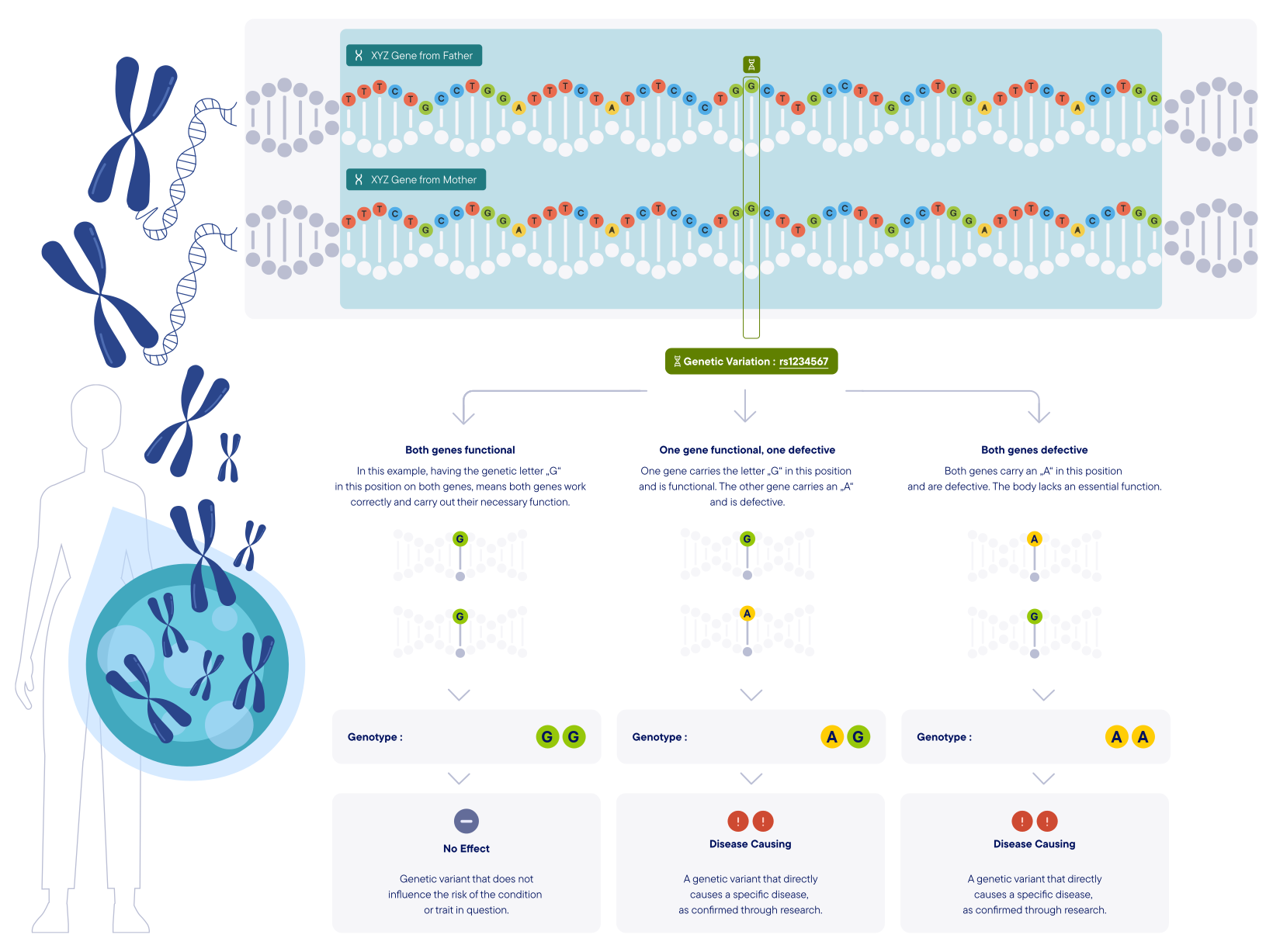
Humans have more than 20,000 genes, each carrying out one or a few specific functions in the body. One gene instructs the body to digest lactose from milk, another tells the body how to build strong bones and another prevents the body's cells from beginning to multiply uncontrollably and developing into cancer. As all of these genes combined are the building instructions for our body, a defect in one of these genes can have severe health consequences.
Through decades of genetic research, we know the genetic code of any healthy/functional human gene. We have also identified that in certain positions on a gene, some individuals may have a different genetic letter from the one you have. We call these hotspots "Genetic Variations" or "Variants" in short. In many cases, studies have been able to show that having the genetic letter "G" in the position makes you healthy, but having the letter "A" in the same position disrupts the gene function and causes a disease. Genopedia allows you to view these variants in genes and summarizes all that we know from scientific research, which genetic letters (Genotype) have good or bad consequences on your health or on your traits.
History
Throughout history, people have described infants who fed poorly, tired easily, and didn’t gain weight as expected, while doctors later noticed enlarged hearts and low muscle tone. Families and communities once noticed patterns of siblings with similar early struggles, hinting that something inherited was at play long before testing existed. These observations set the stage for what we now call 3‑methylglutaconic aciduria type 7a, a rare metabolic condition linked to how cells manage energy.
First described in the medical literature as a form of “3‑methylglutaconic aciduria,” it was initially grouped with several look‑alike conditions because doctors saw the same hallmark finding in urine: higher levels of certain organic acids. Early reports focused on symptoms and lab patterns, since the exact cause was unclear. Over time, descriptions became more precise as teams recognized a consistent picture—infancy or early‑childhood onset, heart muscle weakness, feeding difficulties, and developmental delays in some children—suggesting a distinct subtype.
From early theories to modern research, the story of 3‑methylglutaconic aciduria type 7a has followed a common path in rare disease medicine: careful bedside observation, improved laboratory methods, and then gene‑level answers. As medical science evolved, researchers linked this type to problems in the cell’s energy centers, the mitochondria. Advances in genetics confirmed the specific gene changes responsible, separating type 7a from other subtypes that share the same urine finding but arise from different genetic causes.
In recent decades, knowledge has built on a long tradition of observation. Newborn screening does not typically detect 3‑methylglutaconic aciduria type 7a, so many diagnoses came after a child was evaluated for heart symptoms or failure to thrive. As genetic testing became widely available, clinicians could diagnose more confidently, even in milder or atypical cases. Not every early description was complete, yet together they built the foundation of today’s knowledge.
Today, the history of 3‑methylglutaconic aciduria type 7a reflects the broader shift in rare disease care: moving from labels based on a single lab result to definitions grounded in genetics and cell biology. This clearer history matters in practical ways. It helps doctors recognize early symptoms of 3‑methylglutaconic aciduria type 7a sooner, guides testing for siblings, and supports tailored care focused on heart health, nutrition, and development. Knowing the condition’s history also explains why older reports may use different names, while modern records use the more specific type 7a designation.