
3-methylglutaconic aciduria type 3 is a rare genetic condition that affects movement, thinking, and behavior. It usually starts in childhood or adolescence and tends to be lifelong. People with 3-methylglutaconic aciduria type 3 may have stiff muscles, slow movements, balance problems, and changes in mood or learning. Not everyone will have the same experience, and severity can vary from mild to more pronounced. Care focuses on supportive therapies like physical, occupational, and speech therapy, medicines for symptoms, and regular follow-up with specialists.
Overview
3-methylglutaconic aciduria type 3Symptoms
3-methylglutaconic aciduria type 3 often shows in early childhood with worsening vision from optic nerve damage. Later, many develop movement difficulties—unsteady walking, stiffness, or involuntary jerks—and sometimes mild learning challenges. Doctors may note increased urinary organic acids.
Outlook and prognosis
Most people with 3-methylglutaconic aciduria type 3 live typical lifespans, though movement symptoms and speech differences can persist. Abilities are often stable after childhood, with support tailored to learning and motor needs. Regular follow-up helps prevent complications and maintain independence.
Causes and risk factors
3-methylglutaconic aciduria type 3 stems from recessive OPA3 gene variants inherited from both parents. Risk increases with carrier parents, consanguinity, or founder-variant ancestries (e.g., Iraqi Jewish); lifestyle or environmental factors don’t cause it, though they may affect severity.
Genetic influences
Genetics are central in 3-methylglutaconic aciduria type 3, which is caused by inherited gene changes. It follows an autosomal recessive pattern, so both parents typically carry one nonworking copy. Variations in the involved gene influence severity, onset, and specific features.
Diagnosis
Doctors suspect 3‑methylglutaconic aciduria type 3 based on clinical features such as optic atrophy and movement problems. Urine organic acid analysis shows elevated 3‑methylglutaconic acid. Genetic tests confirming biallelic OPA3 variants establish the genetic diagnosis of 3‑methylglutaconic aciduria type 3.
Treatment and drugs
Treatment for 3-methylglutaconic aciduria type 3 focuses on easing movement symptoms, protecting nerves, and supporting daily function. Care often includes physical and occupational therapy, spasticity management (such as baclofen or botulinum toxin), and seizure control if needed. Regular follow-up with neurology, genetics, and rehabilitation helps adjust supports over time.
Symptoms
3-methylglutaconic aciduria type 3 mainly affects vision and movement, usually beginning in childhood. Early features of 3-methylglutaconic aciduria type 3 often include vision changes from damage to the optic nerve (optic atrophy), followed later by stiffness, balance problems, or unwanted movements. Features vary from person to person and can change over time. Doctors confirm the diagnosis with urine markers and genetic testing, but here’s what people and families tend to notice.
Many children notice trouble seeing small print or recognizing faces across the room. This comes from damage to the optic nerve (optic atrophy) seen in 3‑methylglutaconic aciduria type 3. Vision typically declines over time, though the pace can vary.
Telling similar colors apart can be harder, especially reds and greens. This can affect schoolwork, art, or choosing matching clothes.
Eyes may make quick, unintended movements (nystagmus), or one eye may drift. You might see head turns or squinting as the brain tries to steady the image.
Walking on uneven ground, climbing stairs, or sports can feel less steady. This relates to coordination problems (ataxia) that are part of 3‑methylglutaconic aciduria type 3.
How people usually first notice 3-methylglutaconic aciduria type 3?
Many families first notice something is off in early childhood when a child has developmental delays, muscle weakness, or problems with balance and coordination, and doctors may find unusually high levels of 3‑methylglutaconic acid on urine testing. In 3‑methylglutaconic aciduria type 3, also called Costeff syndrome, the first signs often include vision changes such as rapid, involuntary eye movements and a gradual loss of sharp sight, followed by movement symptoms like spasticity (stiff, tight muscles) and ataxia (unsteady gait). Sometimes the condition is first recognized because an eye specialist detects optic nerve damage, prompting metabolic tests that confirm the diagnosis—this is how 3‑methylglutaconic aciduria type 3 is first noticed for many.
Types of 3-methylglutaconic aciduria type 3
3-methylglutaconic aciduria type 3 is a genetic condition linked to changes in the OPA3 gene, and clinicians recognize a few well-established variants. These variants share certain features but can differ in age at onset, movement symptoms, and eye or nerve involvement. Not everyone will experience every feature, and severity can vary from mild to more limiting. People may notice different sets of symptoms depending on their situation.
Costeff syndrome
This classic variant combines childhood-onset vision loss with movement symptoms like unsteady walking and muscle stiffness. It often shows high urine 3-methylglutaconic acid and can run in families with founder backgrounds such as Iraqi Jewish ancestry. Early symptoms of 3-methylglutaconic aciduria type 3 may include trouble seeing detail or frequent tripping.
Non-syndromic optic atrophy
Some people mainly develop optic nerve damage with gradual vision loss but few movement problems. Eye changes may appear in late childhood or adolescence and progress slowly. Doctors sometimes classify symptoms as visual versus motor based on what shows up first.
Neurologic-dominant variant
In others, balance issues, spasticity, or abnormal movements are more prominent than eye symptoms. This pattern can lead to walking difficulties and fatigue, while vision remains relatively stable for longer. The balance of symptoms can shift over time.
What genetics can tell you about symptoms
Some people with 3‑methylglutaconic aciduria type 3 (Costeff syndrome) have OPA3 gene changes that damage mitochondria, leading to early optic nerve degeneration, reduced vision, and color vision loss. Variants can also cause movement symptoms like ataxia, spasticity, and sometimes developmental delays.
Causes and risk factors
The genetic causes of 3-methylglutaconic aciduria type 3 come from changes in the OPA3 gene that affect mitochondria. It is autosomal recessive, so a child is affected only when both parents carry the same nonworking gene. Some risks are written in our DNA, passed down through families. Risk factors for 3-methylglutaconic aciduria type 3 include having two carrier parents and a family history, and risk is higher in families of Iraqi Jewish descent. Environment and lifestyle do not cause it, but they can influence how symptoms are felt over time.
Environmental and biological risk factors
Many families ask what might raise the chance of 3-methylglutaconic aciduria type 3. Doctors often group risks into internal (biological) and external (environmental). Because early symptoms of 3-methylglutaconic aciduria type 3 often appear in childhood, people sometimes wonder about pregnancy exposures, but current evidence does not point to outside causes.
Research has not shown exposures to heavy metals, pesticides, or hormone-disrupting chemicals to raise the chance of 3-methylglutaconic aciduria type 3. Avoiding toxins is still wise for overall pregnancy health.
Medical imaging uses low doses and has not been linked to this condition’s occurrence. Even higher exposures have not been shown to specifically increase the chance of 3-methylglutaconic aciduria type 3.
Infections such as rubella, cytomegalovirus, or influenza can affect fetal development, but they are not known to cause this condition. Standard vaccination and prenatal care remain important for general health.
Delivery complications, low birth weight, or prematurity do not create 3-methylglutaconic aciduria type 3. The condition, when present, exists before birth.
Genetic risk factors
Most cases trace back to harmful changes in a single gene called OPA3 that affect how mitochondria work. 3-methylglutaconic aciduria type 3 runs in families in an autosomal recessive pattern, meaning a child is affected only when both parents pass on a nonworking copy. Some risk factors are inherited through our genes. Knowing the early symptoms of 3-methylglutaconic aciduria type 3 can prompt timely genetic testing in families with a history.

OPA3 gene changes: Harmful changes in both copies of the OPA3 gene cause this condition. These changes disrupt mitochondrial function, which leads to the eye and movement features seen in 3-methylglutaconic aciduria type 3.
Autosomal recessive pattern: The condition appears when a child inherits one nonworking OPA3 copy from each parent. When both parents are carriers, each pregnancy has a 25% chance for the child to have the condition.
Carrier status: Carriers have one changed OPA3 copy and typically have no symptoms. Unaffected siblings of someone with 3-methylglutaconic aciduria type 3 have a higher chance of being carriers.
Family history: Having a sibling or close relative with this condition increases your personal risk. Genetic counseling and testing can clarify whether you carry OPA3 changes.
Iraqi Jewish ancestry: In families of Iraqi Jewish descent, a specific OPA3 change is more frequent because of a founder effect. This raises the chance that two healthy carriers will have a child with 3-methylglutaconic aciduria type 3.
Parental relatedness: Parents who are blood relatives (such as cousins) are more likely to carry the same OPA3 change. This increases the chance of having a child with the condition.
Variant differences: Different OPA3 changes can lead to milder or more severe features and different ages of onset. People with the same risk factor can have very different experiences. This helps explain variation seen within families.
Lifestyle risk factors
3-methylglutaconic aciduria type 3 is genetic; lifestyle habits do not cause it, but they can shape symptoms, complications, and day-to-day function. Understanding how lifestyle affects 3-methylglutaconic aciduria type 3 helps families focus on choices that support heart and muscle health and reduce infection-related setbacks. Below are lifestyle risk factors for 3-methylglutaconic aciduria type 3 and how they influence outcomes.
Inadequate calories and protein can worsen muscle weakness, fatigue, and poor growth. Regular, nutrient-dense meals and snacks support energy needs and cardiac muscle.
Prolonged fasting or strict dieting can trigger hypoglycemia and catabolism, stressing the heart and skeletal muscle. Avoid long gaps between meals and unsupervised restrictive plans.
A salty diet can increase fluid retention, raising the workload on a weakened heart and worsening swelling or breathlessness. Moderating sodium supports more stable heart function.
Dehydration can provoke tachycardia, dizziness, and fatigue in cardiomyopathy and mitochondrial myopathy. Consistent fluid intake helps maintain circulation and exercise tolerance.
Risk prevention
3-methylglutaconic aciduria type 3 is a rare inherited condition, and there isn’t a way to prevent it entirely. The focus is on lowering the chance of complications, protecting vision and mobility, and avoiding metabolic stress. Prevention works best when combined with regular check-ups. A care plan tailored to age, symptoms, and family goals can make day-to-day life smoother.
Learn how the condition is inherited and discuss carrier testing for partners and relatives. Planning options, including prenatal or preimplantation testing, may be available for future pregnancies.
Routine visits with eye and nerve specialists can spot changes early and guide treatment. Recognizing early symptoms of 3-methylglutaconic aciduria type 3 helps adjust supports before problems build.
Stay up to date on vaccinations to reduce infections that can worsen fatigue, movement issues, or vision strain. Have a plan for fever, vomiting, or dehydration, including when to seek urgent care.
Regular meals and steady fluids support energy and may reduce metabolic stress. Avoid long gaps without food, especially during illness or high activity.

Transmission
3-methylglutaconic aciduria type 3 is a genetic condition, not an infection, so it cannot be caught or passed between people through everyday contact. It is usually inherited in an autosomal recessive way, meaning both parents typically carry one non-working copy of the gene but do not have symptoms themselves. With each pregnancy, there is a 25% (1 in 4) chance a child will have the condition, a 50% (1 in 2) chance the child will be a carrier like the parents, and a 25% chance the child will inherit neither non-working copy. Rarely, a new genetic change can cause the condition even without a known family history. A genetics professional can explain the genetic transmission of 3-methylglutaconic aciduria type 3 in your family and discuss options for carrier or prenatal testing.
When to test your genes
3-methylglutaconic aciduria type 3 is a genetic/congenital condition. Consider genetic testing if there’s a family history, unexplained neurologic symptoms (movement issues, developmental differences), or elevated 3‑methylglutaconic acid on urine tests. Testing also helps with carrier screening, prenatal planning, and tailoring care when symptoms vary or start in childhood.
Diagnosis
For many families, the first clues come when a child’s vision seems to worsen and everyday activities like reading the board at school or keeping steady while walking start to feel harder. The genetic diagnosis of 3‑methylglutaconic aciduria type 3 is usually based on a recognizable pattern of eye and movement changes, then confirmed by specific lab and DNA tests. These steps help separate it from other conditions that can look similar at first. Genetic testing may be offered to clarify risk or guide treatment.
Doctors look for early vision loss with optic nerve changes plus movement problems such as stiffness, poor balance, or twisting movements. This combination raises suspicion for 3‑methylglutaconic aciduria type 3. It helps direct the next tests.
A comprehensive eye exam checks vision and the optic nerve for pallor or thinning that signals optic atrophy. These clinical features often begin in childhood. Results guide whether to order metabolic and genetic tests.
A urine test measures 3‑methylglutaconic and 3‑methylglutaric acids. Persistently elevated levels support the diagnosis of 3‑methylglutaconic aciduria type 3. Levels can also help distinguish it from related metabolic conditions.
Sequencing of the OPA3 gene can confirm the diagnosis by finding disease‑causing variants. It can also identify carriers and inform testing of relatives. Results help with care planning.
Stages of 3-methylglutaconic aciduria type 3
3-methylglutaconic aciduria type 3 does not have defined progression stages. Symptoms often start in childhood—commonly vision changes from optic nerve damage and later movement or balance difficulties—but the pace and mix of features vary, so clinicians monitor specific changes rather than grouping people into set stages. Different tests may be suggested to help confirm the diagnosis, such as an eye exam, urine testing for certain acids, and genetic testing for the OPA3 gene; noticing early symptoms of 3-methylglutaconic aciduria type 3 can prompt this workup sooner. Ongoing care usually involves regular visits with eye and neurology teams to track vision, movement, and development over time.
Outlook and prognosis
Day to day, the outlook for 3-methylglutaconic aciduria type 3 varies widely. Some children have mild learning and coordination challenges, while others face more noticeable developmental delays and movement issues. Everyone’s journey looks a little different. Early symptoms of 3-methylglutaconic aciduria type 3 may include delayed walking, speech differences, or trouble with balance; over time, some people stabilize with supportive therapies, while others need ongoing help with mobility and communication. In medical terms, the long-term outlook is often shaped by both genetics and lifestyle.
Looking at the long-term picture can be helpful. Many people with 3-methylglutaconic aciduria type 3 live into adulthood, and life expectancy can be near typical when complications are recognized and treated early. Serious problems like seizures, feeding difficulties, or recurrent infections can occur in some, and those complications—not the diagnosis itself—tend to drive hospitalizations and, in rare cases, shorten lifespan. When doctors talk about “remission,” they mean symptoms have eased or disappeared for a while, but with this condition, symptoms more often fluctuate than fully remit.
With the right support, the future can include school, work, and meaningful independence tailored to the person’s abilities. Physical, occupational, and speech therapy can improve function, and managing nutrition, sleep, and infections can reduce setbacks. Talk with your doctor about what your personal outlook might look like.
Long-term effects
Day to day, families often plan around vision changes that begin in childhood and movement difficulties that tend to show up later. Long-term effects vary widely, with some people having mainly vision loss and others developing problems with balance, muscle tone, or speech. The long-term outlook for 3-methylglutaconic aciduria type 3 is generally compatible with adulthood and a near-normal life span, though disability levels differ. Clinicians often follow vision and movement changes over time to understand each person’s needs.
Central vision gradually decreases in childhood, often before school age. This stems from damage to the optic nerve, known medically as optic atrophy. Peripheral vision may be relatively spared.
Difficulty telling certain colors apart, especially reds and greens, can appear early. These changes tend to be permanent.
In later childhood or adolescence, involuntary movements or muscle twisting can develop. These movements may come and go and often affect handwriting, eating, and walking.
Legs can feel tight or stiff over time. This can make longer walks, running, or climbing stairs harder.
How is it to live with 3-methylglutaconic aciduria type 3?
Living with 3-methylglutaconic aciduria type 3, also called Costeff syndrome, often means adjusting to vision changes from optic atrophy in childhood, along with movement challenges such as ataxia (unsteady gait) and sometimes spasticity or dystonia that can make walking, handwriting, and fine-motor tasks slower and more effortful. School, work, and daily routines may need practical supports—vision aids, mobility or balance therapy, extra time for tasks, and accessible environments—to keep pace without exhaustion. Family members, friends, and teachers or employers often play a key role, from arranging transportation and appointments to offering patience during flare-ups of fatigue or coordination difficulties. With consistent therapies, low-vision strategies, and a care team that knows the condition, many find steady ways to stay active, learn, and connect, even as needs change over time.
Treatment and drugs
Treatment for 3-methylglutaconic aciduria type 3 focuses on easing symptoms, preventing complications, and supporting daily function rather than curing the condition. Care often includes physical, occupational, and speech therapy for movement and communication challenges, along with personalized educational support; some may benefit from medications for muscle stiffness, seizures, or mood symptoms if these occur. A registered dietitian may recommend a balanced, age-appropriate diet and regular meals to maintain energy, though there’s no single proven “3-MGA type 3 diet,” and feeding support can help if growth is slow. Regular follow-up with a metabolic specialist and neurologist helps track development, hearing, and vision, and to plan for orthopedic needs such as bracing or surgery if walking becomes difficult. Not every treatment works the same way for every person, so your doctor can help weigh the pros and cons of each option.
Non-drug treatment
Vision and movement changes can affect reading, school, work, and getting around. Alongside medicines, non-drug therapies can help people stay independent, reduce falls, and make daily tasks safer and easier. Some supports help even with early symptoms of 3-methylglutaconic aciduria type 3, like subtle vision changes or clumsiness. Care plans are tailored and often combine rehab, equipment, and education over time.
Low-vision specialists can optimize lighting, contrast, and magnification for reading and mobility. Orientation and mobility training teaches safe navigation indoors and outdoors. Family coaching helps set up home and school for success.
Targeted exercises build strength, balance, and flexibility to steady walking and reduce falls. Stretching and positioning can ease stiffness and spasticity. Gait training and balance practice support safer movement.
Training focuses on daily tasks like dressing, handwriting, and using technology. Adaptive tools—like built-up handles or keyguards—can make fine-motor work easier. Energy-conserving routines help prevent fatigue during school or work.
Therapy can improve speech clarity and pacing for easier conversations. Swallowing assessments guide safe textures and techniques if choking or coughing occurs. Communication aids may support at school or in noisy settings.
Your genes may have an impact on how drugs work for you
Genes can affect how your body handles treatments for 3‑methylglutaconic aciduria type 3, changing how well supplements, vitamins, or symptom‑targeted medicines work. Pharmacogenetics—how drug response varies by DNA—may guide dose choices, reduce side effects, and personalize care.
Pharmacological treatments
Drug therapy for 3-methylglutaconic aciduria type 3 focuses on easing day-to-day symptoms like muscle stiffness, dystonia, and abnormal movements; no medicine has been shown to reverse the condition itself. Treatment is individualized and can change as symptoms evolve over time. Not everyone responds to the same medication in the same way. Doctors often combine medicines with physical therapy and low-vision support to improve comfort, mobility, and independence.
Baclofen and tizanidine can loosen stiff, tight muscles and improve range of motion. Diazepam may be used short term for spasms, though it can cause sleepiness.
Trihexyphenidyl can ease sustained twisting postures or cramps in the limbs. Clonazepam may help calm excessive movements and reduce anxiety linked to flare-ups.
Targeted injections (onabotulinumtoxinA or incobotulinumtoxinA) can relax overactive muscles for about 3–4 months (roughly 12–16 weeks). This may ease pain, improve positioning, and make daily tasks easier.
A careful trial of carbidopa/levodopa is sometimes tried for parkinsonian features like slowness or rigidity. Benefits vary, so doctors reassess response over weeks to see if it should be continued.
Genetic influences
In most people, 3-methylglutaconic aciduria type 3 stems from inherited changes in a single gene that helps the cell’s energy centers work properly. The gene is called OPA3, and the condition follows an autosomal recessive pattern: when both parents carry a gene change, there’s a 25% chance (1 in 4) with each pregnancy that their child will have the condition. A “carrier” means you hold the gene change but may not show symptoms. Even within one family, the age symptoms start and how they progress can differ. Siblings of someone with 3-methylglutaconic aciduria type 3 may either have the condition, be carriers, or be unaffected, which is why testing and family planning discussions often include close relatives. Genetic testing for 3-methylglutaconic aciduria type 3 looks for specific OPA3 changes and can confirm the diagnosis or clarify carrier status. A visit with a genetic counselor can help you make sense of results and plan next steps for you and your family.
Is 3-methylglutaconic aciduria type 3 genetic?
Genetics are central in 3-methylglutaconic aciduria type 3, which is caused by inherited gene changes. It follows an autosomal recessive pattern, so both parents typically carry one nonworking copy. Variations in the involved gene influence severity, onset, and specific features.
Pharmacogenetics—how genetics influence drug effects
Confirming an OPA3 genetic cause for 3-methylglutaconic aciduria type 3 helps tailor care and medication choices. Because OPA3 affects mitochondrial energy and the optic nerve, doctors often avoid or use extra caution with medicines that can stress mitochondria or carry optic‑nerve toxicity risk—for example, linezolid or ethambutol—especially if safer alternatives exist. There is no approved gene‑targeted therapy yet, so drug treatment for 3-methylglutaconic aciduria type 3 focuses on symptom control; responses can vary, and dosing is guided by how each person metabolizes specific medicines. Variants in common drug‑metabolism genes may influence dosing or side effects for medicines used for movement symptoms or mood; one example is adjusting tetrabenazine when someone has a CYP2D6 pattern linked with slower drug breakdown. Alongside medical history and current medicines, genetic testing can help doctors personalize doses or pick options with a lower risk of side effects. For surgery or procedures, the genetic diagnosis alerts the team to plan anesthesia and fluid management that limit mitochondrial stress and avoid prolonged fasting; age, nutrition, and other health issues also shape how any drug works for you.
Interactions with other conditions
When another eye or neurologic condition is present, the vision loss and movement problems from 3-methylglutaconic aciduria type 3 can feel more pronounced in everyday life—reading small print may take more effort, or balance may slip during an illness or flare of the other condition. People with 3-methylglutaconic aciduria type 3 who also have glaucoma, macular disease, or another optic neuropathy may notice that the combined impact on sight is greater than either condition alone. Coexisting movement disorders such as dystonia or parkinsonism can add stiffness or tremor, which may interact with the spasticity and coordination issues already linked to this condition. Infections, fever, and significant fatigue can temporarily worsen gait, vision-related strain, or energy levels, so supportive care during intercurrent illness is especially helpful. Because mitochondrial function is involved, some find they are more sensitive to illnesses or medications that tax energy use, and careful monitoring can reduce setbacks. Ask if any medications for one condition might interfere with treatment for another.
How genes can cause diseases
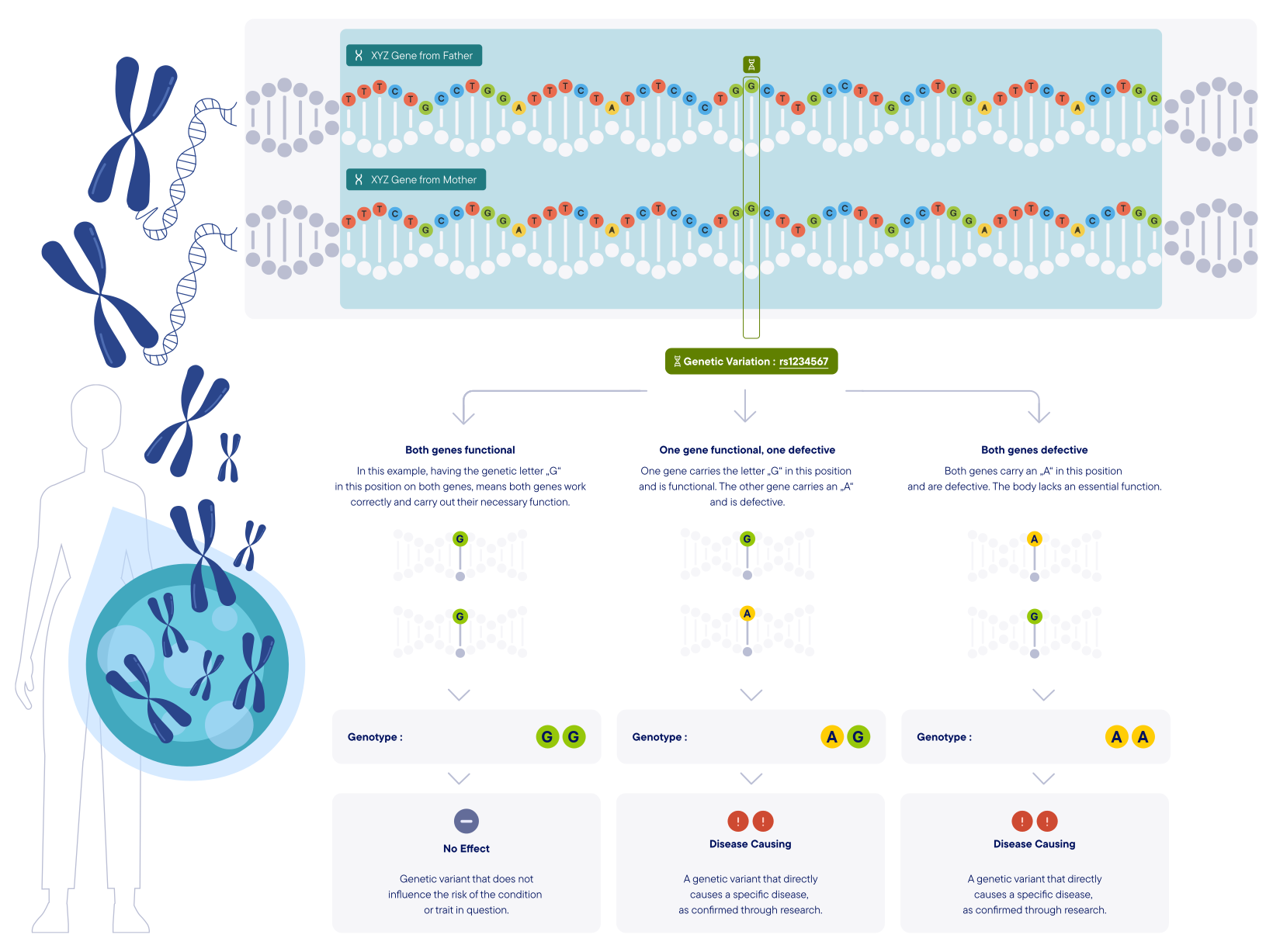
Humans have more than 20,000 genes, each carrying out one or a few specific functions in the body. One gene instructs the body to digest lactose from milk, another tells the body how to build strong bones and another prevents the body's cells from beginning to multiply uncontrollably and developing into cancer. As all of these genes combined are the building instructions for our body, a defect in one of these genes can have severe health consequences.
Through decades of genetic research, we know the genetic code of any healthy/functional human gene. We have also identified that in certain positions on a gene, some individuals may have a different genetic letter from the one you have. We call these hotspots "Genetic Variations" or "Variants" in short. In many cases, studies have been able to show that having the genetic letter "G" in the position makes you healthy, but having the letter "A" in the same position disrupts the gene function and causes a disease. Genopedia allows you to view these variants in genes and summarizes all that we know from scientific research, which genetic letters (Genotype) have good or bad consequences on your health or on your traits.
History
Throughout history, people have described children who tired easily, struggled to gain strength, or had unusual lab findings long before doctors knew why. Families and communities once noticed patterns: a few relatives with similar muscle weakness, developmental differences, or unexplained lab results that didn’t fit common diagnoses. Looking back helps explain how 3-methylglutaconic aciduria type 3 slowly came into focus.
First described in the medical literature as a distinct cause of raised organic acids in the urine, it was initially grouped with other “3‑methylglutaconic acidurias” because lab tests showed the same chemical building up. Early reports centered on what doctors could see—developmental delays, movement differences, and metabolic stress during illness—without a clear single cause. Over time, descriptions became more specific as clinicians noticed a consistent pattern that set this type apart from others in the group.
Advances in genetics in the late 20th and early 21st centuries changed the picture. What started as a lab-based label became linked to changes in a particular gene tied to how cells manage energy in their mitochondria. This shift—from looking only at symptoms and urine tests to understanding the underlying gene—helped confirm that 3-methylglutaconic aciduria type 3 is its own condition rather than just part of a broad chemical finding. It also explained why people with the same lab result could look quite different clinically: not all types share the same cause.
In recent decades, awareness has grown as more families received testing and researchers connected clinic notes with genetic results. Case reports from different regions showed that the condition appears worldwide, though it may be missed where specialized testing isn’t readily available. With each decade, better lab methods and gene panels increased recognition, turning scattered case descriptions into a clearer natural history.
Despite evolving definitions, the core story has stayed steady: a rare condition identified first by a telltale urine marker and later by a gene change that affects cellular energy. As medical science evolved, doctors learned that early symptoms of 3-methylglutaconic aciduria type 3 can vary, and that supportive care and careful monitoring during infections or surgery matter. Today’s understanding stands on the combined work of families, clinicians, and scientists who documented patterns, refined the diagnosis, and connected the chemistry to the gene, giving people living with this condition a name, an explanation, and a path to care.