
3-methylglutaconic aciduria is a rare genetic condition that affects how the body makes and uses energy in cells. It can cause feeding problems, low muscle tone, developmental delays, and hearing or vision issues in some children, and some types can also affect the heart, liver, or brain. Symptoms can start in infancy or childhood and often last lifelong, but not everyone will have the same experience. Treatment focuses on supportive care like nutrition, physical and speech therapy, hearing or vision support, and managing organ problems, and some types need heart or liver care. The outlook varies by subtype, and early evaluation helps guide care and improve quality of life.
Overview
3-methylglutaconic aciduriaSymptoms
3-methylglutaconic aciduria features often begin in infancy or early childhood. Many have poor muscle tone, developmental delay, feeding difficulties, and trouble with movement or balance; some develop seizures. Certain forms also cause heart muscle weakness and low infection-fighting cells.
Outlook and prognosis
Many living with 3-methylglutaconic aciduria do well with early diagnosis, tailored nutrition, and symptom‑focused care, though severity varies by subtype. Some forms mainly cause mild movement or learning challenges; others involve heart, muscle, or neurologic complications. Regular monitoring helps prevent crises and supports long‑term quality of life.
Causes and risk factors
3-methylglutaconic aciduria usually results from inherited gene changes that affect mitochondria, with several subtypes (including Barth syndrome). It’s typically autosomal recessive; Barth is X‑linked. Risk rises with family history, parental relatedness, and certain founder populations; illness can unmask severity.
Genetic influences
Genetics are central in 3‑methylglutaconic aciduria; most types result from inherited gene changes affecting mitochondrial energy pathways. It’s usually autosomal recessive, so both parents carry a variant. Different gene variants drive distinct subtypes, shaping severity, symptoms, and prognosis.
Diagnosis
Doctors suspect 3‑methylglutaconic aciduria from clinical features and elevated 3‑methylglutaconic acid on urine organic acid testing. Genetic tests confirm the subtype. Imaging and heart, eye, or neurologic exams may support the genetic diagnosis of 3‑methylglutaconic aciduria.
Treatment and drugs
Treatment for 3-methylglutaconic aciduria focuses on reducing metabolic stress and supporting energy needs. Plans often include a tailored diet, carnitine or riboflavin supplements, prompt care during illness, and therapies for related features like muscle weakness or developmental delays. Regular follow-up with metabolic specialists helps adjust care over time.
Symptoms
In everyday life, 3-methylglutaconic aciduria often shows up in muscles, growth, and learning. Early features of 3-methylglutaconic aciduria can include feeding struggles in infancy, low muscle tone, and delays in sitting, standing, or talking. Features vary from person to person and can change over time. Because it’s an inherited condition with several subtypes, the mix and severity of features can differ widely.
Skills like sitting, walking, or first words may come later than expected. Teachers or therapists may notice learning takes more repetition and support.
In 3-methylglutaconic aciduria, babies may feel floppy when held, and older children can seem weak or tire quickly. This can show up as poor head control, a weak grip, or slumping posture.
Feeding can be slow, with frequent spit-ups or vomiting, and weight gain may be hard to maintain. Some children remain smaller than peers and may need high-calorie feeds or a feeding tube.
Some people with 3-methylglutaconic aciduria develop a weakened heart muscle that struggles to pump efficiently. Clinicians call this cardiomyopathy, which means the heart is not squeezing as strongly as it should. Shortness of breath, sweating with feeds, or swelling can be clues.
How people usually first notice 3-methylglutaconic aciduria?
Many families first notice something is off in early infancy, when a baby has poor feeding, low muscle tone that makes them feel “floppy,” slow weight gain, or repeated infections or fevers that don’t fit a simple cold. Doctors may suspect 3-methylglutaconic aciduria after these early concerns, especially if there are neurologic signs like developmental delays or movement issues, heart problems, or vision/hearing changes; urine testing that finds high 3‑methylglutaconic acid often provides the first clear clue. In some milder or later-onset types, the first signs of 3-methylglutaconic aciduria might be learning difficulties, coordination problems, or unexplained muscle weakness in childhood.
Types of 3-methylglutaconic aciduria
3-methylglutaconic aciduria is a genetic condition with several well-recognized clinical variants. These variants are linked to different genes that affect how mitochondria work, so symptoms and severity can vary by type. Some types show up in infancy with feeding issues and developmental delays, while others cause movement problems, vision or hearing changes, or metabolic crises later on. Not everyone will experience every type.
Type I (AUH)
Usually presents in infancy or early childhood with developmental delay and low muscle tone. Many have episodes of metabolic decompensation during illness, with vomiting or lethargy.
Type II (Barth)
Affects boys and includes weak heart muscle, recurrent infections, and growth delay. Some have low muscle tone and exercise intolerance.
Type III (Costeff)
Often causes vision loss from optic atrophy in childhood, plus movement issues like ataxia or spasticity. Hearing changes and developmental challenges can also occur.
Type IV (unassigned)
A clinical label used when features fit 3-methylglutaconic aciduria but the gene is unknown. Symptoms vary widely, from developmental delay to neurologic and metabolic issues.
Type V (TAZ2-related)
Characterized by early neurologic symptoms and 3-methylglutaconic aciduria with features overlapping mitochondrial disease. People may have movement problems, developmental delay, and variable severity.
DNAJC19 (DCMA)
Causes dilated cardiomyopathy, male infertility, growth delay, and neurologic features. Some have metabolic crises during illness and elevated 3-methylglutaconic acid.
OPA3-related variant
Leads to optic atrophy with movement problems, resembling Costeff syndrome. People may notice early vision changes and balance or coordination difficulties.
SERAC1-related (MEGDEL)
Involves developmental delay, hearing loss, liver dysfunction, and episodes triggered by illness. Feeding difficulties and low muscle tone are common in infancy.
TMEM70-related form
Presents with neonatal metabolic instability, lactic acidosis, and cardiomyopathy. Many have poor growth and low muscle tone.
TAZ-related Barth
This is another way clinicians may describe types of 3-methylglutaconic aciduria linked to TAZ variants. Types of 3-methylglutaconic aciduria within the TAZ spectrum can range from heart muscle weakness to milder muscle and growth issues.
What genetics can tell you about symptoms
Some people with 3‑methylglutaconic aciduria develop muscle weakness, feeding problems, hearing loss, or learning differences when variants in genes like TAZ, OPA3, DNAJC19, or TMEM70 disrupt how mitochondria make and use energy. Specific gene changes often shape the pattern and timing—TAZ (Barth) skews toward heart muscle weakness, OPA3 toward vision loss, DNAJC19 toward growth and neurologic issues, and TMEM70 toward early metabolic crises.
Causes and risk factors
Most cases of 3-methylglutaconic aciduria come from inherited gene changes that affect the mitochondria, the cell’s energy makers.
Many forms happen when a child inherits two nonworking copies, and Barth syndrome is tied to a gene on the X chromosome and mainly affects boys.
Risk is higher if both parents are carriers or are closely related, and a new gene change can also happen with no family history.
Genes set the stage, but environment and lifestyle often decide how the story unfolds.
Illness, fasting, dehydration, or poor nutrition can trigger early symptoms of 3-methylglutaconic aciduria or make them worse, though they do not cause the disease.
Environmental and biological risk factors
When families hear 3-methylglutaconic aciduria, a common question is whether anything in the environment raises the chances. Awareness of both biological and environmental influences helps you feel prepared. This condition begins before birth from internal biology, and researchers have not found consistent links to outside exposures. People sometimes look for early symptoms of 3-methylglutaconic aciduria, but risk is largely set at conception rather than shaped by day-to-day surroundings.
This condition begins before birth due to differences in how cells handle energy inside mitochondria. This means the chance of 3-methylglutaconic aciduria is set very early in development. Common pregnancy exposures have not been shown to create it.
No specific chemical, pollutant, or infection has been reliably linked to a higher risk of 3-methylglutaconic aciduria. Research so far has not identified a consistent external trigger.
Advanced maternal or paternal age has not been clearly tied to this condition. Age-related risks seen in some other conditions have not been demonstrated for 3-methylglutaconic aciduria.
Common pregnancy conditions such as diabetes, hypertension, or infections have not been shown to raise the likelihood of this diagnosis. Prenatal care remains important for overall fetal health.
Genetic risk factors
3-methylglutaconic aciduria has several genetic subtypes linked to changes in different genes that affect how cells handle energy and membranes. Some risk factors are inherited through our genes. Understanding the genetic causes of 3-methylglutaconic aciduria can help families anticipate testing, inheritance patterns, and recurrence risk. The main patterns include autosomal recessive forms, an X-linked form, and several rare mitochondrial-related syndromes.

Type I (AUH): Changes in the AUH gene cause the Type I form. It is inherited in an autosomal recessive way, so a child needs two nonworking copies to develop 3-methylglutaconic aciduria. Parents are usually healthy carriers.
Barth syndrome (TAZ): TAZ gene changes cause the X-linked form often called Barth syndrome. This mainly affects boys, while mothers and daughters may be carriers. Male relatives on the mother’s side can also be at higher risk.
Costeff syndrome (OPA3): Variants in OPA3 lead to a recessive form sometimes called Costeff syndrome. It is more frequent in certain groups, such as people with Iraqi Jewish ancestry. Carrier parents have a 25% chance per pregnancy of an affected child.
DCMA (DNAJC19): DNAJC19 changes cause a recessive condition known as DCMA syndrome. Some families of Hutterite background have a higher carrier frequency. Siblings of an affected child have a 25% recurrence risk.
SERAC1-related disease: SERAC1 gene variants can produce 3-methylglutaconic aciduria as part of a mitochondrial disorder. Inheritance is autosomal recessive, with parents typically symptom-free carriers. This form has been grouped among type IV cases in older reports.
Other mitochondrial genes: Rare changes in other genes that affect mitochondria can also cause elevated 3-methylglutaconic acid in urine. In these situations, 3-methylglutaconic aciduria is often one feature of a broader genetic syndrome. A genetics team can help pinpoint the exact gene through testing.
Autosomal recessive pattern: Most forms of 3-methylglutaconic aciduria are autosomal recessive. When both parents carry the same change, each child has a 25% (1 in 4) chance to be affected. Carrier testing can clarify risks for future pregnancies.
X-linked inheritance: The TAZ-related form follows X-linked inheritance. Carrier mothers have a 50% (1 in 2) chance to pass the changed gene to each child. Sons who inherit it are typically affected, while daughters who inherit it are usually carriers.
Family history: Having a sibling or close relative with 3-methylglutaconic aciduria increases the chance that others in the family are carriers. Cascade testing can identify who carries the change. Genetic counseling supports informed reproductive planning.
Parental relatedness: Parents who are closely related by ancestry are more likely to carry the same rare recessive change. This can raise the chance of autosomal recessive forms in their children. It is a consideration in communities with higher rates of cousin marriage.
De novo variants: New gene changes can occur, though many cases are inherited. Even when a change is new in a child, relatives may still benefit from carrier testing. Determining whether a variant is inherited or new helps refine family risk.
Lifestyle risk factors
3-methylglutaconic aciduria is a genetic condition; lifestyle habits do not cause it, but they can influence symptom flares and day-to-day functioning. Choices that increase catabolism or strain mitochondrial energy production may worsen fatigue, weakness, or cardiac symptoms. Understanding how lifestyle affects 3-methylglutaconic aciduria can help you reduce avoidable setbacks. The points below focus on lifestyle risk factors for 3-methylglutaconic aciduria and practical ways to modify them.
Going long periods without food can trigger a catabolic state that raises organic acid levels and worsens fatigue or confusion. Regular meals and a bedtime snack help keep blood sugar stable and reduce metabolic stress.
Strict carbohydrate restriction forces the body to burn fat and protein, which can amplify organic acid production and energy crashes. A balanced intake with steady carbs supports mitochondrial energy needs in 3-methylglutaconic aciduria.
Very high protein intake, especially from leucine-rich supplements, can stress pathways near 3-methylglutaconyl-CoA metabolism. Moderate, dietitian-guided protein helps meet needs without provoking symptoms.
Low fluid intake concentrates organic acids and increases kidney strain, which may worsen headaches, lethargy, or muscle pain. Regular hydration supports acid excretion and overall stability.
Risk prevention
Because 3-methylglutaconic aciduria is genetic, you can’t fully prevent the condition itself, but you can lower risks of complications and catch problems early. Planning ahead—before pregnancy and during childhood—often makes the biggest difference. Some prevention is universal, others are tailored to people with specific risks. Work closely with a metabolic or mitochondrial specialist to build a plan that fits your subtype and health history.
Meet with a genetics professional to understand inheritance, carrier testing, and family risks. This can guide choices before pregnancy and for other relatives.
If you carry a known family variant, discuss IVF with embryo testing or prenatal testing. These steps can reduce the chance of having a child with 3-methylglutaconic aciduria.
Set up care with a metabolic clinic soon after diagnosis. This helps recognize early symptoms of 3-methylglutaconic aciduria and tailor treatment before issues build.
Keep routine vaccines up to date to lower infection risks. Treat fevers and infections promptly because illness can trigger metabolic stress.

Transmission
3-methylglutaconic aciduria is a genetic condition and isn’t contagious—you can’t catch it through everyday contact, air, or surfaces. Most forms are inherited in an autosomal recessive way, meaning both parents quietly carry one changed gene; when two carriers have a child, each pregnancy has a 25% chance the child will have the condition, a 50% chance the child will be a carrier, and a 25% chance the child will not inherit the change.
One subtype, called Barth syndrome, follows an X-linked pattern and usually affects boys; a mother who carries the change has a 50% chance of passing it to each son (who would be affected) and a 50% chance to each daughter (who would be a carrier). Rarely, 3-methylglutaconic aciduria can arise from a new genetic change with no prior family history. If you’re wondering about the genetic transmission of 3-methylglutaconic aciduria or how it is inherited in your family, a genetic counselor can help explain personal risks and testing options.
When to test your genes
3-methylglutaconic aciduria is a genetic condition. Consider genetic testing if a newborn or child has unexplained developmental delays, muscle weakness, neurologic symptoms, cardiomyopathy, or consistently high 3‑methylglutaconic acid on urine tests, or if there’s a family history. Testing can confirm the type, guide care, and support family planning.
Diagnosis
For many families, testing starts when a baby or child has issues like poor weight gain, low energy, or repeated infections, and routine explanations don’t fit. In 3-methylglutaconic aciduria, doctors look for a pattern of specific lab findings alongside features such as heart muscle weakness, vision changes, or movement problems. Early and accurate diagnosis can help you plan ahead with confidence. Because symptoms vary by subtype and age, confirming the cause usually involves a few coordinated steps.
Doctors review growth, feeding, muscle tone, infections, and developmental milestones. They also look for features linked to subtypes, like heart problems in Barth syndrome or vision changes in Costeff syndrome. A detailed family and health history can help identify patterns that suggest 3-methylglutaconic aciduria.
A specialized urine test measures 3-methylglutaconic and related acids. Elevated levels support the diagnosis of 3-methylglutaconic aciduria. Repeat samples may be taken to confirm a consistent pattern.
Bloodwork may include lactate, amino acids, acylcarnitine profile, and other labs to assess energy metabolism. These tests help rule out similar metabolic conditions. Many people find reassurance in knowing what their tests can—and can’t—show.
A multigene panel can check genes known to cause the condition, such as TAZ, OPA3, AUH, and DNAJC19. Identifying the exact gene change provides a genetic diagnosis of 3-methylglutaconic aciduria and clarifies the subtype. Results can guide family testing and future reproductive planning.
Stages of 3-methylglutaconic aciduria
3-methylglutaconic aciduria does not have defined progression stages. Symptoms and outlook vary by genetic subtype and by person; some have stable day-to-day health with occasional metabolic crises, while others have ongoing challenges from early life, so changes over time don’t follow a single pathway. Different tests may be suggested to help confirm the diagnosis—urine organic acid analysis, basic blood work, and genetic testing—and to monitor health over time. If you’re watching for early symptoms of 3-methylglutaconic aciduria, notice issues like poor feeding, slow weight gain, developmental delays, or episodes of low energy during illness, and seek medical advice for tailored evaluation.
Outlook and prognosis
Looking at the long-term picture can be helpful. For many people with 3-methylglutaconic aciduria, the outlook depends on the specific subtype and how early care begins. Some forms mainly cause mild movement or learning challenges and allow independent adult life, while others—especially those with heart muscle weakness, recurrent infections, or neurologic decline—can be more serious. Early care can make a real difference, including prompt treatment of infections, careful nutrition and hydration, and monitoring for heart or vision issues.
The outlook is not the same for everyone, but patterns have emerged across subtypes. Type I can range from mild coordination issues to more noticeable developmental delays; many living with 3-methylglutaconic aciduria type I reach adulthood. Barth syndrome (an X‑linked subtype) carries higher risks in infancy and childhood due to cardiomyopathy and infections; with modern heart care, antibiotics, and growth support, survival has improved into adulthood. Other mitochondrial‑related types (sometimes called type II, IV, or “unspecified”) vary widely; early symptoms of 3-methylglutaconic aciduria can include poor feeding, low muscle tone, or developmental delay, and progression may be slow or stepwise.
When thinking about the future, it helps to focus on surveillance and supports that reduce complications. Lifespan can be near typical in milder forms, while severe heart disease, stroke‑like episodes, or progressive neurologic problems can shorten life, especially without consistent care. With ongoing care, many people maintain school, work, and family routines, adapting as needed when fatigue, muscle weakness, or infections flare. Talk with your doctor about what your personal outlook might look like, including your specific subtype, genetic findings, and a plan for cardiac, metabolic, and neurologic follow‑up.
Long-term effects
The long-term picture in 3-methylglutaconic aciduria depends heavily on the genetic subtype and can range from mild, stable features to serious, lifelong health concerns. Long-term effects vary widely, and even relatives with the same subtype may have different experiences. Features often change with age, with some becoming clearer in childhood or adolescence. People sometimes ask about early symptoms of 3-methylglutaconic aciduria, but the later effects often give the best clues to outlook.
Some subtypes carry a risk of cardiomyopathy and weak heart pumping. Irregular heart rhythms can also occur over time. This may require careful monitoring during growth spurts.
Certain forms lead to low neutrophils, making infections more frequent or harder to shake. Illnesses may cluster in childhood and improve or persist into adulthood.
Many live with low muscle tone and reduced strength that can limit stamina. Climbing stairs or lifting can remain challenging over the years.
Tiring quickly and slow recovery after activity are common long-term traits. People may notice leg heaviness or cramping with exertion.
How is it to live with 3-methylglutaconic aciduria?
Living with 3‑methylglutaconic aciduria can mean planning days around energy levels, medical visits, and supports like physical, occupational, or speech therapy, especially when movement, coordination, or learning are affected. Some people experience muscle weakness, fatigue, or hearing and vision challenges, so school, work, and social life may need flexible schedules and tailored accommodations. Families often become adept at managing medications, nutrition, and infection prevention, and the emotional load can be real—yet many find steady routines, care teams, and community networks that make daily life more predictable and connected. For those around the person, patience, clear communication, and practical help with appointments, transportation, or breaks during activities can make a meaningful difference.
Treatment and drugs
Treatment for 3-methylglutaconic aciduria focuses on easing symptoms, supporting growth and development, and preventing complications, since there’s no single cure. Care usually includes a nutrition plan tailored by a metabolic dietitian—often with careful protein management, regular meals to avoid low blood sugar, and specific vitamin or nutrient supplements if deficiencies are found. Doctors sometimes recommend a combination of lifestyle changes and drugs, such as medicines for seizures, muscle stiffness, movement symptoms, heart problems, or infections, depending on the subtype and what each person experiences. Physical, occupational, and speech therapy can help with movement, strength, and communication, while regular follow-up with a metabolic specialist tracks labs, heart and brain health, vision, and hearing. If one approach doesn’t help, your care team may adjust the plan over time, and genetic counseling can guide family planning and support.
Non-drug treatment
Day-to-day life with 3-methylglutaconic aciduria can involve low stamina, feeding difficulties, and developmental delays that affect school, work, and play. Non-drug treatments often lay the foundation for day-to-day stability and long-term function. Early symptoms of 3-methylglutaconic aciduria can include poor weight gain and weak muscle tone, so supportive care usually starts early. Plans are tailored, and needs can change over time as children grow or adults face new demands.
Regular, frequent meals and snacks help avoid long fasting and keep energy steadier. Staying well hydrated supports metabolism and reduces risk during illness.
A written plan outlines steps during fever, vomiting, or reduced intake to prevent dehydration and energy shortfalls. It usually includes when to use oral rehydration solutions and when to seek urgent care.
Feeding therapy can improve coordination and reduce fatigue at meals. If intake stays low, a feeding tube can provide safe calories and fluids to promote growth and energy stability.
Targeted exercises build strength, balance, and endurance without overexertion. Sessions are paced to prevent energy crashes and muscle fatigue.
Your genes may have an impact on how drugs work for you
Medicines for 3‑methylglutaconic aciduria can work differently depending on gene changes that affect how cells handle energy and metabolize nutrients. Pharmacogenetic testing, when available, may guide dosing or choice of supportive treatments, while clinicians adjust plans based on real‑world response.
Pharmacological treatments
Treatment focuses on managing energy production, heart function, and infection risk. No single drug cures 3-methylglutaconic aciduria; choices depend on the subtype and symptoms. Not everyone responds to the same medication in the same way. Medicines may ease complications even if they don’t change early symptoms of 3-methylglutaconic aciduria.
L-carnitine may support energy use in muscle and help clear certain acids. It’s often considered if blood carnitine is low, with dosing tailored to labs and symptoms.
A trial of riboflavin can support enzymes involved in cell energy in some people. It is generally well tolerated and may be continued if there’s a clear benefit.
CoQ10 can support mitochondria and may help with stamina or fatigue. Some continue it long term if energy or exercise tolerance improves.
Medicines like enalapril or lisinopril help an enlarged or weak heart pump more efficiently. They can ease symptoms and slow heart remodeling in Barth syndrome or DCMA.
Genetic influences
In most people, 3-methylglutaconic aciduria stems from inherited gene changes that affect mitochondria (the parts of cells that make energy) or the way the body breaks down the amino acid leucine. A “carrier” means you hold the gene change but may not show symptoms. Many types follow an autosomal recessive pattern, so when both parents are carriers, each pregnancy has a 25% chance of a child with the condition. One subtype, known as Barth syndrome, is X-linked, which means it mainly affects boys and can be passed on by mothers who carry the change. Because 3-methylglutaconic aciduria includes several genetic subtypes, features and severity can vary even within the same family. Targeted genetic testing for 3-methylglutaconic aciduria can confirm the diagnosis, clarify the subtype, and guide family planning. Results may also help doctors plan monitoring for related issues and watch for early symptoms of 3-methylglutaconic aciduria in siblings.
Is 3-methylglutaconic aciduria genetic?
Genetics are central in 3‑methylglutaconic aciduria; most types result from inherited gene changes affecting mitochondrial energy pathways. It’s usually autosomal recessive, so both parents carry a variant. Different gene variants drive distinct subtypes, shaping severity, symptoms, and prognosis.
Pharmacogenetics—how genetics influence drug effects
For people living with 3-methylglutaconic aciduria, treatment often involves heart medicines, infection prevention, nutrition support, and sometimes seizure control, so drug choice and dosing need to be personalized. Genetic testing can sometimes identify how your body handles certain medicines, guiding doctors toward safer options and more precise doses. Knowing the specific genetic subtype of 3-methylglutaconic aciduria helps flag medicines that can stress mitochondria; for example, many specialists avoid valproic acid for seizures and are cautious with longer or high-dose infusions of anesthesia drugs like propofol. Pharmacogenetic testing for 3-methylglutaconic aciduria can also shape everyday prescribing, such as adjusting beta-blocker doses for heart function based on how quickly your liver clears them, or selecting different antibiotics if there’s concern about hearing-related side effects. Drug response isn’t only about genes, though; age, infections, nutrition, and other medicines still matter, so clinicians combine test results with your day-to-day health to fine-tune care over time.
Interactions with other conditions
Illnesses that stress the body—like a stomach bug, flu, dehydration, or surgery—can make symptoms surge in people living with 3‑methylglutaconic aciduria. Some conditions share “underlying mechanisms,” such as problems with mitochondria, so 3‑methylglutaconic aciduria may occur alongside heart muscle disease (cardiomyopathy), muscle weakness, or other mitochondrial disorders. In the Barth syndrome form of this condition, low white blood cells (neutropenia) raise the risk of infections, and even a routine cold can lead to extreme fatigue, poor appetite, or hospital care. If seizures are part of the picture, certain medicines—especially valproate—are often avoided in mitochondrial disease because they can worsen liver strain or metabolic stress. During infections, early symptoms of 3‑methylglutaconic aciduria getting worse can include vomiting, sleepiness, and trouble keeping up with usual activities. Coordinated care with cardiology, hematology, neurology, and metabolic specialists helps plan for sick-day management and reduce complications when another illness is present.
How genes can cause diseases
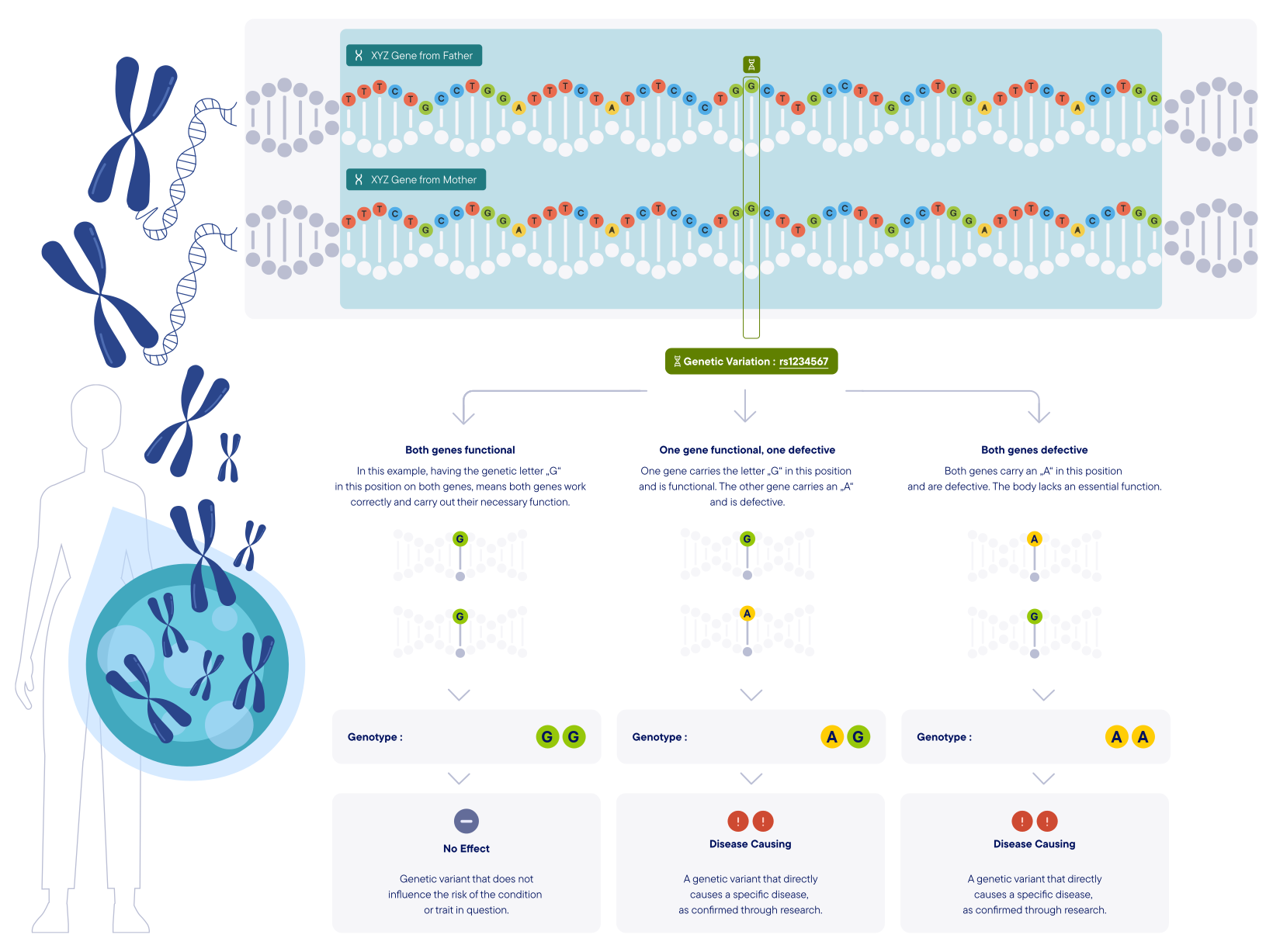
Humans have more than 20,000 genes, each carrying out one or a few specific functions in the body. One gene instructs the body to digest lactose from milk, another tells the body how to build strong bones and another prevents the body's cells from beginning to multiply uncontrollably and developing into cancer. As all of these genes combined are the building instructions for our body, a defect in one of these genes can have severe health consequences.
Through decades of genetic research, we know the genetic code of any healthy/functional human gene. We have also identified that in certain positions on a gene, some individuals may have a different genetic letter from the one you have. We call these hotspots "Genetic Variations" or "Variants" in short. In many cases, studies have been able to show that having the genetic letter "G" in the position makes you healthy, but having the letter "A" in the same position disrupts the gene function and causes a disease. Genopedia allows you to view these variants in genes and summarizes all that we know from scientific research, which genetic letters (Genotype) have good or bad consequences on your health or on your traits.
History
Throughout history, people have described children who failed to gain strength, had feeding troubles, or seemed unusually tired during minor illnesses. Families and communities once noticed patterns that spanned siblings or cousins, hinting that something inherited might be at play. Before modern testing, these stories were often grouped with general “metabolic weakness,” a broad label that didn’t explain the cause.
From early theories to modern research, the story of 3-methylglutaconic aciduria took shape as laboratory methods improved. In the mid-to-late 20th century, clinicians began using urine organic acid analysis to look for chemical “fingerprints” of metabolic conditions. This is when a consistent excess of a compound called 3‑methylglutaconic acid was first linked to a cluster of symptoms affecting energy, growth, and sometimes the nervous system. Initially understood only through symptoms, later lab findings showed that different underlying gene changes and cell processes could all lead to the same chemical buildup.
Over time, descriptions became more precise, and several subtypes were outlined. Some forms were tied to problems in mitochondria, the tiny parts of cells that help turn food into energy. Others involved changes in how certain cell membranes are built or maintained. Doctors learned that 3‑methylglutaconic aciduria wasn’t one single disorder but a group of related conditions that share a core lab feature while differing in age at onset, severity, and organ systems involved.
Advances in genetics in the 1990s and 2000s helped match specific gene variants with clinical patterns seen in newborns, children, and adults. This clarified why one family might face early feeding difficulties and developmental delays, while another might not be diagnosed until a teenager or adult presents with muscle weakness or neurologic changes. Not every early description was complete, yet together they built the foundation of today’s knowledge.
In recent decades, awareness has grown as newborn screening panels, targeted metabolic testing, and gene sequencing became more available in many countries. With each decade, researchers have refined care pathways, from recognizing early symptoms of 3‑methylglutaconic aciduria to identifying which subtypes may benefit from specific monitoring, such as heart, vision, or muscle evaluations. Knowing the condition’s history shows why careful lab testing and genetic evaluation matter: they turn scattered stories and broad labels into clear diagnoses that guide day-to-day care and long-term planning.