
3-methylcrotonyl-coa carboxylase 1 deficiency is a rare genetic condition that affects how the body breaks down the amino acid leucine. It often shows up in infancy or early childhood, but some people are only identified later through newborn screening. People with 3-methylcrotonyl-coa carboxylase 1 deficiency may have no symptoms or may develop low energy, poor feeding, vomiting, or low blood sugar during illness. Doctors describe this as a metabolic disorder that is lifelong, and management focuses on avoiding fasting, treating illnesses promptly, and sometimes using a low-leucine diet with special formulas and carnitine. Most children and adults do well with care, and the risk of severe complications or death is low when episodes are prevented and treated quickly.
Overview
3-methylcrotonyl-coa carboxylase 1 deficiencySymptoms
Early signs of 3‑methylcrotonyl‑CoA carboxylase 1 deficiency are often absent; it’s found on newborn screening. When features occur, infants may have poor feeding, vomiting, sleepiness, low muscle tone, or seizures. Illness or fasting can trigger low blood sugar and crisis.
Outlook and prognosis
Most people with 3‑methylcrotonyl‑CoA carboxylase 1 deficiency do well, especially when it’s found by newborn screening and managed early. With carnitine support, sick‑day plans, and regular follow‑up, growth and development are often typical. Severe crises are uncommon but can occur during infections or long fasting, so prevention and prompt care matter.
Causes and risk factors
3-methylcrotonyl-coa carboxylase 1 deficiency results from harmful changes in the MCCC1 gene and is inherited in an autosomal recessive pattern. Risk is higher when both parents are carriers or related. Illness, fasting, or high-protein intake may trigger or worsen symptoms.
Genetic influences
Genetics are central to 3-methylcrotonyl-CoA carboxylase 1 deficiency. It’s an autosomal recessive condition caused by variants in the MCCC1 gene that reduce enzyme activity. Family history matters for carrier risk and newborn screening confirms many cases early.
Diagnosis
Diagnosis of 3-methylcrotonyl‑CoA carboxylase 1 deficiency usually starts with newborn screening showing elevated C5‑OH. Doctors confirm with urine organic acids/acylglycines, plasma acylcarnitines, and enzyme studies, with genetic tests for MCCC1 variants providing genetic diagnosis of 3‑methylcrotonyl‑CoA carboxylase 1 deficiency.
Treatment and drugs
Treatment for 3-methylcrotonyl‑CoA carboxylase 1 deficiency focuses on preventing toxin build‑up and supporting energy needs. Care often includes a protein‑controlled diet, carnitine supplementation, and prompt sick‑day plans to avoid fasting. Newborns and families receive metabolic specialist guidance.
Symptoms
Day to day, 3-methylcrotonyl-coa carboxylase 1 deficiency can range from no obvious issues to periods when a child seems unusually tired, feeds poorly, or vomits during illness. Early features of 3-methylcrotonyl-coa carboxylase 1 deficiency can be subtle or even absent, especially in infancy. Features vary from person to person and can change over time. When present, signs often show up during stress, like infections or long gaps between meals.
Many with 3-methylcrotonyl-coa carboxylase 1 deficiency never develop health problems. The condition is often found by newborn screening rather than by noticeable signs. Some may only need routine monitoring.
Poor feeding, vomiting, or trouble keeping milk down can occur, especially during illness. In 3-methylcrotonyl-coa carboxylase 1 deficiency, this is more likely when the body is under stress. This can lead to dehydration and low energy.
Babies or children may seem unusually tired or hard to wake when unwell. They may play less or nap longer than usual. This can improve once the body’s energy balance is restored.
The body may feel floppy, and head control can be slow to develop. This can make sitting, crawling, or walking later than expected. Physical therapy can support strength and skills.
How people usually first notice 3-methylcrotonyl-coa carboxylase 1 deficiency?
Many families first notice something is off in a young baby when feeding becomes difficult, vomiting starts, or the child seems unusually sleepy or weak, especially during an illness or after longer stretches without food. Newborn screening in many regions now detects 3‑methylcrotonyl‑CoA carboxylase 1 deficiency early, so the first signs of 3‑methylcrotonyl‑CoA carboxylase 1 deficiency are often an unexpected call about an abnormal screen rather than visible symptoms. When symptoms do appear, doctors may see low blood sugar, ketosis, or high ammonia during a sick visit, which helps explain how 3‑methylcrotonyl‑CoA carboxylase 1 deficiency is first noticed in infancy or early childhood.
Types of 3-methylcrotonyl-coa carboxylase 1 deficiency
People living with 3‑methylcrotonyl‑CoA carboxylase 1 deficiency (often shortened to 3‑MCC deficiency) can have very different day‑to‑day experiences, from no symptoms at all to feeding trouble, low energy, or illness‑triggered episodes. This is a genetic metabolic condition with recognized clinical variants that reflect which of the two MCC enzyme genes is affected and how much enzyme activity remains. Clinicians often describe them in these categories: classic symptomatic forms, milder or late‑onset forms, and biochemical-only (asymptomatic) forms. Knowing the main types of 3‑MCC deficiency can help you understand how symptoms may differ and what to expect when reading about types of 3‑MCC deficiency.
Classic neonatal/infant
Symptoms begin in the first months with poor feeding, vomiting, low muscle tone, or episodes of low blood sugar. Illness or fasting can trigger serious metabolic decompensation that needs urgent care. Early treatment with diet guidance and carnitine may reduce crises.
Childhood‑onset intermittent
Children are well between illnesses but develop vomiting, lethargy, or confusion during infections or long fasting. These episodes reflect limited reserve in leucine breakdown that shows up under stress. Families often learn sick‑day plans to prevent hospitalizations.
Adolescent/adult‑onset mild
Some first notice exercise intolerance, headaches, or unexplained fatigue in teen years or adulthood. Lab tests show the typical biochemical pattern, but daily function is otherwise good. Avoiding prolonged fasting and managing protein intake may be enough.
Asymptomatic biochemical
Newborn screening or family testing finds the biochemical signature, but there are no symptoms. Many remain well lifelong with normal growth and development. Regular follow‑up confirms stability and guides whether carnitine or dietary changes are needed.
MCCC1‑related variant
Changes in the MCCC1 gene reduce the MCC enzyme’s alpha subunit, leading to the condition. Severity ranges from silent to classic symptomatic forms depending on how much activity remains. Genetic testing clarifies the variant and helps with family counseling.
MCCC2‑related variant
Changes in the partner gene MCCC2 affect the beta subunit and cause a clinically similar disorder. People may have overlapping features with MCCC1‑related cases, from asymptomatic to illness‑triggered crises. Management focuses on the same metabolic principles across variants.
What genetics can tell you about symptoms
Certain MCCC1 gene changes reduce the enzyme that breaks down leucine, leading to low energy, poor feeding, vomiting, and low muscle tone, especially during illness or fasting. Some variants cause mild or no symptoms, while others trigger seizures and breathing problems in infants.
Causes and risk factors
3‑methylcrotonyl‑CoA carboxylase 1 deficiency happens when both copies of the MCCC1 gene have changes, so the enzyme that breaks down the amino acid leucine is low.
Most babies inherit one altered copy from each healthy carrier parent.
Genes set the stage, but environment and lifestyle often decide how the story unfolds.
Illness, fever, fasting, dehydration, or a very high‑protein diet can trigger metabolic stress, especially in infancy or during surgery.
Risk factors for 3‑methylcrotonyl‑CoA carboxylase 1 deficiency include having carrier parents, close‑relative parents, or ancestry with more carriers, and everyday steps like balanced protein and avoiding long fasts may help reduce complications.
Environmental and biological risk factors
Environmental and biological risk factors for 3-methylcrotonyl-CoA carboxylase 1 deficiency appear limited. Doctors often group risks into internal (biological) and external (environmental). Current research has not identified strong links between common exposures or pregnancy-related factors and the likelihood of being born with this condition. This section focuses on those environment and body-based factors that have been studied, rather than early symptoms of 3-methylcrotonyl-CoA carboxylase 1 deficiency.
Very advanced maternal or paternal age has not been shown to raise the chance of this deficiency. Research to date does not support an age-related pattern.
Common pregnancy conditions, such as high blood pressure or diabetes, have not been linked to a higher likelihood. No specific maternal medical issue is known to increase risk of 3-methylcrotonyl-CoA carboxylase 1 deficiency.
Exposure to ionizing radiation, heavy metals, or hormone-disrupting chemicals has not been confirmed to cause 3-methylcrotonyl-CoA carboxylase 1 deficiency. Human studies have not shown a consistent association.
Preterm birth, birth weight, or delivery method do not appear to change the chance of being born with 3-methylcrotonyl-CoA carboxylase 1 deficiency. Available reports have not suggested a causal link.
Genetic risk factors
Harmful changes (variants) in the MCCC1 gene reduce activity of the enzyme that helps break down the amino acid leucine. When both copies of MCCC1 are affected, this can lead to 3-methylcrotonyl-coa carboxylase 1 deficiency. Genetic risk factors for 3-methylcrotonyl-coa carboxylase 1 deficiency include having two MCCC1 variants, a family history, and shared ancestry that increases the chance both parents carry the same change. Risk is not destiny—it varies widely between individuals.

MCCC1 variants: Two harmful changes in the MCCC1 gene are the direct cause. They reduce the activity of the enzyme needed to break down leucine. In most people diagnosed, both gene copies are affected.
Autosomal recessive pattern: The condition occurs when a child inherits one nonworking MCCC1 copy from each parent. When both parents are carriers, each pregnancy has a 25% chance of 3-methylcrotonyl-coa carboxylase 1 deficiency.
Carrier parents: Carriers usually feel well and have no symptoms. Having two carrier parents is the main genetic risk for this condition. Carrier testing can identify this risk in families.
Compound heterozygosity: Many people with the condition have two different MCCC1 variants, one from each parent. Different changes in the two copies can add up to the same enzyme problem. This is a common finding in 3-methylcrotonyl-coa carboxylase 1 deficiency.
Homozygous changes: Some have the same MCCC1 variant in both copies of the gene. This can happen more often when parents share ancestors. It carries the same disease risk as two different variants.
Consanguinity: Parents who are blood relatives have a higher chance of carrying the same MCCC1 change. This increases the likelihood their child will inherit two altered copies. Genetic counseling can help families understand this risk.
Founder variants: In certain communities, a historical MCCC1 change is more common. Higher carrier rates can raise the chance of the condition. Which variant is common varies by population.
Variable expression: Even with the same MCCC1 variants, outcomes range from no symptoms to mild or, rarely, more noticeable issues. Some people found by newborn screening remain healthy long term. People with 3-methylcrotonyl-coa carboxylase 1 deficiency may have very different experiences.
Lifestyle risk factors
This is a genetic metabolic condition; lifestyle habits do not cause it, but they can strongly influence symptom control and risk of metabolic decompensation. This overview focuses on how lifestyle affects 3-methylcrotonyl-coa carboxylase 1 deficiency and highlights lifestyle risk factors for 3-methylcrotonyl-coa carboxylase 1 deficiency. Choices around meals, activity, hydration, and illness routines can change leucine breakdown and the buildup of toxic metabolites. Aligning daily habits with your medical plan helps reduce hypoglycemia, ketosis, and hospitalizations.
Going long hours without food increases catabolism and leucine breakdown from muscle. This can raise toxic metabolites and trigger lethargy, vomiting, or hypoglycemia.
Large portions of high-protein, leucine-rich foods can overwhelm impaired leucine metabolism. This may increase 3-hydroxyisovaleric acid and other metabolites, raising crisis risk.
Hard, sustained activity without planned carbohydrate intake pushes the body into a catabolic state. This increases leucine oxidation and can precipitate metabolic decompensation.
Diets that restrict carbohydrates promote fat burning and ketosis, increasing metabolic stress. In 3-MCC deficiency, this can worsen acidosis and raise hospitalization risk.
Risk prevention
3-methylcrotonyl-coa carboxylase 1 deficiency is a genetic condition you can’t prevent at its source, but you can lower the chance of metabolic crises and long-term complications. Day to day, prevention focuses on steady fueling, quick care during illness, and staying linked with a metabolic clinic. Some prevention is universal, others are tailored to people with specific risks. Knowing the early symptoms of 3-methylcrotonyl-coa carboxylase 1 deficiency—such as unusual sleepiness, vomiting, poor feeding, or fast breathing during illness—helps you act fast.
Have clear steps for fever, vomiting, or poor intake, including phone numbers and when to seek urgent care. Early extra carbohydrates and fluids can help prevent a metabolic crash.
Keep regular meals and snacks, especially overnight and during illness. Shorter gaps between feeds reduce the body’s need to break down protein for fuel.
Prioritize carbohydrates when unwell to spare protein breakdown. This is especially important for people with 3-methylcrotonyl-coa carboxylase 1 deficiency.
Carry a doctor’s emergency protocol that explains the condition and recommended treatment. Share it with emergency teams at the start of care.

Transmission
3‑methylcrotonyl‑CoA carboxylase 1 deficiency is a genetic condition, not contagious—you cannot catch it from others. It is inherited in an autosomal recessive way: a child is affected when they receive two nonworking copies of the MCCC1 gene, one from each parent, who are usually healthy carriers. If both parents are carriers, each pregnancy has a 25% (1 in 4) chance of a child having the condition, a 50% chance the child will be a carrier, and a 25% chance of inheriting neither change. New gene changes can occur, but most families with 3‑methylcrotonyl‑CoA carboxylase 1 deficiency have two carrier parents—this is how 3‑methylcrotonyl‑CoA carboxylase 1 deficiency is inherited.
When to test your genes
3‑methylcrotonyl‑CoA carboxylase 1 (MCCC1) deficiency is genetic, so consider testing if a newborn screening was abnormal, a sibling is affected, or there’s unexplained low carnitine, hypoglycemia, or metabolic crises. Pregnant people with low carnitine or a prior infant with metabolic issues should test. Testing guides diet, carnitine use, and sick‑day plans.
Diagnosis
3-methylcrotonyl-coa carboxylase 1 deficiency is usually found through newborn screening or during evaluation for unexplained illness in infancy or early childhood. Many people remain well, while others may have feeding problems, low energy, or illness triggered by fasting or infections. Confirming the diagnosis typically involves a mix of blood and urine tests, sometimes enzyme studies, and DNA testing. Genetic testing may be offered to clarify risk or guide treatment.
Many programs flag a high C5-OH (hydroxyisovalerylcarnitine) on the heel-prick blood spot. This is a screening clue, not a final answer, and needs confirmatory testing. Sometimes the baby’s result reflects unrecognized maternal 3-methylcrotonyl-coa carboxylase 1 deficiency.
Doctors usually begin with a detailed history of feeding, growth, energy levels, and illnesses. They examine for dehydration, low muscle tone, or signs seen during metabolic stress. A family history can point toward an inherited pattern.
A blood test looks for a persistent increase in C5-OH. Patterns over time help distinguish 3-methylcrotonyl-coa carboxylase 1 deficiency from other metabolic conditions. Results guide which follow-up tests are most useful.
Testing often shows higher 3-methylcrotonylglycine and 3-hydroxyisovaleric acid. These markers support a diagnosis when newborn screening is positive. Levels can rise during illness, so timing of the sample matters.
Stages of 3-methylcrotonyl-coa carboxylase 1 deficiency
3-methylcrotonyl-coa carboxylase 1 deficiency does not have defined progression stages. It tends to be stable most of the time and, if problems occur, they usually come in short episodes during illness or fasting rather than following a steady, predictable decline. Different tests may be suggested to help confirm the diagnosis, often starting with newborn screening and then blood and urine studies for characteristic markers, with genetic testing sometimes used to clarify results. When symptoms do occur, early symptoms of 3-methylcrotonyl-coa carboxylase 1 deficiency may include poor feeding, vomiting, or low energy during infections, so clinicians often review any such episodes and monitor nutrients like carnitine over time.
Outlook and prognosis
Looking ahead can feel daunting, but most infants with 3-methylcrotonyl-coa carboxylase 1 deficiency (often shortened to MCCC1 deficiency) do well when the condition is found early through newborn screening and managed promptly. Many never have a serious metabolic crisis. For others, the first sign may be poor feeding, vomiting, or unusual sleepiness during an illness—especially in the first year of life—followed by full recovery once treated. Many people find that symptoms settle as children grow, particularly when families have a clear sick-day plan and routine follow-up with a metabolic team.
Doctors call this the prognosis—a medical word for likely outcomes. In everyday terms, most children with MCCC1 deficiency have a favorable long-term outlook, normal growth, and typical development, especially with carnitine support when needed and careful avoidance of long fasting. Serious complications like seizures, brain swelling, or coma are uncommon and usually tied to triggers such as prolonged fasting or infection. Early symptoms of 3-methylcrotonyl-coa carboxylase 1 deficiency can be subtle, so sticking with regular checkups helps catch problems before they escalate.
Mortality is rare in regions with newborn screening and access to metabolic care; when deaths have been reported, they’re typically linked to untreated metabolic crises in infancy. As kids become teens and adults, crises tend to be infrequent, though illness or strenuous fasting can still stress the body. With ongoing care, many people maintain full activity at school, work, and sports. Talk with your doctor about what your personal outlook might look like, including travel, exercise, and sick-day plans tailored to you.
Long-term effects
For many, day-to-day life is typical, but some notice problems during infections or after long gaps between meals. 3-methylcrotonyl-coa carboxylase 1 deficiency can bring on intermittent metabolic stress that may, over the years, affect growth, learning, or energy. Long-term effects vary widely, and many people continue to live full, active lives. Challenges are often greatest in infancy and early childhood and tend to ease with age, though a few issues can persist into adulthood.
Many people with 3-methylcrotonyl-coa carboxylase 1 deficiency remain well with no ongoing day-to-day problems. They may be identified only through newborn screening or family testing.
Periods of illness or not eating can trigger low energy, vomiting, or confusion that come and go. Early symptoms of 3-methylcrotonyl-coa carboxylase 1 deficiency can be subtle, then intensify during these episodes.
A minority develop learning differences, speech delays, or attention challenges over time. These features can range from mild to more noticeable and may become clearer in school years.
Some people experience seizures, often linked to metabolic stress. Seizure risk may decrease as episodes become less frequent with age.
How is it to live with 3-methylcrotonyl-coa carboxylase 1 deficiency?
Living with 3‑methylcrotonyl‑CoA carboxylase 1 (3‑MCC) deficiency can range from completely symptom‑free to dealing with bouts of low energy, poor appetite, or vomiting during illness, fasting, or heavy exertion. Daily life often centers on prevention: regular meals, prompt attention to infections, and following a tailored plan from a metabolic team, sometimes with carnitine and emergency “sick‑day” guidance. For many families, newborn screening catches it early, which eases worry and helps people grow and learn typically with a few extra safeguards. Those around you—parents, partners, caregivers, teachers—play a supportive role by recognizing early signs of decompensation and helping stick to nutrition and care plans, which keeps most days steady and uneventful.
Treatment and drugs
Treatment for 3‑methylcrotonyl‑CoA carboxylase 1 deficiency focuses on preventing the build‑up of toxic byproducts and avoiding low blood sugar, especially during illness or long gaps between meals. Many people with this condition do well with a protein‑controlled diet that limits the amino acid leucine, regular meals and snacks (including overnight in infants), and a sick‑day plan that uses extra carbohydrates to prevent fasting; a registered dietitian with metabolic experience usually guides these steps. Doctors often prescribe carnitine to help the body clear harmful compounds, and some may add biotin in select cases, as it can support the broader enzyme family involved in metabolism. During acute illness, vomiting, or poor intake, hospital care with intravenous glucose (dextrose) and careful monitoring of blood sugar, acids, and ammonia helps stabilize metabolism and prevent complications. Not every treatment works the same way for every person, so your care team will tailor the plan and adjust it over time based on age, lab results, and how you’re feeling.
Non-drug treatment
Living with 3-methylcrotonyl-coa carboxylase 1 deficiency often centers on steady nutrition and planning for times of illness. Non-drug treatments often lay the foundation for daily safety, with diet and routine helping your body avoid stress. Plans focus on preventing long fasts, supplying enough calories, and knowing what to do when appetite drops or infection hits. Spotting early symptoms of 3-methylcrotonyl-coa carboxylase 1 deficiency—like unusual sleepiness or vomiting during a cold—can help you start your sick-day steps quickly.
A tailored eating plan limits leucine while still meeting protein needs for growth and strength. A metabolic dietitian can map out safe food choices and formulas. Meal plans are adjusted as children grow or adults’ needs change.
Regular meals and snacks keep energy steady and lower the risk of metabolic stress. Many plan a bedtime snack and shorten overnight gaps, especially for infants and young children. During busy days, keep quick, carb-rich options on hand.
When appetite drops or fever starts, shift to higher-carbohydrate drinks and foods and temporarily lower protein until you’re well. Have a written emergency plan and letter to show urgent care staff. Ask your doctor which non-drug options might be most effective if vomiting prevents you from keeping fluids down.
Carnitine can help the body clear certain buildup and support energy handling in this condition. Levels are checked regularly, and dosing is individualized by the metabolic team. Do not start or stop supplements without guidance.
Your genes may have an impact on how drugs work for you
For people with 3‑methylcrotonyl‑CoA carboxylase 1 deficiency, gene changes can alter how their bodies handle certain medicines, especially those affecting protein metabolism. Pharmacogenetic testing and careful dosing help clinicians choose safer options and avoid triggers like catabolic stress.
Pharmacological treatments
Treatment focuses on preventing metabolic crises and clearing the byproducts that build up when the body struggles to break down leucine. At the first signs of illness, or early symptoms of 3-methylcrotonyl-coa carboxylase 1 deficiency, certain medicines may be started quickly to keep energy steady and reduce toxin buildup. Not everyone responds to the same medication in the same way. Your care team will tailor medicines based on symptoms, lab results, and how you do during routine days and during infections or fasting.
High-dose biotin may help in some people because the affected enzyme uses biotin to work. It’s often tried long-term and during illnesses since it’s generally safe. Response varies by the specific genetic change and residual enzyme activity.
This supplement helps shuttle and remove harmful organic acids and supports energy use. It can correct low carnitine levels that commonly occur in 3-methylcrotonyl-coa carboxylase 1 deficiency. Doses may be adjusted during illnesses or if levels run low.
During a metabolic crisis or when vomiting prevents eating, IV glucose provides quick energy to stop the body from breaking down its own proteins and fats. This short-term support is usually given in the hospital to stabilize blood sugar and ketones.
If blood becomes too acidic during a crisis, IV bicarbonate can help restore the acid–base balance. It’s used short-term with close monitoring of blood tests to guide dosing and avoid overcorrection.
Genetic influences
3-methylcrotonyl-coa carboxylase 1 deficiency is caused by changes in the MCCC1 gene that lower the activity of an enzyme needed to break down the amino acid leucine. It’s inherited in a recessive way: a child is affected when they receive two nonworking copies—one from each parent—who are usually healthy carriers. Having a gene change doesn’t always mean you will develop the condition. Severity and age at onset vary widely, even among relatives with the same MCCC1 change, and many remain well throughout life. Genetic testing can confirm changes in MCCC1, and doctors may also look at the related MCCC2 gene because both parts work together in the same enzyme pathway. Because many babies feel well, newborn screening often finds 3-methylcrotonyl-coa carboxylase 1 deficiency before any early symptoms of 3-methylcrotonyl-coa carboxylase 1 deficiency are noticed, and it may occasionally point to an undiagnosed adult in the family.
Is 3-methylcrotonyl-coa carboxylase 1 deficiency genetic?
Genetics are central to 3-methylcrotonyl-CoA carboxylase 1 deficiency. It’s an autosomal recessive condition caused by variants in the MCCC1 gene that reduce enzyme activity. Family history matters for carrier risk and newborn screening confirms many cases early.
Pharmacogenetics—how genetics influence drug effects
Knowing you have 3-methylcrotonyl-coa carboxylase 1 deficiency (often called 3-MCC1 deficiency) can shape everyday treatment choices, because the enzyme block affects how your body handles certain nutrients and some medicines. Pharmacogenetic testing doesn’t give a “yes or no” answer for a single drug here, but confirming the exact gene involved (MCCC1 versus MCCC2) helps tailor monitoring and the intensity of dietary and supplement plans. Because this enzyme relies on biotin, some people try a supervised biotin supplement trial; benefit varies, so lab results and day-to-day symptoms guide whether to continue. Carnitine is commonly used to replace what’s lost to abnormal acylcarnitines, and medicines that further deplete carnitine—such as valproic acid or certain pivalate-containing antibiotics—are usually avoided or used with specialist input. During illness or surgery, your team may prioritize IV glucose and avoiding prolonged fasting, since the genetic block makes the body more prone to metabolic stress. If antiseizure treatment is needed, choices typically steer away from drugs that raise ammonia or strain energy pathways, with doses adjusted by close lab follow-up.
Interactions with other conditions
Day to day, even a routine cold or a stomach bug can strain the body and set off episodes in 3-methylcrotonyl-coa carboxylase 1 deficiency, because illness, fasting, or poor intake push the system to break down muscle for energy. Doctors call it a “comorbidity” when two conditions occur together, and common ones like viral infections, asthma flares, or gastrointestinal illnesses can make symptoms such as low energy, vomiting, or irritability more likely. Conditions that lower carnitine levels—whether from an inherited carnitine problem or from other health issues that deplete carnitine—can intensify problems in 3-methylcrotonyl-coa carboxylase 1 deficiency, since many people with this condition already lose carnitine in their urine. Biotin shortage can also worsen things, because this enzyme needs biotin to work; biotinidase deficiency or poor intake can therefore add to the metabolic stress. Liver disease or other metabolic disorders that raise ammonia may compound confusion, sleepiness, or poor feeding during an illness, and early symptoms of 3-methylcrotonyl-coa carboxylase 1 deficiency can be harder to spot when another condition is active. It helps to have a clear “sick day” plan and coordinated care if you also live with another diagnosis.
How genes can cause diseases
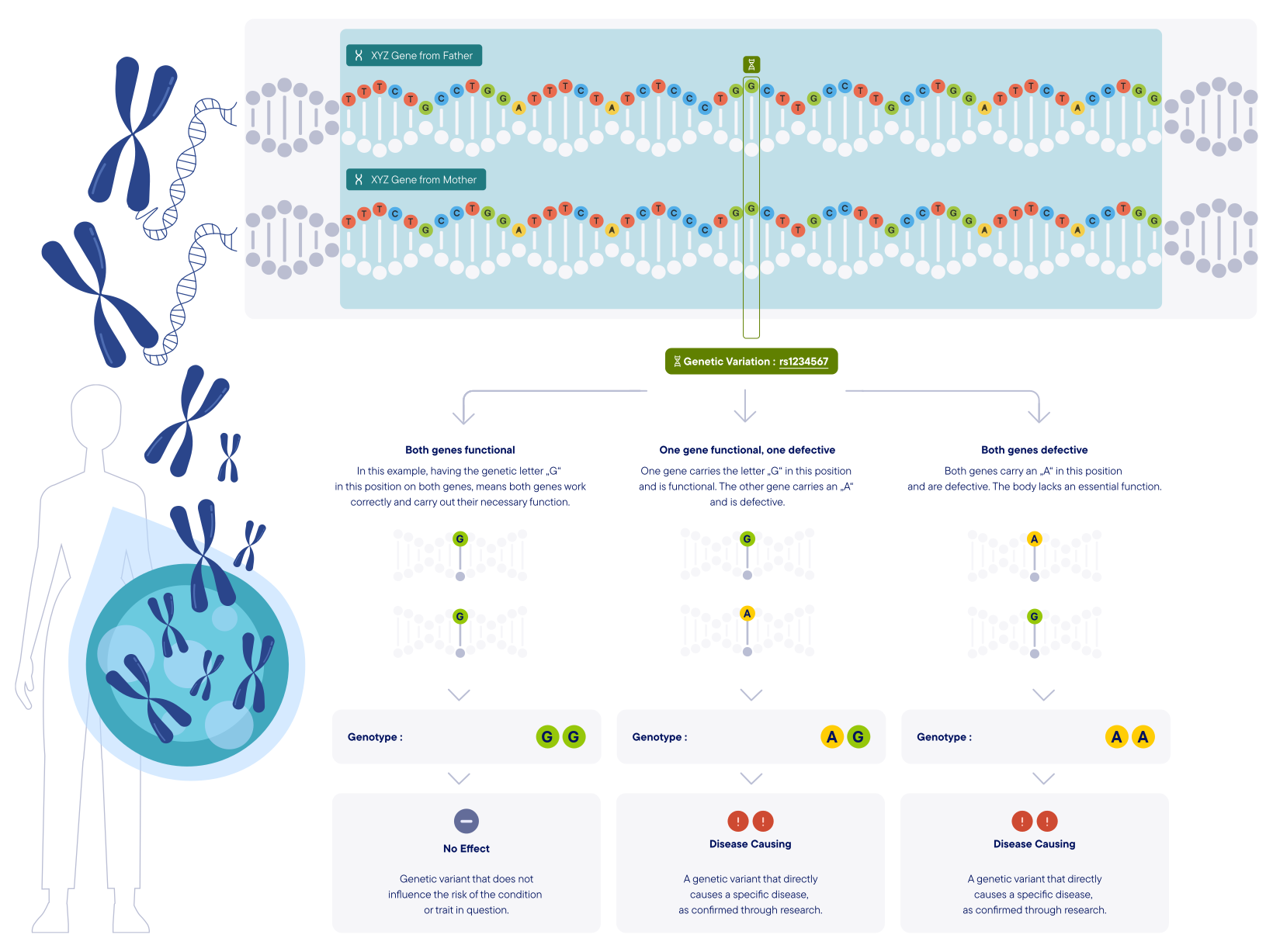
Humans have more than 20,000 genes, each carrying out one or a few specific functions in the body. One gene instructs the body to digest lactose from milk, another tells the body how to build strong bones and another prevents the body's cells from beginning to multiply uncontrollably and developing into cancer. As all of these genes combined are the building instructions for our body, a defect in one of these genes can have severe health consequences.
Through decades of genetic research, we know the genetic code of any healthy/functional human gene. We have also identified that in certain positions on a gene, some individuals may have a different genetic letter from the one you have. We call these hotspots "Genetic Variations" or "Variants" in short. In many cases, studies have been able to show that having the genetic letter "G" in the position makes you healthy, but having the letter "A" in the same position disrupts the gene function and causes a disease. Genopedia allows you to view these variants in genes and summarizes all that we know from scientific research, which genetic letters (Genotype) have good or bad consequences on your health or on your traits.
History
Throughout history, people have described babies who struggled to feed, became unusually sleepy, or developed fast breathing after a common cold. Families and communities once noticed patterns of infants who did well at birth but became very sick during a minor illness, then recovered with careful feeding—only for the pattern to repeat. These scattered stories hinted at a hidden metabolic issue long before lab tests could name it.
First described in the medical literature as a disorder of breaking down the amino acid leucine, 3‑methylcrotonyl‑CoA carboxylase 1 deficiency emerged from careful observations of infants with low blood sugar, high ketones, and distinctive acids in the urine. In the 1960s and 1970s, clinicians began to link these crisis episodes to a specific chemical “traffic jam” in the body’s energy pathways. Early reports focused on very ill newborns and toddlers, so the condition seemed rare and severe.
With each decade, better testing reshaped the picture. Urine organic acid analysis helped doctors spot a telltale pattern during and between illnesses. As medical science evolved, researchers identified the enzyme steps involved and learned that more than one gene could be responsible. This refined what was once a single, vague diagnosis into clearer subtypes and explained why symptoms ranged from silent to severe.
A turning point came with expanded newborn screening. When many countries introduced tandem mass spectrometry in the late 1990s and early 2000s, 3‑methylcrotonyl‑CoA carboxylase 1 deficiency was detected in babies who looked completely well. From early theories to modern research, the story of 3‑methylcrotonyl‑CoA carboxylase 1 deficiency shows how wider screening can uncover mild or asymptomatic cases that earlier eras missed. This revealed that some people may never have symptoms, while others experience feeding problems, vomiting, or metabolic crises during illness or fasting.
Advances in genetics confirmed the underlying changes that disrupt the enzyme’s function and clarified inheritance. Over time, descriptions became more precise: the condition is typically passed down in families, and both parents usually carry a silent change. This knowledge helped shape counseling, family testing, and practical steps for sick‑day plans.
Not every early description was complete, yet together they built the foundation of today’s knowledge. Looking back helps explain why older texts emphasized severe infant illness, while modern guides discuss a broad spectrum—from no symptoms at all to life‑threatening metabolic stress. Today, the history of 3‑methylcrotonyl‑CoA carboxylase 1 deficiency guides everyday care: prompt attention during infections, thoughtful nutrition, and clear plans reduce risk and support healthy development for many living with this condition.