
22q11.2 duplication syndrome is a genetic condition caused by an extra copy of a small piece of chromosome 22. Features can include low muscle tone, feeding or growth concerns, speech delay, learning differences, and sometimes heart or palate differences. Many people with 22q11.2 duplication syndrome have mild to moderate challenges and live into adulthood, but needs vary by age and severity. Diagnosis often happens in infancy or childhood, and doctors use supportive therapies, such as speech, physical, and occupational therapy, with targeted care for heart or palate issues. Not everyone will have the same experience, and early evaluation helps guide care and school supports.
Overview
22q11.2 duplication syndromeSymptoms
22q11.2 duplication syndrome has widely variable early signs: low muscle tone, feeding trouble, speech or learning delays, mild facial differences, palate or heart defects, and sometimes autism traits; some people have few, subtle, or no noticeable features.
Outlook and prognosis
Most people with 22q11.2 duplication syndrome grow and learn, though the pace can vary and support needs may change over time. Early therapies and regular check-ins with cardiology, speech/feeding, learning, and mental health teams often improve daily functioning. Many reach personal milestones, attend school, work, and build relationships with tailored support.
Causes and risk factors
22q11.2 duplication syndrome happens when an extra piece of chromosome 22 (q11.2) is present. It’s inherited in a dominant pattern, or may be a new genetic change; risk is having a parent with the duplication, not pregnancy or lifestyle exposures.
Genetic influences
Genetics are central in 22q11.2 duplication syndrome, which is caused by an extra copy of a small segment on chromosome 22. Variations in the duplicated genes shape symptoms and their severity. It can be inherited or occur as a new change.
Diagnosis
Doctors consider 22q11.2 duplication syndrome when developmental differences, learning issues, or congenital findings cluster, or when a relative is affected. The genetic diagnosis of 22q11.2 duplication syndrome is confirmed with chromosome microarray or other DNA-based tests, including prenatal options.
Treatment and drugs
Treatment for 22q11.2 duplication syndrome is tailored to each person’s needs. Care may include speech and developmental therapies, educational supports, and help with feeding, growth, or learning; doctors also address heart, immune, palate, or hearing issues when present. Regular check-ins with genetics, pediatrics, cardiology, ENT, and other specialists help guide timely interventions.
Symptoms
22q11.2 duplication syndrome is a genetic condition with a wide range of features. Many are mild, and some people have no obvious medical issues. Others may notice feeding challenges in infancy, delayed speech or motor milestones, or school-age learning and attention differences. Features vary from person to person and can change over time.
Newborns may have a weak suck, reflux, or long, tiring feeds that lead to slow weight gain. This can be one of the early features of 22q11.2 duplication syndrome. A feeding plan with pacing or thickened feeds may help.
Muscles may feel floppy and tire easily, making tummy time, sitting, or walking take longer to master. Clinicians call this hypotonia, which means looser, less firm muscles. Many with 22q11.2 duplication syndrome gain strength with physical therapy.
Rolling, sitting, or walking may happen later than peers. Fine motor skills, like using utensils or buttons, can also come slower. With practice and therapy, skills often improve.
First words may come later, and speech may be harder to understand. If the soft palate does not close tightly, speech can sound more nasal. Speech therapy tailored to language and palate needs can help.
How people usually first notice 22q11.2 duplication syndrome?
Many families first notice something is different when a baby with 22q11.2 duplication syndrome has low muscle tone, feeding difficulties, or slow weight gain in the first months, or when milestones like sitting and talking arrive later than expected. Doctors may pick up early clues during routine checkups—such as small differences in facial features, a heart murmur suggesting a congenital heart difference, or recurrent ear infections and hearing concerns—and these findings often prompt genetic testing that confirms the diagnosis. For some, the first signs of 22q11.2 duplication syndrome appear in early childhood as learning differences, speech delays, or attention and coordination challenges, leading caregivers to ask how 22q11.2 duplication syndrome is first noticed.
Types of 22q11.2 duplication syndrome
22q11.2 duplication syndrome can look quite different from one person to the next, because the duplicated DNA segment can vary in size and the genes involved. Doctors recognize a few recurrent “duplication sizes” or breakpoints, which helps explain why symptoms range from none or very mild to learning differences, speech delays, or heart and palate issues. Not everyone will experience every type. Clinicians often describe them in these categories:
Typical 3‑Mb dup
This is the most common duplication, spanning the central 3 megabases of 22q11.2. Many people have mild or no obvious medical problems, while others may have developmental delay, speech issues, or subtle facial features.
Proximal nested dups
These smaller duplications sit within the typical region and are sometimes called nested or smaller proximal duplications. Symptoms don’t always look the same for everyone, but they can include learning differences, low muscle tone, or feeding challenges in infancy.
Distal 22q11.2 dups
These involve regions further toward the end (distal) of the chromosome arm, outside the classic 3‑Mb zone. They can be linked with developmental delays and sometimes growth or skeletal differences, and heart differences are less common than in the typical region.
Atypical breakpoints
Some duplications start or end in less common spots, creating unique sizes that don’t fit the usual groups. Features can vary from almost none to multiple developmental findings, and prediction is harder for these variants of 22q11.2 duplication.
Inherited vs. de novo
Many duplications are inherited from a parent who may be mildly affected or not notice symptoms, while others are new in the child (de novo). When inherited, other family members may have similar features, and learning about types of 22q11.2 duplication in relatives can guide expectations.
What genetics can tell you about symptoms
Some people with 22q11.2 duplication syndrome have extra copies of genes that can act like a too-strong dimmer switch, leading to low muscle tone, feeding difficulties, speech delays, or short stature. Others have learning differences, ADHD-like symptoms, or autism features linked to how duplicated genes affect brain development.
Causes and risk factors
22q11.2 duplication syndrome happens when there is an extra copy of a small segment on chromosome 22.
The duplication may be inherited from a parent or can arise as a new change before birth, and if neither parent has it the chance of it happening again is low.
If a parent carries the duplication, each pregnancy has about a 50% chance to inherit it.
Genes set the stage, but environment and lifestyle often decide how the story unfolds.
This helps explain why early symptoms of 22q11.2 duplication syndrome can vary, and why care, nutrition, and other health conditions can shape outcomes.
Environmental and biological risk factors
Families planning for or expecting a child with questions about 22q11.2 duplication syndrome often want to know what might raise the chance of it happening. Some biological risks are written in our genes, others arise through environment. People sometimes wonder whether early symptoms of 22q11.2 duplication syndrome are tied to pregnancy exposures, but no specific exposure has been shown to cause the duplication itself. Here’s what researchers know about environmental and body-based factors that influence likelihood.
During the making of eggs or sperm, a copy change can happen by chance in the 22q11.2 area. This kind of one-time event can lead to 22q11.2 duplication syndrome. It is not caused by anything a parent did or did not do.
The 22q11.2 region contains stretches of repeated DNA that can misalign during cell division. This biological setup makes copy changes in this spot more likely than elsewhere in our DNA. It helps explain why the duplication can occur even without a clear trigger.
Older paternal age is linked to more new genetic changes in sperm overall. This could slightly raise the chance of certain new chromosome changes, but a direct, strong link to 22q11.2 duplication syndrome has not been confirmed. Any effect, if present, appears small.
Advanced maternal age clearly raises the risk of whole-chromosome conditions like Down syndrome, but not small extra-copy changes at this site. Current data do not show a meaningful increase with older maternal age.
Genetic risk factors
Genetic factors for 22q11.2 duplication syndrome center on how that chromosome 22 segment is copied and passed on within families. Some people inherit the duplication from a parent, while others have a new change that first appears in them. Carrying a genetic change doesn’t guarantee the condition will appear. Understanding genetic risk factors for 22q11.2 duplication syndrome can help with family planning and decisions about genetic testing.

Autosomal dominant: The duplication can be inherited when just one parent carries it, a pattern known medically as autosomal dominant. If a parent has the 22q11.2 duplication, each pregnancy has a 50% chance of inheriting it.
De novo changes: In some people, the duplication happens for the first time in them due to a copy event in the egg or sperm. When both parents test negative for the duplication, sibling recurrence risk is usually low.
Germline mosaicism: Rarely, a parent may carry the duplication only in some egg or sperm cells and not in blood testing. This can slightly raise the chance of having more than one child with 22q11.2 duplication syndrome even when standard tests are negative.
Balanced rearrangements: A parent with a balanced translocation or inversion involving chromosome 22 may have an increased chance of a child with the duplication. Chromosome studies can identify this and refine the recurrence risk.
Chromosome 22 architecture: Repeated DNA blocks in the 22q11.2 region make this spot prone to copy-number changes. This underlying structure explains why duplications can recur in families and in the general population.
Duplication size: The extra segment can be smaller or larger, and the exact genes included can differ. Size does not reliably predict severity, but different sizes may help explain why features vary between people with 22q11.2 duplication syndrome.
Family history: Having a biological parent or sibling with the duplication increases personal risk. In families with several affected relatives, the duplication may pass across generations.
Variable impact: The same duplication can affect people differently, even within one family. This variability means genetic risk is clearer than the likely pattern of symptoms in 22q11.2 duplication syndrome.
Lifestyle risk factors
This condition is genetic and not caused by lifestyle, but daily habits can shape symptoms, development, and risk of complications over time. Understanding how lifestyle affects 22q11.2 duplication syndrome can help families tailor routines that support feeding, movement, learning, and behavior. Choices around nutrition, activity, sleep, and therapy practice can make day-to-day functioning easier and reduce stress at home.
Texture‑modified, nutrient‑dense meals can support growth when palatal differences or hypotonia make feeding tiring. Regular mealtime routines and calorie boosters (oils, nut butters, supplements if advised) can prevent undernutrition and help energy for therapies.
Adequate fiber and fluids can reduce constipation, which is common and can worsen abdominal discomfort, appetite, and behavior. Consistent bowel routines may also lower feeding aversion and improve participation in school and therapy.
Low‑to‑moderate exercise strengthens muscles in hypotonia and improves coordination for playground and classroom tasks. Activity plans tailored to any heart or orthopedic issues can build stamina without overexertion.
Consistent schedules and a quiet, dark sleep environment can reduce daytime inattention and irritability that may accompany the syndrome. Addressing sleep timing and wind‑down habits can also improve learning carryover from therapies.
Risk prevention
Because 22q11.2 duplication syndrome is genetic, there isn’t a way to prevent the duplication itself, but you can lower the chance of complications and catch issues early. Understanding early symptoms of 22q11.2 duplication syndrome—like feeding challenges, speech delays, or learning differences—helps families and clinicians act sooner. Prevention works best when combined with regular check-ups. If you’re planning a pregnancy or already expecting, there are steps to understand and manage risks for you and your family.
A genetic counselor can explain inheritance, testing options, and chances of passing 22q11.2 duplication syndrome to a child. They can also help relatives decide if and when to get tested.
If one partner has the duplication, options like preimplantation testing or prenatal diagnosis may help avoid passing it on. A specialist can discuss benefits, limits, and timing.
Noninvasive screening and, if needed, diagnostic tests during pregnancy can check for a 22q11.2 change. Early results guide delivery planning and newborn care.
Early exams after birth can spot heart, feeding, or calcium problems linked to 22q11.2 duplication syndrome. Quick treatment reduces complications.

Transmission
22q11.2 duplication syndrome is not infectious—you can’t catch it from someone else or spread it through everyday contact. It is passed down through families when a parent carries an extra piece of chromosome 22; this pattern is called autosomal dominant, meaning each child has a 50% (1 in 2) chance to inherit the duplication. Some children with 22q11.2 duplication syndrome have the change for the first time in the family because of a new change in an egg or sperm. When this happens, parents typically are not carriers, but a genetics team may recommend chromosome testing to confirm how 22q11.2 duplication syndrome is inherited and to discuss future pregnancy risks. Because it is genetic transmission of 22q11.2 duplication syndrome rather than an infection, there is no risk from schools, work, or routine contact.
When to test your genes
Consider genetic testing if you or your child has multiple unexplained developmental, learning, speech, or growth differences, congenital heart or palate anomalies, or a close relative with a 22q11.2 variant. Testing also helps tailor care before surgeries, pregnancy planning, or starting medications that may interact with associated features. If prenatal screening shows atypical findings, diagnostic testing can clarify risks and guide early support.
Diagnosis
Because signs can be subtle and vary widely, diagnosis often comes after a careful look at development, learning, and any birth differences. Doctors confirm suspected cases with genetic tests that look for an extra stretch of chromosome 22; this is the genetic diagnosis of 22q11.2 duplication syndrome. Family history is often a key part of the diagnostic conversation. Some are first identified during pregnancy when a scan or screening raises questions.
Your provider reviews growth, development, muscle tone, feeding, speech, and any birth differences such as palate or heart findings. Because features vary from very mild to more noticeable, the exam raises suspicion but cannot confirm the diagnosis.
Details about milestones, school learning, and therapies help map the overall pattern. This information guides which genetic tests are most useful.
The duplication is often inherited from a parent who may have few or subtle features. Testing parents can clarify recurrence risk for future pregnancies.
This is the first-line genetic test for unexplained developmental differences or birth anomalies. It detects the extra copy at 22q11.2 and reports the size and genes involved.
Stages of 22q11.2 duplication syndrome
22q11.2 duplication syndrome does not have defined progression stages. Features vary widely from person to person, and while early symptoms of 22q11.2 duplication syndrome may show up in infancy or childhood, it doesn’t follow a predictable, step-by-step pattern and is usually identified by genetic testing rather than by stages. Different tests may be suggested to help confirm the diagnosis and check for related health needs. Assessment often includes a genetics visit, a chromosomal microarray (a detailed chromosome test), and age-appropriate checks for growth, heart and palate differences, hearing and speech, learning, and mental health, with periodic follow‑up to track progress over time.
Outlook and prognosis
Day-to-day life with 22q11.2 duplication syndrome varies widely. Some children have mild learning differences and subtle physical features; others may need support for developmental delays, feeding challenges, or low muscle tone. Everyone’s journey looks a little different. In school, this might look like extra time for reading, speech therapy, or occupational therapy to help with fine motor skills. Many people ask, “What does this mean for my future?”, and the answer depends on the mix of symptoms, access to therapies, and any coexisting medical issues.
Prognosis refers to how a condition tends to change or stabilize over time. For most people with 22q11.2 duplication syndrome, life expectancy appears near typical, especially when heart structure is normal and infections are managed. Severe heart defects are less common than in the related deletion syndrome, and serious immune problems are uncommon, but hearing, vision, and growth concerns can affect daily life if not addressed. Early symptoms of 22q11.2 duplication syndrome—such as speech delay or feeding issues—often improve with timely therapies, and school supports can boost long-term learning and independence. With ongoing care, many people maintain stable health, finish school, work, and build relationships.
Looking at the long-term picture can be helpful. Mental health conditions, including anxiety or attention differences, may appear in adolescence or adulthood, so regular check-ins matter. If congenital heart differences, seizures, or significant spine or palate issues are present, the outlook depends on how well those are treated; with modern care, most are manageable. Serious complications and early mortality are rare, and most adults with 22q11.2 duplication syndrome can expect a normal lifespan. Talk with your doctor about what your personal outlook might look like, including which specialists to see and how often to review learning, behavior, heart health, hearing, and immune function.
Long-term effects
People with 22q11.2 duplication syndrome can experience a broad range of long-term features that affect learning, development, and physical health. Long-term effects vary widely, even among members of the same family. Some remain mild and only show up during school years, while others involve ongoing medical follow-up into adulthood. The long-term outlook for 22q11.2 duplication syndrome depends on which features are present and their severity.
Many have uneven learning profiles, with strengths in some areas and challenges in others. School-age years often bring noticeable needs in reading, math, or problem-solving.
Expressive language and articulation can develop more slowly. Palate-related airflow differences can cause a nasal-sounding voice or make certain sounds harder to form.
Low muscle tone in early life can lead to later challenges with balance, handwriting, or sports skills. Fine and gross motor milestones may be delayed but often continue to improve over time.
Some have congenital heart conditions that persist into adulthood. Others with 22q11.2 duplication syndrome have typical heart structure and function.
How is it to live with 22q11.2 duplication syndrome?
Daily life with 22q11.2 duplication syndrome can be quite varied, because the features range from very mild to more noticeable challenges with learning, speech, muscle tone, or behavior. Many do well in school and work with the right supports, while others benefit from therapies such as speech, occupational, and physical therapy, individualized education plans, and regular check-ins with clinicians to monitor growth, development, and any heart, immune, or feeding concerns. Families and caregivers often become skilled coordinators, balancing appointments and advocacy while celebrating steady gains; siblings and classmates may need simple, age-appropriate explanations to foster understanding and inclusion. With early intervention, clear communication, and a strengths-first approach, many living with this duplication build confident routines and participate fully in community life.
Treatment and drugs
Treatment for 22q11.2 duplication syndrome focuses on the specific needs of each person, since features can range from mild learning differences to heart, feeding, immune, or speech issues. You might picture this as a team effort between you and your doctor, with referrals to specialists such as cardiology, ear–nose–throat, speech and language therapy, developmental pediatrics, genetics, and mental health when needed. Doctors sometimes recommend a combination of lifestyle changes and drugs, for example using heart medicines if there is a cardiac issue, inhalers for airway problems, antibiotics for significant infections, and behavioral or psychiatric medications for attention, anxiety, or mood symptoms. Therapies that build skills—early intervention, occupational and physical therapy, speech therapy, and school-based supports—are central, while surgeries are considered for problems like cleft palate, significant heart defects, ear fluid, or hernias. Side effects vary, and many are manageable, so keep track of how you feel and share this with your care team to fine-tune treatment over time.
Non-drug treatment
Support for 22q11.2 duplication syndrome focuses on building skills for communication, learning, movement, and day-to-day independence. Recognizing early symptoms of 22q11.2 duplication syndrome can help families start helpful services sooner and track progress over time. Non-drug treatments often lay the foundation for long-term gains, even when medical care or procedures are also part of the plan. Care usually works best when tailored to each person’s strengths, challenges, and age.
Team-based services in infancy and preschool target speech, motor, and social skills. Starting early can boost development and reduce later gaps.
Work on speech sounds, language, and social communication. Therapists can also address resonance, nasal speech, and clarity linked to palate or muscle tone.
Stepwise strategies help with suck, chew, and swallowing skills. A therapist can improve safety and comfort while a dietitian supports growth and nutrition.
Exercises and play-based activities build strength, balance, and coordination. This can help with walking, stairs, and playground skills.
Your genes may have an impact on how drugs work for you
Medicines can work differently in people with 22q11.2 duplication syndrome because gene changes may alter how the body activates, breaks down, or transports certain drugs. Pharmacogenetic testing and careful dose adjustments with your clinician can help optimize safety and benefit.
Pharmacological treatments
Medicines can help manage common features linked to 22q11.2 duplication syndrome, such as attention difficulties, anxiety, seizures, reflux, constipation, sleep problems, or severe irritability. Drugs that target symptoms directly are called symptomatic treatments. Choices are tailored to the individual and may change as needs change over time. It’s common to try more than one drug before finding the best fit, with regular check-ins to balance benefits and side effects.
If early symptoms of 22q11.2 duplication syndrome include attention difficulties, methylphenidate or mixed amphetamine salts may improve focus and reduce hyperactivity. Doses are usually started low and adjusted based on benefit and side effects. Appetite, sleep, and mood are monitored closely.
Atomoxetine, guanfacine extended-release, or clonidine extended-release can help attention and impulsivity when stimulants are not ideal. These may be preferred if tics, sleep issues, or appetite concerns are prominent. Benefits can take several weeks to build.
Selective serotonin reuptake inhibitors such as sertraline or fluoxetine often help anxiety and low mood. Dosing may be increased or lowered gradually to balance benefits and side effects. Watch for changes in sleep, appetite, or behavior, especially early on.
For severe irritability or self-injury associated with autism features, risperidone or aripiprazole may reduce outbursts. Doctors monitor weight, metabolic health, and movement symptoms during treatment. These medicines are usually reserved for challenging behaviors that impair safety or daily life.
Genetic influences
From a genetic standpoint, this condition happens when there is an extra copy of a small stretch of chromosome 22, in the 22q11.2 region. The duplication can be passed down from a parent or can occur for the first time in a child; when inherited, one affected parent can pass it on, and each child has about a 50% chance of inheriting it. Even with the same gene change, people can have very different symptoms and abilities, so a parent may have mild or no noticeable features while a child has more needs. Having the duplication raises the chance of certain developmental, learning, or medical features, but it does not predict exactly how 22q11.2 duplication syndrome will look in any one person. A genetics specialist can review your family history, explain recurrence risk, and talk through options for future pregnancies. Genetic testing for 22q11.2 duplication syndrome is usually done with a chromosomal microarray, a test that looks for extra or missing pieces of DNA, to confirm the diagnosis and help decide whether relatives should consider testing.
Is 22q11.2 duplication syndrome genetic?
Genetics are central in 22q11.2 duplication syndrome, which is caused by an extra copy of a small segment on chromosome 22. Variations in the duplicated genes shape symptoms and their severity. It can be inherited or occur as a new change.
Pharmacogenetics—how genetics influence drug effects
Because 22q11.2 duplication syndrome involves extra copies of certain genes, it can subtly change how some medicines feel or work. For brain‑acting drugs such as stimulants, antidepressants, and antipsychotics, genes in this region help regulate the breakdown of dopamine and related chemicals, so some people may be more sensitive and do best with “start low, go slow” dosing and close monitoring. Genetic testing can sometimes identify how your body processes certain antidepressants, antipsychotics, or pain medicines, which can help your doctor choose a safer starting dose. Most of those drug–gene results (often from common drug‑processing genes like CYP2D6 or CYP2C19) come from genes outside the 22q11.2 region, so pharmacogenetic testing for 22q11.2 duplication syndrome generally follows the same approach used in the wider population. Other health features tied to 22q11.2 duplication syndrome—such as congenital heart differences, low muscle tone, or a history of seizures—can also guide medication choice and monitoring, like getting an ECG before certain stimulants or antipsychotics if heart issues are present. There aren’t condition‑specific dosing rules yet, so treatment plans are individualized, with careful attention to side effects, benefits, and any standard pharmacogenetic findings alongside the broader care plan.
Interactions with other conditions
Many living with 22q11.2 duplication syndrome also have other health conditions that shape day-to-day care. Doctors call it a “comorbidity” when two conditions occur together. Common overlaps include congenital heart differences, palate or speech problems, and neurodevelopmental conditions such as ADHD or autism; these can interact—heart disease can affect feeding and growth, and palate issues can raise the risk of ear infections and sleep apnea. Seizures may occur in some, and choices for epilepsy medicines need to account for any heart rhythm concerns, sleep apnea, or attention medicines already in use. Mild immune differences have been reported, so frequent infections or autoimmune problems may influence vaccine planning, antibiotics, and the timing of procedures. Sometimes early symptoms of 22q11.2 duplication syndrome are noticed when a child is being assessed for a heart murmur, recurrent ear infections, or delays in speech, which is why coordinated, team-based care is helpful.
How genes can cause diseases
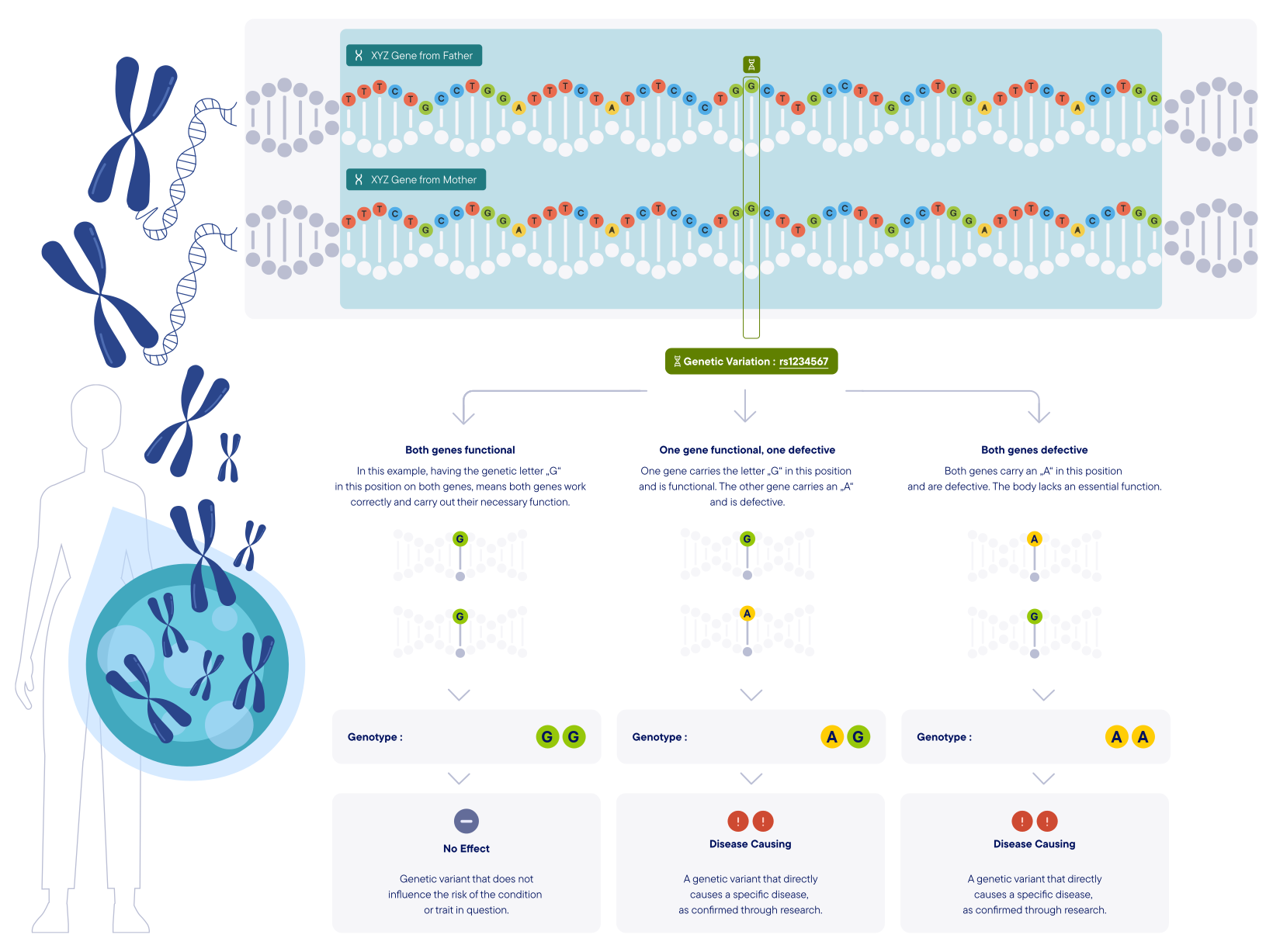
Humans have more than 20,000 genes, each carrying out one or a few specific functions in the body. One gene instructs the body to digest lactose from milk, another tells the body how to build strong bones and another prevents the body's cells from beginning to multiply uncontrollably and developing into cancer. As all of these genes combined are the building instructions for our body, a defect in one of these genes can have severe health consequences.
Through decades of genetic research, we know the genetic code of any healthy/functional human gene. We have also identified that in certain positions on a gene, some individuals may have a different genetic letter from the one you have. We call these hotspots "Genetic Variations" or "Variants" in short. In many cases, studies have been able to show that having the genetic letter "G" in the position makes you healthy, but having the letter "A" in the same position disrupts the gene function and causes a disease. Genopedia allows you to view these variants in genes and summarizes all that we know from scientific research, which genetic letters (Genotype) have good or bad consequences on your health or on your traits.
History
Families and communities once noticed patterns—children in the same family with similar facial features, feeding challenges, or learning differences—even before a name existed for them. Some relatives seemed only mildly affected and finished school without much support, while a sibling needed extra help with speech or had a heart check in infancy. These everyday observations hinted that something inherited was at play long before genetic tests could confirm it.
First described in the medical literature as a mirror image of the more widely known 22q11.2 deletion, 22q11.2 duplication syndrome came into focus with improvements in chromosome testing in the late 1990s and early 2000s. Earlier tools often missed small, repeated stretches of DNA. As microarray testing became common, clinicians began to find the duplication in people being evaluated for developmental delays, speech differences, or birth features—sometimes unexpectedly in a healthy parent too.
From early theories to modern research, the story of 22q11.2 duplication syndrome has centered on variability. Some people have distinctive medical needs at birth, while others grow up with only subtle traits or none they notice at all. This wide range led to shifting labels in early reports, and it took time to recognize that a single duplicated region could present in many ways. Not every early description was complete, yet together they built the foundation of today’s knowledge.
In recent decades, knowledge has built on a long tradition of observation. Larger studies across clinics showed that the duplication can run in families or appear new in a child, and that parents with few symptoms can still pass it on. Researchers also learned that the size of the duplicated segment often overlaps among people with very different experiences, underscoring why personal and family history matter as much as lab results.
Advances in genetics made testing faster and more available, so 22q11.2 duplication syndrome is now recognized more often, including in adults who are tested after a child’s diagnosis. This has reshaped how clinicians talk about the condition’s history: once considered rare, now recognized as more common than first thought, largely because we now look for it and can find it.
Looking back helps explain why guidance has evolved—from focusing mainly on childhood development and heart checks to a broader view that includes hearing, palate function, growth, behavior, and family planning. Each stage in history has added to the picture we have today, and ongoing studies continue to refine how early symptoms of 22q11.2 duplication syndrome are recognized and supported across the lifespan.