
1p36 deletion syndrome is a genetic condition that affects growth, learning, and development. Many people with 1p36 deletion syndrome have low muscle tone in infancy, feeding difficulties, and developmental delays. Seizures, vision or hearing differences, and heart or thyroid problems can occur and vary in severity. Features begin in infancy and are lifelong, but early therapies and medical care can help children gain skills and improve quality of life. The outlook depends on the mix of health issues, and many people live into adulthood with supportive care and regular follow-up.
Overview
1p36 deletion syndromeSymptoms
1p36 deletion syndrome often shows in infancy with low muscle tone, feeding difficulties, and developmental delay. Many have seizures, hearing or vision issues, and heart or thyroid problems. Distinct facial features and growth concerns are common.
Outlook and prognosis
Many people with 1p36 deletion syndrome grow and learn at their own pace, often reaching new skills over time with tailored therapies. Health needs can be complex but usually stabilize with coordinated care. Early support improves communication, mobility, and overall independence.
Causes and risk factors
1p36 deletion syndrome results from loss of chromosome 1p36. Most cases are new at conception; some are inherited from a parent with a balanced rearrangement. No known environmental or lifestyle risks; recurrence risk rises if a parent carries such changes.
Genetic influences
Genetics is central in 1p36 deletion syndrome: it results from a missing segment on chromosome 1’s short arm. Most cases occur as new (de novo) deletions; a minority are inherited due to a parent’s balanced rearrangement. Deletion size and genes lost influence severity.
Diagnosis
Doctors may suspect 1p36 deletion syndrome from developmental delays, low muscle tone, seizures, and distinctive facial features. Genetic diagnosis of 1p36 deletion syndrome is confirmed by chromosomal microarray or FISH. Imaging and hearing or vision exams document related findings.
Treatment and drugs
Treatment for 1p36 deletion syndrome is tailored to each person’s needs. Care often blends early therapies (physio, occupational, speech), seizure management, heart and thyroid monitoring, feeding support, and vision/hearing aids, guided by a coordinated specialist team. Regular reviews adjust supports as children grow.
Symptoms
Many families first notice that a baby is slow to meet milestones and feels floppy, making feeding and head control harder. These are common early features of 1p36 deletion syndrome. Features vary from person to person and can change over time. Some children also develop seizures or heart and vision differences that need regular care.
People with 1p36 deletion syndrome often reach motor milestones later than peers. Daily tasks like sitting, crawling, or walking can take extra practice. Early therapies can support progress.
Babies may feel floppy when held and may need extra support for posture. Clinicians call this hypotonia, which means the muscles feel looser and tire more easily. It can affect chewing, sitting balance, and later walking.
Trouble with sucking, swallowing, or reflux can make it hard to gain weight. In 1p36 deletion syndrome, some need thickened feeds or feeding therapy. A feeding tube may be needed short-term to keep nutrition on track.
First words often come later, and speech may remain limited. Many benefit from speech therapy and may use signs or devices to communicate. Understanding is often stronger than spoken words.
How people usually first notice 1p36 deletion syndrome?
Many parents first notice something subtle, like a newborn who seems unusually quiet, has trouble feeding, or feels a bit “floppy” because of low muscle tone; these early clues often prompt the first check-ups. Doctors may then see features such as a small head size, distinctive facial traits, or heart findings on exam or ultrasound, which lead to genetic testing that confirms 1p36 deletion syndrome. So the first signs of 1p36 deletion syndrome are usually recognized in infancy through feeding difficulties, low muscle tone, developmental delays, and medical features that bring families and clinicians to ask how 1p36 deletion syndrome is first noticed.
Types of 1p36 deletion syndrome
People with 1p36 deletion syndrome can have a wide range of features, from developmental differences and learning challenges to heart, hearing, or vision issues. Doctors recognize clinical variants based on exactly where the chromosome 1 short arm (p arm) is missing and how large that segment is. Not everyone will experience every type. Clinicians often describe them in these categories:
Terminal deletion
The missing DNA sits at the very end of chromosome 1’s short arm. This is the most common form and can range from small to larger end-piece losses. Larger terminal losses may link with more medical needs.
Interstitial deletion
The missing segment is farther in from the chromosome’s tip, leaving the end intact. Features often overlap with the terminal form but can differ depending on which genes are involved. Some people have milder or more specific profiles.
Complex rearrangement
The deletion occurs along with another change like a duplication or inversion. Symptoms can be more variable because multiple chromosome changes act together. Genetic testing helps map the pattern and guide care.
Mosaic deletion
Only some cells carry the deletion while others do not. For many, this can mean milder developmental effects, but outcomes still vary with which tissues are involved. Early symptoms of 1p36 deletion syndrome may be subtler in mosaic cases.
Size-driven variants
Clinicians may group cases by small versus larger deleted regions. Smaller losses sometimes tie to more focused challenges, while broader deletions can affect more systems. When people discuss types of 1p36 deletion syndrome, they often mean these size-based variants.
What genetics can tell you about symptoms
Certain genes missing in 1p36 deletion syndrome can lead to low muscle tone, feeding difficulties, seizures, and developmental delays, because those genes help brain and muscle cells grow and communicate. For example, deleting SKI or PRDM16 is linked with distinctive facial features and heart problems.
Causes and risk factors
1p36 deletion syndrome happens when a small piece of chromosome 1 is missing in a region called 1p36. Most cases start as a new change at conception and are not inherited, but risk is higher if a parent has a balanced rearrangement of chromosome 1 or has mosaicism. Genetic testing can sometimes clarify your personal risk. Environment and lifestyle can shape development and health over time, but they do not cause the deletion. The size and exact location of the missing piece can affect features, but it does not reliably predict early symptoms of 1p36 deletion syndrome.
Environmental and biological risk factors
Most cases of 1p36 deletion syndrome begin before birth because a tiny end piece of chromosome 1 is lost by chance during conception. People sometimes look for early symptoms of 1p36 deletion syndrome after birth, but the likelihood of it occurring is determined earlier, not by day-to-day exposures during pregnancy. Doctors often group risks into internal (biological) and external (environmental). Below are the environmental and biological factors researchers consider today.
Most cases happen when a small segment at the tip of chromosome 1 is lost in the egg or sperm, or shortly after fertilization. This is a spontaneous biological event and not caused by anything parents did.
The chance of new chromosome changes in eggs or sperm rises with age overall. For 1p36 deletion syndrome, this association hasn’t been shown to be strong or consistent, and the absolute risk stays low at any age.
Radiation to the ovaries or testes at high doses can cause DNA breaks and chromosome loss. There is no proven direct link to this deletion, and medical imaging uses far lower doses.
Certain chemotherapies and therapeutic radiation can damage eggs or sperm and increase the chance of new chromosome errors. No specific link to this deletion has been proven in humans.
Genetic risk factors
Genetic changes on the short arm of chromosome 1, in a region called 1p36, underlie 1p36 deletion syndrome. Most arise as new changes in the egg or sperm or very early after fertilization, while a smaller portion come from a parent who carries a balanced chromosome rearrangement. The exact size and position of the missing segment vary and help explain why features differ between people. Some risk factors are inherited through our genes.

De novo deletion: Most people with 1p36 deletion syndrome have a deletion that happened by chance in the egg, sperm, or early embryo. It is not inherited from either parent and the recurrence risk for future pregnancies is usually low.
Terminal 1p36 deletion: A break near the tip of chromosome 1’s short arm removes genes in the 1p36 region. This is the most common structural change seen in 1p36 deletion syndrome.
Interstitial 1p36 loss: The missing segment sits within the arm rather than at the tip. People can have similar features to terminal deletions, depending on which genes are lost.
Unbalanced translocation: A parent’s balanced swap of chromosome pieces can lead to a child missing 1p36. When this is the cause of 1p36 deletion syndrome, the chance of it happening again in the family is higher.
Parental carrier status: An unaffected parent with a balanced translocation or other rearrangement involving 1p36 is a genetic risk factor. Targeted parental testing helps clarify recurrence risk for future children.
Ring chromosome 1: Formation of a ring chromosome can trim off 1p36 material. Features can overlap with 1p36 deletion syndrome and may vary if some cells carry the ring and others do not.
Mosaic 1p36 deletion: Only some of a child’s cells have the deletion. Signs may be milder or patchy, and sensitive testing is often needed to detect mosaicism.
Deletion size and genes: The number and type of genes missing can shape early symptoms of 1p36 deletion syndrome. Larger losses can be linked to broader medical and developmental needs, though size alone does not predict outcome.
Germline mosaicism: Rarely, a parent’s blood test is normal but some egg or sperm cells carry the deletion. This can slightly increase recurrence risk even when the child’s deletion was labeled de novo.
Variable expressivity: Even with similar deletions, people can show different combinations and severities of features. This variability reflects which genes are missing and how the body compensates.
Lifestyle risk factors
1p36 deletion syndrome is a genetic condition; lifestyle habits do not cause it, but they can shape symptoms, development, and complication risks. Targeted daily routines can support feeding, mobility, sleep, and communication, which are often impacted in this condition. Understanding how lifestyle affects 1p36 deletion syndrome can help families prioritize habits that ease challenges and prevent setbacks. The points below highlight practical lifestyle risk factors for 1p36 deletion syndrome and how to modify them.
Inadequate calories or unmanaged feeding difficulties can worsen poor growth and fatigue in 1p36 deletion syndrome. Thoughtful textures, pacing, and reflux-aware meals can lower aspiration risk and support safer swallowing.
Low fiber and liquids can intensify constipation common in 1p36 deletion syndrome. Regular fluids and fiber-rich foods may ease stooling and reduce discomfort that disrupts feeding and therapy participation.
Inactivity can aggravate hypotonia, joint stiffness, and constipation in 1p36 deletion syndrome. Gentle, regular movement and therapist-guided exercises can build motor skills and help posture and scoliosis management.
Skipping daily PT, OT, and speech practice can slow gains in mobility and communication for 1p36 deletion syndrome. Short, consistent home exercises and play-based practice reinforce clinic therapy and maintain progress.
Risk prevention
You can’t prevent the chromosome change that causes 1p36 deletion syndrome, but you can lower the chance of complications and catch issues early. Recognizing early symptoms of 1p36 deletion syndrome—such as feeding trouble, low muscle tone, or seizures—allows care teams to act sooner and reduce risks. Prevention works best when combined with regular check-ups. For future pregnancies, genetic counseling can clarify recurrence risk and discuss testing options.
A genetics visit can explain how 1p36 deletion syndrome happens and what the recurrence risk looks like for your family. Counselors can also outline testing choices before or during a pregnancy.
If the family risk is higher, in‑vitro fertilization with embryo testing may be considered to lower the chance of another affected pregnancy. A genetics team can discuss benefits, limits, costs, and access.
During pregnancy, tests like chorionic villus sampling or amniocentesis can check the baby’s chromosomes when there is a known risk or an ultrasound concern. Early results help parents and clinicians plan care.
Right after birth, screening for heart structure, hearing, vision, and safe feeding can spot issues linked to 1p36 deletion syndrome early. Finding problems quickly allows treatment before complications build.

Transmission
1p36 deletion syndrome isn’t contagious—you can’t catch it or pass it through everyday contact. In most families, it happens as a new change when the egg or sperm forms, or just after conception, when a small piece of chromosome 1 (region p36) is missing. Less often, 1p36 deletion syndrome is inherited from a parent who also has the deletion, or from a parent who carries a balanced chromosome change that doesn’t affect their own health but can increase the chance of a child having the deletion. If you’re wondering how 1p36 deletion syndrome is inherited, a genetics professional can review your family’s chromosomes and discuss the chance of it happening again in future pregnancies.
When to test your genes
Consider genetic testing if a child shows developmental delays, seizures, weak muscle tone, feeding difficulties, or distinct facial features suggestive of 1p36 deletion syndrome. Testing also helps when there’s an unexplained cardiomyopathy, hearing/vision issues, or a prior family diagnosis. Early confirmation guides therapies, cardiac and seizure monitoring, and tailored support plans.
Diagnosis
Many babies with 1p36 deletion syndrome are first noticed because of a mix of developmental delays, weak muscle tone, feeding difficulties, and certain facial features. Doctors usually confirm what they see with genetic tests that look for missing pieces of chromosome 1. Early and accurate diagnosis can help you plan ahead with confidence. When talking about the genetic diagnosis of 1p36 deletion syndrome, testing methods focus on finding the exact size and location of the deletion and checking whether it happened for the first time in the child or is related to a parent’s chromosome change.
Providers look for patterns such as low muscle tone, feeding problems in infancy, developmental delay, and distinctive facial traits. These features raise suspicion and guide which genetic tests to order.
A detailed family and health history can help identify similar features or losses in previous pregnancies. This context helps tailor testing and gives clues about recurrence risk.
Doctors perform a head‑to‑toe examination to document growth, facial features, muscle tone, and any organ concerns. These findings support the diagnosis and help prioritize follow‑up studies.
This genetic test scans the genome for extra or missing pieces and is the first‑line test for suspected 1p36 deletion syndrome. It can detect the deletion and estimate its size, which may help anticipate medical needs.
Stages of 1p36 deletion syndrome
1p36 deletion syndrome does not have defined progression stages. It’s a genetic condition present from birth, and features can vary widely from one child to another and may change over time, so doctors don’t group it into stage 1, 2, or 3. Diagnosis usually involves reviewing early symptoms of 1p36 deletion syndrome, checking development, hearing, vision, and heart health, and confirming the cause with a genetic test that looks for a small missing piece on chromosome 1. Early and accurate diagnosis helps you plan ahead with confidence.
Outlook and prognosis
Many people ask, “What does this mean for my future?”, especially right after a diagnosis of 1p36 deletion syndrome. Outlook varies widely depending on which genes are missing and the mix of medical needs. Some children have significant developmental delays and need ongoing therapies, while others make steady gains and learn to walk, communicate with supports, and participate in school routines. Early care can make a real difference, especially when seizures are treated promptly, feeding and growth are supported, and vision or hearing issues are addressed.
Prognosis refers to how a condition tends to change or stabilize over time. In 1p36 deletion syndrome, many living with the condition continue to learn new skills into adolescence and adulthood, but progress may be slower and uneven. Heart differences, seizures, and low muscle tone are common drivers of medical complexity; when these are well managed, overall health and participation in daily life often improve. Reported life expectancy ranges from childhood into adulthood; mortality is higher when there are severe heart defects, uncontrolled epilepsy, or breathing problems, but many people live into adult years with coordinated care.
Looking at the long-term picture can be helpful. Families often want to know how life will change day to day, and early symptoms of 1p36 deletion syndrome—such as feeding trouble, weak muscle tone, or seizures—often guide the first steps in care. With ongoing care, many people maintain gains in mobility, communication, and social engagement, though some may need lifelong support for learning and daily activities. Talk with your doctor about what your personal outlook might look like.
Long-term effects
Long-term effects of 1p36 deletion syndrome can touch movement, learning, communication, and several organs, and they often emerge early in life. Families may notice early symptoms of 1p36 deletion syndrome in the first year, but the long-term picture depends on which body systems are affected. Long-term effects vary widely, and some features soften with age while others remain steady.
Intellectual disability is common and ranges from mild to severe. Learning continues across childhood and into adulthood but at a slower pace.
Expressive speech is often limited, and many use few words or remain minimally verbal. Understanding may be stronger than speaking, and communication can rely on gestures or sounds.
Low muscle tone can delay rolling, sitting, and walking, and the gait may stay wide-based or unsteady. Coordination challenges often persist into adulthood.
Many develop seizures in infancy or early childhood, and patterns can change over time. Some experience fewer seizures with age, while others have long-standing epilepsy.
How is it to live with 1p36 deletion syndrome?
Living with 1p36 deletion syndrome often means building routines around therapies and supports, celebrating steady gains while navigating delays in speech, movement, and learning. Daily life may include feeding support, help with mobility, seizure management, and extra time for communication, with many families becoming skilled at reading cues, using visual aids, and coordinating care with multiple specialists. Siblings, relatives, and educators usually play active roles, adapting activities, creating safe environments, and finding inclusive ways to learn and play together. Many families describe a mix of challenges and joy—progress can be slower, but it’s meaningful, and a strong support network makes a tangible difference.
Treatment and drugs
Treatment for 1p36 deletion syndrome focuses on improving daily function and comfort rather than “curing” the genetic change. Care plans are usually team-based and may include early intervention therapies (physical, occupational, and speech therapy), hearing and vision support, seizure management with anti-seizure medicines, and help with feeding, growth, and sleep. Doctors sometimes recommend a combination of lifestyle changes and drugs, and they’ll also check the heart, thyroid, bones, and behavior so issues can be treated early. Supportive care can make a real difference in how you feel day to day, and many children gain new skills with steady therapy and adaptive equipment. If seizures, reflux, or behavior symptoms are hard to control, a pediatric neurologist or genetic specialist may adjust treatment over time.
Non-drug treatment
For 1p36 deletion syndrome, non-drug care focuses on building skills, easing daily challenges, and supporting growth and communication across childhood. A team approach works best, with therapies tailored to each person’s strengths and needs. Non-drug treatments often lay the foundation for progress at home, school, and in the community. Starting early can help prevent secondary problems, like muscle tightness or feeding difficulties, from developing.
Coordinated therapies begin as soon as concerns arise, ideally in infancy. Getting help when early symptoms of 1p36 deletion syndrome appear can support brain development during key windows. Services are often available through public early intervention programs.
Exercises and play-based movement build strength, balance, and coordination. This can address low muscle tone and delayed milestones seen in 1p36 deletion syndrome. Home practice plans help progress carry over between visits.
Fine-motor, hand skills, and self-care routines are broken into manageable steps. Sensory strategies can improve focus, feeding comfort, and tolerance of new textures. Caregivers learn ways to adapt daily tasks.
Therapy targets sound production, understanding language, and early communication. For many with 1p36 deletion syndrome, therapists also work on oral-motor skills that support safe chewing and swallowing. Sessions often include caregiver coaching for home carryover.
Your genes may have an impact on how drugs work for you
Medicines used in 1p36 deletion syndrome can work differently because gene changes may alter how the body processes drugs or how brain and heart cells respond. Pharmacogenetic testing and careful dose adjustments help clinicians choose safer, more effective treatments for each person.
Pharmacological treatments
There’s no single drug that treats 1p36 deletion syndrome itself, so medicines are used to manage specific symptoms that affect day-to-day life. Drugs that target symptoms directly are called symptomatic treatments. Choices depend on which features are present—like seizures, reflux, muscle stiffness, or heart problems—and on age and overall health. Early symptoms of 1p36 deletion syndrome such as seizures or reflux are usually treated with the same well‑studied medicines used in other children and adults.
Levetiracetam, valproate, and topiramate are common options to reduce seizures. The choice depends on seizure type, EEG findings, age, and side-effect profile. Not everyone responds to the same medication in the same way.
Diazepam (rectal) or midazolam (buccal or intranasal) can stop prolonged or cluster seizures. Families are usually given a written plan on when and how to use them. Ask your doctor why a specific drug was recommended for you.
Proton pump inhibitors such as omeprazole or lansoprazole can ease heartburn, feeding discomfort, and poor weight gain. This is common in infants with 1p36 deletion syndrome who have reflux symptoms.
When heart muscle weakness or cardiomyopathy is present, enalapril, carvedilol, and furosemide may improve pumping and fluid balance. A pediatric or adult cardiologist will tailor and monitor these medicines.
Genetic influences
Most cases arise when a small piece of genetic material is missing from the short arm of chromosome 1, in a region called 1p36. It’s natural to ask whether family history plays a role. For 1p36 deletion syndrome, this change usually happens for the first time in the egg, sperm, or very early embryo, so parents typically have no signs and did nothing to cause it. Less often, the deletion is inherited because a parent has a balanced change in their chromosomes or the deletion in only some cells, which can raise the chance of it recurring in future pregnancies. How large the missing piece is—and which genes fall within it—can act like a dimmer switch on different body systems, so features and developmental needs vary from person to person. Confirming the diagnosis typically involves genetic testing for 1p36 deletion syndrome, often using a detailed chromosome analysis, which can also help estimate recurrence risk and guide family planning.
Is 1p36 deletion syndrome genetic?
Genetics is central in 1p36 deletion syndrome: it results from a missing segment on chromosome 1’s short arm. Most cases occur as new (de novo) deletions; a minority are inherited due to a parent’s balanced rearrangement. Deletion size and genes lost influence severity.
Pharmacogenetics—how genetics influence drug effects
Many living with 1p36 deletion syndrome take medicines for seizures, heart issues, feeding, or behavior, and how well those medicines work can vary widely. The deletion typically does not involve the major drug‑processing genes, so medication response in 1p36 deletion syndrome is influenced more by your broader genetic makeup and overall health than by the deletion itself. Genes can influence how quickly you process certain medicines, which can change how well they work or raise the chance of side effects. In epilepsy care, certain immune system types are linked to rare but serious skin reactions with carbamazepine or oxcarbazepine. Others break down phenytoin or clobazam more slowly and may need a lower dose, while some clear them faster and need a different dose; you might see one child get very sleepy on a standard dose while another still has seizures. If pain relief is needed after surgery or dental work, codeine or tramadol may be unsafe or ineffective in people who metabolize them too quickly or too slowly, so doctors may choose a different painkiller. A targeted pharmacogenetic test can sometimes help the team choose a safer starting dose or avoid a risky option, especially for seizure and pain medicines, and decisions also factor in age, weight, other drugs, and heart or kidney function. Work with your care team to review any past drug reactions and consider testing when key treatment choices are on the table.
Interactions with other conditions
For many families, the health issues that come with 1p36 deletion syndrome can interact with other conditions. Doctors call it a “comorbidity” when two conditions occur together. Seizures may be harder to control during fever or respiratory infections, and some anti-seizure medicines can affect heart rhythm, which matters if someone also has a heart defect or cardiomyopathy. Low muscle tone and swallowing problems—the early symptoms of 1p36 deletion syndrome many notice in infancy—can overlap with reflux disease and increase the risk of aspiration pneumonia during colds. Hearing or vision impairment may compound developmental delays, and untreated sleep apnea can worsen daytime behavior and seizure control. Because these interactions differ widely, a coordinated plan across neurology, cardiology, ear–nose–throat or eye care, and feeding or respiratory teams can help align treatments and avoid medication conflicts.
How genes can cause diseases
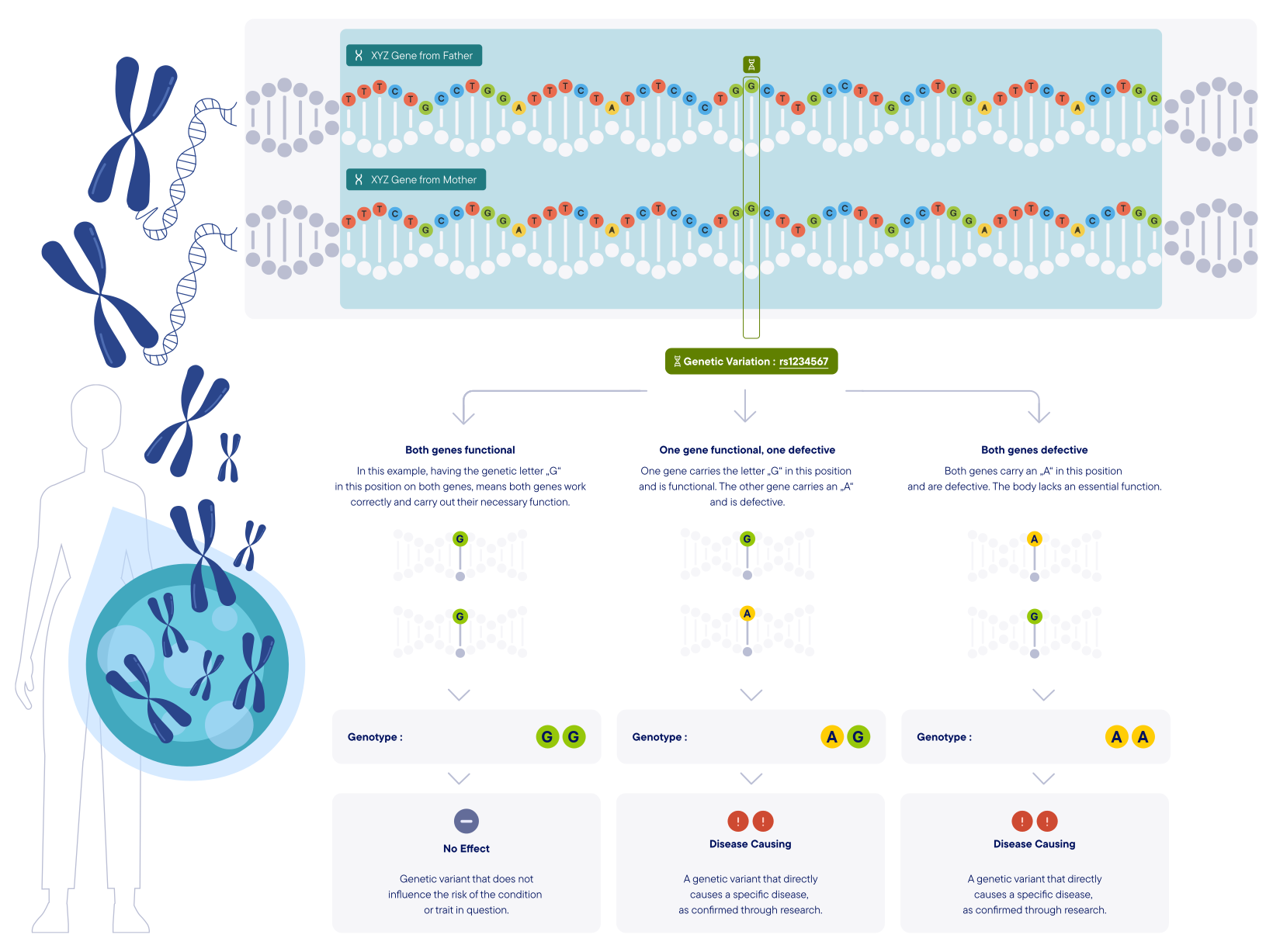
Humans have more than 20,000 genes, each carrying out one or a few specific functions in the body. One gene instructs the body to digest lactose from milk, another tells the body how to build strong bones and another prevents the body's cells from beginning to multiply uncontrollably and developing into cancer. As all of these genes combined are the building instructions for our body, a defect in one of these genes can have severe health consequences.
Through decades of genetic research, we know the genetic code of any healthy/functional human gene. We have also identified that in certain positions on a gene, some individuals may have a different genetic letter from the one you have. We call these hotspots "Genetic Variations" or "Variants" in short. In many cases, studies have been able to show that having the genetic letter "G" in the position makes you healthy, but having the letter "A" in the same position disrupts the gene function and causes a disease. Genopedia allows you to view these variants in genes and summarizes all that we know from scientific research, which genetic letters (Genotype) have good or bad consequences on your health or on your traits.
History
Families and communities once noticed patterns: a baby who stayed smaller than expected, a child whose milestones came later, a relative with a similar facial look and low muscle tone. Long before genetic testing, these shared features were observed but not easily connected. Parents often carried notebooks of appointments and early therapies, while clinicians compared notes, trying to understand why some children had a similar mix of developmental delays, feeding challenges, and heart or seizure concerns.
First described in the medical literature as a cluster of findings linked to missing DNA at the tip of chromosome 1’s short arm, the condition later came to be known as 1p36 deletion syndrome. In the 1980s and 1990s, advances in chromosome analysis allowed doctors to see larger missing pieces under the microscope. As technology improved, new tools like FISH and then microarray testing revealed smaller, subtler deletions that earlier methods missed. What once looked rare began to appear more often, not because the syndrome was new, but because testing became more precise.
From early theories to modern research, the story of 1p36 deletion syndrome has been one of steadily putting pieces together. Early reports focused on outward features and developmental patterns. Later studies mapped which exact genes were missing and how that might influence muscle tone, growth, hearing, or seizure risk. Researchers noticed that the size and location of the deletion could act like a dimmer switch, shaping how strong certain features might be from one person to another.
In recent decades, knowledge has built on a long tradition of observation. International registries, family groups, and collaborative studies helped define the full range of the syndrome, including the fact that many people live into adulthood and that supports can be tailored across the lifespan. This broadened view countered earlier assumptions that were based on only the most severe cases seen in specialty clinics.
Over time, descriptions became more accurate, and care improved with them. Earlier diagnosis—sometimes in the newborn period, sometimes later in childhood—meant earlier therapies, seizure monitoring, and checks of the heart, vision, and hearing. Genetics teams began offering counseling that explained recurrence risks and guided family planning, reflecting the growing understanding that most deletions arise as a new change and are not inherited.
Looking back helps explain why 1p36 deletion syndrome is recognized more readily today than in the past. Not every early description was complete, yet together they built the foundation of today’s knowledge. What began as scattered observations is now a well-defined genetic condition, with clearer care pathways and a community of families and clinicians who continue to refine what we know.