
17p11.2 microduplication syndrome is a genetic condition caused by an extra copy of a small segment on chromosome 17. People with 17p11.2 microduplication syndrome often have developmental delays, learning differences, and sometimes speech or motor challenges. Many also have distinct facial features that a doctor may notice, and some have behavioral differences or low muscle tone. Signs usually appear in infancy or early childhood and the condition is lifelong, but not everyone will have the same experience. Care focuses on supportive therapies like speech, occupational, and physical therapy, with regular follow-up to address needs, and the outlook can vary, but many people live long and full lives.
Overview
17p11.2 microduplication syndromeSymptoms
Early signs of 17p11.2 microduplication syndrome include low muscle tone, poor feeding, and slow weight gain in infancy. Many later have speech and learning delays, social-communication differences, and behavioral rigidity. Some have heart defects, sleep-disordered breathing, or scoliosis.
Outlook and prognosis
Most people with 17p11.2 microduplication syndrome grow and learn at their own pace, with wide variation in abilities. Early therapies and school supports often improve communication, motor skills, and independence. Ongoing checkups help address learning, behavior, sleep, and growth needs.
Causes and risk factors
Caused by an extra copy of a small segment on chromosome 17 (17p11.2), usually a new change, sometimes inherited in an autosomal dominant pattern. Risk is higher when a parent carries the duplication. Environmental or lifestyle factors aren’t known contributors.
Genetic influences
Genetics is central to 17p11.2 microduplication syndrome because the extra copy of genes in this region drives the condition. Most cases arise spontaneously; some are inherited in an autosomal dominant pattern. Genetic testing confirms the diagnosis and guides family planning.
Diagnosis
Doctors consider 17p11.2 microduplication syndrome when developmental and physical features suggest it. The genetic diagnosis of 17p11.2 microduplication syndrome is confirmed with blood-based genetic tests that detect the extra segment at 17p11.2. Family testing may clarify inheritance.
Treatment and drugs
Treatment for 17p11.2 microduplication syndrome is tailored to each person’s needs, often combining therapies that support development, learning, sleep, and behavior. Care may include speech, occupational, and physical therapy; sleep management; seizure control; and educational supports. A coordinated team—pediatrics, neurology, genetics, and psychology—usually guides care over time.
Symptoms
In infancy, many families notice feeding struggles, a “floppy” feel from low muscle tone, and slower milestone timing. Parents sometimes ask about early features of 17p11.2 microduplication syndrome, such as feeding challenges and low muscle tone. Features vary from person to person and can change over time. As children grow, differences in speech, learning, sleep, and social communication can become more apparent.
Many infants have trouble latching or sucking and may spit up often. Weight gain can be slow even with frequent feeds. A feeding specialist can suggest pacing or other strategies.
Babies can feel floppy and tire easily during feeds. Head control and sitting upright take longer. This low tone (hypotonia) can also affect posture and coordination.
Sitting, crawling, and walking often happen later than peers. Physical therapy can help build strength and balance.
First words may come later, and speech can be hard to understand. Oral-motor planning differences can contribute. Speech therapy supports clearer speech and language growth.
How people usually first notice 17p11.2 microduplication syndrome?
Families often first notice 17p11.2 microduplication syndrome in infancy or early childhood when a baby has low muscle tone that makes feeding, latching, or head control harder than expected, or when developmental milestones like sitting, first words, or walking arrive later. Doctors may first suspect it after a routine check-up notes small head size, subtle facial differences, or growth that’s below the curve, and a developmental evaluation raises concerns about speech, learning, or behavior. The “first signs of 17p11.2 microduplication syndrome” are usually confirmed with genetic testing such as chromosomal microarray when these early patterns prompt a referral.
Types of 17p11.2 microduplication syndrome
17p11.2 microduplication syndrome is a genetic condition, and clinicians recognize a few clinical variants based on the exact size and genes included in the duplicated segment. These variants can shape how early symptoms appear and how strongly they affect learning, growth, and behavior. People may notice different sets of symptoms depending on their situation. When reading about types of 17p11.2 microduplication syndrome, you’ll often see terms tied to the chromosome region and which genes are duplicated.
Typical duplication
This involves the common recurrent duplication spanning the Smith–Magenis syndrome region in 17p11.2. Many have global developmental delay, low muscle tone, and speech delay, with variable learning needs.
Smaller nested duplication
These partial duplications sit within 17p11.2 and include fewer genes. Symptoms can be milder, sometimes limited to speech or motor delays, but may still include attention or behavior differences.
Larger extended duplication
This includes the 17p11.2 core region plus neighboring segments. People often have more noticeable developmental and behavioral challenges, and may show additional features depending on the extra genes involved.
RAI1-inclusive variant
The duplicated segment includes the RAI1 gene, which acts like a key driver for many features. Early symptoms of 17p11.2 microduplication syndrome in this group often include developmental delay, hypotonia, and sleep or behavior differences.
Non-RAI1 variant
The duplication does not include RAI1 but captures other genes in 17p11.2. Features may center on milder developmental delays or specific learning and attention profiles, sometimes with fewer physical findings.
What genetics can tell you about symptoms
Extra copies on chromosome 17p11.2 can boost dosage of genes like RAI1, leading to developmental delays, speech problems, low muscle tone, short stature, and distinctive facial features. Some also have attention challenges, sleep disturbance, seizures, or heart and kidney differences.
Causes and risk factors
17p11.2 microduplication syndrome is caused by an extra copy of a small region on chromosome 17, usually including the RAI1 gene. Some risks are written in our DNA, passed down through families. Most cases happen as a new change at conception, but a parent with the duplication can pass it on with a 50% chance to each child. Lifestyle or pregnancy exposures do not cause the duplication, but they can shape how mild or severe features are. Severity and early symptoms of 17p11.2 microduplication syndrome vary widely because other genes and health factors play a role.
Environmental and biological risk factors
Here are the environmental and biological factors linked to how 17p11.2 microduplication syndrome can arise in a pregnancy. Doctors often group risks into internal (biological) and external (environmental). Families who have noticed early symptoms of 17p11.2 microduplication syndrome in a child sometimes wonder what may have increased the chance that the duplication occurred. Most relate to events during egg or sperm formation rather than anything during daily life.
Repetitive stretches near 17p11.2 can misalign when eggs or sperm are made. This misalignment can lead to making an extra copy of the region. This is a recognized pathway for 17p11.2 microduplication syndrome.
Many cases begin as a spontaneous change in the egg or sperm at conception. This happens by chance and is not caused by anything a parent did.
Older eggs or sperm carry a slightly higher chance of new chromosomal changes in general. A clear, strong link to 17p11.2 microduplication syndrome specifically has not been confirmed. If there is an effect, it is likely small.
Rarely, some of a parent’s egg or sperm cells carry the duplication even when blood tests look normal. This can slightly raise the chance of another child with 17p11.2 microduplication syndrome.
Genetic risk factors
17p11.2 microduplication syndrome happens when a small piece of chromosome 17 is copied an extra time, often including the RAI1 gene. Some risk factors are inherited through our genes. Others occur as a new change at conception because this region is prone to copying slips. Understanding this can help families watch for early symptoms of 17p11.2 microduplication syndrome and plan care.

RAI1 dosage: Extra copies of the RAI1 gene drive most features of 17p11.2 microduplication syndrome. Duplications that include RAI1 tend to have a clearer pattern than those that miss it.
Recurrent duplication: A common region of about 3.7 million DNA letters at 17p11.2 is duplicated because repeated DNA segments can misalign during egg or sperm formation. This built‑in susceptibility helps explain 17p11.2 microduplication syndrome arising without any family history.
Autosomal dominant: If a parent carries the 17p11.2 microduplication, each child has a 50% chance to inherit it. Severity and specific features can vary widely, even within the same family.
De novo change: Many people have the duplication as a new change that neither parent carries. Parental blood tests often come back normal.
Parental mosaicism: Rarely, a parent has low‑level mosaicism in eggs or sperm, so the duplication is not seen on a routine blood test. This makes the chance of recurrence slightly higher than zero even when both parents test negative.
Atypical sizes: Duplications can be smaller or larger than the typical segment. Which genes are included can influence learning, growth, and medical features.
Chromosome rearrangement: A balanced translocation or inversion in a parent involving 17p11.2 can increase the chance of a child inheriting a duplicated segment. Chromosome studies may be considered when there’s a history suggesting a structural change in the family.
Lifestyle risk factors
17p11.2 microduplication syndrome is a genetic condition; lifestyle habits do not cause it. However, daily routines can meaningfully shape symptom control, growth, sleep, learning, and behavior. Understanding how lifestyle affects 17p11.2 microduplication syndrome helps families prioritize efforts that reduce complications and support development.
Consistent, unrushed meals with appropriate textures can lower choking and aspiration risk from oral–motor incoordination. Avoiding large late meals may lessen reflux that can disturb sleep and growth.
Adequate protein and energy support catch-up growth and muscle strength in the setting of hypotonia. Limiting sugary and sticky foods can reduce dental decay risk heightened by oral–motor challenges.
Regular fluids and fiber-rich foods can ease constipation, which is common and may worsen abdominal discomfort and feeding refusal. Poor hydration can also aggravate reflux symptoms.
Daily, play-based movement and therapy-guided exercises can improve tone, motor skills, and endurance. Inactivity may worsen hypotonia, delay milestones, and increase scoliosis and deconditioning risk.
Risk prevention
For 17p11.2 microduplication syndrome, the aim isn’t to prevent the duplication itself—it’s present from birth—but to lower the chance of complications and catch problems early. Paying attention to early symptoms of 17p11.2 microduplication syndrome, like feeding difficulty, slow motor milestones, or snoring, helps guide timely care. Coordinated visits with pediatrics, genetics, and therapists can make a real difference over time. Different people need different prevention strategies—there’s no single formula.
Learn how 17p11.2 microduplication syndrome can be inherited and what that means for family planning. Discuss options like prenatal testing or IVF with embryo testing to reduce recurrence risk.
Starting physical, occupational, and speech therapy early can support motor skills, feeding, and communication. This may prevent secondary issues like falls, aspiration, or delayed language.
Monitor for reflux, choking, or slow weight gain, especially in infancy. A dietitian and swallowing therapy can improve nutrition and reduce aspiration risk.
Watch for loud snoring, pauses in breathing, or restless sleep in children with 17p11.2 microduplication syndrome. A sleep study and treatment of apnea can protect growth, learning, and heart health.

Transmission
17p11.2 microduplication syndrome is not contagious; you can’t catch it or pass it through casual contact. It happens when there’s an extra copy of a small piece of chromosome 17, most often due to a new change that occurs in the egg or sperm or very early after conception.
If a parent has the same microduplication, each pregnancy has a 50% chance of inheriting it; this pattern is called autosomal dominant, meaning one extra copy is enough to cause the condition. If you’re wondering how 17p11.2 microduplication syndrome is inherited, a genetics professional can explain the genetic transmission of this syndrome and talk through family planning choices.
When to test your genes
Test your genes if a child shows unexplained developmental delays, low muscle tone, feeding difficulties, or distinctive features, or if a clinician suspects a chromosomal duplication. Testing also helps when there’s a family history of 17p11.2 changes or an unexplained prior genetic result. Confirming the diagnosis guides therapies, education plans, and surveillance.
Diagnosis
You might notice small changes in daily routines—like feeding challenges in infancy, low muscle tone, delayed first words, or learning differences—that prompt a developmental evaluation. From there, doctors look for a pattern of features and use chromosome-based tests to confirm what’s going on. Early and accurate diagnosis can help you plan ahead with confidence. In most cases, the genetic diagnosis of 17p11.2 microduplication syndrome is confirmed by finding an extra copy of a small segment on chromosome 17 that includes the RAI1 gene.
Providers look for developmental delays, low muscle tone, feeding or sleep issues, and subtle facial traits. This pattern raises suspicion for 17p11.2 microduplication syndrome and guides which genetic tests to order.
This is the first-line test to detect the 17p11.2 duplication, including the RAI1 region. It also shows the size of the duplicated segment and whether other copy-number changes are present.
FISH, MLPA, or qPCR can confirm a known 17p11.2 duplication or test relatives. These methods are helpful when microarray results need clarification or when a quicker, focused test is preferred.
Exome or genome sequencing that includes copy-number analysis can identify the duplication. This is useful when broad testing is already underway for developmental or medical concerns.
Stages of 17p11.2 microduplication syndrome
17p11.2 microduplication syndrome does not have defined progression stages. It’s a lifelong, variable condition where abilities and health needs can change with age, so people don’t move through set stages; instead, doctors track progress with periodic developmental reviews and checks for heart, sleep, and other medical issues. Early symptoms of 17p11.2 microduplication syndrome can include feeding difficulties, low muscle tone, and delays in speech or motor skills, and diagnosis is usually confirmed with genetic testing such as a chromosomal microarray. Early and accurate diagnosis helps you plan ahead with confidence.
Outlook and prognosis
Looking ahead can feel daunting, but most children with 17p11.2 microduplication syndrome continue to gain new skills over time. Early care can make a real difference, especially for speech, learning, and behavioral support, and many families see steady progress with therapies and school accommodations. The outlook is not the same for everyone, but day-to-day independence in adulthood often depends on the degree of developmental delay, the presence of attention or anxiety symptoms, and how early services were started.
Prognosis refers to how a condition tends to change or stabilize over time. For 17p11.2 microduplication syndrome, medical concerns tend to be manageable: growth may be smaller than average, feeding issues can improve with age, and common challenges include learning differences, ADHD-like features, and sometimes low muscle tone. Severe medical complications are uncommon, and current reports suggest normal life expectancy for most, though data are limited because the condition is rare. Some people experience mild learning needs and live independently, while others notice they benefit from ongoing support for education, work, or social skills. Seizures can occur in a subset; if present, seizure control often improves outcomes. Understanding the prognosis can guide planning and help you match supports to current needs while keeping an eye on future goals.
Families often want to know how life will change as their child grows, and practical questions usually start with early symptoms of 17p11.2 microduplication syndrome such as delayed first words or feeding difficulties. With consistent therapies, many people maintain good health, form friendships, and build routines that work for them. Talk with your doctor about what your personal outlook might look like, including cardiac or neurologic screening if recommended, and revisit the plan as new evidence emerges. Genetic testing can sometimes provide more insight into prognosis, especially if additional genetic factors are present, but not everyone with the same gene change will have the same outlook.
Long-term effects
Many living with 17p11.2 microduplication syndrome think about the future in terms of learning, health checks, and day-to-day support needs. Families may first notice developmental delays as early symptoms of 17p11.2 microduplication syndrome, with later patterns becoming clearer over childhood. Everyone’s path looks different, and ongoing support can be tailored as needs change. Most long-term effects are stable or improve with maturity, while a few areas, like sleep or spine alignment, may need monitoring over time.
Thinking and learning skills can range from mild to more noticeable differences. Some people reach school goals at their own pace, while others need ongoing educational support.
People with 17p11.2 microduplication syndrome often have delayed first words and slower progress in expressive language. Speech sound clarity and understanding longer instructions may remain challenging into adulthood.
Early low muscle tone can delay sitting, standing, and walking. As years go by, fine motor tasks and coordination may stay a bit clumsy, with effortful handwriting or sports skills.
Infancy may bring weak suck and poor weight gain. Later childhood can shift toward normal growth or a tendency to gain excess weight.
How is it to live with 17p11.2 microduplication syndrome?
Daily life with 17p11.2 microduplication syndrome often revolves around supporting learning, communication, and behavior, with routines, visual cues, and consistent therapies making school and home smoother. Many living with this condition may have low muscle tone, motor delays, or sleep and attention challenges, so everyday tasks—getting dressed, feeding, transitions—can take extra time and patience. Families, siblings, and teachers usually become partners in care, coordinating speech, occupational, and behavioral supports, and celebrating steady, small gains. With structured expectations, tailored education plans, and a team that understands sensory needs, many children and adults build meaningful skills and connections.
Treatment and drugs
Treatment for 17p11.2 microduplication syndrome focuses on supportive care tailored to each person’s needs, since there’s no single medicine that reverses the genetic change. Early therapies often include speech and language support, physical and occupational therapy to build motor skills and coordination, and educational plans with learning supports; some children also benefit from behavioral therapy if attention, anxiety, or autistic features are present. Doctors sometimes recommend a combination of lifestyle changes and drugs, such as treating seizures with anti-seizure medicines if they occur, managing sleep problems, reflux, or constipation, and addressing attention or mood symptoms when needed. Regular check-ins with a pediatrician or primary doctor, plus referrals to cardiology, neurology, ENT/audiology, ophthalmology, and genetics, help monitor growth, hearing, vision, heart structure, and development over time. Supportive care can make a real difference in how you feel day to day, and care plans usually evolve as children grow into adolescence and adulthood.
Non-drug treatment
For many families, the most helpful support for 17p11.2 microduplication syndrome starts with everyday therapies that build skills over time. Beyond prescriptions, supportive therapies can strengthen movement, communication, feeding, learning, and behavior from infancy through adulthood. Early symptoms of 17p11.2 microduplication syndrome can include feeding trouble, low muscle tone, and delayed speech, so starting services early often makes a difference. Plans are tailored, and they change as needs change.
Infant and toddler programs provide therapy in the home or clinic during key developmental windows. They focus on movement, feeding, play, and early communication.
Exercises and play-based activities build strength, balance, and coordination. This can help with sitting, crawling, walking, and stamina in 17p11.2 microduplication syndrome.
Fine-motor skills, hand strength, and daily living tasks are practiced step by step. Therapists also suggest adaptations to make dressing, feeding, and schoolwork easier.
Language and speech sound practice support clearer communication. Therapists also work on understanding language and using gestures, pictures, or devices when speech is delayed.
Your genes may have an impact on how drugs work for you
Medicines can work differently in people with 17p11.2 microduplication syndrome because extra copies of genes on 17p11.2 may change how the body handles drugs or how brain and heart pathways respond. Pharmacogenetic testing and go‑slow dosing help tailor safer, more effective treatment.
Pharmacological treatments
Medicines for 17p11.2 microduplication syndrome focus on easing day-to-day symptoms like attention challenges, sleep trouble, reflux, constipation, behavior concerns, and—less often—seizures. Drugs that target symptoms directly are called symptomatic treatments. Choices are tailored to the person’s age, symptoms, and other health needs. Plans often change over time as needs evolve.
Methylphenidate or amphetamine salts can improve focus and reduce hyperactivity. Atomoxetine, guanfacine, or clonidine are alternatives if stimulants aren’t a good fit.
Selective serotonin reuptake inhibitors like fluoxetine or sertraline may ease anxiety, repetitive thoughts, or mood symptoms. Doses are started low and adjusted slowly to reduce side effects.
Risperidone or aripiprazole can help with severe irritability or aggression when behavioral supports aren’t enough. Doctors monitor weight, appetite, and movement side effects closely.
Melatonin at bedtime can improve sleep onset and timing. Clonidine at low dose may help when restlessness or ADHD symptoms affect sleep in 17p11.2 microduplication syndrome.
Genetic influences
An extra copy of a small stretch of DNA on chromosome 17 (the 17p11.2 region) leads to the features seen in this condition. The duplicated segment usually includes a key gene called RAI1, and having it twice can act like turning up a dimmer switch, altering how growth, learning, sleep, and other systems are regulated. Many families ask whether 17p11.2 microduplication syndrome is inherited or happens for the first time in a child. In most cases the duplication is new (not present in either parent), but if a parent has it, each child has a 1 in 2 (50%) chance of inheriting it. How it shows up can vary from person to person, even within the same family, because the duplicated piece can differ in size and everyone’s background genetics is a little different. DNA testing can sometimes identify these changes and confirm 17p11.2 microduplication syndrome.
Is 17p11.2 microduplication syndrome genetic?
Genetics is central to 17p11.2 microduplication syndrome because the extra copy of genes in this region drives the condition. Most cases arise spontaneously; some are inherited in an autosomal dominant pattern. Genetic testing confirms the diagnosis and guides family planning.
Pharmacogenetics—how genetics influence drug effects
In 17p11.2 microduplication syndrome, medicines are chosen to manage features like attention and behavior symptoms, anxiety or mood concerns, sleep problems, and, if present, seizures or sleep‑related breathing issues—rather than to treat the duplication itself. The duplication is not known to directly change the liver enzymes that process most drugs, but common drug–gene differences seen in the general population still apply. Genes can influence how quickly you process certain medicines, which can affect side effects and the dose that works best. With that in mind, pharmacogenetic testing for 17p11.2 microduplication syndrome may help fine‑tune choices and dosing for medicines like atomoxetine, some antidepressants (such as SSRIs or tricyclics), and certain antiseizure drugs. Features linked to the syndrome also matter for safety: sleep apnea and low muscle tone can increase the risk of breathing problems with sedatives, opioids, and anesthesia, so clinicians often start low and monitor closely. If heart structure or rhythm differences are present, a cardiology review is sensible before starting stimulant medicines for attention symptoms. Sleep–wake disruption related to the RAI1 region means melatonin or behavioral sleep strategies may help, but these are usually guided by response rather than genetics.
Interactions with other conditions
People with 17p11.2 microduplication syndrome often see overlaps with other conditions, especially neurodevelopmental and sleep-related issues. Doctors call it a “comorbidity” when two conditions occur together. Autism spectrum features, ADHD, and anxiety are commonly reported, and sleep-disordered breathing such as obstructive sleep apnea can make daytime behavior, attention, and learning tougher. Early symptoms of 17p11.2 microduplication syndrome may resemble or blend with signs of autism or ADHD, so coordinated evaluation helps sort out what is driving speech, social, or motor delays. Some people also have seizures or congenital heart differences, and these can interact with feeding difficulties, reflux, or low muscle tone to raise the risk of poor growth or respiratory infections. Because the 17p11.2 region is linked to a gene that influences daily rhythms and development, sleep problems can amplify other health issues, while timely treatment of apnea, reflux, or seizures often improves behavior, energy, and overall progress.
How genes can cause diseases
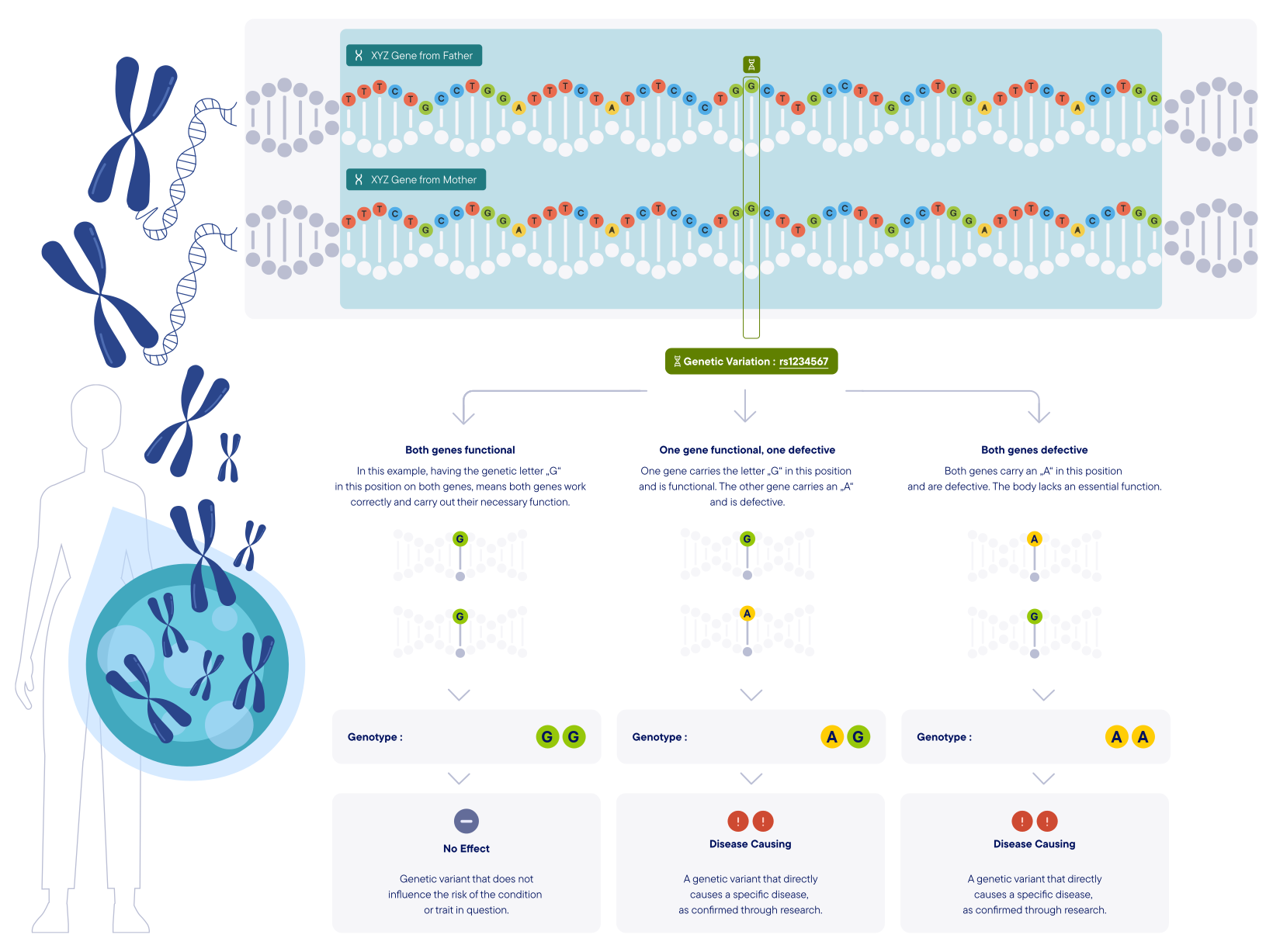
Humans have more than 20,000 genes, each carrying out one or a few specific functions in the body. One gene instructs the body to digest lactose from milk, another tells the body how to build strong bones and another prevents the body's cells from beginning to multiply uncontrollably and developing into cancer. As all of these genes combined are the building instructions for our body, a defect in one of these genes can have severe health consequences.
Through decades of genetic research, we know the genetic code of any healthy/functional human gene. We have also identified that in certain positions on a gene, some individuals may have a different genetic letter from the one you have. We call these hotspots "Genetic Variations" or "Variants" in short. In many cases, studies have been able to show that having the genetic letter "G" in the position makes you healthy, but having the letter "A" in the same position disrupts the gene function and causes a disease. Genopedia allows you to view these variants in genes and summarizes all that we know from scientific research, which genetic letters (Genotype) have good or bad consequences on your health or on your traits.
History
Throughout history, families and communities once noticed patterns of babies who seemed small at birth, later grew slowly, and needed extra help with learning and speech. Without today’s testing, people with what we now call 17p11.2 microduplication syndrome were often grouped under broad labels for developmental delay or learning differences, and their shared features were easy to miss across different clinics and regions.
From early theories to modern research, the story of 17p11.2 microduplication syndrome followed advances in chromosome testing. In the late 20th century, doctors learned that an extra copy of a small segment on chromosome 17 could cause a consistent set of findings. This same stretch of DNA is involved—when deleted—in Smith-Magenis syndrome. As laboratory tools improved, researchers recognized that having an extra piece in this region leads to a related but distinct condition, sometimes called the “reciprocal” of the deletion.
In recent decades, knowledge has built on a long tradition of observation. High-resolution methods like chromosomal microarray and, later, genome-wide sequencing allowed clinicians to detect very small duplications at 17p11.2 that older tests could not see. With each decade, more families were identified, and reports clarified common features such as low muscle tone in infancy, speech delay, and differences in growth and behavior. Doctors also noted that some people have mild or subtle signs and may not be diagnosed until a child in the family is tested, highlighting why it was overlooked in the past.
Once considered rare, now recognized as more common than early reports suggested, 17p11.2 microduplication syndrome has been defined by both shared traits and wide variability. Some children need coordinated therapies and educational support, while others function independently and are diagnosed only after genetic screening. This range reflects the size of the duplicated segment and which genes it includes, along with individual and family factors.
Today’s understanding rests on collaboration between clinicians, geneticists, and families who contributed medical histories and participated in research. Caregivers in the past often pieced together practical solutions long before a genetic answer was available. Knowing the condition’s history helps explain why some adults receive a diagnosis later in life and why early symptoms of 17p11.2 microduplication syndrome can be subtle. The historical path—from scattered descriptions to precise genetic testing—continues to shape care, counseling, and support for those living with this chromosome change.