
16p13.11 microdeletion syndrome is a genetic condition caused by a small missing piece of chromosome 16. Features can include developmental delay, learning differences, attention or behavior challenges, and sometimes seizures. Many people with 16p13.11 microdeletion syndrome have mild to moderate effects and live into adulthood, but features vary widely. Care focuses on early therapies, educational support, seizure management if needed, and regular check-ins with specialists. Genetic counseling can help families understand inheritance and future risks.
Overview
16p13.11 microdeletion syndromeSymptoms
16p13.11 microdeletion syndrome often appears in infancy or childhood with developmental and speech delays, learning difficulties, and behavior differences like attention challenges or autism traits. Some have seizures, small head size, feeding issues, or heart or limb differences.
Outlook and prognosis
Many living with 16p13.11 microdeletion syndrome do well with early supports, though needs vary widely. Developmental progress often continues over time, and seizures—if present—can be managed. Regular check-ins help address learning, behavior, heart, or other health features promptly.
Causes and risk factors
16p13.11 microdeletion syndrome stems from a small missing segment on chromosome 16, arising spontaneously before birth or inherited from a parent who carries the deletion. Risk centers on parental carrier status or family history; environment and lifestyle don’t cause it.
Genetic influences
Genetics is central to 16p13.11 microdeletion syndrome, which results from a small missing segment on chromosome 16. The deletion can be inherited or occur as a new (de novo) change. Variable expressivity means symptoms and severity differ widely, even within families.
Diagnosis
Doctors suspect 16p13.11 microdeletion syndrome from developmental, learning, or birth-feature patterns. The genetic diagnosis of 16p13.11 microdeletion syndrome is confirmed with chromosomal microarray or targeted genetic testing, often with parental testing to clarify inheritance and guide counseling.
Treatment and drugs
Treatment for 16p13.11 microdeletion syndrome is tailored to each person’s needs, often combining developmental therapies, educational supports, and speech/occupational/physical therapy. Care teams may include neurology, cardiology, ophthalmology, and genetics, with monitoring for seizures, heart differences, and learning challenges. Medications address specific symptoms like epilepsy, ADHD, anxiety, or sleep issues, and regular follow-up helps adjust supports over time.
Symptoms
16p13.11 microdeletion syndrome can affect development, learning, and behavior in ways that show up in everyday routines. Parents and caregivers often notice early features of 16p13.11 microdeletion syndrome, such as slower progress with sitting, walking, or first words. Features vary from person to person and can change over time. Some people have only mild differences, while others need ongoing therapies and supports.
In 16p13.11 microdeletion syndrome, milestones like sitting, crawling, or walking may come later than peers. Physical and occupational therapy can help build strength and coordination. Timing varies widely across individuals.
First words and sentences may be delayed. Some children have trouble pronouncing words or understanding directions. Communication supports like speech therapy or picture systems can help.
Many with 16p13.11 microdeletion syndrome have mild to moderate learning challenges, especially with reading, writing, or math. A tailored education plan often helps steady progress at school. Strengths may include visual learning or strong interests.
Short attention span, impulsivity, or high activity can be present. These can affect classroom learning and day-to-day routines. Behavioral strategies and, at times, medication may be considered.
How people usually first notice 16p13.11 microdeletion syndrome?
Many families first notice 16p13.11 microdeletion syndrome in early childhood when developmental milestones arrive later than expected, such as delayed sitting, walking, or first words, or when a pediatrician flags low muscle tone and feeding difficulties in infancy. Some children are evaluated after learning or attention challenges surface in preschool or primary school, or when seizures, unusual head size (either smaller or larger than average), or subtle facial features prompt genetic testing. In other cases, the first signs of 16p13.11 microdeletion syndrome appear prenatally through findings like growth differences on ultrasound, leading to chromosomal microarray testing that confirms the diagnosis.
Types of 16p13.11 microdeletion syndrome
16p13.11 microdeletion syndrome is a genetic condition with a wide range of effects, from no symptoms to learning and health challenges. Variants of 16p13.11 microdeletion are usually described by the size of the missing DNA segment and whether the change is present in one parent (inherited) or occurs new in the child (de novo). People may notice different sets of symptoms depending on their situation. When discussing types of 16p13.11 microdeletion syndrome, clinicians focus on recognizable variant patterns rather than single symptoms.
Typical recurrent deletion
This is the most commonly seen 1.3–1.6 Mb segment missing on one chromosome 16. Many people have mild or no symptoms, while others may have developmental delay, learning differences, or seizures.
Smaller nested deletions
A shorter section inside the usual region is missing. Effects can be similar but sometimes milder, and may go unnoticed until a family member is tested.
Larger extended deletions
The missing segment stretches beyond the recurrent region. This can increase the chance of developmental delay, growth or structural differences, and epilepsy.
De novo deletion
The microdeletion appears for the first time in the child. This may carry a higher chance of noticeable features, but outcomes still vary widely from mild to more significant challenges.
Inherited deletion
One parent also carries the deletion, sometimes without symptoms. Children may show mild, moderate, or no effects, and family testing can clarify recurrence risk and reveal types of 16p13.11 microdeletion syndrome within a family.
What genetics can tell you about symptoms
Some people with a 16p13.11 microdeletion have developmental delays, learning differences, speech delay, attention or autism spectrum features, seizures, or heart differences, and which ones appear can vary widely. That’s because the missing DNA segment can remove or “dim” certain genes that support brain and organ development, changing how strongly symptoms show up.
Causes and risk factors
16p13.11 microdeletion syndrome happens when a small piece of DNA on chromosome 16 is missing.
The change can start for the first time in a child or be inherited from a parent who may have few or no signs.
If a parent carries the microdeletion, each child has a 50% chance to inherit it.
Some risks are modifiable (things you can change), others are non-modifiable (things you can’t).
Health and environment do not cause the deletion, but they can shape outcomes and help explain why early symptoms of 16p13.11 microdeletion syndrome can vary.
Environmental and biological risk factors
16p13.11 microdeletion syndrome happens when a tiny piece of chromosome 16 is missing, often due to a chance event around the time an egg or sperm forms. If you're looking up early symptoms of 16p13.11 microdeletion syndrome, keep in mind that features can range widely; here, we’re focusing on what can raise the chance of the deletion itself. Genes provide a baseline, but daily surroundings add new layers. Most of these risks are not under your control, and everyday exposure levels are usually low.
When eggs or sperm form, DNA is copied and swapped between chromosomes. Rare misalignment on chromosome 16 can remove the 16p13.11 section. This is typically a one-time, chance event.
The 16p13.11 area contains repeated DNA stretches that can mispair during these swaps. This natural layout makes that spot more vulnerable to small deletions. When this happens, 16p13.11 microdeletion syndrome can occur.
Aging eggs have higher rates of chromosome separation problems, mainly affecting whole chromosomes. A clear link with 16p13.11 microdeletions has not been shown, so any effect, if present, is likely small.
New DNA changes in sperm become more common with age, especially tiny sequence changes. Evidence for a rise in this specific microdeletion is limited and inconsistent.
Genetic risk factors
Changes in the 16p13.11 region can appear out of the blue or run in families. 16p13.11 microdeletion syndrome refers to a missing piece at this spot that can look very different from one person to the next. Understanding the inheritance patterns of 16p13.11 microdeletion syndrome can help estimate recurrence within a family. Risk is not destiny—it varies widely between individuals.

Genomic hotspot: Repeated DNA sequences in the 16p13.11 region make this spot prone to copy losses during egg or sperm formation. These repeats can misalign, leading to a small piece being deleted. This is a common mechanism behind recurrent microdeletions.
De novo deletion: A deletion can appear for the first time in a child even when both parents have chromosomes that test normal. It usually happens by chance when reproductive cells form or shortly after fertilization. Recurrence risk in future pregnancies is typically low when testing confirms neither parent carries the deletion.
Inherited deletion: When a parent carries the change, each child has a 50% chance of inheriting it. The parent may have mild or no features, yet the child could still develop signs of 16p13.11 microdeletion syndrome. This pattern is considered autosomal dominant with variable expressivity.
Parental mosaicism: Sometimes a parent has the deletion in only a fraction of their cells, called mosaicism. Standard blood testing can miss low-level mosaicism, so a truly de novo result may still carry a small recurrence risk. Testing that looks for mosaicism can refine future pregnancy risk.
Deletion size: The size of the 16p13.11 deletion and which genes are included can vary from family to family. Larger losses may raise the chance of features, but the severity of 16p13.11 microdeletion syndrome does not strictly predict from size alone. This helps explain why outcomes differ among relatives with the same deletion.
Additional variants: Other genetic changes elsewhere in the genome can modify how the deletion shows up. People with 16p13.11 microdeletion syndrome may have more symptoms if another small deletion or duplication is also present. This may partly explain why features differ so much between families.
Lifestyle risk factors
16p13.11 microdeletion syndrome is a genetic condition; lifestyle habits do not cause it, but daily choices can shape symptom control, development, and complication risk. The points below explain how lifestyle affects 16p13.11 microdeletion syndrome in practical ways across sleep, activity, nutrition, and routines. These are supportive strategies that can be tailored by clinicians and therapists for the individual.
Consistent, adequate sleep can reduce irritability, inattention, and behavior dysregulation common in this syndrome. Good sleep may also lower seizure likelihood in those who are susceptible.
Regular, play-based movement helps improve muscle tone, coordination, and endurance often affected by developmental delay or hypotonia. Activity can also support attention and reduce restlessness or anxiety.
Adequate calories, protein, and fiber support growth and help manage feeding challenges or constipation seen in some individuals. Avoiding excessive sugars and ultra-processed foods may reduce weight gain that can worsen mobility and fatigue.
Consistent engagement in speech, occupational, and physical therapies accelerates skill acquisition and supports communication and daily living independence. Home practice between sessions generalizes gains to real-world settings.
Risk prevention
16p13.11 microdeletion syndrome is a genetic condition, so you can’t prevent the change in DNA itself, but you can lower the chance of complications and support healthy development. Prevention here means planning ahead, catching issues early, and creating steady routines that protect learning, behavior, and overall health. Some prevention is universal, others are tailored to people with specific risks. Families thinking about pregnancy can also explore options to understand and manage recurrence risk.
A genetics professional can explain recurrence risk and what it may mean for future pregnancies. They can also review family testing and discuss options like prenatal testing or IVF with embryo testing.
If a parent carries the microdeletion or there’s a family history, prenatal tests can check the baby’s chromosomes. Results help plan care before and after birth.
Knowing early symptoms of 16p13.11 microdeletion syndrome—such as feeding challenges, low muscle tone, or delayed milestones—helps families seek support sooner. Early identification opens the door to therapies that can reduce later complications.
Starting physical, occupational, and speech therapies early can support motor skills, communication, and learning. This can prevent secondary problems like falls, joint stiffness, and school difficulties.

Transmission
16p13.11 microdeletion syndrome is not infectious—it cannot be caught from someone else. The change can be passed from a parent who carries the 16p13.11 deletion; in that situation, each pregnancy has a 50% chance of inheriting it, and the effects can range from none to significant. Many cases also happen as a new change in the egg or sperm, with no family history. If neither parent has the deletion, the chance of it happening again in a future pregnancy is usually low; a genetics team can explain how 16p13.11 microdeletion syndrome is inherited in your family.
When to test your genes
Consider genetic testing if you or your child have unexplained developmental delays, learning differences, seizures, congenital anomalies, or features a clinician suspects could fit 16p13.11 microdeletion syndrome. Testing is also reasonable if a close relative carries this microdeletion or there’s a family history of similar neurodevelopmental or cardiac findings. Results can guide surveillance, therapies, and reproductive planning.
Diagnosis
For many, the first step comes when everyday activities start feeling harder—speech comes in late, schoolwork is tougher than expected, or a doctor notices subtle physical differences. Because signs can be mild or vary widely, 16p13.11 microdeletion syndrome is usually confirmed with genetic tests rather than appearance alone. Family history is often a key part of the diagnostic conversation. When a provider suspects it, they’ll discuss the genetic diagnosis of 16p13.11 microdeletion syndrome and which tests fit your situation.
A clinician reviews development, learning, behavior, seizures, and any birth differences. They also perform a focused physical exam looking for features that may fit 16p13.11 microdeletion syndrome.
A three‑generation family history can uncover relatives with similar learning or health patterns. This helps assess whether 16p13.11 microdeletion syndrome may run in the family.
This DNA test looks for tiny missing or extra pieces of chromosomes. It is a first‑line test for unexplained developmental delay, autism features, or congenital differences and can detect a 16p13.11 deletion.
Targeted methods such as FISH, MLPA, or qPCR can confirm the specific deletion and its size. These tests help verify laboratory findings and document the exact region involved.
Stages of 16p13.11 microdeletion syndrome
16p13.11 microdeletion syndrome does not have defined progression stages. It’s a genetic change present from birth, and its effects vary widely; some children have mild learning or behavioral differences, while others have additional medical findings, but there isn’t a predictable step-by-step decline. Diagnosis is usually made with genetic testing such as a chromosomal microarray after noticing developmental delays or other early symptoms of 16p13.11 microdeletion syndrome. Follow-up often includes periodic checks of growth and development, hearing and vision testing, and heart or kidney evaluations if needed; many people feel reassured knowing what their tests can—and can’t—show.
Outlook and prognosis
Looking at day-to-day life with 16p13.11 microdeletion syndrome, the range is wide. Some children have mild learning differences and subtle delays, while others need ongoing support for speech, movement, or behavior. Everyone’s journey looks a little different. A small number develop seizures, heart differences, or structural changes in the brain; many never do. Early care can make a real difference, especially when therapies start soon after early symptoms of 16p13.11 microdeletion syndrome, like delayed first words or difficulty with fine motor tasks, become noticeable.
When thinking about the future, it helps to know that most people with 16p13.11 microdeletion syndrome live into adulthood, and life expectancy is usually near typical when major organ problems or uncontrolled epilepsy are not present. Doctors call this the prognosis—a medical word for likely outcomes. Development tends to improve over time with speech, occupational, and educational supports, though some learning and attention challenges often persist. If seizures occur, well-chosen anti-seizure medicines can reduce events for many, and regular follow-up helps track growth, learning, and mental health.
The outlook is not the same for everyone, but patterns are emerging from research and family reports. Some people notice only mild issues that blend into everyday life, while for others, health concerns like epilepsy, autism features, or congenital anomalies shape the level of support needed. Serious complications are uncommon but can raise health risks; when heart or vascular differences are present, specialist care and monitoring guide decisions and may lower mortality risk. Talk with your doctor about what your personal outlook might look like, including which checks—like hearing, vision, heart, or neurologic reviews—fit your situation and how often to schedule them. Genetic testing can sometimes provide more insight into prognosis, particularly if other gene changes are found that modify the picture. With ongoing care, many people maintain good quality of life at school, at work, and in their communities.
Long-term effects
16p13.11 microdeletion syndrome tends to have a wide range of long-term features, from very mild to more noticeable. Long-term effects vary widely, and not everyone has the same needs over time. Many families remember early symptoms of 16p13.11 microdeletion syndrome such as later walking or talking, and some of these differences can continue into school years and adulthood. Some people remain largely unaffected, while others live with ongoing developmental, learning, or health concerns.
Many have mild to moderate learning challenges that continue into adult life. Reading, math, or processing speed may be areas that need extra support.
Focus, impulsivity, or hyperactivity can persist beyond childhood. For some, these traits affect school, work, and relationships.
Social communication differences or repetitive interests may be present. These traits can range from subtle to more apparent across life stages.
A lifelong risk of seizures exists for some people with 16p13.11 microdeletion syndrome. Seizure patterns can be variable, with periods of stability and change.
How is it to live with 16p13.11 microdeletion syndrome?
Day to day, 16p13.11 microdeletion syndrome can mean a mix of developmental delays, learning differences, and sometimes attention, behavior, or coordination challenges; some also live with seizures or congenital anomalies, while others have very mild features and function independently. Routines, extra time for learning, speech or occupational therapy, and school supports often make a real difference, and many families find progress comes steadily when goals are broken into small steps. For parents, caregivers, and siblings, there can be added appointments and advocacy, but also a shared rhythm: celebrating new skills, adapting environments, and building a care team that understands the child’s strengths. As people grow, individualized education plans, transition planning, and community resources help support independence, friendships, and quality of life.
Treatment and drugs
Treatment for 16p13.11 microdeletion syndrome focuses on the specific needs of each person rather than a single medicine that treats the deletion itself. Supportive care can make a real difference in how you feel day to day, and plans often include early developmental therapies (speech, occupational, and physical therapy), educational supports, and behavioral strategies for attention, learning, or autism-related features. Seizures, if present, are treated with standard anti-seizure medicines, and heart, kidney, or other organ findings are managed by the appropriate specialists using well-established guidelines. Doctors sometimes recommend a combination of lifestyle changes and drugs, such as sleep routines and migraine medicines for headaches, or ADHD medications alongside school-based supports. Regular follow-up with genetics, neurology, cardiology, and other teams helps track growth and development, adjust treatments as needs change, and offer family planning guidance when relevant.
Non-drug treatment
People with 16p13.11 microdeletion syndrome often benefit from a tailored mix of therapies that build skills for everyday life at home, school, and in the community. Early symptoms of 16p13.11 microdeletion syndrome—such as delayed milestones or low muscle tone—often prompt referral to supportive therapies. Alongside medicines, non-drug therapies can strengthen development, communication, learning, and behavior over time. Plans are individualized, since features and needs vary widely from child to adult.
Team-based services in infancy and preschool target movement, language, and play skills. Starting early can improve long-term independence.
Exercises build strength, balance, and coordination for sitting, walking, and playground skills. Therapists also coach families on safe positioning and home routines.
Practice with fine-motor and self-care skills supports feeding, dressing, and handwriting. Sensory strategies can help with focus and comfort in noisy or busy settings.
Sessions target speech sounds, understanding, and social communication. Therapists also assess swallowing and recommend safe textures if needed.
Your genes may have an impact on how drugs work for you
Medicines can affect people with 16p13.11 microdeletion syndrome differently because gene changes may alter how the body absorbs, breaks down, or responds to drugs. Pharmacogenetic testing and careful dose adjustments can help clinicians choose safer, more effective treatments.
Pharmacological treatments
Medicines for 16p13.11 microdeletion syndrome focus on specific symptoms such as seizures, attention and behavior difficulties, anxiety, and sleep problems. Choices borrow from well-tested options used in epilepsy, ADHD, and mood or anxiety conditions, tailored to age and health history. Not everyone responds to the same medication in the same way. Medicines are adjusted over time, and may shift as early symptoms of 16p13.11 microdeletion syndrome change from childhood into adulthood.
Levetiracetam, lamotrigine, or valproate are commonly used to prevent seizures. Rescue medicines such as diazepam or midazolam can be prescribed for prolonged seizures.
Methylphenidate or amphetamine-based options like lisdexamfetamine can improve focus and reduce hyperactivity. Appetite loss, trouble sleeping, and faster heart rate can occur, so growth and vitals are usually monitored.
Atomoxetine, guanfacine extended-release, or clonidine can help attention and impulsivity when stimulants aren’t a good fit. These may be useful if tics, anxiety, or appetite issues are present.
Fluoxetine, sertraline, or escitalopram may ease anxiety or depression. Doctors often start with a low dose and adjust slowly while watching for stomach upset, sleep changes, or mood shifts.
Genetic influences
In most people with 16p13.11 microdeletion syndrome, a tiny stretch of DNA is missing from chromosome 16 in a region called 16p13.11. This missing piece can occur for the first time in a child or be inherited from a parent who may have mild features—or no symptoms at all. Because the deletion can affect several genes at once, its effects vary widely; early symptoms of 16p13.11 microdeletion syndrome can range from subtle learning differences to more noticeable developmental or medical needs. Having a gene change doesn’t always mean you will develop the condition. If a parent has the 16p13.11 deletion, each child has a 50% chance of inheriting it, but how strongly it shows up can differ even within the same family. Genetic testing of blood or saliva can confirm the deletion, and genetic counseling can help you understand what the result means for you and your family.
Is 16p13.11 microdeletion syndrome genetic?
Genetics is central to 16p13.11 microdeletion syndrome, which results from a small missing segment on chromosome 16. The deletion can be inherited or occur as a new (de novo) change. Variable expressivity means symptoms and severity differ widely, even within families.
Pharmacogenetics—how genetics influence drug effects
For 16p13.11 microdeletion syndrome, medication plans are tailored to the person’s symptoms—like seizures, attention or mood differences, and any heart or developmental needs—rather than the deletion pointing to a single “right” drug or dose. Although the missing stretch of chromosome 16 includes several genes, it usually does not involve the well‑known liver enzyme genes that strongly control drug breakdown, so the deletion itself rarely predicts medication metabolism. Genetic testing can sometimes identify how your body processes certain medicines, which may help choose and dose anti‑seizure drugs or antidepressants often used in 16p13.11 microdeletion syndrome. In practice, clinicians may consider standard medicine‑response genetic tests to guide drugs where evidence exists, but these tests are general to many conditions and are not specific to drug response in 16p13.11 microdeletion syndrome. Because some may be more sensitive to side effects, care teams often “start low and go slow,” checking for changes in alertness, behavior, appetite, sleep, or seizure control. Genes are only one part of the plan; age, weight, liver and kidney function, and other prescriptions all shape how well a treatment works and how safe it is.
Interactions with other conditions
Day to day, people with 16p13.11 microdeletion syndrome often manage health needs that overlap with other conditions, like epilepsy, attention differences, or anxiety. Doctors call it a “comorbidity” when two conditions occur together. Neurodevelopmental and mental health diagnoses such as autism, ADHD, and mood disorders are more common in this syndrome, which can shape therapy plans and medication choices; for instance, some attention medicines may affect seizure control and need careful monitoring. A smaller but important group has a higher risk of problems with the aorta (the main artery), so high blood pressure, smoking, or a family history of aortic disease can add risk and make heart and vessel checkups more important. Infections, poor sleep, and certain medications can interact with epilepsy, and some families notice early symptoms of 16p13.11 microdeletion syndrome appear alongside developmental delays or learning differences. Because these interactions vary widely, coordinated care among neurology, cardiology, genetics, and mental health can help tailor treatment and lower the chance that one condition makes another harder to manage.
How genes can cause diseases
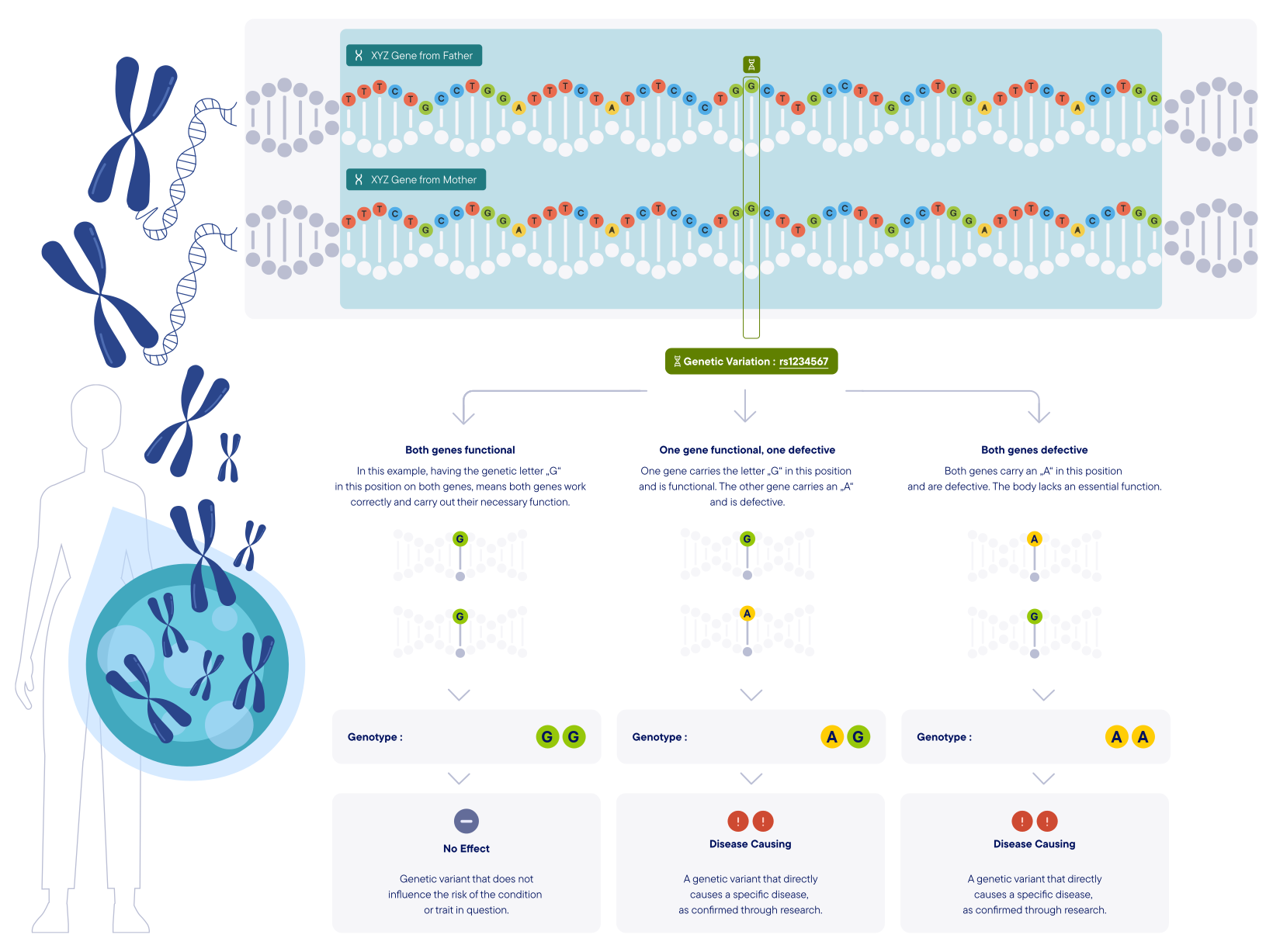
Humans have more than 20,000 genes, each carrying out one or a few specific functions in the body. One gene instructs the body to digest lactose from milk, another tells the body how to build strong bones and another prevents the body's cells from beginning to multiply uncontrollably and developing into cancer. As all of these genes combined are the building instructions for our body, a defect in one of these genes can have severe health consequences.
Through decades of genetic research, we know the genetic code of any healthy/functional human gene. We have also identified that in certain positions on a gene, some individuals may have a different genetic letter from the one you have. We call these hotspots "Genetic Variations" or "Variants" in short. In many cases, studies have been able to show that having the genetic letter "G" in the position makes you healthy, but having the letter "A" in the same position disrupts the gene function and causes a disease. Genopedia allows you to view these variants in genes and summarizes all that we know from scientific research, which genetic letters (Genotype) have good or bad consequences on your health or on your traits.
History
Families and neighbors sometimes noticed a child who learned to speak later than others, or a cousin who was small for age and had seizures, and they quietly compared notes across generations. Community stories often described the condition through shared experiences—school challenges, extra medical appointments, or a relative who needed more time to meet milestones—long before a specific cause was known.
From early theories to modern research, the story of 16p13.11 microdeletion syndrome grew out of these observations into something we can now pinpoint in DNA. In the 1990s and early 2000s, new genetic tools made it possible to scan all chromosomes at once and detect tiny missing pieces too small to see under a standard microscope. As more families underwent testing for developmental delay, congenital differences, or epilepsy, scientists began to see a recurring pattern: a small stretch on the short arm of chromosome 16, at position p13.11, was missing.
Once considered rare, now recognized as a more frequent finding in people referred for genetic testing, 16p13.11 microdeletion syndrome entered the medical literature in the late 2000s. Initially, doctors connected it to a mix of features—differences in learning and behavior, variable head size, and sometimes heart or skeletal findings. Over time, descriptions became clearer: some people with the microdeletion have noticeable challenges, while others have very mild or no symptoms and learn about it only after a child or sibling is tested.
This wide range of outcomes shaped how clinicians talk about 16p13.11 microdeletion syndrome today. The same microdeletion can appear in someone with early developmental delay and in a parent with typical development. Early reports focused on the most affected individuals because they were the ones tested, but larger studies showed that the microdeletion can have reduced penetrance—meaning not everyone with it shows clinical signs—and variable expressivity—meaning symptoms can differ widely among those who do.
With each decade, genetic technology has sharpened the picture. Chromosomal microarray first uncovered the recurrent deletion; later, detailed mapping of the breakpoints and studies of nearby genes helped explain why the effects vary. Researchers also learned that the 16p13.11 region is prone to rearrangements because of repeated DNA segments that can misalign, which is why the same microdeletion can arise in unrelated families.
In recent decades, awareness has grown that 16p13.11 microdeletion syndrome is part of the broader group of copy number variants that can influence development and behavior. Knowing the condition’s history helps explain why two people in the same family can have different experiences and why genetic counseling often focuses on possibilities rather than certainties. Today’s approach reflects this history: careful attention to each person’s strengths and needs, paired with clear explanations about what the microdeletion may—and may not—predict.